
Nature's Seismographs: Indigenous Observation of PreEruption Signals

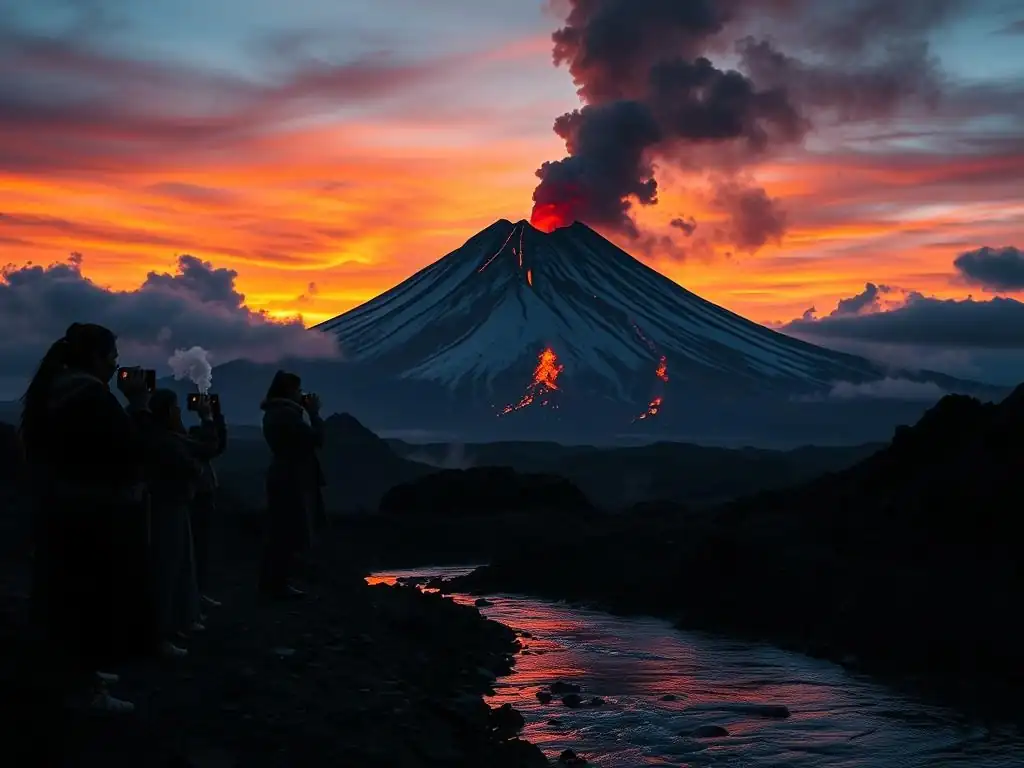
Welcome to Volcano Explorers!
Prepare to journey into the fiery heart of the Earth. Uncover the secrets whispered by the land itself as we delve into "Nature's Seismographs: Indigenous Observation of Pre-Eruption Signals." But how did ancient cultures predict volcanic eruptions long before modern science? The answer lies in their profound connection to the natural world, a connection we're about to explore. Intrigued? Dive in and discover the wisdom of generations past.
- Introduction: Unveiling Indigenous Volcano Observation Techniques
- Understanding Pre-Eruption Signals Through Indigenous Lenses
- Case Studies: Indigenous Communities and Volcanic Activity
- Specific Indigenous Volcano Observation Techniques
- The Importance of Oral Histories and Cultural Transmission
- Integrating Indigenous Knowledge with Modern Volcanology
- Challenges and Considerations
- Conclusion: Empowering Communities Through Indigenous Volcano Observation Techniques
-
Frequently Asked Questions
- What are Indigenous Volcano Observation Techniques?
- Why are Indigenous Volcano Observation Techniques important?
- How do Indigenous communities use animal behavior to predict eruptions?
- What other natural indicators are used in Indigenous Volcano Observation Techniques?
- Are Indigenous Volcano Observation Techniques reliable?
- Final Reflection: Echoes of the Earth's Wisdom
- Unleash Your Inner Volcano Observer!
Introduction: Unveiling Indigenous Volcano Observation Techniques
The Vital Role of Indigenous Knowledge in Volcano Monitoring
For centuries, communities living near volcanoes have developed intricate systems for understanding and predicting volcanic activity. Long before the advent of modern seismographs and sophisticated monitoring equipment, these Indigenous populations relied on acute observation of their surroundings, becoming nature's seismographs themselves.
This traditional knowledge, passed down through generations, offers a wealth of information about pre-eruption signals that are often subtle and may be overlooked by conventional scientific methods. Integrating this wisdom into contemporary volcanology is not just a matter of respect for cultural heritage, but a crucial step towards enhancing volcano monitoring and disaster preparedness, particularly in regions where resources for advanced technology are limited.
The value of Indigenous volcano observation techniques lies in their holistic approach to environmental monitoring. Unlike scientific instruments that focus on specific parameters, Indigenous knowledge systems consider a wide array of natural phenomena – from changes in animal behavior and plant life to alterations in water sources and atmospheric conditions.
This interconnected understanding of the environment provides a comprehensive picture of volcanic unrest, potentially detecting subtle changes that might precede an eruption. Recognizing and validating these traditional methods is essential for a more inclusive and effective approach to volcano hazard management, benefiting both local communities and the global scientific community.
VolcanoExplorers.org: Bridging Science and Traditional Wisdom
VolcanoExplorers.org recognizes the immense value of Indigenous knowledge in understanding volcanic processes. By dedicating a section to "Indigenous Knowledge of Volcanoes and Eruptions," the website aims to bridge the gap between scientific volcanology and the rich experience of communities living in volcanic regions. This initiative seeks to provide a platform for sharing and celebrating these often-underrepresented perspectives, fostering a greater appreciation for the diverse ways humans interact with and interpret volcanic landscapes. VolcanoExplorers.org believes that a collaborative approach, integrating both scientific data and Indigenous observations, is the most effective path towards improved volcano monitoring and community resilience.
Through articles, case studies, and resources, VolcanoExplorers.org endeavors to highlight the practical applications of Indigenous volcano observation techniques. The website aims to demonstrate how these traditional methods can complement modern scientific approaches, leading to a more complete and nuanced understanding of volcanic systems. By promoting dialogue and knowledge exchange, VolcanoExplorers.org aspires to empower communities, enhance scientific research, and ultimately contribute to safer and more informed living in volcanic environments.
Understanding Pre-Eruption Signals Through Indigenous Lenses
Beyond Scientific Instruments: Alternative Volcano Monitoring Methods
While modern volcanology relies heavily on instruments like seismographs, GPS stations, and gas sensors, Indigenous communities have developed alternative volcano monitoring methods deeply rooted in their intimate connection with the natural world. These methods are not replacements for scientific tools, but rather complementary approaches that offer unique insights. For instance, in areas where seismic networks are sparse or non-existent, Indigenous observations become particularly critical. They provide a continuous, localized, and often immediate source of information about changes occurring within and around a volcano, offering a vital early warning system.
These alternative methods emphasize direct observation and interpretation of natural phenomena that act as precursors to volcanic eruptions. This includes paying close attention to subtle shifts in animal behavior, changes in the physical and chemical properties of water sources, and anomalies in plant life. Unlike the quantitative data provided by instruments, Indigenous observations often rely on qualitative assessments and interpretations of patterns and deviations from the norm. This approach is holistic and deeply contextual, taking into account the specific ecological and cultural landscape of each volcanic region.
Recognizing Changes: Interpreting Nature's Subtle Clues
Indigenous volcano observation techniques excel at recognizing subtle changes in the environment that might precede an eruption. These communities are attuned to the natural rhythms of their surroundings, possessing a deep understanding of baseline conditions and deviations from those norms. For example, subtle changes in the taste, smell, or temperature of water sources, which might seem insignificant to someone unfamiliar with the area, can be critical indicators to those who rely on these sources daily and have generations of accumulated knowledge about their behavior.
Interpreting these natural clues requires a keen understanding of the local ecosystem and the volcano's history. It's not just about noticing a change, but understanding what that change signifies within the broader context of the environment. For example, the erratic behavior of certain bird species, the sudden drying of specific plants, or an unusual increase in ground temperature in particular locations are not isolated events, but pieces of a larger puzzle that experienced observers can assemble to assess the likelihood of volcanic unrest. This interpretive skill, honed over generations, is a cornerstone of Indigenous volcano monitoring.
Case Studies: Indigenous Communities and Volcanic Activity
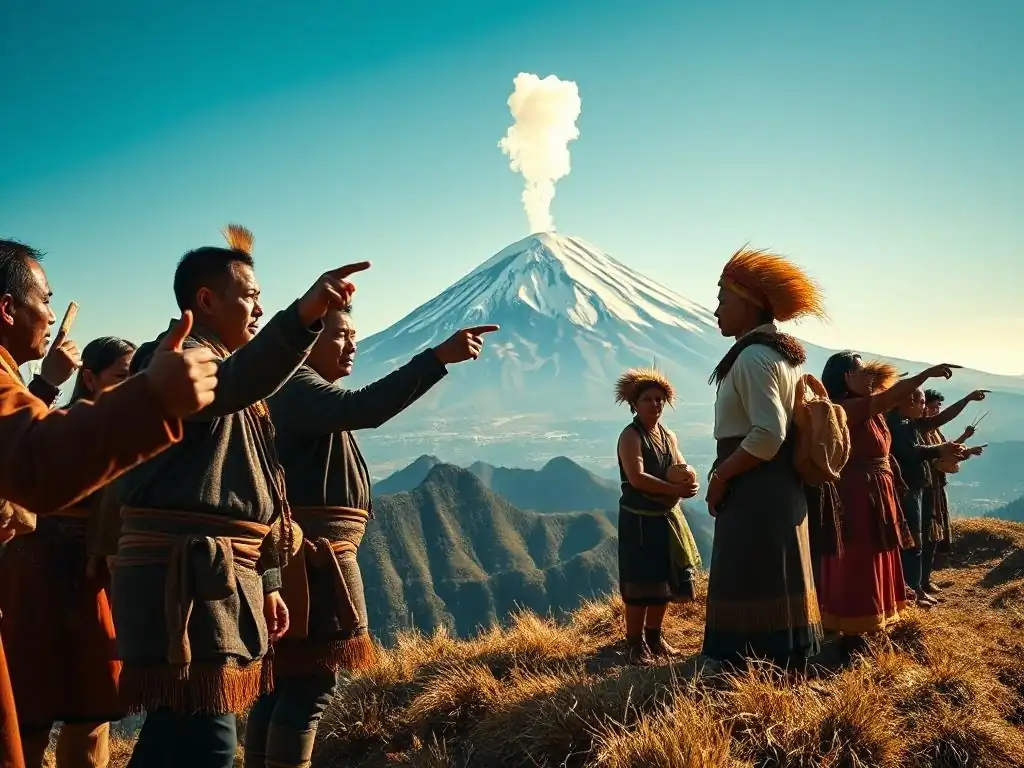
Mount Mayon: A Study of Bicolano People's Prediction Success
Mount Mayon in the Philippines, renowned for its near-perfect cone shape, is also a site where the Bicolano people have long demonstrated remarkable predictive capabilities regarding volcanic eruptions. Oral histories and documented accounts reveal that Bicolano communities have successfully predicted eruptions based on a combination of observations, including changes in the behavior of animals like birds and snakes, unusual cloud formations around the summit, and alterations in the flow and color of rivers originating from the volcano.
Historically, during periods of volcanic unrest at Mayon, elders and experienced community members would meticulously monitor these signs. For instance, an increase in the frequency of bird flocks flying away from the summit, coupled with reports of snakes descending to lower elevations, were often interpreted as warnings of impending activity.
While precise scientific validation of each prediction is challenging retrospectively, the consistent accounts of successful community-led evacuations based on these Indigenous observations highlight the efficacy and importance of this traditional knowledge. These stories, passed down through generations, illustrate the deep connection between the Bicolano people and Mayon, and their sophisticated understanding of its pre-eruption signals.
Mount Merapi Eruption: Lessons Learned from Javanese Knowledge
Mount Merapi in Java, Indonesia, is one of the world's most active volcanoes, and the Javanese people have coexisted with it for centuries, developing a profound understanding of its behavior. Traditional Javanese knowledge, often intertwined with spiritual beliefs, includes detailed observations of natural phenomena that precede eruptions. These include changes in wind patterns around the summit, increased occurrences of landslides on the volcano's flanks, and alterations in the vegetation, such as widespread wilting even during the rainy season.
During the lead-up to the devastating 2010 eruption of Merapi, while modern scientific monitoring played a crucial role, local Javanese communities also relied on their traditional knowledge. Reports indicated that experienced villagers observed unusual animal behavior, particularly among monkeys descending from the higher slopes, and noted changes in the taste and smell of well water, which they interpreted as signs of increasing volcanic activity.
While the 2010 eruption was exceptionally large and destructive, the integration of local observations with scientific data during the crisis highlighted the potential for synergy between these knowledge systems, underscoring the value of incorporating Indigenous perspectives in risk assessment and disaster preparedness.
Specific Indigenous Volcano Observation Techniques
Animal Behavior as a Precursor to Volcanic Activity
Birds: Behavior changes and their correlation to eruptions
Birds are often cited as early indicators of volcanic unrest in Indigenous volcano observation techniques. Their sensitivity to subtle changes in air quality, ground vibrations, and electromagnetic fields makes them valuable bio-indicators. Before volcanic eruptions, various bird species may exhibit noticeable behavioral changes. These can include increased restlessness, unusual vocalizations, and a tendency to flee their usual habitats near the volcano. For example, communities living near volcanoes have reported observing migratory birds altering their migration routes or arriving earlier or later than usual in areas experiencing volcanic activity.
Specific examples include changes in flocking behavior. Birds that normally flock together might disperse or become more solitary. Conversely, solitary species might congregate in unusual numbers, seeking safety in groups. Furthermore, a noticeable decrease in bird song or overall bird activity in areas close to the volcano can be a significant warning sign. Indigenous knowledge often differentiates between the behavior of different bird species, understanding which are most sensitive to specific pre-eruption signals and interpreting their actions accordingly.
Interpreting Unusual Flight Patterns
Unusual flight patterns of birds are another key observation in Indigenous volcano monitoring. Changes that deviate from normal migratory routes, foraging patterns, or daily flight routines can signal volcanic unrest. For instance, birds might be observed flying in panicked or erratic patterns, circling aimlessly, or flying at unusually low altitudes. These behaviors can be attributed to their attempts to avoid volcanic gases, ash plumes, or subtle ground deformations that are imperceptible to humans but detectable by birds.
Indigenous observers are trained to recognize deviations from typical flight patterns. They understand the usual flight paths of local bird species and can identify when these paths shift or become disrupted. For example, if birds that typically fly directly over the volcanic crater suddenly begin to avoid the summit area, it can be interpreted as a sign of increased gas emissions or other volcanic changes. The ability to differentiate between normal variations in bird behavior and truly anomalous patterns is crucial, requiring a deep and long-term understanding of local avian ecology.
Changes in Water Sources: An Indicator of Volcanic Unrest
Monitoring Water Taste and Clarity
Changes in water sources, particularly in taste and clarity, are frequently used by Indigenous communities as indicators of volcanic activity. Water sources, such as springs, streams, and wells, can be affected by volcanic gases and changes in groundwater chemistry preceding an eruption. Subtle alterations in taste, even if seemingly minor, can be significant warnings. For example, a slightly acidic or metallic taste in previously fresh water can indicate the introduction of volcanic gases or leached minerals into the water table.
Clarity is another crucial water parameter monitored traditionally. An increase in turbidity or cloudiness in water that is normally clear can suggest increased sediment load due to ground deformation or hydrothermal activity. Changes in water color, such as a milky or reddish tinge, can also be indicative of volcanic influence. Indigenous communities, relying on these water sources for daily life, are highly attuned to even subtle changes in these characteristics, making them effective early warning indicators.
The Significance of Increased Sulfur Smell
An increased sulfur smell in the air or emanating from water sources is a widely recognized pre-eruption signal in Indigenous volcano observation. Volcanic gases, including sulfur dioxide (SO2) and hydrogen sulfide (H2S), are often released in increased quantities as magma rises and volcanic activity intensifies. These gases are easily detectable by their characteristic pungent, rotten egg smell of sulfur. A sudden or noticeable increase in this smell, especially in areas where it is not typically present or is usually faint, is considered a serious warning sign.
The perception of sulfur smell is often coupled with observations of its intensity and spatial distribution. Indigenous observers note not only if the smell is present but also how strong it is and whether it is becoming more pervasive. For instance, if the sulfur smell, previously confined to areas near fumaroles, begins to be noticeable in villages further away, it suggests an expansion of gas emissions and potentially escalating volcanic unrest. The ability to detect and interpret the subtle nuances of sulfur smell, and to differentiate it from other similar odors, is a valuable skill in traditional volcano monitoring.
Plant Life Anomalies: Observing Vegetation Stress
Unusual Wilting and Die-off
Unusual wilting and die-off of vegetation in areas surrounding a volcano can be a significant indicator of pre-eruption stress. Volcanic gases, changes in soil chemistry, and increased ground temperature can negatively impact plant health, leading to visible signs of stress. Unexplained wilting of plants, particularly in areas that are normally well-watered, can be an early warning. This wilting can be widespread or localized, depending on the intensity and distribution of volcanic impacts.
Die-off, the more severe manifestation of vegetation stress, is also closely observed. Sudden patches of dead or dying trees, shrubs, or groundcover in areas previously exhibiting healthy vegetation are taken as serious signs. The pattern of die-off, whether it is radiating outwards from the summit or concentrated in specific zones, can provide clues about the location and intensity of volcanic activity. Indigenous knowledge often includes detailed understanding of local plant species and their typical responses to environmental changes, allowing for the accurate interpretation of unusual wilting and die-off as volcanic precursors.
Specific Plant Sensitivity as Bio-indicators
Certain plant species are recognized by Indigenous communities as being particularly sensitive to volcanic changes, acting as bio-indicators. These plants exhibit noticeable and often rapid responses to subtle shifts in volcanic activity, making them valuable early warning tools. For example, some types of ferns are known to be highly sensitive to changes in soil acidity caused by volcanic gases. Their fronds might exhibit discoloration, unusual curling, or premature die-back in response to even slight increases in soil acidity.
Similarly, certain types of trees or shrubs might show changes in leaf color, leaf drop, or flowering patterns in response to volcanic gases or increased ground temperature. Indigenous ecological knowledge includes detailed understanding of which plant species are most sensitive, how they react to specific volcanic stressors, and how to interpret these plant responses in the context of overall volcanic activity. This nuanced understanding of plant-volcano interactions adds a layer of sophistication to Indigenous volcano monitoring techniques.
Seismic Sensitivity: Traditional Methods of Ground Vibration Detection
Using Water-Filled Containers to Detect Ground Movement
Before the advent of modern seismographs, Indigenous communities developed ingenious methods to detect subtle ground vibrations associated with volcanic activity. One such technique involves using water-filled containers as rudimentary seismoscopes. Placing containers filled with water, such as bowls or gourds, on the ground allows for the visual detection of ground movements. Even minute tremors, imperceptible to human senses directly, can create ripples or disturbances on the water surface.
The observation of these water surface disturbances provides an indication of ground vibrations. Experienced observers can discern patterns in the ripples, noting their frequency, amplitude, and direction, to assess the intensity and nature of the ground movement. This simple yet effective technique allows for the detection of seismic activity, particularly in regions lacking advanced monitoring equipment, and provides a localized and immediate indication of potential volcanic unrest.
Interpreting Changes in Well Water Levels
Changes in well water levels are another traditional indicator of ground deformation and potential volcanic activity. Volcanic processes can cause subtle changes in ground elevation and subsurface pressure, which in turn can affect groundwater levels. Monitoring well water levels, particularly in wells that are consistently used and have established baseline levels, can reveal changes indicative of volcanic unrest. A sudden or unusual rise or fall in well water levels, especially if it deviates significantly from seasonal variations, can be a warning sign.
Indigenous communities closely observe these changes in well water levels. They understand the normal fluctuations in their local wells and can identify anomalous shifts that might be related to volcanic activity. For instance, a rapid and sustained drop in well water levels could indicate ground deformation associated with magma movement beneath the surface. Conversely, a sudden rise in water levels, particularly if accompanied by other signs like increased water temperature or turbidity, could signal increased hydrothermal activity or pressure build-up within the volcanic system.
The Importance of Oral Histories and Cultural Transmission
Preserving and Sharing Indigenous Knowledge of Volcanoes
The preservation and sharing of Indigenous knowledge of volcanoes are crucial for both cultural heritage and disaster risk reduction. This knowledge, often passed down through oral histories, stories, songs, and rituals, represents a valuable resource for understanding long-term volcanic behavior and pre-eruption signals. Oral histories contain generations of accumulated observations and experiences, providing a historical context that complements short-term scientific datasets. Preserving these narratives ensures that this wisdom is not lost and can continue to inform future generations and contribute to volcano monitoring efforts.
Sharing Indigenous knowledge involves creating platforms for dialogue and exchange between Indigenous communities, scientists, and policymakers. This can be achieved through community workshops, educational programs, and collaborative research projects. Documenting oral histories, traditional practices, and observation techniques in accessible formats, such as written reports, videos, and online resources, is essential for wider dissemination. Ensuring that this knowledge is respected, properly attributed, and used ethically is paramount in any knowledge-sharing initiative.
The Role of Rituals in Understanding Volcanic Events
Rituals and ceremonies often play a significant role in Indigenous communities' understanding of volcanic events. These practices are not merely superstitious customs but are deeply intertwined with their worldview and their relationship with the natural world, including volcanoes. Rituals can serve as a way to communicate observations, transmit knowledge across generations, and maintain a collective memory of past volcanic events. They often incorporate symbolic representations of volcanic processes, pre-eruption signals, and appropriate responses to volcanic crises.
Furthermore, rituals can be seen as a form of environmental monitoring in themselves. The performance of certain ceremonies at specific times or in response to particular environmental cues can act as triggers for community action, such as heightened vigilance or evacuation preparations. Understanding the cultural context and symbolic meaning embedded in these rituals provides valuable insights into how Indigenous communities perceive, interpret, and respond to volcanic hazards. Recognizing the role of rituals in knowledge transmission and community resilience is crucial for a holistic understanding of Indigenous volcano observation techniques.
Integrating Indigenous Knowledge with Modern Volcanology
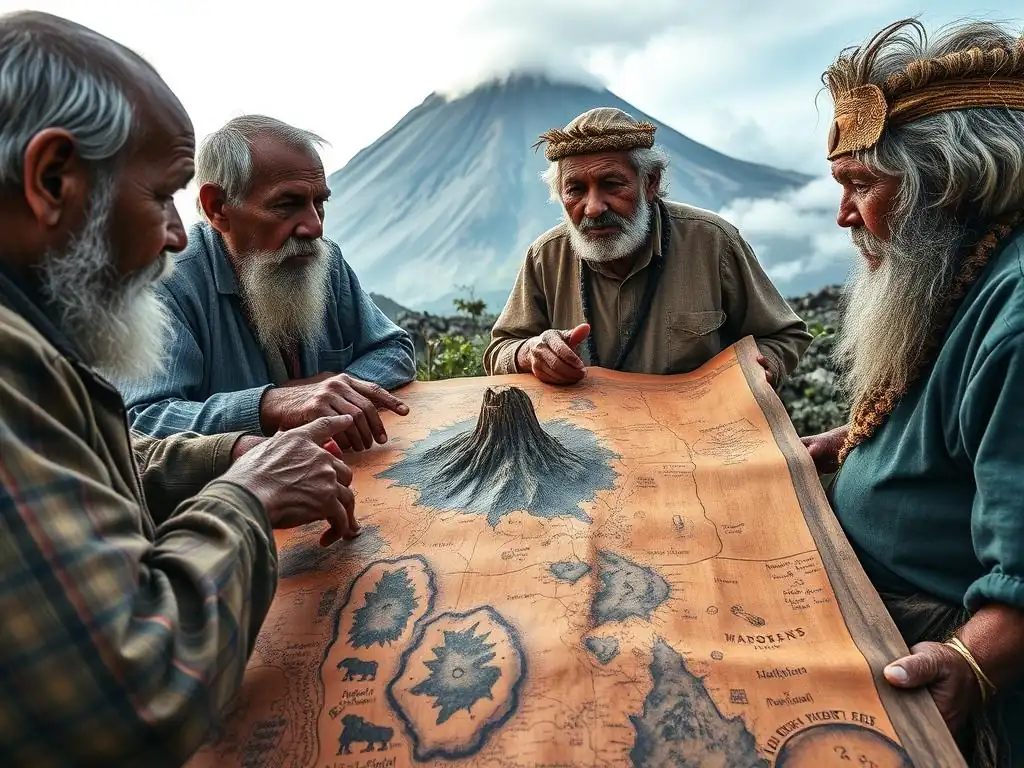
Collaborative Approaches to Volcano Monitoring
Integrating Indigenous knowledge with modern volcanology requires collaborative approaches that respect and value both knowledge systems. This means moving beyond simply extracting information from Indigenous communities and towards genuine partnerships where Indigenous knowledge holders are recognized as experts and active participants in volcano monitoring and risk management. Collaborative projects should involve co-designing research questions, sharing data and findings, and jointly developing strategies for community preparedness and response.
Effective collaboration requires building trust and mutual understanding between scientists and Indigenous communities. This involves open communication, respectful dialogue, and a willingness to learn from each other's perspectives. Scientists need to understand the cultural context of Indigenous knowledge and appreciate its holistic and long-term perspective. Indigenous communities, in turn, can benefit from access to scientific data and tools, while retaining control over their traditional knowledge and its application.
Benefits of Combining Traditional and Scientific Methods
Combining Indigenous volcano observation techniques with modern scientific methods offers numerous benefits for enhanced volcano monitoring and risk reduction. Indigenous knowledge can provide valuable insights into long-term volcanic behavior, identify subtle pre-eruption signals that might be missed by instruments, and offer localized, real-time information in remote areas. Scientific monitoring provides quantitative data, technological tools, and a broader regional and global perspective on volcanic activity.
The synergy between these approaches can lead to more comprehensive and effective volcano monitoring systems. For example, integrating Indigenous observations of animal behavior or water source changes with scientific data on seismicity or gas emissions can provide a more nuanced and timely assessment of volcanic risk. This combined approach can improve early warning systems, enhance community preparedness, and ultimately contribute to saving lives and reducing the impacts of volcanic eruptions.
Challenges and Considerations
Addressing Skepticism and Misinformation
One of the challenges in integrating Indigenous knowledge with modern volcanology is addressing skepticism and misinformation that may exist within the scientific community and broader society. Traditional knowledge is sometimes dismissed as anecdotal, unscientific, or lacking in rigor compared to quantitative scientific data. Overcoming this skepticism requires demonstrating the validity and reliability of Indigenous observation techniques through rigorous research, case studies, and comparative analyses.
It is crucial to present Indigenous knowledge not as a replacement for science, but as a complementary and valuable knowledge system. Highlighting successful examples of Indigenous predictions and the scientific basis for some traditional observations can help build credibility and foster greater acceptance. Addressing misinformation also involves countering stereotypes and promoting a more nuanced understanding of Indigenous knowledge systems, recognizing their complexity, sophistication, and deep ecological insights.
Ethical Considerations in Data Sharing and Intellectual Property
Ethical considerations are paramount in any effort to integrate Indigenous knowledge into volcano monitoring. It is essential to ensure that Indigenous knowledge is accessed, used, and shared in a respectful, ethical, and culturally appropriate manner. This includes obtaining free, prior, and informed consent from Indigenous communities before collecting or using their knowledge. Recognizing and respecting Indigenous intellectual property rights over their traditional knowledge is crucial.
Data sharing should be guided by principles of reciprocity and mutual benefit. Indigenous communities should have control over how their knowledge is used and shared, and they should benefit from any applications or outcomes that arise from its integration with scientific research. Establishing clear protocols for data ownership, attribution, and benefit-sharing is essential to build trust and ensure ethical and equitable partnerships between scientists and Indigenous communities.
Conclusion: Empowering Communities Through Indigenous Volcano Observation Techniques
The Future of Volcano Monitoring: A Holistic Approach
The future of volcano monitoring lies in adopting a more holistic approach that integrates diverse knowledge systems, including both modern science and Indigenous knowledge. This means moving beyond a purely technological focus and embracing a broader perspective that values local expertise, environmental observation, and community participation. A holistic approach recognizes that volcanoes are complex natural systems that require multifaceted understanding, drawing upon the strengths of different knowledge traditions.
This integrated approach emphasizes collaboration, knowledge sharing, and mutual learning between scientists, Indigenous communities, and other stakeholders. It promotes the development of more resilient and culturally appropriate volcano monitoring and disaster preparedness strategies. By valuing and incorporating Indigenous volcano observation techniques, we can move towards a more inclusive, effective, and equitable approach to living with volcanoes.
Protecting Communities and Preserving Cultural Heritage
Empowering communities through Indigenous volcano observation techniques is not only about enhancing volcano monitoring and early warning systems, but also about protecting cultural heritage. Traditional knowledge is an integral part of Indigenous cultures and identities, and its preservation is essential for maintaining cultural diversity and resilience. Supporting the transmission of Indigenous knowledge to younger generations, through intergenerational learning and culturally appropriate education programs, is crucial for its long-term survival.
Recognizing and valuing Indigenous volcano observation techniques also contributes to community empowerment and self-determination. It validates their expertise, strengthens their connection to their land and environment, and enhances their capacity to manage volcanic risks in a culturally appropriate and sustainable manner. Ultimately, integrating Indigenous knowledge into volcano monitoring is a pathway towards both safer communities and the preservation of invaluable cultural heritage for generations to come.
Frequently Asked Questions
What are Indigenous Volcano Observation Techniques?
These are traditional methods used by local communities living near volcanoes to detect pre-eruption signs. They often involve observing changes in animal behavior, plant life, and the surrounding environment.
Why are Indigenous Volcano Observation Techniques important?
They provide valuable insights that complement scientific monitoring. These techniques often detect subtle changes that modern instruments might miss, offering an early warning system.
How do Indigenous communities use animal behavior to predict eruptions?
Changes in animal behavior, such as migration patterns or unusual restlessness, are often interpreted as signs of impending volcanic activity due to their sensitivity to environmental changes.
What other natural indicators are used in Indigenous Volcano Observation Techniques?
Besides animal behavior, indigenous communities may observe changes in water sources (temperature, taste), plant health and growth, and unusual ground movements.
Are Indigenous Volcano Observation Techniques reliable?
While they shouldn't be solely relied upon, they can be highly valuable when combined with scientific data. Their effectiveness stems from generations of accumulated knowledge and close observation of the environment.
Final Reflection: Echoes of the Earth's Wisdom
The exploration of Indigenous Volcano Observation Techniques reveals more than just scientific data; it unveils a profound connection between humanity and the natural world, a connection that is increasingly vital in our modern, often disconnected, existence. The wisdom gleaned from generations of observing subtle pre-eruption signals offers not only invaluable insights for disaster preparedness but also a powerful reminder of the interconnectedness of all things.
The enduring influence of these techniques resonates deeply, reminding us of the limitations of purely technological approaches and the critical importance of listening to the earth's subtle whispers. This ancient knowledge, passed down through generations, provides a holistic understanding of volcanic activity that complements, and often surpasses, modern scientific methods. We do not inherit the earth from our ancestors; we borrow it from our children.
- Native American Proverb. This proverb encapsulates the responsibility we have to learn from and preserve these invaluable traditions for future generations.
As we conclude this exploration of Indigenous volcano observation, let us reflect on the profound lessons learned. Consider how you can cultivate a deeper connection with the natural world around you, embracing the wisdom of those who have lived in harmony with it for centuries. Let us all strive to become more attuned to the subtle signals of our planet, not just for our own safety, but for the preservation of the delicate balance that sustains us all.
Unleash Your Inner Volcano Observer!
Thanks for diving into the fascinating world of indigenous volcano observation! We hope you've gained a new appreciation for the invaluable knowledge held by communities living alongside these powerful natural wonders. Now, it's your turn to get involved.
Here are some ways you can take action:
- Become a Citizen Scientist: Report any unusual seismic activity you observe in your area to your local geological survey, even if it seems minor.: Your observations contribute to a larger understanding of volcanic behavior.
- Share this article with others! Help spread awareness of indigenous knowledge and its importance in modern volcano monitoring.
- Research the indigenous communities near volcanoes in your region and learn about their traditional methods of observation. You might be surprised by what you discover!
What subtle changes in your environment have you noticed recently that might warrant further investigation? Share your observations in the comments below!