
Forgotten Volcano Wisdom: Recovering Lost Indigenous Knowledge

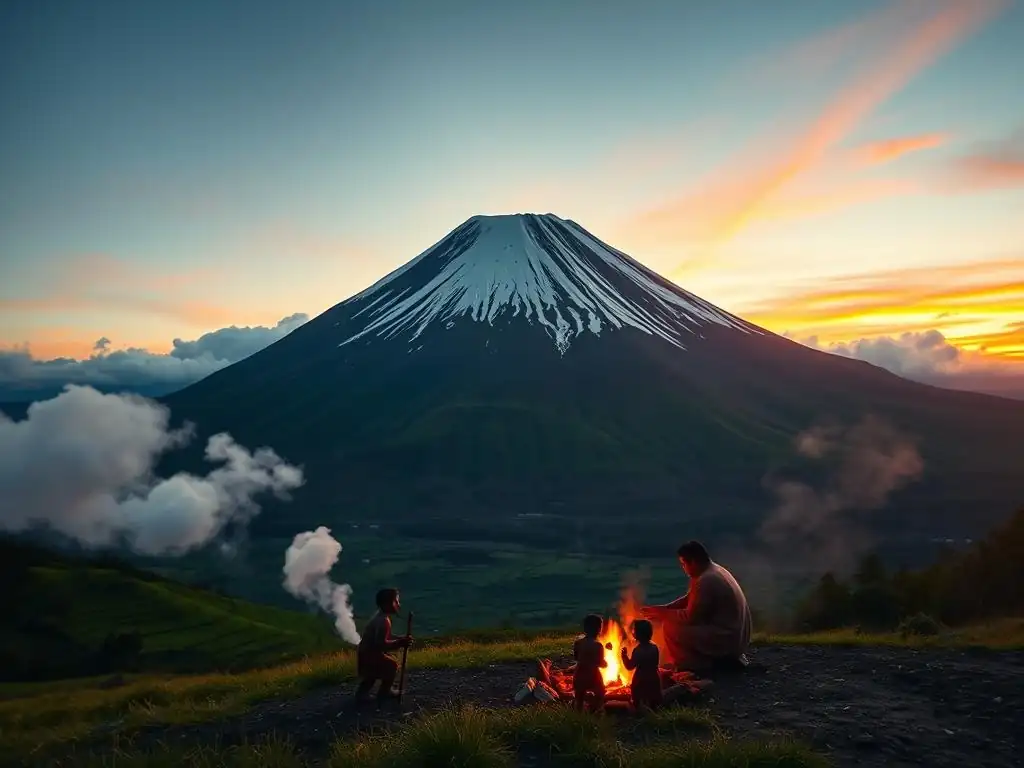
Welcome to Volcano Explorers, where the earth breathes fire and history unfolds in molten rock. But have you ever wondered what ancient wisdom lies buried beneath the ash? Prepare to unearth a fascinating perspective as we delve into the forgotten indigenous knowledge of volcanoes, a treasure trove of understanding that modern science is only beginning to appreciate. What secrets do these ancestral voices hold about predicting eruptions and living in harmony with these powerful forces? Let's begin the exploration...
- Volcano Wisdom: Recovering Indigenous Knowledge
- The Vital Role of Indigenous Knowledge in Understanding Volcanoes
- Case Studies: Recovering Indigenous Volcano Lore
- Techniques for Recovering and Preserving Indigenous Volcanic Knowledge
- The Intersection of Indigenous Knowledge and Modern Volcanology
- Challenges in Preserving and Sharing Indigenous Volcano Knowledge
- The Future of Indigenous Volcano Studies: Empowering Local Communities
- The Importance of Respecting and Valuing Indigenous Perspectives on Volcanoes
-
Frequently Asked Questions
- How does VolcanoExplorers.org define "indigenous knowledge of volcanoes"?
- Why is recovering indigenous knowledge about volcanoes important?
- What types of indigenous practices are considered "forgotten" and being recovered?
- Where can I find examples of successful integration of indigenous knowledge into modern volcanology?
- How can I contribute to the recovery and preservation of indigenous knowledge related to volcanoes?
- Final Reflection: Embracing Volcanic Legacies
- Rediscover Ancient Pathways: Ignite Your Volcano Exploration!
Volcano Wisdom: Recovering Indigenous Knowledge
The Vital Role of Indigenous Knowledge in Understanding Volcanoes
Why Indigenous Perspectives on Volcanic Activity Matter
Indigenous communities around the world have coexisted with volcanoes for millennia, developing intricate systems of knowledge about these powerful natural forces. This indigenous knowledge of volcanoes, often passed down through generations via oral traditions, rituals, and practical experience, offers unique insights that complement modern volcanology. For centuries, these communities have observed volcanic precursors, understood eruption cycles, and developed sustainable ways of living in volcanic landscapes.
Their intimate connection with the land has provided them with a deep understanding of volcanic behavior, often exceeding the timeframe of instrumental records available to scientists. Recognizing and integrating this wealth of knowledge is crucial for a more comprehensive and nuanced understanding of volcanic processes and hazards.
The value of indigenous perspectives extends beyond mere historical curiosity. It offers practical advantages in contemporary volcano monitoring and hazard mitigation. Indigenous knowledge often includes detailed observations of subtle environmental changes that might precede volcanic activity, such as alterations in water sources, animal behavior, or vegetation patterns. These indicators, sometimes overlooked by scientific instruments, can provide valuable early warnings of potential eruptions. Furthermore, understanding indigenous cosmologies and cultural interpretations of volcanic events can improve communication and build trust between scientists, authorities, and local populations, leading to more effective and culturally sensitive disaster preparedness and response strategies.
The Erosion of Traditional Ecological Knowledge (TEK) Regarding Volcanoes
Despite its immense value, traditional ecological knowledge (TEK), including indigenous knowledge of volcanoes, is facing rapid erosion globally. Factors such as globalization, modernization, and displacement of indigenous populations contribute significantly to this loss. As younger generations become increasingly disconnected from traditional ways of life and languages, the intricate knowledge accumulated over centuries is at risk of disappearing. This erosion is further exacerbated by the undervaluation and dismissal of TEK by dominant scientific paradigms, which often prioritize Western scientific methods and data.
The consequences of this knowledge loss are profound. Not only do we lose valuable insights into volcanic processes, but we also undermine the resilience and adaptive capacity of indigenous communities living in volcanic regions. When traditional knowledge is lost, communities become more vulnerable to volcanic hazards, as they may lose the understanding and practices that have historically ensured their safety and well-being. Recovering and revitalizing indigenous knowledge of volcanoes is therefore not just an academic exercise, but a vital step towards promoting cultural preservation, enhancing disaster preparedness, and fostering a more holistic and equitable approach to volcanology.
Case Studies: Recovering Indigenous Volcano Lore
Mount Shasta - A Case Study of Recovered Indigenous Knowledge
Mount Shasta, a majestic stratovolcano in Northern California, holds deep spiritual and cultural significance for several indigenous tribes, including the Shasta, Karuk, Klamath, Modoc, and Wintu peoples. Their traditional knowledge of Mount Shasta, passed down through generations, includes detailed accounts of past eruptions and volcanic activity, often interwoven with rich oral histories and creation stories.
For instance, the Wintu people have stories describing the mountain as a sacred place and its eruptions as expressions of powerful spirits. These narratives, initially dismissed as myths, are now being re-evaluated by volcanologists as potentially containing valuable historical information about the volcano's eruptive history.
Recent collaborations between volcanologists and indigenous communities around Mount Shasta have begun to unearth and validate aspects of this traditional knowledge. For example, oral histories describing specific eruption events and associated landscape changes are being compared with geological records and dating techniques.
Archaeological surveys are also uncovering evidence of past settlements and land use patterns that align with indigenous accounts of volcanic activity. This collaborative effort is not only enriching our understanding of Mount Shasta's volcanic history but also empowering indigenous communities to reclaim and share their ancestral knowledge, contributing to a more comprehensive and culturally sensitive approach to volcano research and management in the region.
Mount Ruapehu - Unearthing Ancient Eruption Stories
Mount Ruapehu, an active volcano in New Zealand's North Island, is central to the traditions and identity of the Māori people, particularly the Ngāti Rangi iwi. Māori oral histories, waiata (songs), and whakapapa (genealogies) contain detailed accounts of Ruapehu's eruptions, often personifying the mountain as a powerful ancestor and attributing volcanic activity to spiritual forces and ancestral actions. These stories, once viewed as metaphorical, are now recognized as repositories of valuable information about past volcanic events, spanning centuries before European scientific observation.
Researchers working with Ngāti Rangi have begun to explore the rich tapestry of Māori knowledge related to Ruapehu. Through careful analysis of oral traditions and linguistic clues within place names and narratives, they are identifying potential correlations with geological evidence of past eruptions.
For example, some Māori accounts describe significant lahar events and changes in the mountain's landscape that may correspond with known periods of volcanic activity. This process of "unearthing" ancient eruption stories not only enhances our understanding of Ruapehu's long-term eruptive behavior but also strengthens the connection between Ngāti Rangi and their ancestral lands, reaffirming the importance of indigenous knowledge in interpreting volcanic landscapes.
Techniques for Recovering and Preserving Indigenous Volcanic Knowledge
Oral History Projects: Documenting First-Hand Accounts of Volcanic Events
Oral history projects are crucial for recovering and preserving indigenous knowledge of volcanoes. These projects involve systematically recording and documenting the memories, experiences, and stories of elders and knowledge holders within indigenous communities. Through in-depth interviews, researchers can capture detailed accounts of past volcanic events, including observations of precursory signs, eruption characteristics, and the impacts on communities and landscapes. These first-hand accounts often contain valuable information not found in written records, providing unique insights into the temporal and spatial dimensions of volcanic activity.
Effective oral history projects require a culturally sensitive and respectful approach. It is essential to establish strong relationships of trust with indigenous communities, ensuring free, prior, and informed consent before undertaking any research.
Interviews should be conducted in a manner that respects cultural protocols and values, and the resulting recordings and transcripts should be made accessible to the communities for their own use and preservation. Furthermore, oral history projects should not be seen as simply extracting information but as a collaborative process that empowers indigenous communities to share their knowledge on their own terms, contributing to the revitalization and intergenerational transmission of their cultural heritage.
Archaeological Evidence: Linking Ancient Settlements to Volcanic Activity
Archaeology provides another powerful avenue for recovering indigenous knowledge of volcanoes. By excavating and analyzing archaeological sites in volcanic regions, researchers can uncover tangible evidence of past human interactions with volcanic landscapes. The distribution and characteristics of ancient settlements, tools, and artifacts can reveal how indigenous peoples adapted to volcanic hazards, utilized volcanic resources, and interpreted volcanic events. For instance, the presence of volcanic ash layers in archaeological strata can be precisely dated, providing a chronological framework for correlating human occupation with periods of volcanic activity.
Archaeological investigations, when conducted in collaboration with indigenous communities, can be particularly insightful. Indigenous perspectives on the cultural significance of archaeological sites, traditional land use patterns, and oral histories relating to past events can enrich the interpretation of archaeological data. For example, the discovery of abandoned settlements or changes in settlement patterns in volcanic regions might align with indigenous narratives of past eruptions or volcanic crises. This interdisciplinary approach, combining archaeological methods with indigenous knowledge, offers a more holistic and culturally grounded understanding of long-term human-volcano interactions.
Ethnobotanical Studies: Plants as Indicators of Volcanic Changes
Ethnobotanical studies, focusing on the relationships between people and plants, can contribute to recovering indigenous knowledge of volcanoes by exploring how plants are used as indicators of volcanic changes. Indigenous communities often possess a deep understanding of local flora and fauna, including the subtle ways in which volcanic activity affects plant life. Changes in plant distribution, growth patterns, or species composition can be indicators of volcanic unrest, soil fertility changes after eruptions, or the presence of geothermal activity.
Ethnobotanical research involves documenting indigenous knowledge of plant uses, including medicinal, nutritional, and technological applications, as well as their ecological roles. By interviewing indigenous plant experts and conducting field observations, researchers can identify plants that are traditionally used as indicators of volcanic conditions. For example, certain plant species may be known to thrive or decline in response to specific volcanic gases or changes in soil chemistry. This knowledge can be invaluable for monitoring volcanic activity, assessing environmental impacts, and understanding the ecological dynamics of volcanic landscapes from an indigenous perspective.
The Intersection of Indigenous Knowledge and Modern Volcanology
Combining Scientific Data with Traditional Environmental Knowledge
The most fruitful path forward in understanding volcanoes lies in the intersection of scientific data and traditional environmental knowledge (TEK). Modern volcanology, with its sophisticated instruments and analytical techniques, provides detailed quantitative data on volcanic processes. Indigenous knowledge, on the other hand, offers long-term, localized, and culturally contextualized observations, often encompassing aspects of volcanic behavior that scientific instruments may miss or underemphasize. Combining these two knowledge systems creates a synergistic effect, leading to a more comprehensive and nuanced understanding of volcanoes.
Integrating scientific data with TEK requires genuine collaboration and mutual respect. Scientists need to recognize the validity and value of indigenous knowledge, moving beyond a purely extractive approach to research. This involves actively listening to indigenous perspectives, incorporating TEK into research designs, and validating traditional observations using scientific methods where appropriate. For example, indigenous accounts of changes in water sources or animal behavior prior to eruptions can be investigated using hydrological and ecological monitoring techniques. Conversely, scientific data can help contextualize and interpret indigenous narratives, providing a deeper understanding of the timescales and magnitudes of past volcanic events.
Benefits of Collaborative Research: Scientists and Indigenous Communities
Collaborative research between scientists and indigenous communities yields significant benefits for both parties. For scientists, collaboration provides access to a wealth of local knowledge, historical data, and alternative perspectives that can enhance the accuracy, relevance, and cultural sensitivity of their research. It can lead to the discovery of new insights into volcanic processes, improve volcano monitoring strategies, and contribute to more effective hazard mitigation efforts tailored to local contexts.
For indigenous communities, collaborative research can empower them to reclaim and revitalize their traditional knowledge, strengthen their cultural identity, and participate actively in decisions that affect their lands and livelihoods. It can also provide opportunities for capacity building, education, and economic development. When research is conducted equitably and respectfully, with genuine benefit sharing, it can foster trust and build long-term partnerships between scientists and indigenous communities, creating a more inclusive and sustainable approach to volcano research and management.
Challenges in Preserving and Sharing Indigenous Volcano Knowledge
Language Barriers and Cultural Sensitivity
Preserving and sharing indigenous volcano knowledge faces several challenges, starting with language barriers and the need for cultural sensitivity. Much of this knowledge is embedded in indigenous languages and oral traditions, which are often threatened by language loss and cultural assimilation. Translating and interpreting this knowledge accurately requires linguistic expertise and a deep understanding of the cultural context in which it is embedded. Direct translation may not capture the full meaning and nuances of traditional concepts, and cultural interpretations of volcanic phenomena may differ significantly from Western scientific frameworks.
Cultural sensitivity is paramount in all stages of research and knowledge sharing. Researchers must be aware of and respect indigenous cultural protocols, intellectual property rights, and community values. Knowledge should be accessed and shared only with the free, prior, and informed consent of the knowledge holders and communities. Avoidance of cultural appropriation and misrepresentation is crucial, and efforts should be made to ensure that indigenous knowledge is presented in a respectful and authentic manner, recognizing the cultural context and the authority of knowledge holders.
Protecting Intellectual Property Rights of Indigenous Communities
Protecting the intellectual property rights of indigenous communities related to their volcano knowledge is a critical ethical and legal challenge. Traditional knowledge is often considered collective intellectual property, belonging to the community rather than to individuals. However, existing intellectual property frameworks, often based on individual ownership and Western concepts of innovation, may not adequately protect indigenous knowledge. There is a risk of misappropriation and commercialization of indigenous knowledge without the consent or benefit sharing with the communities.
Developing appropriate mechanisms for protecting indigenous intellectual property rights requires a multi-faceted approach. This includes recognizing customary law and indigenous systems of knowledge governance, developing community protocols and agreements for research and knowledge sharing, and advocating for legal frameworks that acknowledge and protect collective intellectual property rights. Furthermore, raising awareness among researchers, policymakers, and the public about the importance of respecting indigenous intellectual property rights is essential for ensuring equitable and ethical engagement with indigenous communities.
Ensuring Equitable Collaboration and Benefit Sharing
Ensuring equitable collaboration and benefit sharing is fundamental to ethical research and knowledge preservation involving indigenous communities. Historically, research involving indigenous peoples has often been extractive, with researchers benefiting while communities receive little or no tangible benefits. This legacy of unequal power dynamics and exploitation needs to be addressed through a commitment to equitable partnerships and benefit sharing.
Equitable collaboration requires shared decision-making power throughout the research process, from project design to data analysis and dissemination. Indigenous communities should be active partners, not just research subjects. Benefit sharing can take various forms, including capacity building, training, employment opportunities, financial compensation, access to research results, and support for community development initiatives. Negotiating benefit-sharing agreements upfront and ensuring transparency and accountability in the research process are crucial steps towards building trust and fostering mutually beneficial partnerships between scientists and indigenous communities.
The Future of Indigenous Volcano Studies: Empowering Local Communities
Education and Outreach Programs: Sharing Knowledge Across Generations
Education and outreach programs are vital for ensuring the future of indigenous volcano studies and for sharing knowledge across generations. These programs should be designed in collaboration with indigenous communities to revitalize traditional knowledge, promote intergenerational transmission, and integrate indigenous perspectives into mainstream education curricula. Language revitalization efforts are crucial for preserving the linguistic context of traditional knowledge. Elder-youth mentorship programs can facilitate the direct transfer of knowledge from knowledge holders to younger generations.
Outreach programs should also target broader audiences, including scientists, policymakers, and the general public, to raise awareness about the value of indigenous volcano knowledge and the importance of respecting indigenous rights and perspectives. Public lectures, workshops, community events, and culturally appropriate educational materials can be used to disseminate information and foster cross-cultural understanding. By making indigenous volcano knowledge more accessible and visible, we can promote its recognition and integration into volcano research, hazard mitigation, and broader environmental management strategies.
Community-Based Monitoring: Integrating Local Observations into Early Warning Systems
Community-based monitoring programs offer a powerful way to integrate indigenous knowledge into volcano early warning systems. These programs involve training and empowering local community members, including indigenous knowledge holders, to participate actively in monitoring volcanic activity and reporting observations. Combining local observations with scientific data can enhance the sensitivity and effectiveness of early warning systems, particularly in remote or under-instrumented volcanic regions.
Community-based monitoring can include training community members to recognize precursory signs of volcanic unrest based on both traditional knowledge and scientific indicators. This might involve observing changes in water sources, animal behavior, vegetation, gas emissions, or ground deformation. Establishing clear communication channels between community monitors, scientists, and emergency management agencies is crucial for timely and effective responses to volcanic crises. By integrating local observations into early warning systems, we can enhance community resilience and reduce vulnerability to volcanic hazards.
Supporting Indigenous Leadership in Volcano Research and Management
The future of indigenous volcano studies must prioritize supporting indigenous leadership in research and management. This means empowering indigenous communities to define research priorities, lead research projects, and manage volcanic landscapes according to their own cultural values and knowledge systems. Supporting indigenous-led research initiatives requires providing resources, training, and mentorship opportunities for indigenous researchers and community members.
Indigenous leadership also extends to volcano management and hazard mitigation. Indigenous communities should be actively involved in decision-making processes related to land use planning, disaster preparedness, and risk reduction strategies in volcanic regions. Recognizing and respecting indigenous self-determination and sovereignty is essential for ensuring that volcano research and management are culturally appropriate, equitable, and sustainable. By empowering indigenous leadership, we can move towards a more just and effective approach to living with volcanoes, one that values both scientific rigor and the wisdom accumulated through generations of lived experience.
The Importance of Respecting and Valuing Indigenous Perspectives on Volcanoes
Reclaiming a Holistic Understanding of Volcanic Landscapes
Respecting and valuing indigenous perspectives on volcanoes is essential for reclaiming a more holistic understanding of volcanic landscapes. Western scientific approaches often tend to compartmentalize and analyze volcanic phenomena in isolation, focusing on geological, geophysical, and geochemical processes. Indigenous perspectives, in contrast, tend to view volcanoes as interconnected systems, encompassing not only physical processes but also ecological, cultural, and spiritual dimensions.
Indigenous knowledge emphasizes the interconnectedness of volcanoes with the environment, with human societies, and with the broader cosmos. It recognizes the cultural and spiritual significance of volcanoes as living entities, ancestral beings, or sacred places. By integrating these holistic perspectives into our understanding of volcanoes, we can move beyond a purely mechanistic view and appreciate the complex and multifaceted relationships between volcanoes and the world around them. This holistic understanding is crucial for developing more sustainable and culturally sensitive approaches to volcano research, management, and hazard mitigation.
Promoting Sustainable Volcanic Hazard Mitigation Strategies
Ultimately, respecting and valuing indigenous perspectives on volcanoes is crucial for promoting sustainable volcanic hazard mitigation strategies. Indigenous knowledge offers valuable insights into living sustainably in volcanic environments, based on centuries of adaptation and resilience. Traditional practices, such as land management techniques, building designs, and community-based early warning systems, have proven effective in reducing vulnerability to volcanic hazards.
Integrating indigenous knowledge into modern hazard mitigation strategies can lead to more culturally appropriate, locally relevant, and sustainable solutions. This involves working in partnership with indigenous communities to co-develop hazard mitigation plans that incorporate both scientific and traditional knowledge. By valuing indigenous perspectives and empowering local communities, we can build more resilient and equitable societies that are better prepared to live safely and sustainably in the shadow of volcanoes.
Frequently Asked Questions
How does VolcanoExplorers.org define "indigenous knowledge of volcanoes"?
It refers to the traditional understanding and practices developed by local communities living near volcanoes over generations, encompassing observations, interpretations, and survival strategies. This knowledge is often passed down orally and is deeply intertwined with their culture.
Why is recovering indigenous knowledge about volcanoes important?
Recovering this knowledge provides valuable insights into volcanic behavior that may not be captured by modern scientific instruments. It can also contribute to more effective disaster preparedness and mitigation strategies for vulnerable communities.
What types of indigenous practices are considered "forgotten" and being recovered?
These practices can include traditional warning signs, methods for predicting eruptions based on animal behavior or plant changes, and spiritual beliefs influencing how communities interact with and respect volcanic landscapes.
Where can I find examples of successful integration of indigenous knowledge into modern volcanology?
VolcanoExplorers.org highlights case studies where collaboration between scientists and indigenous communities has improved volcanic risk assessment, monitoring, and communication strategies, particularly in regions with a long history of volcanic activity.
You can support organizations working with local communities, promote awareness of the importance of indigenous perspectives, and advocate for the inclusion of this knowledge in disaster risk reduction planning.
Final Reflection: Embracing Volcanic Legacies
The exploration of forgotten indigenous knowledge of volcanoes, as detailed in this article, is not merely an academic exercise; it is a vital act of reclaiming a profound connection to the Earth. In a world increasingly disconnected from natural rhythms, understanding and honoring the wisdom of those who lived in harmony with volcanic landscapes offers invaluable lessons for sustainable living and disaster preparedness.
This recovered knowledge resonates deeply, reminding us that our relationship with the natural world is not one of dominance, but of reciprocal understanding. The stories, rituals, and practical skills passed down through generations represent a powerful testament to the resilience and ingenuity of indigenous communities. We do not inherit the Earth from our ancestors; we borrow it from our children.
This ancient proverb encapsulates the responsibility we have to learn from the past and safeguard the future, integrating indigenous perspectives into our modern understanding of volcanic activity.
As you reflect on the insights shared in this article, consider how you can contribute to preserving and promoting indigenous knowledge. Let us all strive to become better stewards of the Earth, learning from the wisdom of those who have lived in harmony with its powerful forces for centuries, ensuring that these invaluable legacies are not forgotten, but rather, actively embraced and applied for the benefit of all.
Rediscover Ancient Pathways: Ignite Your Volcano Exploration!
Thank you for exploring the rich tapestry of indigenous knowledge surrounding volcanoes. We hope you've gained a newfound appreciation for the profound connection between people and the fiery landscapes they inhabit. Now, let's translate that inspiration into action!
Here's how you can continue your journey:
- Learn more about the indigenous names and stories associated with volcanoes in your region. Understanding their perspective is the first step towards honoring their wisdom.
- Share this article to help raise awareness about the importance of preserving indigenous volcano lore.
- Join our Volcano Explorers community forum at volcanoexplorers.org to discuss and learn more about these powerful traditions and share your own discoveries!
What steps will you take this week to further explore the indigenous history of your local volcanic landscapes? Share your plans in the comments below!