
Hidden in Plain Sight: Indigenous Clues to Volcanic Hazards

Welcome to Volcano Explorers!
Prepare to uncover secrets etched in fire and time. Ever wondered what ancient wisdom can reveal about predicting volcanic eruptions? Our latest exploration, " Hidden in Plain Sight: Indigenous Clues to Volcanic Hazards," delves into the often-overlooked knowledge of indigenous communities and how their observations hold vital keys to understanding and mitigating volcanic risks. What if the answers to surviving the next eruption have been with us all along? Journey with us as we explore this fascinating intersection of culture, science, and survival, and discover how the whispers of the past can safeguard our future.
- Introduction: Unveiling Indigenous Wisdom in Volcano Exploration
- The Rich Tapestry of Indigenous Knowledge and Volcanic Activity
- Case Studies: Indigenous Clues That Predicted Volcanic Events
- Deciphering Indigenous Knowledge: Identifying Key Indicators of Volcanic Hazards
- Integrating Indigenous Knowledge into Modern Volcanic Hazard Assessment
- Preserving and Protecting Indigenous Knowledge for Future Volcanic Hazard Mitigation
- Conclusion: The Enduring Value of Indigenous Knowledge in Understanding Volcanic Hazards
-
Frequently Asked Questions
- What is the main focus of the article "Hidden in Plain Sight: Indigenous Clues to Volcanic Hazards"?
- Why is indigenous knowledge valuable for understanding volcanic hazards?
- What types of information can indigenous knowledge offer regarding volcanic activity?
- How can volcanologists incorporate indigenous knowledge into their research?
- What are some potential benefits of combining indigenous knowledge with scientific monitoring of volcanoes?
- Final Reflection: Echoes of the Earth's Wisdom
- Unleash Your Inner Volcano Detective!
Introduction: Unveiling Indigenous Wisdom in Volcano Exploration
VolcanoExplorers.org: Bridging Science and Traditional Knowledge
VolcanoExplorers.org stands at the forefront of a crucial intersection: the dynamic world of volcanology and the often-overlooked wealth of indigenous knowledge. This platform recognizes that for centuries, long before modern scientific instruments, communities living near volcanoes developed intricate systems for understanding and predicting volcanic activity. These systems, rooted in deep observation and cultural transmission, offer invaluable insights that complement and enrich contemporary volcanology. VolcanoExplorers.org aims to bridge the gap between these two knowledge systems, fostering a more holistic and effective approach to volcanic hazard assessment and mitigation.
By exploring the narratives, practices, and environmental understandings of indigenous peoples, VolcanoExplorers.org seeks to broaden our perspective on volcanoes. It acknowledges that scientific instruments provide crucial data, but also emphasizes the significance of long-term, place-based ecological knowledge held by indigenous communities. This knowledge, often embedded in oral histories, traditional practices, and a profound connection to the land, can reveal subtle precursors to volcanic events that might be missed by purely scientific approaches. The website serves as a resource for learning about this vital intersection, promoting respect for indigenous wisdom and its potential to enhance volcanic hazard preparedness globally.
The Rich Tapestry of Indigenous Knowledge and Volcanic Activity
Cultural Significance of Volcanoes: A Deeper Understanding Beyond Science
Volcanoes, in many indigenous cultures, are not merely geological formations but living entities, imbued with spiritual significance and deeply interwoven with cultural identity. For numerous communities around the world, volcanoes are considered sacred mountains, ancestral homes, or powerful deities that shape the landscape and influence their lives. This perspective extends far beyond the scientific understanding of plate tectonics and magma chambers, offering a richer, more nuanced appreciation of humanity's relationship with these powerful forces of nature. Understanding this cultural significance is crucial for effective communication and collaboration in volcanic hazard management.
For example, in Hawaii, Pele, the volcano goddess, is central to Hawaiian cosmology and deeply connected to the volcanic landscape. Traditional chants and stories detail Pele's actions and moods, which are often interpreted as indicators of volcanic activity. Similarly, in various parts of Indonesia, volcanoes are revered as abodes of spirits or ancestral figures, with rituals and offerings performed to maintain balance and prevent eruptions. These cultural beliefs are not simply folklore; they represent a deep engagement with the volcanic environment, shaping community responses to volcanic phenomena and offering alternative frameworks for interpreting volcanic behavior.
Indigenous Perspectives on Volcanic Hazards: A Global Overview
Across the globe, indigenous communities living in volcanic regions have developed unique and sophisticated understandings of volcanic hazards, born from generations of close observation and interaction with their environment. From the Pacific Ring of Fire to Central and South America, and even parts of Europe and Africa, these communities possess a wealth of knowledge about volcanic precursors, eruption patterns, and safe zones. This knowledge, while diverse and context-specific, shares common threads of keen environmental awareness and a holistic approach to risk assessment.
In Japan, for instance, communities living near active volcanoes have historically relied on local knowledge passed down through generations to interpret signs of volcanic unrest. These signs might include changes in water temperature in hot springs, unusual animal behavior, or subtle shifts in the smell or taste of the air.
Likewise, in the Andes Mountains of South America, indigenous communities have long understood the relationship between glacial meltwater and volcanic activity, recognizing the potential for lahars (volcanic mudflows) following eruptions. This global tapestry of indigenous perspectives highlights the universality of human ingenuity in adapting to and understanding volcanic environments, offering valuable lessons for modern hazard mitigation strategies.
Case Studies: Indigenous Clues That Predicted Volcanic Events
Mount Shasta, California: Ancient Stories and Modern Volcanic Monitoring
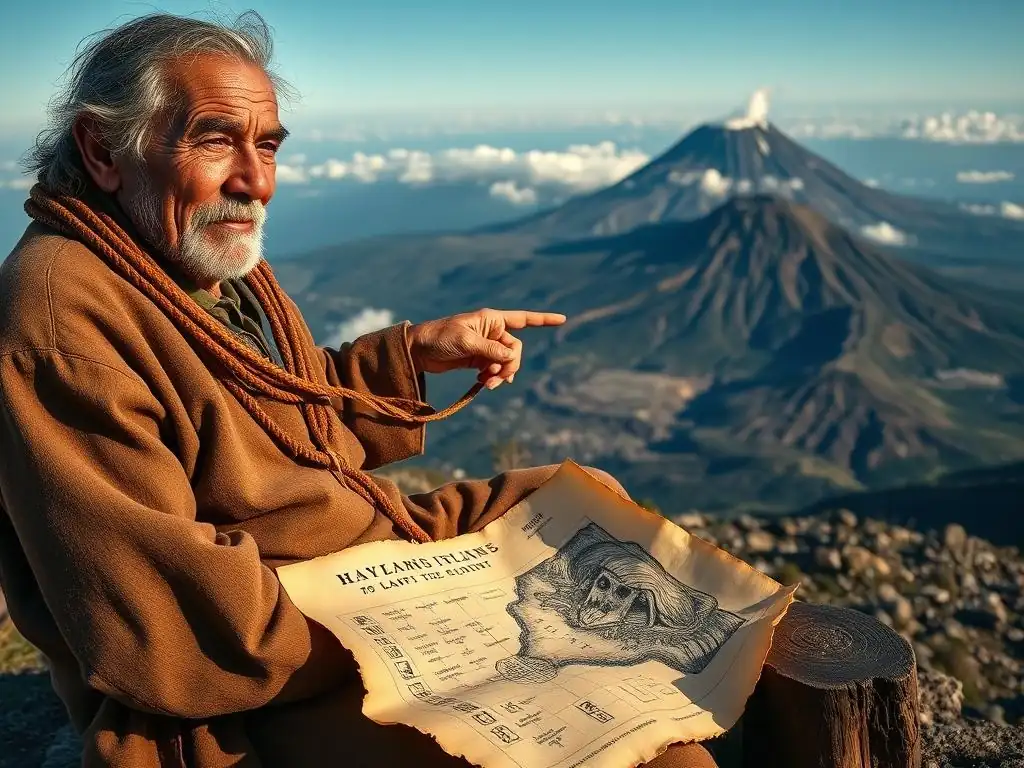
Mount Shasta, a majestic stratovolcano in Northern California, holds deep spiritual significance for numerous Native American tribes, including the Shasta, Wintu, and Karuk. Their oral histories and traditions are replete with stories of the mountain's power and potential for eruption. These narratives, often dismissed as myths, contain valuable ecological and geological insights. For instance, some tribal stories describe periods of intense shaking and booming sounds emanating from the mountain, aligning with descriptions of pre-eruption seismic activity.
While modern volcanology relies on seismographs and gas monitoring to assess Mount Shasta's activity, indigenous knowledge offers a complementary perspective. Tribal elders, deeply familiar with the mountain's ecosystem, often observe subtle changes in plant life, water sources, and animal behavior that could indicate shifts in volcanic conditions.
For example, changes in the flow of springs or unusual die-offs of certain plant species, as noted in some tribal accounts, could potentially correlate with changes in the volcano's hydrothermal system, a key factor in volcanic activity. Integrating these traditional observations with scientific data could enhance monitoring efforts and provide a more comprehensive understanding of Mount Shasta's volcanic behavior.
Mount Ruapehu, New Zealand: Traditional Practices and Eruption Forecasting
Mount Ruapehu, an active volcano in New Zealand's North Island, is deeply significant to the Māori people. Traditional Māori knowledge, mātauranga Māori, includes extensive understanding of the mountain's behavior, passed down through generations. This knowledge is embedded in whakapapa (genealogy), waiata (songs), and pūrākau (stories), which detail past eruptions and warning signs. Māori traditionally viewed Ruapehu as a sacred ancestor, and their practices reflected a deep respect for its power and unpredictability.
Prior to European settlement, Māori communities possessed sophisticated methods for predicting eruptions. These methods were based on keen observation of environmental changes, including shifts in wind patterns, changes in lake water color and temperature, and unusual animal behavior, particularly birds and fish.
These observations, combined with knowledge of past eruption patterns encoded in oral histories, allowed communities to anticipate volcanic unrest and take preventative measures. Modern volcanologists in New Zealand are increasingly recognizing the value of mātauranga Māori, seeking to collaborate with Māori communities to integrate traditional knowledge into contemporary volcanic hazard monitoring and management strategies for Mount Ruapehu and other volcanic areas.
Popocatépetl, Mexico: Local Legends as Indicators of Volcanic Unrest
Popocatépetl, a highly active volcano near Mexico City, is deeply embedded in the cultural landscape of central Mexico. For centuries, indigenous communities, particularly Nahua peoples, have lived in its shadow, developing rich traditions and legends that reflect their understanding of the volcano's power and potential dangers. These legends, often featuring personified volcanoes and dramatic narratives of eruptions, are not merely folklore; they can be interpreted as coded records of past volcanic events and indicators of future unrest.
Local legends surrounding Popocatépetl often describe periods of increased rumbling and ashfall preceding major eruptions. These stories, passed down through oral tradition, can provide historical context for current volcanic activity and offer insights into long-term eruption patterns that may not be readily apparent from short-term scientific monitoring.
Furthermore, indigenous communities in the region maintain close observation of environmental indicators, such as changes in vegetation patterns, water quality, and animal behavior around the volcano. These observations, rooted in generations of lived experience, can complement scientific monitoring data, offering a more holistic approach to assessing volcanic risk and improving early warning systems for the millions living in Popocatépetl's shadow.
Deciphering Indigenous Knowledge: Identifying Key Indicators of Volcanic Hazards
Recognizing Subtle Changes: Indigenous Observation of Environmental Shifts
Indigenous knowledge systems often excel at recognizing subtle environmental changes that might escape the notice of those less attuned to the land. This heightened awareness, honed through generations of close interaction with the environment, is crucial for identifying early warning signs of volcanic unrest. These subtle changes can manifest in various forms, from alterations in vegetation and water sources to shifts in air quality and ground deformation, all potentially indicative of underlying volcanic activity.
For instance, indigenous communities may notice changes in the health or distribution of specific plant species, such as trees wilting or grasses turning yellow prematurely, which could signal increased ground temperatures or gas emissions associated with volcanic activity. Similarly, alterations in water sources, such as springs drying up or changing color or taste, can indicate shifts in the volcano's hydrothermal system.
Furthermore, indigenous observers often possess a keen sense of smell and can detect subtle changes in air quality, such as an increase in sulfurous odors, which could point to increased degassing from the volcano. These seemingly minor environmental shifts, when recognized and interpreted within the context of indigenous ecological knowledge, can provide valuable early warnings of potential volcanic hazards.
Interpreting Animal Behavior: Traditional Understanding of Volcanic Warning Signs
Animal behavior is another critical area of indigenous knowledge related to volcanic hazard prediction. Many indigenous cultures believe that animals possess an innate ability to sense changes in their environment, including subtle precursors to volcanic eruptions, often long before humans can detect them. This understanding is rooted in close observation of animal behavior and the recognition that certain species are particularly sensitive to environmental changes associated with volcanic activity, such as seismic tremors, gas emissions, and changes in atmospheric pressure.
Examples of animal behavior interpreted as volcanic warning signs include unusual migrations of birds or fish, increased agitation or restlessness in livestock, and changes in the behavior of wild animals, such as snakes or rodents. For instance, reports from various volcanic regions describe birds abandoning nesting sites or migrating away from the volcano before an eruption, or wild animals moving to lower elevations or seeking refuge in unusual locations.
Indigenous communities often possess detailed knowledge of the specific behavioral patterns of local animal species and how these patterns may change in response to volcanic unrest. Integrating this traditional understanding of animal sentience with scientific monitoring could offer a more comprehensive and potentially earlier warning system for volcanic hazards.
Oral Histories as a Record of Past Volcanic Eruptions
Oral histories, passed down through generations, serve as invaluable archives of past volcanic eruptions and their impacts on indigenous communities. These narratives, often rich in detail and cultural context, provide a long-term perspective on volcanic activity that complements the relatively short historical record of scientific observation. Oral histories can contain crucial information about the frequency, magnitude, and characteristics of past eruptions, as well as the impacts on landscapes, ecosystems, and human populations.
These narratives often describe specific eruption events, including precursory phenomena, the nature of the eruption itself (e.g., ashfall, lava flows, pyroclastic flows), and the subsequent environmental and social consequences. They may also encode information about safe zones, evacuation routes, and traditional coping mechanisms developed by communities to survive volcanic crises.
Furthermore, oral histories can reveal patterns of volcanic activity over centuries or even millennia, providing insights into long-term volcanic behavior and recurrence intervals. By recognizing and valuing oral histories as legitimate sources of geological and environmental knowledge, we can gain a richer and more complete understanding of volcanic hazards and improve our ability to prepare for future eruptions.
Integrating Indigenous Knowledge into Modern Volcanic Hazard Assessment
Collaboration Between Volcanologists and Indigenous Communities: A Necessary Partnership
Effective volcanic hazard assessment and mitigation require a collaborative approach that bridges the gap between scientific volcanology and indigenous knowledge systems. Volcanologists bring technical expertise and sophisticated monitoring tools, while indigenous communities offer centuries of place-based knowledge and a deep understanding of local environmental dynamics. A genuine partnership between these two knowledge systems is not only ethically sound but also scientifically advantageous, leading to more comprehensive and culturally appropriate hazard management strategies.
This collaboration should be based on mutual respect, reciprocal learning, and equitable power sharing. Volcanologists need to recognize the validity and value of indigenous knowledge, moving beyond a purely scientific framework to embrace alternative ways of knowing and understanding volcanic phenomena. Indigenous communities, in turn, can benefit from access to scientific resources and technical expertise, while ensuring their traditional knowledge is respected, protected, and appropriately integrated into hazard assessment processes. This partnership requires open communication, trust-building, and a commitment to co-creation of knowledge and solutions for volcanic hazard mitigation.
Benefits of Combining Scientific Data with Indigenous Observation
The integration of scientific data with indigenous observation offers numerous benefits for volcanic hazard assessment. Scientific monitoring provides precise measurements of volcanic parameters, such as seismic activity, ground deformation, and gas emissions, offering quantitative data on the volcano's current state and potential for eruption. Indigenous observation, on the other hand, provides contextual and qualitative data, revealing subtle environmental changes and long-term patterns that may not be captured by scientific instruments alone.
Combining these two knowledge systems creates a more holistic and robust understanding of volcanic hazards. Indigenous knowledge can help interpret scientific data within a broader ecological and historical context, identifying potential biases or limitations in scientific models. Conversely, scientific data can validate and contextualize indigenous observations, providing a more precise understanding of the underlying geological processes. This synergistic approach can lead to earlier and more accurate eruption forecasts, improved hazard maps, and more effective community-based preparedness strategies, ultimately enhancing volcanic risk reduction.
Challenges and Opportunities in Validating Indigenous Knowledge of Volcanoes
Validating indigenous knowledge within a scientific framework presents both challenges and opportunities. One challenge is the difference in epistemological approaches. Scientific knowledge often emphasizes empirical data, quantitative measurements, and testable hypotheses, while indigenous knowledge is often rooted in oral tradition, holistic observation, and spiritual connections to the land. Bridging this epistemological gap requires developing methodologies that respect the integrity of both knowledge systems while allowing for meaningful comparison and integration.
Opportunities lie in developing interdisciplinary research approaches that combine scientific methods with qualitative research techniques, such as ethnography, participatory action research, and community-based knowledge documentation. This can involve developing culturally sensitive protocols for documenting and analyzing indigenous knowledge, incorporating indigenous perspectives into scientific research design, and creating platforms for knowledge exchange and co-learning between scientists and indigenous communities. Successfully navigating these challenges and leveraging these opportunities can lead to a more robust and inclusive approach to validating and utilizing indigenous knowledge for volcanic hazard assessment and mitigation.
Preserving and Protecting Indigenous Knowledge for Future Volcanic Hazard Mitigation
The Importance of Documenting and Sharing Indigenous Knowledge
Documenting and sharing indigenous knowledge related to volcanic hazards is of paramount importance for several reasons. Firstly, it serves to preserve this valuable knowledge, which is increasingly threatened by cultural assimilation, environmental change, and the loss of elders who are the primary knowledge holders. Secondly, documentation makes indigenous knowledge accessible to a wider audience, including scientists, policymakers, and other communities at risk from volcanic hazards, fostering cross-cultural learning and collaboration.
Effective documentation requires culturally sensitive approaches that respect indigenous intellectual property rights and protocols for knowledge sharing. This can involve working in partnership with indigenous communities to document knowledge through oral history recordings, participatory mapping, and collaborative research projects. Sharing documented knowledge should also be done ethically and respectfully, ensuring that indigenous communities retain control over their knowledge and that it is used in ways that benefit them. Platforms like VolcanoExplorers.org can play a crucial role in disseminating this knowledge and raising awareness of its importance for volcanic hazard mitigation.
Ethical Considerations in Working with Indigenous Communities
Working with indigenous communities to document and utilize their knowledge requires careful consideration of ethical principles. Free, prior, and informed consent is paramount, ensuring that communities are fully informed about the research or project, understand their rights, and have the autonomy to decide whether or not to participate. Respect for cultural protocols, intellectual property rights, and traditional knowledge systems is essential throughout the research process.
Benefit sharing is another key ethical consideration. Indigenous communities should directly benefit from any research or projects that utilize their knowledge, whether through capacity building, resource sharing, or involvement in decision-making processes related to volcanic hazard management. Furthermore, researchers and practitioners must be mindful of power dynamics and strive for equitable partnerships that empower indigenous communities and ensure their voices are heard and respected. Ethical engagement is not just a matter of principle; it is also crucial for building trust and fostering long-term collaboration, which are essential for effective volcanic hazard mitigation.
Empowering Indigenous Communities in Volcanic Hazard Preparedness
Empowering indigenous communities is central to effective volcanic hazard preparedness and resilience. This empowerment involves recognizing and valuing their traditional knowledge, supporting community-based hazard assessment and planning, and ensuring their meaningful participation in decision-making processes related to volcanic risk management. Empowered communities are better equipped to understand and respond to volcanic hazards, drawing upon both their traditional knowledge and access to modern resources and information.
Empowerment can be fostered through various initiatives, including community-based workshops and training programs that integrate indigenous knowledge with scientific information, participatory hazard mapping exercises that incorporate local knowledge of safe zones and evacuation routes, and the establishment of community-led early warning systems that utilize both scientific monitoring data and indigenous environmental indicators. By investing in community empowerment and capacity building, we can enhance the resilience of indigenous communities to volcanic hazards and ensure that their unique knowledge and perspectives are effectively utilized for the benefit of all.
Conclusion: The Enduring Value of Indigenous Knowledge in Understanding Volcanic Hazards
Honoring the Wisdom of Indigenous Peoples: A Call to Action for Volcano Exploration
VolcanoExplorers.org recognizes and champions the enduring value of indigenous knowledge in understanding and mitigating volcanic hazards. Honoring the wisdom of indigenous peoples is not just a matter of cultural respect; it is a pragmatic imperative for enhancing our collective ability to live safely and sustainably in volcanic regions. This website serves as a platform to amplify indigenous voices, share their knowledge, and advocate for greater recognition of their contributions to volcanology and hazard management.
We call for a global shift in approach, moving beyond purely scientific paradigms to embrace a more inclusive and holistic understanding of volcanoes that integrates indigenous perspectives. This requires fostering genuine partnerships between scientists and indigenous communities, investing in documentation and preservation of traditional knowledge, and empowering indigenous communities to play a central role in volcanic hazard preparedness and resilience building. By honoring the wisdom of indigenous peoples, we can unlock a wealth of knowledge that is essential for navigating the challenges of living with volcanoes in a changing world.
Future Directions: Research and Collaboration for Enhanced Volcanic Hazard Prediction
The future of volcanic hazard prediction lies in enhanced research and collaboration that fully integrates indigenous knowledge with scientific volcanology. Future research should focus on developing robust methodologies for validating and integrating indigenous knowledge, exploring the specific environmental and animal indicators used by different communities, and investigating the historical accuracy and predictive capabilities of oral histories related to past volcanic eruptions.
Collaboration should be expanded and deepened, fostering long-term partnerships between scientists, indigenous communities, policymakers, and disaster management agencies. This includes creating platforms for knowledge exchange, co-designing research projects, and developing culturally appropriate communication strategies for disseminating volcanic hazard information. By embracing a collaborative and interdisciplinary approach that values both scientific and indigenous knowledge, we can significantly enhance our ability to predict volcanic eruptions, reduce volcanic risk, and build more resilient communities in volcanic regions around the world.
Frequently Asked Questions
The article primarily explores how indigenous knowledge can provide valuable insights into volcanic hazards, often overlooked by modern scientific approaches. It highlights the importance of incorporating traditional ecological knowledge in risk assessment and mitigation.
Why is indigenous knowledge valuable for understanding volcanic hazards?
Indigenous communities often possess generations of observational data and oral histories about volcanic behavior in their regions. This localized knowledge can reveal patterns and precursors to eruptions that may not be apparent through purely scientific monitoring.
What types of information can indigenous knowledge offer regarding volcanic activity?
Indigenous knowledge can provide details about past eruption histories, changes in environmental indicators (e.g., water sources, animal behavior), and culturally significant events linked to volcanic activity. This enhances understanding of long-term volcanic cycles.
How can volcanologists incorporate indigenous knowledge into their research?
Volcanologists can collaborate with indigenous communities to integrate traditional ecological knowledge with scientific data. This involves respectful dialogue, shared research projects, and incorporating local perspectives into hazard assessments and mitigation strategies.
What are some potential benefits of combining indigenous knowledge with scientific monitoring of volcanoes?
Combining these approaches can lead to more accurate hazard maps, improved early warning systems, and culturally sensitive disaster preparedness plans that are more effective in protecting local communities.
Final Reflection: Echoes of the Earth's Wisdom
The insights shared in this article highlight the profound and often overlooked value of indigenous knowledge in understanding and mitigating volcanic hazards. The evidence presented underscores that these communities, living in close proximity to volcanoes for generations, possess a wealth of information crucial for predicting and responding to eruptions, a resource that should be actively integrated into modern scientific approaches.
The enduring relevance of indigenous knowledge is not merely historical; it's a living testament to the power of observation and adaptation. This connection to the land, passed down through oral traditions and practical experience, offers a unique perspective that complements scientific data. We do not inherit the earth from our ancestors; we borrow it from our children.
This quote, often attributed to Native American wisdom, reminds us of the responsibility we have to learn from the past and protect the future, a future where indigenous knowledge and scientific understanding work in harmony.
As you reflect on the stories and insights shared in this article, consider the power of listening to voices often unheard. How can you, in your own life, seek out and value diverse perspectives? How can you contribute to a future where indigenous knowledge is respected, integrated, and used to build more resilient communities in the face of volcanic hazards and other environmental challenges? Let us all strive to be better listeners, better learners, and better stewards of the earth.
Here's a Call to Action crafted for your "Hidden in Plain Sight: Indigenous Clues to Volcanic Hazards" article on volcanoexplorers.org:
Unleash Your Inner Volcano Detective!
Thanks for joining us on this journey of discovery! We hope you've gained a new appreciation for the invaluable knowledge held within Indigenous communities and their profound connection to the land. Now, let's put that knowledge into action:
- Dive Deeper: Consult Indigenous sources to find and understand volcanic hazards in your region.: Respectful engagement is key!
- Share this article with friends and family to amplify the importance of Indigenous knowledge in understanding volcanic risks. Let's get the conversation flowing!
- Unearth historical accounts of volcanic events in your local library or historical society. You might be surprised by what you find!
What indigenous knowledge have you discovered about volcanic activity in your own community, and how can we better integrate it into modern hazard assessments?