
Volcano Landscapes & Geography
Explore the raw power and breathtaking beauty of Earth’s most dynamic landscapes with our comprehensive guide to volcano geography. From the fiery Pacific Ring of Fire and the dramatic East African Rift System to the lush slopes of Hawaii’s hotspot islands, we map the tectonic forces that sculpt our planet. Dive into stunning volcanic rock formations, mysterious lava tubes, and the deep-blue allure of caldera lakes—then discover how volcanic soils enrich ecosystems worldwide. Whether you’re fascinated by submarine ridges, ancient basalt columns, or the future of volcanic terrain under climate change, this is your portal to understanding volcanic mountains, geothermal hot springs, and island evolution. Perfect for geology enthusiasts, travelers, and students, our content reveals the hidden connections between eruptions, erosion, and life itself.
 Volcanic Caves and Lava Tubes Around the World
 Volcanic Regions of the World: Iceland and the North Atlantic
 Geothermal Areas and Hot Springs Worldwide
 Volcanic Mountain Ranges: The Andes and the Cascades
 Volcanic Craters and Caldera Lakes
 Volcanic Regions of the World: The Mediterranean Volcanic Belt
 Volcanic Soils and their Global Distribution
 Volcanic Islands: Formation and Ecology
 Volcanic Regions of the World: Hawaii and the Pacific Hotspot
 Volcanic Regions of the World: The East African Rift System
 Volcanic Deserts and Barren Landscapes
 Submarine Volcanic Ridges and Seamounts
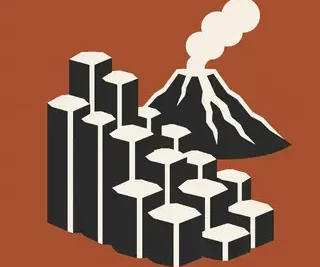 Volcanic Rock Formations: Basalt Columns and Geologic Wonders
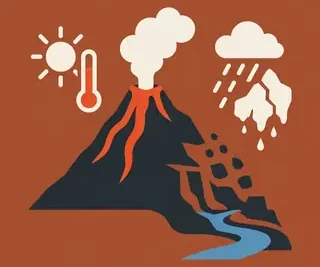 The Future of Volcanic Landscapes: Climate Change and Erosion
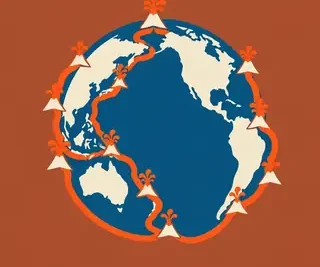 Volcanic Regions of the World: The Pacific Ring of Fire
Explore Volcano Landscapes & Geography
VolcanoExplorers.org takes you inside the planet’s most dynamic terrains, where molten rock meets air, water, and ice. From the fire-ringed Pacific to hidden submarine ridges, our Volcano Landscapes & Geography category maps the raw forces shaping Earth’s surface. Here, you’ll find detailed guides on volcanic regions, rock formations, soil fertility, geothermal systems, and the evolving future of these ever-changing environments—perfect for students, travelers, and geology enthusiasts.
🌋 Volcanic Regions of the World: The Pacific Ring of Fire
Dive into the most seismically active zone on Earth, a 40,000-kilometer horseshoe of volcanoes and fault lines. Expect profiles of iconic peaks like Mount Fuji, Krakatoa, and Mount St. Helens, plus explainers on subduction zones, magma composition, and eruption styles typical of this region. We also cover historical eruptions and current monitoring efforts, giving you a clear picture of why this ring burns so brightly.
🌍 The Future of Volcanic Landscapes: Climate Change and Erosion
Volcanic landscapes are not static—they respond to shifting climates and relentless erosion. This section explores how glacial melt, changing rainfall, and sea-level rise alter lava fields, tephra layers, and caldera rims. Learn about models predicting landslide risks on volcanic slopes and how vegetation colonizes barren deposits over centuries. It’s a forward-looking guide for understanding resilience and transformation in these rugged terrains.
🪨 Volcanic Rock Formations: Basalt Columns and Geologic Wonders
Marvel at nature’s geometry with symmetrical hexagonal columns at the Giant’s Causeway or the jagged basalt cliffs of Iceland’s Stuðlagil Canyon. Here, we break down how cooling lava contracts into these striking shapes, and profile other formations like pillow lavas, tuff rings, and obsidian flows. You’ll also find field guides for identifying volcanic rocks and tips for photographing these natural sculptures.
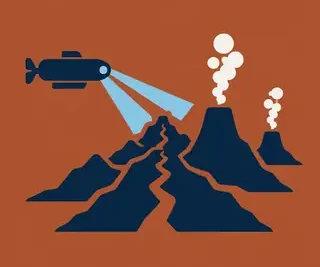
🌊 Submarine Volcanic Ridges and Seamounts
Beneath the waves lie vast volcanic chains that build ocean floors and host unique ecosystems. This subcategory explains the formation of mid-ocean ridges, like the Mid-Atlantic Ridge, and the birth of seamounts—underwater volcanoes that rarely breach the surface. Discover how hydrothermal vents sustain tube worms and chemosynthetic bacteria, and why these hidden giants influence ocean currents and marine biodiversity.
🏜️ Volcanic Deserts and Barren Landscapes
When lava meets aridity, you get stark, moon-like expanses such as the Danakil Depression or Hawaii’s Kaʻū Desert. Expect coverage of scorched tephra plains, salt flats tinged with sulfur, and wind-sculpted ash dunes. We’ll explain why these areas host little life, how they become natural laboratories for astrobiologists, and what safety precautions are essential when visiting these extreme, yet hauntingly beautiful, places.
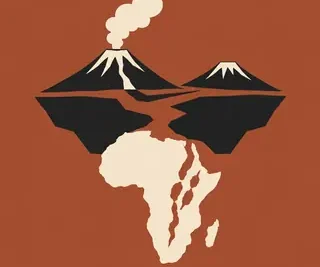
🌋 Volcanic Regions of the World: The East African Rift System
Journey to the continental rift where Africa slowly splits apart, creating a chain of volcanoes from Ethiopia’s Erta Ale to Tanzania’s Ol Doinyo Lengai. This section highlights rift mechanics, carbonatite lavas (the world’s coolest and most fluid), and the formation of deep rift valleys and soda lakes. You’ll also learn about indigenous communities living alongside active vents and the research into early hominid fossils preserved in volcanic ash.
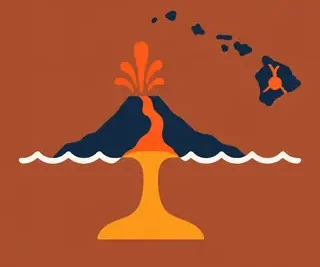
🌺 Volcanic Regions of the World: Hawaii and the Pacific Hotspot
Experience the Hawaiian hotspot, where a stationary plume of magma punches through the moving Pacific Plate. Read about shield volcanoes like Mauna Loa and Kīlauea, their effusive basaltic eruptions, and the creation of new land as lava meets the ocean. We also cover the island chain’s age progression, from youthful Hawaiʻi to eroded Kure Atoll, and offer volcano-viewing safety tips for visitors.
🏝️ Volcanic Islands: Formation and Ecology
Volcanic islands are natural experiments in colonization and adaptation. This subcategory explains each stage—from submarine eruption and emergence to soil development and forest growth. Discover how species like the Galápagos finches or Hawaiian honeycreepers evolved in isolation, and how volcanic ash enriches soils, supporting lush rainforests. We also highlight threats like invasive species and habitat loss on these fragile outposts.
🌾 Volcanic Soils and their Global Distribution
Volcanic soils, known as Andisols, are among the most fertile on Earth. Learn why they hold water and nutrients so well, and where they dominate—from Indonesia’s rice terraces to Japan’s tea plantations and Central America’s coffee highlands. We’ll map global distribution, explain how volcanic ash weathers into allophane minerals, and discuss why farmers prize these soils despite nearby volcanic hazards.
🌋 Volcanic Regions of the World: The Mediterranean Volcanic Belt
From Vesuvius to Santorini, the Mediterranean has shaped civilizations through eruptions. This subcategory profiles stratovolcanoes, calderas, and monogenetic fields like the Phlegrean Fields. Expect historical accounts of Pompeii and Thera, analysis of explosive subduction-related magmas, and current risk assessments for densely populated coastal areas. You’ll also see how ancient cultures mythologized these fiery mountains.
🕳️ Volcanic Craters and Caldera Lakes
Craters mark the vent where eruptions occurred, while calderas form when ground collapses into emptied magma chambers. This section explores iconic examples like Crater Lake in Oregon and Ngorongoro in Tanzania. Learn about phreatomagmatic explosions, lake stratification, and toxic gas release from crater lakes like Lake Nyos. We also provide guides for safely hiking crater rims and observing bubbling fumaroles.
⛰️ Volcanic Mountain Ranges: The Andes and the Cascades
Continental arcs create towering volcanic ranges. In the Andes, you’ll find the world’s highest active volcano, Ojos del Salado, and vast ignimbrite plateaus. In the Cascades, snow-capped peaks like Mount Rainier and Mount Shasta dominate. We compare their magma chemistry, glacial interactions, and lahar hazards, plus how volcanologists forecast eruptions using gas, seismic, and deformation data.
♨️ Geothermal Areas and Hot Springs Worldwide
Volcanic heat powers geysers, mud pots, and hot springs—tourist magnets and renewable energy sources. This subcategory covers iconic sites like Yellowstone, Iceland’s Blue Lagoon, and New Zealand’s Rotorua. Learn the hydrogeology behind boiling pools, the microbe communities that survive extreme temperatures, and how geothermal plants harness steam for electricity while maintaining environmental balance.
❄️ Volcanic Regions of the World: Iceland and the North Atlantic
Iceland straddles the Mid-Atlantic Ridge, making it a hotspot for fissure eruptions, glaciers, and geothermal activity. Here, we detail Eyjafjallajökull’s 2010 ash cloud, the 2021–2023 Fagradalsfjall lava shows, and ice-volcano interactions under Vatnajökull. Expect guidance on exploring lava fields, ice caves, and rift valleys, plus insights into how volcanic heat supports Norse-era settlements and modern green energy.
🕸️ Volcanic Caves and Lava Tubes Around the World
Lava tubes form when the outer crust of a lava flow solidifies while molten interior drains away, leaving cave-like tunnels. This section showcases famous tubes—Hawaii’s Thurston Lava Tube, Jeju Island’s Manjanggul, and Australia’s Undara tubes. Learn about speleothems (lava stalactites), tube collapse features called skylights, and the unique bats and microbes that call these dark corridors home.
Frequently Asked Questions
What is the difference between a crater and a caldera?
A crater is a funnel-shaped depression at a volcano’s summit or vent, typically less than 1 km wide, formed by explosive ejection of material. A caldera is much larger, often several to dozens of kilometers across, and forms when a magma chamber empties, causing the ground above to collapse. Examples include Kīlauea’s Halemaʻumaʻu crater and Yellowstone’s giant caldera. Both can host lakes and new volcanic vents.
Why are volcanic soils so fertile?
Volcanic soils, or Andisols, are fertile because they contain glassy, porous minerals that weather quickly into clay and iron oxides, releasing potassium, phosphorus, and calcium. They also have high organic matter retention and water-holding capacity due to allophane and imogolite minerals. These properties support lush growth—which is why many world-class wine, coffee, and rice regions sit near volcanoes, despite eruption risks.
How do submarine volcanoes form and grow?
Submarine volcanoes form at mid-ocean ridges, where tectonic plates spread apart, or over hotspots like Hawaii. Magma rises and cools quickly in cold seawater, creating pillow lava shapes. Repeated eruptions build seamounts; if they breach the surface, they become volcanic islands. Hydrothermal vents along these ridges support unique chemosynthetic ecosystems. Over millions of years, erosion and plate motion submerge them into guyots (flat-topped seamounts).
Can climate change affect volcanic eruptions?
Yes, indirectly. Rapid glacial melt reduces pressure on volcanic systems, potentially increasing eruption frequency—a phenomenon seen in Iceland. Heavy rainfall can trigger phreatic (steam) explosions by seeping into hot rocks. Conversely, volcanic aerosols injected into the stratosphere can cool Earth briefly, as Pinatubo did in 1991. So climate and volcanism interact, but human emissions don't directly cause eruptions.
What are the safest ways to explore volcanic landscapes?
Always check official volcanic activity alerts (like USGS or local geological agencies) before visiting. Stay on marked trails, wear sturdy boots and a helmet near cliffs, and carry a gas mask or respirator for sulfur dioxide. Avoid depressions where gases pool, keep a safe distance from active vents and lava, and never enter lava tubes without proper lighting and guides. Heed evacuation orders immediately.