The Role of Mantle Plumes in Rift Valley Volcanism
Uncover the fiery secrets of rift valley volcanism! VolcanoExplorers.org reveals how mantle plumes fuel these dramatic eruptions, shaping landscapes and inspiring awe.…
Read article
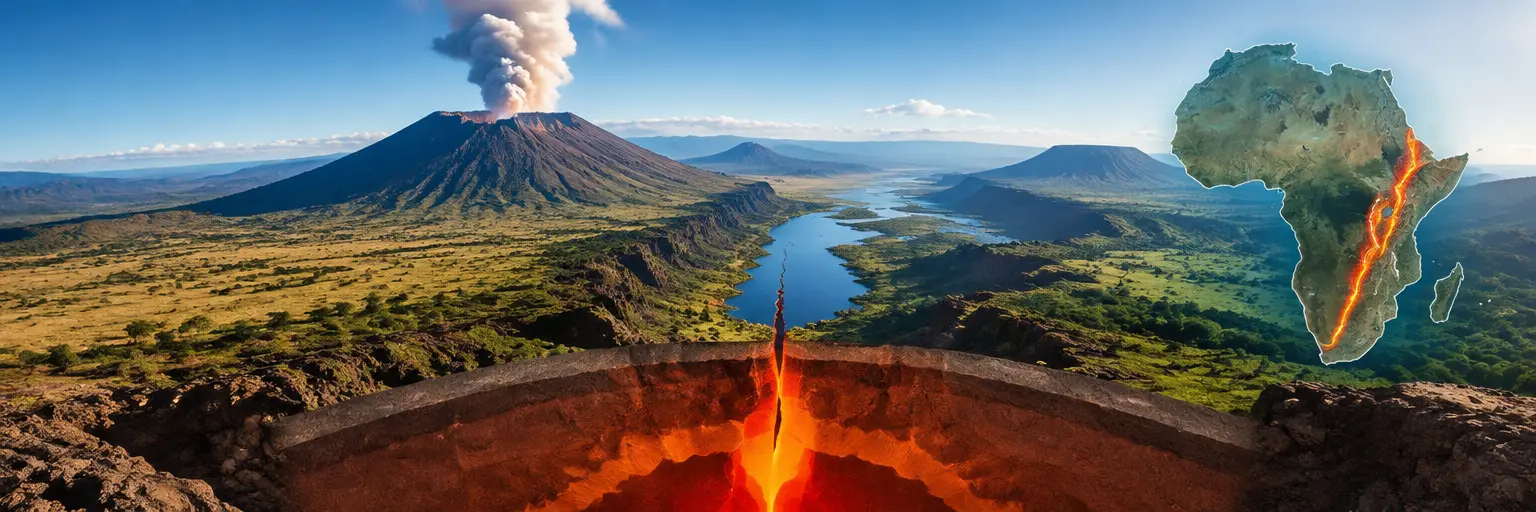
Discover the raw, untamed power of the East African Rift System, a dramatic geological wonder where the Earth’s crust is slowly tearing apart 🔥. This incredible volcanic landscape, stretching over 4,000 miles from the Afar Triangle to Mozambique, offers a unique window into the planet’s dynamic interior. Explore the Great Rift Valley, a breathtaking gash in the Earth’s surface that harbors some of the world’s most fascinating volcanoes, from the active Nyiragongo lava lake to the snow-capped Kilimanjaro and the vast caldera of Ngorongoro. Here, you’ll find towering peaks, steaming fumaroles, and vast volcanic plains, all shaped by powerful tectonic forces. Learn how this living tectonic laboratory is not only a paradise for geologists and photographers but also a cradle of human ancestry, filled with rich cultural stories and extraordinary biodiversity 🌋. Join us as we decode the science behind this volcanic hotspot, uncover its eruption history, and reveal essential safety tips for adventurers eager to witness the planet’s fiery heartbeat in action.
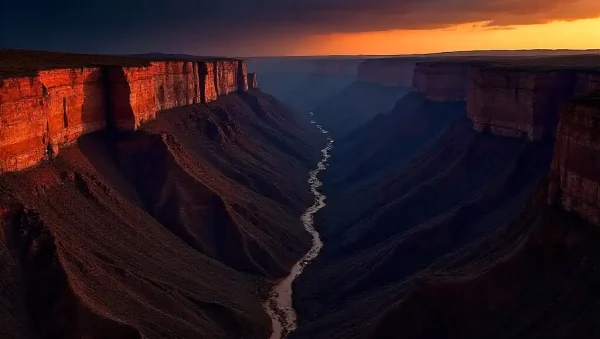
Uncover the fiery secrets of rift valley volcanism! VolcanoExplorers.org reveals how mantle plumes fuel these dramatic eruptions, shaping landscapes and inspiring awe.…
Read article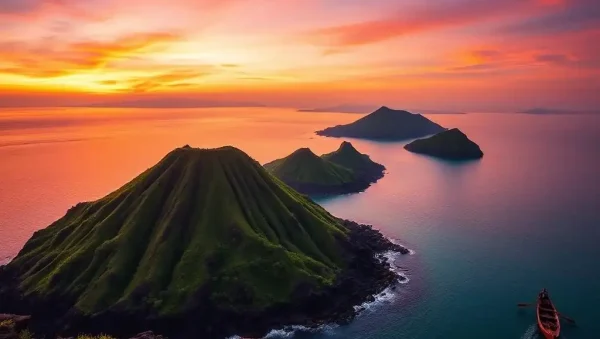
Discover the breathtaking Lake Kivu volcanic islands: a unique travel destination within the East African Rift. Explore these hidden gems, their geological…
Read article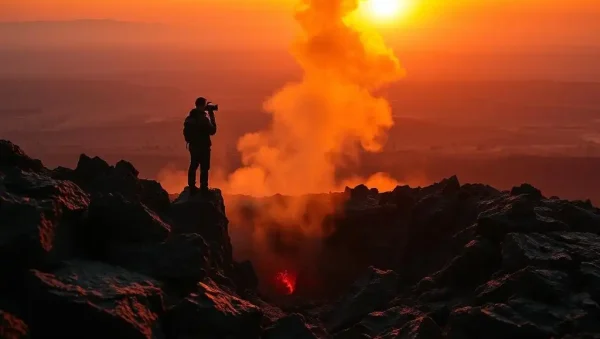
Uncover the secrets of the East African Rift System's dynamic volcanism. VolcanoExplorers.org explores cutting-edge research into these powerful geological forces, revealing insights…
Read article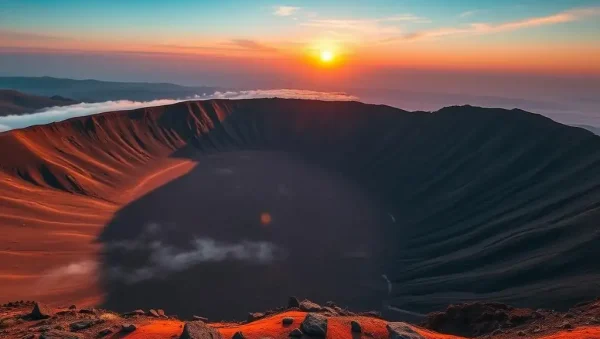
Explore Menengai Caldera's breathtaking volcanic features on VolcanoExplorers.org! Discover the vast Kenyan depression's unique geology and learn about its dramatic formation, a…
Read article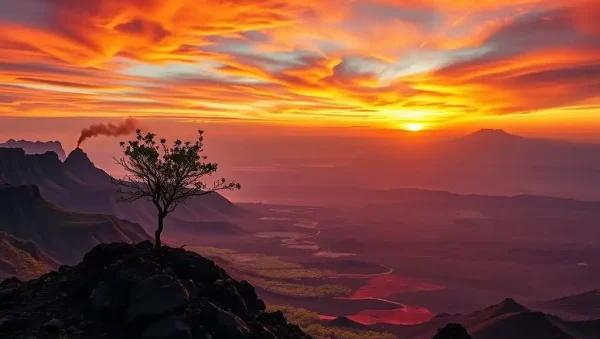
Explore the dramatic volcanic activity in Africa along the Great Rift Valley, from Ethiopia's fiery peaks to Mozambique's hidden volcanic secrets. Discover…
Read article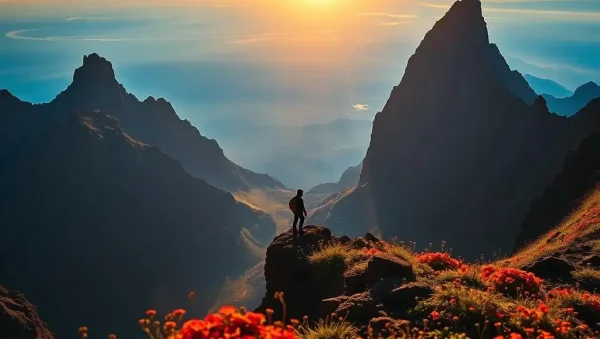
Discover Ethiopia's volcanic majesty! Explore the breathtaking Simien Mountains, a hiker's paradise and a testament to Ethiopia's volcanic past. This travel guide…
Read articleWelcome to the East African Rift System, Earth’s most dramatic continental split, where volcanic forces are actively reshaping the landscape. This subcategory on VolcanoExplorers.org dives deep into the unique geology, iconic peaks, and living hazards of this rift, from the steamy craters of Nyiragongo to the ancient ash fields of Oldoinyo Lengai. Whether you’re a geology enthusiast, a travel planner, or a safety-conscious resident, this guide provides essential knowledge about one of the planet’s most dynamic volcanic regions.
The East African Rift System is a divergent plate boundary where the African Plate is splitting into the Nubian and Somali plates. This tectonic pull thins the crust, creating a zone of intense magma upwelling. As the rift widens, fissures and faults channel molten rock to the surface, giving birth to a chain of volcanoes stretching over 4,000 kilometers—from Ethiopia to Mozambique. Understanding this process is key to predicting where new eruptions may occur and why the region’s volcanoes are so diverse in composition.
For visitors, this means a landscape in constant flux, with steaming vents, fresh lava flows, and occasional seismic swarms. The rift’s unique tectonic setting also produces silica-poor magmas, such as carbonatite, which are rare elsewhere on Earth. Exploring these dynamics helps you appreciate why the East African Rift is a natural laboratory for volcanologists studying continental breakup.
This subcategory showcases the rift’s most famous volcanic peaks. Nyiragongo in the Democratic Republic of Congo is renowned for its persistent lava lake—one of the largest on Earth—where deep, fluid lavas can race down slopes at speeds exceeding 60 km/h. Ol Doinyo Lengai in Tanzania is the only active carbonatite volcano, erupting black, cool-temperature lava that turns white on contact with moisture. Mount Kilimanjaro, Africa’s highest peak, is a dormant stratovolcano whose snow-capped summit contrasts with the surrounding savanna.
Each volcano offers a distinct experience for explorers. Nyiragongo’s crater is a bucket-list trek for adventurous travelers, while Ol Doinyo Lengai provides a surreal, lunar-like terrain. Kilimanjaro attracts climbers from around the globe, but its glacial ice is retreating rapidly due to climate change. Our detailed profiles cover hiking routes, eruption histories, and what to expect when visiting these geological marvels.
The East African Rift hosts some of the most hazardous volcanic activity on Earth. Nyiragongo’s lava lake poses an ever-present threat to the city of Goma, which has been partially destroyed by lava flows in 1977 and 2002. Earthquakes from volcanic and tectonic movements frequently shake the region, sometimes triggering landslides and infrastructure damage. Additionally, volcanic gases—especially carbon dioxide and sulfur dioxide—can accumulate in low-lying areas like Lake Nyos (technically in Cameroon, but similar rift-related hazards occur here), causing lethal risks to humans and livestock.
Understanding these hazards is crucial for local residents and relief agencies. This section provides up-to-date monitoring data, including tremor frequencies and gas flux measurements, along with practical evacuation plans. For tourists, we emphasize safety protocols, such as avoiding crater floors during active phases and carrying gas masks when approaching fumaroles. Knowledge is your best defense in this volatile environment.
One of the fascinating aspects of the East African Rift is its extraordinary magma diversity. Unlike the sticky, silica-rich lavas of subduction zones, rift volcanoes often emit fluid basaltic magmas. More uniquely, Ol Doinyo Lengai produces natrocarbonatite lava, which erupts at temperatures of only 500–600°C, glowing orange at night and cooling to a dark brown. This rare composition is believed to originate from mantle metasomatism, offering insights into deep Earth processes.
This subcategory also examines the geological history of massive basalt floods, such as those from the Ethiopian traps, which covered vast areas millions of years ago. By studying these ancient flows, scientists can reconstruct past eruption sizes and frequencies. For enthusiasts, comparing these magmas sharpens your understanding of how different tectonic settings shape volcanic behavior, making this region a cornerstone in global volcanology.
Beyond science, the East African Rift’s volcanoes are central to local cultures and economies. The Maasai people regard Ol Doinyo Lengai as the “Mountain of God,” where offerings are made to the deity Ngai. The rift’s fertile volcanic soils support agriculture, while geothermal fields in Kenya’s Olkaria region generate significant clean energy. For travelers, this area offers some of Africa’s most stunning landscapes—from rift valley escarpments to crater lakes like Lake Natron, which is home to flamingos.
This guide includes practical travel tips: best seasons for hiking, visa requirements for countries like Ethiopia, Kenya, and Tanzania, and ethical tourism practices. We highlight lodges and viewpoints that prioritize sustainability and community benefit. Our curated itineraries blend adventure with cultural immersion, ensuring a memorable and safe visit to these awe-inspiring volcanic sites.
Scientists are intensively monitoring the East African Rift using seismic networks, satellite radar, and gas sensors to forecast eruptions and understand rift evolution. Recent research focuses on how magma migrates through the crust, contributing to broader theories of continental breakup. Collaborative projects, such as the AfricaArray, are expanding coverage to remote areas, enhancing early warning capabilities for communities like Goma.
For aspiring volcanologists, this subcategory offers a glimpse into cutting-edge methodologies, including drone-based thermal imaging and machine learning models for eruption prediction. We also discuss citizen science opportunities, where local observers can report volcanic activity. Staying informed about these efforts is vital for everyone, as the rift’s volcanic activity directly impacts millions of lives and the global understanding of plate tectonics.
Nyiragongo is often considered the most dangerous due to its persistent lava lake and highly fluid lavas that can flow rapidly into populated areas like Goma. Its 2002 eruption destroyed 15% of the city, displacing 120,000 people. Continuous monitoring is essential to mitigate risk.
Yes, but the climb is strenuous and requires a local guide. The volcano is not currently erupting, though it can be active. Check volcanic activity updates before your trip, and avoid standing close to fumaroles. The ascent is steep, so proper gear and physical fitness are necessary.
Erta Ale in Ethiopia has a persistent lava lake, though it’s less accessible. Nyiragongo’s lake is more famous for its size and intensity. Both are continuously monitored, and visitors can observe them safely from designated viewpoints.
Large eruptions can release sulfur dioxide and ash, temporarily cooling temperatures by reflecting sunlight. Over time, volcanic weathering adds nutrients to soils, enhancing agriculture. However, gas emissions can also harm vegetation and air quality in nearby regions.
Yes, over millions of years, continued rifting may lead to the creation of a new ocean basin, as seen with the Red Sea. The process is slow, but the magnetic and seismic evidence strongly supports this eventual outcome.