Mediterranean Inferno: Journey Through the Region's Active Volcanoes
Explore the fiery heart of the Mediterranean! VolcanoExplorers.org unveils the dramatic beauty and inherent danger of the region's active volcanoes, offering expert…
Read article
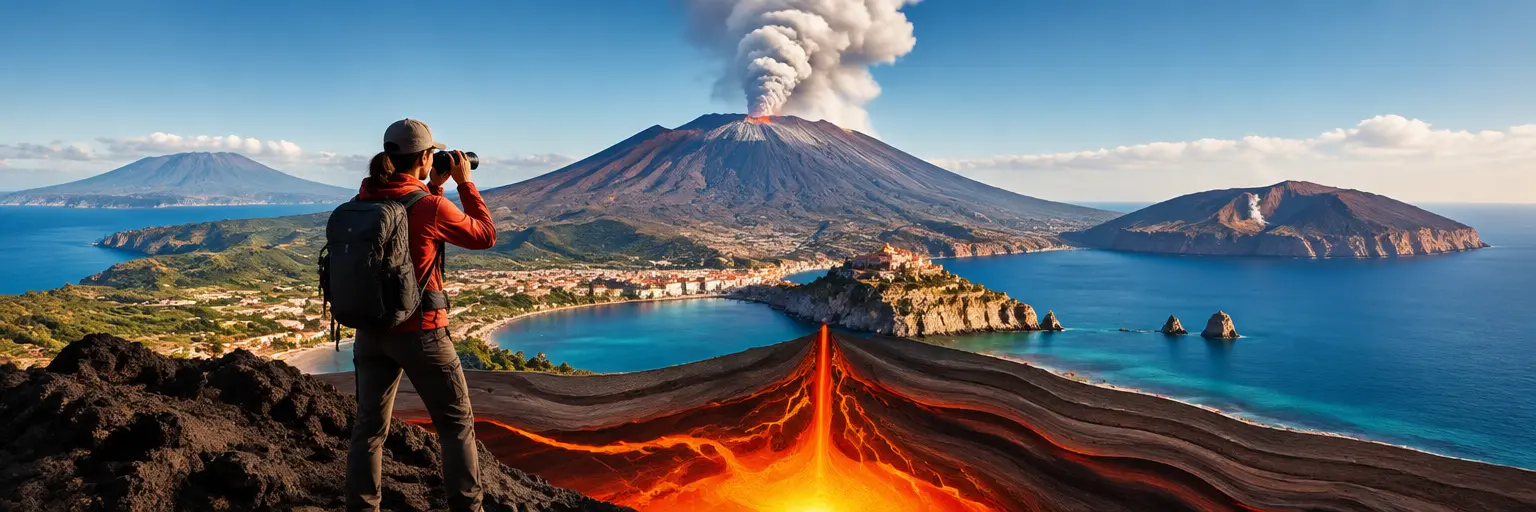
Journey along the Mediterranean Volcanic Belt, a fiery ring of geological wonder where Europe, Africa, and Asia collide. From the towering slopes of Mount Vesuvius overlooking Naples to the explosive stratovolcanoes of Stromboli and Etna, this region offers an unmatched blend of ancient history and living geology. Explore submerged calderas, the volcanic islands of the Aeolian archipelago, and the seismic-energy-charged landscapes of Santorini, where myth and magma meet. With real-time eruption updates, in-depth science explainers, and expert travel guides, you’ll uncover how these iconic peaks shaped civilizations—and continue to shape the land today. Whether you’re a curious traveler, a geology enthusiast, or a disaster-preparedness advocate, this guide brings the fiery heart of the Mediterranean into sharp, vivid focus. Dive in and discover where earth’s inner fire meets ancient seas.
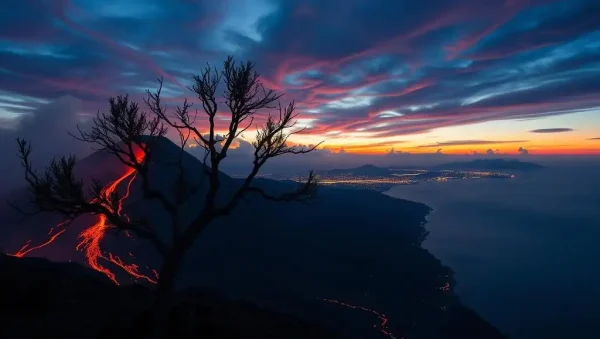
Explore the fiery heart of the Mediterranean! VolcanoExplorers.org unveils the dramatic beauty and inherent danger of the region's active volcanoes, offering expert…
Read article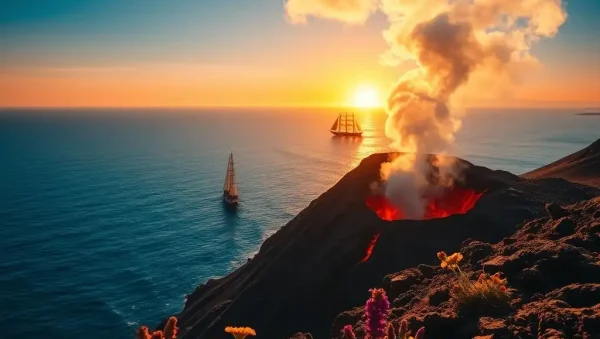
Explore the Mediterranean volcanic belt's duality: breathtaking landscapes forged by destructive power. VolcanoExplorers.org unveils the science and stunning visuals behind this fascinating…
Read article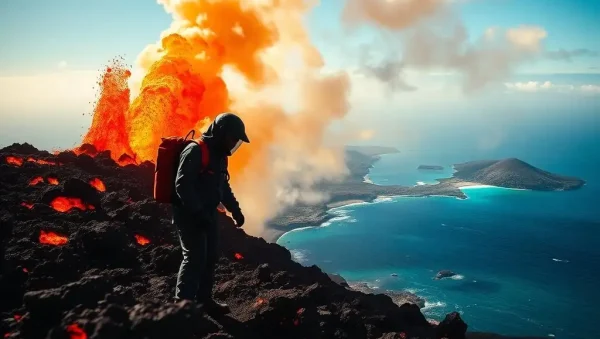
VolcanoExplorers.org presents groundbreaking Mediterranean volcano research updates. Discover the latest insights into this dynamic belt, revealing its complex geological history and ongoing…
Read article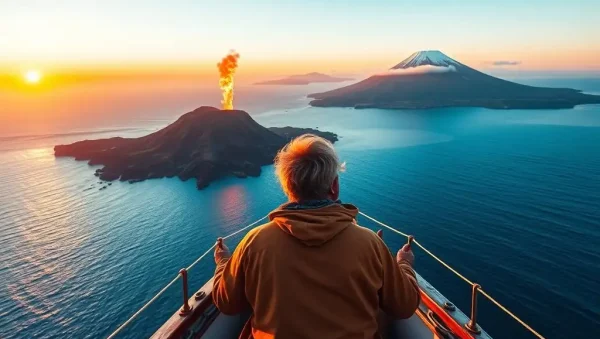
Explore the Mediterranean's fiery heart! VolcanoExplorers.org offers essential Mediterranean volcanic safety tips and breathtaking travel guides, ensuring your adventure is both safe…
Read article
Discover the volcanic heart of the Aegean! VolcanoExplorers.org unveils the dramatic story of Greece's fiery islands, exploring the volcanoes in the Aegean…
Read article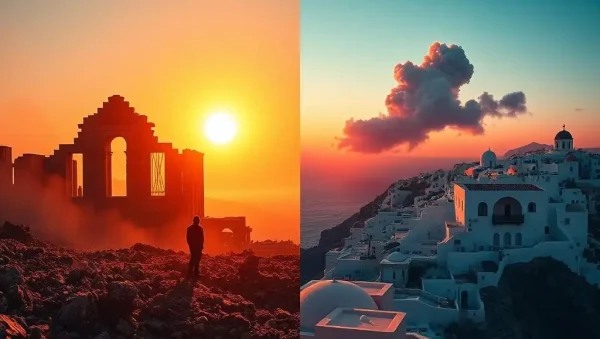
Uncover the devastating beauty of Pompeii and Santorini! Explore the Mediterranean volcanic history and impact, from catastrophic eruptions to lasting geological legacies,…
Read articleWelcome to the Mediterranean Volcanic Belt, a dramatic corridor where the African and Eurasian tectonic plates collide, forging some of the most iconic and historically significant volcanoes on Earth. From the smoldering slopes of Mount Vesuvius to the steaming vents of Santorini’s caldera, this subcategory of Volcano Explorers takes you on a deep dive into the region’s explosive geology, ancient disasters, and living volcanic landscapes. Whether you’re a geology enthusiast, a travel planner, or a history buff, you’ll uncover the powerful forces that shaped Mediterranean civilizations and continue to monitor these restless giants today.
This section introduces the region’s most famous stratovolcanoes, each with a distinct personality and eruption style. Mount Vesuvius, looming over Naples, is notorious for the AD 79 eruption that buried Pompeii, while Mount Etna in Sicily stands as Europe’s tallest active volcano, boasting near-constant activity and frequent lava fountains. Stromboli, nicknamed the “Lighthouse of the Mediterranean,” offers a mesmerising spectacle of small, regular explosions that have continued for over 2,000 years.
You’ll learn how these volcanoes are monitored today, why they pose unique risks to densely populated coastal areas, and what makes their magma compositions so varied. Expect practical insights into visiting them safely, including the best viewing points, guided trail options, and the vibrant volcanic soils that support unique vineyards and citrus groves on their slopes. This is your gateway to understanding the region’s most storied eruptive centers.
The Aegean’s Santorini (Thera) is a volcanic caldera born from one of the largest eruptions in human history, around 1600 BCE. That explosion destroyed Minoan settlements and may have inspired the Atlantis legend. Here, we explore the geological evidence of the caldera’s formation, the famous white-washed villages perched on its cliffs, and the ongoing volcanic activity beneath the Kameni islets in the bay.
This section also covers the science of caldera collapse, the role of hydrothermal systems, and the island’s unique volcanic rock layers used in ancient building materials. For travelers, you’ll find guidance on boat tours that approach the active vents, hiking the caldera rim at sunrise, and sampling Assyrtiko wines grown in mineral-rich pumice soils. It’s a perfect blend of archaeology, geology, and modern tourism in one of the world’s most dramatic volcanic settings.
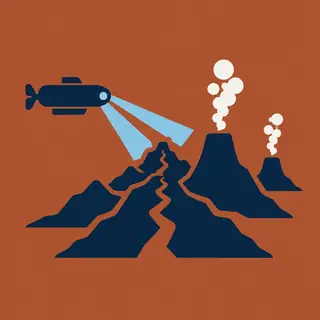
Beneath the Mediterranean’s sparkling waters lie numerous submarine volcanoes, including Marsili, a massive seamount taller than Mount Everest, and the recently restless Campi Flegrei caldera, which extends both on land and offshore. This section dives into how these hidden giants influence seafloor ecosystems, tsunamis, and coastal hazards. You’ll discover the techniques volcanologists use to map and monitor underwater eruptions, from sonar surveys to remotely operated vehicles.
We also explore the fascinating phenomenon of hydrothermal vents, where superheated water and minerals support unique chemosynthetic life forms. By understanding these submerged volcanoes, you gain crucial insight into the region’s overall hazard potential, especially for Italy’s densely populated coastline. Real-time data and case studies from recent seismic swarms help clarify how scientists differentiate between harmless stirrings and precursors to major events.
The Mediterranean volcanic belt has profoundly shaped human culture, from the forge of Hephaestus under Etna to the biblical imagery of fire and brimstone. This section examines how ancient Greeks, Romans, and later societies interpreted eruptions as divine messages, and how these beliefs influenced settlement patterns and architecture. We’ll also cover the rebirth of Pompeii and Herculaneum as archaeological treasures, and the role of volcanic ash in preserving everyday Roman life.
You’ll also read about modern cultural responses, including festivals dedicated to patron saints during eruptions, and how local communities have adapted to living with volcanic risk. By weaving together history, religion, and social resilience, this content helps you appreciate volcanoes not just as geological features, but as powerful forces that have shaped human imagination and survival strategies for millennia.
Planning a trip to see the Mediterranean’s volcanoes? This section provides a practical, safety-first approach. You’ll learn about the best seasons to visit, current alert levels for each volcano, and the importance of following local guides and evacuation routes. We detail essential gear—sturdy boots, masks for ash, and plenty of water—and explain how to interpret volcanic hazard maps for both coastal and summit areas.
We also highlight family-friendly viewing platforms, accessible trails, and helicopter tours for a bird’s-eye perspective. Crucially, we cover what to do if you witness an unexpected eruption, including shelter-in-place tactics and evacuation procedures. Whether you’re a casual tourist or a dedicated volcano chaser, this guide ensures you experience the thrill of the Mediterranean’s volcanic landscapes while respecting their immense power and unpredictability.
Yes, it is highly active. Mount Etna and Stromboli exhibit near-daily activity, while Vesuvius and Campi Flegrei are dormant but closely monitored for signs of unrest. The region experiences frequent earthquakes and gas emissions, and volcanologists continuously track ground deformation and seismic swarms. Always check official monitoring agencies before visiting.
Vesuvius is considered the highest risk due to its proximity to Naples and over 3 million residents. Campi Flegrei is also a major concern because of its large, restless caldera system. Etna’s frequent eruptions are less explosive but still pose lava flow hazards. Risk assessments combine eruption likelihood, population density, and preparedness.
Yes, with proper guidance. Etna offers guided hikes to summit craters, and Stromboli allows supervised climbs. At Vesuvius, you can walk to the crater rim via a well-maintained path. However, access depends on the current alert level and weather conditions. Always use authorized local guides and heed park regulations.
The AD 79 eruption of Vesuvius is the most iconic, burying Pompeii and Herculaneum in ash and pyroclastic flows. In prehistoric times, the Santorini eruption around 1600 BCE was even more colossal, collapsing the island’s center and potentially triggering tsunamis that affected Crete. Both events are landmarks in volcanology and archaeology.
Mediterranean volcanoes often result from slower plate convergence and subduction, producing more explosive, silica-rich magmas. This leads to caldera collapses and pyroclastic flows, as seen at Vesuvius and Santorini. In contrast, many Ring of Fire volcanoes exhibit more frequent lava flows and different tectonic settings, but both regions pose significant hazards.