Discover the Awe-Inspiring World of Basalt Columns and Volcanic Rock Wonders
At VolcanoExplorers.org, our Volcanic Rock Formations subcategory takes you deep into the frozen artistry of Earth’s fiery past. Here, you’ll explore the striking geometry of basalt columns, the rugged textures of lava flows, and the hidden geologic processes that create these natural masterpieces. From Ireland’s Giant’s Causeway to the Pacific’s sea cliffs, this guide is your passport to understanding how cooling magma becomes breathtaking stone—perfect for geology enthusiasts, travelers, and curious minds seeking volcanic landforms and geologic wonders.
🌋 The Science Behind Basalt Column Formation
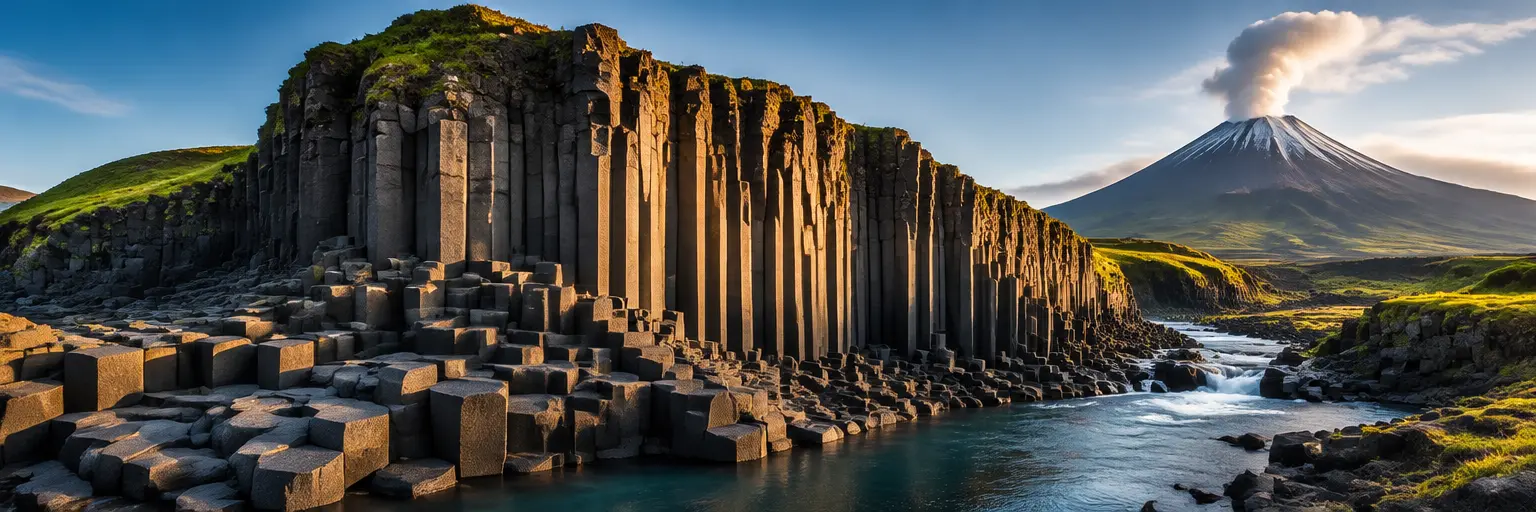
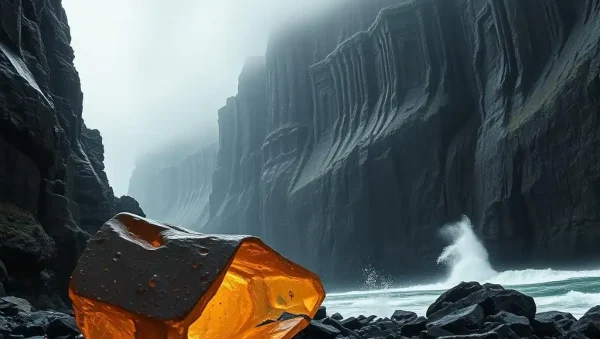
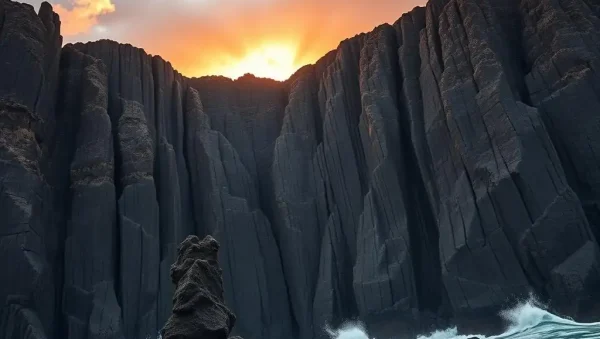
Basalt columns are nature’s most precise geometric marvels, formed when thick lava cools and contracts, cracking into hexagonal (and sometimes pentagonal) pillars. As molten basalt cools, it shrinks, and stress fractures propagate downward, creating columnar jointing. This process is remarkably uniform, producing columns that can range from a few centimeters to towering meters in height. Understanding this reveals why these igneous rock structures appear across continents—from Iceland’s Svartifoss to the Devil’s Postpile in California.
For visitors, recognizing columnar jointing enhances any volcanic landscape tour. Look for vertical cracks and smooth, polygonal tops—these are hallmarks of slow, even cooling. By exploring this science, you’ll gain a deeper appreciation for how magma cooling shapes not just rock, but entire ecosystems, as these formations often host unique flora and microclimates. Whether you’re a student or a seasoned hiker, knowing the process turns a simple vista into a story of Earth’s dynamic crust.
🗺️ Iconic Basalt Column Sites Around the World
From the Giant’s Causeway in Northern Ireland—a UNESCO World Heritage site with over 40,000 interlocking columns—to the dramatic Fingal’s Cave in Scotland, these formations are global icons. Other must-visit spots include the Columnar Basalt Cliffs of the Faroe Islands, the towering Organ Pipes in Namibia, and the stunning Los Prismas Basálticos in Mexico. Each site offers a unique context, from coastal erosion to river-carved gorges, providing endless photographic and educational opportunities.
Planning a trip? These destinations often feature visitor centers with interpretive trails, making them accessible for all ages. For example, the Devils Tower in Wyoming is a sacred Native American site and a climber’s paradise, while Stuðlagil Canyon in Iceland is a hidden gem reachable by a scenic hike. By highlighting these locales, we help you build a volcanic travel itinerary that combines geology, culture, and adventure—ensuring your next journey is both scenic and scientifically enriching.
🔍 How Basalt Columns Reveal Volcanic History
Each basalt pillar is a time capsule, preserving clues about eruption intensity, cooling rates, and ancient environments. Geologists study the spacing and orientation of columns to infer lava thickness and flow direction, while mineral inclusions help date eruptions. For instance, the columnar joints at Cape Raoul in Tasmania reveal a massive Eocene lava flow that shaped the coastline. By examining these formations, researchers can reconstruct prehistoric volcanic activity, aiding in hazard predictions for modern populations.
For the general reader, this history is both fascinating and practical. Understanding past eruptions helps volcanologists assess risks in basalt-rich regions, such as the Columbia River Plateau in the U.S. or the Deccan Traps in India. Moreover, these columns often overlie geologic wonders like lava tubes or hydrothermal vents, offering a layered narrative of Earth’s evolution. This subcategory empowers you to see beyond the spectacle and appreciate the geological timeline written in stone.
🏞️ Basalt Columns in Art, Culture, and Engineering
Beyond science, basalt columns have inspired art and architecture for centuries. The Romans used basalt paving stones (setts) for roads, while modern designers incorporate columnar patterns in facades and garden features. Culturally, many indigenous peoples revered these formations as spiritual sites—for example, the Devil’s Postpile was considered a portal by the Miwok tribe. Today, photographers and painters flock to these locations, capturing the play of light on polygonal surfaces, making them icons in landscape art.
In engineering, basalt’s durability makes it ideal for construction materials, including rebar and fiber-reinforced composites. This dual utility—natural and practical—underscores the importance of preserving these sites. By exploring this intersection, our content helps tourists and professionals alike recognize the cultural significance of volcanic rock and its modern applications, from eco-friendly building materials to innovative design. Such knowledge enriches any visit, turning a simple sightseeing stop into a lesson in human ingenuity and natural beauty.
📸 Photography and Safety Tips for Exploring Volcanic Terrains
Capturing basalt columns requires attention to light and scale. Early morning or late afternoon offers dramatic shadows that highlight hexagonal shapes; use a wide-angle lens for grandeur and a macro lens for texture. Always check tide times for coastal sites like the Causeway and carry sturdy footwear, as wet rock can be slippery. For safety, stay on designated paths—these fragile formations are easily damaged, and loose edges are common. Respect local regulations and wildlife habitats while enjoying the volcanic landscape photography opportunities.
Moreover, understanding geological hazards is crucial. Basalt columns themselves are stable, but surrounding areas may have loose scree or minor seismic activity. Always carry a first-aid kit, inform someone of your route, and check weather forecasts. For those venturing to remote sites like Stuðlagil, consider hiring local guides. This practical advice ensures that your exploration of basalt column sites remains safe, sustainable, and rewarding, allowing you to focus on the awe-inspiring beauty without unnecessary risks.
Frequently Asked Questions
What causes basalt columns to be hexagonal in shape?
Hexagonal shapes arise from optimal space-filling during contraction—six-sided polygons minimize energy when cracks form. As lava cools uniformly, stress builds and fractures propagate at ~120° angles, creating near-perfect hexagons. Variations (pentagons or triangles) occur with uneven cooling or impurities, but the six-sided pattern is thermodynamically favored.
Are basalt columns only found on Earth?
No, columnar jointing has been observed on Mars and other rocky planets, where basalt lavas cooled under similar conditions. On Earth, they occur on all continents, from Antarctica’s ice-free valleys to equatorial Africa. However, Earth’s tectonic activity and erosion make these formations more accessible and varied here than elsewhere.
How long does it take for basalt columns to form?
The cooling process spans years to decades, depending on lava thickness and environment. Thick flows cool slowly over centuries, allowing large columns (over 30 meters) to develop. Thin flows cool quickly, producing smaller, irregular columns. Exposed columns you see today emerged after thousands of years of erosion stripped away the surrounding rock.
Can basalt columns be dangerous to visit?
Generally safe, but hazards include slippery surfaces, unstable edges, and falling rock fragments, especially after rain or frost. Coastal sites may have sudden waves. Always heed warning signs, maintain a safe distance from cliff edges, and avoid climbing on columns—lichen and micro-cracks can make surfaces fragile. Proper footwear and caution mitigate most risks.
What is the best time of year to see basalt column sites?
Spring and autumn offer mild weather, fewer crowds, and optimal lighting for photography. Summer allows easier access to high-altitude sites, but bring sun protection. Winter can be magical—ice enhances column textures—but many trails close due to snow. Check each site’s seasonal access, as some coastal formations are only reachable at low tide.