Understanding Volcanic Ashfall: A Comprehensive Safety Guide
Volcanic ashfall is one of the most widespread and disruptive volcanic hazards, affecting areas hundreds of miles from an erupting vent. Unlike lava flows or pyroclastic surges, ash can blanket entire communities, impacting health, infrastructure, agriculture, and daily life for weeks or even months. At VolcanoExplorers.org, we provide in-depth, actionable information to help you prepare for, respond to, and recover from ashfall events. This guide covers everything from the physical properties of ash to health protections, structural safety, and post-eruption cleanup, ensuring you and your family stay safe before, during, and after an ashfall event.
🌋 What Is Volcanic Ash and How Is It Formed?
Volcanic ash is not smoke or fire residue—it consists of tiny, jagged particles of pulverized rock, minerals, and volcanic glass, typically less than 2 millimeters in diameter. During explosive eruptions, magma is fragmented by expanding gases into these sharp, abrasive fragments that are then propelled high into the atmosphere. The ash can travel hundreds or even thousands of kilometers downwind, carried by prevailing winds. Its fine texture and abrasive nature make it a serious hazard to lungs, machinery, and electronics. Understanding its formation helps you grasp why ashfall can persist even when the eruption itself is far away.
Ash particles are hard, irregular, and often include crystalline silica, which is a key health concern. Because they are lightweight, they can remain suspended in the air for hours, entering buildings through ventilation systems and open windows. The hazard level depends on eruption size, wind patterns, and the thickness of accumulated ash. For example, a thin dusting of a few millimeters can cause minor irritation, while accumulations of more than 10 centimeters can collapse roofs and cause widespread power outages. Preparedness starts with recognizing that ash is a dynamic, long-lasting threat with far-reaching consequences.
🏠 Immediate Health Risks and How to Protect Yourself
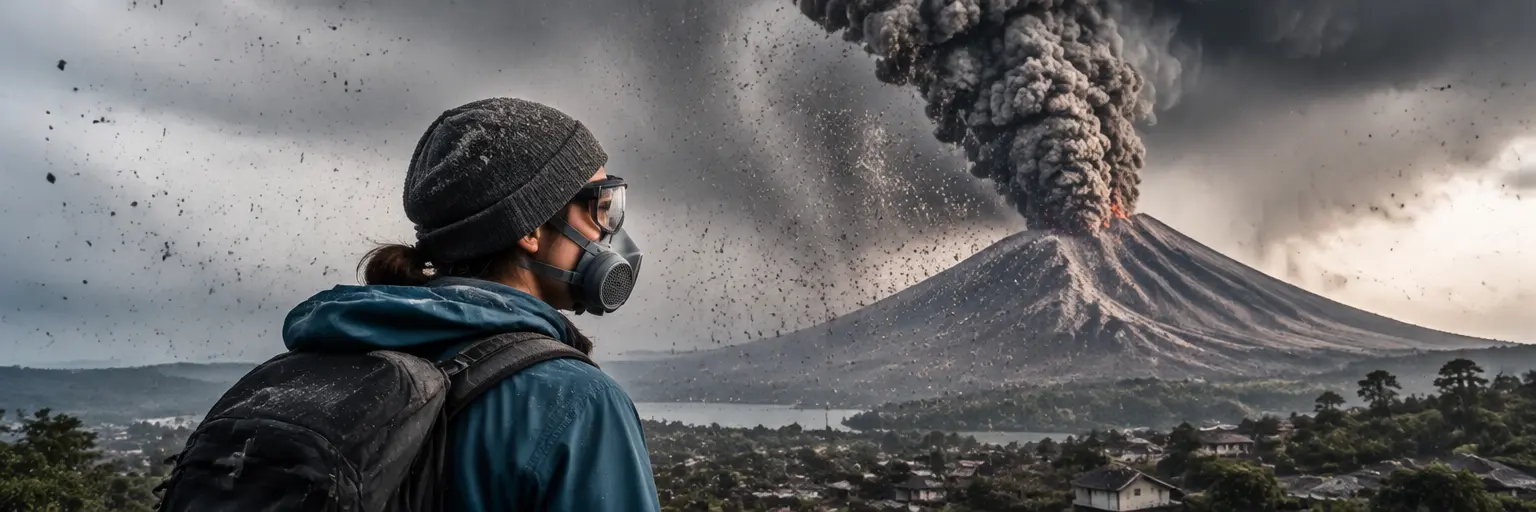
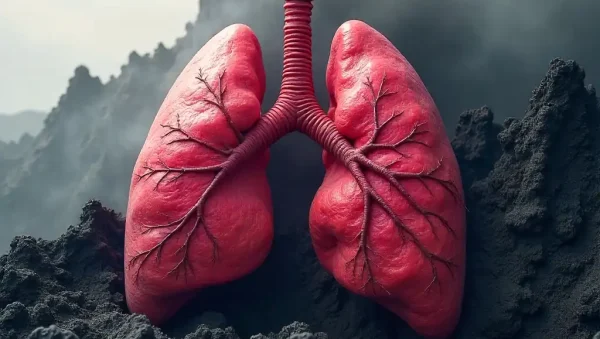
The most immediate danger from ashfall is respiratory irritation. Ash particles, especially those under 10 micrometers (PM10), can penetrate deep into the lungs, triggering coughing, wheezing, and sore throats. People with asthma, bronchitis, emphysema, or other chronic respiratory conditions face the highest risk, as do infants, elderly individuals, and those with heart disease. Prolonged exposure to crystalline silica can lead to more severe conditions like silicosis. Even healthy individuals should limit outdoor activity, wear N95 masks or respirators, and use damp cloths to create barriers in windows and doors. Your first line of defense is staying indoors with windows firmly shut.
Beyond lungs, ash can irritate eyes, skin, and mucous membranes. Tiny abrasive particles can scratch corneas, so wearing goggles or protective glasses is strongly recommended if you must venture outside. For skin contact, prolonged exposure can cause itching and rashes due to the sharp edges; washing with clean water and moisturizing helps. For households, you should stock up on bottled water, as ash can contaminate drinking supplies, and ensure you have extra medications and inhalers. If you have an air conditioner, set it to recirculate mode to avoid pulling outside air in. A clean, sealed room with air purification is your safe haven during heavy ashfall.
🏗️ Structural and Infrastructure Threats from Ash Accumulation
Ash is surprisingly heavy. Even a dry, thin layer of 4 inches (10 cm) can weigh up to 10 pounds per square foot, but when wet, its weight can increase dramatically due to water absorption—up to 60 pounds per square foot. This places tremendous stress on flat roofs, causing them to sag or collapse, particularly if they are already weakened by age or weather. Homeowners in ashfall zones should regularly remove ash from roofs, using a rake or broom, but never during active ashfall if it’s unsafe. For larger structures, professional engineering assessment is advised if wet ash accumulates beyond 6 inches. Vulnerable buildings include warehouses, gymnasiums, and older homes with long roof spans.
Ash also clogs gutters, drains, and ventilation systems, leading to flooding and indoor air quality problems. It can short-circuit electrical systems, including transformers and power lines, resulting in widespread outages. Air conditioning units, generators, and electronic equipment can be severely damaged by abrasive ash particles drawn into their systems. To protect critical infrastructure, shut down non-essential electrical equipment and cover vents with filter materials. For vehicles, ash clogs engines and air filters, so driving should be minimal; if you must drive, use low speeds and change oil and filters afterward. Preparedness includes having tarps and plastic sheeting to safeguard sensitive equipment and ensuring you have essential supplies like flashlights and battery-operated radios.
🌾 Impact on Agriculture, Livestock, and the Environment
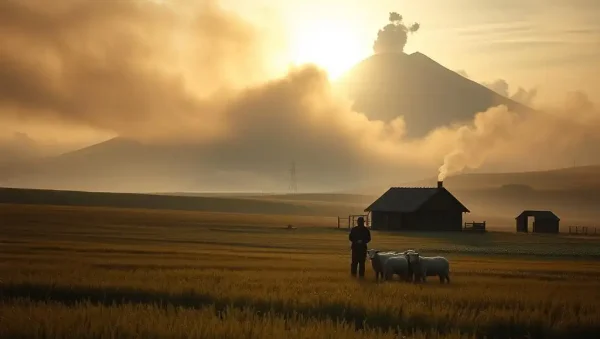
Ashfall can devastate crops, livestock, and drinking water sources. A thick coating of ash blocks sunlight, reducing photosynthesis and causing leaf burn in plants. The abrasive particles can also strip protective coatings from leaves, increasing vulnerability to pests and diseases. Fruits and vegetables may become unpalatable or unsafe to eat raw due to ash contamination. For farmers, crop loss can be catastrophic, impacting local food supplies and economies. Livestock are also at risk—ash on pastures contaminates feed, and animals can suffer from respiratory distress and gastrointestinal irritation if they ingest coated vegetation. Providing clean water and feed is critical during ashfall events. In the aftermath, you may need to wash produce thoroughly or discard damaged crops.
Water systems are especially sensitive. Ash can clog filters and pumps in municipal treatment plants, and acidic ash (often containing sulfur compounds) can lower pH in reservoirs, harming fish and aquatic life. Wells can become contaminated if runoff carries ash into groundwater. For households with private wells, testing water for pH, turbidity, and heavy metals is essential after an event. Long-term environmental effects include soil acidification, which alters nutrient cycles and changes natural vegetation patterns. While nature often recovers over years, the immediate post-eruption period requires active management to mitigate contamination and restore agricultural productivity. Stay informed with local advisories and follow guidance from agricultural extension services.
🧹 Safe Cleanup and Long-Term Recovery After Ashfall
Cleaning up ash is a slow, careful process. Do not use water for cleanup on outdoor surfaces—wet ash turns into a cement-like sludge that is extremely difficult to remove and can block drains. Instead, gently sweep roofs, walkways, and driveways using a broom or leaf blower, but always wear a respirator and goggles to avoid inhalation. For indoor areas, use a vacuum with a HEPA filter; standard vacuums will blow fine ash back into the air. Avoid stirring up dust, and use wet mopping with damp cloths to capture remaining particles. Dispose of collected ash in heavy-duty plastic bags, and check with local waste management for designated disposal sites. Never dump ash into storm drains—it can cause blockages and environmental harm.
After cleanup, recovery involves checking your home’s structural integrity, air quality, and water safety. Replace any air filters in your HVAC system, as they will be saturated with ash. Have a professional inspect roofs and gutters for hidden damage. For electronics that may have been exposed, let them cool and use compressed air to dislodge particles before powering them on—avoid using them immediately after exposure. Community recovery is also vital: supporting local officials in ash removal, donating to relief efforts, and sharing resources can accelerate normalization. Psychologically, prolonged ashfall can cause stress and anxiety; regular communication with family, neighbors, and mental health resources helps build resilience. Preparedness and calm, methodical response are your greatest tools for navigating the weeks and months after an eruption.
Frequently Asked Questions
How long does volcanic ash stay in the air after an eruption?
Ashfall can last for days to weeks, depending on wind patterns and eruption intensity. Fine ash may remain suspended in the atmosphere for several days, but the heaviest deposition typically occurs within the first few hours of an explosive event. However, re-suspension of already fallen ash by wind can cause additional dusty conditions for weeks, especially in dry climates.
Is it safe to drink tap water during ashfall?
If your water comes from a municipal source, it is generally safe because treatment plants filter particulates. However, private wells can be contaminated. Boiling water does not remove ash particles, so use bottled or filtered water for drinking and cooking until you test your water. Check for turbidity, pH changes, and heavy metals before resuming normal use.
Can N95 masks protect against all volcanic ash particles?
N95 masks are effective at filtering out most fine particles, including those between 0.3 and 2.5 microns, which are the most hazardous. However, they do not seal perfectly for everyone and may not filter out all gases like sulfur dioxide. For optimal protection, ensure a tight fit, use valveless N95s, and avoid prolonged outdoor exposure. For children, masks designed for their size are necessary.
What should I do with ash collected from my roof?
Never place ash in regular trash bins unless your municipality instructs you to do so. Ash can contain miniature rock shards and chemicals. Collect it in heavy-duty plastic bags, seal them tightly, and take them to a designated ash disposal site if available. If not available, you can spread thin layers on your property, but avoid waterways and gardens where it may contaminate soil.
Can I drive my car immediately after ashfall?
Driving is strongly discouraged because ash clogs air filters and abrades engine components. If you must drive, drive slowly and keep speeds under 30 mph to minimize dust raise, and leave extra distance between vehicles. Replace the air filter, oil, and cabin filter as soon as possible afterward. Park vehicles indoors or cover them with tarps to prevent ash accumulation.