Understanding Lahars: The Deadly Mudflows of Volcanoes
When volcanoes erupt, the most visible dangers are lava fountains and ash clouds, but one of the most lethal and underestimated threats is the lahar—a fast-moving slurry of volcanic debris, rock, and water that behaves like wet concrete. For residents near volcanic slopes, lahar knowledge is not optional; it is a survival imperative. This page from VolcanoExplorers.org provides a deep dive into what lahars are, how they form, why they are so destructive, and how you can recognize warning signs to stay safe. By mastering this content, you will transform fear into informed preparedness, ensuring you and your family can act decisively when sirens sound or ground trembles.
🌋 What Exactly Is a Lahar and How Does It Form?
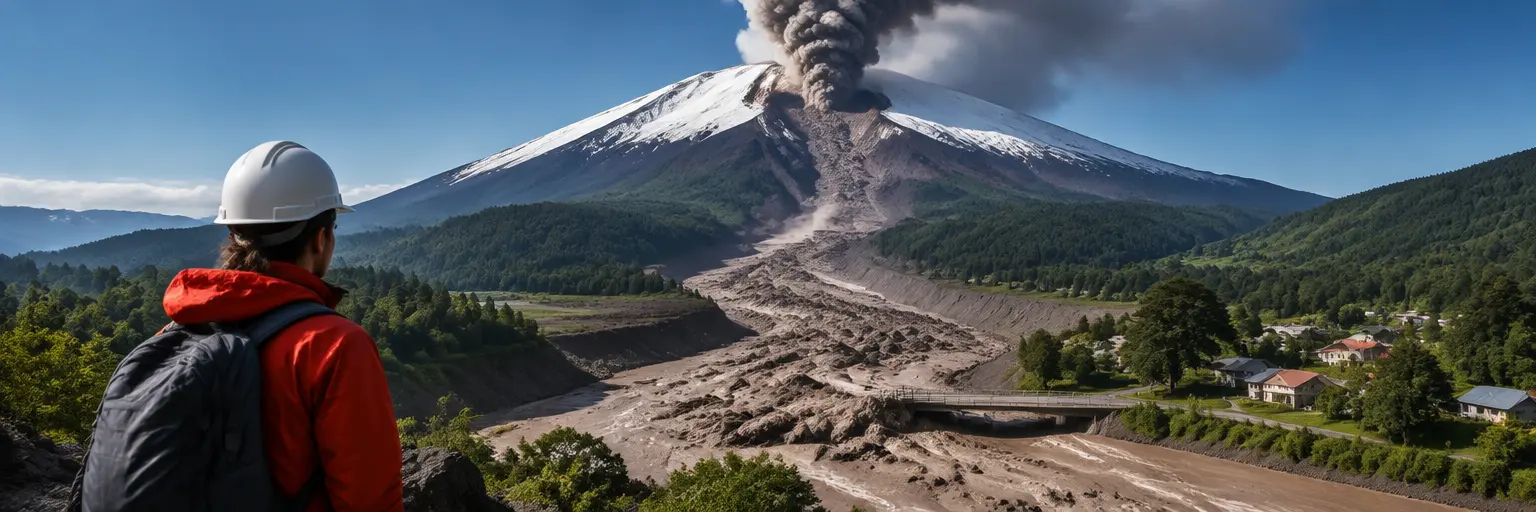
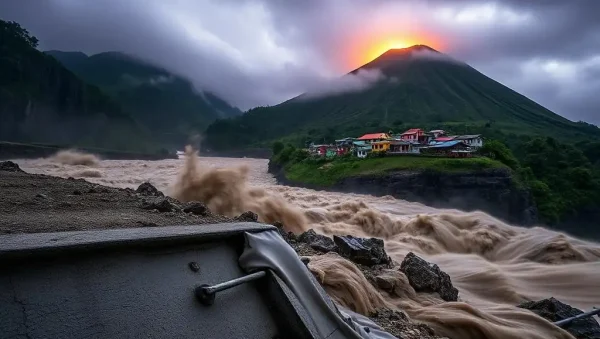
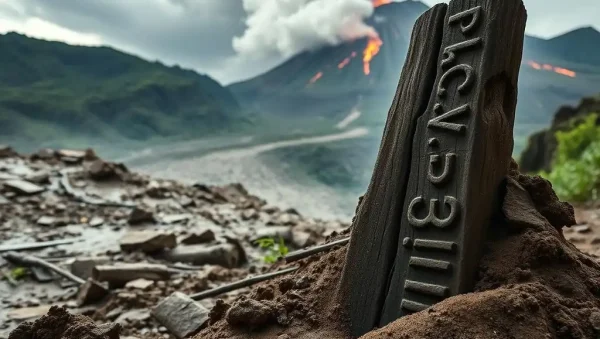
A lahar is a volcanic mudflow composed of a mixture of water, rock fragments, ash, and debris that surges down a volcano's slopes and into river valleys. Unlike clean water floods, lahars have the consistency of wet cement, which makes them incredibly dense and capable of destroying bridges, buildings, and forests in minutes. They can travel at speeds exceeding 35 miles per hour and can flow for tens of miles from the volcano, even affecting areas far from the eruption itself. The formation typically occurs when volcanic activity melts snow and ice, when heavy rainfall mixes with loose ash, or when crater lakes breach their walls.
Understanding formation mechanisms is key to predicting lahars. For example, the 1985 Nevado del Ruiz catastrophe in Colombia occurred when pyroclastic flows melted summit glaciers, generating lahars that buried the town of Armero, claiming over 23,000 lives. Modern monitoring uses seismic sensors, acoustic flow monitors, and satellite imagery to detect the subtle precursors of lahar generation, such as increased water flow in valleys or rumbling sounds. By recognizing that lahars can occur even without a violent eruption—triggered by rainfall on fresh ash—you can appreciate why persistent vigilance is essential in volcanic regions.
🏞️ Why Are Lahars So Destructive and Unpredictable?
The destructive power of lahars stems from their sheer mass and viscosity. A typical lahar can carry boulders the size of cars, smash through reinforced concrete structures, and bury entire neighborhoods under dozens of feet of mud. Unlike lava, which moves slowly and predictably, lahars follow existing river channels and valleys, but they can also jump banks suddenly, overflow into populated areas, and even travel upstream in certain conditions. Their unpredictable nature is compounded by the fact that they can be generated hours or days after an eruption, long after the immediate danger seems to have passed, catching evacuees and rescue workers off guard.
Historical examples highlight this unpredictability. During the 1980 Mount St. Helens eruption, lahars swept down the Toutle River, causing over $1 billion in damage (in 1980 dollars) and destroying 27 bridges, despite the eruption itself being relatively short-lived. Similarly, the 1991 Pinatubo eruption in the Philippines produced lahar activity for years afterward, as monsoon rains remobilized ash deposits, repeatedly cutting off villages and causing more fatalities than the eruption itself. This long-term hazard requires communities to maintain lahar hazard maps, establish early warning systems, and practice evacuation drills long after volcanic activity subsides.
📡 How Can You Detect a Lahar Before It Reaches You?
Early detection is your best defense against lahars, and modern technology provides several reliable methods. Geologists use seismic networks to detect the ground vibrations caused by moving debris, which produce a unique low-frequency signature distinct from earthquakes or explosions. Additionally, acoustic flow monitors listen for the sound of boulders and mud scraping against riverbeds, often providing a 10-to-30-minute warning window before impact. Some communities also install trip-wire sensors across river channels that trigger alarms when broken, while volcanologists deploy drone and satellite imagery to track changes in river sediment and surface water levels.
For personal preparedness, knowing your evacuation route and having a battery-operated radio is critical. Many volcanic regions use a siren system with a distinct pattern for lahars—often a continuous tone—so familiarize yourself with local warning signals. If you are outdoors near a river valley and hear a rumbling sound like a freight train, do not wait for official confirmation; move immediately to high ground, at least 100 feet above the valley floor. Remember that lahars can travel over wet or dry ground, so avoid crossing bridges or low points, and never attempt to outrun a lahar in a vehicle—they can outpace cars on rough terrain.
🚨 What Are the Essential Safety Steps During a Lahar Alert?
When a lahar warning is issued, your actions in the first few minutes determine your survival. First, evacuate immediately to pre-designated high ground, preferably on foot or bicycle, as roads may be congested or damaged. Carry an emergency kit with water, food, medications, flashlights, and a whistle to signal rescuers. If you are indoors, move to an upper floor of a sturdy building, but only if the structure is reinforced concrete and not in the direct path of the valley; otherwise, leave the building. Do not attempt to gather valuables—seconds matter. Always follow instructions from local authorities, even if the warning seems premature, because false alarms are rare but the cost of ignoring a real one is catastrophic.
After the lahar passes, the danger is not over. Mudflows can leave behind unstable ground, buried debris, and contaminated water supplies. Do not return home until officials declare the area safe, as secondary lahars can occur due to continued rainfall or structural failures. When you do return, wear sturdy boots and gloves, be cautious of hidden hazards, and check your home for structural damage or gas leaks. Maintain contact with neighbors and emergency services, and document any damage for insurance claims. Remember that psychological recovery is also vital; seek support if you experience anxiety or trauma related to the event.
🌍 How Do Communities Prepare for Lahar Risks in the Long Term?
Long-term lahar preparedness is a community effort that combines engineering, land-use planning, and public education. Structural mitigation includes building retention walls, sediment traps, and diversion channels to redirect mudflows away from populated areas, as well as reinforcing bridges and culverts to withstand debris impact. Some towns plant deep-rooted vegetation on slopes to stabilize loose ash, while others construct early warning siren towers at strategic valley points. Land-use planners enforce strict zoning laws that prohibit new construction in high-risk zones, and they maintain up-to-date lahar inundation maps based on computer simulations of various eruption and rainfall scenarios.
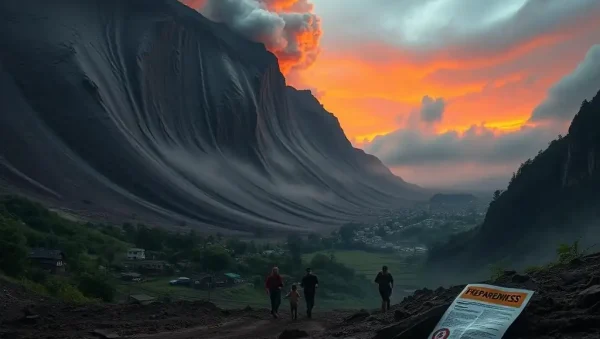
Public education is the backbone of resilience. VolcanoExplorers.org recommends that residents in volcanic regions participate in annual evacuation drills, attend community meetings on hazard awareness, and learn basic first aid and search-and-rescue skills. Schools often integrate lahar safety into their curriculum, teaching children to recognize the sound of a lahar and practice "high-ground" drills. Additionally, collaboration between volcanologists, local government, and emergency responders ensures that scientific data translates into actionable alerts. By fostering a culture of preparedness, communities can reduce lahar-related fatalities by up to 80%, as demonstrated in successful programs in Japan and New Zealand.
Frequently Asked Questions
Can lahars occur without a volcanic eruption?
Yes, lahars can be triggered by heavy rainfall on fresh volcanic ash deposits, even months or years after an eruption. They can also result from the collapse of a crater lake, landslides, or earthquakes that mobilize loose debris. Always heed local rainfall warnings in volcanic areas, regardless of current eruption activity.
What is the fastest speed a lahar can travel?
Lahars typically move between 10 to 30 miles per hour, but on steep slopes they have been recorded at speeds exceeding 60 miles per hour. Their high density and the inclusion of large boulders make them extremely destructive even at moderate speeds, so never underestimate their momentum.
How far can lahars travel from a volcano?
Lahars can travel distances of 50 to 100 miles or more, especially in large river systems. The 1985 Nevado del Ruiz lahars traveled approximately 30 miles to Armero, while prehistoric lahars in Washington state reached the Pacific Ocean, over 100 miles from their source.
Are there warning signs to watch for before a lahar arrives?
Common signs include a rumbling or roaring sound resembling a freight train, increasing water flow in streams, sudden changes in water color or turbidity, and ground vibrations. You may also see debris like trees or rocks moving in the water. If you notice any of these, move to high ground immediately.
What should I include in a lahar emergency kit?
Your kit should include at least three days of bottled water and non-perishable food, a battery-powered radio, flashlights with extra batteries, a first-aid kit, essential prescription medications, maps of high-ground evacuation routes, a whistle, sturdy shoes, and copies of important documents in waterproof bags. Keep it readily accessible near your exit.