
Is Volcanic Ash Poisonous? Separating Fact from Fiction About Ash Toxicity

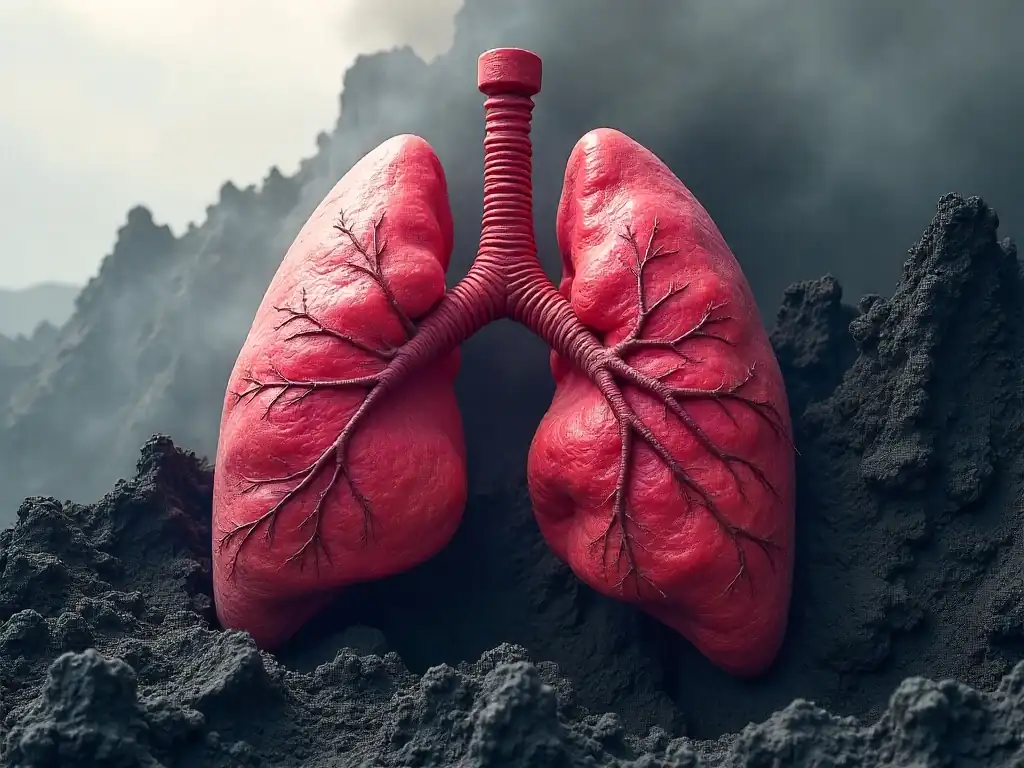
Welcome to Volcano Explorers, where the earth's fiery heart beats loud! Ever wondered if the ash raining down from a volcanic eruption is truly poisonous? Dive in as we unravel the truth behind volcanic ash health effects, separating fact from fiction and providing you with crucial knowledge to stay safe amidst these powerful forces of nature. The answers might surprise you...
- Understanding Volcanic Ash: Composition and Characteristics
- Volcanic Ash Health Effects: Debunking the Myths
- Short-Term Health Hazards from Volcanic Ash Exposure
- Who is Most Vulnerable to Volcanic Ash Exposure?
- Minimizing Volcanic Ash Health Effects: Protective Measures
- Long-Term Management and Recovery After Volcanic Ashfall
- Volcanic Ash Impact on Communities Near Mount St. Helens
- Further Resources on Volcanic Ash and Health
-
Frequently Asked Questions
- What exactly is volcanic ash, and what is it composed of?
- Is volcanic ash directly poisonous to humans?
- What are the most common health effects associated with volcanic ash exposure?
- How can I protect myself from the harmful effects of volcanic ash?
- Are there any long-term health risks associated with repeated exposure to volcanic ash?
- Final Reflection: Breathing Easier Amidst the Ash
- Uncover the Power to Protect Yourself from Volcanic Ash!
Understanding Volcanic Ash: Composition and Characteristics
What is Volcanic Ash Made Of? A Detailed Look
Volcanic ash is not the soft, fluffy material you might associate with burning wood in a fireplace. Instead, it is composed of fragments of pulverized rock, minerals, and volcanic glass created during volcanic eruptions.
These fragments are incredibly small, generally less than 2 millimeters in diameter, and are formed when dissolved gases in magma expand rapidly and escape violently into the atmosphere, shattering the molten rock. The composition of volcanic ash varies depending on the type of volcano and the magma involved in the eruption, but common minerals found in ash include silica minerals like quartz and cristobalite, feldspars, pyroxenes, and olivine.
The presence of volcanic glass, formed from rapidly cooled lava, is a defining characteristic of volcanic ash, distinguishing it from other types of particulate matter. For instance, ash from stratovolcanoes, known for their explosive eruptions, tends to be rich in silica, while ash from basaltic volcanoes may have a different mineral composition reflecting the less viscous magma.
The process of ash formation is intimately linked to the explosivity of a volcanic eruption. As magma rises to the surface, the pressure decreases, allowing dissolved gases like water vapor, carbon dioxide, and sulfur dioxide to expand. In explosive eruptions, this expansion is so rapid and forceful that it fragments the surrounding magma and pre-existing rocks into tiny particles.
This process is analogous to shaking a carbonated drink and then suddenly opening it; the rapid release of pressure causes the dissolved gas to expand and propel liquid outward. The resulting ash plume can rise many kilometers into the atmosphere, carrying these fine particles vast distances from the volcano. Analyzing the mineral and glass composition of volcanic ash provides volcanologists with valuable insights into the type of eruption, the magma source, and the potential hazards associated with volcanic activity.
Physical Properties of Volcanic Ash: Size, Texture, and Distribution
Volcanic ash, despite its name, is not soft. It is abrasive, similar to finely ground glass, due to the sharp, irregular shapes of its particles. The size of individual ash particles ranges from dust-like to sand-like, with most particles being finer than 2 millimeters. This fine particle size is a crucial factor in its widespread distribution and health impacts.
Imagine particles as small as flour or even talcum powder being carried by the wind; this gives an idea of how easily volcanic ash can become airborne and travel long distances. The texture of volcanic ash is also significant; its abrasive nature can cause irritation to the eyes, skin, and respiratory system. Furthermore, the density of volcanic ash, while relatively low for individual particles, can become substantial when it accumulates in thick layers, posing a significant load on roofs and infrastructure.
The distribution of volcanic ash is largely determined by wind patterns and the intensity of the eruption. During a powerful eruption, ash can be propelled high into the stratosphere, where it can be transported by high-altitude winds across continents and even around the globe. For example, the 1980 eruption of Mount St. Helens in Washington State deposited measurable ash as far away as Oklahoma.
Heavier ash particles tend to settle out closer to the volcano, while finer particles can remain suspended in the atmosphere for days or weeks, leading to widespread ashfall. The thickness of ash deposits decreases with distance from the volcano, but even thin layers of ash can cause significant disruption and health concerns. Factors such as rainfall can also influence ash distribution, as rain can wash ash out of the atmosphere and deposit it on the ground, potentially leading to mudflows and water contamination.
The Difference Between Volcanic Ash and Regular Ash
It is crucial to distinguish volcanic ash from the ash produced by burning organic materials like wood or paper, often referred to as "regular ash". While both types are composed of fine particles, their composition, formation, and associated hazards are vastly different. Regular ash, such as wood ash, is primarily the inorganic residue left after combustion. It is typically composed of carbonates, oxides, and phosphates of various elements like calcium, potassium, and magnesium, derived from the burned material.
In contrast, volcanic ash is not a product of burning. It is formed through the fragmentation of solid rock and magma during volcanic eruptions, as previously described. This fundamental difference in origin leads to significant variations in composition and properties.
Volcanic ash is predominantly made of mineral and volcanic glass fragments, often containing crystalline silica, a known respiratory hazard. Regular ash, while it can also be an irritant, does not typically contain crystalline silica in significant quantities. Furthermore, volcanic ash is often much finer and more abrasive than regular ash, increasing its potential for respiratory and eye irritation.
The health hazards associated with volcanic ash are primarily due to its physical properties (abrasiveness and fine particle size) and the presence of crystalline silica. While regular ash can pose some respiratory risks, particularly for those with pre-existing conditions, the specific concerns related to crystalline silica and the widespread distribution associated with volcanic eruptions make volcanic ash a distinct and more significant hazard. Therefore, understanding the differences between these two types of "ash" is essential for accurately assessing and mitigating potential health risks.
Volcanic Ash Health Effects: Debunking the Myths
Myth #1: Volcanic Ash is Toxic and Immediately Deadly
A common misconception is that volcanic ash is inherently poisonous or toxic in a way that leads to immediate death. This is largely a myth. Volcanic ash itself is not chemically toxic in the same way as, for instance, a poisonous gas or a hazardous chemical substance.
While volcanic ash is certainly hazardous and can cause a range of health problems, it is not typically considered to be directly poisonous upon immediate exposure. The immediate danger from a volcanic eruption often comes from other hazards like pyroclastic flows, lahars (volcanic mudflows), volcanic gases (such as sulfur dioxide or hydrogen sulfide in high concentrations), and the explosive force of the eruption itself, rather than the inherent toxicity of the ash particles.
The perception of volcanic ash being "poisonous" might stem from a misunderstanding of its composition and potential irritant properties. While volcanic ash is not chemically toxic, it is composed of fine particles of rock and glass, which can be very abrasive and irritating to the eyes, skin, and respiratory system. Furthermore, volcanic ash can contain trace amounts of heavy metals and acidic components, but these are usually in concentrations too low to cause acute poisoning in typical exposure scenarios.
The main health concern associated with volcanic ash is related to its physical properties and the presence of crystalline silica, which can lead to respiratory problems, particularly with prolonged or heavy exposure. Therefore, it is more accurate to describe volcanic ash as a respiratory and physical irritant rather than a directly poisonous substance causing immediate death.
Reality: The Chemical Composition of Ash and Potential Irritants
While volcanic ash is not inherently poisonous, its chemical composition and physical properties contribute to its potential to cause health problems. The chemical makeup of volcanic ash is complex and varies depending on the type of volcano and the magma involved. However, a significant component of many volcanic ashes is silica, particularly in the form of crystalline silica minerals such as quartz, cristobalite, and tridymite.
Crystalline silica is a well-known respiratory hazard, and prolonged inhalation can lead to silicosis, a serious and irreversible lung disease. The percentage of crystalline silica in volcanic ash can vary, but it is a key factor in assessing the long-term health risks associated with ash exposure.
Beyond silica, volcanic ash can also contain trace amounts of other elements and compounds, including sulfur, fluorine, and heavy metals like arsenic, lead, and mercury. These elements are generally present in low concentrations, and acute poisoning from these substances in volcanic ash is rare in typical exposure scenarios. However, in specific cases or areas with particular volcanic compositions, the presence of certain elements might contribute to localized environmental or health concerns.
For instance, fluorine in volcanic ash can contaminate water sources and grazing lands, leading to fluorosis in livestock and potentially affecting human health through the food chain. Similarly, acidic components in volcanic ash, such as sulfuric acid aerosols, can contribute to respiratory irritation and acid rain. Therefore, while volcanic ash is not acutely "poisonous," its chemical composition includes irritants and potentially harmful substances that contribute to both short-term and long-term health risks, particularly related to respiratory health.
Long-Term Exposure to Volcanic Ash: Risks and Considerations
While the immediate health effects of volcanic ash exposure are often the most apparent, long-term exposure, even to low concentrations, can pose significant health risks, primarily related to respiratory diseases. The most serious long-term health concern associated with volcanic ash is silicosis. Silicosis is a progressive and irreversible lung disease caused by the inhalation of crystalline silica.
As mentioned earlier, volcanic ash often contains crystalline silica, and chronic exposure, especially without proper respiratory protection, can lead to the development of silicosis over years or decades. Silicosis can cause shortness of breath, coughing, and increased susceptibility to other respiratory infections like tuberculosis.
The risk of developing silicosis depends on several factors, including the concentration of crystalline silica in the ash, the duration and intensity of exposure, and individual susceptibility. People living in areas frequently affected by volcanic ashfall, particularly those involved in outdoor occupations or cleanup efforts without adequate protection, are at higher risk.
It is important to note that silicosis is a long-latency disease, meaning it can take many years after initial exposure for symptoms to become apparent. Furthermore, long-term exposure to volcanic ash, even at levels below those that cause silicosis, may contribute to chronic bronchitis and other respiratory ailments.
Studies in areas frequently affected by volcanic eruptions have shown increased prevalence of respiratory symptoms in populations exposed to volcanic ash. Therefore, while volcanic ash may not be immediately deadly, the potential for long-term respiratory health problems, particularly silicosis, is a significant concern that necessitates proper mitigation and public health measures in volcanically active regions.
Short-Term Health Hazards from Volcanic Ash Exposure
Respiratory Problems: Coughing, Bronchitis, and Asthma Exacerbation
One of the most immediate and widespread health effects of volcanic ash exposure is respiratory irritation and problems. The fine particles of volcanic ash, when inhaled, can irritate the airways and lungs, leading to a range of respiratory symptoms. Coughing is a very common immediate reaction to inhaling volcanic ash, as the body attempts to expel the irritant particles. Individuals may experience a dry cough, a scratchy throat, and shortness of breath, particularly during and shortly after ashfall events. For healthy individuals, these symptoms are often temporary and resolve once the air clears.
However, volcanic ash exposure can be more serious for vulnerable populations, especially those with pre-existing respiratory conditions. People with asthma, chronic bronchitis, emphysema, or other chronic obstructive pulmonary diseases (COPD) are particularly susceptible to exacerbations of their conditions when exposed to volcanic ash. The irritant nature of the ash can trigger asthma attacks, leading to wheezing, chest tightness, and difficulty breathing.
Similarly, individuals with bronchitis may experience worsening cough, increased mucus production, and increased breathing difficulty. In severe cases, volcanic ash exposure can lead to acute bronchitis or exacerbate pre-existing respiratory illnesses to a point requiring medical intervention. For instance, studies following eruptions like the 2010 Eyjafjallajökull eruption in Iceland and eruptions in Indonesia have documented increases in respiratory complaints and hospital admissions related to respiratory illnesses during periods of ashfall.
Eye Irritation and Corneal Abrasion from Volcanic Ash
Volcanic ash is not only a respiratory irritant but also a significant irritant to the eyes. The sharp, abrasive nature of ash particles makes them particularly damaging to the delicate tissues of the eye. When volcanic ash comes into contact with the eyes, it can cause immediate irritation, a gritty sensation, redness, and excessive tearing as the eye attempts to flush out the foreign material. This irritation is a common and almost universal experience during ashfall events, even with relatively low concentrations of ash in the air.
More seriously, volcanic ash can cause corneal abrasion, which is a scratch on the surface of the cornea, the clear front part of the eye. Corneal abrasions can be quite painful and can lead to blurry vision, light sensitivity, and a feeling that something is stuck in the eye. In severe cases, untreated corneal abrasions can increase the risk of eye infections.
The risk of corneal abrasion is heightened when people rub their eyes in an attempt to relieve irritation, as this can further scratch the cornea with the abrasive ash particles. It is therefore crucial to avoid rubbing the eyes during ashfall and to take protective measures, such as wearing goggles or glasses, to minimize eye exposure to volcanic ash and prevent more serious eye injuries. Rinsing the eyes with clean water or saline solution is recommended to remove ash particles and alleviate irritation.
Skin Irritation and Allergic Reactions Caused by Ash
While less common than respiratory and eye irritation, volcanic ash can also cause skin irritation and, in some cases, allergic reactions. The abrasive nature of volcanic ash particles can irritate the skin, particularly in areas where skin is exposed or where ash becomes trapped against the skin, such as under clothing or jewelry. This irritation can manifest as itching, redness, and a rash.
The severity of skin irritation can vary depending on the duration and intensity of exposure, as well as individual skin sensitivity. People with pre-existing skin conditions like eczema or sensitive skin may be more prone to developing skin irritation from volcanic ash.
In addition to physical irritation, some components of volcanic ash can trigger allergic reactions in susceptible individuals. While not a common occurrence, certain chemicals or minerals in volcanic ash, or even the fine particles themselves, can act as allergens, leading to allergic contact dermatitis. Symptoms of allergic contact dermatitis can include a red, itchy rash, blisters, and swelling.
The specific allergens in volcanic ash can vary depending on the volcano and the eruption, but potential culprits could include trace metals or acidic components. To minimize skin irritation and potential allergic reactions, it is advisable to wear protective clothing that covers exposed skin during ashfall events and to wash exposed skin gently with soap and water after exposure.
Water Contamination and Potential Health Risks
Volcanic ashfall can significantly impact water quality and potentially pose health risks through water contamination. When volcanic ash settles into water sources, such as lakes, rivers, and reservoirs, it can increase the turbidity of the water, making it cloudy and less visually appealing. More importantly, ash contamination can affect the chemical and microbial quality of the water.
Ash can introduce various chemicals and minerals into the water, altering its pH and chemical composition. Depending on the composition of the ash, this could lead to changes in water taste and odor, and in some cases, the leaching of potentially harmful substances into the water supply.
Furthermore, volcanic ash can carry bacteria and other microorganisms, potentially contaminating water sources and increasing the risk of waterborne diseases. While volcanic ash itself is sterile due to the high temperatures of its formation, it can become contaminated with microorganisms after settling on the ground and being washed into water bodies. The increased turbidity from ash contamination can also reduce the effectiveness of water disinfection processes, such as chlorination, making it more challenging to ensure safe drinking water.
Therefore, during and after volcanic ashfall events, it is crucial to take precautions regarding water consumption. Using bottled water or boiling water before consumption is recommended to minimize the risk of health problems associated with contaminated water. Local authorities typically issue advisories regarding water safety following significant ashfall events.
Who is Most Vulnerable to Volcanic Ash Exposure?

Individuals with Pre-existing Respiratory Conditions
Certain groups within the population are significantly more vulnerable to the adverse health effects of volcanic ash exposure. Individuals with pre-existing respiratory conditions are at the top of this list. As previously discussed, volcanic ash is a respiratory irritant that can exacerbate existing lung conditions.
People who suffer from asthma, chronic bronchitis, emphysema, and other forms of COPD face a heightened risk of experiencing worsened symptoms and respiratory distress during ashfall events. For asthmatics, volcanic ash can trigger asthma attacks, leading to bronchospasm, wheezing, and shortness of breath. The fine particles can irritate the airways, causing inflammation and increased mucus production, which further restricts airflow.
Similarly, individuals with chronic bronchitis or emphysema already have compromised lung function, and volcanic ash exposure can further aggravate their condition. The added irritation from ash particles can lead to increased coughing, increased sputum production, and worsening shortness of breath. In severe cases, volcanic ash exposure can precipitate respiratory failure in individuals with severe pre-existing respiratory conditions.
It is crucial for these vulnerable individuals to take extra precautions to minimize their exposure to volcanic ash, including staying indoors, using appropriate respiratory protection like N95 masks, and having readily available medications, such as inhalers, to manage potential exacerbations of their conditions. Public health messaging during volcanic ash events should specifically target these high-risk groups to ensure they are aware of the increased risks and protective measures.
Children and the Elderly: Increased Susceptibility
Children and the elderly are also considered particularly vulnerable populations when it comes to volcanic ash exposure. Children, especially young children, have developing respiratory systems that are more susceptible to irritants. Their airways are narrower than those of adults, and their respiratory defense mechanisms are not fully mature, making them more prone to breathing in and retaining fine particles like volcanic ash.
Furthermore, children often have higher activity levels and may be less likely to follow protective measures consistently, increasing their exposure risk. Infants and toddlers, who may spend more time on the ground and have higher respiratory rates relative to their body size, are especially vulnerable.
Elderly individuals, on the other hand, often have age-related declines in respiratory function and may have pre-existing chronic health conditions, including respiratory and cardiovascular diseases. Their immune systems may also be less robust, making them more susceptible to respiratory infections following ash exposure. The elderly may also be less mobile or have cognitive impairments that make it more challenging for them to take protective actions during ashfall events.
Both children and the elderly require special consideration and targeted protective measures during volcanic ashfall. This includes ensuring they have access to appropriate respiratory protection, are kept indoors in safe environments, and receive assistance in implementing protective measures. Community support networks and public health initiatives should prioritize these vulnerable age groups during volcanic crises.
People with Contact Lenses: Precautions to Take
Individuals who wear contact lenses face a specific risk during volcanic ashfall events. While contact lenses themselves do not necessarily make people more vulnerable to the general health effects of volcanic ash, they do create a unique situation that can exacerbate eye irritation and increase the risk of corneal abrasion. Volcanic ash particles can easily get trapped between contact lenses and the surface of the eye. Once trapped, these abrasive particles can cause significant irritation, scratching, and discomfort. Attempting to remove contact lenses with ash in the eyes can also further scratch the cornea if not done carefully.
Therefore, people who wear contact lenses are strongly advised to take precautions during volcanic ashfall. The best recommendation is to avoid wearing contact lenses altogether during ashfall events and to switch to eyeglasses. Eyeglasses provide a physical barrier that can help reduce the amount of ash reaching the eyes. If contact lenses are worn and eye irritation occurs due to ash, it is crucial to wash hands thoroughly before attempting to remove the lenses.
Rinsing the eyes with copious amounts of clean water or saline solution before and during lens removal can help flush out ash particles. If irritation persists or worsens after removing contact lenses, or if there is any suspicion of corneal abrasion (persistent pain, blurred vision, feeling of something in the eye), it is important to seek medical attention promptly. Contact lens wearers should be particularly vigilant in protecting their eyes during volcanic ash events.
Minimizing Volcanic Ash Health Effects: Protective Measures
Wearing Masks and Respirators: Choosing the Right Protection
One of the most effective ways to minimize the respiratory health effects of volcanic ash is by wearing appropriate masks or respirators. Not all face coverings are equally effective against fine volcanic ash particles. Simple cloth masks or surgical masks, while offering some limited protection against larger particles, are generally not sufficient to filter out the very fine particles of volcanic ash that pose the greatest respiratory risk.
For effective protection against volcanic ash, respirators with a high filtration efficiency, such as N95, N99, or P100 respirators (as classified by NIOSH in the United States), or FFP2 or FFP3 respirators (as classified by European standards), are recommended. These respirators are designed to filter out at least 95% (N95) or 99% (N99, P100, FFP2, FFP3) of airborne particles, including fine volcanic ash.
When choosing a respirator, it is crucial to ensure a proper fit to create a tight seal around the face, preventing ash from bypassing the filter. Respirators are available in various sizes, and it is important to select the correct size for a comfortable and effective fit. For individuals with facial hair, achieving a proper seal can be challenging, and alternative respirators or shaving may be necessary. It is also important to follow the manufacturer's instructions for proper use, including how to put on and take off the respirator, and how often to replace it.
Respirators should be put on before exposure to volcanic ash and worn continuously while in ash-laden environments. For prolonged or repeated exposure, respirators should be replaced regularly, as the filter can become clogged with ash particles, reducing its effectiveness. Proper respirator use is essential for protecting respiratory health during volcanic ash events.
Eye Protection: Goggles and Glasses to Prevent Irritation
Protecting the eyes from volcanic ash is crucial to prevent irritation and more serious injuries like corneal abrasion. Wearing appropriate eye protection, such as goggles or glasses, is highly recommended during volcanic ashfall. Goggles, which form a seal around the eyes, provide the best protection against ash entering the eyes from all directions.
They are particularly recommended for individuals engaged in outdoor activities or cleanup efforts where ash exposure is likely to be more intense. If goggles are not available, eyeglasses, especially wraparound glasses or glasses with side shields, can offer some protection by reducing the amount of ash that reaches the eyes. Contact lenses, as discussed previously, should ideally be avoided during ashfall.
It is important to choose eye protection that fits comfortably and securely and provides clear vision. Safety goggles and glasses are designed to withstand impacts and provide robust protection. Regular eyeglasses may offer some protection but are not as effective as goggles or safety glasses, particularly in windy conditions or areas with heavy ashfall.
If eye irritation occurs despite wearing eye protection, it is important to avoid rubbing the eyes, as this can worsen irritation and potentially cause corneal abrasion. Instead, rinse the eyes gently with clean water or saline solution to flush out any ash particles. Wearing eye protection consistently during ashfall events is a simple but highly effective measure to prevent eye irritation and injuries.
Protecting Your Skin: Clothing and Barriers
Minimizing skin exposure to volcanic ash is important to prevent skin irritation and potential allergic reactions. Wearing protective clothing that covers as much skin as possible is recommended during ashfall events. This includes wearing long-sleeved shirts, long pants, gloves, and a hat. Clothing acts as a physical barrier, reducing direct contact between volcanic ash and the skin. Choosing tightly woven fabrics can provide better protection than loosely woven materials. Tucking shirts into pants and pants into socks or boots can further minimize ash penetration under clothing.
For exposed skin areas, such as the face and neck, applying a barrier cream or moisturizer may offer some protection by creating a layer between the skin and the ash. However, barrier creams are not a substitute for protective clothing. Jewelry should be removed, as volcanic ash can accumulate underneath it and cause skin irritation. After being exposed to volcanic ash, it is important to wash exposed skin gently with soap and water as soon as possible.
Avoid vigorous scrubbing, as this can further irritate the skin. Washing clothing that has been exposed to volcanic ash is also recommended to remove ash particles and prevent continued skin contact. Taking these simple steps to protect the skin can significantly reduce the risk of skin irritation and allergic reactions from volcanic ash exposure.
Staying Indoors and Sealing Your Home: Reducing Exposure
One of the most effective strategies for minimizing overall exposure to volcanic ash is to stay indoors and take measures to seal your home or shelter to reduce ash entry. Staying indoors significantly reduces exposure to airborne ash particles. Whenever possible, remain inside during ashfall events and for some time afterward, until the air has cleared. When indoors, close all windows and doors tightly to prevent ash from entering.
If possible, seal gaps around windows and doors with tape or damp cloths to further reduce ash infiltration. Avoid using evaporative coolers or window air conditioners that draw outside air into the building, as these can bring ash indoors. Recirculating air conditioners are preferable, as they do not introduce outside air.
For ventilation, if needed, choose rooms that are least exposed to the wind and open windows on the downwind side of the building for brief periods, if necessary. If you have a central heating or air conditioning system, consider changing the filter frequently during and after ashfall events to prevent ash accumulation and recirculation within the system.
Sheltering indoors is particularly important for vulnerable populations, such as individuals with respiratory conditions, children, and the elderly. By staying indoors and taking steps to seal your home, you can significantly reduce your overall exposure to volcanic ash and minimize the associated health risks.
Safe Water Consumption During and After Ashfall
Ensuring safe water consumption is crucial during and after volcanic ashfall events. As discussed earlier, volcanic ash can contaminate water sources, affecting both water quality and safety. During ashfall, protect water supplies from contamination. Cover outdoor water storage tanks and containers to prevent ash from settling directly into the water.
If your water source is from a surface water body, such as a lake or river, be aware that it may become contaminated with ash. Following ashfall, it is advisable to use bottled water for drinking, cooking, and hygiene if there are concerns about water quality. If bottled water is not available, boiling water for at least one minute is an effective way to kill most microorganisms and make it safer for consumption. Let the water cool before using it.
If boiling water is not feasible, chemical disinfection with household bleach can be used, but follow recommended guidelines carefully. Typically, this involves adding a small amount of unscented household bleach to water, allowing it to sit for at least 30 minutes, and ensuring there is a slight chlorine odor before use. However, chemical disinfection may not remove all chemical contaminants or improve turbidity.
Avoid using tap water if it appears cloudy or has an unusual odor or taste after ashfall. Consult local authorities and public health advisories for guidance on water safety during and after volcanic ash events. They will provide the most up-to-date information and recommendations for your specific area.
Long-Term Management and Recovery After Volcanic Ashfall
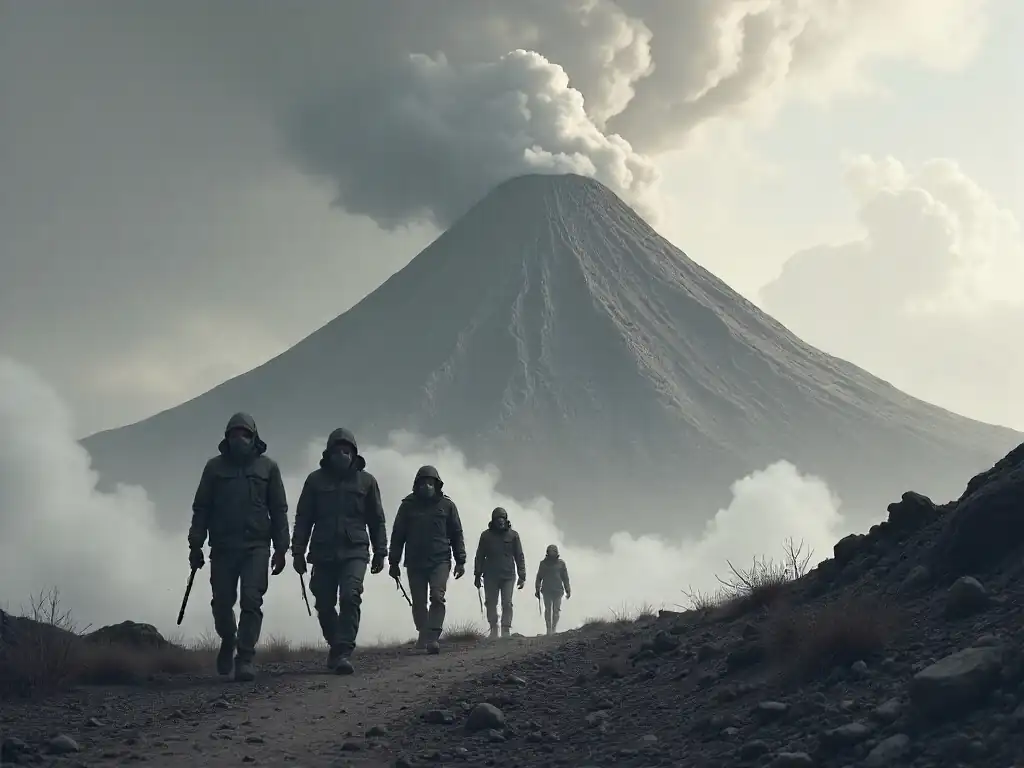
Cleaning Up Volcanic Ash Safely: Avoiding Re-suspension
Safe cleanup of volcanic ash is essential not only for restoring normalcy but also for minimizing continued exposure to ash particles and preventing re-suspension of ash into the air. Dry sweeping or dusting of volcanic ash is strongly discouraged, as these methods can easily re-suspend fine ash particles back into the air, increasing respiratory exposure. The preferred method for cleaning up volcanic ash is wet cleaning.
This involves using water to dampen the ash before cleaning, which helps to prevent it from becoming airborne. Use a damp cloth or mop to wipe surfaces, and use a hose to gently wash down outdoor areas, such as sidewalks and driveways. When hosing down ash, avoid creating excessive runoff that could carry ash into storm drains or waterways.
For larger cleanup tasks, such as removing ash from roofs, use caution and appropriate safety equipment. Roofs can become slippery with ash, and there is a risk of falls. Wear sturdy shoes with good traction and consider using safety harnesses if working on elevated surfaces. When removing ash from roofs or gutters, wet the ash down first and use shovels or scoops to carefully remove it. Avoid power washing, as this can also re-suspend fine ash particles.
Collect ash in bags or containers for proper disposal. Do not dispose of large quantities of ash in regular trash bins, as it can be heavy and may overload waste collection systems. Consult local authorities for guidance on ash disposal methods in your area. Proper and safe cleanup methods are crucial for preventing secondary ash exposure and minimizing health risks during the recovery phase after ashfall.
Monitoring Air Quality and Following Local Health Advisories
After volcanic ashfall events, it is important to monitor air quality and follow local health advisories to stay informed about ongoing risks and recommended protective measures. Air quality monitoring provides valuable information about the concentration of particulate matter in the air, including volcanic ash. Local environmental agencies or public health departments often monitor air quality and provide updates to the public, particularly in areas affected by volcanic eruptions.
Pay attention to air quality reports and advisories issued by these authorities. These reports may use air quality indices (AQI) or similar metrics to indicate the level of air pollution and associated health risks.
Local health advisories will provide specific recommendations for protecting your health based on the current air quality conditions and ongoing volcanic activity. These advisories may include recommendations to continue wearing masks, limit outdoor activities, stay indoors, or take other protective measures. Public health authorities may also provide guidance on water safety, food safety, and other health-related concerns following ashfall.
Stay informed by regularly checking official websites, listening to local news broadcasts, and following social media channels of relevant government agencies and emergency management organizations. Following local health advisories and monitoring air quality information are essential for making informed decisions about protecting your health during the recovery phase after volcanic ashfall.
Seeking Medical Attention for Persistent Health Problems
While most short-term health effects from volcanic ash exposure are temporary and resolve on their own, it is important to seek medical attention if you experience persistent or worsening health problems after ash exposure. If you develop persistent coughing, shortness of breath, wheezing, or chest pain that does not improve after ashfall has subsided, consult a doctor. These symptoms could indicate more serious respiratory issues, such as bronchitis, asthma exacerbation, or even early signs of silicosis in cases of heavy or prolonged exposure.
Similarly, if you experience persistent eye irritation, pain, blurred vision, or signs of corneal abrasion, seek medical attention from an eye doctor. Untreated corneal abrasions can lead to complications.
If you develop a persistent skin rash, severe itching, or signs of an allergic reaction after ash exposure, consult a dermatologist or your primary care physician. It is important to inform your doctor about your exposure to volcanic ash and the specific symptoms you are experiencing. This information will help them make an accurate diagnosis and recommend appropriate treatment.
Do not delay seeking medical attention if you have concerns about your health after volcanic ash exposure. Early diagnosis and treatment can help prevent complications and improve long-term health outcomes. Even if your symptoms seem mild initially, persistent or worsening symptoms warrant medical evaluation.
Volcanic Ash Impact on Communities Near Mount St. Helens
Case Study: The 1980 Mount St. Helens Eruption and its Impact on Public Health
The 1980 eruption of Mount St. Helens in Washington State provides a significant case study for understanding the public health impacts of volcanic ash. This eruption was one of the most significant volcanic events in the contiguous United States in recent history, depositing substantial amounts of volcanic ash over a wide area.
The eruption produced an estimated 520 million tons of ash, which fell across several states, with the heaviest ashfall occurring in areas downwind of the volcano, such as Yakima, Washington. The ashfall event provided valuable insights into the short-term and long-term health effects of volcanic ash exposure in a developed country setting.
Immediately following the Mount St. Helens eruption, communities experienced widespread disruption and health concerns related to ashfall. Respiratory symptoms were the most commonly reported health effects. Studies conducted after the eruption documented increases in respiratory complaints, including coughing, throat irritation, and shortness of breath, particularly in areas with heavier ashfall. Hospitals and clinics saw an increase in visits for respiratory problems.
Eye irritation was also a prevalent complaint, with individuals reporting gritty sensations, redness, and tearing. While the immediate health effects were significant, studies generally found that they were largely transient, with symptoms resolving as the air cleared and cleanup efforts progressed. However, the Mount St. Helens eruption also highlighted the importance of preparedness and public health response to volcanic ash events.
Lessons Learned from the Mount St. Helens Eruption
The 1980 Mount St. Helens eruption yielded several important lessons regarding volcanic ash and public health, which have informed preparedness and response strategies for volcanic eruptions worldwide. One key lesson was the importance of public education and awareness. Prior to the eruption, many people in the affected areas were not fully aware of the potential hazards of volcanic ash or the protective measures they should take.
The Mount St. Helens event underscored the need for proactive public education campaigns to inform communities about volcanic hazards, including ashfall, and how to protect themselves. This includes disseminating information about respiratory and eye protection, staying indoors, and safe cleanup methods.
Another crucial lesson was the need for effective communication and coordination between scientists, emergency responders, public health agencies, and the public. Timely and accurate information about volcanic activity and ashfall forecasts is essential for enabling communities to prepare and respond effectively. The Mount St. Helens experience highlighted the importance of establishing clear communication channels and protocols for disseminating information and coordinating response efforts.
Furthermore, the eruption emphasized the need for readily available supplies of protective equipment, such as respirators and eye protection, and the importance of ensuring access to medical care for those affected by ashfall. The lessons learned from Mount St. Helens have contributed significantly to improving volcanic hazard preparedness and public health response in volcanically active regions globally.
Further Resources on Volcanic Ash and Health
Official Government Health Advisories and Recommendations
For the most accurate and up-to-date information on volcanic ash health effects and protective measures, it is crucial to consult official government health advisories and recommendations. Government health agencies, such as the Centers for Disease Control and Prevention (CDC) in the United States, the World Health Organization (WHO) internationally, and national and local public health departments in volcanically active regions, are primary sources of reliable information. These organizations provide evidence-based guidance on the health hazards of volcanic ash, recommended protective actions, and public health responses during and after volcanic eruptions.
Official government websites often have dedicated sections on volcanic hazards and health, providing fact sheets, brochures, and online resources. These resources typically include information on the composition of volcanic ash, potential health effects, recommendations for respiratory protection, eye protection, skin protection, safe water consumption, and cleanup procedures. During volcanic eruptions and ashfall events, government health agencies issue public health advisories and alerts through various channels, including websites, social media, news media, and emergency alert systems.
It is essential to monitor these official sources for the latest guidance and instructions relevant to your specific location and situation. Always prioritize information from official government health sources over general information found on the internet or social media when it comes to volcanic ash and health.
Reputable Scientific Organizations Studying Volcanic Ash
In addition to government health agencies, reputable scientific organizations that study volcanoes and volcanic hazards are valuable sources of information on volcanic ash and its health effects. Organizations like the U.S. Geological Survey (USGS) Volcano Hazards Program, the Smithsonian Institution's Global Volcanism Program, and various university-based volcanology research groups conduct ongoing research on volcanic processes, eruption dynamics, and associated hazards, including volcanic ash. These scientific organizations provide data, research findings, and expert analysis that contribute to a better understanding of volcanic ash and its impacts.
Websites of these scientific organizations often feature educational resources, publications, and data related to volcanic ash. They may provide information on the physical and chemical properties of volcanic ash, ash dispersal patterns, eruption forecasting, and hazard assessments. While these organizations are not primarily focused on public health, their scientific research informs our understanding of the hazards associated with volcanic ash, which is essential for developing effective public health strategies and protective measures. Exploring the resources provided by reputable scientific organizations can offer deeper insights into the nature of volcanic ash and the science behind its potential health effects.
Volcano Hazards Program Resources on Volcano Safety & Preparedness
The U.S. Geological Survey (USGS) Volcano Hazards Program is a leading source of information and resources on volcano safety and preparedness in the United States. The USGS Volcano Hazards Program website ( www.usgs.gov/volcanoes - as per instructions, links are not included in the article, but provided here for resource identification) provides a wealth of information on various aspects of volcano hazards, including volcanic ash. Their website features sections dedicated to volcano safety, preparedness guides, and educational materials for the public. These resources are designed to help individuals, communities, and emergency managers prepare for and respond to volcanic eruptions and related hazards.
The USGS Volcano Hazards Program website offers information on how to prepare for volcanic ashfall, what to do during ashfall events, and how to recover after ashfall. They provide guidance on protective measures, such as respiratory protection, eye protection, and sheltering indoors. Their resources are based on scientific research and best practices in volcano hazard mitigation.
The website also includes real-time monitoring data on volcanic activity in the United States and around the world, which can be valuable for staying informed about potential volcanic threats. For comprehensive and reliable information on volcano safety and preparedness, particularly concerning volcanic ash, the USGS Volcano Hazards Program website is an excellent resource.
Frequently Asked Questions
What exactly is volcanic ash, and what is it composed of?
Volcanic ash is not soft, fluffy ash like you find in a fireplace. It consists of tiny shards of volcanic rock and glass created during eruptions. Its composition varies depending on the volcano, but it often includes silica, aluminum, iron, magnesium, calcium, sodium, potassium, titanium, and manganese.
Is volcanic ash directly poisonous to humans?
No, volcanic ash is not inherently poisonous in the traditional sense. It doesn't contain toxins that will poison you through touch or ingestion. However, it can cause significant health problems, especially respiratory issues.
What are the most common health effects associated with volcanic ash exposure?
The most common health effects are related to respiratory irritation. This includes coughing, shortness of breath, and irritation of the eyes, nose, and throat. Pre-existing conditions like asthma can be significantly aggravated.
How can I protect myself from the harmful effects of volcanic ash?
The best protection involves avoiding exposure whenever possible. If you must be outdoors, wear a well-fitting respirator mask (N95 or similar) and eye protection. Stay indoors with windows and doors closed.
Are there any long-term health risks associated with repeated exposure to volcanic ash?
Yes, long-term exposure to volcanic ash can lead to chronic respiratory problems, such as silicosis (a lung disease caused by inhaling silica dust). Protecting your lungs is crucial to prevent long-term damage.
Final Reflection: Breathing Easier Amidst the Ash
The exploration of volcanic ash and its potential health effects, as we've seen, is not merely an academic exercise, but a matter of vital public health. Understanding the true nature of volcanic ash toxicity is crucial for effective disaster preparedness and mitigation in vulnerable communities. The fear surrounding volcanic eruptions is often compounded by misinformation, and clarifying the facts empowers individuals to make informed decisions and protect themselves and their families.
The impact of volcanic eruptions extends far beyond the immediate devastation. The lingering effects of ashfall on respiratory health, agriculture, and infrastructure underscore the enduring importance of research and education in this field. The greatest weapon against stress is our ability to choose one thought over another.
- William James. This quote reminds us that even amidst the chaos and uncertainty following a volcanic eruption, informed awareness can be a powerful tool for managing anxiety and taking proactive steps to safeguard our well-being.
As we conclude this exploration, I invite you to reflect on the power of knowledge in the face of natural disasters. Consider how you can contribute to spreading accurate information about volcanic ash and its health effects within your own community. By becoming informed advocates, we can collectively build resilience and ensure that future generations are better prepared to breathe easier, even amidst the ash.
Uncover the Power to Protect Yourself from Volcanic Ash!
Thank you for learning about volcanic ash with Volcano Explorers! Now that you understand the difference between fact and fiction, it's time to act and protect yourself and your community. Next steps:
- Prioritize your safety by assembling an emergency kit including a high-quality N95 mask, goggles, and a first-aid kit to protect yourself and your loved ones from respiratory hazards.
- Dive deeper into volcano preparedness! Explore our website (VolcanoExplorers.org) for in-depth guides on creating emergency plans and understanding local volcanic risks.
- Share this vital information! Help dispel misinformation about volcanic ash by sharing this article and starting conversations about volcano safety.
What steps will you take today to ensure you're prepared for a volcanic event in your region?