
Island Ashfall: Unique Challenges for Volcanic Islands Facing Airborne Ash


Welcome to Volcano Explorers, where the Earth's fiery secrets are revealed. Ever wondered how a seemingly harmless cloud of ash could cripple an entire island? This isn't just about dusting off your car; it's about survival. Prepare to confront the unique and often overlooked challenges of volcanic ashfall in island communities, where isolation and limited resources amplify the danger. Are you ready to understand the risks and learn how to prepare? Your journey into this critical aspect of volcano safety begins now...
- Volcanic Ashfall on Island Communities: Unique Challenges and Mitigation Strategies
- Introduction: Understanding Ashfall Risks for Island Communities
- Why Ashfall Poses a Significant Threat to Islands
- Impacts of Volcanic Ashfall on Island Ecosystems
- Health Hazards Associated with Ashfall on Islands
- Infrastructure Vulnerabilities on Islands Facing Ashfall
- Strategies for Ashfall Mitigation and Preparedness on Islands
- Long-Term Recovery and Resilience Building After Ashfall Events
- Case Studies: Examining Ashfall Impacts on Specific Islands
- Technological Solutions for Ashfall Monitoring and Prediction
- International Collaboration in Island Ashfall Preparedness
- Conclusion: Enhancing Island Resilience to Volcanic Ashfall Hazards
-
Frequently Asked Questions
- What are the primary challenges of volcanic ashfall on islands?
- How does volcanic ashfall specifically impact the water supply on islands?
- What are the major health risks associated with breathing volcanic ash?
- What are the unique challenges in cleaning up volcanic ash on islands compared to mainland areas?
- What safety measures should island residents take during and after volcanic ashfall?
- Final Reflection: Embracing Resilience in the Face of Ash
- Unleash Your Inner Volcanologist!
Volcanic Ashfall on Island Communities: Unique Challenges and Mitigation Strategies
Introduction: Understanding Ashfall Risks for Island Communities
Volcanic ashfall, a seemingly benign term for the rain of pulverized rock and volcanic glass ejected during explosive eruptions, poses a significant and multifaceted threat, especially to island communities. Unlike other volcanic hazards like pyroclastic flows or lava flows that are typically confined to areas near the volcano, ashfall can travel hundreds, even thousands, of kilometers downwind, blanketing vast areas.
For islands, this widespread dispersal presents a unique set of challenges due to their inherent geographical limitations and often concentrated infrastructure. This article delves into the specific vulnerabilities island nations face when confronted with volcanic ashfall, examining the impacts on ecosystems, health, infrastructure, and exploring mitigation and preparedness strategies crucial for building resilience.
Why Ashfall Poses a Significant Threat to Islands
Geographic Isolation: Limited Resources & Evacuation Constraints
Island communities, by their very nature, are geographically isolated, a factor that significantly amplifies the challenges posed by volcanic ashfall. This isolation translates to a dependence on external supply chains for essential resources, including food, fuel, and medical supplies.
When ashfall disrupts transportation, particularly air and sea routes, these supply lines can be severed, leading to shortages and impacting the availability of critical necessities. For instance, during the 2010 eruption of Eyjafjallajökull in Iceland, while the island itself is not geographically isolated in the typical sense of a small tropical island, the widespread ash cloud grounded flights across Europe, demonstrating how even regional ashfall events can dramatically disrupt global supply chains and access, which is a magnified concern for more remote islands.
Furthermore, evacuation options for island populations are inherently limited. Unlike mainland areas where land-based evacuation routes are often available, islands are reliant on sea and air transport for large-scale evacuations.
Volcanic ash is notoriously damaging to aircraft engines and can severely disrupt maritime navigation, rendering these evacuation methods unreliable precisely when they are most needed. The 1995-1997 eruption of the Soufrière Hills Volcano on Montserrat highlighted this challenge, where the small island's population faced significant logistical hurdles in evacuation due to the ashfall and the limited capacity of available sea and air transport, ultimately leading to the island remaining partially evacuated to this day.
Concentrated Infrastructure: Vulnerability to Widespread Disruptions
Islands often feature concentrated infrastructure due to limited land availability and historical development patterns. Essential services, such as power plants, airports, hospitals, and communication hubs, are frequently located in close proximity, making them susceptible to simultaneous disruption from widespread ashfall. Imagine a scenario where a single ashfall event blankets the main island of a nation, impacting the sole international airport, the central power station, and the primary telecommunications facility all at once. This concentrated vulnerability contrasts sharply with larger landmasses where infrastructure is typically more dispersed, offering redundancy and reducing the risk of complete systemic collapse.
The economic implications of this concentrated vulnerability are also profound. Many island economies are heavily reliant on specific sectors, such as tourism or fisheries, which are often dependent on the smooth functioning of this concentrated infrastructure. Airport closures due to ashfall, for example, can cripple tourism-dependent economies almost overnight, as seen in the Caribbean islands following eruptions in the region. Similarly, ash contamination of fishing grounds and harbors can devastate local fishing industries, further compounding the economic challenges.
Limited Land Area: Higher Ashfall Density and Coverage
The finite land area of islands means that volcanic ashfall is distributed over a smaller surface, resulting in higher ash accumulation depths compared to the same volume of ash dispersed over a larger mainland area. This increased ash density amplifies the structural load on buildings, increasing the risk of roof collapse, particularly for structures not designed to withstand heavy ash loads.
Moreover, the pervasive nature of ashfall across the entirety of a smaller landmass makes it harder to escape its impacts. There are fewer "safe zones" or unaffected areas within an island compared to a larger landmass, meaning the entire population and all ecosystems are exposed to the effects of the ashfall.
The removal and disposal of volcanic ash also present a significant logistical challenge on islands with limited land. Where do you put tons of ash when land is already scarce? Landfilling options are constrained, and improper disposal can lead to secondary environmental problems, such as water contamination or dust storms. This issue was clearly demonstrated in the aftermath of the 2011 eruption of Puyehue-Cordón Caulle in Chile, where while not an island, the ashfall impacted towns and regions with limited disposal sites, highlighting the general problem of ash disposal, which is exacerbated on islands.
Impacts of Volcanic Ashfall on Island Ecosystems
Impacts on Agriculture: Crop Damage and Food Security
Volcanic ashfall poses a direct threat to agriculture, a critical sector for food security, especially in many island nations where local food production is vital. Ash can smother crops, blocking sunlight and hindering photosynthesis. The weight of the ash itself can also physically damage plants, breaking branches and collapsing crops. Furthermore, ash can contaminate soil and water sources, altering pH levels and introducing harmful chemicals, which can have long-term negative impacts on soil fertility and crop yields. For islands relying heavily on agriculture, even short-term ashfall events can lead to significant crop losses, threatening food supplies and livelihoods.
The type of ash also plays a crucial role. Fine ash particles can penetrate plant stomata, disrupting respiration and transpiration. Acidic ash, common in some volcanic eruptions, can cause chemical burns on foliage and further damage crops. The recovery time for agricultural lands can be lengthy, requiring extensive soil remediation and potentially impacting multiple growing seasons. In island nations with limited arable land, this disruption to agriculture can have devastating consequences for food security and economic stability.
Marine Environment Vulnerability: Ashfall Effects on Coastal and Reef Ecosystems
Island ecosystems are intimately linked to the surrounding marine environment, and volcanic ashfall can have significant impacts on these delicate coastal and reef ecosystems. When ash falls into the ocean, it can increase turbidity, reducing light penetration and impacting marine photosynthesis, which is crucial for the health of coral reefs and seagrass beds. Ashfall can also introduce large quantities of nutrients and trace metals into the marine environment, leading to algal blooms or changes in water chemistry that can stress or even kill marine organisms.
Coral reefs, vital for biodiversity, coastal protection, and fisheries in many island nations, are particularly vulnerable. Ash sedimentation can smother corals, and changes in water quality can disrupt their delicate symbiotic relationships. Fish populations can also be affected by habitat degradation and changes in food webs. The long-term consequences of ashfall on marine ecosystems can include reduced fish stocks, damaged coral reefs, and a decline in overall marine biodiversity, impacting livelihoods and ecosystem services vital for island communities.
Freshwater Contamination: Securing Potable Water Sources Post-Ashfall
Access to clean and safe freshwater is a fundamental challenge for many island communities, and volcanic ashfall can severely compromise already limited freshwater resources. Ash can contaminate surface water sources like rivers, lakes, and reservoirs, making them unsuitable for drinking without extensive treatment. Rooftop rainwater harvesting, a common practice on many islands, can also be rendered unusable if ash contaminates collection systems. Even groundwater sources, while generally more protected, can be vulnerable to contamination if ash leachate percolates through the soil.
The immediate aftermath of ashfall often necessitates reliance on bottled water or emergency water supplies, which can be logistically challenging and expensive for isolated islands. Long-term water security requires thorough cleaning of water collection and storage systems, as well as ongoing monitoring of water quality for contaminants. For islands already facing water scarcity issues, volcanic ashfall can exacerbate these challenges and create significant public health risks if potable water sources are compromised for extended periods.
Health Hazards Associated with Ashfall on Islands
Respiratory Problems: Increased Risk in Island Populations with Limited Healthcare
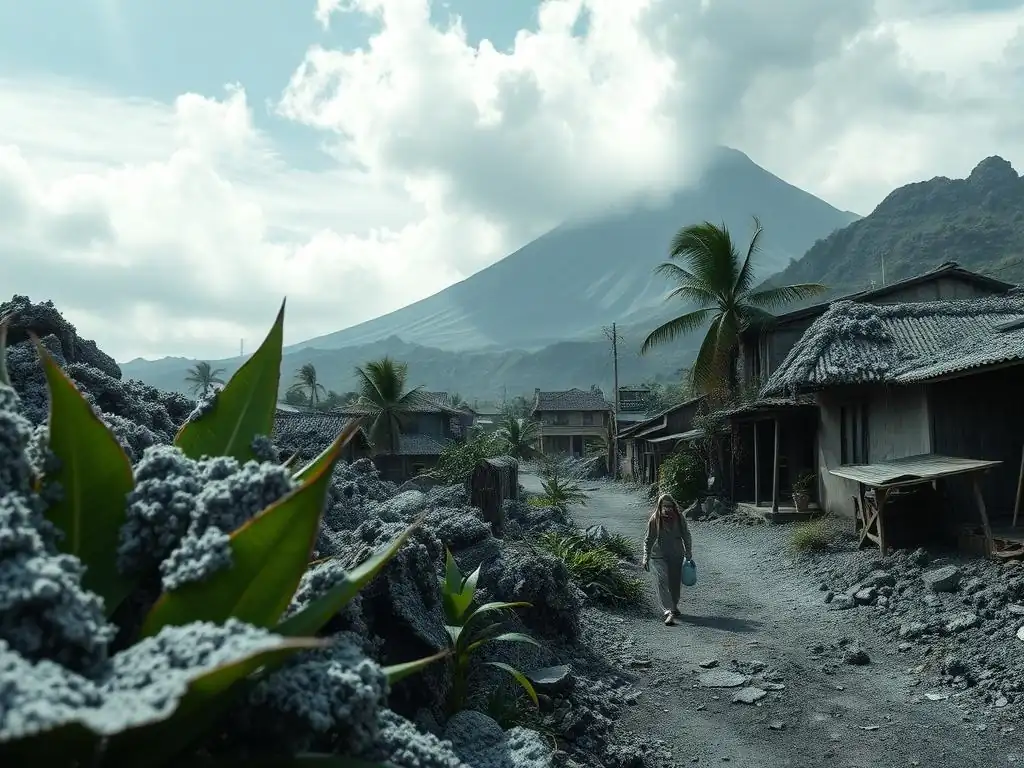
Volcanic ash is a significant respiratory hazard, composed of fine particles that can be inhaled deep into the lungs. Exposure to ash can exacerbate pre-existing respiratory conditions like asthma and bronchitis, and can cause new respiratory problems, including silicosis with prolonged exposure. For island populations, the health risks are amplified by often limited access to specialized healthcare facilities and respiratory specialists. Island health systems may be less equipped to handle a surge in respiratory illnesses following a significant ashfall event.
The remoteness and logistical challenges of islands can also hinder the timely delivery of medical supplies and personnel needed to manage respiratory health crises. Public health messaging and distribution of respiratory protection, such as masks, become critical in mitigating the health impacts. Furthermore, underlying health vulnerabilities within island populations, such as higher rates of certain respiratory conditions or limited access to preventative healthcare, can further exacerbate the health risks associated with volcanic ash inhalation.
Eye and Skin Irritation: Protection Strategies for Island Residents
Beyond respiratory problems, volcanic ash is also a potent irritant to the eyes and skin. The abrasive nature of the ash particles can cause corneal abrasions, conjunctivitis, and skin irritation. Exposure can be particularly problematic in tropical island climates where residents may wear less protective clothing and be more exposed to the elements. Access to ophthalmological and dermatological care may also be limited on smaller islands, making prompt treatment of eye and skin injuries challenging.
Protective measures are crucial for island residents during ashfall events. Wearing goggles or glasses and covering exposed skin with clothing can significantly reduce eye and skin irritation. Simple measures like using barrier creams and washing exposed skin with clean water can also help mitigate the effects. Public health campaigns need to emphasize these protective strategies and ensure that residents have access to basic protective equipment.
Mental Health Impacts: Coping with Stress and Displacement
Volcanic eruptions and ashfall events are inherently stressful experiences that can significantly impact the mental health and well-being of island communities. The disruption to daily life, the uncertainty of the situation, potential displacement, and economic losses can all contribute to anxiety, stress, and even post-traumatic stress disorder (PTSD). For island communities, the sense of isolation and vulnerability can be heightened during such events, exacerbating mental health challenges.
Access to mental health support services may be limited on smaller islands, and cultural stigma surrounding mental health can further hinder help-seeking behaviors. Community-based support systems, psychological first aid training for community leaders, and culturally sensitive mental health interventions are essential for building resilience and supporting the mental well-being of island populations in the aftermath of volcanic ashfall events. Long-term recovery efforts must include addressing the psychological impacts alongside the physical and economic consequences of ashfall.
Infrastructure Vulnerabilities on Islands Facing Ashfall
Airport Closures: Disruptions to Tourism, Supply Chains, and Emergency Services
Airports are critical infrastructure for islands, serving as vital links for tourism, supply chains, and emergency services. Volcanic ash is a major hazard to aviation, capable of causing jet engine failure, damaging aircraft surfaces, and reducing visibility. Even relatively small amounts of ash in the atmosphere can lead to airport closures and flight cancellations, disrupting all sectors reliant on air transport. For tourism-dependent island economies, airport closures can have immediate and devastating economic consequences.
Disruptions to air cargo also impact the supply of essential goods, including food, medicine, and fuel, potentially leading to shortages. Furthermore, airport closures hinder the arrival of emergency responders and relief supplies in the aftermath of a volcanic event, slowing down recovery efforts. Island nations need robust airport ashfall contingency plans, including procedures for rapid runway cleaning and alternative operational strategies to minimize disruptions.
Power Grid Failures: Maintaining Electricity Supply
Volcanic ash can cause widespread power outages by contaminating insulators on power lines, leading to short circuits and equipment failures. The fine, conductive nature of ash makes it particularly problematic for electrical infrastructure. Island power grids, often smaller and less interconnected than mainland systems, are particularly vulnerable to cascading failures. Power outages disrupt essential services, including hospitals, communication networks, water pumping stations, and businesses, compounding the challenges posed by ashfall.
Island nations need to invest in resilient power infrastructure, including strategies for protecting substations and power lines from ash contamination. Backup power systems for critical infrastructure, such as hospitals and emergency services, are essential to maintain functionality during ashfall-related power outages. Post-ashfall power grid recovery can be time-consuming and costly, requiring extensive cleaning and repair of electrical equipment.
Communication Network Outages: Challenges in Information Dissemination
Reliable communication networks are crucial for disseminating warnings, coordinating emergency response, and keeping island communities informed during volcanic ashfall events. However, ash can disrupt communication infrastructure, including telephone lines, cellular networks, and satellite communications. Ash accumulation can damage antennas and equipment, and power outages can knock out communication systems reliant on electricity.
Communication network outages hinder the flow of critical information, making it difficult to warn residents about ashfall hazards, provide updates on the situation, and coordinate relief efforts. Island nations need to invest in resilient communication infrastructure, including backup systems and alternative communication channels that can function during ashfall events. Community-based communication networks and pre-established communication protocols are also essential for ensuring information reaches all residents, even in remote areas.
Strategies for Ashfall Mitigation and Preparedness on Islands
Community Education and Awareness Programs: Preparing Residents
The most effective mitigation strategy for volcanic ashfall is preparedness, and community education and awareness programs are the cornerstone of effective preparedness on islands. These programs should focus on educating residents about the hazards of volcanic ash, how to protect themselves and their property, and what to do before, during, and after an ashfall event. Information should be tailored to the specific needs and vulnerabilities of island communities, taking into account cultural context and local communication channels.
Educational initiatives can include public service announcements, community workshops, school programs, and distribution of informational materials in multiple languages. Emphasis should be placed on practical actions individuals can take, such as preparing emergency kits, securing water supplies, protecting homes from ash ingress, and practicing evacuation routes if necessary. Community-based drills and simulations can also help residents become familiar with emergency procedures and improve overall preparedness.
Developing Contingency Plans: Island-Specific Response Strategies
Island nations need to develop comprehensive and island-specific contingency plans for volcanic ashfall events. These plans should outline clear roles and responsibilities for government agencies, emergency responders, community organizations, and individuals. Contingency plans should address all phases of an ashfall event, from pre-eruption monitoring and early warning to emergency response, recovery, and long-term resilience building.
Island-specific considerations should be integrated into these plans, including evacuation strategies tailored to limited transport options, resource management in isolated settings, and communication protocols for reaching dispersed communities. Plans should also address the unique infrastructure vulnerabilities of islands and outline strategies for protecting critical services. Regular reviews and updates of contingency plans, based on lessons learned from past events and evolving scientific understanding, are crucial for ensuring their effectiveness.
Strengthening Infrastructure Resilience: Protecting Critical Services
Investing in infrastructure resilience is essential for mitigating the impacts of volcanic ashfall on islands. This includes strengthening buildings to withstand ash loads, protecting power grids from ash contamination, and ensuring the resilience of communication networks. Building codes should be updated to account for ashfall hazards, and critical infrastructure should be designed or retrofitted to minimize ash ingress and facilitate cleaning.
Strategies for strengthening infrastructure resilience can include using ash-resistant materials, sealing buildings to prevent ash entry, installing backup power systems, and diversifying communication pathways. Investing in early warning systems and monitoring networks can also enhance resilience by providing timely information to allow for proactive measures to protect infrastructure and minimize disruptions. Prioritizing the resilience of critical infrastructure is a cost-effective way to reduce the overall vulnerability of island communities to volcanic ashfall.
Long-Term Recovery and Resilience Building After Ashfall Events
Ash Removal and Disposal: Managing Ash Accumulation
The sheer volume of volcanic ash deposited during a significant eruption presents a massive logistical challenge for island communities in the recovery phase. Ash removal and disposal are labor-intensive and resource-demanding tasks. Island nations often have limited landfill space, and improper ash disposal can lead to secondary environmental problems, such as dust storms and water contamination. Developing sustainable and environmentally sound ash disposal strategies is crucial for long-term recovery.
Ash can be repurposed for certain uses, such as in construction materials or as a soil amendment in some cases, but these options often have limitations and may not be feasible for the large quantities of ash generated. Prioritizing ash removal from critical infrastructure, such as airports, roads, and power plants, is essential for restoring essential services. Community-based ash cleanup campaigns can also be effective in engaging residents in the recovery process and promoting community resilience.
Economic Recovery: Supporting Businesses and Tourism
Volcanic ashfall can have severe and long-lasting impacts on island economies, particularly those reliant on tourism and agriculture. Economic recovery efforts need to focus on supporting affected businesses, revitalizing tourism, and diversifying economic activities to reduce vulnerability to future events. Financial assistance programs for businesses, infrastructure repairs to restore tourism facilities, and marketing campaigns to promote island destinations post-eruption are important components of economic recovery.
Supporting agricultural recovery is also crucial, including soil remediation, crop diversification, and assistance to farmers affected by ashfall. Long-term economic resilience building may involve diversifying island economies beyond vulnerable sectors, investing in sustainable industries, and developing strategies to mitigate the economic impacts of future volcanic events. Community-based economic development initiatives can also play a vital role in fostering long-term economic resilience.
Psychological Support: Addressing Trauma and Building Community Resilience
The psychological impacts of volcanic ashfall events can be long-lasting and require sustained attention in the recovery phase. Addressing trauma, providing mental health support, and building community resilience are essential for long-term well-being. Mental health services need to be accessible and culturally sensitive, and community-based support networks should be strengthened to foster social cohesion and resilience.
Psychological first aid training for community leaders, peer support groups, and mental health awareness campaigns can help reduce stigma and promote help-seeking behaviors. Long-term recovery efforts should integrate mental health support into all aspects of community rebuilding, recognizing the interconnectedness of physical, economic, and psychological well-being. Building community resilience involves fostering a sense of collective efficacy, promoting social capital, and empowering communities to cope with future challenges.
Case Studies: Examining Ashfall Impacts on Specific Islands
Montserrat: Lessons Learned from the Soufrière Hills Eruption
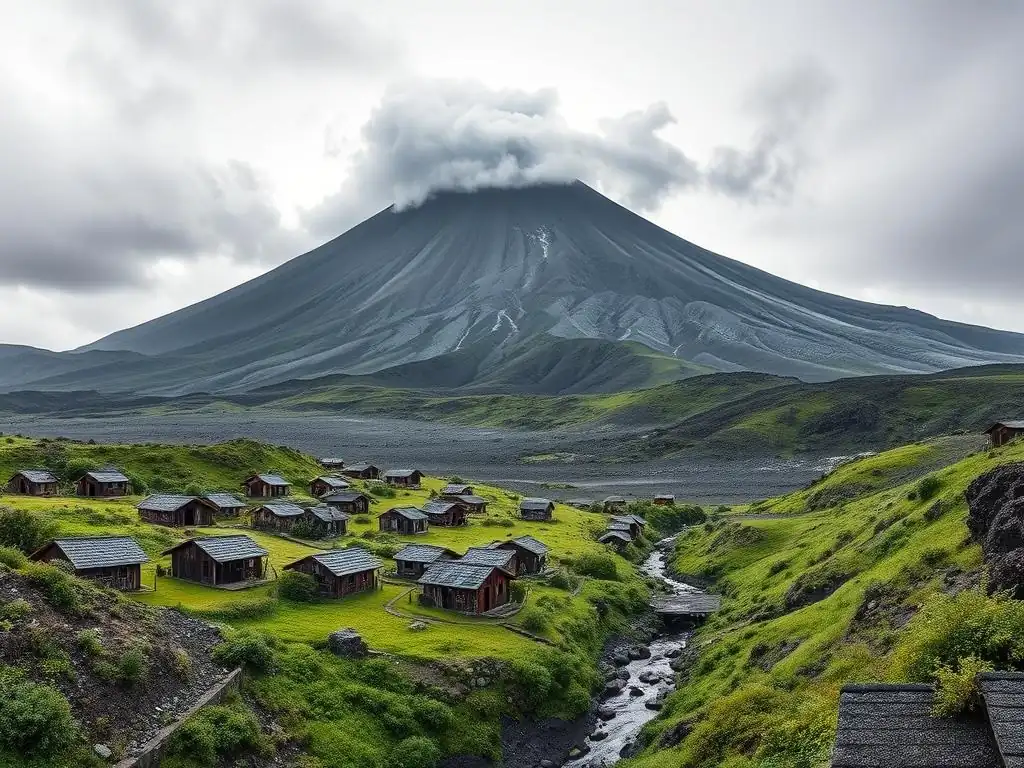
The ongoing eruption of the Soufrière Hills Volcano on Montserrat, which began in 1995, provides a stark and long-term case study of the challenges of volcanic ashfall for a small island community. The eruption has produced frequent ashfall events that have significantly impacted infrastructure, agriculture, and daily life on Montserrat. The southern part of the island remains uninhabitable due to volcanic hazards, and the population has been significantly reduced due to emigration.
Montserrat's experience highlights the long-term disruption and displacement that ashfall can cause, even from a volcano that is not in constant explosive eruption. Lessons learned from Montserrat include the importance of long-term monitoring, robust evacuation planning, resilient infrastructure, and sustained international support for recovery and development. The case of Montserrat underscores the profound and enduring challenges that volcanic ashfall poses for island nations.
Iceland: Adapting to Frequent Volcanic Activity and Ashfall
Iceland, a volcanic island nation, provides a contrasting case study of adaptation to frequent volcanic activity and ashfall. While Iceland experiences regular volcanic eruptions and ashfall events, it has developed robust infrastructure, preparedness strategies, and community resilience to cope with these hazards. Iceland's experience demonstrates that it is possible to live and thrive in a volcanically active environment through proactive mitigation and adaptation measures.
Iceland's success in managing volcanic ashfall is attributed to factors such as strong scientific monitoring capabilities, effective early warning systems, well-developed infrastructure, and a culture of preparedness. Iceland's experience offers valuable lessons for other island nations on how to build resilience to volcanic ashfall and other volcanic hazards through a combination of technological innovation, community engagement, and proactive risk management.
Technological Solutions for Ashfall Monitoring and Prediction
Remote Sensing and Early Warning Systems: Improving Forecasts
Technological advancements in remote sensing and early warning systems are playing an increasingly important role in improving volcanic ashfall monitoring and prediction. Satellite-based monitoring can detect ash plumes, track their dispersal, and estimate ash concentrations, providing valuable information for aviation safety and ground-based warnings. Weather models and ash dispersal models are also becoming more sophisticated, allowing for improved forecasting of ashfall trajectories and accumulation patterns.
For island nations, remote sensing and early warning systems are particularly valuable due to their ability to provide wide-area coverage and timely information, even in remote locations. Investing in and utilizing these technologies can significantly enhance ashfall preparedness and response capabilities, allowing for more effective warnings and mitigation measures. International collaboration in sharing remote sensing data and expertise is crucial for supporting island nations in enhancing their ashfall monitoring capabilities.
Ground-Based Monitoring Networks: Real-Time Data Collection
Ground-based monitoring networks, including seismometers, gas sensors, and ground deformation instruments, provide crucial real-time data on volcanic activity that can inform ashfall predictions. These networks can detect changes in volcanic behavior that may precede explosive eruptions and ashfall events, providing early warning signals. For island volcanoes, establishing and maintaining ground-based monitoring networks can be challenging due to logistical constraints and resource limitations.
However, the value of real-time data from ground-based networks for ashfall prediction and hazard assessment is undeniable. International collaborations and technical assistance programs can support island nations in developing and strengthening their ground-based monitoring capabilities. Integrating data from ground-based networks with remote sensing data and atmospheric models provides the most comprehensive and accurate picture of volcanic activity and ashfall hazards.
International Collaboration in Island Ashfall Preparedness
International collaboration is essential for building global resilience to volcanic ashfall hazards, particularly for island nations that often have limited resources and expertise. Sharing best practices in ashfall preparedness, mitigation, and response is crucial for improving the overall capacity of island communities to cope with these hazards. International organizations, regional bodies, and bilateral partnerships can facilitate the exchange of knowledge, expertise, and resources.
Sharing resources, such as monitoring equipment, emergency supplies, and technical expertise, can also enhance the preparedness and response capabilities of island nations. Collaborative research initiatives to improve ashfall forecasting, hazard assessment, and mitigation strategies are also vital for advancing global resilience. Building a global network of experts and practitioners in volcanic ashfall risk management can foster collaboration and mutual support among island nations and the international community.
Providing Technical Assistance: Supporting Affected Island Nations
Technical assistance from international partners is often critical for supporting island nations in enhancing their volcanic ashfall preparedness and response capabilities. This technical assistance can include training programs, capacity building initiatives, and the provision of expert advice on hazard assessment, mitigation strategies, and emergency planning. Financial assistance may also be needed to support investments in monitoring equipment, infrastructure resilience, and community preparedness programs.
International organizations and donor countries can play a crucial role in providing targeted technical and financial assistance to island nations vulnerable to volcanic ashfall. This assistance should be tailored to the specific needs and vulnerabilities of each island nation, taking into account local context and priorities. Long-term partnerships and sustained support are essential for building lasting resilience and empowering island communities to manage the challenges of volcanic ashfall effectively.
Conclusion: Enhancing Island Resilience to Volcanic Ashfall Hazards
Volcanic ashfall presents a complex and multifaceted set of challenges for island communities, amplified by their geographic isolation, concentrated infrastructure, and limited land area. Addressing these challenges requires a comprehensive and integrated approach that encompasses preparedness, mitigation, response, and long-term recovery strategies. Investing in community education, developing island-specific contingency plans, strengthening infrastructure resilience, and fostering international collaboration are all crucial elements for enhancing island resilience to volcanic ashfall hazards. By prioritizing preparedness and building resilience, island nations can minimize the impacts of ashfall events and protect their communities, economies, and ecosystems from these powerful natural hazards.
Frequently Asked Questions
What are the primary challenges of volcanic ashfall on islands?
The challenges are numerous, including disrupted air travel, contaminated water supplies, and damage to infrastructure. Island communities are often heavily reliant on these services.
How does volcanic ashfall specifically impact the water supply on islands?
Ash can contaminate water sources, making them unsafe for drinking and requiring costly treatment. Rainwater harvesting, a common practice on islands, is particularly vulnerable.
What are the major health risks associated with breathing volcanic ash?
Inhaling volcanic ash can cause respiratory problems, such as bronchitis and asthma exacerbations. It can also irritate the eyes and skin, especially for those with pre-existing conditions.
What are the unique challenges in cleaning up volcanic ash on islands compared to mainland areas?
Islands often have limited space for disposal, making ash removal more difficult. The reliance on tourism also makes a swift and thorough cleanup essential for economic recovery.
What safety measures should island residents take during and after volcanic ashfall?
Residents should stay indoors, wear masks and eye protection, and cover water sources. It is also crucial to follow evacuation orders and heed warnings from local authorities.
Final Reflection: Embracing Resilience in the Face of Ash
The preceding exploration of the challenges of volcanic ashfall on island communities underscores a critical reality: these isolated ecosystems face unique and amplified vulnerabilities. From disrupted infrastructure and compromised agriculture to the profound psychological toll on residents, the impact of airborne ash extends far beyond mere inconvenience, demanding innovative and community-driven solutions.
The persistent threat of volcanic activity has indelibly shaped the cultural and social fabric of island nations. This article serves as a stark reminder of the interconnectedness of human life and the natural world, highlighting the urgent need for proactive disaster preparedness and sustainable development. The only constant is change.
This ancient adage resonates deeply when considering the dynamic and often unpredictable nature of volcanic landscapes, urging us to adapt and build resilience in the face of inevitable challenges.
As we conclude this examination of the challenges of volcanic ashfall, let us not simply acknowledge the difficulties faced by island communities, but actively seek ways to support their resilience. Consider the lessons learned here – the importance of community collaboration, the power of innovative solutions, and the unwavering spirit of those who call these volcanic islands home. Let us all strive to be more informed, more prepared, and more compassionate in the face of natural disasters, wherever they may occur.
Unleash Your Inner Volcanologist!
Thank you for diving into the fascinating world of island ashfall and its challenges. You now have a deeper understanding of the unique issues faced by volcanic islands. Ready to take your knowledge further?
Here's how you can make a difference and continue your exploration:
- Become an Ashfall Reporter: Share your observations and photos of volcanic ash events on our citizen science platform at volcanoexplorers.org. Your contributions help scientists better understand ash dispersion patterns! (Primary Action)
- Explore the Volcano Explorers archive. Dig deep into the reports and research done over the last years. What can you learn from past eruptions and ashfall events?
- Spread the word! Share this article with friends, family, or your social media network to help raise awareness about the challenges of island ashfall and the importance of disaster preparedness.
What immediate steps will you take to become a more informed and engaged volcano enthusiast? Share your thoughts in the comments below!