
Ashfall in Rural Areas: Protecting Farms and Livestock from Volcanic Fallout's Reach

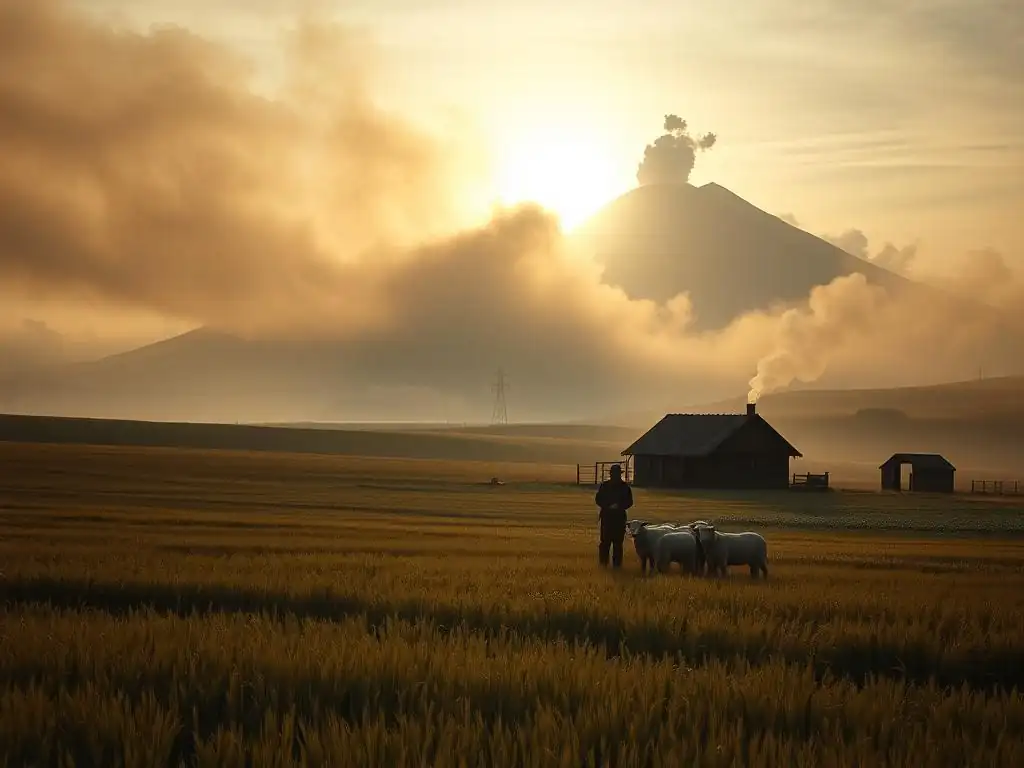
Welcome to Volcano Explorers, where the Earth's fiery heart reveals its secrets! Ever wondered how to safeguard your livelihood when a volcano awakens? Delve into "Ashfall in Rural Areas: Protecting Farms and Livestock from Volcanic Fallout's Reach" and uncover vital strategies for protecting farms from volcanic ash. The earth trembles, but knowledge empowers. Are you ready to learn how to shield your farm from nature's fury?
- Ashfall in Agricultural Regions: Protecting Farms and Livestock
- Understanding Volcanic Ashfall and Its Impact on Agriculture
- Protecting Your Farm from Volcanic Ash: A Comprehensive Guide
- Specific Strategies for Protecting Different Types of Farms
- Resources and Support for Farmers Affected by Volcanic Ash
- Long-Term Resilience: Building a Volcano-Ready Farm
- Case Studies: Lessons Learned from Past Volcanic Ash Events Affecting Agriculture
- The Future of Farming in Volcano-Prone Areas: Adapting to the Threat of Ashfall
-
Frequently Asked Questions
- How does volcanic ash affect farmland?
- What are some immediate steps farmers can take to protect livestock from ashfall?
- How can farmers protect their crops from volcanic ash damage?
- What are some long-term strategies for recovering farmland after a significant ashfall event?
- Where can farmers find reliable information about volcanic activity and ashfall forecasts?
- Final Reflection: Resilience in the Face of Volcanic Fury
- Safeguard Your Harvest: Take Action After Ashfall!
Ashfall in Agricultural Regions: Protecting Farms and Livestock
Understanding Volcanic Ashfall and Its Impact on Agriculture
What is Volcanic Ash and Why is it a Threat to Agricultural Communities?
Volcanic ash, despite its name, is not the product of combustion like ash from burning wood. Instead, it is composed of tiny fragments of pulverized rock, minerals, and volcanic glass created during volcanic eruptions. These particles, often less than 2 millimeters in diameter, are ejected high into the atmosphere and can be carried by wind currents for hundreds, even thousands, of kilometers from the volcano.
The seemingly innocuous nature of these fine particles belies their significant threat to agricultural communities. The widespread dispersal and settling of ash, known as ashfall, can blanket vast areas, disrupting essential agricultural processes and posing serious challenges to crop production and livestock health.
The threat to agriculture stems from the multifaceted impacts of ashfall. Firstly, the sheer weight of accumulated ash can cause structural damage to farm buildings, greenhouses, and irrigation systems. Even a relatively thin layer of wet ash can be surprisingly heavy, leading to the collapse of roofs and the breakage of infrastructure. Secondly, volcanic ash is abrasive and can cause significant wear and tear on farm machinery, leading to breakdowns and increased maintenance costs.
More critically, however, the ash directly impacts plant and animal health. Ash deposits on plant leaves can reduce photosynthesis, hindering growth and potentially leading to crop failure. For livestock, inhaling ash can cause respiratory problems, and ingestion can lead to digestive issues and fluoride poisoning in the long term, depending on the ash composition. These direct and indirect impacts underscore why understanding and preparing for volcanic ashfall is crucial for agricultural communities in volcano-prone regions.
How Volcanic Ash Affects Crops, Soil, and Water Sources
Volcanic ash presents a complex array of challenges to crop health, soil fertility, and water resource management. For crops, the immediate impact is often physical. Ash accumulation on leaves can block sunlight, significantly reducing photosynthesis and plant productivity. A coating of ash can also clog stomata, the tiny pores on leaves essential for gas exchange, further hindering respiration and growth.
Heavy ashfall can physically damage plants, breaking stems and branches, and even burying low-lying crops entirely. The abrasive nature of ash can also cause physical damage to fruit and vegetables, reducing their marketability even if the plant survives. Different crops exhibit varying levels of tolerance to ashfall, with leafy vegetables and delicate fruits often being more vulnerable than robust grains or root crops.
The effects of volcanic ash on soil are equally complex and can be both short-term and long-term. Initially, ashfall can alter soil physical properties. A thick ash layer can create a physical barrier, impeding water infiltration and aeration, potentially leading to waterlogging or drought stress depending on rainfall patterns.
The chemical composition of volcanic ash is highly variable, depending on the type of volcano and eruption. While some ash can be rich in nutrients like phosphorus and potassium, potentially benefiting soil fertility in the long run, others can be acidic or contain harmful elements like heavy metals. In the short term, ashfall can disrupt soil pH, nutrient availability, and microbial activity, affecting soil health and plant nutrient uptake.
Water sources, both surface water and groundwater, can also be contaminated by volcanic ash. Ashfall can increase turbidity in rivers and lakes, making water unsuitable for irrigation or livestock consumption without treatment. Leaching of soluble components from ash can alter water chemistry, potentially introducing harmful substances or changing pH levels, requiring careful monitoring and potentially impacting water quality for both agricultural and human use.
The Impact of Ashfall on Livestock Health and Productivity
Volcanic ash poses a significant threat to livestock health and productivity through multiple pathways, primarily affecting respiratory and digestive systems. Inhalation of fine ash particles is a major concern, particularly for animals grazing outdoors or housed in open barns. The abrasive nature of ash can irritate the respiratory tract, causing coughing, nasal discharge, and breathing difficulties. Prolonged exposure can lead to more severe respiratory conditions, including bronchitis and pneumonia, particularly in young or immunocompromised animals. Animals with pre-existing respiratory conditions are especially vulnerable. The fine particles can penetrate deep into the lungs, causing inflammation and potentially long-term respiratory damage.
Ingestion of volcanic ash is another significant health risk for livestock. Animals may ingest ash directly while grazing on ash-covered pastures or indirectly through contaminated feed and water. Ash ingestion can cause digestive problems, ranging from mild gastrointestinal upset to more severe issues like impaction and intestinal irritation.
The abrasive nature of ash can also damage the lining of the mouth and digestive tract. Furthermore, volcanic ash can contain fluoride, which, when ingested in sufficient quantities over time, can lead to fluorosis in livestock, particularly in ruminants. Fluorosis is a chronic condition characterized by dental and skeletal abnormalities, lameness, and reduced productivity.
The severity of fluorosis depends on the fluoride concentration in the ash, the amount of ash ingested, and the duration of exposure. Beyond direct health impacts, ashfall can also disrupt livestock productivity by contaminating pastures and feed supplies, reducing feed intake, and causing stress due to environmental changes and potential evacuation, ultimately impacting milk production, meat yield, and overall animal well-being.
Protecting Your Farm from Volcanic Ash: A Comprehensive Guide
Pre-Eruption Planning: Preparing Your Farm for Potential Ashfall
Developing an Ashfall Emergency Plan for Your Farm
Proactive planning is paramount for mitigating the impacts of volcanic ashfall on farms. Developing a comprehensive ashfall emergency plan tailored to your specific farm is the first crucial step. This plan should outline clear procedures and responsibilities for all farm personnel in the event of an ashfall event. It should begin with identifying potential sources of information about volcanic activity, such as local volcanological observatories, emergency management agencies, and weather services.
Establishing reliable communication channels to receive timely warnings and updates is essential. The plan should detail evacuation procedures for livestock if necessary, including designated evacuation routes and temporary shelter locations. Consideration should be given to different scenarios, such as short-duration versus prolonged ashfall events, and varying levels of ash accumulation.
A key component of the emergency plan is defining specific actions to be taken at different stages of an eruption and ashfall event. This includes pre-eruption preparations, actions to take during ashfall, and post-eruption recovery strategies. The plan should clearly assign responsibilities to farm staff for tasks such as securing buildings, protecting equipment, sheltering livestock, and managing water and feed supplies.
Regular drills and training exercises for farm personnel are vital to ensure everyone understands their roles and can effectively implement the plan in a real emergency. The plan should also include procedures for documenting ashfall impacts and reporting damage for insurance and assistance purposes. Reviewing and updating the emergency plan regularly, especially after drills or changes in farm operations, is crucial to maintain its effectiveness and ensure it remains relevant to the evolving volcanic risk.
Stockpiling Essential Supplies: Feed, Water, and Protective Gear
Prior to a volcanic eruption, stockpiling essential supplies is a critical preparedness measure for farms in ashfall-prone areas. Ensuring an adequate supply of clean feed and water for livestock is paramount, as ashfall can contaminate both pasture and water sources. Calculate feed requirements based on the number and type of livestock on your farm, considering a potential disruption of feed deliveries for several days or even weeks. Store feed in airtight containers or under waterproof covers to protect it from ash contamination.
Similarly, secure sufficient potable water for both livestock and farm personnel. This may involve filling water tanks, utilizing wells, or having access to bottled water reserves. Consider the potential for water source contamination and plan for water purification or alternative water sources.
Protective gear for both humans and animals is another essential component of stockpiling. For farm personnel, this includes respirators or dust masks to prevent inhalation of ash particles, goggles to protect eyes from irritation, and long-sleeved shirts and pants to minimize skin exposure. For livestock, consider providing shelters or covers to minimize ash exposure and respiratory irritation.
Stockpiling veterinary supplies, including eye wash, saline solution for nasal irrigation, and medications for respiratory issues, is also advisable. Other essential supplies include tarpaulins or plastic sheeting to cover equipment and vulnerable crops, shovels and wheelbarrows for ash removal, and first-aid kits for both humans and animals. Regularly check and replenish stockpiled supplies to ensure they remain adequate and in good condition, especially considering expiry dates for perishable items and the shelf life of protective equipment.
Securing Farm Buildings and Equipment Before Ashfall
Securing farm buildings and equipment is crucial to minimize damage from the weight and abrasiveness of volcanic ash. Before ashfall begins, inspect farm buildings, particularly roofs, for structural integrity. Roofs with flat or low slopes are more susceptible to ash accumulation and potential collapse. Reinforce weak roofs or consider temporary supports if necessary. Close and seal windows, doors, and vents to prevent ash from entering buildings and contaminating stored feed, equipment, and living spaces. Cover ventilation openings with plastic sheeting or tarpaulins if possible.
Move machinery and equipment indoors or cover them with waterproof tarpaulins to protect them from ash abrasion and corrosion. Pay particular attention to engines, air filters, and sensitive components that can be damaged by fine ash particles. Disconnect and store electronic equipment in sealed containers if possible. For irrigation systems, flush pipelines to remove any existing sediment and consider covering sprinkler heads and pumps to prevent ash from entering the system.
If you have greenhouses or polytunnels, ensure the structures are well-supported and consider reinforcing them if heavy ashfall is expected. Clear debris from gutters and drainage systems around buildings to prevent water buildup and potential roof leaks when ash mixes with rain. Taking these proactive steps to secure buildings and equipment can significantly reduce damage and facilitate a faster recovery after the ashfall event.
During Ashfall: Immediate Actions to Minimize Damage
Protecting Livestock During Volcanic Ash Events
Sheltering Animals and Providing Clean Water and Feed
During an ashfall event, the immediate priority is to protect livestock from the harmful effects of ash inhalation and ingestion. If possible, move animals indoors to barns, sheds, or other enclosed structures. Ensure adequate ventilation in shelters to prevent overheating and ammonia buildup, while still minimizing ash entry. If indoor sheltering is not feasible, provide outdoor shelters such as trees, windbreaks, or temporary structures to offer some protection from direct ashfall. Reduce stocking density in shelters to minimize stress and respiratory irritation.
Ensure continuous access to clean, uncontaminated water. Change water sources frequently, ideally multiple times a day, to prevent ash accumulation in water troughs. Provide water in covered containers or use nipple drinkers to minimize ash contamination. Similarly, provide clean feed free from ash. Feed animals indoors if possible, or provide covered feeding areas outdoors.
Elevate feed troughs to reduce ash contamination. Consider feeding conserved forages or grains instead of grazing ash-covered pastures. If grazing is unavoidable, limit grazing time and select less heavily contaminated areas. Monitor animals closely for signs of ash ingestion or inhalation, such as coughing, nasal discharge, or labored breathing, and take appropriate action.
Monitoring Livestock for Respiratory Issues and Other Health Problems
Close monitoring of livestock health is crucial during and after an ashfall event. Regularly observe animals for signs of respiratory distress, including coughing, sneezing, nasal discharge, rapid or labored breathing, and increased respiratory rate. Listen for abnormal lung sounds, such as wheezing or crackling. Monitor animals for eye irritation, such as excessive tearing or redness. Check for signs of digestive upset, such as decreased appetite, diarrhea, or abdominal discomfort. Take animal temperatures regularly to detect fever, which may indicate infection.
Pay particular attention to young animals, pregnant or lactating animals, and animals with pre-existing respiratory conditions, as they are more vulnerable to ash-related health problems. Isolate sick animals to prevent the spread of potential infections and to provide focused care. Consult with a veterinarian promptly if you observe significant health issues or if animals are not responding to basic supportive care.
Be prepared to provide supportive care, such as providing dust-free environments, ensuring adequate hydration, and administering medications as prescribed by a veterinarian. Document any health problems observed and treatments given for future reference and insurance purposes. Continued monitoring is necessary even after the ashfall has ceased, as delayed health effects can sometimes occur.
Safeguarding Crops and Soil During Ashfall
Covering Vulnerable Crops with Protective Materials
Protecting vulnerable crops from direct ashfall is essential to minimize physical damage and yield losses. For high-value crops or those nearing harvest, consider covering them with protective materials such as tarpaulins, plastic sheeting, or horticultural fleece. This is particularly practical for smaller areas like vegetable gardens, greenhouses, or orchards with young trees. Secure covers firmly to prevent them from being blown away by wind and ensure they do not collapse under the weight of accumulated ash.
For larger fields of crops, covering may not be feasible. In these cases, consider other protective strategies. If irrigation is available, irrigating crops during or immediately after ashfall can help wash off some of the ash and reduce its accumulation on leaves. However, be mindful of water availability and potential water contamination.
For crops grown in greenhouses or polytunnels, ensure the structures are sealed as much as possible to prevent ash entry. Clean greenhouse coverings regularly to maintain light transmission and plant growth. For fruit orchards, consider netting systems, if already in place, to provide some degree of ash interception. Prioritize protecting the most vulnerable and valuable crops first, based on their growth stage, sensitivity to ash, and economic importance.
Minimizing Soil Contamination from Volcanic Ash
Minimizing soil contamination during ashfall is crucial for preserving soil health and long-term productivity. Avoid tilling or cultivating soil during ashfall events, as this can incorporate ash deeper into the soil profile and potentially exacerbate negative impacts. If possible, maintain a cover crop or plant residues on the soil surface to act as a buffer and reduce direct ash contact with the soil. Consider delaying planting or sowing until after the ashfall has ceased and the initial ash layer has been assessed and potentially removed.
Protect soil from erosion during and after ashfall. Ash-covered soil can be more susceptible to wind and water erosion, especially if vegetation cover is reduced. Maintain or establish windbreaks and contour planting to minimize soil erosion. Avoid over-irrigation, which can lead to runoff and erosion of ash-contaminated topsoil. If ash is particularly thick or chemically problematic, consider removing the top layer of ash before planting.
However, exercise caution during ash removal to avoid further soil disturbance and to handle ash safely. Properly dispose of removed ash in designated areas to prevent environmental contamination. After ashfall, conduct soil testing to assess the impact on soil pH, nutrient levels, and potential contamination. This will guide appropriate soil amendment and rehabilitation strategies for restoring soil health and fertility.
Post-Eruption Recovery: Restoring Your Farm After Ashfall
Assessing Ashfall Damage to Crops, Soil, and Infrastructure
Post-eruption recovery begins with a thorough assessment of the damage caused by ashfall to crops, soil, and farm infrastructure. Evaluate the extent of crop damage, noting the types of crops affected, the degree of leaf damage, stem breakage, and potential yield losses. Assess the impact on different fields and crop varieties, as susceptibility to ashfall can vary. Document crop damage with photographs and detailed records for insurance claims and potential assistance programs.
Inspect farm buildings, greenhouses, and irrigation systems for structural damage, such as roof collapses, cracked walls, or broken pipes. Assess the condition of farm machinery and equipment, noting any ash-related damage, abrasion, or corrosion. Check water sources for ash contamination and assess water quality. Conduct soil assessments to evaluate the thickness of the ash layer, changes in soil physical properties, and potential chemical alterations.
Collect soil samples for laboratory analysis to determine pH, nutrient levels, and potential contamination with heavy metals or other harmful substances. This comprehensive damage assessment will provide a baseline for developing a targeted recovery plan and prioritizing restoration efforts. It will also be crucial for documenting losses and applying for disaster relief or insurance claims.
Removing Volcanic Ash from Farm Buildings and Equipment
Safe Ash Removal Techniques to Avoid Further Damage
Removing volcanic ash safely and effectively from farm buildings and equipment is critical for preventing further damage and facilitating recovery. Prioritize safety during ash removal. Always wear appropriate personal protective equipment (PPE), including respirators or dust masks, goggles, gloves, long sleeves, and pants, to minimize exposure to ash particles. Wetting ash down with water before removal can help reduce dust generation, but use water sparingly to avoid creating heavy, wet ash that is more difficult to handle and can further stress building structures.
For roofs, use caution when removing ash, especially from sloped roofs. Work from the edges inwards and avoid overloading any one section of the roof. Use shovels or brushes to gently remove ash, taking care not to damage roofing materials. Avoid using high-pressure water hoses on roofs, as this can force water under roofing and cause leaks. For equipment and machinery, use compressed air or brushes to remove dry ash from engines, air filters, and sensitive components.
Avoid using water on engines unless specifically recommended by the manufacturer. Clean electrical components with dry cloths or compressed air. For larger areas like farmyards and access roads, use loaders or tractors with brushes or blades to remove ash, taking care not to damage surfaces. Collect removed ash in piles for proper disposal.
Proper Disposal of Volcanic Ash to Prevent Environmental Contamination
Proper disposal of volcanic ash is essential to prevent environmental contamination and potential health hazards. Volcanic ash should not be disposed of in regular household trash or flushed down drains, as it can clog plumbing and sewer systems. Avoid dumping ash into waterways or drainage ditches, as this can contaminate water sources and disrupt aquatic ecosystems. Ideally, volcanic ash should be disposed of in designated landfills or ash disposal sites as directed by local authorities. Contact your local waste management agency or emergency management office for guidance on proper ash disposal procedures in your area.
If designated disposal sites are not available, consider using ash as fill material in non-agricultural areas, such as road construction or landscaping projects, if the ash is deemed chemically safe for such uses. However, ensure that ash used as fill is properly contained and does not pose a risk of wind or water erosion. In some cases, volcanic ash can be used as a soil amendment, particularly if it is nutrient-rich and free from harmful contaminants.
However, soil testing is crucial to determine the suitability of ash for soil amendment and to guide application rates. When using ash as a soil amendment, incorporate it into the soil rather than leaving it on the surface to minimize dust generation and runoff. Always follow local regulations and guidelines for volcanic ash disposal to ensure environmentally responsible and safe management of ash waste.
Rehabilitating Soil and Restoring Crop Production
Soil Testing and Amendment Strategies After Volcanic Ashfall
Rehabilitating soil after volcanic ashfall is crucial for restoring long-term crop production. The first step is to conduct comprehensive soil testing to assess the impact of ashfall on soil properties. Analyze soil samples for pH, nutrient levels (including macronutrients like nitrogen, phosphorus, and potassium, and micronutrients), organic matter content, and potential contamination with heavy metals or other toxic elements present in the ash. Soil testing will provide a clear picture of the soil's condition and guide appropriate amendment strategies.
Based on soil test results, develop a tailored soil amendment plan. If soil pH has been significantly altered by acidic ash, liming may be necessary to raise the pH to optimal levels for crop growth. If nutrient levels are depleted, apply appropriate fertilizers to replenish essential nutrients. Consider using organic amendments, such as compost, manure, or cover crops, to improve soil structure, water-holding capacity, and organic matter content.
Organic amendments can also help buffer against potential heavy metal toxicity by binding with contaminants and reducing their bioavailability to plants. In cases of severe soil contamination, more extensive remediation strategies may be required, potentially involving soil removal or specialized treatments. Consult with soil scientists or agricultural extension specialists to develop the most effective and sustainable soil rehabilitation plan for your specific farm and soil conditions.
Selecting Ash-Tolerant Crop Varieties for Future Planting
In volcano-prone areas, selecting ash-tolerant crop varieties can enhance farm resilience and reduce the impact of future ashfall events on crop production. Some crop varieties exhibit greater tolerance to ashfall than others, due to factors such as leaf morphology, growth habit, and physiological adaptations. Research local agricultural extension services and seed suppliers for information on ash-tolerant crop varieties suitable for your region and climate. Consider diversifying your crop portfolio to include a mix of ash-tolerant and less tolerant varieties to spread risk and ensure some level of production even during ashfall events.
When selecting crop varieties, consider not only ash tolerance but also other important factors such as yield potential, market demand, and adaptation to local growing conditions. Explore traditional or indigenous crop varieties that may have evolved in volcano-affected regions and possess inherent resilience to ashfall. Experiment with different crop varieties on your farm to identify those that perform best under ashfall conditions.
Monitor crop performance closely after planting, especially after any subsequent ashfall events, to assess their tolerance and yield. Consider implementing crop rotation systems that incorporate ash-tolerant cover crops to improve soil health and resilience over time. By proactively selecting ash-tolerant crop varieties and diversifying crop production, farmers can reduce their vulnerability to volcanic ashfall and enhance the long-term sustainability of their agricultural operations in volcano-prone areas.
Supporting Livestock Recovery After Volcanic Ash Exposure
Monitoring Livestock Health and Providing Veterinary Care
Post-ashfall, continued monitoring of livestock health is crucial for identifying and addressing any delayed or ongoing health issues related to ash exposure. Continue to observe animals for respiratory problems, digestive issues, and signs of fluorosis. Regularly check for coughing, nasal discharge, labored breathing, weight loss, lameness, and dental abnormalities. Pay particular attention to young animals and breeding stock, as they may be more susceptible to long-term health consequences.
Maintain close communication with your veterinarian and seek professional veterinary advice for any health concerns. Be prepared to provide ongoing veterinary care, including medications for respiratory infections, treatments for digestive problems, and supportive care for animals affected by fluorosis. Ensure animals have access to clean, dust-free environments and high-quality feed and water to support their recovery.
Implement preventive health measures, such as vaccinations and parasite control, to strengthen animals' immune systems and reduce their susceptibility to secondary infections. Document all health issues, treatments, and veterinary care provided for insurance purposes and to track long-term health trends in your herd or flock. Regular veterinary check-ups and proactive health management are essential for ensuring the long-term well-being and productivity of livestock after volcanic ash exposure.
Restoring Pasture and Forage Production
Restoring pasture and forage production after ashfall is vital for ensuring adequate feed supplies for livestock. Assess the extent of ash contamination on pastures and forage crops. Light ashfall may be washed off by rain or irrigation, allowing pastures to recover relatively quickly. However, heavy ashfall can smother pastures, reduce plant growth, and contaminate forage with ash particles. Consider mowing or grazing pastures to remove ash-contaminated plant material and stimulate new growth. However, avoid overgrazing, as this can further damage ash-stressed pastures.
If ash contamination is severe, reseeding pastures may be necessary. Select forage species that are tolerant to ashfall and adapted to local growing conditions. Consider using cover crops to improve soil health and prepare the seedbed for pasture establishment. Fertilize pastures to replenish nutrients depleted by ashfall and to promote plant growth. Monitor pasture recovery closely and adjust grazing management accordingly.
Implement rotational grazing to allow pastures to recover between grazing periods. Consider conserving excess forage as hay or silage to build up feed reserves for future ashfall events or other feed shortages. Soil testing and appropriate soil amendments can also aid in restoring pasture productivity. Long-term pasture management strategies should focus on building soil health and resilience to future volcanic disturbances.
Specific Strategies for Protecting Different Types of Farms
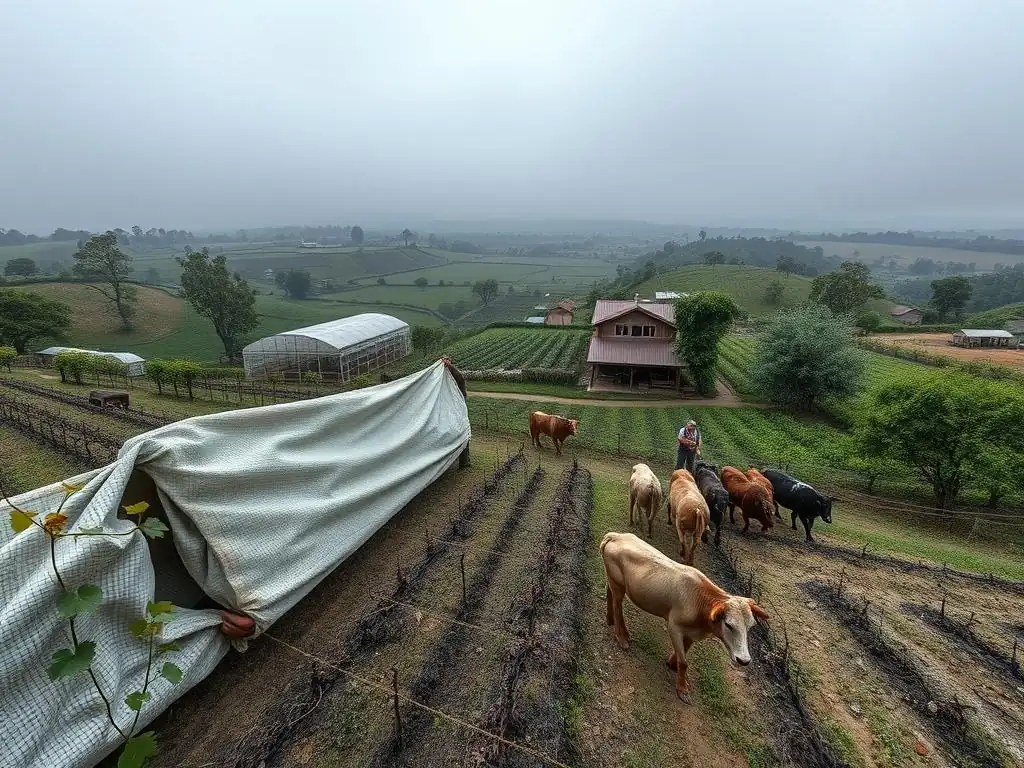
Protecting Dairy Farms from Volcanic Ash
Dairy farms face unique challenges during volcanic ashfall due to the sensitivity of dairy cows to environmental stressors and the importance of maintaining milk quality and safety. Protecting dairy cows from ash inhalation and ingestion is paramount. Ensure cows are sheltered indoors in well-ventilated barns during ashfall events. Seal barns as much as possible to minimize ash entry, but maintain adequate ventilation to prevent heat stress and ammonia buildup. Provide clean, ash-free feed and water at all times. Cover feed bunks and water troughs to prevent ash contamination. Consider feeding conserved forages or grains instead of grazing ash-covered pastures.
Implement strict hygiene protocols in milking parlors to prevent ash contamination of milk. Clean milking equipment thoroughly before and after each milking. Filter milk through appropriate filters to remove any ash particles that may have entered the milk. Monitor milk quality closely for any changes in taste, odor, or composition. Be aware that ash ingestion can lead to fluoride accumulation in milk over time, potentially affecting milk safety.
Consider testing milk for fluoride levels if prolonged ash exposure occurs. Maintain a clean and dust-free environment in milking parlors and milk storage areas. Plan for potential disruptions to milk transportation and processing due to ashfall. Have backup power sources in place to ensure continuous milking operations and milk cooling in case of power outages.
Poultry farms are particularly vulnerable to volcanic ashfall due to the respiratory sensitivity of birds and the potential for ash contamination of poultry houses and feed. Protecting poultry from ash inhalation is critical. Seal poultry houses as much as possible to minimize ash entry, paying attention to ventilation inlets and outlets. Consider using positive pressure ventilation systems to prevent ash from entering poultry houses. Provide clean, ash-free feed and water inside poultry houses. Use enclosed feeding and watering systems to minimize ash contamination. Monitor air quality inside poultry houses and consider using air filtration systems if necessary.
Manage poultry house litter carefully to prevent dust buildup and respiratory irritation. Consider using dust-reducing litter amendments. Reduce stocking density in poultry houses during ashfall events to minimize stress and respiratory problems. Monitor birds closely for signs of respiratory distress, such as coughing, sneezing, and labored breathing.
Provide supportive care, such as ensuring adequate ventilation and providing dust-free environments. Plan for potential disruptions to egg collection, processing, and transportation due to ashfall. Maintain strict biosecurity protocols to prevent the introduction of diseases into poultry houses during and after ashfall events. Ensure backup power for ventilation, lighting, and heating systems in poultry houses.
Protecting Fruit Orchards from Volcanic Ash
Fruit orchards face specific challenges during volcanic ashfall, including physical damage to fruit, leaf damage affecting photosynthesis, and potential contamination of fruit surfaces. Protecting fruit trees and fruit from direct ashfall is crucial. Consider using netting systems, if already in place for bird or hail protection, to intercept some of the ashfall. Netting can reduce ash accumulation on trees and fruit. If feasible, irrigate orchards during or immediately after ashfall to wash off ash from leaves and fruit. However, be mindful of water availability and potential water contamination.
Consider applying protective sprays or coatings to fruit to reduce ash adhesion and facilitate post-ashfall cleaning. However, ensure that any sprays used are safe for fruit consumption and do not negatively impact fruit quality. After ashfall, gently wash fruit to remove ash residues before harvesting and marketing. Use gentle washing techniques to avoid damaging fruit.
Assess the extent of leaf damage and consider pruning damaged branches to promote new growth. Monitor fruit trees for signs of stress or disease after ashfall. Apply appropriate fertilizers to replenish nutrients and support tree recovery. Consider planting windbreaks around orchards to reduce wind-blown ash deposition in future events.
Protecting Vegetable Farms from Volcanic Ash
Vegetable farms are highly vulnerable to volcanic ashfall due to the direct exposure of edible plant parts and the potential for ash contamination of produce. Protecting vegetable crops from direct ashfall is paramount. For high-value vegetable crops or those nearing harvest, consider covering them with protective materials such as tarpaulins, plastic sheeting, or horticultural fleece. This is particularly practical for smaller vegetable gardens or protected cultivation systems like greenhouses and polytunnels. Ensure covers are securely anchored and do not collapse under ash weight.
If covering is not feasible for large-scale vegetable farms, consider irrigating crops during or immediately after ashfall to wash off ash from leaves and edible parts. However, be mindful of water availability and potential water contamination. After ashfall, thoroughly wash vegetables to remove ash residues before harvesting and marketing. Use gentle washing techniques to avoid damaging delicate vegetables. Consider delaying harvesting until after ashfall has ceased and vegetables have been cleaned.
Assess the extent of leaf damage and consider removing heavily damaged leaves. Monitor vegetables for signs of disease or pest problems after ashfall. Implement good hygiene practices during harvesting and handling of vegetables to prevent ash contamination. Consider using protected cultivation systems like greenhouses or polytunnels to reduce ash exposure for future vegetable crops.
Protecting Ranches and Grazing Lands from Volcanic Ash
Ranches and grazing lands face unique challenges during volcanic ashfall due to the extensive land areas involved and the reliance on grazing livestock. Protecting grazing livestock from ash inhalation and ingestion is the primary concern. If possible, move livestock to ungrazed pastures or areas less affected by ashfall. Consider providing supplemental feed, such as hay or silage, to reduce reliance on grazing ash-covered pastures. Limit grazing time on ash-contaminated pastures to minimize ash ingestion. Select grazing areas with less ash accumulation, such as sheltered areas or areas with denser vegetation cover.
Provide clean, ash-free water for livestock. Use covered water troughs or nipple drinkers to minimize ash contamination. Monitor livestock closely for signs of ash ingestion or inhalation, such as coughing, nasal discharge, and labored breathing. Implement rotational grazing systems to allow pastures to recover from ashfall and grazing pressure.
Consider reseeding heavily damaged pastures with ash-tolerant forage species. Manage grazing intensity to prevent overgrazing and soil erosion in ash-affected areas. Provide mineral supplements to livestock, particularly phosphorus and selenium, which may be depleted in ash-affected soils and forages. Plan for potential disruptions to livestock movement and transportation due to ashfall.
Resources and Support for Farmers Affected by Volcanic Ash
Government Agencies and Programs Offering Assistance
Farmers affected by volcanic ashfall can access various resources and support from government agencies and programs. In many countries, national and local agricultural agencies offer disaster relief programs and financial assistance to farmers impacted by natural disasters, including volcanic eruptions. These programs may provide grants, low-interest loans, or subsidies to help farmers recover from ashfall damage, rebuild infrastructure, and restore crop and livestock production. Emergency management agencies, such as FEMA in the United States or equivalent organizations in other countries, often coordinate disaster response efforts and provide information and resources to affected communities, including farmers.
Agricultural extension services play a crucial role in providing technical assistance and guidance to farmers on ashfall preparedness, mitigation, and recovery. Extension agents can offer advice on crop and livestock management strategies, soil rehabilitation techniques, and accessing government assistance programs. National weather services and volcanological observatories provide vital information on volcanic activity and ashfall forecasts, enabling farmers to prepare for and respond to volcanic hazards.
Explore the websites and contact information for these agencies in your region to understand the specific resources and support available to farmers in volcano-prone areas. Building relationships with these agencies before a volcanic event occurs can facilitate access to assistance when needed.
Research Institutions Providing Ashfall Information and Guidance
Research institutions worldwide are actively involved in studying volcanic ashfall and its impacts on agriculture and the environment. Volcanological observatories and geological surveys conduct research on volcanic processes, eruption forecasting, and ash dispersal modeling, providing crucial information for ashfall hazard assessment and preparedness. Universities and agricultural research centers conduct studies on the effects of volcanic ash on crops, soil, livestock, and water resources. They develop mitigation strategies, assess crop tolerance to ashfall, and investigate soil rehabilitation techniques.
International organizations, such as the Food and Agriculture Organization of the United Nations (FAO) and UNESCO, disseminate research findings and best practices on volcanic ash management in agriculture through publications, workshops, and online resources. Scientific journals and databases publish research articles on volcanic ash impacts and mitigation, providing valuable information for researchers, extension agents, and farmers.
Explore the websites of these research institutions and organizations to access scientific publications, educational materials, and expert guidance on volcanic ashfall and its agricultural implications. Networking with researchers and experts in this field can provide valuable insights and support for farmers facing volcanic ash hazards.
Farmer Cooperatives and Support Networks
Farmer cooperatives and support networks play a vital role in building resilience and providing mutual assistance among farmers in volcano-prone areas. Farmer cooperatives can facilitate collective action for ashfall preparedness and recovery. They can organize bulk purchasing of essential supplies, such as protective gear, feed, and fertilizers, reducing costs for individual farmers. Cooperatives can also coordinate ash removal efforts, equipment sharing, and labor pooling, enhancing efficiency and resource utilization. Farmer support networks, including agricultural associations and community groups, provide platforms for information sharing, peer-to-peer learning, and mutual support during and after ashfall events.
These networks can facilitate the exchange of practical knowledge, local adaptation strategies, and coping mechanisms among farmers. They can organize workshops, training sessions, and farm visits to share best practices on ashfall preparedness and recovery. Farmer networks can also advocate for the needs of farmers affected by volcanic ashfall to government agencies and policymakers, ensuring that their concerns are addressed and appropriate support is provided.
Participating in farmer cooperatives and support networks can strengthen community resilience, enhance access to resources and information, and foster a sense of solidarity among farmers facing the shared challenges of volcanic ashfall. Building strong social networks and collaborative relationships within the farming community is essential for navigating the complexities of living and farming in volcano-prone areas.
Long-Term Resilience: Building a Volcano-Ready Farm

Implementing Sustainable Farming Practices to Mitigate Ashfall Risks
Implementing sustainable farming practices is crucial for building long-term resilience to volcanic ashfall and other environmental challenges. Soil health management practices, such as no-till farming, cover cropping, and crop rotation, can improve soil structure, water infiltration, and nutrient cycling, making soils more resistant to ashfall impacts and promoting faster recovery after ash events.
Water conservation techniques, such as efficient irrigation systems and water harvesting, can ensure water security during ashfall events and reduce reliance on potentially contaminated surface water sources. Agroforestry systems, integrating trees into farming landscapes, can provide windbreaks to reduce wind-blown ash deposition, improve soil health, and diversify farm income.
Integrated pest and disease management strategies, reducing reliance on synthetic pesticides and herbicides, can enhance ecosystem resilience and minimize environmental contamination from ashfall-related pesticide use. Diversifying farming systems, incorporating a mix of crops and livestock, can spread risk and reduce vulnerability to ashfall impacts on specific commodities. Promoting biodiversity on farms, through diverse crop varieties, livestock breeds, and on-farm habitat conservation, can enhance ecosystem services and resilience to environmental disturbances.
Adopting climate-smart agriculture practices, such as drought-tolerant crop varieties and water-efficient irrigation, can build resilience to both volcanic ashfall and climate change impacts, which often coincide in volcano-prone regions. Sustainable farming practices not only mitigate ashfall risks but also enhance overall farm productivity, environmental stewardship, and long-term economic viability in volcano-prone areas.
Diversifying Crops and Livestock to Enhance Resilience
Diversifying crops and livestock is a key strategy for enhancing farm resilience to volcanic ashfall and other agricultural risks. Monoculture farming systems are particularly vulnerable to ashfall, as the entire crop can be affected by ash deposition. Diversifying crops by planting a range of species and varieties with varying levels of ash tolerance can spread risk and ensure that at least some crops will survive and produce yields even during ashfall events.
Consider incorporating ash-tolerant crops, such as certain grains, root crops, and forage species, into your crop rotation. Explore traditional or indigenous crop varieties that may be adapted to volcano-prone environments and possess inherent resilience to ashfall.
Similarly, diversifying livestock by raising different animal species or breeds can reduce vulnerability to ashfall impacts on specific livestock sectors. Different livestock species have varying levels of respiratory sensitivity and ash tolerance. Integrating crop and livestock production systems can create synergistic benefits and enhance farm resilience. For example, crop residues can be used as livestock feed, and livestock manure can be used as fertilizer for crops.
Diversification can also enhance farm income stability by reducing reliance on single commodities and creating multiple revenue streams. Market diversification, selling products through different channels and to diverse customer bases, can further enhance farm resilience to market fluctuations and disruptions caused by ashfall events. Diversification is a fundamental principle of resilient farming systems, enabling farms to adapt to changing environmental conditions and withstand shocks like volcanic ashfall.
Investing in Protective Infrastructure and Equipment
Investing in protective infrastructure and equipment is a proactive measure to enhance farm resilience to volcanic ashfall and minimize damage during ash events. Constructing or reinforcing farm buildings to withstand ash loads is crucial. Strengthening roofs, particularly flat or low-sloped roofs, and sealing buildings to prevent ash entry can significantly reduce structural damage and contamination.
Building covered shelters for livestock provides protection from direct ashfall and reduces respiratory exposure. Investing in ash-resistant or enclosed farm machinery and equipment can minimize wear and tear and extend equipment lifespan. Consider purchasing dust masks, respirators, goggles, and protective clothing for farm personnel to ensure safety during ashfall events.
Stockpiling essential supplies, such as feed, water, fuel, and veterinary medications, ensures farm self-sufficiency during ashfall-related disruptions. Developing on-farm water storage capacity, such as rainwater harvesting systems or ponds, can provide a reliable water source during ashfall events when surface water may be contaminated. Investing in backup power generators ensures continuous operation of essential farm systems, such as milking parlors, ventilation systems, and irrigation pumps, during power outages caused by ashfall.
Consider installing air filtration systems in livestock shelters and farm buildings to improve air quality and reduce ash exposure. Investing in early warning systems and communication technologies, such as volcano monitoring alerts and satellite communication devices, enables timely preparedness and response to volcanic eruptions and ashfall events. Proactive investments in protective infrastructure and equipment enhance farm resilience, reduce ashfall damage, and facilitate faster recovery after volcanic events.
Case Studies: Lessons Learned from Past Volcanic Ash Events Affecting Agriculture
Ashfall Impacts on Agriculture in the 1980 Mount St. Helens Eruption
The 1980 eruption of Mount St. Helens in Washington State, USA, provided valuable lessons about the impacts of volcanic ashfall on agriculture. While the immediate blast zone experienced catastrophic destruction, widespread ashfall affected agricultural areas across Washington, Idaho, and Montana. Ashfall caused significant damage to crops, particularly wheat, alfalfa, and potatoes. Ash accumulation on plant leaves reduced photosynthesis, leading to yield losses. The abrasive nature of ash damaged fruit and vegetables, reducing their marketability. Livestock suffered from respiratory problems due to ash inhalation and digestive issues from ash ingestion.
Dairy farms experienced reduced milk production, and some livestock developed fluorosis from long-term ash ingestion. Ashfall also contaminated water sources, impacting irrigation and livestock water supplies. Farmers faced challenges in removing ash from buildings, equipment, and fields.
The eruption highlighted the importance of pre-eruption planning, including developing emergency plans, stockpiling supplies, and securing farm infrastructure. Post-eruption recovery efforts focused on ash removal, soil rehabilitation, and providing financial assistance to affected farmers. The Mount St. Helens eruption demonstrated the diverse and far-reaching impacts of volcanic ashfall on agriculture and underscored the need for comprehensive preparedness and mitigation strategies in volcano-prone regions.
Lessons from the 2011 Cordón Caulle Eruption in Argentina
The 2011 eruption of Cordón Caulle volcano in Chile, with significant ashfall extending into Argentina, provided more recent insights into the agricultural impacts of volcanic ash. Extensive ashfall affected livestock grazing areas in Patagonia, Argentina, impacting sheep and cattle production. Ash deposition contaminated pastures, reducing forage availability and quality. Livestock suffered from respiratory problems, eye irritation, and digestive disorders due to ash inhalation and ingestion. Sheep, in particular, experienced wool contamination and reduced wool quality.
Dairy farms in the region also faced challenges, with reduced milk production and milk contamination concerns. Fruit orchards and vegetable farms experienced crop damage and reduced yields due to ash accumulation on plants and fruit. The eruption highlighted the transboundary nature of ashfall impacts, affecting agriculture across international borders.
It emphasized the importance of regional cooperation and information sharing for ashfall preparedness and response. The Cordón Caulle eruption underscored the need for effective ash removal strategies, pasture rehabilitation techniques, and livestock management practices to mitigate the long-term impacts of ashfall on Patagonian agriculture. It also highlighted the importance of considering the socio-economic impacts of ashfall on farming communities and providing adequate support for recovery and resilience building.
The Future of Farming in Volcano-Prone Areas: Adapting to the Threat of Ashfall
The future of farming in volcano-prone areas necessitates proactive adaptation to the recurring threat of volcanic ashfall. Climate change projections suggest potential increases in volcanic activity in some regions, further emphasizing the need for preparedness and resilience building in agricultural sectors. Investing in research and development of ash-tolerant crop varieties and livestock breeds is crucial for enhancing agricultural productivity in volcano-prone areas.
Developing improved ashfall forecasting and early warning systems will enable farmers to take timely protective measures and minimize damage. Promoting sustainable land management practices, such as soil conservation and agroforestry, will enhance ecosystem resilience and reduce vulnerability to ashfall and other environmental stresses.
Strengthening farmer education and extension services on ashfall preparedness, mitigation, and recovery is essential for building farmer capacity and adaptive capacity. Fostering collaboration and information sharing among farmers, researchers, government agencies, and emergency management organizations will improve collective preparedness and response efforts. Developing insurance schemes and financial safety nets tailored to volcanic ashfall risks can provide economic security for farmers and facilitate faster recovery after ash events.
Integrating volcanic ashfall considerations into land-use planning and agricultural policies will promote sustainable development and minimize risks in volcano-prone areas. Embracing innovation and technological advancements, such as precision agriculture and remote sensing, can improve ashfall monitoring, impact assessment, and targeted mitigation strategies. The future of farming in volcano-prone areas depends on a proactive, adaptive, and collaborative approach to managing the challenges and opportunities presented by volcanic landscapes.
Frequently Asked Questions
How does volcanic ash affect farmland?
Volcanic ash can damage farmland by smothering crops, contaminating water sources, and altering soil chemistry, making it difficult for plants to grow and livestock to thrive.
What are some immediate steps farmers can take to protect livestock from ashfall?
Immediately move livestock to sheltered areas if possible. Ensure they have access to clean water and uncontaminated feed, as ash ingestion can cause serious health problems.
How can farmers protect their crops from volcanic ash damage?
Farmers can use irrigation systems to wash ash off crops, although this is only effective for light ashfall. Consider using protective coverings before an eruption if possible, and avoid tilling ash into the soil immediately.
What are some long-term strategies for recovering farmland after a significant ashfall event?
Long-term strategies include soil testing to determine the extent of contamination, amending the soil with organic matter to improve drainage and fertility, and selecting ash-tolerant crops for future planting.
Where can farmers find reliable information about volcanic activity and ashfall forecasts?
Farmers can consult local geological surveys, meteorological agencies, and websites like VolcanoExplorers.org for real-time updates and expert advice on volcanic activity and ashfall predictions.
Final Reflection: Resilience in the Face of Volcanic Fury
The preceding discussion underscores the critical need for proactive strategies in protecting farms from volcanic ash, a threat that is becoming increasingly relevant in a world facing heightened geological activity. The vulnerability of rural communities, whose livelihoods are intrinsically tied to the land and its livestock, demands immediate attention and comprehensive preparedness plans. Ignoring this risk is not an option; the economic and social consequences of volcanic ashfall can be devastating, leaving lasting scars on both the landscape and the lives of those who depend on it.
The impact of volcanic ash extends far beyond immediate physical damage. It disrupts ecosystems, contaminates water sources, and poses long-term health risks, fundamentally altering the agricultural landscape. Witnessing the resilience of farmers who have faced these challenges firsthand underscores the importance of knowledge sharing and community support. The best fertilizer is the farmer's footprint.
This ancient proverb reminds us that the dedication and ingenuity of farmers, coupled with scientific understanding, are our strongest assets in mitigating the impact of volcanic ash.
Now, consider the lessons learned. How can you contribute to building more resilient agricultural communities? Whether you are a farmer, a researcher, a policymaker, or simply a concerned citizen, your actions matter. Educate yourself, support local initiatives, and advocate for policies that prioritize preparedness and mitigation. By working together, we can empower rural communities to not only survive volcanic ashfall but to thrive in the face of adversity, ensuring a sustainable future for generations to come.
Safeguard Your Harvest: Take Action After Ashfall!
Thank you for reading about protecting your farm and livestock from volcanic ash. Now, put this crucial knowledge into practice to ensure your livelihood's resilience.
Here's what you can do immediately:
- Implement your farm's ashfall protection plan. Review it with your family and workers, adjusting it based on current conditions. If you don't have a plan, create one now!
- Share this article with other farmers and ranchers in affected areas. Community collaboration is vital for recovery.
- Share your ashfall experiences and best practices on the Volcano Explorers' community forum. Your knowledge could help others.
What ashfall preparation will you implement this week to protect your farm from the next eruption? Let's discuss in the comments!