
Are You Ready for Ashfall? A Vital Volcanic Preparedness Checklist for Your Home

Welcome to Volcano Explorers, where the Earth's fiery heart comes to life! Ever wondered what it truly takes to be prepared when a sleeping giant awakens? Before diving into the depths of volcanic lore, we urge you to explore our crucial guide on volcanic ashfall preparedness tips. Don't wait for the rumble – discover essential strategies to safeguard your home and family today. Are you truly ready for ashfall? Let's find out…
- Mount Rainier Ashfall Preparedness: A Homeowner's Guide for the Puget Sound Region
- Volcano Safety: Preparing Your Home for Potential Ashfall from Mount Rainier
- Volcanic Ashfall Preparedness Tips: A Homeowner's Checklist Specific to the Pacific Northwest
- Essential Volcanic Ashfall Preparedness Kit: Specific Recommendations for Pacific Northwest Homes
- Volcanic Ash Cleanup: Safe and Effective Removal Techniques for the Puget Sound
-
Long-Term Volcanic Ashfall Preparedness: Ensuring Ongoing Safety and Community Resilience
- Developing a Family Emergency Plan: Evacuation Routes, Meeting Points, and Communication Strategies
- Staying Informed: Monitoring Mount Rainier's Activity and Official Warnings from the USGS and Local Authorities
- Post-Ashfall Assessment: Inspecting Your Home for Damage, Mold Growth, and Seeking Professional Help
- Volcanic Ashfall: Additional Resources for Homeowners in the Pacific Northwest
- Frequently Asked Questions
- Final Reflection: Embracing Preparedness in the Shadow of the Volcano
- Secure Your Home: Take Action Now!
Mount Rainier Ashfall Preparedness: A Homeowner's Guide for the Puget Sound Region
Volcano Safety: Preparing Your Home for Potential Ashfall from Mount Rainier
Understanding the Threat: What is Volcanic Ashfall and Why Prepare for Mount Rainier?
Volcanic ashfall is more than just a nuisance; it's a significant volcanic hazard consisting of fine particles of pulverized rock, mineral, and volcanic glass created during explosive volcanic eruptions. These particles, often smaller than sand grains, can be carried by wind hundreds of miles from the erupting volcano, impacting communities far beyond the immediate volcanic area. Understanding volcanic ashfall is the first step in effective volcanic ashfall preparedness.
Mount Rainier, a towering stratovolcano visible throughout the Puget Sound region, is classified as a very high threat volcano by the United States Geological Survey (USGS). Its potential for explosive eruptions means that communities throughout Western Washington, including major population centers like Seattle and Tacoma, face a real risk of volcanic ashfall. Past eruptions of Mount Rainier, though occurring before widespread settlement, deposited ash across the region, demonstrating the volcano's capacity to impact the Puget Sound.
Prevailing wind patterns in the Pacific Northwest often carry eastward, but during an eruption, wind directions can shift, potentially blanketing the densely populated Puget Sound lowlands with ash. Therefore, preparing for volcanic ashfall from Mount Rainier is not just prudent, it is a necessity for homeowners in this region.
The Impact of Volcanic Ash: Potential Dangers to Homes and Families in the Puget Sound Region
Volcanic ash poses a multitude of threats to homes and families. While not hot like lava, its density and abrasive nature create significant problems. The weight of even a few inches of wet volcanic ash can cause roofs to collapse, especially flat or gently sloping roofs common in some architectural styles in the Puget Sound. For example, during the 1991 eruption of Mount Pinatubo in the Philippines, ashfall caused widespread roof collapses, highlighting the structural risk.
Beyond structural damage, volcanic ash is a respiratory irritant. The fine particles can penetrate deep into the lungs, exacerbating asthma and other respiratory conditions. For families in the Puget Sound, where respiratory illnesses are already a concern, volcanic ashfall would compound these health issues. Furthermore, volcanic ash is electrically conductive when wet and can cause short circuits and power outages.
It can also damage electronics, clog ventilation systems, and contaminate water supplies. The abrasive nature of ash scratches car paint, windows, and mechanical equipment. In the Puget Sound’s often wet climate, ash can mix with rain to form a cement-like substance, further complicating cleanup and increasing the load on structures. Effective volcanic ashfall preparedness is crucial to mitigate these potential dangers and protect homes and families in the Pacific Northwest.
Volcanic Ashfall Preparedness Tips: A Homeowner's Checklist Specific to the Pacific Northwest
Securing Your Home's Exterior: Preventing Ash Intrusion in a Wet Climate
Sealing Windows and Doors: Creating an Airtight Barrier Against Fine Ash Particles
Sealing windows and doors is a critical first step in volcanic ashfall preparedness, especially in the often damp climate of the Pacific Northwest. Volcanic ash particles are incredibly fine and can infiltrate even seemingly small gaps around windows and doors. To create an effective barrier, use weather stripping to seal any cracks and crevices around window and door frames. For added protection, particularly if an ashfall event is imminent, apply duct tape to seal the edges of windows and doors where they meet the frames.
Inexpensive plastic sheeting can also be used to cover windows and doors entirely, especially older single-pane windows that may not be tightly sealed. Secure the plastic sheeting with duct tape, ensuring a complete seal around all edges. Focus on ground-floor windows and doors, as these are typically more vulnerable to ash entry. Remember that the goal is to create an airtight seal to prevent the fine ash particles from entering your home and contaminating the interior environment. This simple step can significantly reduce the amount of cleanup and potential damage inside your home after an ashfall event.
Protecting Ventilation Systems: Using High-Efficiency Filters and Sealing Air Intakes
Ventilation systems, including HVAC units and even bathroom and kitchen vents, are pathways for volcanic ash to enter your home. Forced-air heating and cooling systems can draw in ash-laden air from outside and circulate it throughout the house. To mitigate this, replace standard air filters with high-efficiency filters, ideally HEPA filters, before or as soon as a volcanic eruption becomes likely. HEPA filters are designed to trap very fine particles, including volcanic ash, preventing them from recirculating within your home.
During an ashfall event, it's advisable to minimize the use of ventilation systems if possible. If you must use them, set your HVAC system to recirculate indoor air to avoid drawing in outside air. Additionally, consider sealing external air intakes for ventilation systems with plastic sheeting and duct tape.
This includes fresh air intakes for furnaces and heat pumps, as well as bathroom and kitchen exhaust vents that allow outside air to enter. By taking these steps, you can significantly reduce the amount of volcanic ash entering your home through ventilation systems, maintaining cleaner indoor air and protecting your HVAC equipment from damage.
Clearing Gutters and Drains: Preventing Clogging and Water Damage During Ashfall
The rainy climate of the Puget Sound region makes clearing gutters and drains a particularly important aspect of volcanic ashfall preparedness. Volcanic ash, when mixed with water, can become very heavy and solidify into a cement-like substance. If gutters and downspouts are already clogged with leaves and debris, the addition of volcanic ash can quickly overwhelm the system, leading to blockages and potential water damage to your home. Before any anticipated volcanic activity, thoroughly clean out your gutters and downspouts, removing leaves, pine needles, and any other accumulated debris.
Ensure that downspouts are clear and direct water away from your foundation. Consider extending downspouts temporarily with flexible extensions to move water further away from the house during potential ashfall. As an added precaution during ashfall, you can cover downspout openings with mesh or old pantyhose to catch larger debris and prevent complete blockage, while still allowing water to drain. Regularly check and clear these makeshift filters to maintain drainage. Preventing clogged gutters and drains is crucial to avoid water damage and potential roof damage from the added weight of water-saturated ash.
Protecting Your Home's Interior: Minimizing Ash Damage to Electronics and Furnishings
Covering Electronics and Appliances: Protecting Sensitive Equipment from Conductive Ash
Volcanic ash is conductive, especially when damp, and can cause short circuits and damage to sensitive electronics and appliances. Protecting these items is a vital part of volcanic ashfall preparedness. Before ashfall begins, or as soon as warnings are issued, cover all exposed electronics and appliances with plastic sheeting. This includes computers, televisions, stereos, kitchen appliances, and any other electronic devices. Unplug non-essential electronics to further protect them from power surges and potential damage caused by conductive ash.
For larger appliances that are difficult to cover completely, focus on protecting vents and openings where ash could easily penetrate. Use plastic bags or sheeting to cover ventilation grills and control panels. Consider moving smaller, portable electronics to higher shelves or cabinets to minimize their exposure to settling ash. Remember that even a thin layer of ash can cause damage over time, so thorough covering is essential to safeguard your valuable electronic equipment from the harmful effects of volcanic ash.
Preparing Air Filtration Systems: Investing in HEPA Filters and Air Purifiers
Maintaining clean indoor air during a volcanic ashfall event is crucial for respiratory health. Investing in HEPA filters and air purifiers is a proactive step in volcanic ashfall preparedness. HEPA (High-Efficiency Particulate Air) filters are highly effective at trapping fine particles like volcanic ash. If your home has a forced-air heating or cooling system, ensure that you have HEPA filters on hand to replace your standard filters when an ashfall event is likely. Portable air purifiers equipped with HEPA filters are also highly beneficial for cleaning the air in specific rooms, such as bedrooms and living areas.
Consider purchasing one or more portable HEPA air purifiers in advance of the volcanic season. Place them in rooms where your family spends the most time. During ashfall, run these air purifiers continuously to remove ash particles from the indoor air. Regularly clean or replace the filters in your air purifiers and HVAC system as needed, following manufacturer instructions, to maintain their effectiveness. Having these air filtration systems in place is a significant investment in protecting your family's respiratory health during and after volcanic ashfall.
Stockpiling Essential Supplies: Food, Water, Protective Gear, and Medications
Creating a stockpile of essential supplies is a fundamental element of volcanic ashfall preparedness. An ashfall event can disrupt daily life for days or even weeks, potentially affecting access to food, water, and essential services. Your stockpile should include a supply of non-perishable food items that require minimal preparation, such as canned goods, energy bars, and dried fruits. Store at least a several-day supply, and ideally a two-week supply, for each member of your household.
Water is equally critical. Store bottled water, aiming for at least one gallon per person per day for drinking and sanitation. Consider also having water storage containers to fill with tap water before an anticipated ashfall, in case water supplies become contaminated or disrupted. Protective gear is essential for dealing with ash: include N95 or N100 respirators (masks) for each family member, as well as goggles to protect eyes. Stockpile essential medications, both prescription and over-the-counter, along with a well-stocked first-aid kit. Remember to rotate your food and water supplies regularly to ensure freshness and prevent spoilage.
Essential Volcanic Ashfall Preparedness Kit: Specific Recommendations for Pacific Northwest Homes
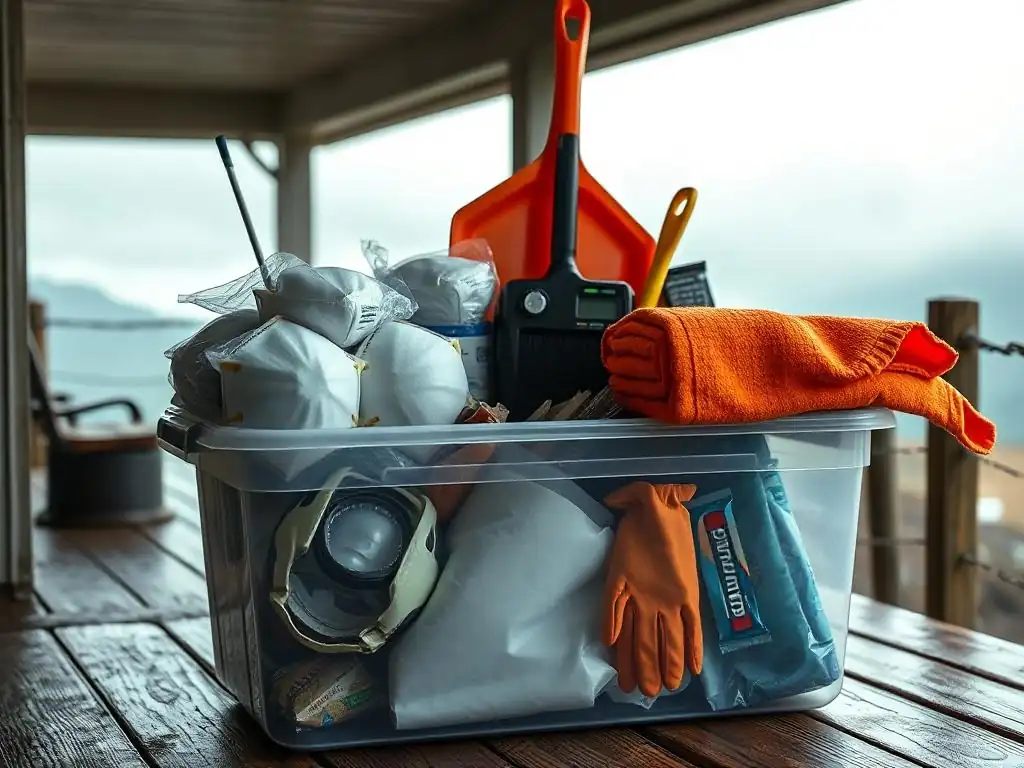
Personal Protective Equipment (PPE) for Ashfall: N95 Masks, Goggles, Long Sleeves, and Pants
Personal Protective Equipment (PPE) is paramount for safeguarding your health during and after volcanic ashfall. For respiratory protection, N95 or N100 respirators are essential. These masks, when properly fitted, filter out at least 95% or 99.97% of airborne particles, respectively, including fine volcanic ash. Ensure each member of your household has access to properly fitting respirators and knows how to wear them correctly. Goggles are crucial for eye protection, preventing ash from causing irritation and potential corneal abrasions. Choose goggles that seal tightly around the eyes to prevent ash entry.
In addition to respiratory and eye protection, skin protection is important. Volcanic ash can be abrasive and irritating to the skin. Long-sleeved shirts and long pants minimize skin exposure. Gloves, preferably work gloves, are necessary for any outdoor tasks during ashfall or cleanup. Consider including a hat to protect your hair and scalp from ash accumulation. Having a readily accessible supply of PPE, including respirators, goggles, gloves, long sleeves, and pants, is a cornerstone of volcanic ashfall preparedness for every Pacific Northwest home.
Home Maintenance Tools: Shovels, Brooms, Plastic Sheeting, and Duct Tape for Ash Removal
A collection of basic home maintenance tools is essential for both preparing for and cleaning up after volcanic ashfall. Shovels are necessary for removing heavier accumulations of ash from driveways, walkways, and potentially roofs (with extreme caution and if structurally sound). Use lightweight plastic shovels to avoid adding unnecessary weight, especially when working on roofs. Brooms, ideally stiff-bristled brooms, are useful for sweeping ash from decks, patios, and other outdoor surfaces.
Plastic sheeting and duct tape are versatile tools for volcanic ashfall preparedness. Plastic sheeting is used to cover windows, doors, ventilation intakes, and electronics, preventing ash intrusion. Duct tape is essential for securing plastic sheeting, sealing gaps, and making temporary repairs. Keep a supply of heavy-duty garbage bags for collecting and disposing of ash. Having these tools readily available will enable you to take proactive steps to protect your home and effectively manage ash removal.
Communication and Emergency Supplies: NOAA Weather Radio, Batteries, First Aid Kit, and Backup Power
Maintaining communication and having backup power are critical aspects of volcanic ashfall preparedness. A NOAA Weather Radio is an invaluable tool for receiving official alerts and information about volcanic activity and ashfall warnings. Choose a model with a battery backup in case of power outages. Stockpile plenty of batteries for radios, flashlights, and other battery-operated devices. A first-aid kit is essential for treating minor injuries and irritations related to ash exposure. Ensure your kit is well-stocked and that you know how to use its contents.
Consider investing in a backup power source, such as a portable generator or battery power bank, to maintain essential functions during power outages, which are possible during significant ashfall events. Keep mobile phones charged and have car chargers available, but be aware that cellular service may be disrupted. Having these communication and emergency supplies on hand will help you stay informed, manage potential power outages, and address any minor health issues that may arise during or after volcanic ashfall.
Volcanic Ash Cleanup: Safe and Effective Removal Techniques for the Puget Sound
Safe Ash Removal Practices: Protecting Yourself During Cleanup in Wet Conditions
Cleaning up volcanic ash requires careful and safe practices, especially in the often wet conditions of the Puget Sound region. Always wear your Personal Protective Equipment (PPE) during cleanup, including an N95 or N100 respirator, goggles, gloves, long sleeves, and pants. Wet ash can become heavy and slippery, increasing the risk of falls. Be extremely cautious when working on ladders or roofs, and avoid working alone.
To minimize dust and respiratory irritation, lightly dampen the ash with water before sweeping or shoveling, but avoid over-wetting it, as this can make it heavier and more difficult to handle. Work in well-ventilated areas when cleaning indoors. Avoid stirring up ash unnecessarily. Dispose of collected ash in sealed, heavy-duty garbage bags to prevent it from becoming airborne again. Wash your hands and face thoroughly with soap and water after cleanup activities, and launder clothes worn during cleanup separately to prevent ash from spreading. Prioritizing safety during ash removal is crucial to protect your health and prevent injuries.
Cleaning Exterior Surfaces: Removing Ash from Roofs, Driveways, and Decks with Water and Caution
Cleaning exterior surfaces like roofs, driveways, and decks requires a careful approach to avoid damage and ensure safety. For roofs, if you must remove ash, do so with extreme caution and only if the roof is structurally sound and you can do so safely from the ground or with appropriate safety equipment. Use a soft broom to gently sweep ash off roofs, working downwards to avoid pushing ash into gutters. Avoid using power washers on roofs, as the high pressure can damage roofing materials and force ash under shingles.
For driveways and decks, you can use a broom to sweep up dry ash. If the ash is wet or compacted, gently hose down surfaces with low water pressure to wash ash away. Avoid using high-pressure water, which can spread ash and potentially damage surfaces. When hosing down surfaces, direct the water flow away from your house foundation and drainage systems to prevent ash from clogging drains. Be mindful of slippery surfaces when cleaning wet ash, and wear appropriate footwear with good traction. Dispose of collected ash properly in sealed garbage bags.
Cleaning Interior Surfaces: Removing Ash from Furniture, Carpets, and Floors with HEPA Vacuum Cleaners
Cleaning interior surfaces after volcanic ashfall requires methods that minimize dust and prevent the redistribution of ash. The most effective way to remove ash from furniture, carpets, and floors is by using a HEPA vacuum cleaner. HEPA filters trap the fine ash particles, preventing them from being recirculated into the air. Vacuum all carpets, rugs, upholstery, and floors thoroughly. For hard surfaces, use a damp cloth or mop to wipe up ash, rather than sweeping, which can stir up dust.
When cleaning furniture, start with gentle vacuuming, then use damp cloths to wipe down surfaces. For delicate fabrics, consult cleaning instructions or consider professional cleaning. Change vacuum cleaner bags or empty dust canisters frequently during cleanup to maintain suction efficiency. After vacuuming and wiping, consider wiping down walls and other vertical surfaces, as fine ash can settle everywhere. Continue to use air purifiers with HEPA filters indoors after initial cleanup to remove any remaining airborne ash particles and maintain clean indoor air quality.
Long-Term Volcanic Ashfall Preparedness: Ensuring Ongoing Safety and Community Resilience

Developing a Family Emergency Plan: Evacuation Routes, Meeting Points, and Communication Strategies
Long-term volcanic ashfall preparedness includes developing a comprehensive family emergency plan. This plan should outline evacuation routes from your home and neighborhood in case of a larger volcanic event, although evacuation for ashfall alone is less common than for other volcanic hazards like lahars. Designate a meeting point away from your home and neighborhood where family members can reunite if separated during an emergency. This could be a relative's house, a community center, or another pre-determined location.
Establish communication strategies, including an out-of-state contact person who family members can call to relay information, as local phone lines may be overloaded. Ensure everyone in the family knows the emergency plan, including evacuation routes, meeting points, and contact information. Practice the plan regularly through drills to ensure everyone is familiar with the procedures. Consider including plans for pets and individuals with specific needs in your family emergency plan. A well-defined and practiced family emergency plan is a crucial element of long-term volcanic ashfall preparedness and overall family safety.
Staying informed about Mount Rainier's activity is an ongoing aspect of volcanic ashfall preparedness for Puget Sound residents. Regularly monitor the USGS Volcano Hazards Program website ([Data to be inserted here - USGS Volcano Hazards Program link]) for updates on Mount Rainier's status and any changes in activity levels.
Sign up for volcano notifications and alerts from the USGS, if available. Pay attention to official warnings and information from local authorities, such as the Washington Emergency Management Division ([Data to be inserted here - Washington Emergency Management Division link]) and Pierce County Emergency Management ([Data to be inserted here - Pierce County Emergency Management link]).
Invest in a NOAA Weather Radio and learn how to program it to receive alerts for your area. During times of heightened volcanic activity, monitor these sources closely for any advisories, watches, or warnings related to Mount Rainier. Be aware of community alert systems and emergency broadcasts in your area. Staying informed through official channels ensures you receive accurate and timely information to make informed decisions and take appropriate actions to protect yourself and your family.
Post-Ashfall Assessment: Inspecting Your Home for Damage, Mold Growth, and Seeking Professional Help
After a volcanic ashfall event, a thorough post-ashfall assessment of your home is essential. Inspect your roof for any signs of damage or stress, especially if there was significant ash accumulation. Check gutters and downspouts for clogs and ensure they are functioning properly. Examine ventilation systems and replace air filters as needed. Inspect the interior of your home for any signs of ash infiltration and clean thoroughly.
In the often damp climate of the Pacific Northwest, be particularly vigilant for signs of mold growth, which can develop if moisture becomes trapped in ash. Look for discoloration, musty odors, or visible mold, especially in basements, crawl spaces, and around windows and doors. If you suspect structural damage to your roof or other parts of your home, or if you discover mold growth that you cannot manage yourself, seek professional help.
Consult with qualified contractors for structural repairs and mold remediation specialists for mold issues. Addressing post-ashfall damage promptly and professionally is crucial for ensuring the long-term safety and health of your home and family.
Volcanic Ashfall: Additional Resources for Homeowners in the Pacific Northwest
[Links to USGS Volcano Hazards Program, Washington Emergency Management Division, and Pierce County Emergency Management]
[Information on Volcanic Ash Health Effects from the EPA and Local Health Departments]
Frequently Asked Questions
What is volcanic ashfall and why is it dangerous?
Volcanic ashfall is composed of tiny particles of pulverized rock, minerals, and volcanic glass ejected during an eruption. It's dangerous because it can cause respiratory problems, damage infrastructure, and disrupt transportation.
How can I prepare my home for volcanic ashfall?
You should seal windows and doors, stockpile essential supplies like water and food, and have dust masks readily available.
What should I do to protect my health during an ashfall event?
Stay indoors as much as possible, wear a dust mask to protect your lungs, and cover your skin to prevent irritation.
Where can I find real-time updates on volcanic activity?
VolcanoExplorers.org offers real-time updates on volcanic activity worldwide, along with information from official monitoring agencies. Look for updates from your local authorities.
What long-term effects can volcanic ashfall have on my property?
Ashfall can damage roofs, contaminate water sources, and harm vegetation. It's important to clean up ash properly and take preventative measures to protect your property.
Final Reflection: Embracing Preparedness in the Shadow of the Volcano
The detailed checklist and practical advice presented throughout this article highlight a crucial truth: volcanic ashfall preparedness is not merely a hypothetical exercise, but a vital necessity for those living in vulnerable regions. Ignoring the potential impact of volcanic activity is no longer an option; proactive measures are essential to safeguarding our homes, our health, and our communities.
The threat of volcanic ashfall, often underestimated, has profound and lasting effects on our lives. Understanding and implementing these preparedness tips is not just about surviving a disaster; it's about preserving our way of life and ensuring a resilient future for generations to come. By failing to prepare, you are preparing to fail.
- Benjamin Franklin. This quote underscores the importance of taking responsibility for our safety and well-being in the face of potential volcanic hazards.
Now, as you close this article, take a moment to reflect on your own readiness. Are you truly prepared for the possibility of ashfall? Use the knowledge you've gained here to create a comprehensive plan, gather essential supplies, and educate your family and neighbors. The time to act is now, not when the ash begins to fall. Let preparedness be your shield and resilience your strength, ensuring a safer and more secure future for yourself and your community.
Secure Your Home: Take Action Now!
Thank you for learning about ashfall preparedness. You've taken a vital step in protecting yourself and your loved ones. Now, let's put that knowledge into action.
Here's what you can do:
- Immediately review your emergency kit, ensuring you have adequate respiratory protection (like N95 masks) and materials to seal your home. This is your first and most important defense.
- Share this article with friends and family in volcanically active areas. Community preparedness is crucial.
- Take photos and videos of your home. This will be essential for insurance claims if ashfall damage occurs.
What's the first ashfall preparedness step you'll take tomorrow? Let us know in the comments!