Understanding the Psychological Impact of Living Near Active Volcanoes
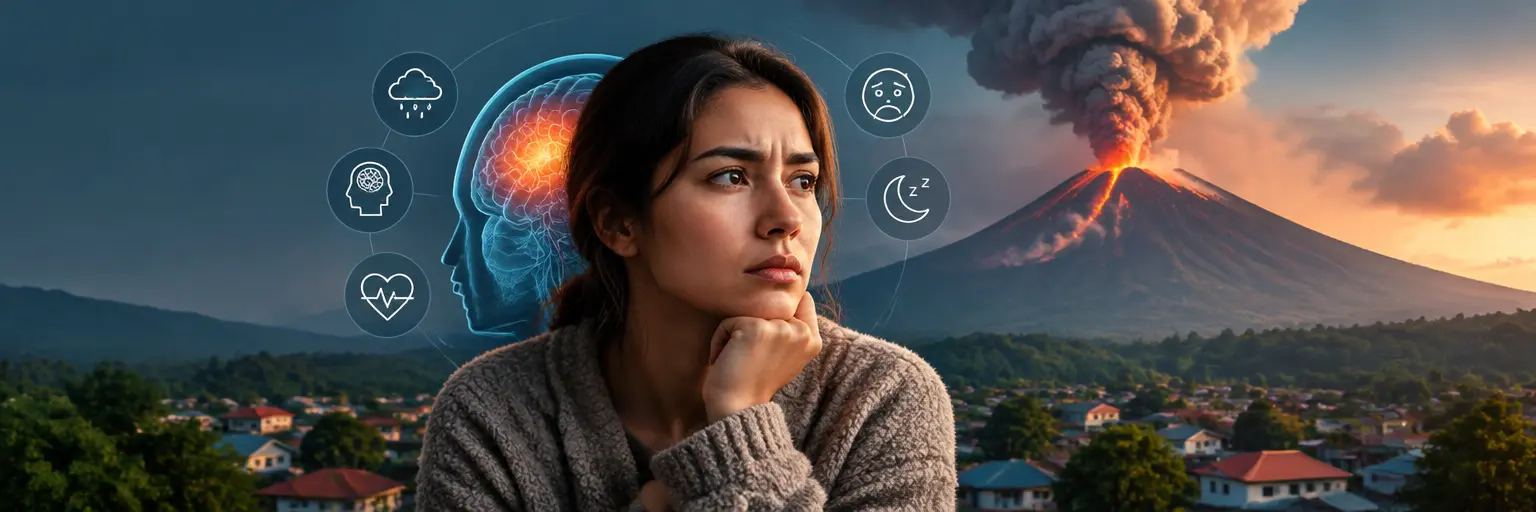
Living in the shadow of an active volcano presents unique emotional and mental challenges that go beyond physical preparedness. At VolcanoExplorers.org, we delve into how constant proximity to potential eruptions shapes daily life, community resilience, and individual well-being. This subcategory explores psychological responses such as chronic anxiety, coping mechanisms, trauma recovery after eruptions, and the role of social support systems. Whether you are a resident, a mental health professional, or a curious visitor, understanding these mental health dimensions is essential for holistic volcano safety and preparedness.
🌋 Chronic Anxiety and Hypervigilance in Volcanic Zones
Residents near active volcanoes often experience a persistent state of alertness, known as hypervigilance, driven by unpredictable seismic activity and official warnings. This heightened awareness can lead to chronic anxiety, sleep disturbances, and difficulty concentrating, especially during periods of increased volcanic unrest. The constant monitoring of alert levels and evacuation notices becomes a mental burden, where normal routines are interrupted by sudden fears of lahars, ashfall, or pyroclastic flows.
Understanding this anxiety is the first step toward managing it. Psychological research shows that predictability and control are key factors in reducing distress. VolcanoExplorers.org recommends structured routines, mindfulness exercises, and designated “safe zones” at home to restore a sense of agency. Community workshops on stress management and peer support groups can also mitigate the isolating effects of living under a volcanic threat. Recognizing that anxiety is a natural response, not a weakness, helps residents build healthier coping strategies.
🧠 Coping Mechanisms and Resilience Building for Families
Families in volcanic regions develop unique coping mechanisms, ranging from denial and humor to proactive preparedness and spiritual beliefs. Healthy resilience is built through clear communication about risks, involving children in age-appropriate safety plans, and maintaining strong social networks. Rituals like family emergency drills or packing “go-bags” together transform fear into actionable steps, fostering a sense of empowerment rather than helplessness.
For long-term psychological well-being, cognitive reframing is invaluable—shifting focus from dread to appreciation of the volcano’s beauty and the community’s strength. Local traditions, festivals, and storytelling about past eruptions can normalize the experience and build collective identity. VolcanoExplorers.org encourages residents to document their experiences through journals or art, which helps process emotions. Professional counseling, when needed, provides tools to manage panic and develop adaptive thought patterns, ensuring families thrive despite the inherent risks.
🩺 Trauma and Post-Eruptive Mental Health Support
After a significant eruption, survivors often face post-traumatic stress disorder (PTSD), depression, and grief, especially if they lost homes, livelihoods, or loved ones. The psychological recovery phase can last months or years, requiring dedicated mental health services and community-based interventions. Immediate response includes psychological first aid, crisis hotlines, and safe spaces where survivors can share their stories without judgment. Long-term support involves trauma-focused therapy, such as cognitive-behavioral therapy (CBT) or eye movement desensitization and reprocessing (EMDR), tailored to volcanic disaster contexts.
Rebuilding mental health post-eruption also hinges on restoring a sense of normalcy and future orientation. VolcanoExplorers.org highlights successful models where local health centers integrate mental health screenings into disaster recovery programs. Support groups led by trained peers help normalize emotional reactions and reduce stigma. For children, school-based programs using play therapy and art projects facilitate expression. It’s crucial for authorities to allocate resources not just for physical reconstruction but for psychological healing, ensuring that communities do not suffer in silence.
🏘️ Community Cohesion as a Psychological Buffer
Strong social bonds are the most effective buffer against the psychological toll of volcanic threats. Communities that share information, resources, and emotional support exhibit lower rates of severe anxiety and depression. Neighborhood watch programs, volunteer emergency teams, and cultural gatherings create a fabric of mutual trust, making residents feel less alone in facing danger. This cohesion also enhances practical preparedness, as neighbors collaborate on evacuation plans and assist vulnerable members like the elderly or disabled.
However, community dynamics can also amplify stress if misinformation spreads or social hierarchies exclude certain groups. VolcanoExplorers.org advises fostering inclusive communication through local leaders, social media, and public meetings. Building resilience requires recognizing that psychological safety is intertwined with community infrastructure—access to clean water, shelter, and healthcare directly affects mental well-being. By strengthening social capital, residents transform fear into collective action, reducing helplessness and promoting a shared identity of survival and renewal.
📊 Factors Influencing Individual Vulnerability and Adaptation
Individual responses to volcanic risk vary widely based on age, gender, socioeconomic status, prior trauma, and proximity to the volcano. Elderly residents may face mobility challenges and isolation, while children rely on caregivers for emotional cues. Low-income households often lack resources for evacuation, increasing stress and exposure. Women, who often manage households, may carry additional burdens during crises. Understanding these vulnerabilities helps tailor mental health interventions to specific populations, ensuring no one is overlooked.
Adaptation is also shaped by cultural beliefs and previous eruption experience. Communities that have successfully survived past events may develop a fatalistic yet resilient outlook, while new residents bring fresh anxiety. VolcanoExplorers.org emphasizes personalized risk communication, using clear language and visual aids to meet diverse comprehension levels. Building individual psychological resilience involves education, realistic threat assessment, and fostering a hopeful yet cautious mindset. By acknowledging these factors, authorities and communities can create inclusive safety nets that address both physical and emotional needs.
Frequently Asked Questions
How can I reduce my constant worry about living near a volcano?
Focus on controllable factors: create a detailed family emergency plan, assemble a go-bag, and stay informed via official sources. Practice relaxation techniques like deep breathing or meditation when anxious. Joining a local preparedness group can provide social support and reduce feelings of helplessness. If worry interferes with daily life, consider consulting a mental health professional for cognitive-behavioral strategies.
Is it normal for children to have nightmares or behavioral changes after volcanic activity?
Yes, children commonly experience sleep disturbances, clinginess, or regression in skills after a traumatic event like volcanic activity. Reassure them with consistent routines, physical affection, and honest, age-appropriate explanations about safety. Encourage them to express feelings through drawing or play. If symptoms persist beyond a few weeks, seek a child psychologist experienced in disaster trauma.
What are early signs of post-traumatic stress disorder in eruption survivors?
Early signs include intrusive memories or flashbacks, avoidance of reminders of the eruption, heightened startle response, irritability, and difficulty sleeping. Survivors may also feel emotionally numb or detached. Physical symptoms like headaches or fatigue can appear. If these last more than a month and impair functioning, professional evaluation is recommended, as early intervention improves recovery.
Can living near a volcano have any positive mental health effects?
Yes, some residents report a profound appreciation for nature’s power, a strengthened community bond, and a clearer sense of priorities. Facing a shared threat often fosters gratitude, altruism, and resilience. Many find spiritual meaning in the volcano’s presence. These positive aspects can coexist with anxiety, offering a balanced perspective that enhances personal growth.
Where can communities find free mental health support after an eruption?
Start with local health departments, which often partner with NGOs to provide free crisis counseling. The Red Cross and federal emergency agencies offer psychological first aid programs. Online platforms like SAMHSA’s disaster distress helpline provide 24/7 support. Schools and community centers may host group therapy sessions. Always check official government websites for updated local resources.