
The Simien Mountains: Volcanic Majesty in Ethiopia's Highlands

Welcome to Volcano Explorers!
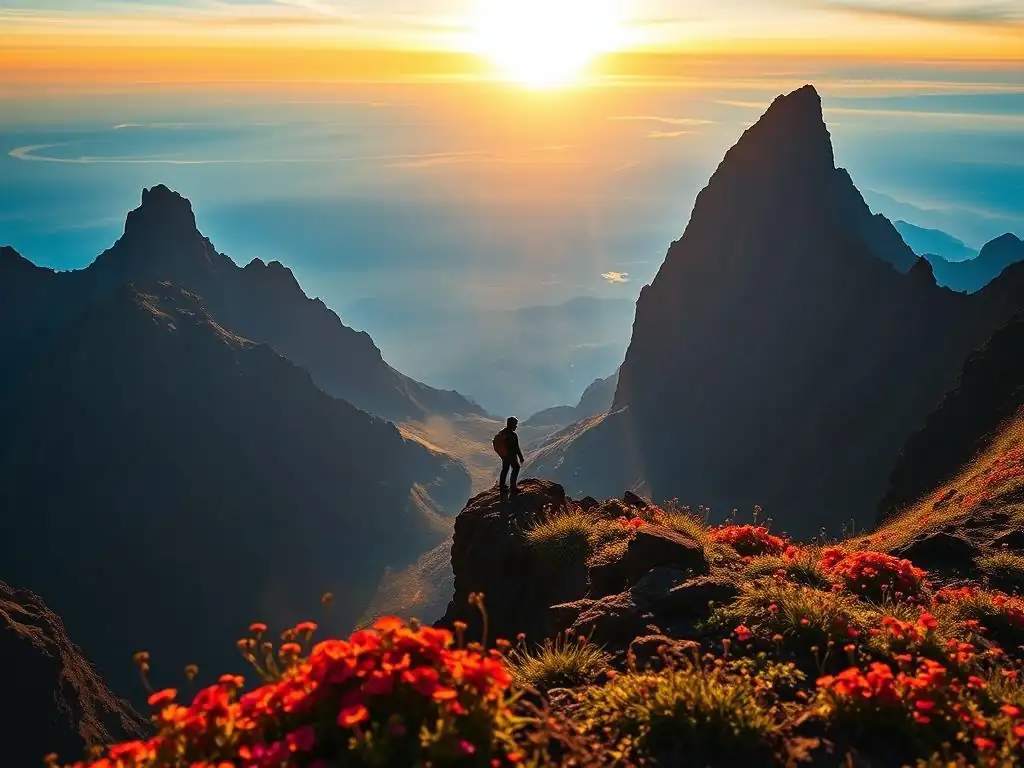
Prepare to be captivated by the fiery heart of our planet. Ever wondered what secrets are etched into the rugged landscapes forged by volcanic might? This time, we're venturing to the breathtaking Simien Mountains. Our Ethiopia volcanic mountains travel guide unveils the raw beauty and geological wonders hidden within these highlands. Discover the majesty that awaits, and ignite your curiosity to explore further – but be warned, the story is only just beginning...
- Exploring the Volcanic Landscapes of the Simien Mountains: An Ethiopia Travel Guide
- The Geological Origins of the Simien Mountains: A Volcanic Story
- Hiking and Trekking in Ethiopia's Volcanic Highlands: A Simien Mountains Travel Guide
- Wildlife Encounters in the Simien Mountains: Unique Ethiopian Biodiversity
- Cultural Significance of the Simien Mountains Region
- Conservation Efforts in the Simien Mountains National Park
- Practical Information for Visiting the Simien Mountains: Your Ethiopia Travel Guide
- The Future of Tourism in the Simien Mountains: Balancing Exploration and Preservation
-
Frequently Asked Questions
- What makes the Simien Mountains in Ethiopia a unique volcanic landscape?
- How can VolcanoExplorers.org help me plan a trip to the Simien Mountains?
- What are some safety considerations when traveling in the Simien Mountains, given their volcanic past?
- What type of volcanic activity formed the Simien Mountains, and when did it occur?
- Where can I find more information about the cultural significance of the Simien Mountains for the people of Ethiopia?
- Final Reflection: Echoes of Ancient Fire
- Ignite Your Inner Explorer: Journey to the Simien Peaks!
Exploring the Volcanic Landscapes of the Simien Mountains: An Ethiopia Travel Guide
The Simien Mountains National Park in northern Ethiopia is a breathtaking testament to volcanic forces and geological time. Often referred to as the "Roof of Africa" due to its dramatic elevations, this UNESCO World Heritage site offers a unique travel experience, blending stunning volcanic landscapes with exceptional biodiversity and rich cultural heritage.
This guide delves into the volcanic origins of the Simien Mountains, explores the incredible trekking opportunities within its highlands, introduces the unique wildlife that inhabits this region, and provides essential practical information for planning your visit to this extraordinary Ethiopian destination. For those seeking adventure amidst dramatic scenery and a deep connection with nature, the Simien Mountains stand as an unparalleled destination within Ethiopia’s volcanic mountain ranges.
The Geological Origins of the Simien Mountains: A Volcanic Story
The imposing grandeur of the Simien Mountains is inextricably linked to its volcanic past. Formed during the Tertiary period, approximately 30 to 40 million years ago, the massif owes its existence to massive outpourings of lava that covered a vast area of the Ethiopian plateau.
These volcanic events were not isolated incidents but rather a crucial part of the larger geological processes shaping the East African Rift System. Understanding the volcanic story of the Simien Mountains is essential to appreciating the raw beauty and geological significance of this Ethiopian highland region, a key element for any Ethiopia volcanic mountains travel guide.
Formation of the Simien Massif: Volcanic Activity and Uplift
The Simien Mountains owe their dramatic topography to extensive volcanic activity followed by significant tectonic uplift. During the Oligocene epoch, immense volumes of basaltic lava erupted from fissures in the Earth's crust, blanketing the pre-existing landscape to depths exceeding 3,000 meters in some areas. This period of intense volcanism lasted for millions of years, building up layer upon layer of basalt flows.
Subsequently, tectonic forces associated with the East African Rift System caused the entire region to uplift, elevating the volcanic plateau to its present-day heights. This uplift, coupled with continuous erosion over millennia, sculpted the basalt layers into the jagged peaks, deep gorges, and towering cliffs that define the Simien Mountains today. The highest peak, Ras Dashen, standing at 4,550 meters (14,928 feet), is a testament to both the volcanic construction and subsequent erosional forces that shaped this incredible Ethiopia volcanic mountain landscape.
Understanding the Basalt Plateaus of Simien National Park
The characteristic landscape of Simien National Park is defined by its extensive basalt plateaus, remnants of the massive volcanic flows that created the massif. These plateaus, often perched at altitudes above 3,000 meters, are not uniformly flat; they are dissected by deep valleys and canyons, creating a rugged and visually stunning terrain. The basalt itself is a dark, fine-grained volcanic rock, contributing to the dramatic and often stark appearance of the landscape.
The varying resistance of different basalt layers to erosion has resulted in the formation of distinctive step-like terraces and escarpments, further enhancing the topographical complexity of the park. These basalt plateaus are not just geological features; they form the foundation of the unique ecosystems and habitats that support the diverse flora and fauna of the Simien Mountains, a crucial aspect for any travel guide focusing on Ethiopia’s volcanic mountains.
The Role of the East African Rift System in Shaping the Simien Mountains
The Simien Mountains' volcanic origins are intrinsically linked to the East African Rift System, one of the most significant geological features on Earth. This vast rift valley, stretching thousands of kilometers across eastern Africa, is a zone of active tectonic extension where the Earth's crust is pulling apart.
The rifting process caused widespread fracturing and thinning of the crust, creating pathways for magma to rise to the surface and resulting in extensive volcanism throughout the region, including the area that would become the Simien Mountains. The continued tectonic activity associated with the rift system is also responsible for the uplift that elevated the volcanic plateau, transforming it into the towering mountain range we see today.
The Simien Mountains, therefore, are not just isolated volcanic features but a dramatic expression of the powerful and ongoing geological forces shaping the East African Rift, a key context point for understanding Ethiopia's volcanic mountain regions.
Hiking and Trekking in Ethiopia's Volcanic Highlands: A Simien Mountains Travel Guide
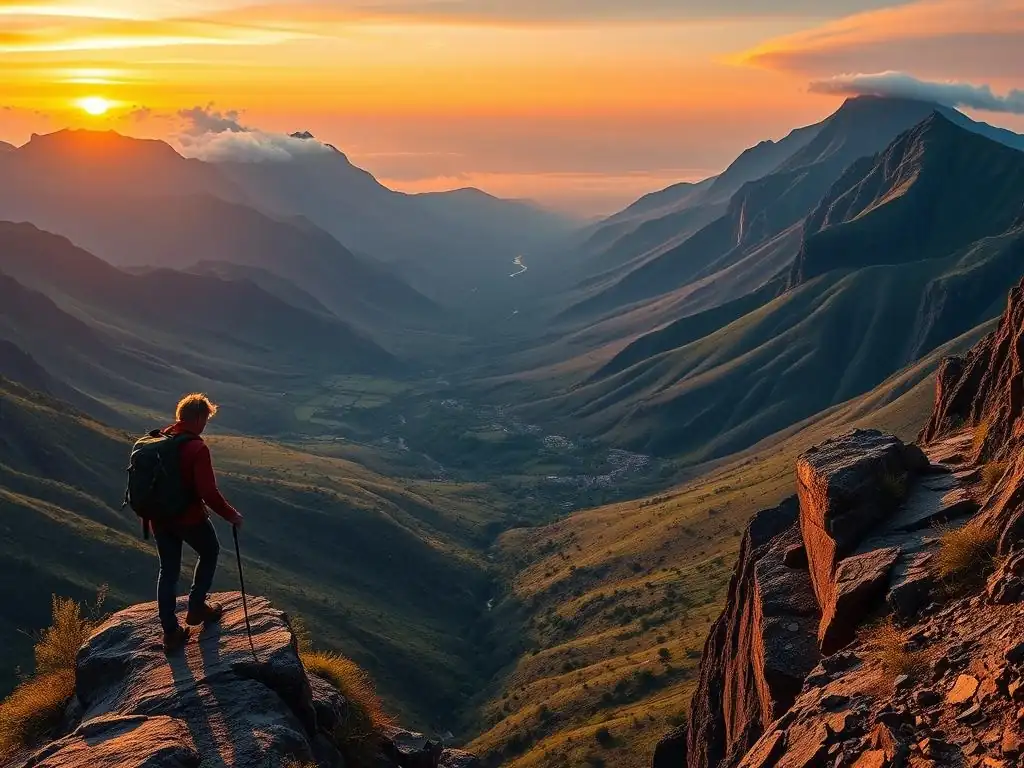
The Simien Mountains National Park is a world-renowned destination for trekking, attracting adventurers seeking challenging hikes amidst unparalleled scenery. The park offers a range of trails, from relatively easy day hikes to multi-day expeditions that traverse the high plateau, descend into deep gorges, and ascend to panoramic viewpoints. Trekking in the Simien Mountains provides an immersive experience within this volcanic landscape, allowing visitors to witness the dramatic geology firsthand, encounter unique wildlife, and engage with the rich cultural heritage of the region. For any traveler interested in experiencing Ethiopia's volcanic mountains, trekking in the Simiens is an unforgettable adventure.
Planning Your Trek: Best Time to Visit the Simien Mountains
The best time to visit the Simien Mountains for trekking is during the dry season, which runs from October to May. Within this period, the months of October to December and February to April are particularly ideal. During these months, the weather is generally sunny and dry, offering clear views of the dramatic landscapes.
Daytime temperatures are pleasant for hiking, typically ranging from 15°C to 25°C (59°F to 77°F) at higher altitudes, though temperatures can drop significantly at night, sometimes below freezing, especially at higher camps like Chennek. The rainy season, from June to September, brings heavy rainfall, making trails slippery and visibility poor, and some areas may become inaccessible.
While the dry season is optimal, it's worth noting that the Simien Mountains can be visited year-round, with each season offering a different experience. However, for trekking, the dry season is undoubtedly the most favorable, ensuring safer and more enjoyable conditions for exploring Ethiopia's volcanic highlands.
Popular Trekking Routes in the Simien Mountains: Sankaber to Gich and Chennek to Ambiko
Several established trekking routes cater to varying fitness levels and timeframes within the Simien Mountains National Park. One of the most popular multi-day treks is the Sankaber to Gich camp route, typically taking 2-3 days. This trek offers relatively moderate difficulty and showcases stunning views of the escarpment and the Jinbar waterfall, culminating at the Gich camp, known for its giant lobelia plants.
Another classic route, often combined with the Sankaber-Gich trek, is the trek from Chennek camp to Ambiko, which can be extended to reach Ras Dashen, the highest peak. The Chennek to Ambiko section is more challenging, involving steeper ascents and descents, and often takes 3-4 days. This route passes through diverse landscapes, including high-altitude grasslands and rocky peaks, offering opportunities to spot Walia ibex and Ethiopian wolves.
For shorter treks, day hikes from Sankaber or Gich camps provide excellent introductions to the park's beauty. These routes, such as the hike to Imet Gogo viewpoint, are less demanding yet still reward hikers with breathtaking panoramic views of the volcanic scenery, making them accessible for a wider range of visitors exploring Ethiopia's volcanic mountains.
Essential Gear for Hiking in the Simien Mountains: A Packing List
Packing appropriately for trekking in the Simien Mountains is crucial for comfort and safety, given the altitude and variable weather conditions. Essential gear includes sturdy and comfortable hiking boots, broken-in well before the trek. Layers of clothing are vital, including thermal base layers, fleece or a warm mid-layer, and a waterproof and windproof outer jacket and trousers, as temperatures can fluctuate significantly.
A warm hat, gloves, and sunscreen are necessary for protection against sun and cold, even during the dry season. A high-quality backpack (around 50-60 liters) is needed to carry personal items, including a water bottle or hydration system (at least 2-3 liters capacity), a headlamp or flashlight, and a basic first-aid kit with blister treatment, pain relievers, and any personal medications. For overnight treks, a warm sleeping bag suitable for sub-zero temperatures is essential, along with a sleeping mat for insulation.
Trekking poles are highly recommended for stability on uneven terrain. Finally, don’t forget essentials like insect repellent, toiletries, snacks, and a camera to capture the incredible landscapes of these Ethiopian volcanic mountains.
Wildlife Encounters in the Simien Mountains: Unique Ethiopian Biodiversity
Beyond its dramatic landscapes, the Simien Mountains National Park is a haven for unique and often endemic wildlife, making it a significant biodiversity hotspot within Ethiopia. The park is particularly renowned for its populations of iconic Ethiopian endemic species, including the Gelada baboon, Walia ibex, and Ethiopian wolf, all of which thrive in the high-altitude volcanic environment. Wildlife encounters are a highlight of any visit to the Simien Mountains, offering exceptional opportunities for wildlife viewing against the backdrop of stunning volcanic scenery, a key attraction for nature enthusiasts exploring Ethiopia's volcanic mountain region.
Gelada Baboons: Observing Endemic Primates in a Volcanic Landscape
The Gelada baboon, often referred to as the "bleeding-heart baboon" due to the distinctive red patch on its chest, is a truly unique primate endemic to the Ethiopian Highlands. The Simien Mountains National Park is one of the best places in the world to observe these fascinating creatures in their natural habitat. Geladas are highly social animals, often forming large troops that can number in the hundreds, sometimes even thousands.
They are primarily grass-eaters, adapted to grazing on the high-altitude grasslands of the Simien Mountains. Visitors trekking through the park are almost guaranteed to encounter Gelada baboons, often in close proximity, as they are relatively habituated to human presence. Observing these primates in their volcanic landscape, interacting within their complex social structures, and hearing their distinctive vocalizations is a memorable and enriching experience, highlighting the unique wildlife of Ethiopia’s volcanic mountains.
Walia Ibex: Spotting Rare Mountain Goats
The Walia ibex is another iconic endemic species of the Simien Mountains, a magnificent wild goat found nowhere else in the world. Critically endangered, with a population estimated to be around 500 individuals, the Simien Mountains National Park is their last stronghold. Walia ibex are adapted to the steep, rocky cliffs and escarpments of the Simien Mountains, perfectly suited to the volcanic terrain. They are impressive climbers, often seen grazing on precarious ledges.
Spotting Walia ibex requires patience and a bit of luck, but the Chennek camp area and the higher altitudes of the park are known habitats. Rangers and local guides often have knowledge of their whereabouts and can increase the chances of an encounter. Seeing these rare and majestic animals against the backdrop of the Simien’s volcanic peaks is a truly special wildlife experience and underscores the conservation importance of this Ethiopian volcanic mountain region.
Ethiopian Wolf: Tracking Endangered Canids
The Ethiopian wolf, also known as the Simien jackal, is the rarest canid in the world and Africa's most endangered carnivore. Endemic to the Ethiopian Highlands, with a significant population residing in the Simien Mountains National Park, these wolves are highly specialized predators adapted to hunting rodents in the Afro-alpine grasslands. Ethiopian wolves are strikingly beautiful animals, with a reddish coat, white markings, and long legs adapted for running across the high plateau.
They live in small packs and are highly territorial. Sightings of Ethiopian wolves are less frequent than Gelada baboons or Walia ibex, but with persistence and the help of experienced guides, it is possible to spot them, particularly in the areas around Chennek and higher elevations. Witnessing these elusive and endangered canids in their volcanic mountain habitat is a privilege and highlights the critical need for conservation efforts in Ethiopia’s unique volcanic ecosystems.
Cultural Significance of the Simien Mountains Region
The Simien Mountains are not just a natural wonder; they are also a region rich in cultural heritage, inhabited by communities whose lives are deeply intertwined with the landscape. The Amhara people, the dominant ethnic group in the area, have lived in the Simien Mountains for centuries, developing unique cultural practices and livelihoods adapted to the challenging high-altitude environment. Understanding the cultural significance of the Simien Mountains adds another layer of depth to the travel experience, offering insights into the human-environment interactions within this remarkable Ethiopian volcanic mountain region.
Local Communities and Their Connection to the Land
Local communities in the Simien Mountains have a profound and enduring connection to the land, shaped by generations of living in this dramatic volcanic environment. Their livelihoods, traditions, and cultural identity are inextricably linked to the mountains. Agriculture and livestock herding are the primary economic activities, practiced in harmony with the natural rhythms of the highlands.
Traditional knowledge about the land, its resources, and its challenges is passed down through generations, ensuring sustainable practices within their means. Tourism in the Simien Mountains provides opportunities for cultural exchange and economic benefits for local communities, highlighting the importance of responsible and community-based tourism approaches in this Ethiopian volcanic mountain region.
Traditional Practices and Livelihoods in the Highlands
Traditional practices and livelihoods in the Simien Mountains are closely adapted to the high-altitude environment and volcanic terrain. Agriculture is practiced on terraced slopes, maximizing arable land and preventing soil erosion on the steep hillsides. Barley and wheat are staple crops, grown during the rainy season. Livestock, primarily cattle, sheep, and goats, are essential for sustenance and income, grazing on the high grasslands.
Traditional crafts, such as weaving and pottery, are also practiced, often using locally sourced materials. These traditional livelihoods are not static; they are evolving in response to changing environmental conditions and economic opportunities. However, they remain deeply rooted in the cultural heritage of the Simien Mountains and represent a valuable adaptation to life in this unique Ethiopian volcanic mountain environment.
Amhara Culture and Agricultural Practices
The Amhara culture is dominant in the Simien Mountains region, shaping the social fabric and agricultural practices of the local communities. Amharic is the primary language, and Ethiopian Orthodox Christianity is the prevalent religion, with numerous historic churches and monasteries scattered throughout the highlands. Amhara agricultural practices are characterized by a deep understanding of the local environment and a reliance on traditional farming methods. Teff, barley, and wheat are key crops, cultivated using oxen-plowed fields and rain-fed agriculture.
Terracing is a common practice to manage the steep slopes and conserve soil. Livestock plays a crucial role in Amhara agriculture, providing draught power, manure for fertilizer, and essential food resources. The cultural landscape of the Simien Mountains, shaped by Amhara traditions and agricultural practices, is an integral part of the region's identity and a fascinating aspect for visitors to explore within Ethiopia's volcanic mountain highlands.
Conservation Efforts in the Simien Mountains National Park
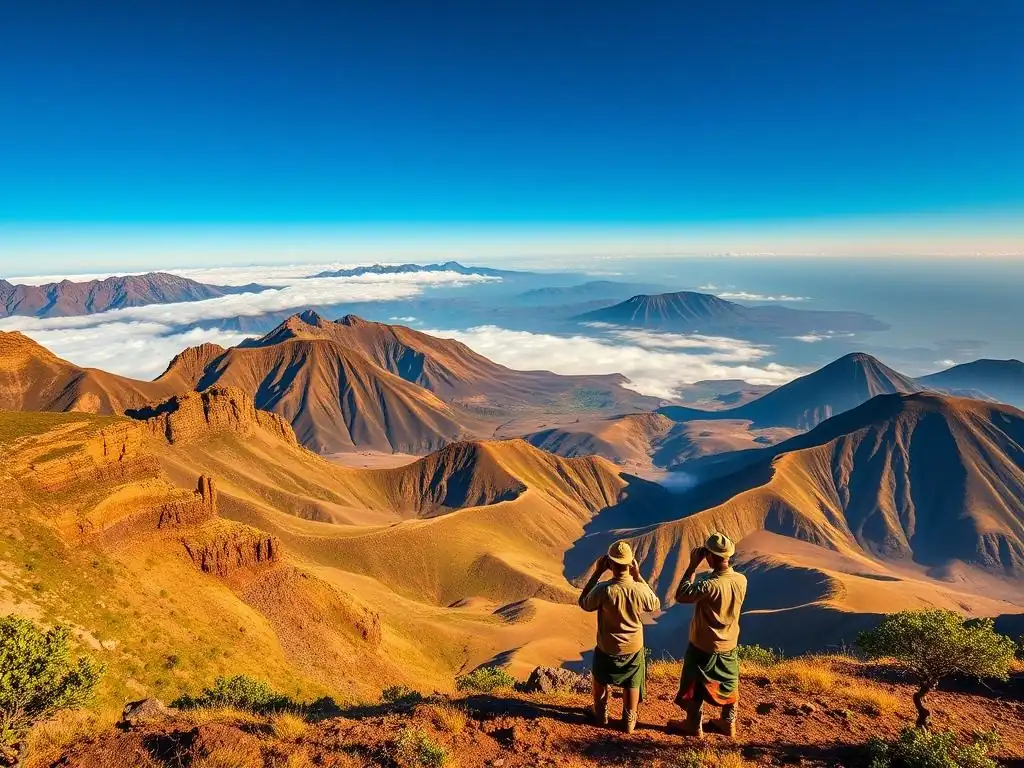
Recognizing the exceptional natural and cultural values of the Simien Mountains, the area was designated as a National Park in 1969 and inscribed as a UNESCO World Heritage Site in 1978. Conservation efforts in the Simien Mountains National Park are crucial to protect its unique volcanic ecosystems, biodiversity, and cultural heritage for future generations. These efforts involve a range of strategies, from habitat protection and anti-poaching patrols to sustainable tourism initiatives and community engagement programs, all vital for preserving this Ethiopian volcanic mountain jewel.
Protecting the Volcanic Ecosystems and Biodiversity
Protecting the volcanic ecosystems and biodiversity of the Simien Mountains National Park is a core conservation priority. This involves managing and mitigating threats to the park's flora and fauna, such as habitat degradation, overgrazing, and poaching. Anti-poaching patrols are conducted to protect endangered species like the Walia ibex and Ethiopian wolf. Habitat restoration projects aim to rehabilitate degraded areas and enhance biodiversity.
Monitoring programs track the populations of key species and assess the health of the ecosystems. Collaboration with local communities is essential for effective conservation, involving them in park management and promoting sustainable resource use. These multi-faceted efforts are crucial to safeguarding the unique volcanic ecosystems and biodiversity that make the Simien Mountains a globally significant conservation area within Ethiopia's volcanic mountain regions.
Sustainable Tourism Initiatives in the Simien Mountains
Sustainable tourism initiatives play a vital role in the conservation of the Simien Mountains National Park, aiming to balance tourism development with environmental protection and community benefits. Eco-tourism principles are promoted, encouraging responsible travel practices that minimize environmental impact and maximize positive contributions to local communities. Community-based tourism projects, such as community-run lodges and guiding services, empower local people and ensure that tourism revenues benefit the region.
Visitor education and awareness programs promote responsible behavior within the park and appreciation for its natural and cultural values. By fostering sustainable tourism, the Simien Mountains National Park aims to create a model for conservation-compatible development in Ethiopia's volcanic mountain tourism sector.
Challenges and Opportunities for Conservation
Despite ongoing conservation efforts, the Simien Mountains National Park faces several challenges. Human population growth and increasing pressure on natural resources pose threats to the park's ecosystems. Overgrazing by livestock can degrade habitats and compete with wildlife. Climate change is also a growing concern, potentially impacting the fragile Afro-alpine ecosystems.
However, there are also significant opportunities for enhancing conservation. Strengthening community engagement, promoting alternative livelihoods, and expanding sustainable tourism initiatives can contribute to both conservation and local development. Further research and monitoring are needed to better understand the park's ecosystems and adapt management strategies to emerging challenges. By addressing these challenges and capitalizing on opportunities, the Simien Mountains National Park can continue to be a beacon of conservation success within Ethiopia's volcanic mountain landscape.
Practical Information for Visiting the Simien Mountains: Your Ethiopia Travel Guide
Planning a visit to the Simien Mountains requires practical considerations to ensure a smooth and enjoyable trip. This section provides essential information on transportation, accommodation, permits, and regulations, helping you prepare for your adventure in this incredible Ethiopian volcanic mountain destination. Proper planning is key to maximizing your experience and contributing to responsible tourism in the Simien Mountains.
Getting to the Simien Mountains: Transportation Options
Accessing the Simien Mountains National Park typically involves traveling to Gondar, the nearest major city with an airport. Gondar is well-connected to Addis Ababa by domestic flights, with Ethiopian Airlines operating multiple daily services. From Gondar, the park headquarters at Debark is approximately a 2-3 hour drive. Public buses and private minibuses are available from Gondar to Debark, offering budget-friendly options.
Alternatively, hiring a private 4x4 vehicle in Gondar provides more flexibility and comfort, especially for accessing different parts of the park and trailheads. Organized tours often include transportation from Gondar to the Simien Mountains. For travel within the park, trekking is the primary mode of exploration, with mules available for hire to carry luggage and supplies for longer treks. Understanding transportation options is crucial for planning your journey to experience Ethiopia's volcanic mountains.
Accommodation in and Around the Simien Mountains: Lodges and Camping
Accommodation options for visiting the Simien Mountains range from basic camping within the park to lodges located just outside or within park boundaries. Camping is a popular and immersive option for trekkers, with designated campsites at Sankaber, Gich, Chennek, and Ambiko. Campsites offer basic facilities, including toilets, but trekkers need to be self-sufficient with tents, sleeping gear, and cooking equipment.
Several lodges are located in or near Debark, offering more comfortable accommodation options with varying levels of amenities. Simien Lodge, situated within the park, is the highest lodge in Africa, providing stunning views and relatively luxurious facilities. Limalimo Lodge, located just outside the park, is another upscale option known for its beautiful setting and eco-friendly practices.
Community-run lodges and guesthouses in Debark offer more budget-friendly alternatives and support local communities. Choosing the right accommodation depends on your budget, comfort preferences, and desired level of immersion in the Simien Mountains environment during your Ethiopia volcanic mountain adventure.
Permits and Regulations for Trekking in Simien National Park
To trek in the Simien Mountains National Park, permits are required and can be obtained at the park headquarters in Debark. Park entry fees are payable per day, and additional fees apply for camping and guide services. It is mandatory to hire a scout (armed park ranger) for safety, and hiring a local guide is highly recommended for enhancing your trekking experience and supporting local employment. Regulations within the park are in place to protect the environment and wildlife.
Littering is strictly prohibited, and trekkers are expected to minimize their impact. Campfires are restricted to designated areas. Respecting wildlife and maintaining a safe distance from animals is essential. Following park regulations and obtaining necessary permits ensures responsible and sustainable tourism within the Simien Mountains National Park, contributing to the preservation of this Ethiopian volcanic mountain treasure.
The Future of Tourism in the Simien Mountains: Balancing Exploration and Preservation
The future of tourism in the Simien Mountains hinges on finding a sustainable balance between exploration and preservation. As tourism to Ethiopia's volcanic mountains grows, it is crucial to ensure that this growth benefits local communities and does not compromise the park's exceptional natural and cultural values. Responsible travel practices, community involvement, and proactive conservation measures are essential for safeguarding the Simien Mountains for future generations.
Responsible Travel Practices in Ethiopia's Volcanic Region
Responsible travel practices are paramount for minimizing the negative impacts of tourism in the Simien Mountains and maximizing positive contributions. This includes respecting park regulations, minimizing waste, and avoiding disturbance to wildlife and their habitats. Choosing eco-friendly accommodation and tour operators that prioritize sustainability is important.
Supporting local businesses and communities by purchasing local products and services ensures that tourism benefits directly reach the region. Learning about the local culture and customs and interacting respectfully with local people enhances the travel experience and fosters positive cultural exchange. By adopting responsible travel practices, visitors can contribute to the long-term sustainability of tourism in Ethiopia's volcanic mountain regions like the Simien Mountains.
Supporting Local Communities Through Tourism
Tourism in the Simien Mountains has the potential to be a significant driver of economic development for local communities. Supporting community-based tourism initiatives, such as community-run lodges, guiding services, and cultural experiences, directly benefits local people and empowers them to participate in the tourism sector. Purchasing local products and crafts provides income opportunities and helps preserve traditional skills.
Ensuring fair wages and working conditions for local guides and porters is essential for ethical tourism practices. Investing in community development projects, such as education and healthcare, through tourism revenues can further enhance the positive impact of tourism on local livelihoods in Ethiopia's volcanic mountain regions.
Preserving the Natural Beauty of the Simien Mountains for Future Generations
Preserving the natural beauty of the Simien Mountains is a collective responsibility, requiring the concerted efforts of park authorities, tourism operators, local communities, and visitors. Strengthening conservation measures, combating poaching and habitat degradation, and mitigating the impacts of climate change are crucial for safeguarding the park's ecosystems and biodiversity. Promoting sustainable tourism practices and visitor education ensures that tourism activities are environmentally responsible.
Raising awareness about the importance of the Simien Mountains and its unique values, both locally and internationally, fosters a sense of stewardship and encourages long-term commitment to its preservation. By working together, we can ensure that the volcanic majesty of the Simien Mountains continues to inspire and enchant future generations of travelers and nature enthusiasts exploring Ethiopia's volcanic mountain wonders.
Frequently Asked Questions
What makes the Simien Mountains in Ethiopia a unique volcanic landscape?
The Simien Mountains are unique due to their volcanic origins and subsequent erosion. This has created dramatic cliffs, plateaus, and valleys, offering stunning natural beauty not found elsewhere. They also boast unique flora and fauna.
How can VolcanoExplorers.org help me plan a trip to the Simien Mountains?
VolcanoExplorers.org provides information on the geological history of the Simien Mountains, essential for understanding the landscape. We also offer links to resources about travel logistics and permits needed for visiting the area.
What are some safety considerations when traveling in the Simien Mountains, given their volcanic past?
While the Simien Mountains are not currently volcanically active, it's important to be aware of the potential for landslides due to the terrain. Check weather conditions and follow the advice of local guides for safe trekking practices.
What type of volcanic activity formed the Simien Mountains, and when did it occur?
The Simien Mountains were formed by massive basaltic lava flows during the Tertiary period, approximately 30-40 million years ago. Subsequent erosion shaped the unique topography we see today.
Where can I find more information about the cultural significance of the Simien Mountains for the people of Ethiopia?
VolcanoExplorers.org touches upon the cultural significance, but you can explore external resources on Ethiopian history and culture. Look for information about the local communities and their relationship with the mountain environment.
Final Reflection: Echoes of Ancient Fire
The journey through the Simien Mountains, as detailed in this guide, is more than just a trek through stunning landscapes; it's a connection to the raw, untamed power of volcanic creation that continues to shape Ethiopia's highlands. These ancient peaks, forged in fire and sculpted by time, stand as a testament to the enduring forces of nature, offering a unique and compelling travel experience that resonates deeply with the soul.
The impact of these volcanic mountains extends far beyond their geological significance. They are a cultural cornerstone, a source of livelihood for local communities, and a vital part of Ethiopia's national identity. The preservation of this natural wonder is paramount, not just for future generations of travelers, but for the communities who call these majestic peaks home. In every walk with nature one receives far more than he seeks.
- John Muir
As you consider your own travel plans, or simply reflect on the beauty and power of the natural world, I urge you to remember the Simien Mountains. Let their story of volcanic birth and enduring majesty inspire you to seek out experiences that connect you to the earth, to respect the delicate balance of our planet, and to travel with intention, leaving only footprints and taking only memories. The mountains await, ready to share their ancient wisdom with those who are willing to listen.
Alright, here's a CTA for the end of a web article titled "The Simien Mountains: Volcanic Majesty in Ethiopia's Highlands" for the website "Volcano Explorers" (volcanoexplorers.org):
Ignite Your Inner Explorer: Journey to the Simien Peaks!
Thanks for diving into the volcanic wonders of the Simien Mountains! We hope you've found inspiration in this glimpse of Ethiopia's stunning highlands. Now, it's time to translate that inspiration into action. Here's how you can continue your journey:
- Plan Your Own Trek: Begin researching the best trekking routes and permits for experiencing the Simien Mountains firsthand. This is your call to adventure!
- Delve deeper: Discover more about the unique wildlife and geological history of the Simien region via reputable sources like National Geographic or specialized geological databases.
- Share the Majesty: Spread the wonder by posting your favorite photo from the article on social media with the hashtag #SimienAdventure and tag Volcano Explorers!
What's the first step you'll take to make your Simien Mountains dream a reality? Share your plans in the comments below!