
Volcanic Islands of Lake Kivu: Hidden Gems of the East African Rift

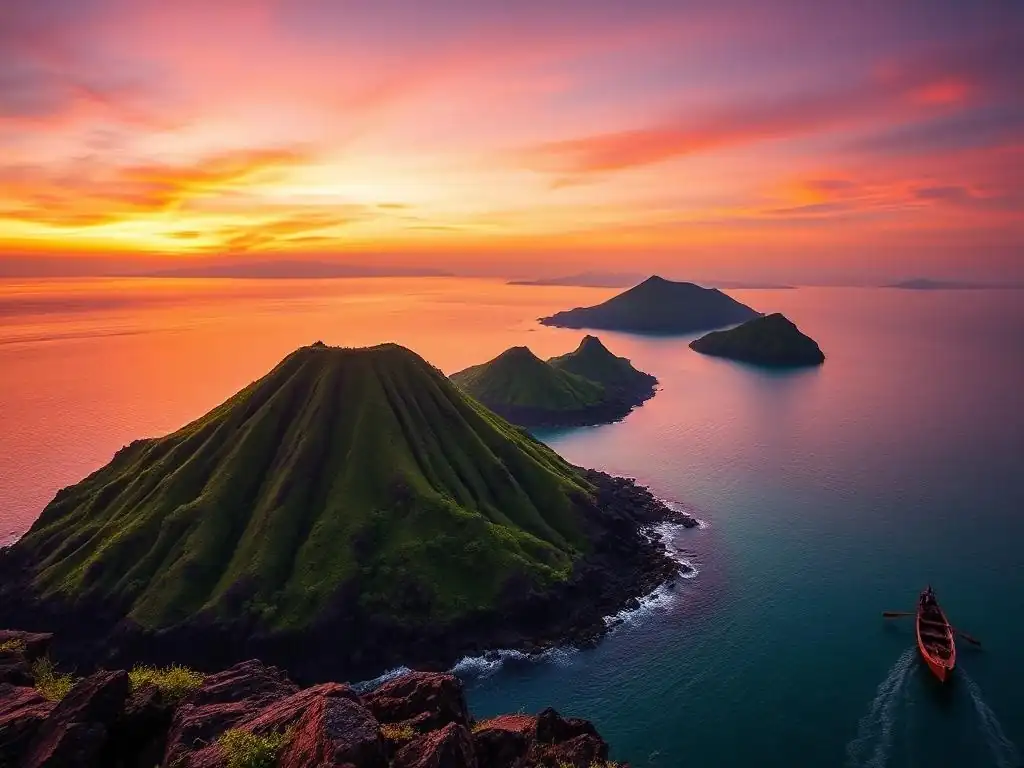
Welcome to Volcano Explorers!
Prepare to be captivated. Did you know that hidden within the depths of Lake Kivu, nestled in the heart of the East African Rift, lie volcanic islands teeming with unique landscapes and untold stories? Our journey begins now, exploring the secrets and stunning beauty of these fascinating formations. Intrigued? Delve into our main article: Lake Kivu volcanic islands travel and discover a world where fire meets water in the most extraordinary way.
- Discovering the Volcanic Islands of Lake Kivu: An Introduction
- Lake Kivu's Volcanic Origins: A Geological Overview
- Exploring the Unique Volcanic Islands of Lake Kivu: A Travel Guide
- Planning Your Lake Kivu Volcanic Islands Travel: Tips and Considerations
- Lake Kivu's Volcanic Hazards: Understanding the Risks
- The Biodiversity of Lake Kivu's Volcanic Islands: A Natural Wonder
- The Culture and Communities of Lake Kivu's Islands
- Lake Kivu Volcanic Islands Travel: A Photo Gallery
- The Future of Volcanic Island Tourism in Lake Kivu
-
Frequently Asked Questions
- What makes the volcanic islands of Lake Kivu unique for travel?
- Are the volcanic islands on Lake Kivu safe to visit, considering the lake's dissolved gases?
- What types of activities can travelers experience on the volcanic islands of Lake Kivu?
- How can I get to the volcanic islands of Lake Kivu?
- What kind of volcanic activity is associated with the islands in Lake Kivu?
- Final Reflection: Embracing the Untamed Beauty
- Unleash Your Inner Explorer: Discover the Secrets of Kivu's Volcanoes!
Discovering the Volcanic Islands of Lake Kivu: An Introduction
Lake Kivu, cradled within the Albertine Rift, a western branch of the immense East African Rift System, is a place of serene beauty and hidden geological drama. Often overshadowed by its more famous neighbors like Lake Victoria and Lake Tanganyika, Lake Kivu holds a unique charm, punctuated by a collection of verdant islands, many of which owe their existence to volcanic forces.
These islands, rising majestically from the lake's deep blue waters, offer a compelling blend of natural beauty, rich biodiversity, and intriguing geological history, making Lake Kivu volcanic islands a truly exceptional destination for adventurous travelers and nature enthusiasts alike.
This article invites you on a journey to explore the captivating volcanic islands of Lake Kivu. We will delve into the geological processes that sculpted this stunning landscape, uncover the unique ecosystems thriving on these islands, and provide a practical guide for planning your own unforgettable Lake Kivu volcanic islands travel experience. From the sprawling landscapes of Idjwi, the largest inland island in Africa and a volcanic marvel, to the smaller, equally fascinating islets dotting the lake, prepare to be amazed by the hidden gems of this East African Rift valley jewel.
Lake Kivu's Volcanic Origins: A Geological Overview
Lake Kivu's breathtaking scenery is inextricably linked to the powerful geological forces that have shaped the East African Rift System over millions of years. This vast rift valley, a zone where the Earth's crust is slowly pulling apart, is responsible for the formation of many of Africa's Great Lakes, including Lake Kivu.
Understanding the lake's volcanic origins provides a crucial context for appreciating the unique character of its islands and the surrounding region. The interplay of tectonic activity and volcanic eruptions has not only created the lake basin but also continues to influence the environment and poses unique natural hazards.
The region around Lake Kivu is a volcanically active zone, a fact that is evident in the presence of the Virunga volcanic mountains to the north and the numerous volcanic features scattered throughout the landscape. This geological setting is responsible for the fertile soils that support the lush vegetation of the islands and the surrounding shores, as well as the presence of hot springs and, more dramatically, the existence of the volcanic islands themselves. The story of Lake Kivu is, therefore, deeply intertwined with the story of volcanism in the East African Rift.
The Formation of Lake Kivu within the East African Rift System
The East African Rift System is a colossal geological feature, stretching thousands of kilometers across eastern Africa. It is a divergent plate boundary where the African plate is splitting into two major plates: the Somali Plate and the Nubian Plate. This rifting process, which began around 25 million years ago, has resulted in thinning of the Earth's crust, faulting, and widespread volcanic activity.
As the land pulled apart, vast depressions formed, eventually filling with water to create the Rift Valley lakes. Lake Kivu, situated in the Albertine Rift, the western branch of this system, owes its formation to this very process.
The formation of Lake Kivu's basin is attributed to a combination of tectonic subsidence and volcanic damming. As the rift valley deepened, a large depression was created.
Volcanic activity played a crucial role in shaping the lake as lava flows from nearby volcanoes, particularly those of the Virunga Volcanic Province, are believed to have dammed river systems, further contributing to the accumulation of water and the creation of the lake. The specific tectonic movements and volcanic events around 2 to 5 million years ago are considered key periods in the lake's geological history, establishing the conditions for the formation of the unique environment we see today.
Volcanic Activity and the Creation of Lake Kivu's Islands
The volcanic islands of Lake Kivu are direct products of the region's ongoing volcanic activity. While the lake itself is not a caldera lake formed directly within a volcanic crater, the surrounding volcanic fields have significantly contributed to its landscape. The islands themselves are primarily volcanic in origin, formed through various eruptive processes over geological time. These processes include both effusive eruptions, where lava flows build up landmasses, and potentially more explosive eruptions which could have contributed to island formation and the shaping of their terrain.
The islands, such as Idjwi and Tshegera, are essentially volcanic cones and ridges that rise above the lake's surface. The exact ages of these volcanic islands vary, but they are generally considered to be relatively young in geological terms, likely formed during the Pleistocene and Holocene epochs, periods of intense volcanic activity in the East African Rift.
The volcanic materials composing these islands, including basalt and other volcanic rocks, are testament to their fiery origins. Even today, although major eruptions directly within Lake Kivu are infrequent, the broader volcanic region remains active, evidenced by nearby volcanoes like Nyiragongo and Nyamulagira, which continue to shape the geological context of Lake Kivu and its remarkable volcanic islands.
Exploring the Unique Volcanic Islands of Lake Kivu: A Travel Guide
Lake Kivu's volcanic islands offer a diverse range of experiences for travelers seeking unique destinations. From the sprawling landscapes of Idjwi Island to the smaller, more intimate settings of Tshegera and Goma Islands, each island presents its own distinct character and attractions.
Exploring these islands is an adventure into the heart of the East African Rift, offering a blend of natural beauty, cultural encounters, and the thrill of discovering volcanic landscapes. A Lake Kivu volcanic islands travel itinerary can be tailored to suit various interests, from hiking and birdwatching to cultural immersion and simply enjoying the tranquility of island life.
Navigating Lake Kivu to reach these islands is typically done by boat, adding to the sense of adventure and remoteness. Local ferries and private boat charters are available, providing access to the main islands and allowing for exploration of the lake's scenic waters. The journey itself is a rewarding experience, offering panoramic views of the surrounding landscape and the islands rising from the lake. Whether you are an avid explorer, a nature lover, or simply seeking a peaceful escape, the volcanic islands of Lake Kivu promise an unforgettable travel experience.
Idjwi Island: The Largest Island and its Volcanic Landscape
Idjwi Island stands as a dominant feature of Lake Kivu, claiming the title of the largest inland island in Africa and the second largest in the world after Marajó Island in Brazil. This expansive island, stretching approximately 40 kilometers long and 10 kilometers wide, presents a diverse volcanic landscape characterized by rolling hills, fertile valleys, and remnants of volcanic cones.
The island's terrain is largely shaped by volcanic activity, resulting in rich soils that support a thriving agricultural community and lush vegetation. Exploring Idjwi reveals a tapestry of volcanic features, from gentle slopes formed by lava flows to steeper inclines marking older volcanic structures.
The volcanic nature of Idjwi is evident in its fertile soils, which are ideal for agriculture, supporting coffee and banana plantations, among other crops. While large, prominent volcanic cones are not immediately apparent across the island's landscape, the underlying geology is undeniably volcanic, with evidence of past eruptions shaping its topography.
Hiking across Idjwi offers stunning views of Lake Kivu and the surrounding mainland, allowing visitors to appreciate the scale of this volcanic island and its integral role in the Lake Kivu ecosystem. Exploring the villages and interacting with the local communities provides a deeper understanding of life on this significant Lake Kivu volcanic island.
Tshegera Island: A Volcanic Paradise with Unique Flora and Fauna
Tshegera Island, located closer to the Rwandan side of Lake Kivu, presents a different facet of the lake's volcanic island charm. Smaller than Idjwi, Tshegera Island is often described as a volcanic paradise, renowned for its exceptional biodiversity and pristine natural environment. This island, while also volcanic in origin, showcases a more concentrated display of unique flora and fauna, making it a haven for nature lovers and birdwatchers. Its relatively smaller size and conservation efforts contribute to its unspoiled character, offering a more intimate experience of Lake Kivu's volcanic island ecosystem.
The volcanic soils of Tshegera support a diverse range of plant life, including unique species adapted to the island's specific conditions. The island is particularly noted for its birdlife, hosting a variety of endemic and migratory species, making it a prime location for birdwatching enthusiasts. While the volcanic landscape is less dramatic than some other regions, the island's ecological significance is undeniable.
Guided nature walks on Tshegera Island reveal the subtle volcanic features integrated into its lush environment, highlighting the delicate balance between geological forces and biodiversity in this Lake Kivu volcanic gem. Efforts are ongoing to preserve the unique ecosystem of Tshegera, ensuring its status as a volcanic paradise for future generations.
Goma Island: A Small Inhabited Island Near Goma
Goma Island, despite its name, is not technically an island in the traditional sense but rather a peninsula extending into Lake Kivu near the city of Goma in the Democratic Republic of Congo. However, it is often referred to as an island and shares the volcanic characteristics of the other landmasses in Lake Kivu.
This smaller, inhabited landmass is situated close to the bustling city of Goma and the active Nyiragongo volcano, placing it in a dynamic and volcanically influenced environment. Goma Island, or peninsula, offers a unique perspective on living in close proximity to volcanic activity and provides a different experience compared to the more remote islands like Idjwi and Tshegera.
Being near Goma, this "island" is more easily accessible and integrated with mainland life compared to the other Lake Kivu volcanic islands. It is inhabited and experiences the direct influence of Goma's urban development and the ever-present shadow of Nyiragongo.
While not offering the same sense of remote wilderness as Idjwi or Tshegera, Goma Island provides a glimpse into how communities adapt and live alongside volcanic landscapes. Its proximity to Goma also makes it a convenient point for exploring the wider volcanic region, including excursions to Nyiragongo and the nearby Virunga National Park, further enhancing the Lake Kivu volcanic islands travel experience.
Planning Your Lake Kivu Volcanic Islands Travel: Tips and Considerations
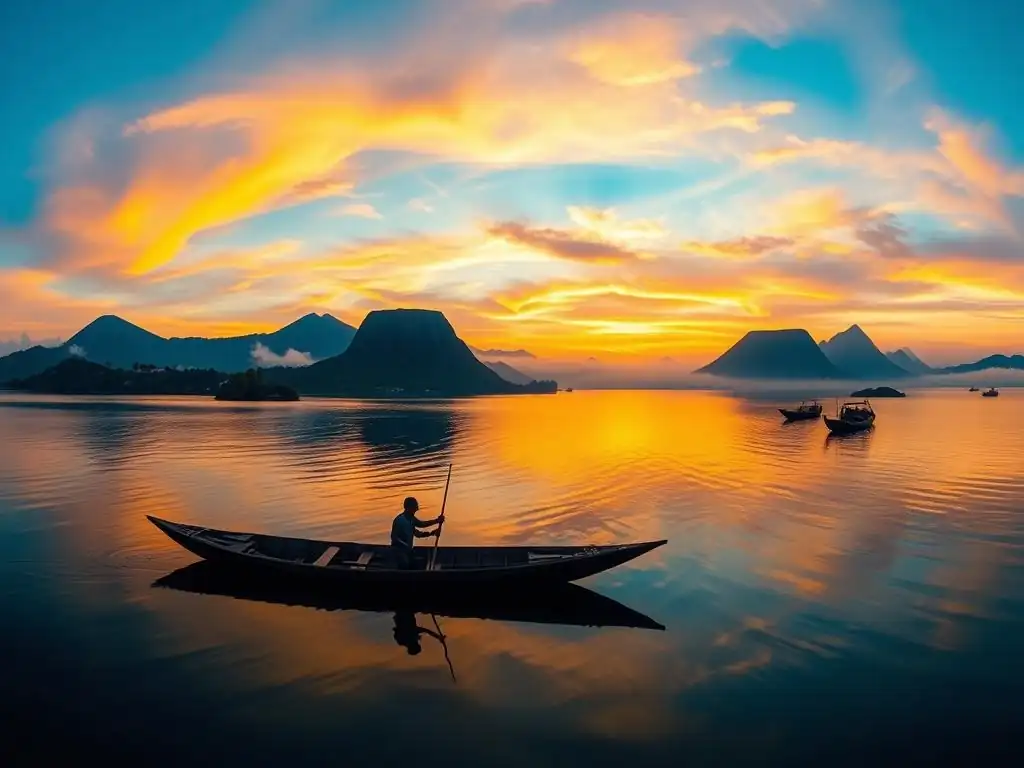
Planning a trip to explore the volcanic islands of Lake Kivu requires consideration of several factors to ensure a smooth and enjoyable experience. From choosing the best time to visit to navigating transportation and accommodation options, careful planning is key to maximizing your Lake Kivu volcanic islands travel adventure. Understanding the logistical aspects and local conditions will contribute to a more rewarding and hassle-free exploration of this unique region.
Considerations should include the time of year, transportation between islands and the mainland, and the types of accommodation available, ranging from basic guesthouses to more comfortable lodges. Respecting local customs and being aware of any safety guidelines, particularly related to the volcanic environment, is also essential for responsible and enjoyable travel in the Lake Kivu region.
Best Time to Visit Lake Kivu for Volcanic Exploration
The best time to visit Lake Kivu for volcanic exploration and general travel is during the dry seasons. These seasons typically run from June to September and from December to February. During these periods, rainfall is minimal, and the weather is generally sunny and pleasant, making it ideal for boat trips on the lake, hiking on the islands, and exploring the volcanic landscapes. The dry season also reduces the chances of travel disruptions due to rain and muddy conditions, enhancing the overall travel experience.
While the dry seasons are preferred, Lake Kivu can be visited year-round. The wet seasons, from March to May and October to November, bring rainfall, which can make some activities less enjoyable and transportation slightly more challenging. However, the rainy season also brings lush greenery and can be a good time for birdwatching. For those specifically interested in volcanic phenomena, the time of year may be less critical than monitoring current volcanic activity reports, although generally, the dry seasons offer more predictable and comfortable travel conditions for Lake Kivu volcanic islands travel.
Getting to Lake Kivu: Transportation Options
Reaching Lake Kivu and its volcanic islands involves several transportation options, depending on your starting point and destination within the region. International travelers typically arrive at Kigali International Airport (KGL) in Rwanda or Goma International Airport (GOM) in the Democratic Republic of Congo. From Kigali, Lake Kivu is accessible by road, with bus and private car options available for the approximately 3-4 hour journey to towns like Rubavu (Gisenyi) and Kibuye on the Rwandan side of the lake. From Goma, access to the Congolese side of Lake Kivu is more direct, but road conditions can be variable.
Once at Lake Kivu, transportation to the islands is primarily by boat. Ferries operate between the mainland towns and larger islands like Idjwi, although schedules can be infrequent and less reliable. Private boat charters offer more flexibility for island hopping and exploring different parts of the lake. These can be arranged in towns like Rubavu, Goma, and Bukavu.
For exploring within the islands themselves, walking is often the primary mode of transport, particularly on smaller islands. Motorbikes may be available on larger islands like Idjwi, but infrastructure can be limited. Planning your Lake Kivu volcanic islands travel should therefore include careful consideration of inter-island and mainland transportation options.
Accommodation Options on and near the Volcanic Islands
Accommodation options on and near Lake Kivu's volcanic islands range from basic guesthouses to more comfortable hotels and lodges, catering to different budgets and preferences. On larger islands like Idjwi, accommodation is generally more rustic, consisting of guesthouses and smaller, locally owned establishments. These offer a more immersive experience of island life but may lack some amenities found in mainland hotels. On smaller islands like Tshegera, accommodation may be even more limited, potentially requiring pre-arranged stays or day trips from the mainland.
Around Lake Kivu's mainland towns like Rubavu, Kibuye, and Goma, a wider variety of accommodation is available. These towns offer hotels ranging from budget-friendly to mid-range and luxury options, providing a comfortable base for exploring the lake and its islands. Some hotels offer stunning lake views and may arrange boat trips to the islands.
For those seeking a more immersive experience, consider staying in guesthouses or eco-lodges located closer to the lake shores, both on the mainland and on the islands where available. Booking accommodation in advance is recommended, especially during peak tourist seasons, to ensure availability and secure your preferred choice for your Lake Kivu volcanic islands travel.
Lake Kivu's Volcanic Hazards: Understanding the Risks
Lake Kivu, while a place of immense beauty, is also characterized by unique volcanic hazards that visitors should be aware of. These hazards are primarily related to the lake's unusual limnological and volcanic nature. Understanding these risks is crucial for responsible travel and ensuring safety while exploring the Lake Kivu volcanic islands. The most significant threat is the potential for a limnic eruption, a rare but potentially catastrophic event linked to the lake's high concentrations of dissolved gases. Volcanic activity in the region also contributes to ongoing gas emissions and seismic risks.
While the likelihood of a major event during a typical tourist visit is low, being informed about these potential hazards and following safety guidelines is essential. Monitoring efforts are in place to track volcanic and limnic activity, and local authorities provide guidance to mitigate risks. Awareness and preparedness are key aspects of responsible Lake Kivu volcanic islands travel, allowing visitors to appreciate the natural wonders while respecting the inherent geological forces at play.
Limnic Eruption Risk: The Unique Threat of Lake Kivu
Lake Kivu is one of only three known lakes in the world that are saturated with dissolved gases, primarily carbon dioxide (CO2) and methane (CH4). This phenomenon, known as lake stratification, occurs because the lake's deep waters are prevented from mixing with the surface waters due to density differences. Volcanic activity beneath the lake floor and surrounding region contributes to the ongoing influx of these gases into the deep waters. The accumulation of these gases creates a unique and potentially dangerous situation: the risk of a limnic eruption.
A limnic eruption, also known as a lake overturn, is a rare event where a trigger, such as an earthquake, landslide, or volcanic eruption, could cause the deep, gas-rich waters to rapidly rise to the surface. This rapid ascent causes a sudden decrease in pressure, leading to the dissolved gases to violently bubble out of the water, similar to opening a shaken soda bottle. The release of large volumes of CO2, being heavier than air, could displace oxygen and suffocate people and animals in the surrounding area.
While limnic eruptions are infrequent, the potential consequences are significant, making it a critical hazard to understand for Lake Kivu volcanic islands travel. Lake Nyos in Cameroon experienced a deadly limnic eruption in 1986, highlighting the real risks associated with these gas-saturated lakes.
Monitoring Volcanic Activity and Gas Emissions in Lake Kivu
Given the unique hazards associated with Lake Kivu, continuous monitoring of volcanic activity and gas emissions is crucial. Several international and local research institutions are involved in monitoring Lake Kivu and the surrounding volcanic region. This monitoring includes seismic measurements to detect potential earthquakes, analysis of gas emissions from the lake and nearby volcanic vents, and regular sampling of the lake's water chemistry to track gas concentrations and stratification. Data from these monitoring efforts are used to assess the risk of limnic eruptions and volcanic activity and to inform early warning systems.
Advanced technologies, such as underwater sensors, GPS stations, and satellite imagery, are employed to provide real-time data on lake conditions and volcanic activity. The Goma Volcano Observatory (GVO), despite facing operational challenges, plays a vital role in monitoring volcanic activity in the Virunga region, which directly impacts Lake Kivu. International collaborations and research projects contribute to a better understanding of Lake Kivu's complex system and enhance monitoring capabilities. These continuous monitoring efforts are essential for mitigating risks and ensuring the safety of communities living around Lake Kivu and for informing responsible Lake Kivu volcanic islands travel practices.
Safety Guidelines for Visitors: Staying Safe on the Volcanic Islands
While the risks associated with Lake Kivu are carefully monitored, visitors should still be aware of safety guidelines to ensure a safe and enjoyable experience on the volcanic islands. Staying informed about current volcanic activity levels is advisable. Local authorities and tour operators can provide up-to-date information and guidance. It's crucial to heed any warnings or advisories issued by these authorities. When traveling by boat on Lake Kivu, ensure that the boat is properly equipped with safety gear and life jackets, and that the operator is experienced and reputable.
Avoid swimming in deep parts of Lake Kivu, as the deep waters contain high concentrations of dissolved gases, and there are also concerns about bilharzia. Stay informed about evacuation plans in case of volcanic unrest or increased limnic eruption risk, although these are rare. When hiking on the islands, stick to marked trails and be aware of uneven volcanic terrain.
Respect local customs and follow the guidance of local guides, who are familiar with the environment and potential hazards. By being informed, prepared, and respectful of the environment, visitors can minimize risks and enjoy a safe and enriching Lake Kivu volcanic islands travel experience.
The Biodiversity of Lake Kivu's Volcanic Islands: A Natural Wonder
The volcanic islands of Lake Kivu are not only geologically fascinating but also biodiversity hotspots, supporting unique ecosystems adapted to the volcanic environment. The fertile volcanic soils, combined with the lake's diverse habitats, create conditions for a rich array of plant and animal life. These islands represent a natural wonder, showcasing the resilience and adaptability of life in volcanic landscapes. Exploring the biodiversity of Lake Kivu's volcanic islands offers a captivating dimension to the travel experience, complementing the geological intrigue with natural beauty and ecological significance.
From unique plant species thriving on volcanic soils to diverse birdlife and aquatic ecosystems, the islands are teeming with life. Conservation efforts are crucial to protect this biodiversity, facing pressures from human activities and environmental changes. Appreciating and understanding the biodiversity of Lake Kivu's volcanic islands is an integral part of responsible and enriching Lake Kivu volcanic islands travel.
Unique Plant Life Adapted to Volcanic Soils
The volcanic soils of Lake Kivu's islands, rich in minerals and nutrients derived from volcanic rocks, support a distinctive flora. These soils, while fertile, can also present challenges for plant life due to their specific chemical composition and drainage properties. Over time, plant species have adapted to these conditions, resulting in unique plant communities on the volcanic islands. Studies have shown that volcanic soils can influence plant diversity and distribution, favoring species that are tolerant to specific mineral concentrations and soil textures.
On islands like Idjwi and Tshegera, you can observe a variety of plant species that thrive in these volcanic environments. This includes specific types of grasses, shrubs, and trees that are well-suited to the nutrient-rich but sometimes porous volcanic soils. The vegetation often exhibits adaptations to conserve water and nutrients, reflecting the specific environmental pressures of volcanic island ecosystems. Exploring the plant life on these islands reveals a fascinating example of ecological adaptation and the unique biodiversity fostered by volcanic landscapes, adding a botanical dimension to Lake Kivu volcanic islands travel.
Birdwatching Opportunities on the Volcanic Islands
Lake Kivu's volcanic islands are a haven for birdwatchers, offering exceptional opportunities to observe a diverse array of avian species. The varied habitats on the islands, from forests and grasslands to lake shores and wetlands, attract a wide range of birds, including both resident and migratory species. Tshegera Island, in particular, is renowned as a birdwatching paradise, hosting numerous species, some of which are endemic to the Albertine Rift region.
Birdwatching enthusiasts visiting Lake Kivu's islands can expect to spot various species of kingfishers, weavers, sunbirds, and raptors, among many others. The lush vegetation provides excellent cover and feeding grounds for birds, while the lake itself attracts waterbirds. Guided birdwatching tours are often available, offering expert knowledge and increasing the chances of spotting rare and interesting species.
Bringing binoculars and a bird identification guide is highly recommended for those interested in exploring the rich birdlife of Lake Kivu volcanic islands. The islands offer a tranquil and rewarding setting for birdwatching, enhancing the natural beauty and ecological appeal of the region.
Conservation Efforts to Protect Lake Kivu's Ecosystem
The unique ecosystem of Lake Kivu and its volcanic islands faces various conservation challenges, including deforestation, habitat degradation, and the impacts of human activities. Recognizing the ecological importance of this region, various conservation efforts are underway to protect its biodiversity and ensure sustainable management of its natural resources. These efforts involve collaborations between local communities, government agencies, and international conservation organizations.
Conservation initiatives focus on protecting key habitats, such as forests and wetlands, through reforestation projects and promoting sustainable land use practices. Efforts are also being made to combat poaching and illegal wildlife trade, particularly to protect bird populations and other vulnerable species. Community-based conservation approaches are increasingly emphasized, recognizing the crucial role of local communities in the long-term success of conservation efforts. Supporting eco-tourism initiatives and promoting responsible Lake Kivu volcanic islands travel can contribute to the financial sustainability of conservation efforts and raise awareness about the importance of protecting this unique volcanic island ecosystem.
The Culture and Communities of Lake Kivu's Islands
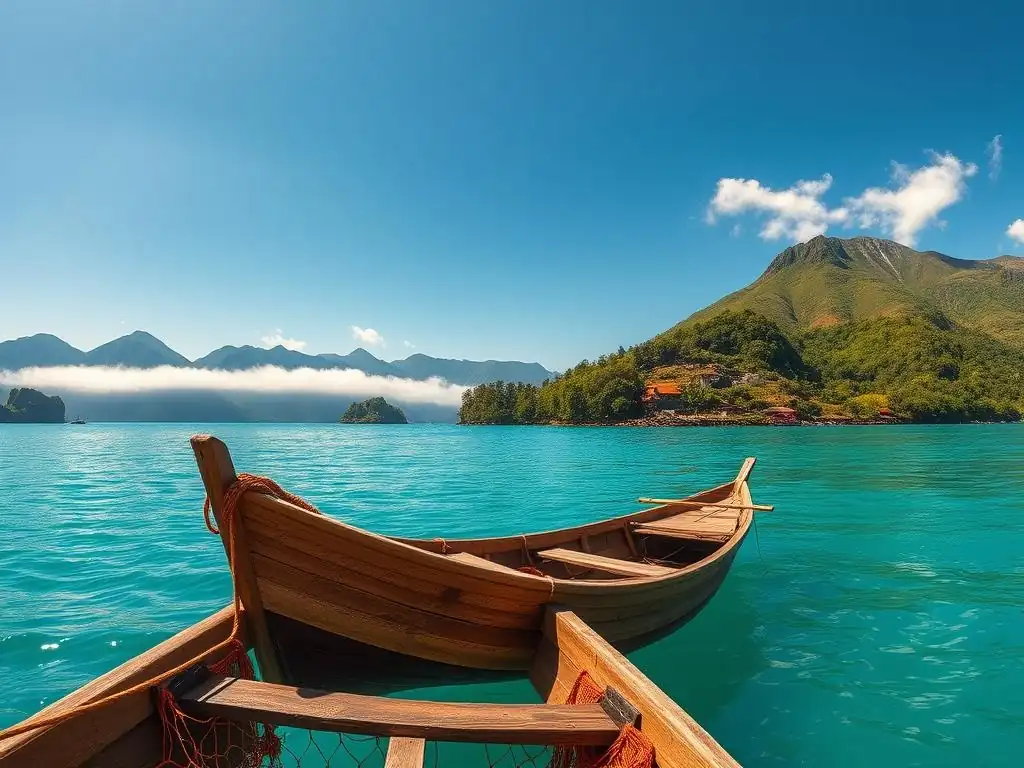
Lake Kivu's volcanic islands are not only natural wonders but also home to vibrant communities with rich cultures and traditions deeply intertwined with the lake environment. Understanding the cultural dimension of these islands adds another layer of depth to the travel experience, offering opportunities for meaningful interactions with local communities and insights into their way of life. The islands are inhabited by various ethnic groups, each with their own unique customs, languages, and practices.
Exploring the culture and communities of Lake Kivu's islands provides a more holistic and enriching travel experience, moving beyond just sightseeing to engage with the human element of this fascinating region. Supporting local economies through responsible tourism and respecting local customs are important aspects of ethical Lake Kivu volcanic islands travel.
Local Communities Living on and around the Volcanic Islands
The islands of Lake Kivu, particularly Idjwi, are densely populated and home to numerous communities. These communities are primarily engaged in agriculture, fishing, and small-scale trade. Life on the islands is often characterized by a strong connection to the land and the lake, with livelihoods directly dependent on the natural resources. Exploring the villages and interacting with local people provides a glimpse into the daily lives and traditions of these island communities.
On Idjwi Island, for example, communities are spread across the island, with agriculture being the mainstay of the economy. Coffee and banana plantations are common sights, reflecting the fertile volcanic soils. Fishing in Lake Kivu also provides an important source of food and income. Visiting local markets, participating in cultural events (if available), and engaging in respectful interactions with residents offer opportunities to learn about the local culture and support community-based tourism initiatives during your Lake Kivu volcanic islands travel.
Traditional practices and customs are deeply embedded in the lives of communities living around Lake Kivu and its islands. The lake itself holds cultural significance, often featuring in local folklore, rituals, and ceremonies. Traditional fishing practices, boat building techniques, and agricultural methods have been passed down through generations, reflecting a long history of human interaction with the lake environment.
Music, dance, and storytelling are important aspects of local culture, often expressing the relationship between people and nature. Traditional healers and spiritual leaders may play a significant role in community life, incorporating natural elements and lake resources into their practices. Respecting local customs and traditions is essential for visitors. Learning a few basic phrases in the local language and showing genuine interest in local culture can enhance interactions and contribute to a more positive and respectful Lake Kivu volcanic islands travel experience.
Sustainable Tourism and Supporting Local Economies
Promoting sustainable tourism is crucial for the long-term well-being of Lake Kivu's volcanic islands and their communities. Sustainable tourism aims to minimize negative environmental and social impacts while maximizing benefits for local economies. This involves supporting locally owned businesses, respecting local cultures, and practicing responsible environmental behavior. Choosing eco-friendly accommodations, using local guides, and purchasing locally made products are examples of sustainable tourism practices.
By engaging in sustainable Lake Kivu volcanic islands travel, visitors can contribute to the economic empowerment of local communities, ensuring that tourism revenues benefit the people who live on and around the islands. This also helps to preserve local cultures and traditions and incentivizes the protection of the natural environment. Responsible tourism practices ensure that Lake Kivu's volcanic islands remain a beautiful and culturally rich destination for future generations.
Lake Kivu Volcanic Islands Travel: A Photo Gallery
Lake Kivu's volcanic islands offer a wealth of photographic opportunities, capturing the dramatic landscapes, lush vegetation, and vibrant island life. A photo gallery would showcase the visual beauty of this unique region, inspiring potential visitors and highlighting the diverse attractions of Lake Kivu volcanic islands travel. While we cannot include actual photos here, we can describe the types of images that would be featured in such a gallery.
The photo gallery would aim to visually narrate the story of Lake Kivu's volcanic islands, from the panoramic views of the lake and islands to the close-up details of volcanic features, plant life, and local culture. The gallery would serve as a visual invitation to explore this hidden gem of the East African Rift.
Capturing the Beauty of Lake Kivu's Volcanic Landscapes
Photographs in this section would focus on the grand vistas and scenic beauty of Lake Kivu's volcanic landscapes. Imagine stunning panoramic shots of Lake Kivu at sunrise or sunset, with the volcanic islands silhouetted against the colorful sky. Pictures would capture the rolling hills and verdant slopes of Idjwi Island, showcasing its expansive volcanic terrain. Aerial views would reveal the shapes and contours of the islands, emphasizing their volcanic origins and their position within the vast expanse of Lake Kivu.
Images would highlight the dramatic contrast between the deep blue waters of the lake and the lush green vegetation covering the islands. Photos might feature the shoreline of Tshegera Island, showcasing its pristine beaches and the dense forests extending inland. Volcanic rock formations along the coastlines and on the island interiors would be captured, illustrating the geological forces that shaped these landscapes. This section would aim to visually convey the awe-inspiring beauty and scale of Lake Kivu's volcanic island scenery, enticing viewers to experience it firsthand through Lake Kivu volcanic islands travel.
Showcase photos of specific islands, volcanic features, and wildlife
This section would delve into more specific photographic subjects, showcasing the unique characteristics of individual islands, volcanic features, and the diverse wildlife inhabiting the region. Imagine photos of Idjwi Island's bustling local markets, capturing the vibrant colors and daily life of the island communities. Images of Tshegera Island would highlight its exceptional biodiversity, featuring close-ups of unique plant species and colorful birds in their natural habitat.
Photographs of volcanic features might include images of lava rock outcrops, volcanic soils, and subtle geological formations that reveal the islands' volcanic origins. Wildlife photography would showcase the birdlife of Tshegera, with images of kingfishers, weavers, and other species in flight or perched in the trees. Aquatic wildlife, if photographically accessible, could also be featured. This section would provide a closer look at the specific details and attractions of Lake Kivu's volcanic islands, further illustrating the diverse experiences available through Lake Kivu volcanic islands travel.
The Future of Volcanic Island Tourism in Lake Kivu
The future of tourism in Lake Kivu's volcanic islands holds significant potential, but also presents challenges that need to be addressed for sustainable development. As awareness of this unique destination grows, there is an opportunity to develop tourism in a way that benefits both the local communities and the environment. Balancing tourism growth with environmental conservation and community well-being is key to ensuring a positive and sustainable future for Lake Kivu volcanic islands travel.
Promoting responsible and eco-friendly tourism practices, investing in local infrastructure, and engaging local communities in tourism development are crucial steps. Addressing potential challenges, such as environmental pressures and socio-economic disparities, will be essential for realizing the full potential of sustainable tourism in this remarkable region.
Balancing Tourism and Environmental Conservation
Balancing tourism development with environmental conservation is paramount for the long-term sustainability of Lake Kivu's volcanic islands. Increased tourism can bring economic benefits, but it can also put pressure on fragile ecosystems and natural resources if not managed responsibly. Sustainable tourism strategies must prioritize environmental protection and minimize negative impacts. This includes implementing measures to reduce waste, conserve water and energy, and protect natural habitats.
Eco-tourism initiatives that focus on low-impact activities, such as hiking, birdwatching, and nature walks, can be promoted. Limiting visitor numbers in sensitive areas and establishing protected zones can help to preserve biodiversity. Educating tourists about responsible environmental practices and encouraging them to respect the natural environment are also crucial.
Effective collaboration between tourism operators, local communities, and conservation organizations is essential for achieving a balance between tourism and environmental conservation in Lake Kivu's volcanic islands. This balance is vital for ensuring the continued beauty and ecological integrity of the region for future generations of Lake Kivu volcanic islands travel enthusiasts.
Promoting Sustainable Lake Kivu Volcanic Islands Travel
Promoting sustainable Lake Kivu volcanic islands travel is essential for ensuring that tourism benefits local communities and protects the environment. This involves encouraging responsible travel practices among tourists and supporting tourism businesses that are committed to sustainability. Marketing efforts can focus on highlighting the unique natural and cultural attractions of the islands while emphasizing the importance of responsible tourism.
Promoting community-based tourism initiatives, such as locally owned guesthouses and tour operators, can ensure that tourism revenues directly benefit local economies. Encouraging tourists to engage in activities that support local communities, such as visiting local markets and cultural centers, can also contribute to sustainable tourism. Providing tourists with information about responsible travel practices, such as respecting local customs, minimizing waste, and supporting conservation efforts, can empower them to be responsible visitors. By actively promoting sustainable Lake Kivu volcanic islands travel, the region can attract environmentally conscious tourists and ensure a more positive and lasting impact from tourism.
Discuss potential future developments and challenges
The future of tourism in Lake Kivu's volcanic islands holds both exciting potential developments and challenges that need to be navigated. Potential developments could include improved infrastructure, such as better transportation links to and between the islands, and enhanced tourism facilities, such as eco-lodges and visitor centers. Increased investment in conservation efforts and community development projects could also contribute to a more sustainable and attractive tourism destination.
However, challenges remain. These include managing the potential impacts of increased tourism on the environment and local cultures, ensuring equitable distribution of tourism benefits to local communities, and mitigating potential risks associated with the region's volcanic and limnic activity. Political instability and security concerns in the region can also pose challenges to tourism development.
Addressing these challenges requires careful planning, effective management, and ongoing collaboration between stakeholders. By proactively addressing these challenges and capitalizing on the potential for sustainable tourism, Lake Kivu's volcanic islands can look forward to a future where tourism contributes to both economic prosperity and environmental preservation, offering a unique and responsible Lake Kivu volcanic islands travel experience for visitors from around the world.
Frequently Asked Questions
What makes the volcanic islands of Lake Kivu unique for travel?
The volcanic islands of Lake Kivu are unique because they offer a blend of stunning natural beauty and intriguing geological features. These islands are relatively unexplored, providing an off-the-beaten-path travel experience.
Are the volcanic islands on Lake Kivu safe to visit, considering the lake's dissolved gases?
While Lake Kivu contains dissolved methane and carbon dioxide, making it a meromictic lake, the risk of a limnic eruption is continuously monitored. Current travel to the islands is considered safe, but it's crucial to stay informed about any volcanic activity.
What types of activities can travelers experience on the volcanic islands of Lake Kivu?
Travelers can enjoy a variety of activities, including hiking, bird watching, exploring local villages, and learning about the region's unique geology. The islands offer opportunities for cultural immersion and adventure tourism.
How can I get to the volcanic islands of Lake Kivu?
Access to the islands is typically by boat from towns such as Gisenyi (Rwanda) or Bukavu (DR Congo). It's recommended to arrange transportation with local tour operators or boat services for a safe and reliable journey.
What kind of volcanic activity is associated with the islands in Lake Kivu?
The volcanic activity is primarily associated with the broader East African Rift System. While the islands themselves may not display active eruptions, the region is prone to earthquakes and potential gas releases from the lake, requiring constant monitoring and preparedness.
Final Reflection: Embracing the Untamed Beauty
The journey through the volcanic islands of Lake Kivu, as we've explored, reveals more than just stunning landscapes; it underscores the powerful intersection of geological forces and vibrant human life. These hidden gems, once overlooked, now stand as testaments to resilience and the enduring allure of the East African Rift.
The impact of responsible tourism on these islands is undeniable. It's a privilege to witness such raw beauty, but also a responsibility to ensure its preservation for future generations. The delicate balance between economic development and environmental protection is paramount. We do not inherit the earth from our ancestors; we borrow it from our children.
This proverb serves as a constant reminder of the stewardship required to safeguard these unique ecosystems.
As you consider your next adventure, I invite you to look beyond the well-trodden paths. Embrace the untamed beauty of the Lake Kivu volcanic islands. Let the spirit of exploration guide you, but let respect and responsibility be your compass. By choosing sustainable travel, you can contribute to the preservation of these hidden gems and leave a positive impact on the communities that call them home.
Unleash Your Inner Explorer: Discover the Secrets of Kivu's Volcanoes!
Thank you for exploring the fascinating volcanic islands of Lake Kivu! Now that you've learned about their unique beauty and geological significance, it's time to turn your newfound knowledge into adventure and join the Volcano Explorers community.
Here's how to get started:
- Plan your trip: Research and create an itinerary for exploring one (or more!) of these incredible islands. Consider what you want to see, do, and learn during your visit.
- Share your passion: Post your favorite fact about Lake Kivu's volcanic islands on social media using #VolcanoExplorers.
- Continue your exploration: Discover more articles on our website about the East African Rift's geology or safe volcano hiking practices.
Which island intrigues you most? What questions remain about exploring Lake Kivu? Share your thoughts in the comments below!