
The Role of Mantle Plumes in Rift Valley Volcanism

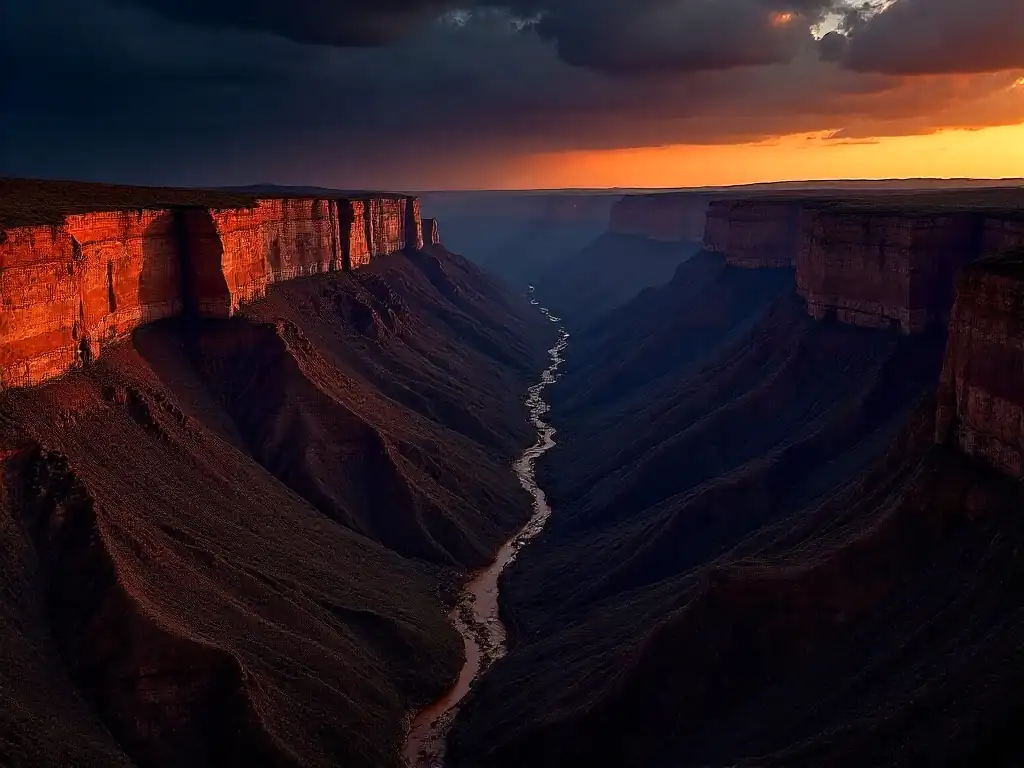
Welcome to Volcano Explorers, where the Earth breathes fire! Ever wondered how some of the most dramatic landscapes on our planet are forged? Prepare to journey deep beneath the surface as we unravel the mysteries of mantle plumes and rift volcanism. What role do these fiery upwellings play in shaping the colossal rift valleys of our world? The answer might just surprise you...
- Introduction: Exploring Rift Valley Volcanism and Mantle Plumes
-
Frequently Asked Questions
- What exactly are mantle plumes, and how do they contribute to volcanism?
- How does the presence of a mantle plume influence rift valley volcanism specifically?
- What is rift valley volcanism, and where are some examples of this phenomenon?
- How do scientists study the relationship between mantle plumes and rift valley volcanism?
- Are all rift valleys associated with mantle plumes, and what happens if there is no mantle plume?
- Final Reflection: Unveiling Earth's Deep Secrets
- Ignite Your Inner Volcanologist!
Introduction: Exploring Rift Valley Volcanism and Mantle Plumes
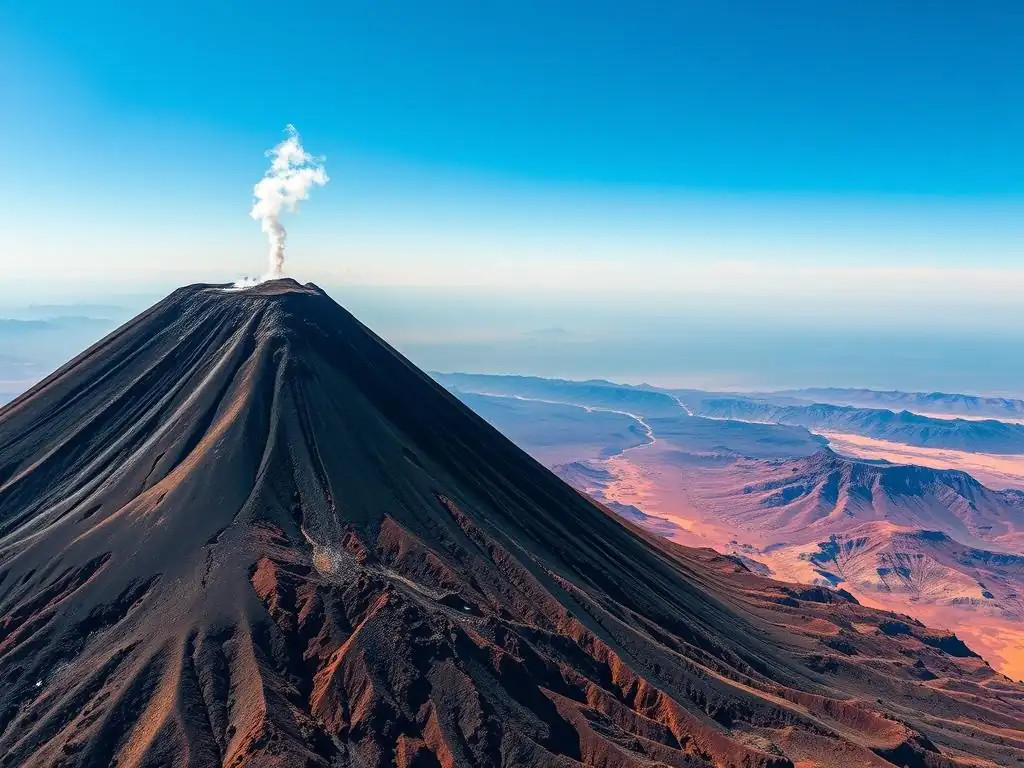
East African Rift System: Unveiling Volcanic Processes
The East African Rift System (EARS) stands as a colossal geological laboratory, offering unparalleled insights into the Earth's dynamic processes. This vast continental rift valley, stretching thousands of kilometers across eastern Africa, is not merely a crack in the Earth's crust; it's a region of intense geological activity, most notably volcanism.
From the Afar Triangle in the north to Mozambique in the south, the EARS showcases a spectacular array of volcanic landscapes, from towering stratovolcanoes to expansive lava fields and deep calderas. The sheer scale and diversity of volcanic activity within the EARS make it a crucial area for understanding the fundamental mechanisms that drive volcanism on our planet.
Volcanic activity in the East African Rift System is not simply a consequence of tectonic plate separation; it is profoundly influenced by the upwelling of hot material from deep within the Earth's mantle – mantle plumes. These plumes are considered to be a primary driving force behind the rifting process itself and the extensive volcanism that characterizes the region.
The interplay between plate tectonics and mantle plume dynamics creates a complex and fascinating geological environment, resulting in a wide spectrum of volcanic phenomena. Studying the EARS provides crucial clues about how mantle plumes interact with the lithosphere to generate magma, trigger eruptions, and ultimately shape the Earth's surface.
Frequently Asked Questions
What exactly are mantle plumes, and how do they contribute to volcanism?
Mantle plumes are upwellings of hot rock from deep within the Earth's mantle. They rise and can cause volcanism by partially melting the lithosphere above, generating magma.
How does the presence of a mantle plume influence rift valley volcanism specifically?
Mantle plumes can weaken the lithosphere in rift valleys, making it easier for the crust to thin and fracture. This facilitates the ascent of magma and the formation of volcanoes along the rift.
What is rift valley volcanism, and where are some examples of this phenomenon?
Rift valley volcanism occurs where the Earth's crust is pulling apart, creating valleys and allowing magma to reach the surface. Examples include the East African Rift Valley and Iceland.
How do scientists study the relationship between mantle plumes and rift valley volcanism?
Scientists use various methods, including seismic imaging to detect mantle plumes, geochemical analysis of volcanic rocks to understand magma sources, and geodetic measurements to track crustal deformation.
Are all rift valleys associated with mantle plumes, and what happens if there is no mantle plume?
Not all rift valleys are directly linked to mantle plumes. Some rifts form due to tectonic forces alone, but a mantle plume significantly enhances volcanic activity and rift propagation.
Okay, here's a final reflection crafted for your article "The Role of Mantle Plumes in Rift Valley Volcanism," designed to resonate with readers and encourage further thought, while also incorporating the keyword "mantle plumes and rift volcanism":
Final Reflection: Unveiling Earth's Deep Secrets
The exploration of mantle plumes and rift volcanism is not merely an academic exercise; it's a crucial endeavor for understanding the dynamic forces shaping our planet and influencing its future. The insights gained from studying these geological phenomena provide invaluable context for assessing volcanic hazards, understanding continental evolution, and even informing our search for resources. The ongoing research into the interplay between these deep-seated processes and surface manifestations is more relevant than ever in a world increasingly vulnerable to natural disasters.
The enduring fascination with mantle plumes and their role in shaping the dramatic landscapes of rift valleys stems from their ability to connect the Earth's deepest interior with its surface expression. This connection reminds us that the planet is a complex, interconnected system where seemingly disparate processes are intimately linked. The Earth is a dynamic planet, and its surface is a reflection of the processes occurring deep within its mantle.
This quote encapsulates the profound understanding that studying mantle plumes and rift volcanism offers us, revealing the hidden engine driving geological change.
As we conclude this exploration of mantle plumes and rift volcanism, I invite you to consider the immense power and intricate beauty of the Earth's geological processes. Reflect on the profound implications of these discoveries for our understanding of the planet's past, present, and future. Let us continue to explore, question, and learn, ensuring that our knowledge of these deep Earth processes contributes to a safer and more sustainable future for all.
Okay, I'm ready to craft a Call to Action (CTA) for the end of a web article titled "The Role of Mantle Plumes in Rift Valley Volcanism" for the website "Volcano Explorers" with the domain "volcanoexplorers.org". Here's the CTA:
Ignite Your Inner Volcanologist!
Thanks for diving deep into the fascinating world of mantle plumes and Rift Valley volcanism. We hope you've gained a new appreciation for the powerful forces shaping our planet. Now, let's turn that knowledge into action!
- Delve deeper: Explore interactive maps visualizing global mantle plume locations and their impact on volcanic activity.:
- Share your newfound knowledge:Start a discussion on our forum about your favorite Rift Valley volcanoes and the unique characteristics influenced by mantle plumes.
- Contribute: If you have visited the Rift Valley, share your photos and stories with our community to enrich our collective understanding and inspire future exploration.
Which Rift Valley volcano has piqued your curiosity the most after reading this article? Let's chat about it in the comments below!