
Volcanic Gases and Island Life: A Toxic Breath or a Source of Nutrients?

Welcome to Volcano Explorers!
Imagine a paradise veiled in a toxic mist. Can volcanic gases truly shape the destinies of entire ecosystems? Dive into our latest exploration of the impact of volcanic gases on ecosystems, and uncover the surprising dual role these emissions play in shaping island life. Prepare to question everything you thought you knew about the delicate balance between destruction and creation in these extraordinary landscapes…
- Introduction: The Dual Nature of Volcanic Gases on Island Ecosystems
- The Dark Side: Toxic Effects of Volcanic Gases on Island Ecosystems
- The Silver Lining: Volcanic Gases as Nutrient Sources for Island Life
- Island-Specific Case Studies: Understanding the Varying Impact of Volcanic Gases
- Balancing Act: The Long-Term Effects and Management of Volcanic Gases on Island Ecosystems
- Conclusion: Embracing the Complexity of Volcanic Gases in Shaping Island Ecosystems
-
Frequently Asked Questions
- What are the primary volcanic gases and how do they impact surrounding ecosystems?
- How does acid rain, caused by volcanic gases, affect plant life and soil composition?
- Can volcanic gases ever be beneficial to ecosystems? If so, how?
- What are the long-term ecological consequences of large-scale volcanic eruptions that release massive amounts of gases?
- How do scientists monitor volcanic gas emissions, and why is this monitoring important for island ecosystems?
- Final Reflection: A Breath of Life and Death
- Ignite Your Inner Geologist: Dive Deeper into Volcanic Wonders!
Introduction: The Dual Nature of Volcanic Gases on Island Ecosystems
Volcanic islands, born from fiery depths, are paradoxical environments where creation and destruction constantly intertwine. One of the most compelling examples of this duality is the impact of volcanic gases on their ecosystems. These gases, released from vents and fissures, are not merely a byproduct of volcanic activity; they are active agents that can both devastate and nourish island life.
While often perceived as a toxic breath, posing threats to flora, fauna, and human populations, volcanic gases also play a crucial role in enriching soils and fertilizing the surrounding oceans, acting as a fundamental source of nutrients in these often isolated and fragile environments. Understanding this double-edged sword is key to appreciating the complex and dynamic nature of volcanic island ecosystems.
The Dark Side: Toxic Effects of Volcanic Gases on Island Ecosystems
Volcanic gases, a complex cocktail primarily composed of water vapor, carbon dioxide, sulfur dioxide, and hydrogen sulfide, can exert significant toxic effects on island ecosystems. The immediate impact is often visible in the form of damaged vegetation, stressed animal populations, and respiratory issues in humans. The long-term consequences can be even more profound, leading to habitat degradation, biodiversity loss, and altered ecological balance. The specific effects and their severity depend on the type and concentration of gases released, the prevailing weather conditions, and the vulnerability of the local ecosystem.
Acid Rain Formation and its Consequences for Island Vegetation and Water Sources
Sulfur dioxide (SO2), a prominent component of volcanic emissions, is a major contributor to acid rain. When SO2 reacts with water vapor and oxygen in the atmosphere, it forms sulfuric acid (H2SO4). This acidic precipitation can significantly lower the pH of rainwater, soil, and surface waters. The consequences for island ecosystems are far-reaching.
Acid rain leaches essential nutrients like calcium and magnesium from soils, making them less fertile and impacting plant growth. It also mobilizes toxic metals such as aluminum, which can further damage plant roots and inhibit nutrient uptake. Aquatic ecosystems are particularly vulnerable, as acidification of lakes and streams can harm or kill fish, amphibians, and invertebrates, disrupting the entire food web.
Specific examples of acid rain damage on Hawai'i Island
Hawai'i Island, frequently impacted by emissions from Kīlauea volcano, provides stark examples of acid rain damage. The southeastern flanks of the island, downwind of the volcanic vents, have experienced widespread forest dieback known as "vog damage" or "sulfur dioxide injury." Native forests of ʻōhiʻa lehua ( Metrosideros polymorpha), a keystone species, are particularly susceptible.
Studies conducted by the U.S. Geological Survey have documented visible leaf damage, reduced growth rates, and increased mortality in ʻōhiʻa trees exposed to chronic vog conditions. Furthermore, sensitive watersheds on the island have shown increased acidity and elevated levels of dissolved aluminum, affecting freshwater ecosystems and potentially impacting drinking water sources. Agricultural areas, particularly orchid and anthurium farms located downwind of volcanic vents, also suffer from acid rain damage, leading to reduced yields and economic losses.
The Impact of Volcanic Gas Emissions on Island Fauna: A Threat to Biodiversity
The impact of volcanic gas emissions extends beyond vegetation, posing a direct threat to island fauna and biodiversity. Animals, especially those with sensitive respiratory systems, can suffer from direct inhalation of toxic gases like sulfur dioxide and hydrogen sulfide. High concentrations can lead to respiratory distress, eye and skin irritation, and even death. Chronic exposure to lower levels can weaken animals, making them more susceptible to disease and predation.
Beyond direct toxicity, volcanic gases can indirectly impact fauna by altering their habitat. Acid rain damage to vegetation reduces food availability and shelter for herbivores and the animals that prey on them. Changes in water chemistry can also disrupt aquatic food chains, affecting fish populations and the animals that depend on them.
Cases of animal mortality due to volcanic gas exposure on Montserrat
Montserrat, a volcanic island in the Caribbean, has experienced significant volcanic activity from the Soufrière Hills volcano since 1995. While pyroclastic flows and ashfall have caused widespread devastation, volcanic gas emissions have also contributed to animal mortality and habitat disruption. Reports from the Montserrat Volcano Observatory and environmental agencies indicate that areas frequently exposed to high concentrations of volcanic gases have witnessed declines in bird populations and terrestrial invertebrate diversity.
Livestock grazing in areas downwind of volcanic vents has suffered respiratory problems and reduced productivity. Although large-scale animal die-offs directly attributable solely to volcanic gas inhalation are less frequently documented compared to events like lahars or pyroclastic flows, the chronic exposure and habitat degradation caused by volcanic gases exert a persistent pressure on Montserrat's fauna, contributing to long-term biodiversity loss in affected zones.
Volcanic Smog (Vog) and Its Health Effects on Island Communities
Volcanic smog, or "vog," is a form of air pollution created when volcanic gases, primarily sulfur dioxide, react with sunlight, oxygen, and moisture in the atmosphere. This complex chemical reaction produces sulfate aerosols and other particulate matter, creating a hazy smog that can blanket volcanic islands. Vog poses significant health risks to island communities, particularly for individuals with pre-existing respiratory conditions such as asthma, bronchitis, and emphysema.
Inhalation of vog can trigger asthma attacks, worsen respiratory symptoms, and cause irritation of the eyes, nose, and throat. Studies conducted in Hawai'i, which frequently experiences vog from Kīlauea volcano, have linked vog exposure to increased hospital admissions for respiratory illnesses and cardiovascular problems.
Children and the elderly are particularly vulnerable to the health effects of vog. Beyond respiratory issues, vog can also contribute to cardiovascular stress and exacerbate other health conditions, highlighting the significant public health challenge it presents for communities living near active volcanoes.
The Silver Lining: Volcanic Gases as Nutrient Sources for Island Life
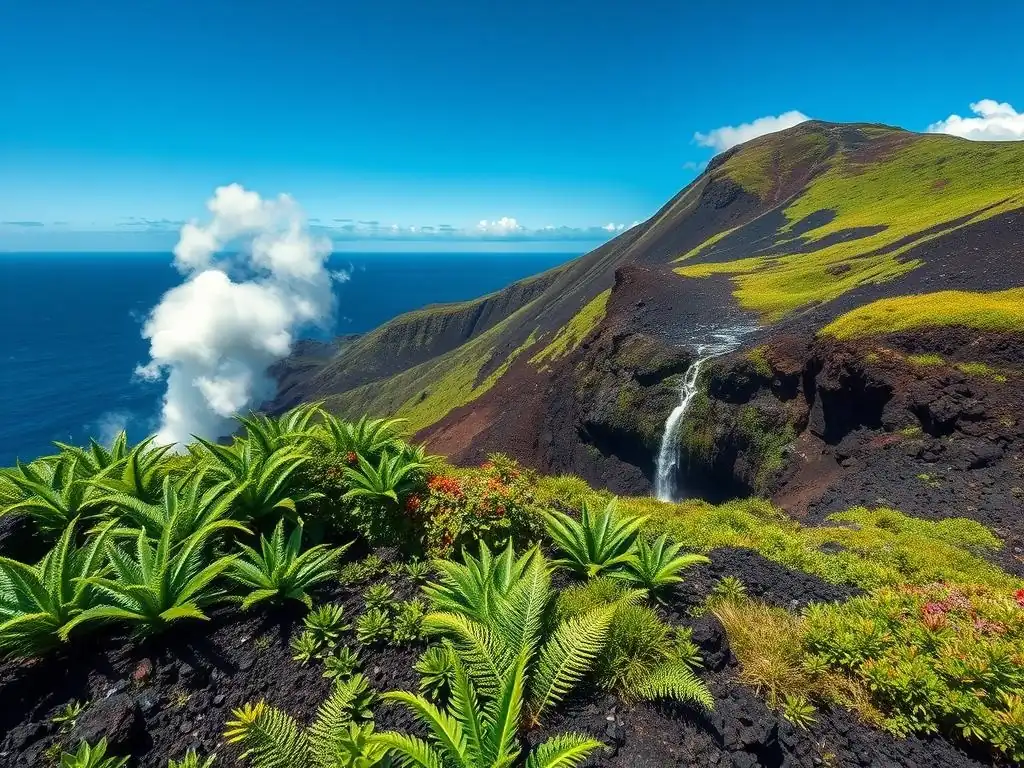
While the toxic effects of volcanic gases are undeniable, these same emissions also possess a remarkable capacity to act as a source of essential nutrients for island ecosystems. This seemingly contradictory role is central to understanding the resilience and productivity of many volcanic islands. Volcanic gases, particularly sulfur dioxide and carbon dioxide, can contribute significantly to soil enrichment, ocean fertilization, and the support of specialized plant communities adapted to volcanic environments. This nutrient contribution is particularly important in island ecosystems, which are often geographically isolated and nutrient-limited compared to continental landmasses.
The Role of Volcanic Gases in Soil Enrichment on Islands
Volcanic gases play a crucial role in the formation and enrichment of volcanic soils, which are often surprisingly fertile despite originating from barren rock. Weathering of volcanic rock releases essential minerals, but the atmospheric deposition of volcanic gases accelerates this process and introduces additional nutrients. Sulfur dioxide, while contributing to acid rain in high concentrations, also provides sulfur, an essential macronutrient for plant growth.
When sulfur dioxide is deposited in soils, it is converted into sulfate, a form readily available for plant uptake. Similarly, volcanic ash, often associated with gas emissions, contains a range of minerals including phosphorus, potassium, calcium, and magnesium, all vital for plant nutrition. Over time, the continuous input of volcanic gases and ash contributes to the development of fertile volcanic soils that can support diverse and productive ecosystems, even in areas close to active volcanic vents.
Volcanic Gases and the Marine Environment: Fertilizing the Ocean Around Islands
The impact of volcanic gases extends beyond terrestrial ecosystems, significantly influencing the marine environment surrounding volcanic islands. Volcanic gases, particularly sulfur dioxide and carbon dioxide, can be deposited directly into the ocean through submarine volcanic vents or indirectly through atmospheric deposition. These gases contribute to ocean fertilization, a process where the addition of nutrients stimulates phytoplankton growth, the base of the marine food web.
Iron, another element released during volcanic activity, is often a limiting nutrient in ocean waters, and its input from volcanic sources can trigger phytoplankton blooms. These blooms not only support marine life but also play a role in carbon sequestration, drawing down atmospheric carbon dioxide. Studies around volcanic islands, such as the Canary Islands and Iceland, have shown enhanced phytoplankton productivity and altered marine food webs linked to volcanic gas and hydrothermal vent inputs, highlighting the significant role of volcanism in marine nutrient cycling.
The Positive Impact of Volcanic Gases on Specialized Island Flora
Certain plant species have evolved unique adaptations to thrive in volcanic environments, even benefiting directly from the gases emitted. These specialized flora often colonize areas close to volcanic vents and fissures where conditions are harsh and toxic to most other plants. These plants exhibit tolerance to acidic soils, high concentrations of certain elements, and even direct exposure to volcanic gases.
In some cases, they can even utilize certain volcanic gases as nutrient sources. For example, some microorganisms in volcanic soils can oxidize sulfur compounds, making them available to plants as sulfate. This creates a niche for specialized plant communities adapted to these extreme conditions, contributing to the unique biodiversity of volcanic landscapes.
Examples of plants that thrive in volcanic environments due to gas-derived nutrients on the Canary Islands
The Canary Islands, a volcanic archipelago, host examples of flora adapted to utilize gas-derived nutrients. On Tenerife, near Mount Teide, the Teide violet ( Viola cheiranthifolia) and Teide bugloss ( Echium wildpretii) are iconic examples of plants thriving in high-altitude volcanic environments. These species are adapted to the harsh conditions of volcanic soils, including low nutrient availability and frequent exposure to volcanic gases.
While specific studies directly linking their nutrient uptake to volcanic gases are still ongoing, it is hypothesized that these plants, and associated microbial communities in the soil, may have evolved mechanisms to utilize sulfur and other elements derived from volcanic emissions. The presence of these unique plant communities highlights the complex interplay between volcanic activity and biodiversity, even in areas where gas emissions are a prominent environmental factor.
Island-Specific Case Studies: Understanding the Varying Impact of Volcanic Gases
The impact of volcanic gases on island ecosystems is not uniform; it varies significantly depending on the specific volcanic island, the type and intensity of volcanic activity, prevailing wind patterns, and the resilience of the local ecosystem. Examining case studies of different volcanic islands provides valuable insights into the diverse ways volcanic gases shape island environments. Montserrat and Iceland offer contrasting examples, highlighting the spectrum from predominantly negative to surprisingly positive impacts.
Case Study 1: Montserrat - A Volcanic Island Dominated by Toxic Gas Effects
Montserrat, in the Lesser Antilles, provides a compelling case study of a volcanic island where the toxic effects of volcanic gases have been particularly pronounced. The ongoing eruption of the Soufrière Hills volcano since 1995 has resulted in persistent and significant volcanic gas emissions, primarily sulfur dioxide. Prevailing winds have carried these gases westward, impacting large portions of the island.
The western side of Montserrat has experienced extensive acid rain damage, deforestation, and soil degradation. Agricultural productivity has declined significantly in affected areas, and human health issues related to vog exposure have been a persistent concern. The long-term environmental consequences are profound, with altered ecosystem structure, reduced biodiversity, and ongoing challenges for human populations.
Analyzing the long-term environmental consequences of volcanic gas emissions on Montserrat
The long-term environmental consequences of volcanic gas emissions on Montserrat are multifaceted and complex. Continuous acid rain deposition has led to chronic soil acidification and nutrient leaching, hindering forest regeneration and impacting long-term vegetation recovery. The repeated exposure to volcanic gases and ashfall has also weakened the resilience of ecosystems, making them more vulnerable to other environmental stressors such as climate change and invasive species.
Biodiversity loss is a significant concern, with potential extinctions of endemic species and shifts in community composition. Furthermore, the socio-economic impacts are intertwined with the environmental damage, as reduced agricultural yields and health issues affect livelihoods and community well-being. Montserrat serves as a stark reminder of the potential for volcanic gases to exert a long-lasting and predominantly negative influence on island ecosystems and human societies.
Case Study 2: Iceland - An Island Where Volcanic Gases Fuel a Thriving Ecosystem
Iceland, a volcanically active island in the North Atlantic, presents a contrasting case study where volcanic gases, alongside other volcanic processes, contribute to a surprisingly thriving ecosystem. While Iceland experiences volcanic gas emissions, including sulfur dioxide and hydrogen sulfide, the overall impact is often less detrimental and even beneficial in certain aspects. The island's geology, characterized by basaltic rocks, and its climate, with abundant rainfall, buffer against extreme acidification.
Geothermal activity, fueled by volcanic heat, supports unique ecosystems around hot springs and hydrothermal vents. Furthermore, volcanic ash deposition contributes significantly to soil fertility, supporting productive grasslands and unique vegetation communities. The marine environment around Iceland also benefits from volcanic inputs, with hydrothermal vents supporting chemosynthetic ecosystems and volcanic iron fertilization contributing to phytoplankton productivity.
Examining the unique ecological adaptations on Iceland to utilize volcanic gas nutrients
Iceland's ecosystems exhibit remarkable adaptations to utilize nutrients derived from volcanic sources, including gases. Microbial communities in geothermal areas thrive on chemosynthesis, utilizing hydrogen sulfide and other volcanic compounds as energy sources. Plants in volcanic soils have adapted to efficiently uptake nutrients released from weathering volcanic ash and gas deposition.
In the marine environment, phytoplankton communities are adapted to utilize iron and other trace elements released from hydrothermal vents and volcanic eruptions. These adaptations highlight the long-term evolutionary interplay between volcanic activity and life on Iceland. The island's ecosystem, while shaped by volcanic forces that can be destructive, also demonstrates a remarkable capacity to harness volcanic resources, including gases, to support a productive and diverse biota.
Balancing Act: The Long-Term Effects and Management of Volcanic Gases on Island Ecosystems
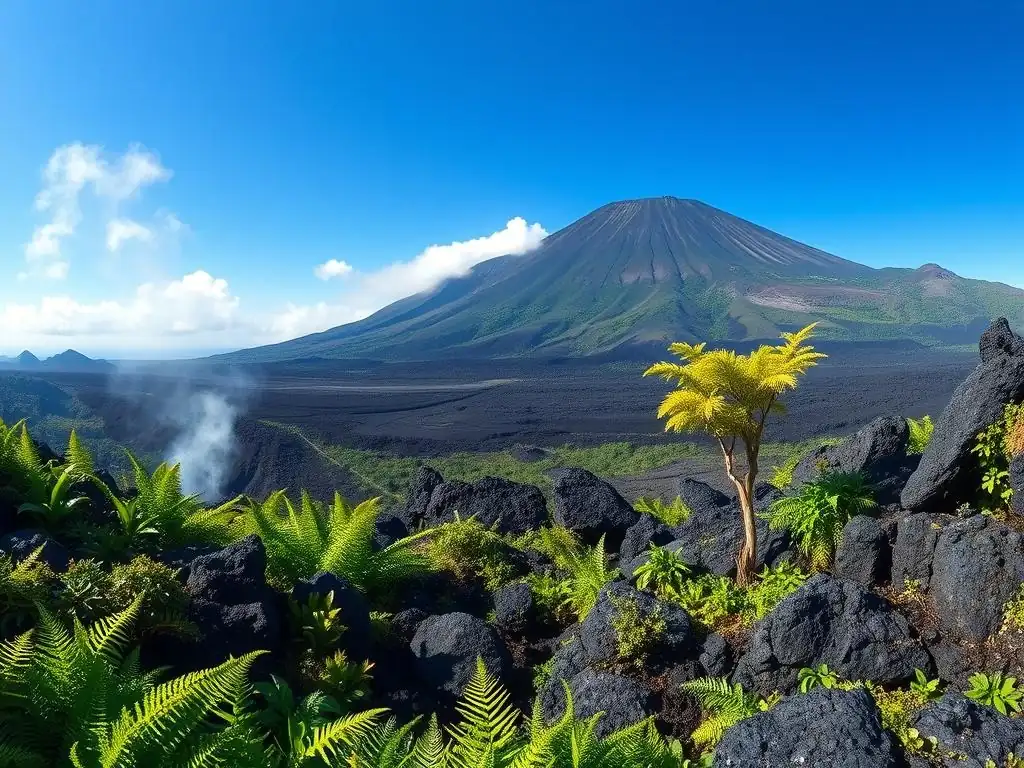
Managing the impact of volcanic gases on island ecosystems requires a delicate balancing act. While acknowledging the inherent risks and toxic effects, it is also crucial to recognize the nutrient contributions and the integral role volcanic processes play in shaping these environments. Strategies for mitigating negative impacts must be tailored to the specific volcanic island and its ecosystem, considering the long-term ecological and socio-economic consequences. Effective monitoring, community preparedness, and sustainable land management practices are essential components of a balanced approach.
Strategies for Mitigating the Negative Impacts of Volcanic Gases on Island Communities
Mitigating the negative impacts of volcanic gases on island communities involves a multi-faceted approach. Volcano monitoring is paramount, providing early warning of increased gas emissions and allowing for timely public health advisories and potential evacuations. Public education campaigns are crucial to inform communities about the health risks of vog and volcanic gases, and to promote protective measures such as staying indoors, using respirators, and avoiding outdoor activities during periods of high gas concentrations. In areas chronically affected by vog, promoting indoor air quality through ventilation systems and air purifiers can reduce exposure.
Land management practices that promote soil health and vegetation resilience can help buffer against acid rain damage. Diversifying agricultural practices and exploring alternative livelihoods can reduce economic vulnerability in areas prone to volcanic gas impacts. Long-term strategies should focus on sustainable development that considers volcanic hazards and integrates resilience into island planning and infrastructure.
Conclusion: Embracing the Complexity of Volcanic Gases in Shaping Island Ecosystems
Volcanic gases are far more than just a toxic byproduct of eruptions; they are a complex and dynamic force shaping island ecosystems in profound and often paradoxical ways. They represent both a destructive breath, capable of inflicting ecological damage and posing health risks, and a source of vital nutrients, enriching soils, fertilizing oceans, and supporting specialized life forms.
Understanding this dual nature is essential for appreciating the intricate workings of volcanic island environments. By embracing this complexity, we can move beyond a simplistic view of volcanic gases as solely negative, recognizing their integral role in the ongoing creation, destruction, and renewal that defines the dramatic and awe-inspiring world of volcanoes and the islands they forge.
Frequently Asked Questions
What are the primary volcanic gases and how do they impact surrounding ecosystems?
The primary volcanic gases are water vapor, carbon dioxide, and sulfur dioxide. These gases can negatively impact ecosystems through acid rain and suffocation, but can also provide essential nutrients in small concentrations.
How does acid rain, caused by volcanic gases, affect plant life and soil composition?
Acid rain, formed when volcanic gases mix with atmospheric moisture, can damage plant leaves and root systems. It also alters soil pH, impacting nutrient availability and harming beneficial soil microbes.
Can volcanic gases ever be beneficial to ecosystems? If so, how?
Yes, in small amounts, volcanic gases can be beneficial. The released minerals and nutrients can enrich the soil, promoting plant growth and supporting unique ecosystems adapted to volcanic environments.
What are the long-term ecological consequences of large-scale volcanic eruptions that release massive amounts of gases?
Large-scale eruptions can cause widespread deforestation and habitat loss due to gas toxicity and ashfall. The long-term impact includes altered species composition and potential for ecosystem recovery over decades or centuries.
How do scientists monitor volcanic gas emissions, and why is this monitoring important for island ecosystems?
Scientists use remote sensing and ground-based instruments to monitor gas emissions. This monitoring is crucial for island ecosystems because it allows for early warning of potential hazards and helps understand the delicate balance of these isolated environments.
Final Reflection: A Breath of Life and Death
The exploration of volcanic gases and their impact on island ecosystems reveals a complex duality, highlighting how a seemingly destructive force can also be a catalyst for life. We've seen how these emissions, often perceived as toxic, contribute essential nutrients that shape the unique biodiversity of these environments, challenging our simplistic notions of environmental harm.
The ongoing influence of volcanic activity on island life is undeniable, shaping both its fragility and resilience. Witnessing this interplay between destruction and creation underscores the interconnectedness of all things and the power of nature to adapt and thrive in the face of adversity. The earth has music for those who listen.
- William Shakespeare. This quote perfectly encapsulates the subtle symphony of life and death played out on volcanic islands, a constant reminder that even in the most challenging environments, life finds a way.
As we conclude this exploration, consider the lessons learned from these volcanic landscapes. How can we, as stewards of our own ecosystems, learn to appreciate the complex and often contradictory forces that shape our world? Let us strive to understand the delicate balance between destruction and creation, and embrace the potential for renewal that exists even in the face of seemingly insurmountable challenges.
Okay, I'm ready to craft a CTA for a web article titled "Volcanic Gases and Island Life: A Toxic Breath or a Source of Nutrients?" on the website Volcano Explorers (volcanoexplorers.org). Here it is:
Ignite Your Inner Geologist: Dive Deeper into Volcanic Wonders!
Thank you for exploring the complex relationship between volcanic gases and island ecosystems with us! We hope this article has shed light on the surprising dual nature of these often-overlooked elements. Now, it's time to turn that knowledge into action!
Here are a few ways to continue your volcanic exploration:
- Embark on a Virtual Field Trip: Use online resources like Google Earth to virtually explore volcanic islands around the world. Observe the vegetation patterns and hypothesize about the impact of volcanic gas emissions on those ecosystems. This hands-on experience connects theoretical knowledge to real-world applications.
- Share your insights! Help spread awareness about the fascinating interplay between volcanic gases and island life with your friends and family. It might just spark a new conversation.
- Consider supporting Volcano Explorers! Your support fuels our mission to bring accessible, engaging scientific information to everyone!
What other unexpected ways do you think volcanic gases might be influencing life on our planet? Share your thoughts in the comments below!