
Volcanic Islands in Art and Literature: Inspiration from Earth's Fiery Creations

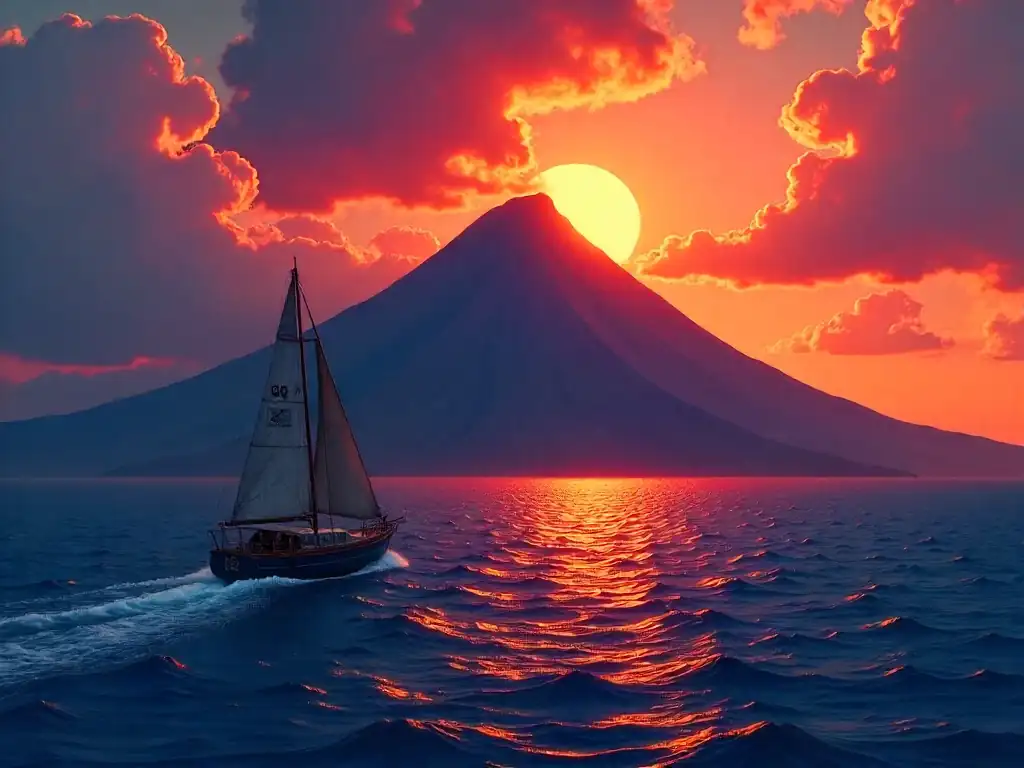
Welcome to Volcano Explorers!
Prepare to be captivated by the raw power and breathtaking beauty of volcanoes. Have you ever wondered how these fiery giants have inspired artists and writers throughout history? Dive into our exploration of Volcanic Islands in Art and discover how Earth's most dramatic landscapes have ignited the creative spirit, leaving a lasting impact on our imaginations. What secrets do these volcanic canvases hold? Let's find out...
- Introduction: The Allure of Volcanic Islands in Art and Literature
- The Geological Formation of Volcanic Islands: A Foundation for Artistic Interpretation
- Volcanic Islands as Muses: Recurring Themes in Art
- Literary Explorations of Volcanic Islands: From Adventure to Metaphor
- Case Studies: Specific Volcanic Islands and Their Artistic Representations
- The Ecological Significance of Volcanic Islands: A Source of Artistic Inspiration
- The Future of Volcanic Islands in Art: A Call for Conservation and Awareness
- Conclusion: The Enduring Legacy of Volcanic Islands in Creative Expression
-
Frequently Asked Questions
- How have volcanic islands served as inspiration for artists and writers?
- What are some examples of famous artworks or literary works featuring volcanic islands?
- Why are volcanic islands often associated with themes of creation and destruction?
- How does the study of volcanoes and volcanic islands inform artistic and literary interpretations?
- What cultural significance do volcanic islands hold for communities living near them?
- Final Reflection: Echoes of Fire and Creation
- Ignite Your Inner Explorer: Create Your Own Volcanic Masterpiece!
Introduction: The Allure of Volcanic Islands in Art and Literature
Exploring the Intersection of Volcanic Landscapes and Creative Expression
Volcanic islands, born from the Earth's fiery depths, have long captivated the human imagination, serving as potent sources of inspiration across various artistic and literary disciplines. These dramatic landscapes, characterized by stark contrasts of black volcanic rock against azure waters, the raw power of active volcanoes, and the surprising resilience of life in such environments, present a unique visual and metaphorical vocabulary for artists and writers alike.
From ancient myths and legends to contemporary paintings and novels, the allure of volcanic islands stems from their inherent duality: they are places of destruction and creation, isolation and vibrant ecosystems, danger and breathtaking beauty. This duality mirrors the complexities of human experience, making volcanic islands a compelling subject for creative exploration.
The Power of Volcanic Landscapes: Discovering Their Artistic Influence
The artistic influence of volcanic islands is deeply rooted in their capacity to evoke profound emotions and stimulate creative thought. The sheer scale of volcanic formations, like the towering calderas and vast lava fields, dwarfs human endeavors, instilling a sense of awe and humility.
The dynamic nature of volcanic activity, with eruptions that can reshape entire islands in moments, speaks to the powerful forces of nature, prompting reflections on impermanence and change. Furthermore, the unique ecosystems that thrive on volcanic islands, often isolated and harboring endemic species, offer compelling narratives of adaptation and resilience.
Artists and writers are drawn to these elements, finding in volcanic islands a rich tapestry of themes to explore, from the sublime and the romantic to the ecological and the existential. The very essence of a volcanic island – its birth from fire, its sculpted terrain, and its isolated existence – becomes a powerful metaphor for human creativity and the ongoing dialogue between humanity and the natural world.
The Geological Formation of Volcanic Islands: A Foundation for Artistic Interpretation
Understanding the Creation of Volcanic Islands: A Geological Perspective
Volcanic islands are geological marvels, primarily formed through the gradual accumulation of lava erupted from underwater volcanoes. This process, often unfolding over millions of years, begins with magma rising from the Earth's mantle at hotspots or along tectonic plate boundaries.
As magma breaches the ocean floor, it cools and solidifies, forming volcanic cones. Repeated eruptions layer upon layer of lava, ash, and pyroclastic material, eventually building the volcano upwards until it emerges above sea level, creating a volcanic island.
The shape and composition of these islands are dictated by the type of volcanic activity, with shield volcanoes like those in Hawaii exhibiting gentle slopes formed by fluid basaltic lava flows, and stratovolcanoes, like Mount Teide in Tenerife, presenting steeper profiles due to more viscous lava and explosive eruptions. The geological history of each volcanic island, marked by periods of intense activity and dormancy, leaves an indelible mark on its landscape, influencing its topography, soil composition, and ultimately, its aesthetic character.
How Island Formation Shapes the Imagination of Artists and Writers
The dramatic geological processes that give rise to volcanic islands are not merely scientific facts; they are fundamental narratives that profoundly shape the artistic and literary imagination. The very idea of land emerging from the sea through fire and immense pressure is inherently dramatic, offering a powerful origin story.
Artists are drawn to the visual contrasts born from this formation: the stark blackness of basalt against the vibrant blue of the ocean, the jagged textures of lava flows, and the smooth curves of volcanic cones. Writers, in turn, find in the geological timescale of island formation a metaphor for time itself – for creation, destruction, and the slow, inexorable forces of nature.
The geological narrative provides a framework for understanding the character of volcanic islands, informing artistic interpretations that range from realistic depictions of the landscape to symbolic explorations of primal forces and the Earth's dynamic nature. The knowledge of how these islands are born from fire and pressure imbues their artistic representations with a deeper resonance, connecting the aesthetic experience to the raw power of geological processes.
Volcanic Islands as Muses: Recurring Themes in Art
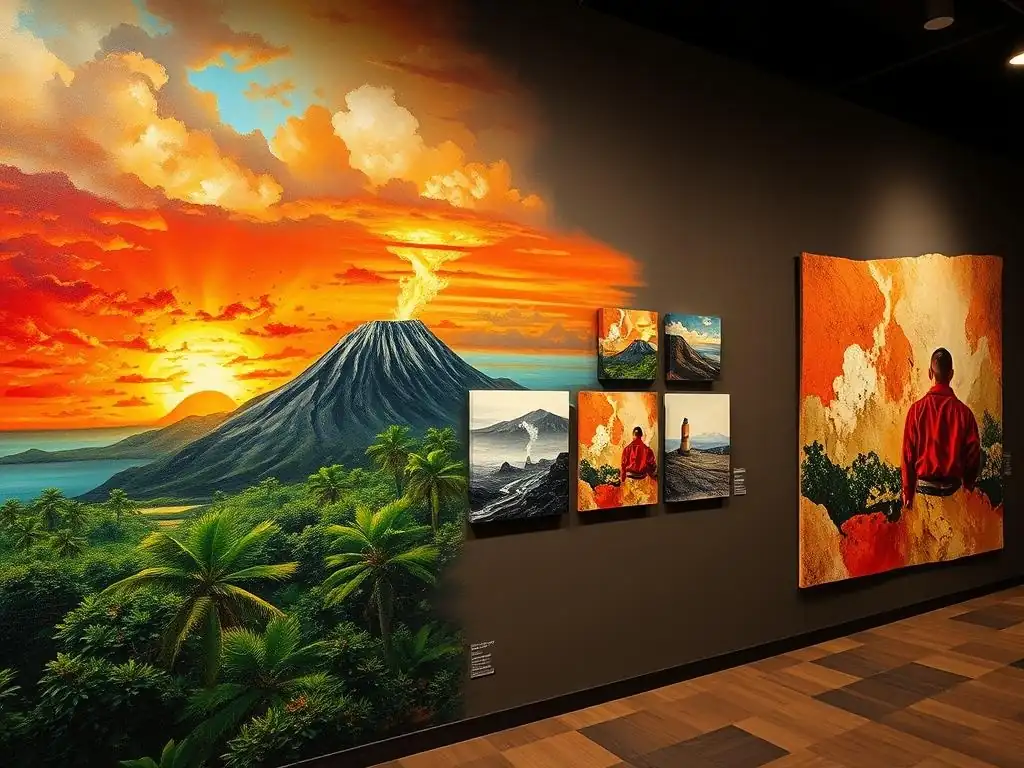
Fire, Water, and Land: Common Visual Motifs in Volcanic Island Art
The visual vocabulary of volcanic island art frequently revolves around the elemental triad of fire, water, and land. Fire, in its most literal sense, is represented by volcanic eruptions, lava flows, and the fiery glow emanating from craters. This motif captures the raw, destructive, and yet transformative power of volcanic activity. Water, often depicted as the surrounding ocean, provides a stark contrast to the fiery land, emphasizing the island's isolation and the constant interplay between creation and erosion. The land itself, formed by volcanic processes, is characterized by rugged coastlines, volcanic peaks, and unique geological formations. Artists often explore the tension and harmony between these elements, using them to convey themes of power, isolation, beauty, and the dynamic nature of the Earth. The interplay of these motifs, often rendered in dramatic colors and textures, forms a visual language unique to volcanic island art, capturing the essence of these extraordinary landscapes.
Georgia O'Keeffe: Capturing the Raw Power of Volcanic Landscapes in Hawaii
Georgia O'Keeffe's 1939 visit to Hawaii, specifically to the island of Maui, marked a significant period in her artistic journey, during which she produced a series of paintings that vividly capture the raw power and unique beauty of volcanic landscapes. Commissioned by the Hawaiian Pineapple Company (now Dole Food Company) to create paintings for advertising, O'Keeffe initially felt disconnected from the tropical imagery expected. However, she soon became deeply fascinated by the volcanic terrain, particularly the stark, sculptural forms of volcanic rocks and the vibrant, unexpected flora that thrived in this environment.
Her paintings from this period, such as "Black Lava Bridge, Hana Coast, No. 1" and "Hibiscus with Plumeria," showcase her signature style – close-up perspectives, simplified forms, and intense colors – applied to the volcanic landscape.
O'Keeffe's Hawaiian works are not just picturesque depictions; they are powerful interpretations that convey the geological forces at play and the unique ecological character of volcanic islands. She managed to translate the feeling of awe and the sense of primordial energy emanating from these landscapes onto canvas, cementing volcanic islands as a subject worthy of serious artistic exploration.
Caspar David Friedrich: Exploring the Sublime Isolation of Volcanic Landscapes
While Caspar David Friedrich, the iconic German Romantic painter, is not directly associated with painting volcanic islands in a literal sense, his works embody the spirit of sublime isolation and the awe-inspiring power of nature that resonates deeply with the essence of volcanic island landscapes. Friedrich's paintings, such as "Wanderer Above the Sea of Fog" and "The Monk by the Sea," often depict solitary figures dwarfed by vast, dramatic natural settings.
These settings, while typically inspired by the Baltic coast and German mountains, share a thematic kinship with volcanic islands. The sense of isolation, the confrontation with the immensity of nature, and the feeling of the sublime – a mixture of awe and terror in the face of overwhelming power – are all central to Friedrich's artistic vision and are also core experiences evoked by volcanic landscapes.
His use of atmospheric perspective, muted color palettes, and the recurring motif of solitary figures contemplating nature's grandeur, translates the emotional and spiritual impact of remote, powerful landscapes. In this sense, Friedrich's work can be seen as capturing the emotional core of the volcanic island experience, even if not depicting them directly, highlighting the universal human response to landscapes that inspire both wonder and a sense of insignificance.
Literary Explorations of Volcanic Islands: From Adventure to Metaphor
Volcanic Islands in Adventure Novels: A Setting for Peril and Discovery
Volcanic islands have long served as compelling settings for adventure novels, providing a backdrop of inherent drama and potential peril. The isolated nature of these islands, often geographically remote and difficult to reach, immediately creates a sense of otherworldliness and separation from the familiar world.
The presence of active or dormant volcanoes adds a layer of unpredictable danger, introducing the element of natural catastrophe into the narrative. Authors utilize volcanic landscapes to heighten tension, create obstacles for characters to overcome, and explore themes of survival and resilience.
The unique flora and fauna of volcanic islands, often distinct and sometimes dangerous, further enrich the setting, offering opportunities for exploration and encounters with the unknown. From classic adventure tales to contemporary thrillers, volcanic islands provide a potent combination of exotic locales, inherent risks, and dramatic geological features, making them ideal stages for narratives of exploration, survival, and human endeavor in the face of nature's power.
Using Volcanic Islands as Metaphors: Exploring Themes of Destruction and Rebirth
Beyond their use as adventure settings, volcanic islands frequently function metaphorically in literature, becoming powerful symbols for broader themes of destruction, rebirth, isolation, and the human condition. The volcanic process itself – of creation emerging from destruction – is a potent metaphor for transformative change, both on a personal and societal level. Eruptions and lava flows, while destructive, also pave the way for new life, creating fertile land and reshaping ecosystems.
This cycle of destruction and renewal mirrors human experiences of loss and growth, making volcanic islands a rich symbolic landscape for exploring these themes. The isolation of islands can represent both physical and emotional detachment, while the intense geological forces can symbolize inner turmoil or external pressures.
Writers use volcanic imagery to add layers of meaning to their narratives, drawing upon the inherent symbolism of these landscapes to explore complex human emotions and universal experiences. The dramatic contrasts and inherent dynamism of volcanic islands offer a fertile ground for metaphorical exploration, allowing authors to delve into profound themes using the powerful imagery of the natural world.
Jules Verne: Weaving Volcanic Landscapes into Narrative
Jules Verne, the master of adventure literature, frequently incorporated volcanic landscapes into his narratives, leveraging their inherent drama and scientific intrigue to enhance his storytelling. In novels like "Journey to the Center of the Earth" (1864), Verne uses a dormant Icelandic volcano, Snæfellsjökull, as the gateway to a subterranean world, blending scientific speculation with thrilling adventure.
The volcanic setting is not merely a backdrop; it is integral to the plot, providing both the means of entry and the source of the extraordinary geological phenomena encountered within the Earth. Verne’s meticulous descriptions of volcanic formations and geological processes, though often embellished for dramatic effect, reflect a contemporary fascination with volcanology and the mysteries of the Earth's interior.
His use of volcanic islands and volcanoes in general demonstrates their narrative potential for creating a sense of wonder, danger, and scientific exploration. Verne masterfully wove volcanic landscapes into the fabric of his stories, using them to propel the plot, create atmosphere, and ignite the reader's imagination about the hidden forces shaping our planet.
Joan Didion: Utilizing Volcanic Imagery for Symbolic Depth
Joan Didion, renowned for her incisive essays and novels exploring American culture and personal experience, subtly but powerfully employs volcanic imagery to enrich the symbolic depth of her writing. While not always explicitly setting her narratives on volcanic islands, Didion often uses volcanic metaphors and allusions to convey themes of instability, latent power, and the fragile nature of societal and personal landscapes.
In essays like "Notes from a Native Daughter," her reflections on California and her own identity are imbued with a sense of underlying geological tension, reminiscent of the volcanic forces shaping the Californian landscape. The idea of dormant but potentially active forces beneath the surface, much like a volcano, mirrors Didion's exploration of unspoken anxieties and simmering social undercurrents.
Her prose, characterized by its precise and often stark style, echoes the stark beauty of volcanic landscapes. Didion's subtle use of volcanic imagery adds a layer of symbolic resonance to her work, suggesting a world constantly on the verge of change, where beneath the surface of normalcy lie powerful, sometimes destructive, forces.
Case Studies: Specific Volcanic Islands and Their Artistic Representations
Santorini, Greece: A Timeless Muse for Artists and Writers
Santorini's Unique Landscape and its Impact on Artistic Vision
Santorini, the crescent-shaped Greek island, is perhaps the most visually striking volcanic island in the world, and its unique landscape has served as a timeless muse for artists and writers for centuries. The island's dramatic caldera, formed by a massive volcanic eruption around 1600 BC, creates a breathtaking amphitheater of cliffs plunging into the Aegean Sea.
The iconic whitewashed villages perched precariously on the caldera rim, contrasted against the dark volcanic rock and the deep blue sea, offer an unparalleled visual spectacle. This dramatic topography, combined with the intense Mediterranean light, has inspired countless painters, photographers, and filmmakers.
The stark beauty of Santorini’s landscape evokes a sense of drama and timelessness, attracting artists seeking to capture its unique light, color palette, and architectural harmony with the volcanic terrain. The island's visual identity, deeply intertwined with its volcanic origins, has become synonymous with Cycladic beauty and a source of endless artistic fascination.
Literary Works Inspired by Santorini's Volcanic History
Santorini's volcanic history, particularly the cataclysmic Minoan eruption, has also deeply influenced literary works, both directly and indirectly. The eruption, one of the largest volcanic events in human history, is often linked to the legend of Atlantis, fueling speculation and inspiring fictional narratives about lost civilizations and catastrophic natural disasters. While no definitive historical accounts of Santorini's artistic influence from ancient times directly survive, the island's mythology and the sheer scale of the eruption have resonated through literary history.
More recently, contemporary writers have drawn inspiration from Santorini’s dramatic landscape and its layered history, setting novels and poems against the backdrop of the caldera and exploring themes of destruction, resilience, and the enduring power of nature. The island's volcanic past continues to inform literary imaginations, making Santorini not just a visual marvel but also a place imbued with historical and mythical resonance.
Iceland: A Land of Fire and Ice Inspiring Nordic Sagas and Modern Art
The Influence of Icelandic Volcanoes on Local Art and Folklore
Iceland, aptly named "The Land of Fire and Ice," is a volcanic island nation where geothermal activity is deeply interwoven into the cultural fabric, influencing both local art and folklore. The dramatic landscapes, shaped by glaciers and volcanoes, have fostered a rich tradition of sagas and myths, often featuring powerful natural forces and elemental beings.
Volcanoes, geysers, and hot springs are not just geological features in Icelandic folklore; they are often personified, imbued with spiritual significance, and integrated into narratives that explain the origins and character of the land. Traditional Icelandic art, from woodcarvings to textile designs, often reflects the stark beauty and powerful energy of the volcanic landscape, incorporating motifs inspired by lava formations, glaciers, and the dynamic interplay of fire and ice.
The ever-present volcanic activity in Iceland has shaped a cultural mindset that embraces the power of nature and finds inspiration in its dramatic manifestations, fostering a unique artistic and folkloric tradition deeply connected to the land.
Contemporary Artists' Interpretations of Iceland's Volcanic Activity
Contemporary Icelandic artists continue to draw inspiration from the island's volcanic activity, interpreting it through diverse mediums and perspectives. Painters, photographers, sculptors, and performance artists engage with the volcanic landscape, exploring themes ranging from environmentalism and climate change to the sublime and the human relationship with nature.
The frequent volcanic eruptions in Iceland, such as the 2010 Eyjafjallajökull eruption, have not only disrupted global air travel but have also become subjects of artistic exploration, prompting reflections on the power of nature in the modern age. Icelandic artists often utilize the raw materials provided by the volcanic landscape, such as basalt and volcanic ash, in their work, creating a tangible connection between their art and the land itself.
The ongoing volcanic activity in Iceland ensures that it remains a dynamic and ever-evolving source of inspiration for contemporary artists, who continue to find new ways to interpret and represent the island's unique geological character.
Hawaii: A Volcanic Paradise Celebrated in Art and Literature
Hawaiian Mythology and its Connection to Volcanic Islands
The Hawaiian archipelago, a chain of volcanic islands, holds a profound connection to volcanic activity deeply embedded in its mythology and cultural traditions. Pele, the Hawaiian goddess of volcanoes and fire, is a central figure in Hawaiian mythology, embodying the creative and destructive forces of volcanism.
Volcanoes, particularly Kīlauea on the Big Island, are considered sacred sites, the dwelling places of Pele, and are revered and respected in Hawaiian culture. Myths and legends explain the formation of the islands through volcanic eruptions attributed to Pele, and these narratives are passed down through generations, reinforcing the spiritual and cultural significance of volcanoes.
Traditional Hawaiian art forms, such as hula and chants (oli), often incorporate references to volcanoes, lava, and Pele, celebrating the power and beauty of the volcanic landscape. The close relationship between Hawaiian culture and volcanic islands is reflected in its rich mythology, artistic expressions, and deep reverence for the natural world.
Modern Artistic Representations of Hawaiian Volcanic Landscapes
Modern artistic representations of Hawaiian volcanic landscapes build upon this rich cultural foundation, expanding and diversifying the ways in which these islands are depicted and interpreted. From landscape painting and photography to contemporary installations and digital art, artists continue to explore the unique visual and emotional impact of Hawaii's volcanic terrain.
Painters capture the vibrant colors of volcanic sunsets, the stark contrast of black lava against lush vegetation, and the dynamic energy of volcanic eruptions. Photographers document the diverse geological formations, from black sand beaches to volcanic craters, showcasing the raw beauty and geological complexity of the islands.
Contemporary artists engage with themes of environmentalism, cultural identity, and the ongoing volcanic activity in Hawaii, using art to raise awareness about the fragile ecosystems and the dynamic forces shaping these volcanic paradises. Modern artistic interpretations of Hawaiian volcanic landscapes demonstrate the enduring power of these islands to inspire creativity across diverse media and artistic perspectives, carrying forward the legacy of cultural reverence and artistic fascination with Hawaii's volcanic origins.
The Ecological Significance of Volcanic Islands: A Source of Artistic Inspiration
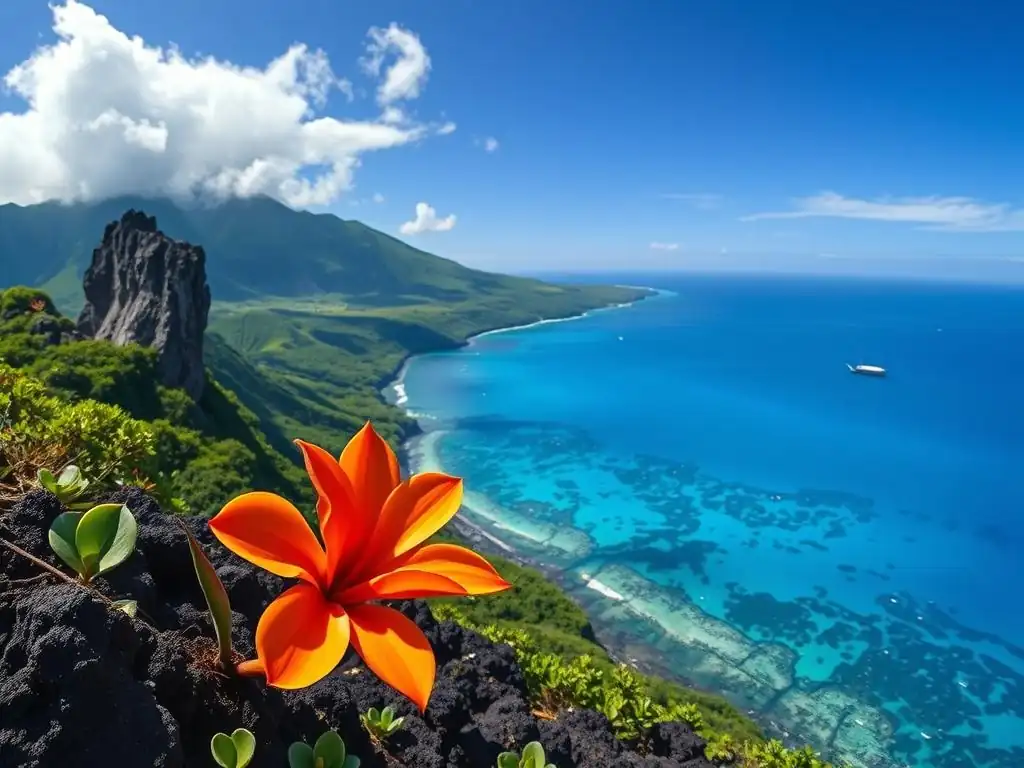
Biodiversity on Volcanic Islands: Depicting Unique Flora and Fauna
Volcanic islands, despite their fiery origins, often become havens of unique biodiversity, offering a compelling source of inspiration for artists interested in ecological themes. Due to their isolation, volcanic islands often develop endemic species – plants and animals found nowhere else on Earth.
The process of ecological succession on volcanic islands, as life gradually colonizes barren lava fields and transforms them into fertile ecosystems, is a dramatic narrative of resilience and adaptation. Artists are drawn to the unusual flora and fauna of volcanic islands, depicting the vibrant colors of endemic flowers, the unique adaptations of island birds, and the intricate ecosystems that thrive in these isolated environments.
Scientific illustrations, nature photography, and contemporary art installations all contribute to visualizing and celebrating the biodiversity of volcanic islands, raising awareness about the unique ecological value and the importance of conservation efforts in these fragile ecosystems. The depiction of biodiversity in volcanic island art not only showcases aesthetic beauty but also highlights the scientific and ecological significance of these natural laboratories of evolution.
The Cycle of Destruction and Renewal: Reflecting Ecological Processes in Art
The ecological processes on volcanic islands are characterized by a continuous cycle of destruction and renewal, a dynamic interplay that profoundly influences artistic interpretations. Volcanic eruptions, while initially destructive, eventually enrich the soil with minerals, creating fertile ground for new plant life. Ecological succession follows volcanic events, with pioneer species gradually colonizing barren landscapes, paving the way for more complex ecosystems to develop over time.
This cycle of destruction and renewal mirrors natural processes of ecological change and resilience, offering a powerful metaphor for life's inherent dynamism. Artists explore this cycle through various mediums, depicting the stark beauty of volcanic devastation alongside the vibrant resurgence of life.
Paintings and photographs capture the contrast between black lava fields and emerging greenery, while literary works explore themes of ecological resilience and the long-term effects of volcanic events on island ecosystems. Art that reflects the ecological cycle of volcanic islands not only aesthetically represents natural processes but also encourages a deeper understanding of ecological dynamics and the interconnectedness of life and geological forces.
The Future of Volcanic Islands in Art: A Call for Conservation and Awareness
Artistic Responses to Climate Change and Volcanic Island Ecosystems
In the face of climate change, volcanic island ecosystems are increasingly vulnerable, and artists are responding by using their work to raise awareness and inspire action. Rising sea levels, ocean acidification, and changes in weather patterns pose significant threats to the fragile biodiversity and unique landscapes of volcanic islands. Artists are creating works that document the impacts of climate change on these vulnerable environments, depicting coral bleaching, coastal erosion, and the loss of endemic species.
Photography, film, and digital art are used to visualize the effects of climate change, while performance art and installations engage audiences emotionally with the urgency of environmental issues. Artistic responses to climate change in volcanic island contexts often emphasize the interconnectedness of ecosystems and the global implications of environmental degradation, using the dramatic landscapes of volcanic islands as a focal point for broader environmental concerns.
Promoting Volcanic Island Conservation Through Art and Literature
Art and literature play a crucial role in promoting volcanic island conservation by fostering appreciation, understanding, and a sense of responsibility towards these unique environments. By showcasing the beauty and ecological significance of volcanic islands, artists and writers can inspire a sense of wonder and value, motivating individuals to support conservation efforts.
Documentary photography and filmmaking can highlight the threats facing volcanic island ecosystems, while narrative storytelling can create emotional connections and empathy for the natural world. Art exhibitions, literary festivals, and online platforms can serve as venues for raising awareness and engaging the public in conservation discussions.
By collaborating with scientists, conservation organizations, and local communities, artists and writers can amplify the message of conservation and contribute to tangible actions that protect volcanic islands for future generations. The power of art and literature lies in their ability to transcend scientific data and policy debates, reaching hearts and minds to inspire a collective commitment to environmental stewardship.
Conclusion: The Enduring Legacy of Volcanic Islands in Creative Expression
Celebrating the Powerful Connection Between Nature and Art
The enduring legacy of volcanic islands in creative expression lies in their ability to forge a powerful and lasting connection between nature and art. These dramatic landscapes, born from fire and sculpted by time, have served as a continuous source of inspiration for artists and writers across cultures and centuries. Volcanic islands offer a unique visual and metaphorical vocabulary, encompassing themes of creation and destruction, isolation and biodiversity, power and fragility.
Artistic and literary interpretations of volcanic islands reflect a deep human fascination with the forces of nature, the beauty of the Earth, and the complex relationship between humanity and the environment. This enduring legacy celebrates the capacity of nature to inspire creativity and the ability of art to illuminate the wonders and challenges of the natural world.
Continuing to Explore the Artistic Potential of Volcanic Landscapes
The artistic potential of volcanic landscapes remains vast and largely unexplored, offering ongoing opportunities for creative innovation and exploration. As our understanding of volcanic processes and island ecosystems deepens, and as environmental challenges intensify, artists and writers will continue to find new ways to interpret and represent these dynamic environments. Emerging technologies, such as virtual reality and interactive digital art, offer new avenues for experiencing and engaging with volcanic landscapes, pushing the boundaries of artistic expression.
The ongoing volcanic activity around the world, coupled with the increasing awareness of environmental issues, ensures that volcanic islands will remain a relevant and compelling subject for artistic exploration in the future. The creative journey inspired by volcanic landscapes is far from over; it is a continuing dialogue between human imagination and the Earth's fiery creations, promising new artistic discoveries and insights for generations to come.
Frequently Asked Questions
How have volcanic islands served as inspiration for artists and writers?
Volcanic islands, with their dramatic landscapes and powerful imagery, have long been a source of inspiration. Artists and writers are drawn to their unique geological features and the inherent sense of danger and beauty.
What are some examples of famous artworks or literary works featuring volcanic islands?
Many works depict volcanic islands, from Romantic paintings showcasing fiery eruptions to novels exploring themes of isolation and survival on these remote lands. Think of J.R.R. Tolkien's Mordor, loosely based on volcanic landscapes.
Why are volcanic islands often associated with themes of creation and destruction?
Volcanic islands are born from destructive volcanic activity, but they also create new land and life. This duality makes them powerful symbols of both creation and destruction, reflecting the cyclical nature of the Earth.
How does the study of volcanoes and volcanic islands inform artistic and literary interpretations?
Understanding the science behind volcanic activity provides a deeper appreciation for the forces shaping these landscapes. This knowledge can enhance the artistic and literary representations of volcanic islands, adding layers of meaning.
What cultural significance do volcanic islands hold for communities living near them?
For communities near volcanic islands, they can be both a source of livelihood (fertile soil, tourism) and a potential threat. This complex relationship often shapes cultural beliefs, rituals, and artistic expressions.
Final Reflection: Echoes of Fire and Creation
The exploration of volcanic islands in art and literature, as we've seen, isn't merely a historical survey; it's a vital reminder of the raw, untamed power that shapes our world and, consequently, our creative expressions. The enduring allure of these fiery landscapes lies in their potent symbolism of destruction and renewal, a cycle constantly reflected in the human experience. From ancient myths to contemporary masterpieces, volcanic islands continue to ignite the imagination, offering a canvas for exploring themes of resilience, transformation, and the sublime.
The profound impact of volcanic islands extends far beyond the artistic realm, subtly influencing our understanding of nature's duality. The sheer force of a volcanic eruption, witnessed through art and literature, evokes a sense of awe and humility, reminding us of our place within the grand scheme of the planet. This connection resonates deeply, fostering a greater appreciation for the delicate balance between creation and destruction. The mountains are fountains of men as well as of rivers, of glaciers as well as of leaves.
- John Muir. This quote encapsulates the profound generative power inherent in even the most seemingly destructive natural forces.
Now, as you reflect on the images and narratives we've explored, consider how the fiery spirit of volcanic islands might ignite your own creative spark. How can you harness the lessons of resilience and transformation, gleaned from these landscapes, to navigate the challenges and embrace the opportunities in your own life? Let the echoes of fire and creation inspire you to find beauty in the unexpected, strength in adversity, and the courage to shape your own world with passion and purpose.
Ignite Your Inner Explorer: Create Your Own Volcanic Masterpiece!
Thank you for delving into the captivating world of volcanic islands and their influence on art and literature. We hope you’ve gained a newfound appreciation for these fiery landscapes and their power to inspire. Now, it’s time to channel that inspiration into action.
Here's how you can further explore the volcanic muse:
- Embark on your own creative journey: Choose a volcanic island that resonates with you and create your own piece of art or writing inspired by its unique landscape and story. Share your creation with friends and family!
- Dive deeper: Research a specific volcanic island mentioned in the article and uncover more of its myths, legends, and historical events. Surprise yourself with the hidden stories!
- Spark the conversation: Share this article with fellow art enthusiasts, writers, or volcano lovers and discuss which volcanic island inspires them the most.
What dormant artistic potential will you unleash today, inspired by the raw beauty of volcanic islands?