
The Mystery of Island Colonization: How Does Life Bridge Vast Oceans?

Welcome to Volcano Explorers, where the Earth's fiery heart meets the edge of discovery. Ever wondered how life finds its way to newly formed volcanic islands, rising from the ocean's depths? Prepare to unravel the mystery! In this article, we delve into the fascinating volcanic islands colonization process, exploring how plants and animals conquer these seemingly barren landscapes. The journey is more astounding than you might imagine... are you ready to explore?
- Introduction: Unveiling the Secrets of Volcanic Island Life
- Understanding the Volcanic Islands Colonization Process
- The Key Players: Agents of Volcanic Island Colonization
- The Stages of Volcanic Island Colonization: A Timeline of Life's Arrival
- Case Studies: Examples of Volcanic Island Colonization in Action
- Factors Influencing the Success of Volcanic Island Colonization
- The Long-Term Effects of Volcanic Island Colonization
- The Future of Volcanic Island Colonization in a Changing World
- Conclusion: Appreciating the Resilience of Life on Volcanic Islands
-
Frequently Asked Questions
- How does life initially arrive on newly formed volcanic islands?
- What are some of the first types of organisms to colonize a volcanic island?
- What challenges do organisms face when colonizing a new volcanic island?
- How does the volcanic island colonization process contribute to biodiversity?
- What role do humans play in influencing the volcanic islands colonization process?
- Final Reflection: The Enduring Allure of New Beginnings
- Unearth Your Inner Explorer: Become a Colonization Pioneer!
Introduction: Unveiling the Secrets of Volcanic Island Life
Volcanic islands, born from the fiery depths of the Earth, emerge as barren landscapes, seemingly devoid of life. Yet, these isolated landmasses, thrust up from the ocean floor by volcanic activity, become vibrant ecosystems teeming with unique flora and fauna. The process by which life establishes itself on these newly formed islands is a fascinating mystery, a testament to the resilience and adaptability of nature. Understanding the volcanic islands colonization process is crucial not only for appreciating the biodiversity found on these unique landforms but also for informing conservation efforts in these fragile environments.
This article delves into the intricate journey of life's arrival and establishment on volcanic islands. We will explore the mechanisms of dispersal, the challenges faced by pioneering species, and the stages of ecological development that transform barren rock into thriving ecosystems.
From the microscopic spores carried by the wind to the larger seeds dispersed by birds, and even the unintentional introduction of species by humans, we will unravel the complex web of interactions that shape the volcanic islands colonization process. By examining real-world examples and case studies, we aim to shed light on the remarkable story of how life bridges vast oceans to colonize these isolated volcanic outposts.
Understanding the Volcanic Islands Colonization Process
What is Island Biogeography and Why Does it Matter for Volcanic Islands?
Island biogeography is the study of the distribution of species and ecosystems in geographic space and through geological time on islands. This field, pioneered by ecologists Robert MacArthur and E.O. Wilson, provides a framework for understanding the factors that govern species richness and composition on islands.
Central to island biogeography is the theory of island biogeography, which posits that the number of species on an island is determined by a dynamic equilibrium between immigration of new species and extinction of existing ones. The rate of immigration is influenced by the island's distance from the mainland, while the rate of extinction is influenced by the island's size.
For volcanic islands, island biogeography offers a particularly relevant lens through which to understand their ecological development. Volcanic islands are often isolated from continental landmasses, making dispersal a critical factor in the volcanic islands colonization process.
The theory helps predict how quickly and what types of species might colonize a newly formed volcanic island based on its size, age, and distance from potential source populations. Furthermore, the unique conditions of volcanic islands, such as their often harsh environments and limited resources, can lead to distinct evolutionary pathways and high levels of endemism, further highlighting the importance of island biogeography in understanding their ecology.
The Unique Challenges of Colonizing Newly Formed Volcanic Islands
Newly formed volcanic islands present a formidable array of challenges for potential colonizers. Immediately following volcanic eruptions, the landscape is typically barren, composed of volcanic rock and ash with little to no soil development. This lack of soil means a scarcity of essential nutrients like nitrogen and phosphorus, which are crucial for plant growth and, consequently, for the entire food web. The harsh environment is often exposed to intense sunlight, strong winds, and salt spray, further limiting the types of organisms that can initially survive.
Distance from mainland sources of colonists is another significant hurdle in the volcanic islands colonization process. Organisms must be able to traverse often vast stretches of ocean to reach these isolated landmasses. This dispersal limitation favors species with efficient long-distance dispersal mechanisms, such as wind-dispersed spores, floating seeds, or migratory birds.
Moreover, the initial colonizing species often face a lack of competition and predation, but this "ecological release" can be short-lived. As more species arrive, competition for limited resources intensifies, and the introduction of predators, either naturally or through human activities, can significantly alter the dynamics of the nascent island ecosystem. Successfully navigating these challenges is essential for any species attempting to establish itself in the unique and often unforgiving environment of a newly formed volcanic island.
The Key Players: Agents of Volcanic Island Colonization
Wind Dispersal: How Seeds and Spores Travel Across Oceans
Wind is a powerful and ubiquitous agent of dispersal, playing a crucial role in the volcanic islands colonization process, particularly for plant species. Lightweight seeds, spores of ferns and mosses, and even fragments of plants can be lifted by winds and carried over long distances, sometimes thousands of kilometers across oceans.
The effectiveness of wind dispersal depends on several factors, including the size and shape of the propagule (seed or spore), wind patterns, and the height to which the propagule is lifted. For instance, orchid seeds, some of the smallest seeds in the plant kingdom, are exceptionally well-suited for wind dispersal, as are the spores of many ferns and mosses.
Studies have demonstrated the significant role of wind in plant colonization of volcanic islands. For example, research on the Krakatoa archipelago, which was devastated by a volcanic eruption in 1883, showed that wind-dispersed species were among the first plants to re-establish on the islands. Similarly, in Iceland, a volcanically active island in the North Atlantic, wind dispersal is considered a major factor in the arrival of many plant species.
The prevailing westerly winds in many regions can facilitate eastward dispersal, influencing the patterns of colonization on islands located downwind from continents or larger islands. This wind-driven transport is a vital mechanism for initiating the volcanic islands colonization process and establishing the foundation for terrestrial ecosystems.
Ocean Currents: Ferries for Marine Life and Floating Debris
Ocean currents act as another important dispersal mechanism, particularly for marine organisms and for terrestrial organisms capable of rafting on floating debris. Ocean currents can transport seeds, fruits, and even entire plant fragments over considerable distances. Species with buoyant seeds or fruits, such as coconuts or mangroves, are well-adapted for ocean dispersal and are frequently found colonizing coastal areas of volcanic islands. Marine organisms, from plankton to fish larvae, are directly dispersed by ocean currents, which play a key role in shaping the marine biodiversity of volcanic island ecosystems.
The Kuroshio Current, for example, is a warm ocean current that flows northward along the western edge of the North Pacific Ocean. It is thought to have played a significant role in the dispersal of marine and terrestrial species to the Hawaiian Islands. Similarly, the South Equatorial Current and other major ocean currents influence dispersal patterns in the Pacific and Atlantic Oceans, impacting the volcanic islands colonization process globally.
Floating debris, such as pumice rafts formed during volcanic eruptions or driftwood carried by rivers, can also serve as rafts for terrestrial organisms, including insects, reptiles, and even small mammals, facilitating their journey to new volcanic islands. This oceanic transport is crucial for enriching the biodiversity of both marine and terrestrial environments on these isolated landmasses.
Avian Colonization: Birds as Island Hoppers and Seed Dispersers
Birds are highly mobile and play a multifaceted role in the volcanic islands colonization process. They act as vectors for seed dispersal, transporting seeds both internally (endozoochory) and externally (epizoochory). Birds that consume fruits and berries can ingest seeds, which then pass through their digestive system and are deposited in new locations, often far from the parent plant. Migratory birds, in particular, can travel vast distances, carrying seeds across oceans to newly formed volcanic islands. Epizoochory involves seeds adhering to feathers or mud on birds' feet, allowing for dispersal over shorter distances or between islands within an archipelago.
The Role of Migratory Birds in Volcanic Island Ecosystems
Migratory birds are especially critical in the initial stages of volcanic islands colonization process. These birds, undertaking long-distance flights between breeding and non-breeding grounds, often stop at islands for rest and refueling. During these stopovers, they can deposit seeds from their previous locations, effectively bridging continents and islands. For example, migratory shorebirds that feed in coastal wetlands can transport seeds of aquatic and wetland plants to distant volcanic islands. Similarly, land birds migrating across oceans can carry seeds of terrestrial plants.
The Hawaiian Islands, located thousands of kilometers from the nearest continent, owe a significant portion of their flora to avian dispersal. Studies suggest that a substantial number of plant species in Hawaii arrived via long-distance dispersal by birds. Furthermore, birds themselves are among the earliest animal colonizers of volcanic islands, establishing breeding populations and contributing to the developing ecosystem. Their roles extend beyond seed dispersal to nutrient cycling through guano deposition and influencing food web dynamics as predators and prey. Migratory birds, therefore, are not just visitors but active participants in shaping the ecological landscape of volcanic islands.
Human Influence: The Unintentional and Intentional Introduction of Species
Human activities have become a profound and often detrimental factor in the volcanic islands colonization process. While natural dispersal mechanisms have shaped island ecosystems for millennia, human actions have dramatically accelerated the rate and altered the nature of species introductions. Unintentional introductions occur through various pathways, including ship ballast water, contaminated cargo, and as stowaways on transportation vehicles. These unintentional introductions often include invasive species – organisms that can outcompete native flora and fauna, disrupt ecosystem processes, and cause significant ecological damage.
Intentional introductions, often for agricultural, ornamental, or biocontrol purposes, can also have unintended consequences. While some introduced species may serve their intended purpose, others can become invasive, spreading beyond their intended areas and causing ecological harm. The impact of human-mediated introductions is particularly severe on volcanic islands due to the vulnerability of island ecosystems.
Island species often lack defenses against introduced predators or competitors, making them susceptible to extinction. The introduction of rats, cats, and goats to many volcanic islands, for example, has had devastating effects on native bird populations and vegetation. Understanding and mitigating human-induced introductions is crucial for conserving the unique biodiversity of volcanic islands and managing the ongoing volcanic islands colonization process in a responsible way.
The Stages of Volcanic Island Colonization: A Timeline of Life's Arrival
Stage 1: Pioneer Species – The First to Arrive and Establish
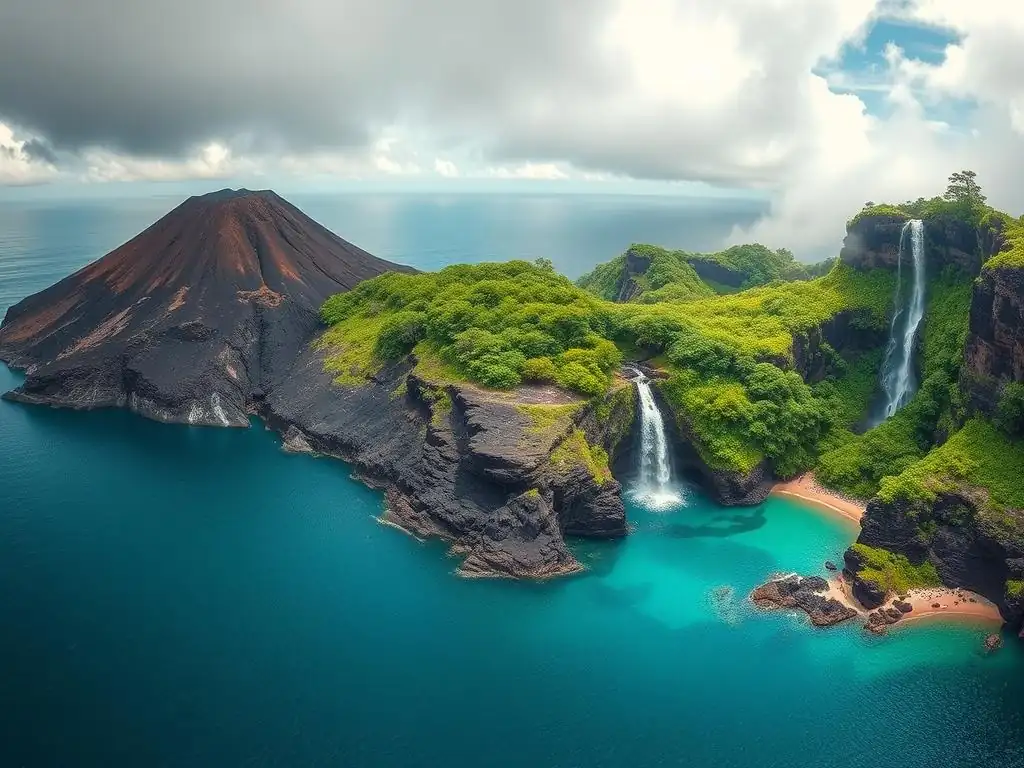
The initial stage of volcanic islands colonization process is characterized by the arrival and establishment of pioneer species. These are hardy organisms capable of surviving in the harsh, nutrient-poor conditions of a newly formed volcanic landscape. Pioneer species are typically extremophiles, adapted to tolerate extreme temperatures, high UV radiation, limited water availability, and a lack of developed soil. Examples include lichens, mosses, ferns, and certain types of algae.
Lichens, often the first visible colonizers, are symbiotic organisms composed of fungi and algae. They can grow directly on bare rock, slowly breaking it down through chemical weathering and contributing to the initial stages of soil formation. Mosses and ferns, with their wind-dispersed spores, can also establish early on, further contributing to soil development by trapping moisture and organic matter.
These pioneer species play a critical role in modifying the harsh environment, making it more hospitable for subsequent colonizers. Their ability to initiate soil formation and nutrient cycling is fundamental to the ecological succession that follows in the volcanic islands colonization process.
Stage 2: Ecosystem Development – Building Soil and Establishing Communities
Following the pioneer stage, ecosystem development accelerates as more species arrive and interact, modifying the environment and creating more complex ecological communities. The gradual accumulation of organic matter from decaying pioneer species, combined with continued weathering of volcanic rock, leads to soil development. As soil depth and nutrient availability increase, conditions become favorable for a wider range of plant species, including grasses, shrubs, and eventually trees, depending on the climate and other environmental factors.
The Importance of Nitrogen Fixation in Early Soil Development
Nitrogen fixation is a crucial process in early soil development during the volcanic islands colonization process. Nitrogen is an essential nutrient for plant growth, but it is often limiting in newly formed volcanic soils. Nitrogen fixation is the conversion of atmospheric nitrogen gas into forms usable by plants, primarily ammonia. Certain bacteria, including cyanobacteria and rhizobia, are capable of nitrogen fixation. Cyanobacteria, often found in lichens and free-living in soil, are among the earliest nitrogen fixers to colonize volcanic landscapes. Rhizobia bacteria form symbiotic relationships with leguminous plants, which are often important early colonizers in later stages.
The nitrogen fixed by these organisms enriches the soil, making it more fertile and supporting the growth of non-nitrogen-fixing plants. This process is fundamental to ecosystem development, as it allows for the establishment of more complex plant communities and supports higher trophic levels in the food web. Nitrogen fixation, therefore, is a key driver of ecological succession and plays a vital role in the volcanic islands colonization process, enabling the transformation of barren volcanic rock into a more fertile and productive ecosystem.
Stage 3: Competition and Adaptation – The Struggle for Survival
As the volcanic island ecosystem develops, competition among species intensifies. With increasing species richness and population densities, resources such as sunlight, water, nutrients, and space become limiting factors. Competition drives natural selection, favoring species that are better adapted to the specific conditions of the island environment. This stage of the volcanic islands colonization process is characterized by ecological sorting, where species with traits that confer a competitive advantage are more likely to persist and thrive, while less competitive species may decline or become locally extinct.
Adaptation plays a crucial role in this stage. Island environments often present unique selective pressures, leading to evolutionary divergence and the development of endemic species. For example, plants may evolve to be more drought-tolerant or salt-tolerant, while animals may adapt to specific food sources or predator regimes. The interplay between competition and adaptation shapes the species composition and ecological structure of the developing island ecosystem, leading towards a more stable and mature community.
Stage 4: Equilibrium and Stability – A Mature Island Ecosystem
The final stage of the volcanic islands colonization process is characterized by the establishment of a relatively stable and mature ecosystem. Species richness may reach a point of equilibrium, where immigration and extinction rates are roughly balanced. The ecosystem becomes more complex, with intricate food webs and nutrient cycles. While disturbances, such as volcanic eruptions, storms, or invasive species introductions, can still occur and alter the ecosystem, a mature island ecosystem exhibits a degree of resilience and tends to return to a stable state after disturbances.
However, it's important to note that "equilibrium" in island ecosystems is not static. Evolutionary processes continue to operate, and long-term environmental changes, such as climate change and sea-level rise, can significantly impact island ecosystems, even those considered mature. The concept of equilibrium in the volcanic islands colonization process is more about relative stability and a dynamic balance of ecological processes rather than a fixed endpoint. Mature island ecosystems are still subject to change, and their long-term trajectory is influenced by both internal ecological dynamics and external environmental factors.
Case Studies: Examples of Volcanic Island Colonization in Action
The Colonization of Surtsey: A Natural Laboratory
Surtsey, a volcanic island that emerged from the sea south of Iceland in 1963, provides a remarkable natural laboratory for studying the volcanic islands colonization process from its very beginning. Scientists have meticulously documented the arrival and establishment of life on this newly formed island. Initially barren volcanic rock and ash, Surtsey was first colonized by bacteria and fungi, followed by wind-dispersed seeds and spores. Seabirds began nesting on the island relatively quickly, their guano enriching the soil and contributing to nutrient cycling.
Within a few years, vascular plants started to appear, primarily wind-dispersed species. Ocean currents brought seeds and marine organisms, while birds played a role in seed dispersal and the introduction of insects. The colonization of Surtsey has been a relatively rapid process, with a developing ecosystem evolving in a matter of decades. The island continues to be monitored, providing valuable insights into the dynamics of primary succession and the various mechanisms driving the volcanic islands colonization process. Surtsey serves as a powerful example of how life can rapidly colonize and transform even the most inhospitable volcanic landscapes.
The Hawaiian Islands: A Hotspot of Endemic Species
The Hawaiian Islands, a volcanic archipelago in the central Pacific Ocean, represent a classic example of long-term volcanic islands colonization process and subsequent evolutionary diversification. Formed by volcanic hotspots over millions of years, the Hawaiian Islands are among the most isolated landmasses on Earth. This isolation, combined with diverse volcanic landscapes and climate zones, has fostered a remarkable degree of endemism – the evolution of unique species found nowhere else.
The Hawaiian flora and fauna are largely derived from long-distance dispersal events, primarily from the Americas and Asia. Over time, colonizing lineages have diversified and adapted to the various ecological niches available in the islands, resulting in spectacular adaptive radiations. Examples include the Hawaiian honeycreepers (birds), silversword alliance (plants), and Drosophila fruit flies, each exhibiting incredible diversity in morphology, ecology, and behavior.
The Hawaiian Islands highlight the importance of isolation and time in shaping the volcanic islands colonization process and driving the evolution of unique biodiversity hotspots. However, this fragile ecosystem is now heavily impacted by invasive species and human activities, posing significant conservation challenges.
The Galápagos Islands: Darwin's Living Laboratory
The Galápagos Islands, another volcanic archipelago in the Pacific Ocean, famously inspired Charles Darwin's theory of evolution by natural selection. Like the Hawaiian Islands, the Galápagos are relatively young volcanic islands, formed by hotspot volcanism. Their isolation and unique environmental conditions have resulted in a high degree of endemism and have provided a living laboratory for studying evolutionary processes related to the volcanic islands colonization process.
The Galápagos finches, perhaps the most iconic example, demonstrate adaptive radiation in beak morphology, linked to different food sources on the islands. Giant tortoises, marine iguanas, and flightless cormorants are other examples of unique endemic species that have evolved in the Galápagos.
The islands' flora and fauna are derived from a mix of South American and other sources, reflecting dispersal patterns influenced by ocean currents and prevailing winds. The Galápagos Islands continue to be a crucial site for ecological and evolutionary research, providing ongoing insights into the volcanic islands colonization process, adaptation, and the conservation of island biodiversity, which is increasingly threatened by introduced species and tourism impacts.
Factors Influencing the Success of Volcanic Island Colonization
Island Size and Distance from Mainland
Island size and distance from the mainland are fundamental factors influencing the success of the volcanic islands colonization process, as predicted by the theory of island biogeography. Larger islands generally support more species and have lower extinction rates compared to smaller islands. Larger islands offer a greater diversity of habitats, more resources, and larger population sizes, making them more resilient to disturbances and more likely to sustain viable populations of colonizing species.
Distance from the mainland acts as a dispersal filter. Islands closer to continents or larger islands receive higher rates of immigration, leading to faster colonization and potentially higher species richness. Conversely, remote islands experience lower immigration rates, resulting in slower colonization and potentially lower species richness, but also often higher levels of endemism as species evolve in isolation. The interplay between island size and distance shapes the species composition and ecological characteristics of volcanic islands, significantly influencing the overall volcanic islands colonization process.
Climate and Environmental Conditions
Climate and environmental conditions play a crucial role in determining which species can successfully colonize and establish on volcanic islands. Temperature, rainfall, wind patterns, and soil conditions all influence the suitability of an island for different types of organisms. Islands in tropical regions, for example, generally support higher biodiversity than islands in polar regions due to warmer temperatures and higher rainfall.
Volcanic islands often exhibit a range of microclimates and environmental gradients, influenced by elevation, aspect, and volcanic activity. These variations create diverse habitats, supporting a wider array of species and influencing the patterns of volcanic islands colonization process across the island landscape. For example, windward slopes of volcanic islands tend to receive more rainfall and support rainforest vegetation, while leeward slopes may be drier and support more arid vegetation types. The interplay of climate and environmental factors shapes the ecological zonation and species distribution patterns on volcanic islands.
Availability of Resources
The availability of resources, particularly nutrients, water, and suitable habitat, is a critical factor regulating the success of the volcanic islands colonization process. Newly formed volcanic islands are typically nutrient-poor, lacking developed soils and organic matter. The initial colonizers must be able to tolerate these resource-limited conditions. As soil develops and nutrient cycling processes become established, resource availability generally increases, supporting a greater diversity and abundance of species.
Water availability is another key constraint, especially on smaller islands or islands in arid regions. The presence of freshwater sources, such as streams, lakes, or groundwater, is essential for supporting terrestrial life. Habitat availability, including the presence of suitable nesting sites, foraging areas, and shelter, also influences colonization success. The interplay between resource availability and species requirements determines which species can establish and thrive on a volcanic island, shaping the community structure and dynamics of the developing ecosystem during the volcanic islands colonization process.
The Presence or Absence of Predation
The presence or absence of predators can have a profound impact on the volcanic islands colonization process and the structure of island ecosystems. In the early stages of colonization, predator-free environments can allow colonizing species to establish more easily and reach higher population densities. This "ecological release" from predation can be particularly important for vulnerable species.
However, the introduction of predators, either naturally or through human activities, can drastically alter island ecosystems. Island species often lack evolutionary defenses against novel predators, making them highly susceptible to predation pressure. The introduction of mammalian predators, such as rats, cats, and dogs, to volcanic islands has been a major driver of extinctions and declines in native bird and reptile populations worldwide. The dynamics of predation, whether native or introduced, significantly influences the volcanic islands colonization process, shaping species composition and ecosystem stability.
The Long-Term Effects of Volcanic Island Colonization
Endemism: The Evolution of Unique Island Species
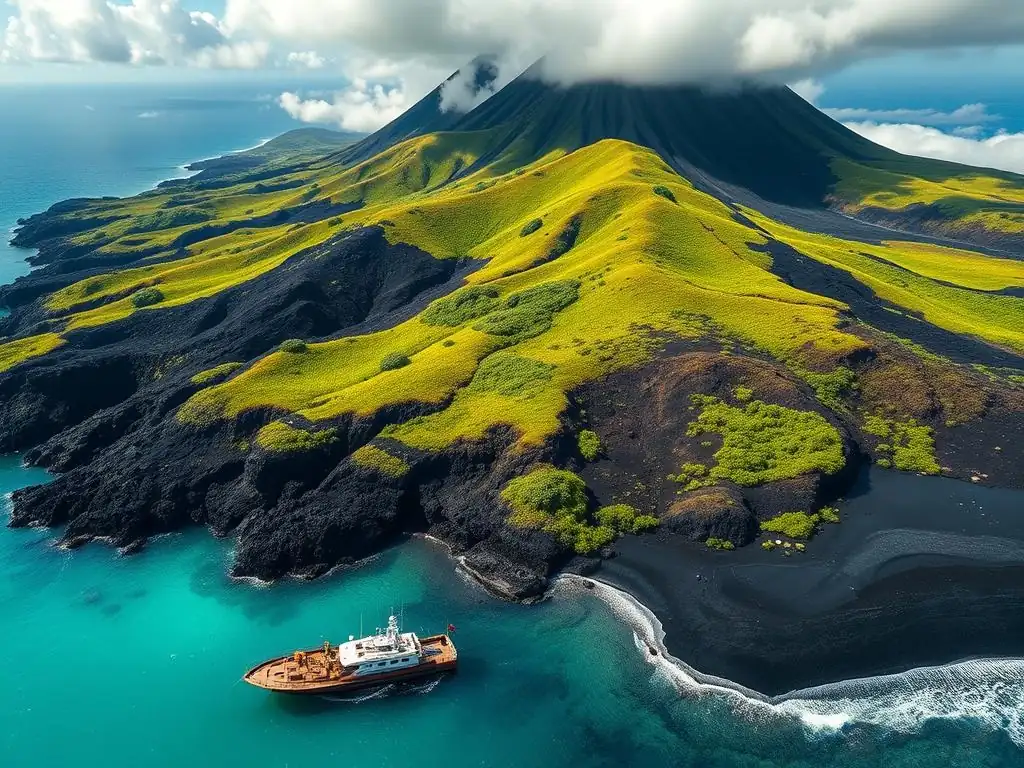
One of the most striking long-term effects of the volcanic islands colonization process is the evolution of endemism. Endemism refers to the restriction of a species to a particular geographic area, in this case, a specific volcanic island or archipelago. Island isolation, coupled with unique environmental conditions and limited gene flow, promotes evolutionary divergence and the development of endemic species. Over time, colonizing lineages adapt to the specific niches available on the island, leading to the evolution of novel traits and distinct species that are found nowhere else on Earth.
Volcanic islands, particularly those that are old and isolated, often exhibit exceptionally high levels of endemism. The Hawaiian Islands, Galápagos Islands, and Canary Islands are prime examples of volcanic archipelagos with remarkable endemic flora and fauna. Endemic species are a significant component of island biodiversity and contribute to the unique ecological character of volcanic island ecosystems. Understanding the processes that drive endemism during the volcanic islands colonization process is crucial for conservation efforts, as endemic species are often particularly vulnerable to extinction due to their limited geographic ranges and specialized adaptations.
Biodiversity: The Richness and Variety of Life on Volcanic Islands
The volcanic islands colonization process, while starting from barren landscapes, ultimately leads to the development of diverse and often highly unique ecosystems. Biodiversity, encompassing the richness and variety of life at all levels, from genes to ecosystems, is a hallmark of many volcanic islands. While island ecosystems may initially have lower species richness compared to continental ecosystems, the evolutionary processes of adaptation and diversification, driven by isolation and unique selective pressures, can lead to the emergence of novel forms of life and complex ecological communities.
Volcanic islands can support a wide range of habitats, from coastal mangroves and coral reefs to rainforests, cloud forests, and alpine zones, depending on their size, elevation, and climate. This habitat diversity contributes to overall biodiversity. Furthermore, the interactions between colonizing species, including competition, predation, and mutualism, shape the structure and function of island ecosystems, contributing to their overall complexity and biodiversity. Conserving the biodiversity of volcanic islands is of paramount importance, as these ecosystems are often hotspots of endemism and provide valuable ecosystem services.
Conservation Challenges: Protecting Fragile Island Ecosystems
Volcanic island ecosystems, despite their resilience and evolutionary dynamism, face significant conservation challenges. Their inherent isolation and unique biodiversity make them particularly vulnerable to a range of threats, many of which are human-induced. Invasive species are a major threat, outcompeting native species, disrupting ecosystem processes, and driving extinctions. Habitat destruction and degradation, often due to agriculture, urbanization, and tourism development, further threaten island biodiversity.
Climate change poses an increasing threat, with rising sea levels, changing rainfall patterns, and increased frequency of extreme weather events impacting island ecosystems. Pollution, overexploitation of resources, and unsustainable tourism practices also contribute to the degradation of volcanic island environments. Effective conservation strategies for volcanic islands require a multi-faceted approach, including invasive species management, habitat protection and restoration, sustainable resource management, and climate change mitigation and adaptation measures. Protecting these fragile ecosystems is crucial for preserving their unique biodiversity and the ongoing volcanic islands colonization process in a rapidly changing world.
The Future of Volcanic Island Colonization in a Changing World
The Impact of Climate Change on Island Ecosystems
Climate change presents a significant and growing threat to volcanic island ecosystems and the future of the volcanic islands colonization process. Rising sea levels directly threaten low-lying coastal habitats, including mangroves, beaches, and coastal wetlands, which are critical for many island species. Changes in rainfall patterns, including increased drought frequency and intensity in some regions and increased flooding in others, can alter vegetation communities and disrupt water availability, impacting entire island ecosystems.
Ocean acidification and warming ocean temperatures threaten coral reefs, which are biodiversity hotspots around many volcanic islands. Increased frequency and intensity of extreme weather events, such as hurricanes and cyclones, can cause widespread habitat destruction and disrupt ecological processes. Climate change is expected to exacerbate existing stressors on volcanic island ecosystems, making them even more vulnerable to invasive species, habitat loss, and other threats. Understanding and mitigating the impacts of climate change is crucial for ensuring the long-term health and resilience of volcanic island ecosystems and the continued volcanic islands colonization process.
Invasive Species: A Growing Threat to Native Island Life
Invasive species remain a persistent and escalating threat to the native biodiversity of volcanic islands. Globalization and increased human travel and trade have facilitated the introduction of non-native species to islands at an unprecedented rate. Invasive plants can outcompete native vegetation, alter habitat structure, and increase fire risk. Invasive animals, particularly predators like rats, cats, and snakes, can decimate native fauna, especially birds and reptiles, which often lack defenses against novel predators.
Invasive insects and diseases can also have devastating impacts on island ecosystems. The economic and ecological costs of invasive species on volcanic islands are immense. Effective management of invasive species requires a combination of prevention, early detection, rapid response, and long-term control and eradication efforts. Biosecurity measures, habitat restoration, and community engagement are essential components of successful invasive species management strategies for volcanic islands, safeguarding the ongoing volcanic islands colonization process and native biodiversity.
The Importance of Conservation Efforts for Volcanic Islands
Conservation efforts are paramount for protecting the unique and fragile ecosystems of volcanic islands and ensuring the future of the volcanic islands colonization process. Given the numerous threats facing these ecosystems, proactive and comprehensive conservation strategies are urgently needed. These strategies must address a range of issues, including invasive species management, habitat protection and restoration, climate change mitigation and adaptation, sustainable tourism, and community engagement.
Protected areas, such as national parks and reserves, are essential for safeguarding critical habitats and biodiversity hotspots on volcanic islands. Eradication and control programs for invasive species are crucial for reducing their impacts on native flora and fauna. Climate change adaptation measures, such as restoring coastal habitats and improving water management, can enhance ecosystem resilience.
Sustainable tourism practices can minimize environmental impacts and generate revenue for conservation. Engaging local communities in conservation efforts is essential for long-term success. By implementing effective and integrated conservation strategies, we can strive to protect the remarkable biodiversity of volcanic islands and ensure the continued wonder of the volcanic islands colonization process for future generations.
Conclusion: Appreciating the Resilience of Life on Volcanic Islands
The volcanic islands colonization process is a testament to the remarkable resilience and adaptability of life. From barren volcanic rock to thriving ecosystems, the journey of life's arrival and establishment on these isolated landmasses is a captivating story of dispersal, adaptation, and ecological succession. Volcanic islands, despite their fragility and vulnerability, are biodiversity hotspots, harboring unique species found nowhere else on Earth.
Understanding the mechanisms and stages of volcanic islands colonization process is not only scientifically fascinating but also crucial for effective conservation. As these ecosystems face increasing threats from climate change, invasive species, and human activities, it is imperative that we appreciate their ecological significance and prioritize their protection. By recognizing the resilience of life on volcanic islands and committing to conservation efforts, we can ensure that these natural laboratories continue to inspire and inform us about the power and wonder of the natural world for generations to come.
Frequently Asked Questions
How does life initially arrive on newly formed volcanic islands?
Life arrives through various means, including wind dispersal of seeds and spores, ocean currents carrying organisms, and even birds transporting seeds or insects. These are the primary vectors of initial colonization.
What are some of the first types of organisms to colonize a volcanic island?
Often, the first colonizers are hardy species like lichens, mosses, and certain types of bacteria. These organisms can survive in harsh conditions and begin the process of soil formation.
What challenges do organisms face when colonizing a new volcanic island?
Key challenges include a lack of soil, limited fresh water, exposure to harsh weather conditions, and the absence of an established ecosystem. Competition for resources is also a factor.
How does the volcanic island colonization process contribute to biodiversity?
The colonization process creates unique evolutionary opportunities. Isolated island environments can lead to rapid speciation as organisms adapt to specialized niches, fostering high levels of endemism.
What role do humans play in influencing the volcanic islands colonization process?
Humans can significantly impact colonization through the introduction of invasive species, habitat destruction, and pollution. These actions can disrupt the natural processes and reduce biodiversity.
Final Reflection: The Enduring Allure of New Beginnings
The journey of life to remote volcanic islands, as explored in this article, isn't just a scientific curiosity; it's a powerful metaphor for the resilience and adaptability inherent in all living things. Understanding the volcanic islands colonization process offers profound insights into how life finds a way, even against seemingly insurmountable odds, a lesson deeply relevant in our rapidly changing world.
The persistent drive to colonize, to explore, and to adapt, mirrored in the volcanic islands colonization process, has shaped our planet and continues to influence our cultural and social landscape. Witnessing the tenacity of life in these isolated ecosystems reminds us of our own capacity for innovation and perseverance in the face of adversity. The voyage of discovery is not in seeking new landscapes, but in having new eyes.
- Marcel Proust. This quote encapsulates the essence of understanding island colonization; it's not just about the physical journey, but about the transformative power of adaptation and the new perspectives it brings.
Now, consider the lessons learned from the volcanic islands colonization process and apply them to your own life. How can you embrace the spirit of resilience and adaptation to navigate your own challenges? What new "islands" await your exploration, and what seeds of innovation will you carry with you? Let the enduring mystery of island colonization inspire you to embrace change, overcome obstacles, and create your own vibrant ecosystem of growth and discovery.
Okay, here's a CTA designed to go at the end of an article titled "The Mystery of Island Colonization: How Does Life Bridge Vast Oceans?" published on volcanoexplorers.org.
Unearth Your Inner Explorer: Become a Colonization Pioneer!
Thank you for delving into the fascinating world of island colonization. You've uncovered some of nature's most ingenious strategies for life's grand adventure. Now, let's transform that newfound knowledge into action!
Here are a few things you can do to continue the journey:
- Join the Volcano Explorers Citizen Science Initiative: Document the flora and fauna on nearby islands or volcanic landscapes.: Your observations could contribute valuable data to ongoing research. This is your primary action.
- Dive deeper:Research a specific island ecosystem and present your findings to a local school or community group. Share your passion and knowledge!
- For the truly adventurous:Build a miniature "raft" ecosystem and track its journey in a local stream or pond. Observe how different species adapt and interact.
What surprising adaptation have you witnessed in your own backyard that reminds you of island colonization? Share your thoughts in the comments below!