
Beyond Iceland: Undiscovered Geothermal Gems Across the Globe

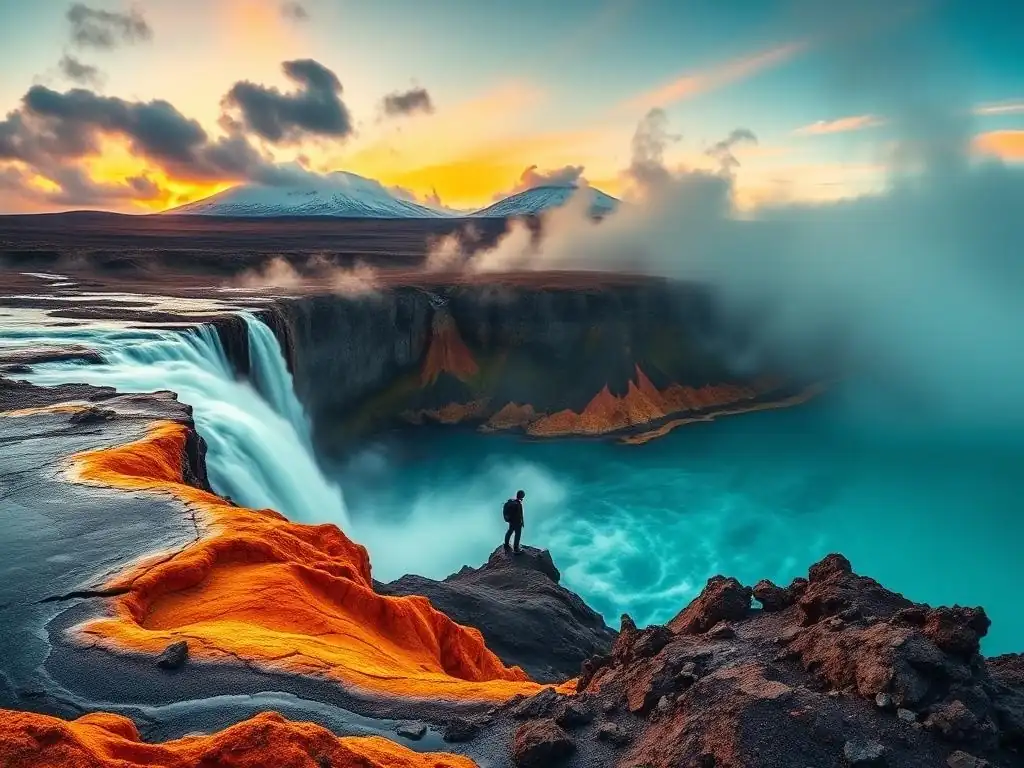
Welcome to Volcano Explorers!
Prepare to journey beyond the familiar landscapes of Iceland and uncover the Earth's best-kept secrets. In "Beyond Iceland: Undiscovered Geothermal Gems Across the Globe," we're diving deep into the heart of volcanic landscapes to reveal truly unexplored wonders. Are you ready to discover the hidden geothermal paradises that await? Let the adventure begin...
- Exploring Undiscovered Geothermal Destinations Worldwide: A Geothermal Enthusiast's Guide
- Why Look Beyond Iceland for Geothermal Wonders?
- Discovering Hidden Geothermal Areas: A Global Tour
- The Appeal of Undiscovered Geothermal Destinations
- Planning Your Trip to Undiscovered Geothermal Destinations
- The Future of Geothermal Exploration and Tourism
-
Frequently Asked Questions
- What makes a geothermal destination "undiscovered"?
- What are some examples of geothermal activities visitors might find in these "undiscovered" locations?
- Why are geothermal destinations gaining popularity beyond just Iceland?
- What safety precautions should visitors take when exploring undiscovered geothermal areas?
- How can I find reliable information and updates on volcanic and geothermal activity in these lesser-known areas?
- Final Reflection: Harnessing Earth's Hidden Heat
- Unearth Your Next Geothermal Adventure!
Exploring Undiscovered Geothermal Destinations Worldwide: A Geothermal Enthusiast's Guide
For many, the term "geothermal destination" immediately conjures images of Iceland's Blue Lagoon or erupting geysers in Yellowstone National Park. While these iconic locations undoubtedly offer spectacular experiences, the world of geothermal wonders extends far beyond these well-trodden paths. For the adventurous traveler and geothermal enthusiast, a wealth of undiscovered geothermal destinations worldwide awaits, promising unique encounters with the Earth's raw power and beauty, away from the crowds and commercialization of more famous sites. This guide aims to illuminate some of these hidden gems, offering a glimpse into the diverse and fascinating world of lesser-known geothermal areas.
Why Look Beyond Iceland for Geothermal Wonders?
Iceland has rightfully earned its reputation as a geothermal paradise. Its volcanic landscape, sculpted by the Mid-Atlantic Ridge, boasts readily accessible hot springs, geysers, and fumaroles, attracting millions of tourists annually. However, the very popularity that defines Iceland's geothermal appeal also presents a compelling reason to look further afield. Overcrowding at famous sites, increased prices, and a somewhat homogenized tourist experience can sometimes detract from the authentic connection with nature that many geothermal enthusiasts seek.
Iceland's Geothermal Fame: A Brief Overview
Iceland's geothermal fame is undeniable and well-deserved. The island nation sits atop a volcanic hotspot, resulting in an abundance of geothermal activity easily visible and accessible across the country. Locations like the Blue Lagoon have become globally recognized symbols of geothermal tourism, offering luxurious spa experiences amidst otherworldly landscapes.
Geysir and Strokkur are textbook examples of geyser activity, drawing crowds to witness nature's explosive displays. Furthermore, Iceland has successfully harnessed geothermal energy for heating and electricity, showcasing the practical applications of this natural resource. This accessibility and infrastructure have made Iceland a premier destination, but also a very popular one, sometimes overshadowing other equally remarkable, yet less frequented, geothermal areas around the globe.
The Allure of Untouched Geothermal Sites
The allure of undiscovered geothermal sites lies in the promise of a more intimate and authentic encounter with nature’s geothermal forces. Venturing beyond the well-trodden tourist trails opens up opportunities to witness geothermal phenomena in their raw, undisturbed state. Imagine soaking in a naturally heated spring with only the sounds of nature surrounding you, or witnessing geysers erupt in a landscape untouched by large-scale tourism infrastructure.
These less-visited locations often offer a deeper connection to the local environment and culture, providing a richer and more meaningful travel experience. Moreover, exploring undiscovered geothermal destinations worldwide contributes to a more sustainable and geographically balanced distribution of tourism, moving away from over-reliance on a few iconic, and sometimes overcrowded, locations.
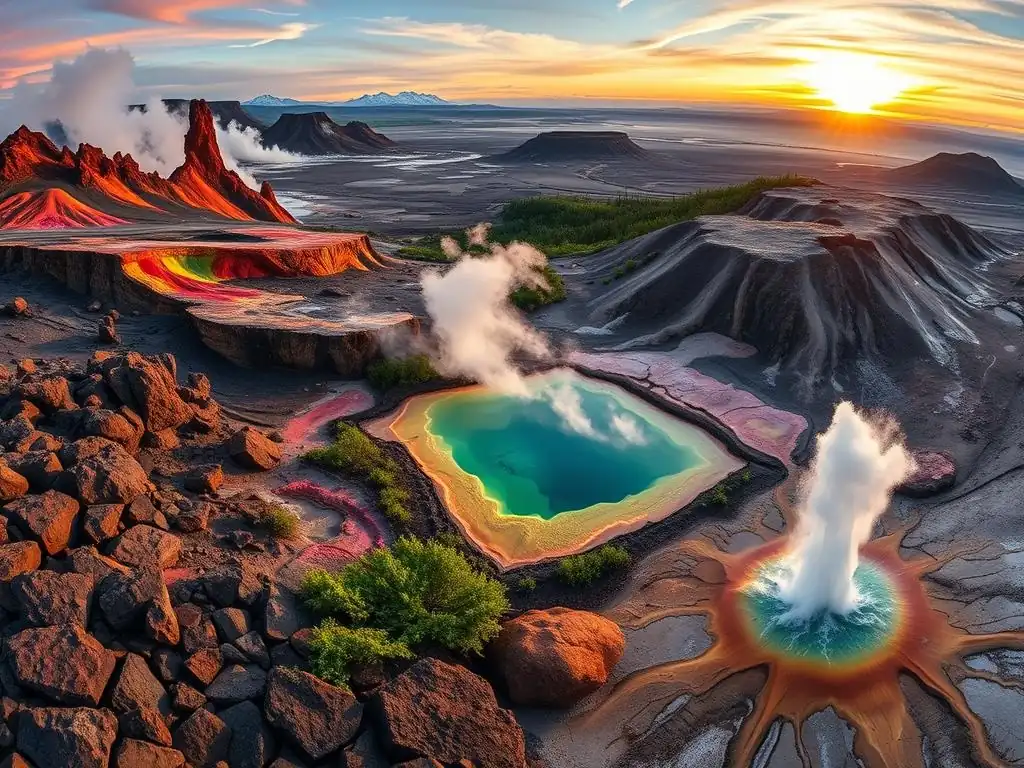
The world is dotted with remarkable geothermal areas, many of which remain relatively unknown to the average tourist. From secluded hot springs nestled in mountain ranges to vast geyser fields in high-altitude deserts, these undiscovered geothermal destinations offer a diverse spectrum of experiences. Let's embark on a global tour to uncover some of these hidden gems.
New Zealand's Geothermal Secrets: Rotorua and Beyond
While Rotorua in New Zealand is a well-known geothermal hotspot, attracting visitors with its Māori cultural experiences and geyser displays, the country holds many more geothermal secrets beyond this tourist hub. The Taupo Volcanic Zone, stretching across the North Island, is rife with geothermal activity, offering a range of sites less frequented than Rotorua but equally captivating. These locations provide a deeper dive into New Zealand's volcanic landscapes and a chance to escape the crowds, discovering the raw beauty of the country's geothermal wilderness.
Orakei Korako: The Hidden Valley
Orakei Korako, aptly nicknamed "The Hidden Valley," is a prime example of New Zealand's less-explored geothermal treasures. Situated near Taupo, but away from the main tourist routes, Orakei Korako boasts a stunning array of geothermal features, often considered by many to be even more spectacular and diverse than those found in Rotorua's more famous parks.
The site features silica terraces, similar to those once found at Pink and White Terraces (destroyed in the 1886 eruption of Mount Tarawera), vividly colored hot springs, bubbling mud pools, and even a geothermal cave, Ruatapu Cave, one of only two known geothermal caves in the world. Visitors can explore the valley via well-maintained walkways, offering breathtaking views of the emerald-green lake, steaming cliffs, and the ever-changing geothermal activity.
In 2023, Orakei Korako recorded approximately 80,000 visitors, a fraction of the numbers seen in Rotorua, ensuring a more tranquil and immersive experience in this remarkable geothermal landscape.
Japan's Underrated Onsen Culture: More Than Just Hot Springs
Japan is synonymous with onsen, or hot springs, and while destinations like Hakone and Beppu are popular, the true depth of Japanese onsen culture lies in its countless, often secluded, hot spring resorts scattered throughout the country. Beyond the well-known tourist spots, Japan harbors a wealth of "秘湯" (hitō), or secret hot springs, often nestled in remote mountain valleys or along rugged coastlines.
These hidden gems offer not just a soak in mineral-rich waters, but a journey into traditional Japanese hospitality and untouched natural beauty. Exploring Japan's underrated onsen culture reveals a world far beyond the typical tourist experience, offering a path to discover truly undiscovered geothermal destinations worldwide.
Nyuto Onsen: A Secluded Mountain Retreat
Nyuto Onsen, located deep within the mountains of Akita Prefecture, exemplifies Japan's secluded and underrated onsen experiences. Comprising seven distinct ryokan (traditional Japanese inns), each with its own unique hot spring source and character, Nyuto Onsen is a haven of tranquility and natural beauty. Accessible after a scenic drive through winding mountain roads, the area is enveloped in dense beech forests, particularly stunning during autumn foliage season.
The hot spring waters at Nyuto Onsen are renowned for their therapeutic properties, varying in mineral composition and color across the different ryokan. Visitors often embark on "onsen巡り" (onsen meguri), or hot spring hopping, purchasing a pass that allows access to the baths at all seven inns, each offering a different geothermal experience.
With visitor numbers significantly lower than major onsen resorts, Nyuto Onsen provides a truly secluded and authentic Japanese onsen experience, far removed from the bustling tourist crowds. Studies have shown that visiting onsen like Nyuto can contribute to stress reduction and improved well-being, adding another layer to the appeal of these undiscovered geothermal destinations.
Geothermal Activity in the Americas: Beyond Yellowstone
Yellowstone National Park in the United States is a global icon of geothermal activity, famed for its geysers, hot springs, and vibrant thermal features. However, the Americas boast a wealth of other remarkable geothermal regions often overlooked in favor of Yellowstone's grandeur. From the high-altitude geyser fields of Chile to the volcanic hot springs of Central America, the continent offers a diverse range of undiscovered geothermal destinations worldwide, waiting to be explored by adventurous travelers.
El Tatio Geysers, Chile: A High-Altitude Spectacle
El Tatio Geysers in northern Chile offer a geothermal spectacle unlike any other, primarily due to their extreme high-altitude location in the Atacama Desert. Situated at approximately 4,320 meters (14,170 feet) above sea level, El Tatio is one of the highest geyser fields in the world. The thin, cold air at this altitude intensifies the visual drama of the steam plumes rising from the geysers, particularly at sunrise when the contrast between the cold morning air and the hot geothermal steam is most pronounced.
While El Tatio is gaining some recognition, it remains significantly less crowded than Yellowstone or Iceland's popular geyser areas. The geyser field features over 80 active geysers and hundreds of fumaroles, hot springs, and mud pools, spread across a stark and otherworldly landscape.
The early morning temperatures can drop below freezing, creating a truly unique and challenging environment for experiencing geothermal activity. In 2022, visitor numbers to El Tatio were estimated to be around 150,000 per year, demonstrating its growing popularity but still offering a relatively uncrowded experience compared to major geothermal parks.
European Geothermal Treasures: Italy and Beyond
While Iceland often dominates discussions of European geothermal destinations, mainland Europe, particularly Italy, possesses its own rich geothermal heritage. Italy's volcanic regions, from Tuscany to Sicily, are dotted with natural hot springs and thermal areas, many with a history dating back to Roman times. Beyond Italy, other European countries also harbor lesser-known geothermal treasures, often tucked away in mountainous regions or rural landscapes, offering a different perspective on European geothermal activity beyond Iceland's dramatic displays.
Bagni di San Filippo, Tuscany: Thermal Baths in Nature
Bagni di San Filippo in Tuscany, Italy, offers a natural thermal bath experience quite distinct from the spa-like settings often associated with geothermal tourism. Located in a forest setting, these hot springs cascade down a hillside, forming stunning calcium carbonate formations that resemble frozen waterfalls. The most famous feature, "Fosso Bianco" (White Ditch), is a series of milky-white pools formed by the calcium-rich thermal waters.
Unlike many thermal springs in Europe, Bagni di San Filippo is freely accessible and largely undeveloped, offering a rustic and natural bathing experience. The water temperature averages around 48°C (118°F), rich in sulfur and calcium carbonate, believed to have therapeutic properties.
While gaining popularity, Bagni di San Filippo retains a sense of natural charm and remains less crowded than many commercial thermal spas in Tuscany, providing a unique opportunity to immerse oneself in nature's geothermal wonders in a truly authentic setting. Local tourism boards estimate that visitor numbers peak during summer months, but even then, the area maintains a relatively relaxed and uncrowded atmosphere compared to more mainstream tourist attractions.
Africa's Geothermal Potential: A Rising Star
Africa, often overlooked in discussions of geothermal regions, holds immense geothermal potential, particularly along the East African Rift Valley. This geological feature, stretching thousands of kilometers, is a hotbed of volcanic and geothermal activity. While geothermal energy development is rapidly expanding in countries like Kenya and Ethiopia, many of Africa's geothermal wonders remain relatively undiscovered in terms of tourism. These locations offer a unique blend of geothermal phenomena and African wildlife, creating unparalleled and undiscovered geothermal destinations worldwide.
Lake Bogoria, Kenya: Alkaline Hot Springs and Flamingos
Lake Bogoria in Kenya's Great Rift Valley presents a remarkable combination of geothermal activity and abundant wildlife, most notably its massive flamingo population. The lake is alkaline and fed by numerous hot springs and geysers along its shoreline, creating a unique ecosystem that supports vast flocks of lesser flamingos. The hot springs, some reaching near-boiling temperatures, discharge mineral-rich waters into the lake, contributing to its alkalinity and providing the ideal conditions for the algae that flamingos feed on.
While Lake Bogoria is recognized as a Ramsar site and a UNESCO World Heritage Site, it remains relatively off the beaten tourist path compared to other wildlife destinations in Kenya. Visitors can witness the spectacle of hundreds of thousands, sometimes millions, of flamingos wading in the shallows, with steam rising from the geothermal vents in the background.
The area also features geysers that erupt several meters high, adding to the geothermal drama of the landscape. Birdlife International estimates that Lake Bogoria hosts up to two million flamingos during peak seasons, making it one of the most important flamingo habitats in the world, intertwined with a vibrant geothermal landscape.
The Appeal of Undiscovered Geothermal Destinations
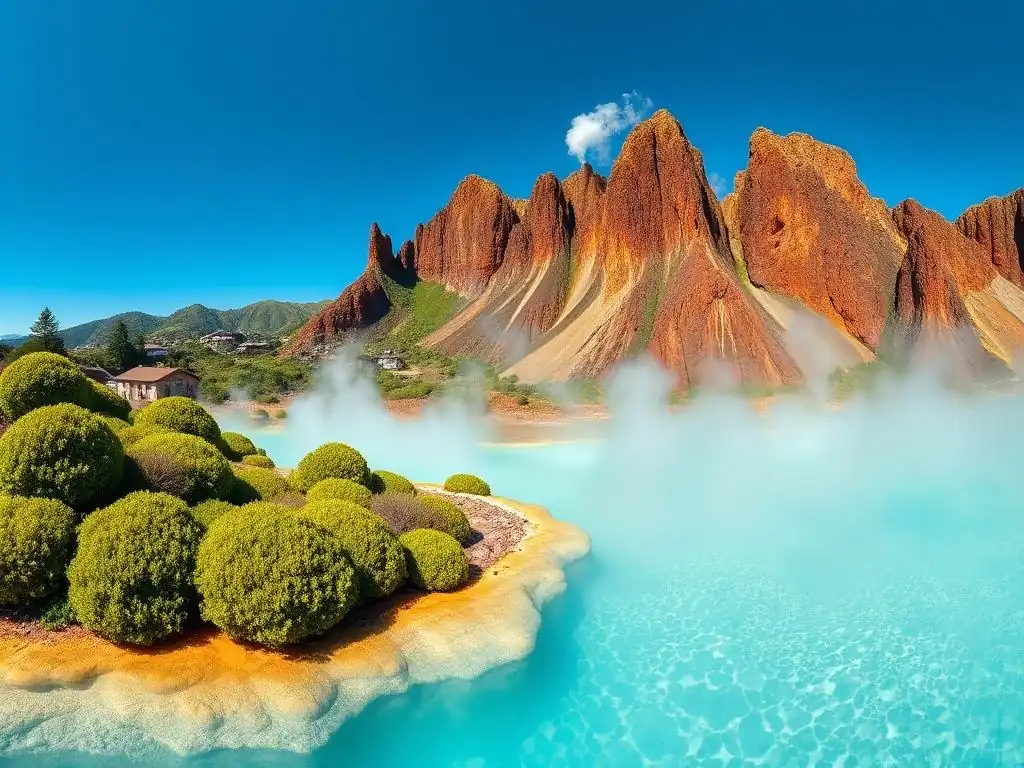
The appeal of venturing to undiscovered geothermal destinations worldwide extends beyond simply seeing hot springs and geysers. It’s about embracing a different kind of travel experience, one that prioritizes authenticity, connection with nature, and the thrill of exploration.
Fewer Crowds, More Authentic Experiences
One of the most significant advantages of choosing undiscovered geothermal destinations is the absence of large tourist crowds. This translates to a more tranquil and immersive experience, allowing for a deeper connection with the natural environment. Imagine soaking in a hot spring without the noise and distractions of dozens of other people, or witnessing a geyser eruption without jostling for the best viewing spot.
Fewer crowds also often mean more authentic interactions with local communities and cultures, as tourism infrastructure is typically less developed and less geared towards mass tourism. This can lead to more genuine cultural exchanges and a greater appreciation for the local way of life. Research consistently shows that travelers are increasingly seeking authentic and less crowded experiences, making undiscovered geothermal destinations particularly appealing in today's tourism landscape.
Unique Geological Formations and Landscapes
Undiscovered geothermal areas often showcase geological formations and landscapes that are distinct from the more famous geothermal sites. These locations can present unique mineral deposits, unusual volcanic rock formations, and ecosystems adapted to the specific geothermal conditions. Exploring these diverse landscapes broadens our understanding of the Earth's geological processes and the variety of ways geothermal activity manifests itself.
For instance, some undiscovered sites might feature rare types of geysers, unique mineral terraces with unusual colors, or geothermal features interacting with specific geological formations like caves or canyons. This geological diversity adds another layer of fascination for the geothermal enthusiast and provides opportunities for unique photographic and exploratory experiences.
Opportunities for Scientific Discovery and Exploration
Undiscovered geothermal destinations also present valuable opportunities for scientific research and exploration. These less-studied areas can hold clues to understanding geothermal systems, volcanic processes, and even extremophile life forms that thrive in extreme environments. Volcanologists, geologists, biologists, and other scientists can benefit greatly from access to these relatively untouched locations, conducting research that can advance our knowledge of the Earth and its geothermal resources.
Furthermore, exploring these areas can lead to the discovery of new geothermal features, previously unknown ecosystems, or even potential geothermal energy resources. Responsible and sustainable exploration of undiscovered geothermal destinations can therefore contribute both to scientific advancement and to a more complete understanding of our planet.
Planning Your Trip to Undiscovered Geothermal Destinations
Venturing off the beaten path to explore undiscovered geothermal destinations requires careful planning and consideration. Accessibility, safety, and respect for local cultures and environments are paramount when embarking on such adventures.
Researching Geothermal Activity and Accessibility
Thorough research is crucial when planning a trip to undiscovered geothermal destinations worldwide. Information on the specific geothermal activity, accessibility, and any necessary permits or permissions is essential. Understanding the activity levels of geysers, hot springs, or volcanic areas is important for both safety and maximizing the experience. Accessibility can vary greatly, with some sites requiring significant hiking or off-road travel.
Checking for road conditions, transportation options, and the availability of local guides is vital. Furthermore, some geothermal areas may be protected or require permits for entry, particularly if they are within national parks or reserves. Contacting local tourism boards, park authorities, or experienced travel operators specializing in adventure tourism can provide valuable insights and practical information for planning a safe and successful trip.
Respecting Local Cultures and Environments
Responsible travel to undiscovered geothermal destinations necessitates a strong commitment to respecting local cultures and environments. Many of these areas are located in remote regions, often inhabited by indigenous communities with unique cultural traditions and a deep connection to the land. Engaging with local communities respectfully, learning about their customs, and supporting local businesses can contribute positively to their livelihoods and help preserve their cultural heritage.
Environmental responsibility is equally crucial. Geothermal areas are often fragile ecosystems, and it's essential to minimize environmental impact by staying on marked trails, avoiding littering, and respecting wildlife. Using eco-friendly products, supporting sustainable tourism initiatives, and educating oneself about the local environment are all important aspects of responsible travel to undiscovered geothermal destinations.
Safety Considerations When Visiting Geothermal Areas
Safety is paramount when visiting any geothermal area, and particularly so in less-developed and undiscovered locations. Geothermal areas can present various hazards, including unstable ground, scalding hot water, toxic gases, and unpredictable geyser eruptions. It's crucial to heed warning signs, stay on designated paths, and never approach hot springs or geysers too closely.
Boiling water can cause severe burns, and even seemingly lukewarm water can be dangerously hot. Some geothermal areas emit gases like hydrogen sulfide, which can be toxic in high concentrations. Being aware of these risks, following safety guidelines provided by park authorities or local guides, and carrying appropriate safety gear, such as sturdy footwear and protective clothing, are essential precautions for a safe and enjoyable geothermal exploration.
The Future of Geothermal Exploration and Tourism
The future of geothermal exploration and tourism holds exciting possibilities, particularly in the realm of undiscovered geothermal destinations worldwide. As awareness of these hidden gems grows, it's crucial to prioritize sustainable practices and ensure that tourism benefits local communities and contributes to the long-term preservation of these unique environments.
Sustainable Geothermal Tourism Practices
Sustainable geothermal tourism practices are essential for ensuring the long-term viability of these destinations and minimizing negative impacts. This involves promoting responsible tourism that respects the environment, local cultures, and the delicate balance of geothermal ecosystems. Developing eco-friendly infrastructure, such as sustainable trails, low-impact accommodations, and renewable energy sources, is crucial.
Implementing visitor management strategies to prevent overcrowding and protect fragile areas is also important. Engaging local communities in tourism planning and management, ensuring that they benefit economically from tourism activities, and promoting cultural sensitivity are key aspects of sustainable geothermal tourism. Educating tourists about responsible behavior, environmental awareness, and cultural respect is also vital for fostering a sustainable approach to geothermal exploration and tourism.
The Role of Geothermal Energy in Local Communities
Geothermal energy can play a significant role in the sustainable development of local communities surrounding undiscovered geothermal destinations. Harnessing geothermal resources for electricity generation, heating, and other applications can provide clean and reliable energy sources, reducing reliance on fossil fuels and promoting economic development. Geothermal energy projects can create jobs and stimulate local economies, particularly in remote areas where access to traditional energy sources may be limited.
Furthermore, geothermal resources can be used for direct-use applications, such as heating greenhouses for agriculture, aquaculture, and even thermal spas for local wellness and tourism. Integrating geothermal energy development with sustainable tourism initiatives can create mutually beneficial opportunities for local communities, fostering both economic growth and environmental stewardship.
Protecting Undiscovered Geothermal Ecosystems
Protecting undiscovered geothermal ecosystems is paramount for preserving their unique biodiversity and scientific value. These ecosystems often harbor extremophile organisms adapted to extreme temperatures, mineral-rich waters, and other challenging conditions. Conservation efforts should focus on preserving the natural integrity of these ecosystems, minimizing human impact, and preventing habitat degradation.
Establishing protected areas, implementing regulations to control tourism and development, and conducting scientific research to understand and monitor these ecosystems are crucial steps. Raising awareness about the importance of these ecosystems and engaging local communities in conservation efforts are also essential for ensuring their long-term protection. By prioritizing conservation and sustainable practices, we can ensure that future generations can continue to explore and appreciate the wonders of undiscovered geothermal destinations worldwide.
Frequently Asked Questions
What makes a geothermal destination "undiscovered"?
An "undiscovered" geothermal destination is one that is less known to mass tourism despite having significant geothermal activity and potential for exploration and enjoyment. These locations often offer a more authentic and less crowded experience compared to popular spots like Iceland.
What are some examples of geothermal activities visitors might find in these "undiscovered" locations?
Visitors might find a range of geothermal activities, including natural hot springs, geysers, mud pools, and opportunities for geothermal energy exploration and scientific study. The specific activities vary depending on the location's geological features.
Why are geothermal destinations gaining popularity beyond just Iceland?
Geothermal destinations beyond Iceland are gaining popularity because travelers are seeking unique and sustainable tourism experiences. They offer a chance to connect with nature in a less commercialized setting and learn about the Earth's power.
What safety precautions should visitors take when exploring undiscovered geothermal areas?
Visitors should always follow posted safety guidelines and be aware of potential hazards like scalding water, unstable ground, and toxic gases. Hiring a local guide familiar with the area is highly recommended.
How can I find reliable information and updates on volcanic and geothermal activity in these lesser-known areas?
You can find reliable information by consulting scientific databases, government geological surveys, and websites like VolcanoExplorers.org, which provides real-time updates and educational content. Local authorities and researchers are also valuable resources.
The journey through undiscovered geothermal destinations worldwide reveals more than just stunning landscapes; it highlights a potent, sustainable energy source waiting to be tapped. These hidden gems, from the volcanic slopes of Dominica to the remote springs of Japan, represent a future where clean energy and responsible tourism can coexist, powering communities and preserving natural beauty.
The potential of geothermal energy extends far beyond electricity generation; it offers opportunities for heating, agriculture, and even therapeutic tourism. This exploration underscores the importance of diversifying our energy portfolio and embracing innovative solutions to combat climate change. We are like tenant farmers chopping down the fence around our house for fuel when we should be using nature's inexhaustible sources of energy – sun, wind and tide. I'd put my money on the sun and solar energy. What a source of power! I hope we don't have to wait until oil and coal run out before we tackle that.
- Thomas Edison
As we conclude this exploration, consider the untapped potential that lies beneath our feet. What steps can you take to support the development of sustainable energy sources in your community? Let us all strive to become advocates for a future powered by the Earth's hidden heat, ensuring a cleaner, brighter tomorrow for generations to come.
Unearth Your Next Geothermal Adventure!
Thanks for joining us on this journey to discover lesser-known geothermal wonders! We hope you're feeling inspired to explore beyond the typical tourist destinations. Now it's time to turn that inspiration into action.
Here are a few ways to ignite your passion for geothermal exploration:
- Plan your visit to one of the locations featured in this article! Research flights, accommodation, and local guides to make your geothermal dreams a reality. This is the most important step!
- Share this article with fellow adventurers on social media! Let's build a community of Volcano Explorers.
- Explore more amazing content on VolcanoExplorers.org.
What's the first non-Icelandic geothermal location you're adding to your travel bucket list? Share your picks in the comments!