
The Colors of Geothermal: Iron, Sulfur, and the Palette of Hot Springs

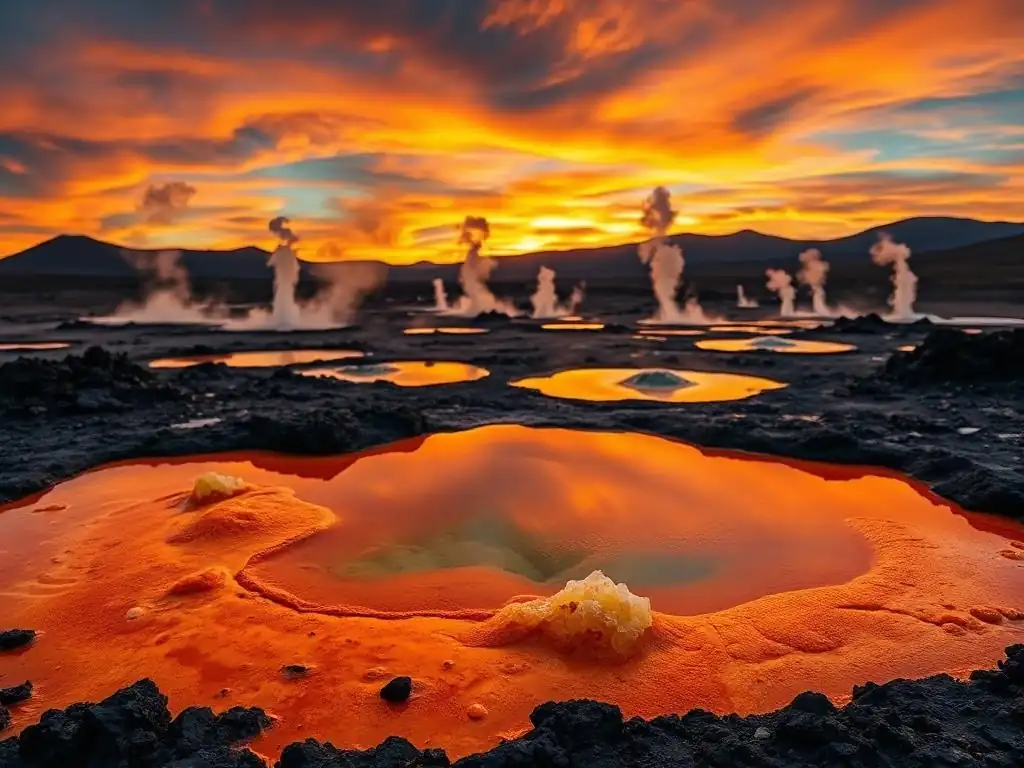
Welcome to Volcano Explorers, where the Earth's fiery secrets are unveiled! Prepare to be mesmerized as we dive into the colors of geothermal hot springs, a hidden world painted by the very elements that fuel volcanic activity. What secrets lie beneath those shimmering surfaces? Join us as we unravel the science and discover the vibrant palette that makes these geothermal wonders so captivating. Ready to explore the rainbow of the Earth's raw power?
- Exploring the Vibrant Hues of Geothermal Hot Springs
- Understanding the Geology Behind Geothermal Colors
- Iron's Role in Geothermal Coloration
- Sulfur's Contribution to Geothermal Color
- Beyond Iron and Sulfur: Other Minerals Affecting Hot Spring Colors
- The Colors of Geothermal Hot Springs Worldwide: A Regional Overview
- The Impact of Geothermal Colors on Ecosystems
- Geothermal Areas: A Visual Guide to Mineral Deposits
- Preserving the Colors of Geothermal Wonders
-
Frequently Asked Questions
- What causes the different colors observed in geothermal hot springs?
- How does iron contribute to the coloration of hot springs?
- What role does sulfur play in the color palette of geothermal areas?
- Are the colors of hot springs always consistent, or do they change?
- Is it safe to touch or enter hot springs based on their color?
- Final Reflection: Unveiling Earth's Hidden Palette
- Rediscover Geothermal Wonders: Your Next Adventure Starts Now!
Exploring the Vibrant Hues of Geothermal Hot Springs
Geothermal hot springs are more than just pools of warm water; they are dynamic ecosystems, geological wonders, and breathtaking displays of natural artistry. One of the most captivating aspects of these geothermal features is their astonishing array of colors. From vivid yellows and oranges to deep reds and milky blues, the palette of hot springs is a testament to the complex interplay of geology, chemistry, and even biology.
These colors are not merely aesthetic; they are clues, indicators of the underlying processes and mineral compositions that shape these unique environments. Understanding the origin of these vibrant hues allows us to appreciate the intricate beauty and scientific significance of geothermal landscapes around the world.
The mesmerizing colors observed in geothermal areas are a direct result of the Earth’s internal heat interacting with the surrounding geological materials. As superheated water rises from deep within the Earth’s crust, it dissolves minerals from the rocks it encounters. These mineral-rich waters then surface, often cooling slightly and undergoing chemical reactions that precipitate various compounds.
The specific minerals present, their oxidation states, and even the microorganisms that thrive in these extreme environments all contribute to the stunning and diverse coloration that characterizes geothermal hot springs. This article will delve into the fascinating science behind these colors, exploring the roles of key elements like iron and sulfur, and showcasing examples from iconic geothermal regions across the globe.
Understanding the Geology Behind Geothermal Colors
The Geothermal Landscape: A Canvas of Minerals
The Earth's crust is a vast reservoir of minerals, each with its unique chemical composition and properties. When groundwater percolates down towards heat sources deep beneath the surface, it becomes a potent solvent, dissolving a wide range of these minerals. The composition of the bedrock through which the water flows is a primary determinant of the mineral content of geothermal fluids.
For instance, areas rich in volcanic rocks often yield waters high in silica, while regions with sedimentary formations might have higher concentrations of calcium or sulfates. This geological diversity lays the foundation for the varied mineral palettes observed in hot springs globally.
The journey of geothermal water from the Earth's depths to the surface is a complex process of heating, dissolution, and precipitation. As the heated water ascends, changes in temperature, pressure, and pH cause dissolved minerals to precipitate out of solution. These precipitates can accumulate around hot spring vents, forming colorful mineral deposits and influencing the water's appearance.
The type of minerals that precipitate, and thus the colors observed, are highly dependent on the specific geological setting and the chemical characteristics of the geothermal fluid. This interplay between geology and geochemistry is what creates the unique and visually striking landscapes of geothermal areas.
How Geothermal Activity Creates Unique Environments
Geothermal activity is fundamentally driven by heat from the Earth's interior, often associated with volcanic regions or areas of tectonic plate boundaries. This heat source drives the hydrothermal circulation, where cold groundwater is heated and rises to the surface. This process not only brings heat but also transports dissolved minerals from the subsurface to the surface environment. The elevated temperatures and unique chemical conditions of geothermal areas create environments that are vastly different from typical surface waters.
These unique geothermal environments are characterized by specific chemical conditions such as low or high pH, high concentrations of dissolved minerals, and often the presence of gases like hydrogen sulfide and carbon dioxide. These conditions select for specialized ecosystems and drive unique chemical reactions. For example, the hot, acidic waters can leach metals from surrounding rocks, concentrating them in the geothermal fluids. Furthermore, the release of gases contributes to the characteristic smells and can also influence the precipitation and oxidation of minerals, ultimately impacting the colors observed in hot springs and surrounding geothermal features.
Iron's Role in Geothermal Coloration
Iron Oxides: Rust-Colored Springs and Pools
Iron is a ubiquitous element in the Earth's crust and plays a significant role in the coloration of many geothermal hot springs. When iron-rich geothermal waters come into contact with oxygen at the surface, iron undergoes oxidation, forming iron oxides. These iron oxides, commonly known as rust, are responsible for a spectrum of warm colors, ranging from yellows and oranges to deep reds and browns, often seen in and around hot springs. The specific shade of red or orange is determined by the hydration state and crystal structure of the iron oxide mineral formed.
The presence of iron oxides in geothermal areas is often visually striking. Terraces and stream beds surrounding hot springs can be coated in vibrant orange or reddish-brown deposits, creating dramatic landscapes. For example, in Yellowstone National Park's Grand Prismatic Spring, the outer edges of the spring, where the water is cooler and oxygen levels are higher, exhibit these characteristic rust-colored hues due to iron oxide precipitation. These iron-rich deposits are not just visually appealing but also serve as indicators of the geochemical processes at play within the geothermal system.
The Chemistry of Iron in Geothermal Waters
Iron in geothermal waters typically originates from the leaching of iron-bearing minerals in the subsurface rocks by hot, acidic fluids. In its dissolved state within these deep, reducing environments, iron is often present in its ferrous form (Fe 2+ ), which is soluble and colorless. However, upon reaching the surface and encountering oxygen, the ferrous iron is oxidized to ferric iron (Fe 3+ ). This ferric iron is less soluble and readily precipitates out of solution as various iron oxide minerals.
The specific type of iron oxide formed depends on factors such as pH, temperature, and the availability of other ions. Common iron oxide minerals found in geothermal environments include goethite (FeO(OH)), lepidocrocite (FeO(OH)), and hematite (Fe 2 O 3 ). Goethite and lepidocrocite tend to produce yellowish-brown to orange colors, while hematite is responsible for deeper red hues. The chemical reactions involved are complex and influenced by a variety of environmental parameters, resulting in the diverse range of iron-related colors observed in geothermal areas.
Identifying Iron Deposits in Hot Spring Environments
The reddish-brown to orange staining around hot springs and outflow channels is a strong visual indicator of iron deposits. These deposits often form crusts or mats on the ground, rocks, and within the water itself. The intensity of the color can provide clues about the concentration of iron in the geothermal fluids and the extent of oxidation. For example, a bright orange color might suggest a high concentration of freshly precipitated iron oxides, while a darker, more brownish hue could indicate older, more weathered deposits.
Beyond visual identification, the presence of iron deposits can be further confirmed through simple field tests and laboratory analyses. Geochemical analysis of water and sediment samples can quantify the iron concentration and identify the specific iron oxide minerals present. Furthermore, the spatial distribution of iron deposits around a hot spring can provide insights into the flow paths of geothermal fluids and the zones of oxidation. Understanding the patterns of iron deposition is crucial for interpreting the hydrogeological and geochemical dynamics of geothermal systems.
Sulfur's Contribution to Geothermal Color
Sulfur and the Yellows of Geothermal Areas
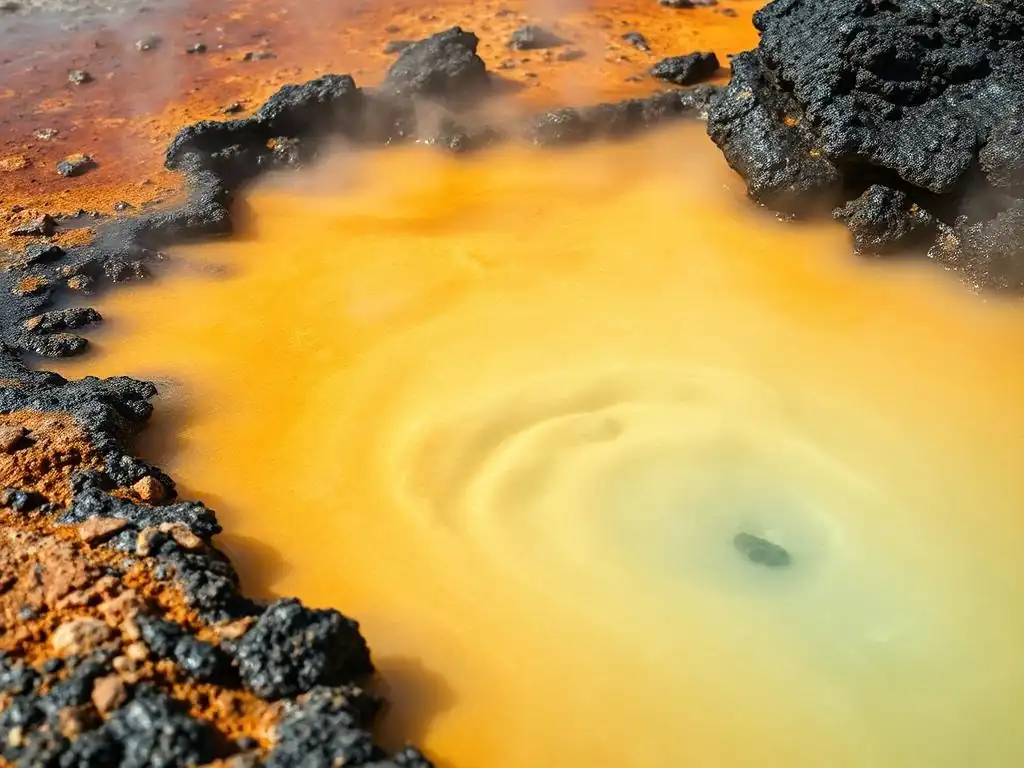
Sulfur is another key element that contributes to the vibrant color palette of geothermal areas, most notably the bright yellows often associated with hot springs and fumaroles. Elemental sulfur, in its various allotropic forms, is characteristically yellow. It is formed through the oxidation of hydrogen sulfide gas (H 2 S), which is a common component of volcanic and geothermal gases. The deposition of elemental sulfur around vents and within hot spring systems creates striking yellow landscapes that contrast sharply with surrounding terrain.
The distinctive yellow coloration of sulfur deposits is a hallmark of many active geothermal regions worldwide. Areas with abundant fumarolic activity, where volcanic gases vent directly into the atmosphere, often exhibit extensive sulfur deposits due to the oxidation of H 2 S upon contact with air. In hot spring environments, sulfur can precipitate directly from geothermal fluids or form through microbial activity. The presence of yellow sulfur deposits is not only visually striking but also serves as an indicator of ongoing volcanic or geothermal activity and the release of sulfur-bearing gases.
Hydrogen Sulfide: The Smell and the Color
Hydrogen sulfide (H 2 S) is a colorless gas with a characteristic rotten egg smell, and it plays a crucial role in the sulfur cycle within geothermal areas. While H 2 S itself is not colored, its presence is intimately linked to the formation of yellow elemental sulfur and other sulfur-containing compounds that contribute to geothermal colors. H 2 S is released from the Earth's interior through volcanic and geothermal vents and is also produced by sulfate-reducing bacteria in anaerobic geothermal environments.
When H 2 S encounters oxygen, either in the atmosphere or in oxygenated surface waters, it undergoes oxidation. This oxidation process can lead to the formation of elemental sulfur, as well as various sulfur oxides and sulfates. The rate and pathway of H 2 S oxidation are influenced by factors such as temperature, pH, and the presence of catalysts. Microorganisms, particularly sulfur-oxidizing bacteria, play a significant role in mediating H 2 S oxidation in geothermal systems, contributing to both the formation of elemental sulfur and the cycling of sulfur within these environments.
Sulfur-Loving Microorganisms and Their Influence on Color
Geothermal environments are home to a diverse array of microorganisms, including many that thrive in sulfur-rich conditions. These sulfur-loving microorganisms, known as sulfur bacteria, play a vital role in the sulfur cycle and can indirectly influence the colors of geothermal features. For example, some bacteria oxidize H 2 S to elemental sulfur, contributing to the yellow deposits observed in many geothermal areas. Others oxidize sulfur to sulfate, which can then participate in other mineral precipitation reactions.
Certain sulfur bacteria are also pigmented, contributing directly to the coloration of microbial mats and biofilms in hot springs. For instance, some species of Beggiatoa, sulfur-oxidizing bacteria commonly found in geothermal springs, can form white filaments that create a milky appearance in the water. Photosynthetic sulfur bacteria, like Chromatium, can produce reddish or purplish pigments. The complex interplay between sulfur chemistry and microbial activity adds another layer of complexity to the origin and diversity of colors in geothermal hot springs.
Beyond Iron and Sulfur: Other Minerals Affecting Hot Spring Colors
Silica and its impact on water clarity and color refraction
While iron and sulfur are major contributors to geothermal colors, other minerals also play significant roles. Silica, in the form of dissolved silica or precipitated silica minerals like sinter, greatly influences the clarity and color refraction of geothermal waters. Silica-rich hot springs often exhibit a stunning blue color due to the scattering of blue wavelengths of light by colloidal silica particles in the water. This effect is similar to why the sky is blue.
The clarity of geothermal water is also affected by silica. High concentrations of dissolved silica can lead to very clear, transparent water, enhancing the visibility of underlying colors or features. When silica precipitates out of solution, it can form white or grayish sinter deposits, which can also influence the overall color of the geothermal landscape. The interaction of light with silica, both in solution and as a solid precipitate, is a crucial factor in the visual appearance of many geothermal hot springs, especially those with vibrant blue hues like the Morning Glory Pool in Yellowstone.
Manganese and its influence in geothermal coloration
Manganese, although less abundant than iron and sulfur, can also contribute to the coloration of geothermal areas, particularly in shades of purple, pink, or black. Manganese oxides, like birnessite and todorokite, are often black or dark brown, and their presence can create dark stains or coatings on rocks and sediments in geothermal environments. In some cases, oxidized manganese can also produce pinkish or purplish hues.
The oxidation state of manganese is crucial for its color. Reduced manganese (Mn 2+ ) is generally colorless in solution, but upon oxidation to higher valence states (Mn 3+ , Mn 4+ ), it forms colored oxides. The specific manganese oxide minerals that precipitate, and thus the colors observed, depend on the redox conditions and pH of the geothermal environment. While manganese colors are often less dominant than those of iron and sulfur, they add to the overall diversity and complexity of the geothermal color palette.
Other Trace Elements and their Contribution to the Geothermal Palette
Beyond iron, sulfur, silica, and manganese, other trace elements present in geothermal fluids can also contribute to subtle variations in color. For example, copper minerals, while less common in typical geothermal systems, can produce blue or green colors. Arsenic sulfides, such as orpiment and realgar, can contribute to yellow or orange hues, although they are often associated with more specialized hydrothermal systems.
The combination of various trace elements, even in small concentrations, can create a wide spectrum of subtle color nuances in geothermal areas. The interplay of these elements with each other and with major elements like iron and sulfur results in the rich and varied palette that characterizes geothermal landscapes worldwide. Analyzing the trace element composition of geothermal waters and mineral deposits can provide valuable insights into the geological and geochemical processes shaping these colorful environments.
The Colors of Geothermal Hot Springs Worldwide: A Regional Overview
Yellowstone National Park: Geothermal Colors and Geological Features
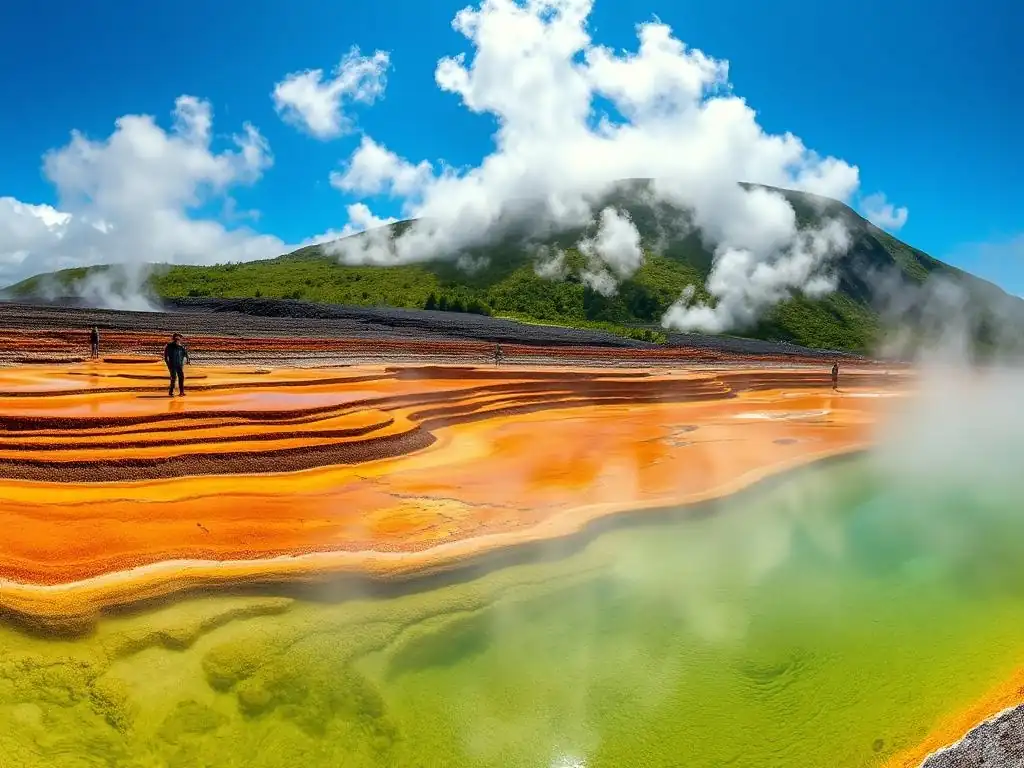
Yellowstone National Park, in the United States, is a globally renowned geothermal wonderland, showcasing an extraordinary range of hot spring colors. The Grand Prismatic Spring, for example, exhibits vibrant concentric rings of color, from deep blue in the center, due to silica scattering, to greens, yellows, and oranges towards the edges, caused by thermophilic bacteria and iron oxides. The park's diverse geology, including rhyolitic volcanic rocks and hydrothermal alteration, contributes to the wide variety of mineral compositions in its hot springs.
The Mammoth Hot Springs area in Yellowstone is famous for its travertine terraces, formed by the precipitation of calcium carbonate. These terraces are often white or creamy, but can also exhibit shades of yellow, orange, and brown due to the presence of iron oxides and sulfur. The interplay of silica, calcium carbonate, iron, and sulfur, along with the influence of microbial communities, creates the unparalleled diversity of geothermal colors seen throughout Yellowstone National Park, making it a prime example of geothermal coloration on a grand scale.
Iceland: Unique Mineral Compositions and Coloration
Iceland, a volcanic island nation, is another prime example of diverse geothermal coloration. The Blue Lagoon, while technically a man-made spa fed by geothermal power plant discharge, showcases a milky blue color due to its high silica content. Iceland's volcanic geology, dominated by basaltic rocks, results in geothermal waters rich in silica, but often lower in iron compared to some other geothermal regions.
However, Iceland also features areas with significant sulfur and iron mineralization, particularly in regions with active volcanism. Hot springs in areas like Hverir and Námafjall exhibit bright yellow sulfur deposits and reddish-brown iron oxide staining, creating stark contrasts against the black volcanic landscape. The combination of silica-rich waters in some areas and sulfur and iron-rich waters in others contributes to Iceland's unique and varied geothermal color palette.
Rotorua, New Zealand: Hot Springs and the Influence of Local Geology
Rotorua, in New Zealand, is a region famous for its Māori culture and its spectacular geothermal areas. The Wai-O-Tapu Thermal Wonderland is a prime example, featuring the Champagne Pool with its orange rim due to arsenic and antimony sulfide precipitates and the Artist's Palette, a colorful terrace with varying hues from green to orange and yellow, reflecting different mineral compositions and microbial communities. The local geology, influenced by volcanic activity and hydrothermal alteration of rhyolitic and andesitic rocks, shapes the mineral content of Rotorua's hot springs.
The Rotorua region is characterized by a mix of acidic and alkaline hot springs, each with distinct colorations. Acidic springs often exhibit bright yellow sulfur deposits and iron oxide staining, while alkaline springs can have clearer waters with blue or green hues due to silica and algal growth. The combination of diverse geological formations, hydrothermal activity, and microbial ecosystems contributes to the vibrant and varied geothermal colors that make Rotorua a globally significant geothermal destination.
The Impact of Geothermal Colors on Ecosystems
Extremophiles: Life Thriving in Colorful Hot Springs
The vibrant colors of geothermal hot springs are not just a product of geology and chemistry; they are also intimately linked to the unique ecosystems that thrive in these extreme environments. The harsh conditions of hot springs, including high temperatures, extreme pH values, and high concentrations of dissolved minerals, select for specialized microorganisms known as extremophiles. These organisms are adapted to survive and even flourish in these seemingly inhospitable habitats.
The colors we see in hot springs are often directly influenced by these extremophiles. Thermophilic bacteria and archaea, which thrive in high temperatures, can produce pigments that contribute to the yellow, orange, red, and green hues of hot spring microbial mats. For example, carotenoid pigments in thermophilic bacteria can create bright orange and yellow colors. These microbial communities are not just passive inhabitants; they actively participate in the geochemical cycling of elements within the hot spring environment, further influencing the colors we observe.
The Role of Minerals in Geothermal Microbial Communities
Minerals not only contribute to the colors of geothermal hot springs but also play a crucial role in supporting microbial life. Many extremophiles in hot springs utilize dissolved minerals as energy sources or nutrients. Chemoautotrophic bacteria, for instance, oxidize inorganic compounds like sulfur, iron, or hydrogen to obtain energy. The minerals present in geothermal waters directly fuel these microbial metabolic processes.
Furthermore, mineral precipitates, such as iron oxides and silica sinter, can provide physical substrates for microbial colonization. Microbial mats often form on mineral surfaces, creating intricate biofilms. The minerals in these deposits can also influence the microenvironment within the mat, affecting pH, nutrient availability, and redox conditions. Thus, the mineral composition of geothermal areas is not just a source of color, but also a fundamental factor shaping the structure and function of geothermal ecosystems.
The Interplay Between Color and Biological Activity
The colors of geothermal hot springs can be seen as a visual manifestation of the complex interplay between geological, chemical, and biological processes. The mineral composition of the water determines the potential color palette, but biological activity can significantly modify and enhance these colors. Microorganisms can precipitate minerals, alter their oxidation states, and produce their own pigments, all of which contribute to the overall visual appearance of hot springs.
Conversely, the colors themselves can provide clues about the types of microorganisms present and their metabolic activities. For example, green microbial mats are often indicative of photosynthetic organisms, while orange mats may suggest the dominance of carotenoid-producing thermophiles. Understanding the link between color and biological activity is crucial for interpreting the ecological dynamics of geothermal ecosystems and for using color as a bioindicator of environmental conditions in these unique habitats.
Geothermal Areas: A Visual Guide to Mineral Deposits
Identifying Mineral Deposits Based on Color
The colors of geothermal areas serve as a powerful visual guide to identifying different types of mineral deposits. Bright yellow deposits are strongly indicative of elemental sulfur. Reddish-brown to orange hues typically signify the presence of iron oxides. White or creamy deposits often suggest silica sinter or travertine (calcium carbonate). Dark black or brown stains might indicate manganese oxides.
By observing the colors in geothermal areas, one can gain a preliminary understanding of the dominant mineral components. This visual assessment can be a valuable tool for geologists, ecologists, and even tourists interested in understanding the underlying processes shaping these landscapes. However, it is important to note that color alone is not always definitive, and further analysis is often required for precise mineral identification.
Using Color as an Indicator of Geothermal Activity
Color can also serve as an indicator of the level and type of geothermal activity. Areas with bright, vibrant colors, especially those with fresh-looking sulfur or iron oxide deposits, often suggest active or recently active geothermal systems. Changes in color over time can also indicate shifts in geothermal activity, such as increased or decreased fluid flow, temperature changes, or changes in the chemical composition of the geothermal fluids.
For example, a sudden increase in yellow sulfur deposits around a fumarole might indicate an increase in volcanic gas emissions. Conversely, a fading of colors or a shift in color patterns could suggest a decline in geothermal activity or changes in subsurface conditions. Monitoring color changes in geothermal areas can be a useful tool for tracking volcanic and hydrothermal activity and for assessing potential hazards.
Geothermal Color Analysis: A Scientific Approach
While visual observation of geothermal colors is valuable, a more rigorous scientific approach involves quantitative color analysis and geochemical analysis. Spectrophotometry and colorimetry can be used to precisely measure the colors of geothermal waters and mineral deposits, providing objective and reproducible data. These techniques can quantify color parameters such as hue, saturation, and brightness, allowing for detailed comparisons and monitoring of color changes over time.
Geochemical analysis, including techniques like X-ray diffraction and electron microscopy, can be used to identify the specific minerals responsible for the observed colors. Combining quantitative color analysis with geochemical data provides a powerful approach for understanding the mineralogy, geochemistry, and biological processes that contribute to the vibrant colors of geothermal areas. This scientific approach is essential for detailed studies of geothermal systems and for monitoring their dynamics and environmental impacts.
Preserving the Colors of Geothermal Wonders
Environmental Concerns and Geothermal Preservation
The vibrant colors of geothermal hot springs are not only aesthetically beautiful but also represent fragile ecosystems and valuable scientific resources. These unique environments are vulnerable to a range of environmental threats, including pollution, habitat destruction, and unsustainable tourism practices. Preserving the colors of geothermal wonders is intrinsically linked to protecting the overall integrity of these geothermal areas.
Pollution from nearby industrial activities or agricultural runoff can alter the chemical composition of geothermal waters, potentially impacting mineral precipitation patterns and microbial communities, thereby affecting the colors. Physical disturbance, such as trampling or vandalism, can damage delicate mineral deposits and microbial mats, disrupting the natural processes that create the colors. Sustainable management and conservation efforts are crucial for mitigating these threats and ensuring the long-term preservation of geothermal colors.
Sustainable Tourism and the Protection of Hot Springs
Tourism can be a double-edged sword for geothermal areas. While it can generate economic benefits and raise awareness about these natural wonders, unsustainable tourism practices can also contribute to their degradation. Uncontrolled access, littering, and the introduction of foreign substances can negatively impact the delicate balance of geothermal ecosystems and their colors.
Sustainable tourism practices are essential for protecting hot springs. This includes establishing designated viewing areas and trails to minimize physical disturbance, educating visitors about the fragility of these environments, and implementing regulations to prevent pollution and vandalism. Responsible tourism can contribute to the economic sustainability of local communities while ensuring the preservation of geothermal colors and the unique ecosystems they represent for future generations.
The Future of Geothermal Exploration and Color Conservation
Geothermal exploration continues to expand globally, driven by the need for renewable energy and the scientific curiosity about Earth's subsurface. As exploration and development activities increase, it is crucial to integrate color conservation and environmental stewardship into geothermal management practices. This includes conducting thorough environmental impact assessments, implementing mitigation measures to minimize disturbance, and monitoring the long-term effects of geothermal development on the colors and ecosystems of hot spring areas.
Future research should focus on further understanding the complex interplay between geological, chemical, and biological factors that create geothermal colors. This knowledge is essential for developing effective conservation strategies and for ensuring that these vibrant and scientifically valuable landscapes are preserved for generations to come. By embracing a holistic approach that integrates scientific understanding, sustainable tourism, and responsible resource management, we can safeguard the colors of geothermal wonders and the unique natural heritage they represent.
Frequently Asked Questions
What causes the different colors observed in geothermal hot springs?
The vibrant colors are primarily due to the presence of thermophilic microorganisms and dissolved minerals, particularly iron and sulfur. These elements interact differently depending on the water's temperature and acidity.
How does iron contribute to the coloration of hot springs?
Iron, in its various oxidation states, produces a range of colors. Ferric iron often results in reddish-brown hues, while other iron compounds can create yellows and oranges.
What role does sulfur play in the color palette of geothermal areas?
Sulfur-reducing bacteria, thriving in hot springs, produce hydrogen sulfide, which can react to form various sulfur compounds. These compounds can result in yellow, milky, or even blackish colors.
Are the colors of hot springs always consistent, or do they change?
The colors can change! Fluctuations in temperature, pH levels, and the activity of microbial communities can all alter the chemical composition of the water, leading to shifts in color.
Is it safe to touch or enter hot springs based on their color?
Absolutely not! The color offers no indication of safety. Hot springs can be extremely hot and contain dangerous chemicals. It's crucial to observe them from a safe distance and follow any posted warnings.
The vibrant hues we've explored in the geothermal landscapes are more than just visually stunning; they are a testament to the Earth's dynamic processes and the intricate interplay of life and geology. Understanding the colors of geothermal hot springs allows us to appreciate the hidden chemistry happening beneath our feet, a chemistry that continues to shape our planet and influence the ecosystems that thrive within these unique environments.
The enduring allure of these colorful hot springs lies in their ability to connect us to something ancient and powerful. Witnessing these landscapes is a humbling experience, a reminder of the forces that have sculpted our world for millennia. In every walk with nature one receives far more than he seeks.
- John Muir. This quote perfectly encapsulates the feeling of discovery and wonder that these geothermal wonders inspire, urging us to protect and preserve these fragile ecosystems for future generations.
As you reflect on the colors of geothermal hot springs, consider the broader implications of this knowledge. How can we use this understanding to better appreciate the Earth's natural processes? How can we protect these unique environments from the impacts of human activity? Let the vibrant palette of geothermal landscapes inspire you to become a steward of our planet, advocating for the preservation of these natural wonders and promoting a deeper understanding of the Earth's hidden beauty.
Okay, I understand. Here's a CTA drafted according to your specifications for an article titled "The Colors of Geothermal: Iron, Sulfur, and the Palette of Hot Springs" on the website "Volcano Explorers" with the domain volcanoexplorers.org:
Rediscover Geothermal Wonders: Your Next Adventure Starts Now!
Thank you for joining us on this colorful journey into the world of geothermal hot springs! We hope you’ve gained a newfound appreciation for the stunning natural art created by iron, sulfur, and the unique chemistry of these volcanic landscapes. Ready to take your exploration further?
Here are a few ways to immerse yourself even deeper:
- Plan a visit to a local geothermal area! Research hot springs or geothermal parks near you and witness the breathtaking palette firsthand. Remember to respect the environment and follow all safety guidelines.
- Share your newfound knowledge! Teach friends, family, and other volcano enthusiasts about your discoveries. Use #VolcanoExplorers to join the community.
- Research the impacts of geothermal activity in your local area, find out what you can do to assist in its conservation and management.
Where will your geothermal adventure take you next? Share your plans in the comments below!