
Hot Springs for Health: Fact or Fiction? Exploring the Wellness Claims

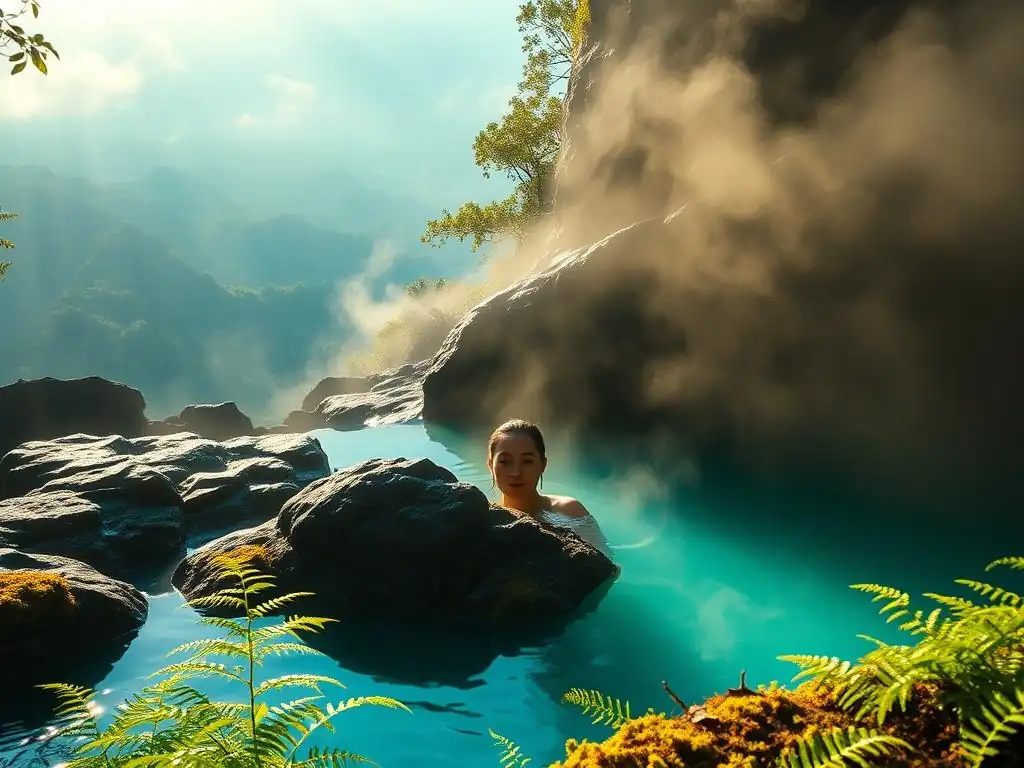
Welcome to Volcano Explorers, where the earth breathes fire and whispers secrets of immense power. But what if that power could also heal? Dive into our latest exploration of volcanic landscapes and geography as we unravel the surprising story: are the claimed Health Benefits of Hot Springs fact or fiction? Prepare to journey beyond the science of eruptions and discover if these geothermal havens truly hold the key to wellness. The answers might just surprise you...
- Introduction: Unveiling the Allure of Hot Springs and Their Health Claims
- Geothermal Waters: Composition and Unique Properties
- The History of Hot Spring Therapy: Balneotherapy Through the Ages
-
Exploring the Potential Health Benefits of Hot Springs: What Does the Science Say?
- Arthritis and Joint Pain Relief: Hot Springs as a Natural Remedy
- Skin Conditions (Eczema, Psoriasis) and Mineral Absorption
- Cardiovascular Health: Can Hot Springs Improve Circulation?
- Stress Reduction and Mental Wellbeing: The Relaxing Effects of Hot Springs
- Muscle Relaxation and Pain Management through Hot Springs
- The Placebo Effect and Hot Springs: Separating Perception from Reality
- Safety Considerations: Risks and Precautions When Using Hot Springs
- Hot Springs vs. Other Wellness Treatments: A Comparative Analysis
- Real-World Examples: Hot Springs Around the Globe and Their Reputed Benefits
- Conclusion: Weighing the Evidence on the Health Benefits of Hot Springs
-
Frequently Asked Questions
- What are the purported health benefits of hot springs, according to VolcanoExplorers.org?
- Does VolcanoExplorers.org definitively state that hot springs are beneficial for health?
- What factors should I consider before visiting a hot spring, according to VolcanoExplorers.org?
- How does the site address the potential dangers associated with hot springs?
- Where can I find more information on the scientific basis of hot spring health benefits on VolcanoExplorers.org?
- Final Reflection: Embracing Nature's Warm Embrace
Introduction: Unveiling the Allure of Hot Springs and Their Health Claims
Hot springs, naturally heated bodies of water emerging from the Earth's crust, have captivated humanity for millennia. Often found in volcanically active regions or areas with significant geothermal activity, these springs are more than just geological curiosities. They are deeply intertwined with human culture and wellness practices, promising a natural path to health and rejuvenation. The allure of soaking in warm, mineral-rich waters, surrounded by often stunning natural landscapes, has drawn people seeking therapeutic benefits for centuries.
From ancient Roman baths to traditional Japanese onsens and Indigenous healing rituals around the globe, hot springs have been celebrated as sources of healing and relaxation. Claims abound regarding their ability to alleviate ailments ranging from arthritis and skin conditions to stress and cardiovascular issues. But how much of this is rooted in scientific fact, and how much is based on folklore and the placebo effect? This article delves into the science behind hot springs, exploring the composition of geothermal waters, the history of balneotherapy, and the evidence supporting the purported health benefits of these natural wonders.
Geothermal Waters: Composition and Unique Properties
The unique properties of hot springs stem from their geothermal origins. As rainwater and surface water percolate deep into the Earth, they encounter heat from the Earth's mantle, often intensified by volcanic activity or geothermal gradients. This heated water dissolves minerals from the surrounding rocks, enriching its composition with a variety of elements like sulfur, calcium, magnesium, lithium, silica, and radon.
The specific mineral content varies dramatically depending on the geological formations the water passes through. For example, hot springs in volcanic regions may be rich in sulfur, while those in limestone areas might be higher in calcium and magnesium.
Beyond their temperature, which can range from comfortably warm to scalding hot, the mineral composition is what truly sets geothermal waters apart. These dissolved minerals are believed to be key to the therapeutic claims associated with hot springs. The concentration and type of minerals present in a particular hot spring dictate its unique properties and potential health benefits.
Furthermore, some geothermal waters contain dissolved gases like carbon dioxide or hydrogen sulfide, which can also contribute to their sensory experience and potentially therapeutic effects. It's this complex cocktail of heat, minerals, and sometimes gases, originating from deep within the Earth, that gives hot springs their distinctive character and perceived health-giving properties.
The History of Hot Spring Therapy: Balneotherapy Through the Ages
The practice of using hot springs for therapeutic purposes, known as balneotherapy, boasts a history stretching back thousands of years. Ancient civilizations across the globe recognized the potential healing power of these natural warm waters. The Romans, renowned for their engineering and appreciation of public baths, constructed elaborate thermal baths throughout their empire.
These baths, like those in Bath, England, and Caracalla Baths in Rome, were not just for hygiene but were central to social life and believed to promote health and well-being. They understood the relaxing and invigorating effects of warm water and utilized the mineral-rich springs for various ailments.
Similarly, in Japan, the tradition of onsen (hot spring baths) is deeply ingrained in the culture. For centuries, onsen have been revered for their therapeutic properties, with different springs believed to cure specific ailments based on their mineral composition. Indigenous cultures around the world, from the Māori in New Zealand to Native American tribes in North America, have also long utilized geothermal areas and hot springs for healing and spiritual practices.
These historical uses of hot springs, spanning continents and cultures, highlight a long-standing human intuition and experience that these natural waters possess unique properties beneficial to health and well-being. This enduring tradition provides a rich context for examining the modern scientific understanding of hot spring therapy.
Exploring the Potential Health Benefits of Hot Springs: What Does the Science Say?

While anecdotal evidence and historical practices strongly suggest health benefits from hot springs, it's crucial to examine what modern science reveals. Research into balneotherapy and the specific effects of hot spring components is ongoing, and the scientific understanding is still evolving. It's important to approach health claims with a balanced perspective, distinguishing between well-supported findings and areas where more research is needed. While some benefits are demonstrably linked to the physical properties of hot water and mineral absorption, others may be more nuanced or influenced by factors like the placebo effect and the overall relaxing environment.
The following sections will delve into specific health claims associated with hot springs, examining the scientific evidence and exploring the potential mechanisms behind these purported benefits. It's important to note that while some studies suggest positive effects, many require further investigation with larger sample sizes and rigorous methodologies to solidify the conclusions. However, the existing body of research, combined with centuries of traditional use, provides a compelling starting point for understanding the potential of hot springs as a complementary wellness modality.
Arthritis and Joint Pain Relief: Hot Springs as a Natural Remedy
One of the most widely cited benefits of hot springs is the relief they offer for arthritis and joint pain. The warmth of the water itself plays a crucial role in this. Heat has long been recognized as a therapeutic agent for musculoskeletal conditions, promoting vasodilation – the widening of blood vessels – which increases blood flow to the affected areas.
This improved circulation can help deliver oxygen and nutrients to tissues and remove waste products, potentially reducing inflammation and pain. Furthermore, the buoyancy of water in hot springs significantly reduces the weight-bearing stress on joints. This allows for gentler movement and exercise in the water, which can help improve joint mobility and flexibility without exacerbating pain.
Studies have explored the effects of hydrotherapy, including warm water immersion, on arthritis symptoms. Research published in the Journal of Rheumatology has indicated that balneotherapy can lead to improvements in pain, stiffness, and physical function in individuals with osteoarthritis and rheumatoid arthritis.
For example, a study examining the effects of mineral baths in patients with knee osteoarthritis showed significant reductions in pain scores and improvements in functional capacity compared to a control group. While hot springs are not a cure for arthritis, the combination of heat, buoyancy, and potential mineral absorption offers a compelling natural approach to managing symptoms and improving quality of life for individuals suffering from joint pain.
Skin Conditions (Eczema, Psoriasis) and Mineral Absorption
Hot springs are often touted for their beneficial effects on skin conditions like eczema and psoriasis. This is attributed to the mineral content of the water, particularly elements like sulfur and silica. Sulfur, for example, has known keratolytic properties, meaning it can help soften and shed the outer layer of skin.
This can be beneficial in conditions like psoriasis, where there is an overproduction of skin cells. Silica, on the other hand, is believed to have soothing and moisturizing effects on the skin. The warm water itself can also help to hydrate the skin and reduce dryness, a common symptom in eczema and psoriasis.
The absorption of minerals through the skin during hot spring bathing is a subject of ongoing research. While the skin is primarily a barrier, studies suggest that some mineral absorption can occur, particularly with prolonged immersion. Research published in the International Journal of Biometeorology investigated the absorption of minerals from thermal waters and found evidence of increased levels of certain minerals in the body after bathing.
Anecdotal evidence from individuals with skin conditions who regularly use hot springs is abundant, with many reporting reduced itching, redness, and scaling. However, it's important to note that hot springs may not be suitable for all skin types and conditions, and some individuals may experience skin irritation. Further research is needed to fully understand the mechanisms and efficacy of hot springs for specific dermatological conditions.
Cardiovascular Health: Can Hot Springs Improve Circulation?
The warmth of hot springs is known to induce vasodilation, the widening of blood vessels. This physiological response is central to the claim that hot springs can improve cardiovascular health by enhancing circulation. When blood vessels dilate, blood flow increases, potentially leading to better oxygen delivery to tissues and organs and a reduction in blood pressure. This effect is similar to that experienced during a warm bath or sauna, but hot springs often offer the added benefit of mineral content.
Studies have investigated the effects of warm water immersion and balneotherapy on cardiovascular parameters. Research in the European Journal of Applied Physiology has shown that immersion in warm water can lead to a decrease in blood pressure and an improvement in vascular function in healthy individuals. Furthermore, some studies suggest that regular balneotherapy may have beneficial effects on individuals with mild hypertension.
However, it's crucial to emphasize that hot springs are not a substitute for conventional medical treatments for cardiovascular diseases. Individuals with pre-existing heart conditions should consult their doctor before using hot springs, as the increased cardiovascular demand from heat exposure may pose risks for some. While hot springs may offer a relaxing way to potentially improve circulation, it's essential to approach this benefit with caution and prioritize established medical advice for managing cardiovascular health.
Stress Reduction and Mental Wellbeing: The Relaxing Effects of Hot Springs
Beyond the physical benefits, the relaxing atmosphere and sensory experience of hot springs are strongly linked to stress reduction and improved mental wellbeing. Immersing oneself in warm water, often in a natural and tranquil setting, can trigger a cascade of physiological and psychological responses that promote relaxation. The warmth of the water helps to soothe muscles, reducing tension and physical discomfort that can contribute to stress. The buoyancy of the water creates a sense of weightlessness, further enhancing physical relaxation.
From a psychological perspective, the escape from daily stressors and the immersion in a natural environment contribute significantly to mental wellbeing. Studies on nature therapy and the benefits of spending time in natural settings have demonstrated reductions in stress hormones like cortisol and improvements in mood and overall psychological well-being. The sensory experience of hot springs – the warmth of the water, the sounds of nature, the often-mineral-rich aroma – can be deeply grounding and restorative.
Furthermore, the social aspect of hot springs, often experienced in communal bathing settings, can foster a sense of community and connection, which is also beneficial for mental wellbeing. While the scientific measurement of stress reduction and mental wellbeing is complex, the anecdotal evidence and the understanding of the physiological and psychological mechanisms involved strongly support the claim that hot springs offer significant benefits for relaxation and mental health.
Muscle Relaxation and Pain Management through Hot Springs
The therapeutic warmth of hot springs is particularly effective in promoting muscle relaxation and managing muscle pain. Heat is a well-established muscle relaxant, working by increasing blood flow to muscles, reducing muscle spasms, and decreasing nerve sensitivity. When muscles are tense or spasming, heat can help to alleviate the tension and allow them to relax, reducing pain and improving flexibility. This is why warm baths and heat packs are commonly recommended for muscle soreness and minor injuries.
Hot springs amplify this effect through the combination of heat, buoyancy, and often mineral content. The buoyancy of the water reduces the strain on muscles, allowing for easier movement and stretching. The mineral content, particularly magnesium, is also believed to play a role in muscle relaxation.
Magnesium is an essential mineral involved in muscle function, and some studies suggest that magnesium absorption through the skin can contribute to muscle relaxation. For individuals experiencing muscle soreness from exercise, tension headaches, or general muscle stiffness, soaking in hot springs can provide significant relief. The combination of physical relaxation and the calming environment of hot springs creates a powerful natural remedy for muscle pain and tension.
The Placebo Effect and Hot Springs: Separating Perception from Reality
When evaluating the health benefits of hot springs, it's essential to consider the placebo effect. The placebo effect is a phenomenon where a person experiences a perceived or actual benefit from a treatment that has no inherent therapeutic value, simply because they believe it will work. In the context of hot springs, several factors can contribute to a strong placebo effect. The ritualistic nature of visiting a hot spring, the relaxing and often beautiful environment, the expectation of healing, and the social context can all enhance the perceived benefits.
The expectation of relief and the belief in the healing power of hot springs can trigger the release of endorphins, the body's natural painkillers and mood elevators. This can lead to a genuine reduction in pain and an improvement in well-being, even if the physiological effects of the hot springs are less pronounced than perceived. While the placebo effect is a real and measurable phenomenon, it's important to strive to differentiate between benefits solely attributable to placebo and those with a genuine physiological basis.
Scientific research aims to do this through controlled studies comparing hot spring therapy to placebo treatments. Acknowledging the role of the placebo effect doesn't diminish the potential benefits of hot springs, but it encourages a balanced perspective and a critical evaluation of health claims. The overall experience of visiting a hot spring, encompassing both physiological and psychological factors, contributes to its perceived therapeutic value.
Safety Considerations: Risks and Precautions When Using Hot Springs
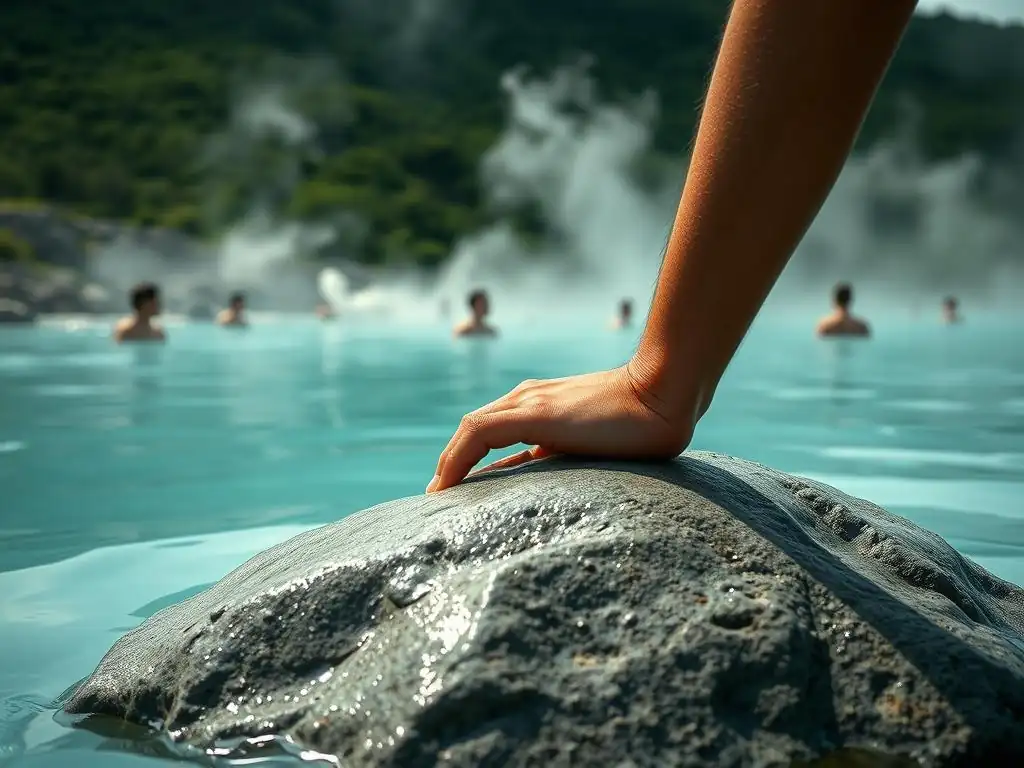
While generally safe and beneficial, using hot springs requires awareness of potential risks and adherence to safety precautions. One of the primary concerns is the temperature of the water. Natural hot springs can reach very high temperatures, posing a risk of burns or heatstroke.
It's crucial to check the temperature before entering and avoid springs that are excessively hot. Prolonged immersion in hot water can also lead to overheating and dehydration, so it's essential to stay hydrated by drinking plenty of water before, during, and after soaking. Limiting soak times to recommended durations, often around 15-30 minutes, is also advisable.
Another safety consideration is water quality. Natural hot springs can harbor bacteria, parasites, and amoebae, some of which can cause infections. Naegleria fowleri, a rare but dangerous amoeba, is a particular concern in warm freshwater.
While the risk of infection is generally low, it's wise to avoid submerging the head in hot springs and to be aware of water quality advisories. Individuals with certain health conditions, such as heart problems, high blood pressure, pregnancy, or open wounds, should consult their doctor before using hot springs, as the heat and mineral content may not be suitable for everyone. Following posted safety guidelines at commercial hot spring facilities and exercising common sense are essential to ensure a safe and enjoyable experience.
Hot Springs vs. Other Wellness Treatments: A Comparative Analysis
Hot springs offer a unique wellness experience that can be compared to other treatments like spas, saunas, and physiotherapy, yet also possesses distinct advantages. Spas often incorporate hot water treatments like whirlpools and mineral baths, but these are typically artificial environments, lacking the natural setting and geological origin of hot springs.
Saunas and steam rooms provide heat therapy, which shares some benefits with hot springs, such as muscle relaxation and improved circulation, but they lack the buoyancy and mineral content of water immersion. Physiotherapy uses hydrotherapy, including warm water exercises, which is similar to the therapeutic movement possible in hot springs, but often takes place in controlled clinical settings.
Hot springs stand out by offering a natural and holistic wellness experience. The combination of geothermal heat, mineral-rich water, and often stunning natural landscapes creates a uniquely relaxing and restorative environment. Unlike many spa treatments that can be costly, accessing natural hot springs can be relatively affordable, especially in areas where they are abundant. While spas and physiotherapy offer targeted treatments and controlled environments, hot springs provide a more immersive and natural approach to wellness, blending physical therapy with relaxation and connection to nature. They offer a unique synergy of benefits that distinguishes them from other wellness modalities.
Real-World Examples: Hot Springs Around the Globe and Their Reputed Benefits
The global distribution of hot springs showcases their diverse geological origins and cultural significance. Examining specific examples around the world reveals the range of reputed health benefits and the unique characteristics of different hot spring locations. From the remote wilderness of Alaska to the bustling city of Budapest and the geothermal landscapes of New Zealand, hot springs offer varied experiences and therapeutic traditions.
The following examples illustrate the diverse nature of hot springs and their integration into local cultures and wellness practices. These examples are not exhaustive but provide a glimpse into the global phenomenon of hot spring utilization for health and well-being.
Chena Hot Springs, Alaska: Renewable Energy and Therapeutic Waters
Chena Hot Springs, located near Fairbanks, Alaska, is a remarkable example of a hot spring destination that combines therapeutic waters with a commitment to renewable energy. Situated in a remote and pristine wilderness setting, Chena Hot Springs is renowned for its natural beauty and the opportunity to view the Aurora Borealis. The hot springs themselves are rich in minerals, particularly sodium bicarbonate and silica, which are believed to contribute to their therapeutic properties. Visitors have reported relief from muscle pain, arthritis symptoms, and skin conditions after soaking in Chena's outdoor and indoor hot spring pools.
Beyond its therapeutic offerings, Chena Hot Springs is a pioneer in geothermal energy utilization in Alaska. It operates the world's lowest temperature geothermal power plant, using the hot spring water to generate electricity and reduce reliance on fossil fuels. This sustainable approach further enhances the appeal of Chena Hot Springs, showcasing a harmonious blend of natural wellness and environmental consciousness. The remote location, combined with the therapeutic waters and commitment to sustainability, makes Chena Hot Springs a unique and compelling example of a hot spring destination with diverse benefits.
Széchenyi Thermal Baths, Budapest: Historical Grandeur and Diverse Mineral Composition
Széchenyi Thermal Baths in Budapest, Hungary, represent a grand historical example of hot spring culture in a European urban setting. Dating back to 1913, Széchenyi is one of the largest medicinal baths in Europe, boasting stunning neo-Baroque architecture and a complex of indoor and outdoor pools. The thermal waters at Széchenyi are sourced from two thermal springs and are rich in calcium, magnesium, bicarbonate, sulfate, and fluoride. This diverse mineral composition is believed to be beneficial for a wide range of ailments, including joint pain, arthritis, circulatory problems, and respiratory conditions.
Budapest is known as the "City of Spas" due to its abundance of thermal springs, and Széchenyi Baths are a flagship example of this rich spa culture. The baths are not only a place for therapeutic soaking but also a social and cultural hub, where people gather to relax, socialize, and enjoy the reputed health benefits of the mineral-rich waters. The historical grandeur of the baths, combined with the diverse mineral composition and central urban location, makes Széchenyi Thermal Baths a significant example of hot spring culture in Europe.
Rotorua, New Zealand: Māori Culture and Geothermal Healing
Rotorua, located in the Bay of Plenty region of New Zealand's North Island, is a geothermal wonderland deeply intertwined with Māori culture and traditions. The region is characterized by intense geothermal activity, including geysers, mud pools, and numerous hot springs. For centuries, Māori have utilized these geothermal resources for cooking, heating, and, importantly, for healing. Traditional Māori medicine, known as Rongoā Māori, incorporates the use of geothermal mud and water for therapeutic purposes. Miri Miri massage, a traditional Māori healing practice, often utilizes warmed stones and oils, drawing upon the geothermal energy of the land.
The hot springs in Rotorua are diverse in their mineral composition, with some being sulfur-rich and others containing different combinations of minerals. These waters are traditionally used to treat skin conditions, muscle pain, and arthritis. Many commercial spas and wellness centers in Rotorua today continue to offer geothermal treatments, blending traditional Māori practices with modern spa therapies. Rotorua exemplifies the profound connection between geothermal landscapes, Indigenous culture, and the long-standing tradition of utilizing hot springs for healing and well-being.
Conclusion: Weighing the Evidence on the Health Benefits of Hot Springs
The allure of hot springs and their purported health benefits is a complex tapestry woven from historical tradition, anecdotal evidence, and emerging scientific research. While centuries of balneotherapy practices and personal testimonials attest to the therapeutic value of hot springs, a critical examination of the scientific evidence reveals a nuanced picture. The warmth of hot spring water demonstrably provides muscle relaxation, pain relief, and improved circulation. The buoyancy of water eases joint stress and facilitates gentle exercise. The relaxing environment and sensory experience contribute significantly to stress reduction and mental well-being.
However, specific claims regarding mineral absorption and the treatment of certain skin conditions or cardiovascular diseases require further rigorous scientific investigation. While some studies suggest potential benefits, more research is needed to solidify these findings and fully understand the mechanisms of action. The placebo effect undoubtedly plays a role in the perceived benefits, highlighting the importance of a balanced perspective.
Ultimately, hot springs offer a unique and enjoyable wellness experience with demonstrable benefits for relaxation, muscle pain, and potentially some joint and skin conditions. They should be viewed as a complementary wellness modality, not a cure-all, and enjoyed responsibly with awareness of safety precautions. The enduring appeal of hot springs lies in their natural integration of physical and mental relaxation, connecting us to the Earth's geothermal energy and offering a time-honored path to well-being.
Frequently Asked Questions
What are the purported health benefits of hot springs, according to VolcanoExplorers.org?
VolcanoExplorers.org explores the wellness claims surrounding hot springs, often linked to the mineral content of the water. These include potential relief from muscle aches and skin conditions. However, the site encourages a critical evaluation of these claims.
Does VolcanoExplorers.org definitively state that hot springs are beneficial for health?
No, VolcanoExplorers.org presents a balanced view. It explores the claims but encourages visitors to consider whether the benefits are fact or fiction. They emphasize the need for further scientific investigation into these claims.
What factors should I consider before visiting a hot spring, according to VolcanoExplorers.org?
VolcanoExplorers.org would likely advise considering factors like water temperature, mineral composition, and potential bacterial contamination. They would also stress checking for any health advisories issued by local authorities.
How does the site address the potential dangers associated with hot springs?
While focusing on wellness claims, VolcanoExplorers.org likely touches on potential dangers such as scalding, infection, and exposure to harmful chemicals. They would likely emphasize the importance of following safety guidelines.
Where can I find more information on the scientific basis of hot spring health benefits on VolcanoExplorers.org?
The site would likely direct you to sections exploring the mineral composition of volcanic waters and any studies or research related to their effects. They might also offer links to external resources for further information.
Final Reflection: Embracing Nature's Warm Embrace
The exploration of hot springs and their purported health benefits reveals a fascinating intersection of ancient tradition and modern science. While definitive proof of every claim remains elusive, the undeniable allure of these geothermal havens speaks to a deep-seated human connection with nature and the pursuit of well-being. The enduring popularity of hot springs, despite the need for further rigorous scientific validation, underscores a belief in their restorative power that transcends mere placebo.
The cultural significance of hot springs, from ancient Roman baths to Japanese onsen, highlights their enduring influence on social rituals and personal rejuvenation. My own experience researching this topic has deepened my appreciation for the holistic approach to health that these natural wonders represent. The best doctor is also a natural doctor.
- Galen, a sentiment that resonates strongly with the enduring appeal of hot springs as a source of healing and relaxation. This connection to nature, and the potential for stress reduction alone, makes the exploration of hot springs a worthwhile endeavor.
As we conclude this exploration of the health benefits of hot springs, I invite you to consider the power of nature in your own life. Whether you seek the scientifically proven benefits or simply the soothing embrace of warm, mineral-rich waters, remember that well-being is a multifaceted journey. Embrace the potential for healing and rejuvenation that nature offers, and discover your own path to a healthier, more balanced life.
Discover the truth behind the healing powers of hot springs. For centuries, people have sought solace and rejuvenation in these natural wonders, believing in their ability to alleviate various ailments. But are these claims backed by science, or are they simply folklore? This article delves into the purported health benefits of hot springs, exploring the evidence and separating fact from fiction.
We examine the potential therapeutic effects on conditions such as arthritis, muscle pain, and skin conditions, while also addressing the potential risks and precautions to consider before embarking on a hot springs journey. Learn how to choose a reputable hot spring location and how to maximize the potential benefits for a safe and enriching experience. Uncover the science and the serenity of hot springs—and decide for yourself.