
Unveiling the Mystical Depths: Exploring Earth's Geothermal Wonders

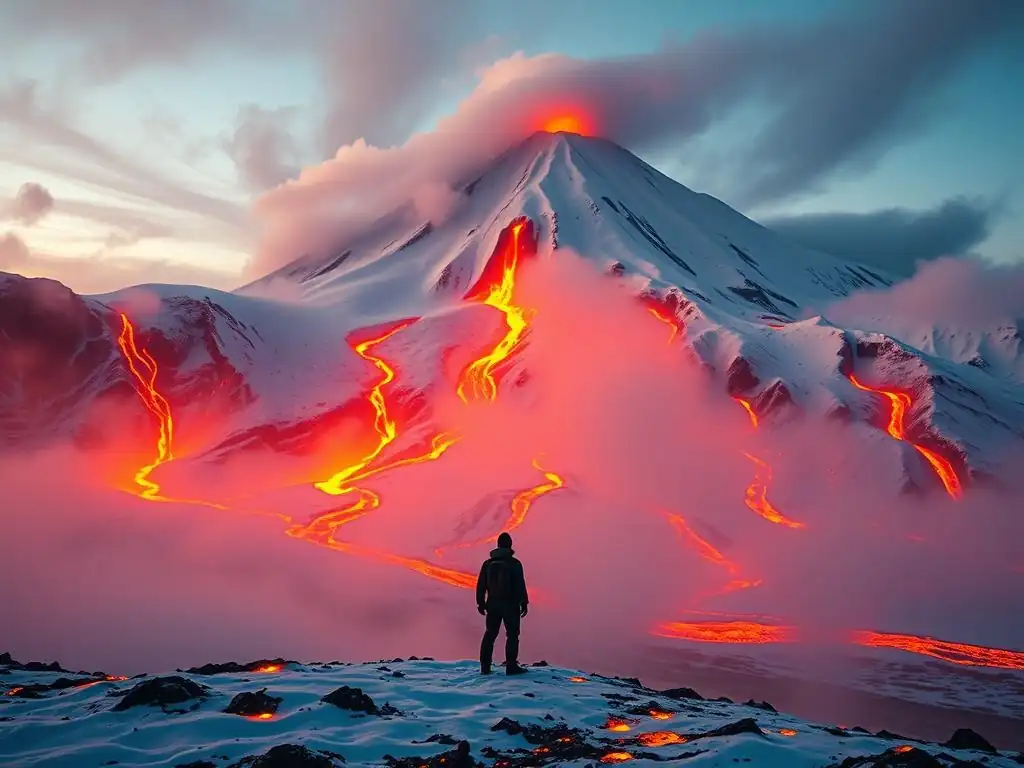
Welcome to Volcano Explorers!
Prepare to journey into the heart of the Earth. Are you ready to uncover the secrets simmering beneath our planet's surface? This isn't just about mountains of fire; it's about exploring geothermal wonders volcanoes create – landscapes sculpted by immense power, where heat and pressure birth breathtaking and often precarious beauty. Intrigued? Then delve deeper and let's unravel the mysteries of these volcanic landscapes together. The adventure awaits...
- Introduction: Discovering the Allure of Geothermal Areas Near Volcanoes
- What are Geothermal Wonders and How Are They Formed Near Volcanoes?
- Types of Geothermal Features: A Global Tour of Volcanic Hotspots
- The Science of Geothermal Exploration: Understanding Volcanoes' Hidden Power
- Geothermal Areas and Their Impact on the Environment and Ecosystems
- Exploring Geothermal Wonders: A Traveler's Guide to Volcanic Landscapes
- Geothermal Wonders: A Conclusion on Volcanoes’ Hidden Beauty
-
Frequently Asked Questions
- What exactly are geothermal wonders associated with volcanoes?
- Why are some areas near volcanoes called "geothermal areas"?
- How do volcanologists study geothermal areas near volcanoes?
- What are some potential dangers associated with exploring geothermal areas near volcanoes?
- How does exploring geothermal wonders benefit scientific understanding of volcanoes?
- Final Reflection: Embracing the Earth's Inner Fire
- Ignite Your Inner Explorer: Dive Deeper into Geothermal Majesty!
Introduction: Discovering the Allure of Geothermal Areas Near Volcanoes
Volcanoes, often perceived as formidable mountains of fire and destruction, also serve as gateways to a hidden world of geothermal wonders. Beyond the dramatic eruptions and lava flows, volcanic regions are cradles of intense subterranean heat that manifest in breathtaking surface phenomena. These geothermal areas, characterized by hot springs, geysers, fumaroles, and mud pots, are not just geological curiosities but vibrant ecosystems and potential sources of clean energy. Exploring geothermal wonders volcanoes unveils a less-known, yet equally captivating, facet of volcanic landscapes, inviting us to appreciate the intricate interplay between Earth's internal forces and its surface expressions.
The allure of geothermal areas near volcanoes stems from their unique blend of scientific intrigue and natural beauty. Imagine witnessing the powerful eruption of a geyser, feeling the warmth emanating from a steaming hot spring, or observing the otherworldly landscapes sculpted by geothermal activity. These experiences offer a tangible connection to the Earth's inner workings, providing a profound understanding of geological processes that shape our planet. Moreover, the potential for harnessing geothermal energy as a sustainable alternative further elevates the significance of these areas, making their exploration not just an adventure but also a step towards a greener future.
What are Geothermal Wonders and How Are They Formed Near Volcanoes?
Understanding Geothermal Energy: Earth's Internal Heat Source
Geothermal energy, the driving force behind these spectacular surface features, is essentially the Earth's internal heat. This heat originates from two primary sources: primordial heat left over from the planet's formation billions of years ago and radiogenic heat produced by the decay of radioactive isotopes within the Earth's mantle and crust. The geothermal gradient, which is the rate at which temperature increases with depth, averages around 25°C to 30°C per kilometer in the upper crust. However, in volcanically active regions, this gradient is significantly higher due to the upwelling of magma from the mantle.
Volcanoes are direct manifestations of this internal heat. Magma, molten rock beneath the Earth's surface, rises towards the crust due to density differences and pressure. As magma nears the surface, it heats the surrounding rocks and groundwater.
This heated groundwater becomes the key ingredient in the formation of geothermal features. The presence of a magma chamber relatively close to the surface is a crucial prerequisite for the development of extensive geothermal areas. Regions like Iceland, Yellowstone National Park, and Rotorua in New Zealand, all renowned for their geothermal wonders, are situated in areas with active or recently active volcanism, where the Earth's internal heat is readily accessible.
The Geological Processes Behind Geothermal Features
The creation of geothermal wonders is a complex interplay of geological factors. It starts with a heat source, typically a magma body beneath the surface. Next, a hydrothermal system must be present, which involves groundwater percolating downwards through permeable rocks. This water is heated by the hot rocks surrounding the magma chamber and becomes buoyant, rising back towards the surface. The type of geothermal feature that forms depends on several factors, including the geological structure of the area, the temperature and pressure of the heated water, and the presence of dissolved minerals and gases.
Faults and fractures in the Earth's crust play a critical role in channeling the heated water to the surface. These pathways allow the hot water to ascend rapidly, preventing it from cooling down significantly before reaching the surface. Confining layers of impermeable rock can also influence the formation of specific features like geysers.
When hot water is trapped beneath such layers, pressure builds up until it overcomes the confining pressure, resulting in a dramatic eruption. Dissolved minerals in the geothermal fluids, such as silica, can precipitate out as the water cools at the surface, creating unique geological formations like terraces around hot springs and geyser cones. The combination of these geological processes orchestrates the diverse and fascinating array of geothermal wonders we observe in volcanic regions around the globe.
Types of Geothermal Features: A Global Tour of Volcanic Hotspots
Hot Springs: Soothing Waters Heated by Volcanic Activity
Hot springs are perhaps the most common and widely recognized geothermal features. They are essentially locations where geothermally heated groundwater emerges at the surface. The temperature of hot springs can vary dramatically, ranging from pleasantly warm to scalding hot, sometimes even reaching boiling point.
The heat source for these springs is invariably volcanic activity, with magma chambers providing the thermal energy to heat the groundwater circulating beneath the surface. The composition of hot spring water is also influenced by the surrounding geology and the volcanic gases that may dissolve into it, resulting in a diverse range of mineral contents and colors.
Famous examples of hot springs abound in volcanic regions worldwide. The Blue Lagoon in Iceland, renowned for its milky blue, mineral-rich waters, is a prime example of a geothermal spa fed by a nearby volcanic power plant. In Japan, onsen, or hot springs, are deeply embedded in the culture, with countless resorts and public baths utilizing the naturally heated waters from volcanic areas.
Yellowstone National Park in the United States boasts an incredible concentration of hot springs, including Grand Prismatic Spring, famous for its vibrant colors caused by heat-loving bacteria, and Mammoth Hot Springs, known for its travertine terraces formed by the deposition of calcium carbonate from the spring water. These diverse examples illustrate the global prevalence and varied characteristics of hot springs as captivating expressions of geothermal activity.
Geysers: Eruptions of Steam and Water
Geysers are arguably the most dramatic and awe-inspiring geothermal features. They are essentially hot springs that periodically erupt jets of hot water and steam into the air. This eruptive behavior is due to a specific combination of geological and hydrological conditions. Geysers typically require a plumbing system consisting of underground fractures and cavities that hold water, a heat source to raise the water temperature beyond boiling point, and a constriction in the conduit near the surface to build up pressure.
The eruption cycle of a geyser begins with the slow filling of its underground plumbing system with groundwater. As the water is heated from below by geothermal energy, the temperature rises. Because of the pressure exerted by the overlying water column, the water at the bottom can become superheated, meaning it is hotter than its normal boiling point at atmospheric pressure.
Eventually, the superheated water near the bottom flashes into steam, creating bubbles that rise and push water out of the geyser's vent. This initial discharge reduces the pressure on the remaining water, causing a chain reaction of boiling throughout the system, leading to a powerful eruption of steam and hot water.
Old Faithful in Yellowstone National Park, with its predictable eruptions, is perhaps the world's most famous geyser. Other notable geyser fields can be found in Iceland, Russia's Kamchatka Peninsula, and Chile, each showcasing the raw power and beauty of these eruptive geothermal wonders.
Fumaroles: Vents Releasing Volcanic Gases
Fumaroles are vents in the Earth's surface that emit steam and volcanic gases. Unlike geysers that erupt liquid water, fumaroles primarily release gases, although some condensation of steam may occur near the vent. They are commonly found in volcanic regions, particularly on the flanks and within the craters of active volcanoes, as well as in geothermal areas associated with volcanic activity. The gases released from fumaroles are a direct product of magma degassing at depth and can include water vapor, carbon dioxide, sulfur dioxide, hydrogen sulfide, and various other trace gases.
The composition and temperature of fumarole gases can vary depending on the source magma, the depth of origin, and the geological pathways they take to the surface. High-temperature fumaroles, often found in active volcanic craters, can reach temperatures of several hundred degrees Celsius and may emit significant amounts of sulfur-containing gases, giving them a characteristic pungent smell. Lower-temperature fumaroles, located further away from the primary volcanic vent or in older geothermal areas, may primarily release steam and carbon dioxide.
Fumaroles are important features for volcanologists as they provide valuable insights into the degassing processes of volcanoes and can be monitored to detect changes in volcanic activity. For instance, the Valley of Ten Thousand Smokes in Katmai National Park, Alaska, is a vast fumarole field created after the massive Novarupta eruption in 1912, showcasing the scale and impact of volcanic degassing.
Mud Pots: Bubbling Pools of Clay and Water
Mud pots are another intriguing type of geothermal feature, characterized by bubbling pools of hot mud. They form in areas where geothermal steam and gases rise through fine-grained soil or clay deposits with limited water. The steam condenses and mixes with the clay, creating a muddy slurry.
The gases, often including hydrogen sulfide, contribute to the bubbling and give mud pots a distinctive "rotten egg" smell. The color of mud pots can vary depending on the minerals present in the soil, ranging from gray and brown to white and even brightly colored due to iron oxides or other mineral precipitates.
The viscosity of mud pots can vary significantly, from thin and soupy to thick and gloopy. Some mud pots bubble gently, while others can be quite vigorous, with large bursts of mud ejected into the air. The constant churning and bubbling are driven by the continuous release of steam and gases from below.
Mud pots are often found in conjunction with other geothermal features like hot springs and fumaroles, and they contribute to the diverse and dynamic landscapes of geothermal areas. Examples of notable mud pot areas include Yellowstone National Park's Mud Volcano Area, which features a variety of mud pots, hot springs, and fumaroles, and the Wai-O-Tapu Thermal Wonderland in New Zealand, known for its colorful and actively bubbling mud pools, showcasing the fascinating diversity of geothermal expressions.
Geothermal Resource Assessment: Identifying Potential Sites
Exploring geothermal wonders volcanoes also involves the scientific process of geothermal resource assessment. This crucial step aims to identify and evaluate potential sites for geothermal energy production. It involves a multidisciplinary approach, integrating geological, geophysical, and geochemical investigations to understand the subsurface geothermal system.
Geological surveys focus on mapping surface manifestations like hot springs, fumaroles, and altered rocks, as well as identifying geological structures such as faults and fractures that can act as pathways for geothermal fluids. Geophysical methods, such as gravity surveys, magnetic surveys, and seismic surveys, are used to probe the subsurface and delineate the geometry of the geothermal reservoir and the underlying heat source.
Geochemical analyses of water and gas samples from hot springs and fumaroles provide valuable information about the temperature, composition, and origin of the geothermal fluids. These analyses can help estimate the reservoir temperature at depth and assess the potential for scaling and corrosion in geothermal power plants. Thermal infrared surveys, both from ground-based instruments and satellites, can map surface heat flow and identify areas of high geothermal activity.
Combining these diverse datasets allows scientists to build a comprehensive model of the geothermal system, including its heat source, reservoir characteristics, and recharge mechanisms. This detailed understanding is essential for accurately assessing the geothermal resource potential and for designing efficient and sustainable geothermal energy projects.
Geothermal Energy Production: Harnessing Volcanic Heat
Harnessing volcanic heat for geothermal energy production is a growing field with significant potential, especially in regions located near volcanoes. Geothermal power plants utilize the Earth's internal heat to generate electricity and provide direct heat for various applications. There are several types of geothermal power plants, each suited to different geothermal reservoir conditions. Dry steam power plants directly use steam from geothermal reservoirs to turn turbines and generate electricity.
Flash steam power plants are more common and are used for reservoirs with high-temperature water. In these plants, hot geothermal water is flashed into steam by reducing the pressure, and the steam is then used to drive turbines. Binary cycle power plants are used for lower-temperature geothermal resources. They utilize a secondary working fluid with a lower boiling point than water, which is heated by the geothermal water and then vaporized to drive turbines.
Geothermal energy is a renewable and sustainable energy source with several environmental advantages. It produces significantly lower greenhouse gas emissions compared to fossil fuels and has a relatively small land footprint. Countries like Iceland, Philippines, and Indonesia, located in volcanic regions, are leaders in geothermal energy production.
Iceland, in particular, generates nearly 100% of its electricity and heat from renewable sources, with geothermal energy playing a dominant role. The development of enhanced geothermal systems (EGS), which aims to create artificial geothermal reservoirs in hot dry rocks, is further expanding the potential of geothermal energy, making it accessible in a wider range of locations, even those not directly associated with active volcanoes, thus broadening the scope of exploring geothermal wonders volcanoes for energy solutions.
Geothermal Areas and Their Impact on the Environment and Ecosystems
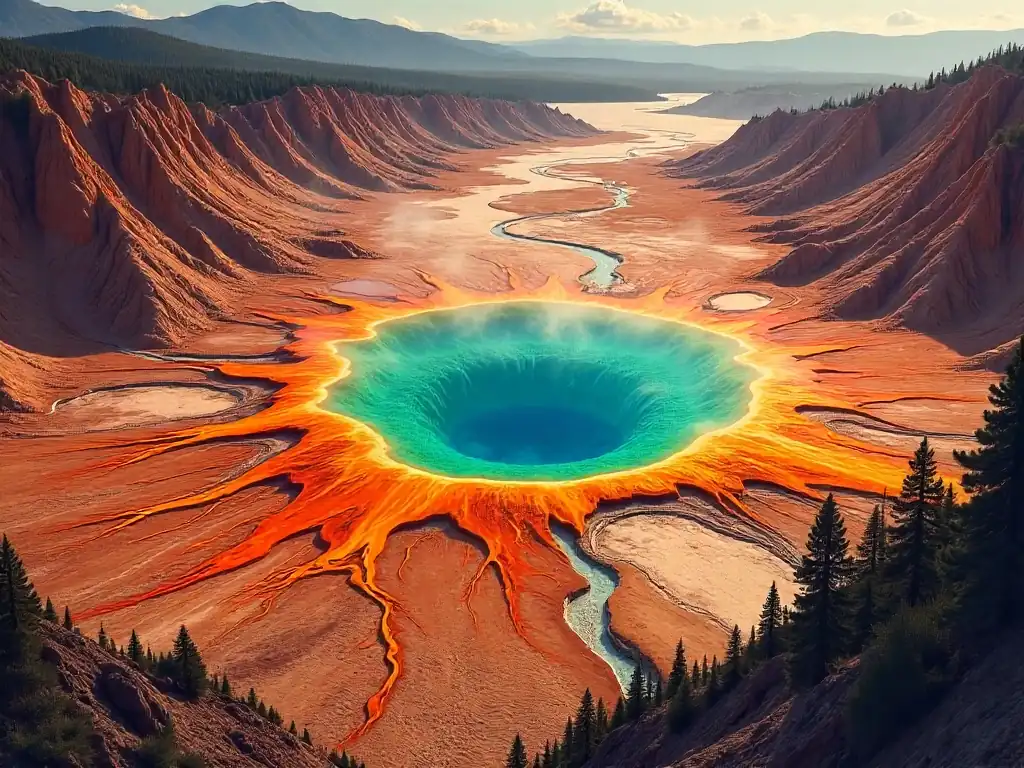
Unique Ecosystems: Life Thriving in Extreme Conditions
Geothermal areas, despite their seemingly harsh conditions, support unique and often extremophile ecosystems. These environments, characterized by high temperatures, acidic or alkaline waters, and often elevated concentrations of dissolved minerals and gases, are home to specialized microorganisms that have adapted to thrive in these extreme conditions. These extremophiles, including thermophiles (heat-loving organisms) and acidophiles (acid-loving organisms), form the base of the food web in geothermal ecosystems. They are often bacteria, archaea, and certain types of algae and fungi that can tolerate and even require these extreme conditions for survival.
The vibrant colors observed in many hot springs, such as the Grand Prismatic Spring in Yellowstone, are often due to the presence of different types of thermophilic bacteria and archaea. These microorganisms use chemosynthesis, rather than photosynthesis, to obtain energy, utilizing chemicals like hydrogen sulfide or sulfur compounds present in the geothermal fluids. Geothermal ecosystems can also support more complex life forms, including certain invertebrates and even vertebrates that have adapted to the unique conditions.
For example, some species of insects, crustaceans, and fish are found in or near geothermal springs and streams. Studying these unique ecosystems provides valuable insights into the limits of life on Earth and the potential for life in other extreme environments, even beyond our planet.
Environmental Considerations: Balancing Energy Production and Conservation
While geothermal energy is a clean and sustainable energy source, its development and utilization are not without environmental considerations. Geothermal power plants can have impacts on the local environment, including land use, water use, and potential emissions. Land use impacts are relatively small compared to fossil fuel power plants, but geothermal development can still require clearing land for power plants, pipelines, and access roads. Water use is a crucial consideration, as geothermal power plants often require water for steam production and cooling. Sustainable water management practices are essential to minimize the impact on local water resources.
Geothermal power plants can also release small amounts of greenhouse gases, primarily carbon dioxide and hydrogen sulfide, that are naturally present in geothermal fluids. However, these emissions are significantly lower than those from fossil fuel power plants. Hydrogen sulfide emissions can also cause odor problems and, in high concentrations, can be harmful.
Modern geothermal power plants employ technologies to mitigate these emissions, such as gas scrubbing and reinjection of geothermal fluids back into the subsurface reservoir. Furthermore, the potential for induced seismicity, although generally low, is a concern in some geothermal areas, particularly during the initial stages of development or fluid reinjection. Careful site selection, reservoir management, and monitoring are crucial to minimize these environmental impacts and ensure the sustainable development of geothermal resources while preserving the natural beauty of exploring geothermal wonders volcanoes.
Exploring Geothermal Wonders: A Traveler's Guide to Volcanic Landscapes
Safety Tips for Visiting Geothermal Areas
Exploring geothermal wonders can be an incredible experience, but it is essential to prioritize safety when visiting these dynamic and potentially hazardous environments. Geothermal areas are characterized by extremely hot water, steam vents, unstable ground, and potentially toxic gases. Always stay on marked trails and boardwalks. These are designed to guide visitors safely through geothermal areas and keep them away from dangerous zones. Never venture off designated paths, as the ground in geothermal areas can be unstable and thin crusts can collapse, leading to scalding burns.
Be aware of the potential for steam vents and fumaroles. These can release superheated steam and gases that can cause severe burns and respiratory irritation. Maintain a safe distance from these features and be mindful of wind direction, as gases can be carried downwind. Hot springs and mud pots are extremely hot and should never be touched or entered. The water in hot springs can be near boiling point, and mud pots can be deceptively hot beneath the surface.
Supervise children closely and ensure they understand the dangers of geothermal areas. Pay attention to warning signs and heed any instructions from park rangers or guides. Carry water to stay hydrated, wear sturdy shoes, and dress in layers to adapt to changing weather conditions. By following these safety precautions, you can enjoy the wonders of geothermal areas responsibly and minimize the risks.
Recommended Geothermal Destinations near Volcanoes
For travelers seeking to explore geothermal wonders near volcanoes, several destinations around the world offer exceptional experiences. Yellowstone National Park in the United States is a premier geothermal destination, boasting the largest concentration of geysers and hot springs in the world. Iceland, the "Land of Fire and Ice," is another must-visit location, with numerous geothermal areas easily accessible, including the Blue Lagoon, Geysir Geothermal Area, and Myvatn Nature Baths. New Zealand's Rotorua region is renowned for its Maori culture intertwined with geothermal landscapes, offering attractions like Wai-O-Tapu and Te Puia, showcasing geysers, mud pools, and hot springs.
Japan, with its numerous active volcanoes, is dotted with onsen (hot springs) resorts and geothermal areas like Hakone and Beppu, providing opportunities for relaxation and experiencing traditional Japanese hot spring culture. The Kamchatka Peninsula in Russia, a UNESCO World Heritage site, is a remote and pristine volcanic region with stunning geyser valleys and geothermal fields, offering a more adventurous geothermal exploration experience.
Chile's El Tatio geyser field in the Atacama Desert is one of the highest geyser fields in the world, set against a backdrop of breathtaking desert scenery. These destinations represent just a fraction of the global geothermal wonders awaiting exploration near volcanoes, each offering unique landscapes and experiences for those fascinated by Earth's geothermal energy.
Exploring geothermal wonders volcanoes reveals a captivating and often overlooked aspect of volcanic landscapes. Beyond the fiery eruptions and dramatic formations, volcanoes are also cradles of geothermal activity, giving rise to a diverse array of features like hot springs, geysers, fumaroles, and mud pots. These geothermal wonders are not just geological curiosities but also vibrant ecosystems, potential sources of clean energy, and testaments to the Earth's dynamic internal processes. From the soothing warmth of hot springs to the spectacular eruptions of geysers, these features offer a tangible connection to the planet's hidden heat and power.
The scientific exploration of geothermal areas provides valuable insights into Earth's geology, hydrology, and even the limits of life itself. Harnessing geothermal energy offers a sustainable alternative to fossil fuels, contributing to a cleaner energy future. For travelers, geothermal areas near volcanoes present unique and unforgettable experiences, blending natural beauty with scientific intrigue.
By understanding and appreciating these geothermal wonders, we gain a deeper appreciation for the multifaceted nature of volcanoes and their crucial role in shaping our planet. The exploration of geothermal wonders is not just about witnessing natural phenomena; it's about unveiling the hidden beauty and power of the Earth's internal forces.
Frequently Asked Questions
What exactly are geothermal wonders associated with volcanoes?
Geothermal wonders near volcanoes are unique geological features created by heat from the Earth's interior. These include hot springs, geysers, and fumaroles, often found in volcanically active regions.
Why are some areas near volcanoes called "geothermal areas"?
These areas are called geothermal because the Earth's internal heat, especially concentrated near volcanoes, heats underground water reservoirs. This heated water rises to the surface, creating various geothermal phenomena.
How do volcanologists study geothermal areas near volcanoes?
Volcanologists study these areas by measuring temperature, analyzing chemical composition of water and gases, and monitoring ground deformation to understand the underlying volcanic activity.
What are some potential dangers associated with exploring geothermal areas near volcanoes?
Dangers include scalding water, toxic gases like sulfur dioxide, and the risk of sudden eruptions of geysers or hot springs. Always follow safety guidelines and stay on marked paths.
How does exploring geothermal wonders benefit scientific understanding of volcanoes?
Studying geothermal areas provides insights into the magma system beneath a volcano, helping scientists to understand its activity level and potential hazards, ultimately improving eruption forecasting.
Final Reflection: Embracing the Earth's Inner Fire
The journey through Earth's geothermal wonders, from the bubbling mud pots to the towering volcanoes, reveals a planet brimming with raw, untamed energy. This exploration of geothermal wonders volcanoes is not just about scientific curiosity; it's about understanding the very heartbeat of our planet and its potential to shape our future. The power simmering beneath our feet is a constant reminder of the dynamic forces at play, forces that have sculpted landscapes and influenced life itself.
The sheer scale and beauty of these geothermal landscapes have profoundly impacted my perspective, forcing a deeper appreciation for the Earth's intricate systems. Witnessing the raw power of a geyser erupting or feeling the warmth radiating from a volcanic vent underscores the delicate balance between destruction and creation. We are part of the earth and it is part of us.
- Chief Seattle. This quote resonates deeply when considering the interconnectedness of geothermal activity and the environment, reminding us of our responsibility to understand and protect these powerful forces.
Now, as you close this exploration of geothermal wonders volcanoes, I invite you to consider your own connection to the Earth's energy. How can you harness the lessons learned from these powerful landscapes to fuel your own passions and drive positive change? Let the awe-inspiring beauty and raw power of geothermal wonders inspire you to explore, to learn, and to protect the planet that sustains us all.
Ignite Your Inner Explorer: Dive Deeper into Geothermal Majesty!
Thank you for joining us on this journey through Earth's fascinating geothermal landscapes. We hope you've gained a newfound appreciation for these powerful forces and the beauty they create. Now, let's translate that inspiration into action!
Ready to continue exploring?
- Plan Your Own Geothermal Adventure! Research accessible geothermal areas near you (or dream destinations further afield) and start planning a future trip. Use resources like Volcano Explorers (volcanoexplorers.org) to find safe and responsible tour operators.
- Share Your Discoveries: Spread the wonder! Post your favorite geothermal fact or image from this article on social media using #VolcanoExplorers and tag us!
- Delve Deeper: Research the indigenous stories and cultural significance surrounding geothermal areas in your region. What can you learn about humanity's long relationship with these powerful places?
What are you most excited to explore in the world of geothermal wonders, and which location is calling your name? Share your thoughts below!