Sustainable Development in Volcanic Regions: Thriving in the Shadow of Giants
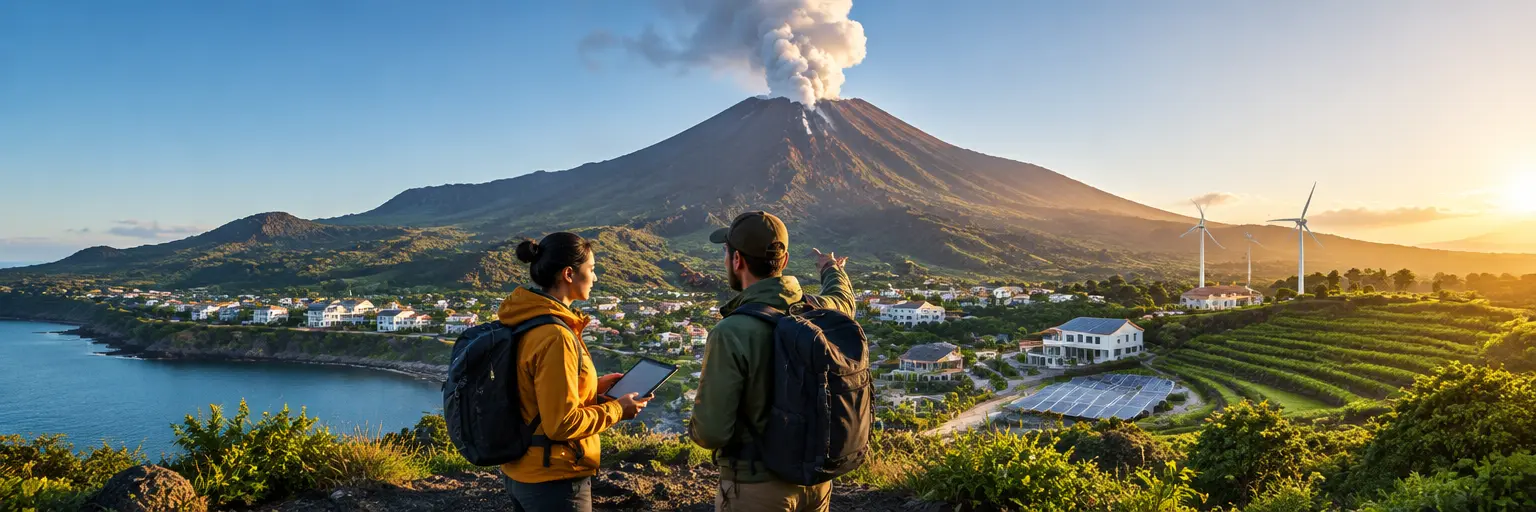
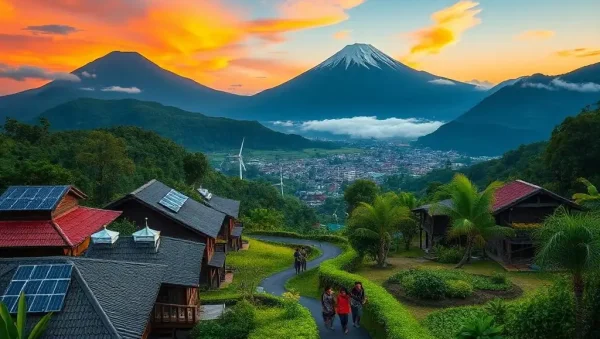
Living with volcanoes isn’t just about survival—it’s about building resilient, prosperous communities that respect the land’s fiery heartbeat. This subcategory explores how volcanic regions balance economic growth, environmental stewardship, and disaster preparedness. From geothermal energy harnessing to regenerative agriculture on volcanic soils, you’ll uncover practical strategies, case studies, and innovative technologies that transform danger into opportunity. Whether you’re a policymaker, local resident, or sustainability enthusiast, these insights will help you see volcanic landscapes not only as risk zones but as vibrant frontiers for sustainable living.
🌋 Harnessing Geothermal Energy for Clean Power
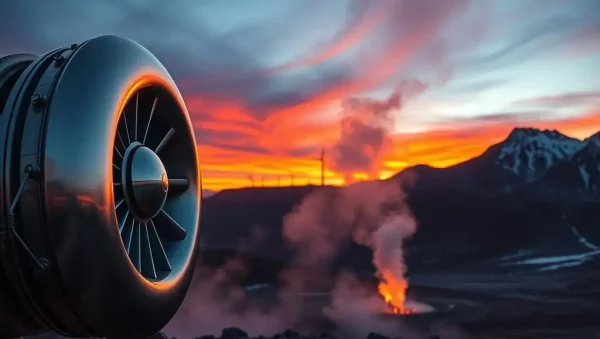
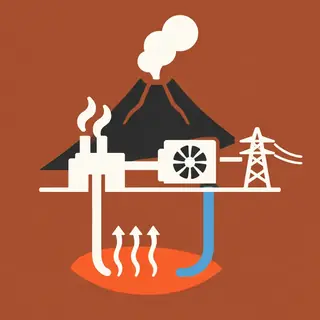
Volcanic regions sit atop one of the most reliable renewable energy sources: geothermal heat. By tapping into underground reservoirs of steam and hot water, communities can generate baseload electricity without fossil fuels. Countries like Iceland and New Zealand already produce over 25% of their national power this way. For sustainable development, geothermal offers a dual benefit—reducing carbon emissions while creating local jobs in drilling, plant operation, and maintenance.
Beyond power generation, direct-use applications—such as heating greenhouses, fish farms, and district heating systems—maximize the resource. Key challenges include high upfront capital costs and managing induced seismicity. However, advanced reservoir engineering and community benefit-sharing agreements make geothermal a cornerstone of long-term economic resilience in volcanic zones.
🌱 Agriculture Revolution: Fertile Soils & Regenerative Practices
Volcanic ash deposits produce some of the world’s most nutrient-dense soils—think the vineyards of Mount Etna or coffee farms on Java’s slopes. Sustainable development here means moving beyond extraction toward regenerative methods that preserve soil health for generations. Crop rotation, agroforestry, and organic mulching can boost yields while preventing erosion on steep volcanic slopes.
Communities are also adopting climate-smart irrigation using meltwater from volcanic aquifers. Local cooperatives that share knowledge and market access have proven transformative, turning smallholder farms into profitable enterprises. This approach reduces reliance on chemical fertilizers, protects biodiversity, and creates food security—all while honoring traditional practices that have coexisted with volcanic activity for centuries.
🏗️ Building Resilient Infrastructure & Circular Economies
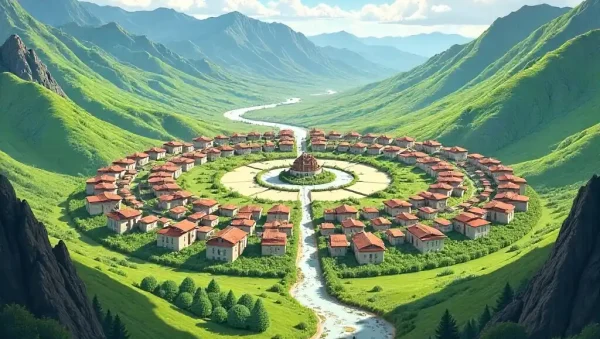
On volcanic terrain, infrastructure must comply with strict seismic codes but also embrace circular economy principles. Sustainable development means using local volcanic rock—basalt, pumice, and tuff—for construction materials, reducing transport emissions and waste. For instance, lightweight pumice concrete offers excellent insulation and lower carbon footprints than conventional concrete.
Circular economies also thrive here: glass-making from volcanic glass, mineral wool from basalt, and aggregates for roadways. Waste from geothermal plants (silica-rich brines) can be repurposed for lithium extraction, supporting battery supply chains. Community-led planning ensures these industries align with disaster risk reduction, such as building evacuation routes and safe shelters into urban designs, making sustainability inseparable from safety.
🛡️ Community-Based Disaster Preparedness & Eco-Tourism
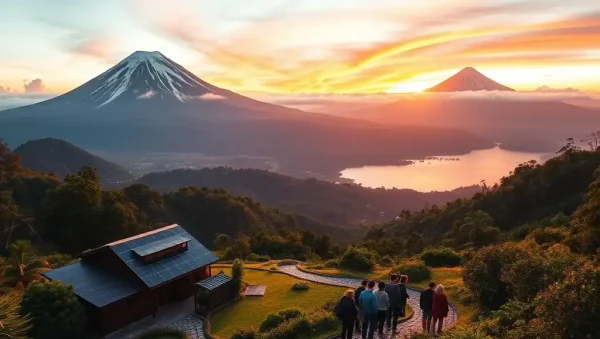
Sustainable development in volcanic regions hinges on empowered communities. Early warning systems, hazard zonation maps, and regular drills are vital, but so is embedding preparedness into everyday economic life. Eco-tourism emerges as a win-win—offering visitors educational treks, hot springs, and volcano observatories while funding local monitoring infrastructure.
Successful models like Costa Rica’s Arenal region show how tourism revenue supports reforestation and wildlife corridors. Revenue-sharing mechanisms ensure that a portion of each visitor dollar goes to community resilience funds. This turns disaster preparedness from a cost into an investment, creating local stewardship that protects both livelihoods and ecosystems, even during quiet periods between eruptions.
🌐 Policy & Innovation: Balancing Development with Risk
Forward-thinking policies are the backbone of sustainable volcanic living. Zoning laws that restrict high-density housing in high-risk blast zones, while incentivizing green building in safe areas, help prevent future tragedies. Governments now fund research into volcanic hazard forecasting, using AI and satellite data to improve evacuation times.
Innovative insurance products—like parametric catastrophe bonds—provide rapid payouts after eruptions, linked to seismic triggers rather than lengthy claims processes. Cross-border knowledge sharing through bodies like the International Association of Volcanology accelerates best practices. Above all, inclusive governance that includes indigenous knowledge ensures that development is culturally sensitive and ecologically sound, not merely reactive to eruptions.
Frequently Asked Questions
What are the biggest risks to sustainable development in volcanic regions?
The primary risks are sudden eruptions, lahars, ashfall, and volcanic gases, which can destroy infrastructure and threaten lives. Long-term risks include soil degradation from acid rain and economic disruption after disasters. Sustainable development mitigates these via robust monitoring, resilient building codes, and diversified economies that don’t rely solely on tourism or agriculture.
How can geothermal energy be exploited sustainably without harming the environment?
Sustainable geothermal projects use closed-loop systems, reinjecting cooled water to maintain reservoir pressure. They monitor for induced seismicity and water quality, and avoid sensitive habitats. Environmental impact assessments, strict regulations, and community consent ensure that energy extraction doesn’t deplete resources or pollute local waterways.
Can agriculture in volcanic soils be both productive and ecological?
Yes, by using organic amendments like composted volcanic ash, legumes for nitrogen fixation, and live ground covers to prevent erosion. Agroforestry, which mixes trees with crops, enhances biodiversity and soil moisture retention. Certification programs for eco-friendly products also open premium markets, rewarding practices that regenerate rather than deplete volcanic fertility.
What role do local communities play in sustainable volcanic development?
Local communities are central—they provide indigenous knowledge of hazard patterns, oversee daily resource use, and implement emergency plans. Participatory mapping and co-management of natural reserves ensure that development projects meet real needs. When communities co-design initiatives, they are more likely to maintain infrastructure and adopt long-term sustainability practices.
Are there examples of successful sustainable development in volcanic regions today?
Iceland’s geothermal district heating in Reykjavik, Costa Rica’s eco-tourism around Arenal Volcano, and Japan’s volcanic hot spring towns that recycle waste heat are leading examples. Hawaii’s community-led reforestation on Kilauea’s slopes and New Zealand’s circular use of pumice in construction further demonstrate that sustainable practices can thrive while living alongside active volcanoes.