
Building Back Better: Sustainable Reconstruction After Volcanic Eruptions

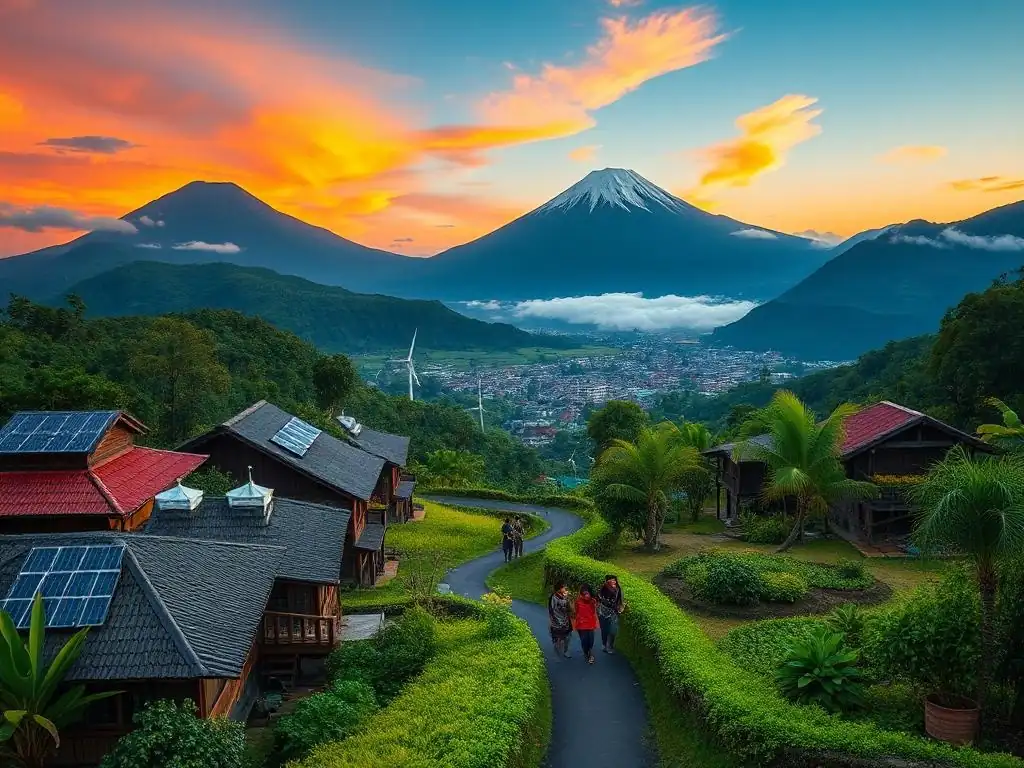
Welcome to Volcano Explorers! Ever wondered how communities rebuild after the earth shatters and lava flows? Building Back Better isn't just a hopeful phrase; it's a complex challenge. This article dives into the fascinating (and vital) topic of sustainable reconstruction after eruptions, exploring how we can learn from the past to create resilient and thriving communities in the shadow of these magnificent giants. Discover the innovative strategies and crucial considerations that shape a future where humans and volcanoes can coexist. Intrigued? Read on to uncover the secrets of turning devastation into opportunity...
- The Imperative of Sustainable Reconstruction in Volcanic Zones
-
Frequently Asked Questions
- What is sustainable reconstruction in the context of volcanic eruptions?
- Why is sustainability important in post-eruption reconstruction?
- How can communities rebuild more sustainably after a volcanic eruption?
- What role does technology play in sustainable reconstruction efforts?
- What are some examples of successful sustainable reconstruction projects following volcanic eruptions?
- Final Reflection: Embracing Resilience and Renewal
- Ignite Your Impact: Rebuild Greener!
The Imperative of Sustainable Reconstruction in Volcanic Zones
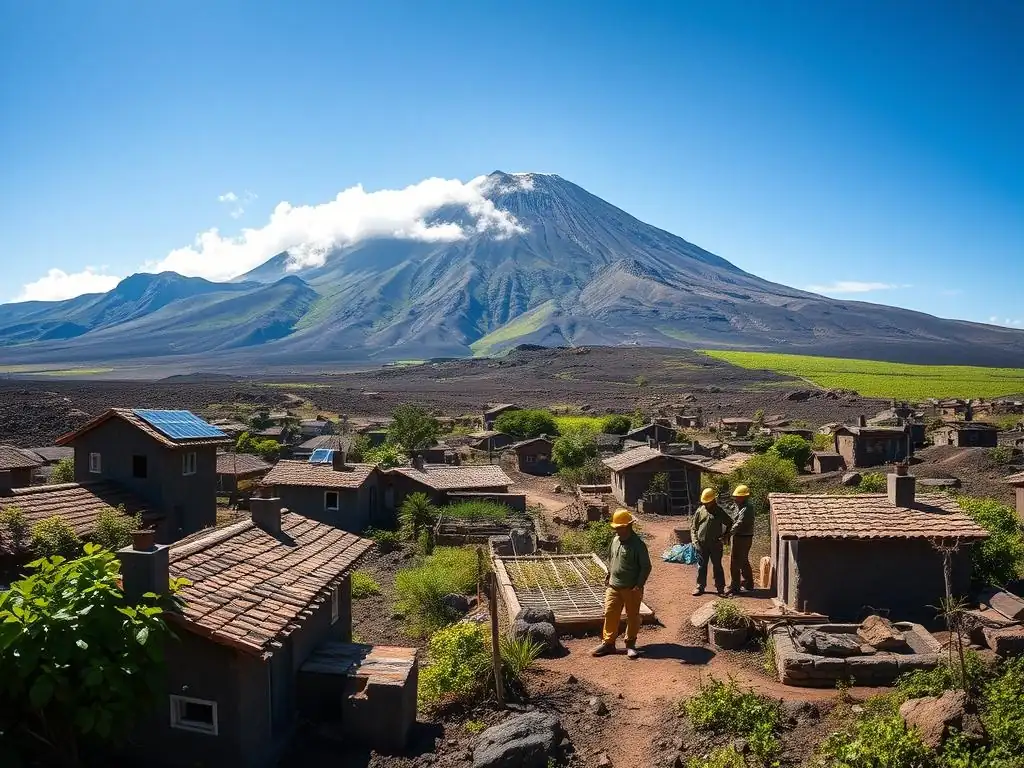
Understanding the Challenges of Post-Eruption Recovery
Volcanic eruptions, while natural phenomena that have shaped our planet, present formidable challenges to human societies, especially in densely populated volcanic regions. The immediate aftermath of an eruption often involves widespread devastation. Pyroclastic flows and surges can obliterate entire settlements in minutes, while heavy ashfall can collapse roofs, contaminate water sources, and disrupt transportation networks for weeks or even months.
Lahars, volcanic mudflows composed of ash, rock, and water, can carve new riverbeds and bury valleys, destroying infrastructure and agricultural lands. Consider the 1991 eruption of Mount Pinatubo in the Philippines. The eruption itself was devastating, but the subsequent heavy rainfall mixed with the accumulated ash triggered massive lahars that continued for years, reshaping the landscape and displacing communities long after the initial event.
Beyond the immediate physical destruction, the social fabric of affected communities is often severely strained. Displacement, loss of livelihoods, and psychological trauma are common, creating a complex web of needs that must be addressed in the recovery process.
The economic repercussions of volcanic eruptions are equally profound and long-lasting. Agriculture, a mainstay in many volcanic regions due to fertile volcanic soils, can be decimated by ashfall and lahars. Tourism, another vital economic sector in areas with scenic volcanoes, grinds to a halt due to safety concerns and landscape alteration. Infrastructure damage, from roads and bridges to power grids and communication networks, disrupts business operations and hinders economic activity.
The eruption of Pacaya volcano in Guatemala in 2010, while less globally impactful than Pinatubo or Eyjafjallajökull, caused significant local economic disruption. Ashfall impacted coffee plantations, a crucial export crop for Guatemala, and forced the temporary closure of La Aurora International Airport in Guatemala City, impacting tourism and trade. These examples underscore the multifaceted challenges of post-eruption recovery, highlighting the need for a comprehensive and sustainable approach to reconstruction.
Why "Building Back Better" is Crucial for Volcanic Communities
The conventional approach to post-disaster reconstruction often focuses on simply replacing what was lost – rebuilding homes, infrastructure, and livelihoods to their pre-disaster state. However, in volcanic regions, where the threat of future eruptions is ever-present, this approach is inherently unsustainable. "Building Back Better" represents a paradigm shift, advocating for reconstruction efforts that go beyond mere replacement and actively reduce future risks, enhance community resilience, and promote long-term sustainable development.
This concept, championed by organizations like the United Nations, recognizes that disasters, while tragic, can also be catalysts for positive change. Instead of simply returning to the vulnerabilities of the past, "Building Back Better" aims to create communities that are safer, more resilient, and more prosperous than they were before the eruption.
For volcanic communities, "Building Back Better" is not just a desirable goal, but a crucial necessity. Volcanic eruptions are not isolated events; they are part of a recurring geological process. Reconstructing in the same vulnerable locations with the same inadequate infrastructure simply sets the stage for future disasters.
Sustainable reconstruction after eruptions, in contrast, proactively addresses these vulnerabilities. This involves relocating settlements from high-risk zones, constructing more resilient buildings capable of withstanding volcanic hazards, diversifying local economies to reduce reliance on vulnerable sectors, and empowering communities to prepare for and respond to future eruptions. By embracing the principles of "Building Back Better", volcanic communities can transform the disruptive force of eruptions into an opportunity to build a more secure and sustainable future, moving beyond mere recovery to genuine progress and long-term well-being.
Frequently Asked Questions
What is sustainable reconstruction in the context of volcanic eruptions?
Sustainable reconstruction refers to rebuilding communities affected by volcanic eruptions in a way that considers the long-term environmental impact, economic viability, and social resilience of the region.
Why is sustainability important in post-eruption reconstruction?
Sustainability is crucial because it ensures that rebuilding efforts don't create new problems. It aims to reduce future disaster risks, promote environmental protection, and foster economic stability for the affected communities.
How can communities rebuild more sustainably after a volcanic eruption?
This involves using locally sourced, eco-friendly materials, implementing resilient infrastructure designs that can withstand future events, and promoting diversified economic activities beyond traditional agriculture.
What role does technology play in sustainable reconstruction efforts?
Technology plays a significant role through the use of advanced monitoring systems for early warning, geospatial data analysis for hazard mapping, and innovative construction techniques that enhance resilience.
What are some examples of successful sustainable reconstruction projects following volcanic eruptions?
Examples include communities that have implemented renewable energy systems, developed eco-tourism initiatives, or adopted earthquake-resistant building codes based on indigenous knowledge combined with modern engineering.
Final Reflection: Embracing Resilience and Renewal
The devastation wrought by volcanic eruptions serves as a stark reminder of nature's power, but it also underscores humanity's capacity for resilience. Sustainable reconstruction after eruptions is not merely about rebuilding what was lost; it's about creating communities that are stronger, more equitable, and more environmentally conscious than before. The principles outlined in this article, from utilizing local materials to empowering affected populations, are not just theoretical ideals, but practical imperatives for a future where such disasters are met with informed and responsible action.
The journey towards sustainable reconstruction is a continuous process of learning and adaptation. It demands a shift in perspective, recognizing that true progress lies not in simply returning to the status quo, but in building a better, more resilient future for all. This requires a commitment to long-term planning, community engagement, and a deep respect for the environment. As the saying goes: The best time to plant a tree was 20 years ago. The second best time is now.
This sentiment perfectly encapsulates the urgency and enduring importance of investing in sustainable practices today.
Now, as you reflect on the challenges and opportunities presented by volcanic eruptions, consider how you can contribute to a more sustainable and resilient world. Whether it's supporting organizations dedicated to disaster relief, advocating for responsible environmental policies, or simply making more conscious choices in your own life, remember that every action, no matter how small, can make a difference. Let us all strive to build back better, not just after eruptions, but in every aspect of our lives, creating a future where communities can thrive in harmony with nature.
Ignite Your Impact: Rebuild Greener!
Thank you for exploring sustainable reconstruction after volcanic eruptions. We hope this article provided valuable insights into building resilience and minimizing environmental impact. Now, it's time to turn knowledge into action and contribute to a more sustainable future.
Here's how you can make a difference:
- Advocate for eco-friendly building materials and strategies in your community, especially in areas prone to natural disasters.
- Explore innovative reconstruction projects from organizations like the International Volcanic Disaster Assistance Team and share their work.
- Prepare a disaster preparedness kit with reusable and locally sourced materials.
What eco-friendly building material interests you most, and how could it be implemented effectively in volcanic-prone areas? Share your thoughts in the comments below!