
Empowering Communities: Sustainable Development Driven by Local Volcanic Knowledge


Welcome to Volcano Explorers, where the Earth breathes fire! Ever wondered how ancient wisdom can help us navigate the volatile power of volcanoes? Dive into our latest exploration of Sustainable Volcanic Knowledge Initiatives and discover how communities are harnessing local insights for a safer, more resilient future. The secrets held within the fiery heart of our planet are waiting to be unlocked... Are you ready to explore?
- Understanding the Interplay: Volcanoes, Communities, and Sustainability
-
Frequently Asked Questions
- What are "Sustainable Volcanic Knowledge Initiatives" and why are they important?
- How does VolcanoExplorers.org contribute to "Sustainable Volcanic Knowledge Initiatives"?
- What kind of "local volcanic knowledge" is considered valuable in these initiatives?
- How can "Sustainable Development" be linked to local volcanic knowledge?
- What are some examples of "Empowering Communities" through volcanic knowledge initiatives?
- Final Reflection: Harnessing Volcanic Wisdom for a Sustainable Future
- Unleash Your Inner Volcanic Advocate!
Understanding the Interplay: Volcanoes, Communities, and Sustainability
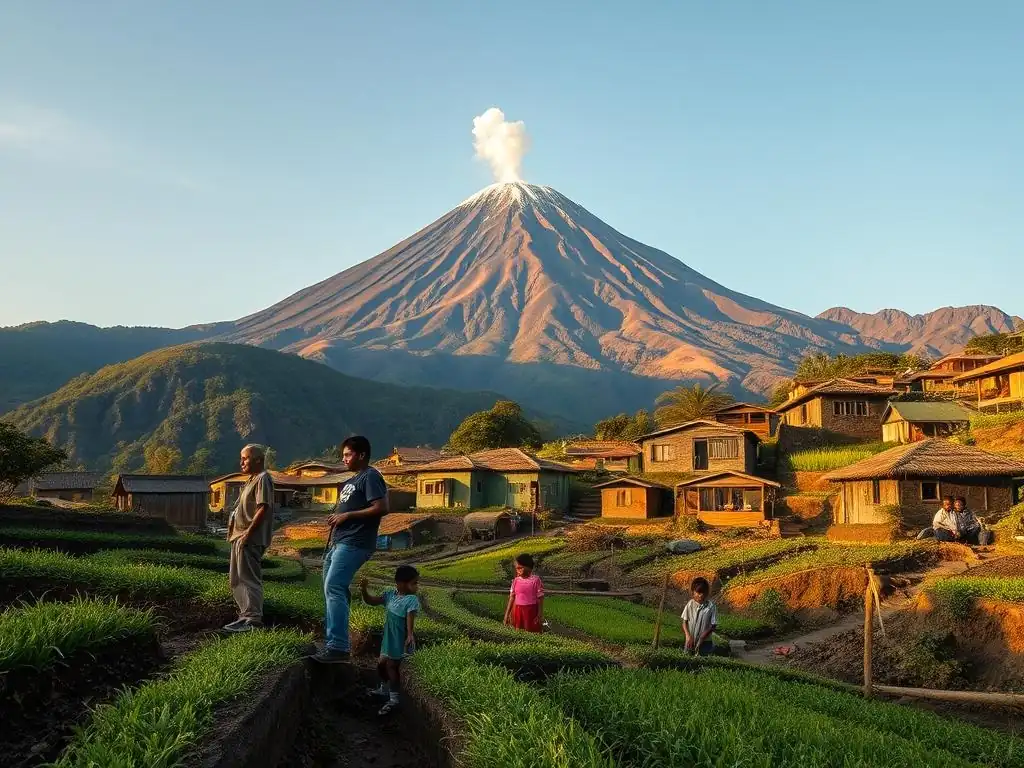
The Challenges of Living Near Active Volcanoes: A Sustainable Development Perspective
Living in the shadow of a volcano presents a unique set of challenges that directly impact sustainable development. Volcanic regions, while often fertile and resource-rich, are inherently hazardous due to the potential for eruptions. These eruptions can manifest in various forms, from explosive events ejecting ash and pyroclastic flows to effusive lava flows and lahars (volcanic mudflows).
The immediate threats to communities include loss of life and injury, destruction of infrastructure and property, and displacement. The 1991 eruption of Mount Pinatubo in the Philippines, for instance, tragically demonstrated the devastating power of volcanic eruptions. It caused widespread destruction, burying towns in ash and triggering lahars that continued to impact the region for years, displacing hundreds of thousands and severely disrupting livelihoods.
Beyond the immediate eruption impacts, volcanic activity can also create long-term challenges for sustainable development. Ashfall, even from smaller eruptions, can disrupt agriculture, contaminate water sources, and cause respiratory problems. Volcanic gases, such as sulfur dioxide, can contribute to acid rain and impact air quality, affecting both human health and ecosystems.
The constant threat of future eruptions can also deter investment in infrastructure and long-term development projects, leading to economic instability and hindering progress towards sustainable livelihoods. Furthermore, the psychological toll of living under the constant threat of a volcano should not be underestimated, affecting community well-being and social cohesion, crucial elements of sustainable and resilient societies.
The Untapped Potential: Indigenous Knowledge and Volcanic Risk Reduction
For centuries, communities living near volcanoes have developed intricate systems of knowledge and practices for understanding and adapting to their volcanic environment. This indigenous knowledge, often passed down through generations, represents a valuable and largely untapped resource for sustainable volcanic risk reduction. It encompasses a deep understanding of volcanic phenomena, including precursory signs of eruptions, safe zones, and effective coping mechanisms. For example, communities living near Mount Merapi in Indonesia have long recognized specific animal behaviors and changes in well water as indicators of increased volcanic activity, allowing them to take preemptive actions.
Integrating this local wisdom into modern volcanic risk management strategies offers numerous benefits. Indigenous knowledge is often context-specific, finely tuned to the unique characteristics of a particular volcano and its surrounding environment. It can complement scientific monitoring and prediction efforts by providing valuable insights into long-term volcanic patterns and local vulnerabilities that may be missed by purely scientific approaches.
Moreover, engaging local communities and respecting their traditional knowledge fosters a sense of ownership and empowerment in risk reduction efforts, leading to more effective and sustainable strategies. Ignoring this wealth of knowledge would be a significant oversight in building resilient communities in volcanic regions and achieving truly sustainable development.
Defining Sustainable Volcanic Knowledge Initiatives: A Holistic Approach
Sustainable volcanic knowledge initiatives are comprehensive programs designed to integrate local and indigenous knowledge with scientific understanding to enhance community resilience and promote sustainable development in volcanic regions. These initiatives go beyond simply documenting traditional practices; they actively seek to validate, strengthen, and apply this knowledge in practical ways. A holistic approach is crucial, recognizing that volcanic risk reduction is not solely a technical challenge but also a social, cultural, and economic one. Therefore, sustainable volcanic knowledge initiatives must address multiple dimensions of community life.
A key element of these initiatives is fostering genuine partnerships between scientists, policymakers, and local communities. This requires establishing platforms for dialogue and knowledge exchange, ensuring that local voices are heard and respected in decision-making processes. Furthermore, these initiatives should be long-term and adaptive, evolving alongside changing environmental conditions and community needs.
They must also incorporate elements of education and capacity building, empowering local communities to become active agents in their own safety and development. Ultimately, sustainable volcanic knowledge initiatives aim to create a synergy between traditional wisdom and modern science, leading to more effective, equitable, and enduring solutions for living safely and sustainably with volcanoes.
Frequently Asked Questions
What are "Sustainable Volcanic Knowledge Initiatives" and why are they important?
These initiatives are programs designed to empower local communities with the knowledge and skills needed to live safely and sustainably near volcanoes. They are important because they promote resilience and self-reliance in the face of volcanic hazards.
How does VolcanoExplorers.org contribute to "Sustainable Volcanic Knowledge Initiatives"?
VolcanoExplorers.org provides educational resources, safety guides, and real-time updates on volcanic activity. This information is crucial for fostering informed decision-making and promoting community preparedness.
What kind of "local volcanic knowledge" is considered valuable in these initiatives?
Valuable local knowledge includes understanding past eruption patterns, recognizing warning signs, and knowing traditional coping mechanisms for dealing with volcanic events. This knowledge often complements scientific data.
How can "Sustainable Development" be linked to local volcanic knowledge?
By integrating local knowledge into development planning, communities can build infrastructure and livelihoods that are more resilient to volcanic hazards. This ensures long-term economic and social well-being.
What are some examples of "Empowering Communities" through volcanic knowledge initiatives?
Examples include training local residents to become volcano monitors, developing community-based evacuation plans, and supporting sustainable tourism that respects the volcanic environment.
Final Reflection: Harnessing Volcanic Wisdom for a Sustainable Future
The insights shared throughout this article underscore the profound and often overlooked potential of local volcanic knowledge. The integration of this knowledge into sustainable development initiatives is not just beneficial, it's essential for building resilient and thriving communities near volcanic regions. Ignoring this rich resource is akin to discarding a vital piece of the puzzle, hindering our ability to create truly effective and lasting solutions.
This exploration has highlighted how deeply intertwined communities are with their volcanic landscapes, shaping their culture, livelihoods, and understanding of the world. Witnessing the power of these communities to adapt and innovate in the face of volcanic activity is truly inspiring, and it reinforces the importance of respecting and valuing their unique perspectives. We do not inherit the earth from our ancestors; we borrow it from our children.
This proverb perfectly encapsulates the responsibility we have to learn from the past and build a sustainable future, guided by the wisdom of those who have lived in harmony with these powerful natural forces for generations.
As we conclude, I invite you to consider how you can champion the cause of sustainable volcanic knowledge initiatives. Whether it's supporting local organizations, advocating for policy changes, or simply spreading awareness, your contribution can make a tangible difference. Let us all strive to empower these communities, ensuring that their invaluable knowledge is not only preserved but also actively utilized to create a more resilient and sustainable future for all.
Unleash Your Inner Volcanic Advocate!
Thanks for delving into the power of local knowledge in driving sustainable development around volcanoes. You've seen how vital community engagement is for building a resilient future. Now it's your turn to contribute!
Here are a few ways you can take action:
- Become a Volcanic Ambassador: Share this article with your friends, family, and network to spread awareness about the importance of community-led sustainable development near volcanoes.
- Explore the "Resources" section on VolcanoExplorers.org for detailed information on supporting local initiatives and learning more about successful community-based projects.
- Brainstorm one small way you can personally contribute to a more sustainable future in your own community, no matter how big or small.
What immediate action will you take to support the vital work of empowering communities living near volcanoes? Let us know in the comments!