
The Circular Volcano: Minimizing Waste and Maximizing Resource Use in Volcanic Areas

Welcome to Volcano Explorers!
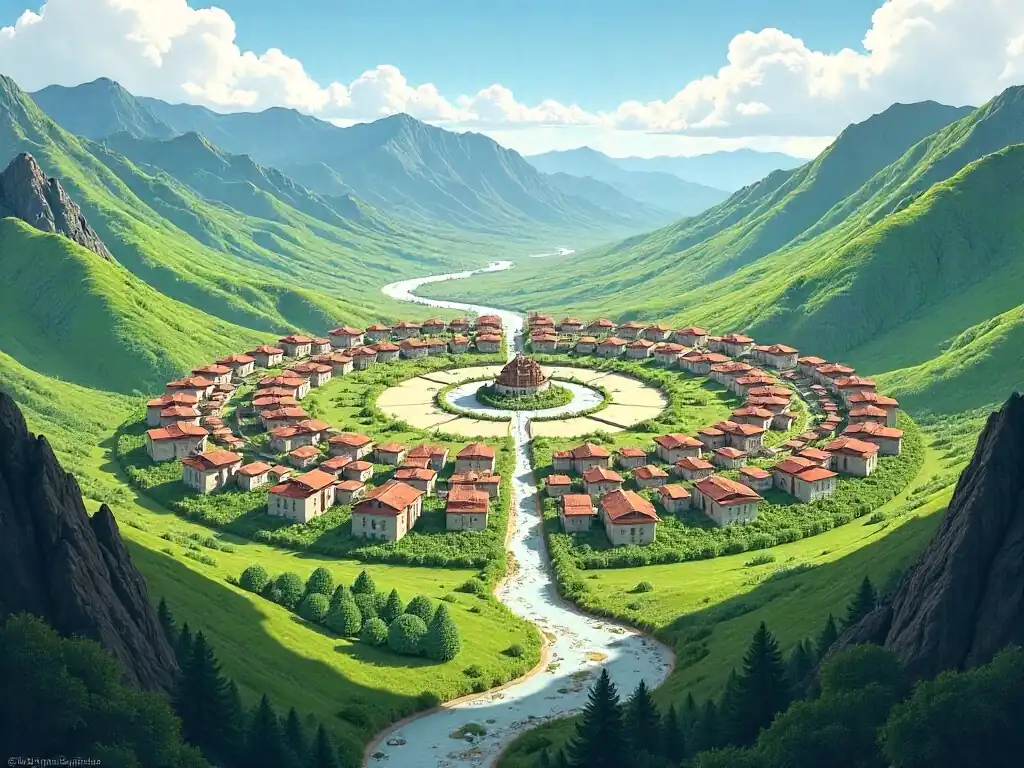
Ever wondered if the fiery heart of a volcano could also be the engine of a sustainable future? Dive in to discover how the principles of a circular economy are being applied in volcanic regions, transforming challenges into opportunities. Prepare to be amazed as we explore innovative approaches to minimize waste and maximize resource use, revealing a surprising new perspective on living with these powerful forces of nature. This is more than just science; it's a blueprint for resilience and a testament to human ingenuity.
- Understanding Volcanic Hazards and Resource Potential
- Circular Economy Principles in Volcanic Regions
- Key Material Streams for Circularity in Volcanic Areas
- Innovative Solutions for Resource Maximization
- Case Studies: Circular Economy Initiatives in Volcanic Regions
- Challenges and Opportunities for Implementation
- Building Resilient and Sustainable Volcanic Communities
-
Frequently Asked Questions
- What is the "Circular Volcano" concept, and how does it relate to volcanic regions?
- Why is a circular economy particularly important in volcanic areas?
- What are some examples of resources that can be utilized in a circular economy within a volcanic region?
- How can volcanic ash, a common byproduct of eruptions, be incorporated into a circular economy model?
- What are the potential benefits of adopting a circular economy approach in volcanic regions beyond environmental sustainability?
- Final Reflection: Embracing Volcanic Abundance
Understanding Volcanic Hazards and Resource Potential
Volcanic regions, while presenting significant natural hazards, are also surprisingly rich in resources. The very processes that create volcanic dangers also generate opportunities for sustainable development. Volcanic hazards are diverse and can be devastating, including explosive eruptions, pyroclastic flows of hot gas and rock, lava flows, ashfall, lahars (volcanic mudflows), and volcanic gas emissions.
For instance, the eruption of Mount Vesuvius in 79 AD buried Pompeii and Herculaneum under ash and pyroclastic flows, a stark reminder of the destructive power of volcanoes. More recently, the 2010 eruption of Eyjafjallajökull in Iceland demonstrated the disruptive potential of even moderate eruptions, as the widespread ash cloud grounded air traffic across Europe for days, impacting global economies.
However, these same volcanic processes are responsible for the creation of valuable resources. Geothermal energy, a clean and renewable source, is abundant in volcanic areas due to the Earth's heat rising closer to the surface. Fertile soils, enriched by volcanic ash over time, support agriculture in many volcanic regions.
Volcanic rocks and minerals are essential for construction and various industrial applications. Consider the Altiplano region in South America, where volcanic activity has not only shaped the dramatic landscape but also provided rich mineral deposits like lithium and boron, crucial components in modern technologies and industries. Recognizing this duality – hazard and resource – is fundamental to fostering a circular economy in volcanic regions.
Circular Economy Principles in Volcanic Regions
Minimizing Waste and Maximizing Resource Utilization
The core principle of a circular economy is to move away from a linear "take-make-dispose" model towards a closed-loop system where resources are kept in use for as long as possible, waste is minimized, and the value of materials is maximized. In the context of circular economy in volcanic regions, this means rethinking how communities interact with their environment.
Instead of viewing volcanic materials and byproducts as waste, they are seen as valuable inputs for other processes. For example, volcanic ash, often considered a nuisance after eruptions, can be repurposed as a key ingredient in concrete production, thereby reducing reliance on conventional cement and diverting waste from landfills.
Implementing circular economy principles in these unique environments offers multiple benefits. It enhances the resilience of volcanic communities by reducing dependence on external resources and creating local economic opportunities. By utilizing locally available materials and energy sources, these regions can become more self-sufficient and less vulnerable to global supply chain disruptions.
Furthermore, a circular economy in volcanic regions contributes to environmental protection by minimizing waste, reducing pollution, and promoting the sustainable use of natural resources. For instance, utilizing geothermal energy reduces reliance on fossil fuels, lowering carbon emissions and mitigating climate change impacts, which are increasingly relevant even in volcanically active areas.
Adapting Circular Economy Models to Unique Volcanic Contexts
While the general principles of a circular economy are universally applicable, their implementation in circular economy in volcanic regions requires adaptation to the specific and often unique contexts of these areas. Volcanic regions are characterized by specific resource availability, environmental conditions, and potential hazards. For example, the abundance of geothermal energy and volcanic materials like ash and rock are defining features that must be central to any circular economy model. Conversely, the risks associated with volcanic activity, such as eruptions and earthquakes, necessitate resilient and adaptable systems.
Adapting circular economy models in these areas also involves considering the remoteness of many volcanic communities and the specific needs of the local populations. Solutions must be tailored to the local context, leveraging traditional knowledge and integrating it with modern technologies. For instance, traditional building techniques using volcanic rock can be enhanced with modern advancements in material science to create more resilient and sustainable infrastructure.
Furthermore, the circular economy approach in these regions should prioritize community involvement and ensure that the benefits are shared equitably, fostering a sense of ownership and long-term sustainability. Therefore, a successful circular economy in volcanic regions is not a one-size-fits-all approach, but rather a carefully tailored strategy that addresses the unique challenges and opportunities presented by each volcanic setting.
Key Material Streams for Circularity in Volcanic Areas
Geothermal Resources: Energy, Minerals, and Water Management
Geothermal resources stand out as a cornerstone for circularity in volcanic regions. The Earth's internal heat, readily accessible in these areas, offers a continuous and reliable source of energy. Iceland, for example, derives approximately 90% of its heating and a significant portion of its electricity from geothermal sources, showcasing the immense potential of this resource. Geothermal energy can power industries, heat homes and businesses, and support agricultural activities like greenhouses, reducing reliance on fossil fuels and contributing to a low-carbon economy.
Beyond energy, geothermal systems also yield valuable minerals and water. Geothermal fluids often contain dissolved minerals such as silica, lithium, and zinc, which can be extracted and utilized in various industries. For instance, silica extracted from geothermal brine can be used in cement production or as a raw material in manufacturing.
Moreover, the condensed steam from geothermal power plants provides a source of clean water that can be used for agriculture, industrial processes, or even potable water supply in water-scarce volcanic regions. Effective management and cascading utilization of these geothermal resources – energy, minerals, and water – are crucial for establishing a robust circular economy in volcanic regions.
Volcanic Ash and Rock: Construction, Agriculture, and Industry
Volcanic ash and rock, often seen as waste products of eruptions, are in fact valuable resources that can be integrated into a circular economy. Volcanic ash, with its pozzolanic properties, can be used as a supplementary cementitious material in concrete production, reducing the need for energy-intensive Portland cement. Studies have shown that replacing a portion of cement with volcanic ash can result in concrete with comparable or even enhanced strength and durability. In regions like Indonesia, where volcanic activity is frequent and concrete demand is high, utilizing volcanic ash in construction can significantly reduce environmental impact and construction costs.
Volcanic rock, such as basalt, pumice, and scoria, also offers a wide range of applications. Basalt rock can be crushed for use as road aggregates and construction materials. Pumice and scoria, due to their lightweight and insulating properties, are excellent aggregates for lightweight concrete and insulation materials, particularly beneficial in constructing disaster-resistant buildings in seismically active volcanic zones. Furthermore, volcanic rocks are used in landscaping, horticulture, and even in water filtration systems. Exploring and expanding the applications of volcanic ash and rock are essential for minimizing waste and maximizing resource utilization within a circular economy in volcanic regions.
Agricultural and Organic Waste: Soil Improvement and Bioenergy
Agricultural and organic waste streams, often overlooked, play a vital role in establishing a circular economy in volcanic regions, particularly in enhancing soil fertility and generating bioenergy. Volcanic soils, while initially fertile due to ash deposition, can benefit from continuous soil improvement practices. Agricultural residues, food waste, and other organic waste materials can be composted or vermicomposted, creating nutrient-rich soil amendments. Volcanic ash itself can be incorporated into compost mixtures to improve aeration and drainage, and to add mineral content.
Composting and vermicomposting not only reduce waste going to landfills but also create valuable resources for agriculture, enhancing soil health and reducing reliance on synthetic fertilizers. In volcanic regions where agriculture is a key livelihood, this circular approach can improve productivity and sustainability. Moreover, organic waste can also be utilized for bioenergy production through anaerobic digestion. Biogas produced from anaerobic digestion can be used for electricity generation or heating, further reducing reliance on fossil fuels and creating a closed-loop system for organic waste management within a circular economy in volcanic regions.
Innovative Solutions for Resource Maximization
Sustainable Geothermal Energy Production and Distribution
Closed-Loop Geothermal Systems
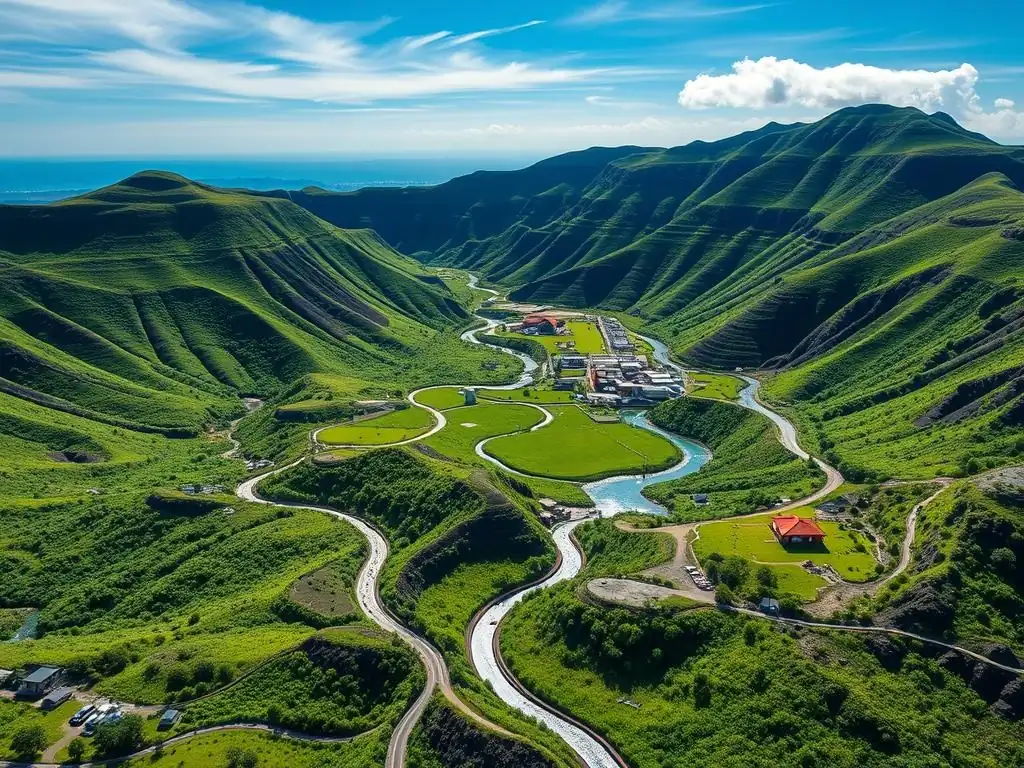
To further enhance the sustainability of geothermal energy production in circular economy in volcanic regions, closed-loop geothermal systems are emerging as a promising innovation. Traditional geothermal systems often extract hot water or steam from underground reservoirs, which can lead to water depletion and potential environmental impacts if not managed carefully. Closed-loop systems, also known as Enhanced Geothermal Systems (EGS), circulate a working fluid through engineered underground heat exchangers. This fluid absorbs heat from the hot rocks and transfers it to the surface for power generation or direct use applications, without extracting significant amounts of groundwater.
The advantages of closed-loop geothermal systems are numerous, particularly for volcanic regions. They significantly reduce water consumption, making geothermal energy more sustainable in water-scarce areas. EGS can also access geothermal resources in a wider range of geological settings, expanding the geographical potential of geothermal energy. Furthermore, closed-loop systems minimize the risk of induced seismicity and greenhouse gas emissions associated with conventional geothermal extraction. Investing in and developing closed-loop geothermal technologies is crucial for maximizing the sustainable energy potential within a circular economy in volcanic regions.
Direct Use Applications: Heating, Cooling, and Agriculture
Beyond electricity generation, direct use applications of geothermal energy offer highly efficient and economically viable pathways within a circular economy in volcanic regions. Instead of converting geothermal heat into electricity, which involves energy losses, direct use applications utilize the heat directly for various purposes. District heating systems, common in Iceland and other volcanic regions, distribute geothermal hot water to homes and buildings for space heating, significantly reducing heating costs and carbon emissions compared to fossil fuel-based heating.
Geothermal energy can also be directly used for cooling through absorption chillers, providing a sustainable alternative to conventional air conditioning, especially in warmer volcanic regions. In agriculture, geothermal heat can be used to heat greenhouses, extending growing seasons and increasing crop yields, particularly for high-value crops. Aquaculture facilities can also benefit from geothermal heating, creating optimal conditions for fish farming. These direct use applications maximize the energy efficiency of geothermal resources and contribute to a more resource-efficient and cost-effective circular economy in volcanic regions.
Volcanic Materials for Resilient Infrastructure
Ash-Based Concrete and Construction Materials
Developing ash-based concrete and other construction materials is a crucial step towards building resilient infrastructure within a circular economy in volcanic regions. As mentioned earlier, volcanic ash possesses pozzolanic properties, allowing it to react with calcium hydroxide in cement to form additional cementitious compounds, enhancing concrete strength and durability. Replacing a significant portion of Portland cement with volcanic ash not only reduces the environmental footprint of concrete production but also lowers construction costs and diverts waste from landfills.
Research and development efforts are focused on optimizing the use of volcanic ash in concrete mixes, exploring different types of ash and processing methods to maximize its performance. Beyond concrete, volcanic ash can also be used in the production of bricks, tiles, and other construction elements. Utilizing locally sourced volcanic ash in construction reduces reliance on imported materials, strengthens local economies, and promotes a more sustainable and circular approach to infrastructure development within a circular economy in volcanic regions.
Lightweight Aggregates for Disaster-Resistant Buildings
Lightweight aggregates derived from volcanic rock, such as pumice and scoria, offer significant advantages in constructing disaster-resistant buildings in volcanic and seismically active regions. Pumice and scoria are naturally lightweight materials with excellent insulation properties. When used as aggregates in concrete or as loose fill in walls and roofs, they significantly reduce the weight of buildings. Lighter structures are less susceptible to damage from earthquakes and volcanic eruptions, as they exert less stress on foundations and are more flexible under seismic forces.
Furthermore, the insulation properties of pumice and scoria contribute to energy efficiency in buildings, reducing heating and cooling needs. Using locally sourced lightweight volcanic aggregates for construction promotes a circular economy in volcanic regions by utilizing readily available resources, reducing transportation costs and emissions, and enhancing the resilience of communities to natural disasters. This approach aligns with the principles of building back better and creating safer and more sustainable living environments in volcanic areas.
Enhancing Soil Fertility and Agricultural Productivity
Volcanic Ash as a Soil Amendment
Volcanic ash, while a hazard during eruptions, can be transformed into a valuable resource for enhancing soil fertility and agricultural productivity within a circular economy in volcanic regions. Fresh volcanic ash contains essential plant nutrients, including potassium, phosphorus, calcium, and micronutrients. When weathered and incorporated into soil, volcanic ash improves soil structure, water retention, and drainage, creating a more favorable environment for plant growth.
In many volcanic regions, farmers have long recognized the benefits of volcanic ash and have traditionally used it as a soil amendment. However, the application of volcanic ash needs to be carefully managed, as excessive amounts can sometimes lead to imbalances in soil chemistry. Research is ongoing to determine optimal application rates and methods for different types of volcanic ash and soil conditions. By harnessing the soil-enhancing properties of volcanic ash, agricultural productivity can be improved sustainably, contributing to food security and economic opportunities within a circular economy in volcanic regions.
Composting and Vermicomposting for Nutrient Cycling
Composting and vermicomposting are effective and sustainable methods for nutrient cycling in circular economy in volcanic regions, particularly when combined with volcanic ash. Organic waste materials, such as agricultural residues, food scraps, and yard waste, can be composted or vermicomposted to create nutrient-rich soil amendments. Volcanic ash can be incorporated into compost piles or vermicomposting beds to improve aeration, drainage, and mineral content of the final compost product.
The resulting compost or vermicompost provides a valuable source of organic matter and nutrients for improving soil health and fertility. This closed-loop system reduces waste going to landfills, reduces reliance on synthetic fertilizers, and enhances agricultural sustainability. Vermicomposting, using earthworms to break down organic waste, is particularly effective in producing high-quality compost. Promoting composting and vermicomposting initiatives in volcanic communities, utilizing volcanic ash as a component, is a practical and environmentally sound approach to enhance nutrient cycling and support a circular economy in volcanic regions.
Case Studies: Circular Economy Initiatives in Volcanic Regions
Geothermal Energy Utilization in Iceland
Iceland stands as a global exemplar of circular economy in volcanic regions, particularly in its comprehensive utilization of geothermal energy. Located on the Mid-Atlantic Ridge, Iceland possesses abundant geothermal resources. The country has successfully harnessed this resource to meet nearly 100% of its electricity and heating needs from renewable sources, primarily geothermal and hydropower. Geothermal power plants generate electricity and provide hot water for district heating systems that serve the majority of Icelandic homes and businesses.
Beyond heating and electricity, Iceland is exploring innovative applications of geothermal energy, such as aquaculture, greenhouse agriculture, and industrial processes. The Blue Lagoon, a famous geothermal spa, is a byproduct of a geothermal power plant, demonstrating the potential for tourism and other economic activities linked to geothermal resources. Iceland's success story highlights the transformative potential of geothermal energy in driving a circular economy in volcanic regions, reducing reliance on fossil fuels, and fostering sustainable development.
Volcanic Ash Concrete Production in Indonesia
Indonesia, situated in the Pacific Ring of Fire, experiences frequent volcanic eruptions and faces significant construction demands. Recognizing the potential of volcanic ash as a resource, Indonesia has been actively exploring and implementing the use of volcanic ash in concrete production, promoting a circular economy in volcanic regions. Several initiatives are underway to collect and process volcanic ash from eruptions and utilize it as a supplementary cementitious material in concrete.
Studies and pilot projects have demonstrated the technical feasibility and environmental benefits of using volcanic ash concrete in Indonesia. Ash-based concrete has been used in infrastructure projects and building construction, reducing reliance on Portland cement and lowering construction costs. Furthermore, utilizing volcanic ash helps to manage the waste generated by volcanic eruptions and reduces the environmental impact associated with cement production. Indonesia's efforts showcase the practical application of circular economy principles in utilizing volcanic waste streams for sustainable construction in volcanic regions.
Sustainable Agriculture on Volcanic Soils in the Azores
The Azores archipelago, a volcanic island chain in the Atlantic Ocean, exemplifies sustainable agriculture on volcanic soils within a circular economy in volcanic regions. The fertile volcanic soils of the Azores, enriched by centuries of ash deposition, support diverse agricultural activities, including dairy farming, fruit production, and viticulture. Farmers in the Azores have adopted sustainable agricultural practices that capitalize on the natural fertility of volcanic soils while minimizing environmental impacts.
These practices include organic farming methods, crop rotation, and the use of compost and other organic soil amendments to maintain soil health and reduce reliance on synthetic fertilizers and pesticides. The Azores are also exploring agro-tourism and local food systems, further enhancing the sustainability and resilience of their agricultural sector. The Azores case study demonstrates how volcanic regions can leverage their fertile soils and adopt circular economy principles to develop thriving and sustainable agricultural economies.
Challenges and Opportunities for Implementation
Infrastructure Development and Technological Innovation
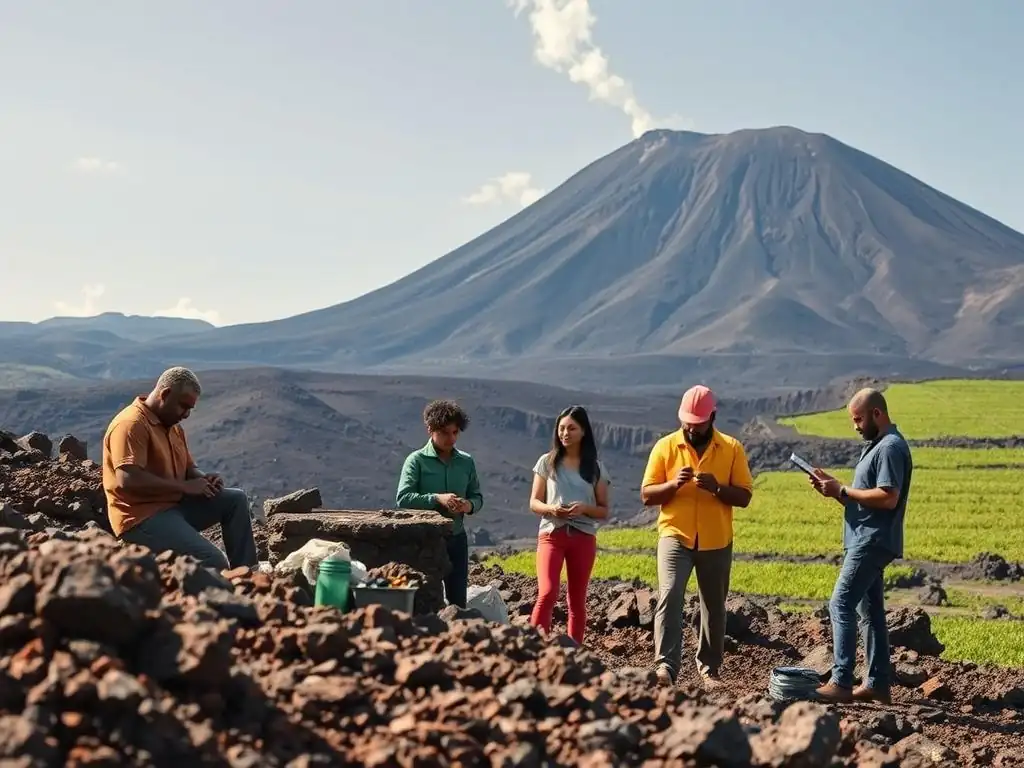
Implementing a circular economy in volcanic regions presents both challenges and opportunities, particularly in infrastructure development and technological innovation. Developing the necessary infrastructure for geothermal energy production, volcanic ash processing, and waste management requires significant investment and technological expertise. Geothermal power plants, processing facilities for volcanic materials, and composting infrastructure need to be designed and built, often in remote and challenging volcanic environments.
However, these challenges also represent opportunities for innovation. Developing cost-effective and efficient technologies for geothermal energy extraction, mineral recovery from geothermal fluids, and processing of volcanic ash and rock is crucial for the widespread adoption of circular economy practices. Innovations in materials science, renewable energy technologies, and waste management systems are needed to overcome infrastructure limitations and unlock the full potential of circularity in volcanic regions. Investing in research and development, technology transfer, and capacity building is essential to address these infrastructure and technological challenges.
Community Engagement and Stakeholder Collaboration
Successful implementation of a circular economy in volcanic regions hinges on strong community engagement and effective stakeholder collaboration. Circular economy initiatives require the active participation and support of local communities, businesses, government agencies, and research institutions. Engaging local communities in the planning and implementation processes is crucial to ensure that initiatives are tailored to local needs and contexts, and that benefits are shared equitably.
Stakeholder collaboration is essential to mobilize resources, share knowledge, and coordinate efforts across different sectors. Partnerships between government, industry, academia, and community organizations can facilitate the development of circular economy strategies, policies, and projects. Public awareness campaigns and educational programs are needed to promote understanding and acceptance of circular economy principles and practices among all stakeholders. Building strong partnerships and fostering community ownership are key to overcoming social and institutional barriers to circular economy implementation in volcanic regions.
Policy and Regulatory Support for Circular Practices
Policy and regulatory support from governments is crucial for creating an enabling environment for a circular economy in volcanic regions. Governments can play a vital role in incentivizing circular practices, removing regulatory barriers, and creating a level playing field for circular economy businesses. Policy instruments such as feed-in tariffs for renewable energy, subsidies for sustainable agriculture, and tax incentives for businesses adopting circular economy models can stimulate investment and innovation.
Regulations and standards related to waste management, resource efficiency, and environmental protection can drive the transition towards circularity. Governments can also promote public procurement of circular products and services, creating demand and market opportunities for circular economy businesses. Furthermore, policies supporting research and development, education, and training in circular economy principles are essential for building capacity and fostering long-term sustainability. Clear and consistent policy and regulatory frameworks are needed to guide and accelerate the transition to a circular economy in volcanic regions.
Building Resilient and Sustainable Volcanic Communities
Investing in Research, Education, and Training
Building resilient and sustainable volcanic communities through a circular economy in volcanic regions requires sustained investment in research, education, and training. Research is essential to further explore the potential of volcanic resources, develop innovative technologies, and optimize circular economy practices in volcanic contexts. Research areas include geothermal energy technologies, volcanic material processing, sustainable agriculture on volcanic soils, and waste management solutions tailored to volcanic regions.
Education and training programs are needed to build capacity and develop the skilled workforce required for a circular economy. Educational initiatives can raise awareness about circular economy principles and practices among students, professionals, and the general public. Vocational training programs can equip individuals with the technical skills needed for jobs in geothermal energy, volcanic material processing, and other circular economy sectors. Investing in research, education, and training is crucial for fostering innovation, building local expertise, and ensuring the long-term success of circular economy in volcanic regions.
Promoting Circular Economy Awareness and Adoption
Promoting circular economy awareness and fostering widespread adoption are essential steps towards building sustainable volcanic communities. Public awareness campaigns are needed to educate communities about the benefits of circular economy principles, such as resource efficiency, waste reduction, economic opportunities, and environmental protection. These campaigns can utilize various communication channels, including community events, workshops, media outlets, and online platforms.
Encouraging adoption of circular economy practices requires engaging individuals, businesses, and community organizations. Incentive programs, technical assistance, and peer-to-peer learning initiatives can support businesses in adopting circular economy models. Community-based initiatives, such as community composting programs and repair cafes, can promote circular practices at the household level. Fostering a culture of circularity through awareness and adoption is crucial for creating a society that values resource efficiency and sustainability within a circular economy in volcanic regions.
A Future of Coexistence: Living in Harmony with Volcanoes
The vision of a circular economy in volcanic regions offers a pathway towards a future of coexistence – living in harmony with volcanoes. By embracing circular principles, volcanic communities can transform the challenges posed by volcanic hazards into opportunities for sustainable development and enhanced resilience. Utilizing volcanic resources, minimizing waste, and building closed-loop systems can create local economic opportunities, reduce environmental impacts, and improve the quality of life in volcanic regions.
This approach moves beyond simply mitigating volcanic risks to proactively harnessing the inherent resources of volcanic landscapes. A circular economy fosters a more sustainable and resilient relationship between communities and their volcanic environment. By embracing innovation, collaboration, and a long-term perspective, volcanic regions can build a future where communities thrive in harmony with the powerful and dynamic forces of nature, demonstrating that even in the face of natural hazards, sustainable and prosperous living is possible through a well-implemented circular economy in volcanic regions.
Frequently Asked Questions
What is the "Circular Volcano" concept, and how does it relate to volcanic regions?
The "Circular Volcano" concept promotes a circular economy approach within volcanic regions. This involves minimizing waste and maximizing the use of available resources, such as geothermal energy and volcanic materials.
Why is a circular economy particularly important in volcanic areas?
Volcanic areas often face specific challenges like limited resources, environmental sensitivities, and potential for disaster-related waste. A circular economy helps address these issues by promoting sustainable resource management.
What are some examples of resources that can be utilized in a circular economy within a volcanic region?
Examples include harnessing geothermal energy for power, using volcanic ash in construction materials, and repurposing waste materials from eruptions or tourism.
How can volcanic ash, a common byproduct of eruptions, be incorporated into a circular economy model?
Volcanic ash can be processed and used as an aggregate in concrete, a soil amendment in agriculture, or even as a component in ceramics, reducing reliance on virgin materials.
What are the potential benefits of adopting a circular economy approach in volcanic regions beyond environmental sustainability?
Besides reducing waste and pollution, a circular economy can create new economic opportunities, increase community resilience, and promote sustainable tourism centered around volcanic landscapes.
Final Reflection: Embracing Volcanic Abundance
The journey through the "Circular Volcano" has revealed the immense potential hidden within volcanic landscapes, transforming what was once perceived as waste into valuable resources. This shift from linear consumption to circular utilization is not just an environmental imperative, but an economic opportunity for volcanic regions, offering a path towards sustainable development and resilience in the face of environmental challenges.
The principles of the circular economy, when applied to these unique environments, offer a powerful framework for innovation and community empowerment. Witnessing the transformation of geothermal energy, volcanic ash, and even discarded materials into valuable assets underscores the importance of rethinking our relationship with the natural world. We do not inherit the earth from our ancestors; we borrow it from our children.
This ancient proverb resonates deeply, reminding us of our responsibility to steward these volcanic landscapes for future generations, ensuring they inherit a thriving and sustainable environment.
Now, as you reflect on the potential of the circular economy in volcanic regions, consider how you can contribute to this transformative movement. How can you support local initiatives, advocate for sustainable practices, and embrace innovative solutions that minimize waste and maximize resource use? Let the fiery spirit of the volcano inspire you to champion a future where abundance and sustainability coexist, creating a world where resources are valued, waste is minimized, and communities thrive in harmony with their environment.
Harnessing the power of geothermal energy from volcanic regions offers a sustainable pathway to a cleaner future. Innovative technologies are transforming how we utilize volcanic resources, minimizing waste and maximizing the benefits. By responsibly developing geothermal energy, we can create green jobs and reduce our reliance on fossil fuels.
Investing in research and development in this area is crucial for unlocking the full potential of this renewable energy source. This approach not only addresses climate change but also fosters economic growth in communities near volcanic areas, creating a win-win scenario for both the environment and society. Learn more about how we can responsibly tap into the Earth's natural power and build a more sustainable tomorrow.