
The Psychology of Evacuation: Unpacking the Hidden Mental Impact of Displacement


Welcome to Volcano Explorers, where we unravel the mysteries of our planet's fiery giants. Have you ever considered the unseen scars left by volcanic eruptions? Beyond the physical devastation, a profound mental impact lingers on those forced to flee their homes. Join us as we delve into the often-overlooked psychology of evacuation, exploring the hidden emotional toll displacement takes on communities living in the shadow of these awe-inspiring, yet volatile, forces. Prepare to uncover the realities beyond the lava flows.
- Living with Volcanic Hazards: Understanding the Mental Health Toll of Evacuation
-
Frequently Asked Questions
- How does evacuation from a volcanic eruption impact mental health?
- What are the common psychological symptoms experienced after a volcanic evacuation?
- What support resources are available for individuals affected by volcanic evacuations?
- How can families prepare psychologically for a potential volcanic evacuation?
- Why is the mental impact of evacuation often overlooked in disaster response efforts?
- Final Reflection: Embracing Resilience After Displacement
- Build Your Resilience After a Volcanic Eruption
Living with Volcanic Hazards: Understanding the Mental Health Toll of Evacuation
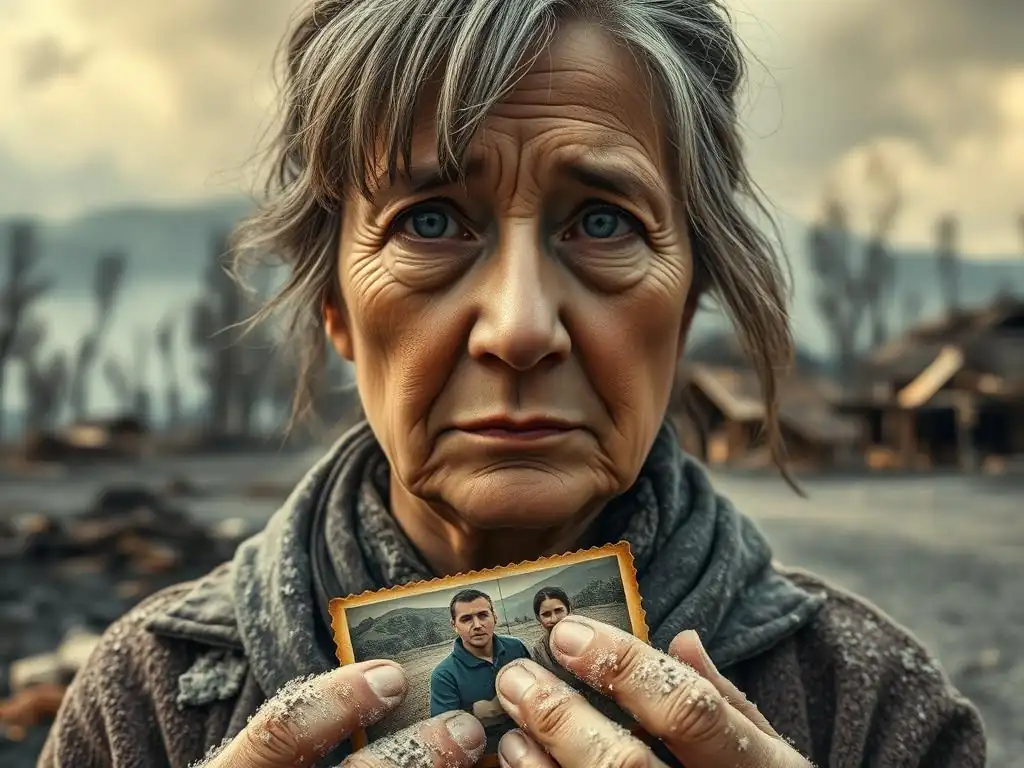
Volcanic Communities: Prioritizing Mental Well-being in Volcanic Hazard Zones
Living in the shadow of a volcano presents a unique set of challenges, intertwining the awe-inspiring power of nature with the ever-present awareness of potential danger. For communities nestled near these geological giants, the beauty of fertile lands and geothermal resources comes with the inherent risk of volcanic eruptions.
This constant awareness shapes the psychological landscape of these regions, making mental well-being a critical consideration in hazard preparedness and response. Prioritizing mental health in volcanic communities is not just about addressing immediate trauma after an eruption, but also about fostering resilience and proactive strategies to mitigate the long-term psychological impact of living with this constant underlying threat.
The mental impact of evacuation due to volcanic activity is a significant, yet often overlooked, aspect of disaster management. While physical safety is paramount during volcanic crises, the emotional and psychological toll of displacement can be profound and long-lasting. Volcanic communities often exhibit strong social bonds and deep connections to their land and homes.
Evacuation disrupts these vital connections, leading to feelings of loss, uncertainty, and anxiety. Recognizing and addressing the mental health needs of these communities is essential for building truly resilient societies capable of weathering the challenges posed by living in volcanic hazard zones. This requires a holistic approach that integrates mental health support into all phases of disaster preparedness, response, and recovery.
Frequently Asked Questions
How does evacuation from a volcanic eruption impact mental health?
Evacuation can cause significant stress and anxiety due to the uncertainty and loss of control. The disruption to daily life and fear for personal safety can lead to long-term psychological effects.
What are the common psychological symptoms experienced after a volcanic evacuation?
Common symptoms include anxiety, depression, and post-traumatic stress disorder (PTSD). Individuals may also experience sleep disturbances and difficulty concentrating after a displacement.
What support resources are available for individuals affected by volcanic evacuations?
Many organizations offer mental health services and counseling after a disaster. Community support groups and government assistance programs can also provide crucial aid.
How can families prepare psychologically for a potential volcanic evacuation?
Families should discuss evacuation plans and potential emotional responses beforehand. Creating a supportive environment and practicing coping mechanisms can help reduce stress.
Why is the mental impact of evacuation often overlooked in disaster response efforts?
The focus is often on immediate physical needs, with psychological well-being being a secondary consideration. There is a need for better integration of mental health support into disaster relief protocols.
Final Reflection: Embracing Resilience After Displacement
The insights explored throughout this article highlight the profound and often unseen mental impact of evacuation, a reality that resonates deeply in our increasingly volatile world. From the initial shock and disorientation to the long-term struggles with anxiety and loss, the psychological toll of displacement demands our urgent attention and compassionate understanding. It is no longer sufficient to simply provide physical shelter; we must actively address the invisible wounds that evacuation leaves behind.
The enduring influence of displacement extends far beyond the immediate aftermath, shaping individual identities and fracturing community bonds. Witnessing the resilience of those who have navigated such trauma underscores the inherent human capacity for adaptation and hope. The human spirit is like a rubber band. The more you stretch it, the stronger it becomes.
This quote, often attributed to various sources, perfectly encapsulates the potential for growth and strength that can emerge from even the most challenging experiences, reminding us that healing is possible, even in the face of profound loss.
As you reflect on the complexities of the mental impact of evacuation, consider the role you can play in fostering a more supportive and understanding society. Let us commit to creating spaces where displaced individuals feel seen, heard, and empowered to rebuild their lives with dignity and hope. By acknowledging the invisible wounds and offering compassionate support, we can collectively contribute to a future where resilience triumphs over trauma.
Build Your Resilience After a Volcanic Eruption
Thank you for learning about the hidden mental health challenges of evacuating due to volcanic activity. Understanding these challenges is the first step towards building resilience and preparedness.
Here's how you can make a difference:
- Prioritize Your Mental Health: Create a personalized plan for managing stress and anxiety before, during, and after a volcanic event. This plan could include relaxation techniques, contact information for support networks, and calming activities. This is crucial for mitigating long-term psychological effects.
- Share this article with your friends and family to raise awareness about the mental health aspects of volcanic evacuations. A well-prepared community is a resilient community.
- Connect with your local community resources to learn about mental health support and evacuation plans in your area, and share this information with others who need it.
How will you use this knowledge to support yourself and your community's mental wellbeing during a future volcanic eruption? Share your personal coping strategies or insights in the comments below!