
From Panic to Peace: Navigating Mental Wellbeing During Volcanic Crises

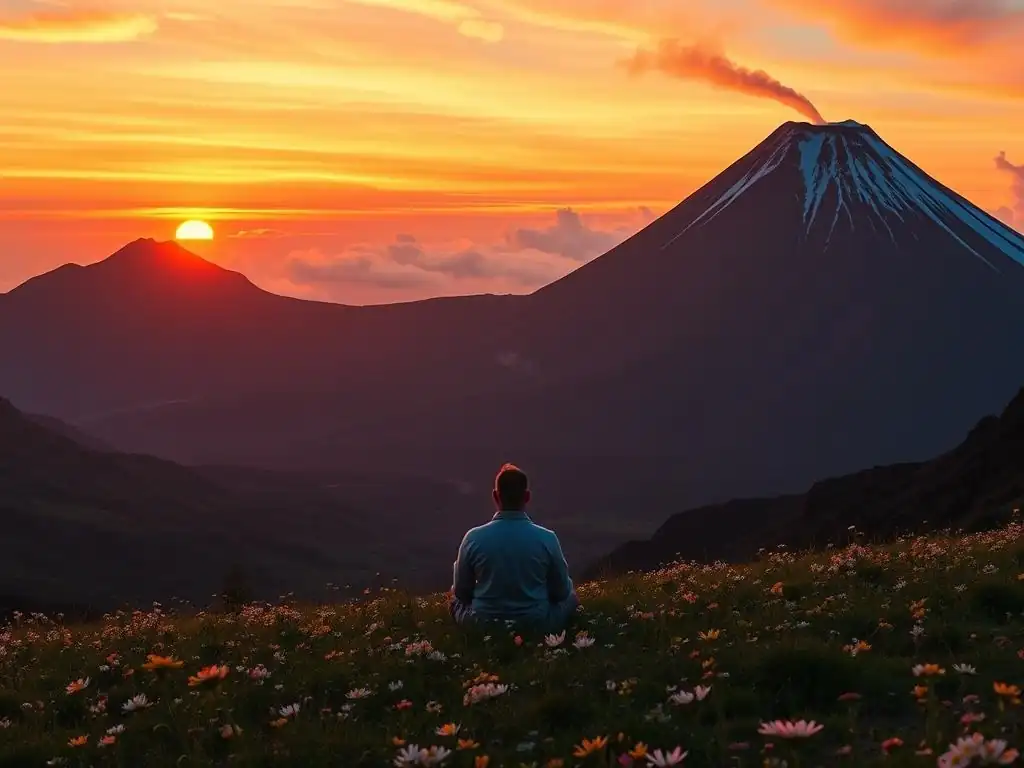
Welcome to Volcano Explorers!
Ever wondered how your mind might react when the earth itself erupts? In a world defined by the raw power of volcanoes, understanding the science is crucial, but so is safeguarding our mental wellbeing. This article dives deep into the often-overlooked impact of mental health during volcanic eruptions, offering vital insights and practical advice for navigating the emotional challenges that arise. Prepare to explore the psychological landscape of living with volcanoes, and discover how to find peace amidst the chaos. Are you ready to learn how to protect your mind when the mountain roars?
- Understanding the Psychological Impact of Volcanic Eruptions
- Recognizing Mental Health Challenges During Volcanic Crises
- Strategies for Maintaining Mental Wellbeing During Volcanic Eruptions
- Practical Tips for Managing Anxiety During Volcanic Crises
- Seeking Professional Help for Volcanic-Related Mental Health Issues
- Long-Term Mental Health Considerations in Volcanic Hazard Zones
- Resources for Mental Health Support During Volcanic Eruptions
-
Frequently Asked Questions
- How can a volcanic eruption impact mental health?
- What are some common mental health responses to a volcanic eruption?
- Where can I find support for my mental health after a volcanic eruption?
- What are some coping strategies for managing anxiety during a volcanic crisis?
- How can I help children cope with the stress of a volcanic eruption?
- Final Reflection: Embracing Resilience Amidst Volcanic Turmoil
- Reclaim Your Calm: Embrace Wellbeing After a Volcanic Eruption!
Understanding the Psychological Impact of Volcanic Eruptions
The Unique Stressors of Living Near Active Volcanoes
Living near an active volcano presents a unique set of stressors that can profoundly impact mental wellbeing. Unlike other natural disasters that may be seasonal or occur less frequently, volcanic activity can be unpredictable and prolonged. The constant awareness of potential eruptions, even during periods of quiescence, creates a background level of chronic stress.
Imagine residents of Naples, Italy, living under the shadow of Mount Vesuvius, or the communities around Mount Rainier in Washington State, USA. These populations live with the knowledge that their homes and lives are potentially at risk, not just during an eruption, but in the anticipation of one. This ongoing uncertainty can lead to heightened anxiety and a sense of vulnerability that is not typically experienced in areas less prone to such geological hazards.
Furthermore, the specific nature of volcanic hazards adds to the psychological burden. Ashfall, pyroclastic flows, lahars (volcanic mudflows), and gas emissions are not just physical threats; they can disrupt daily life in profound ways. Ashfall, for instance, can contaminate water sources, damage infrastructure, and cause respiratory problems, leading to both immediate and long-term health concerns.
The disruption to routines, the economic impact of damaged agriculture or tourism, and the need for constant vigilance regarding volcanic alerts all contribute to a complex and sustained stress environment. This is distinct from the aftermath of, say, a hurricane, where the immediate danger typically recedes after the storm passes, allowing for a more defined recovery phase. In volcanic regions, the recovery process can be intertwined with ongoing monitoring and the ever-present possibility of renewed activity.
How Volcanic Activity Affects Mental Health: Anxiety, Fear, and Stress
Volcanic activity can trigger a range of mental health responses, primarily centered around anxiety, fear, and stress. The unpredictable nature of eruptions and the potential for widespread destruction naturally induce fear and anxiety. Studies following eruptions, such as the 2010 eruption of Eyjafjallajökull in Iceland, showed a marked increase in anxiety levels among the affected population, particularly those living closest to the volcano. This eruption, while not directly causing many casualties, severely disrupted air travel and daily life across Europe, demonstrating the far-reaching impacts of volcanic events and their capacity to generate widespread unease.
The constant threat of volcanic hazards can lead to chronic stress, affecting sleep patterns, concentration, and overall emotional regulation. Individuals may experience heightened vigilance, constantly monitoring for signs of increased volcanic activity, which can be mentally exhausting. Moreover, the experience of an actual eruption can be traumatic, leading to acute stress reactions and, in some cases, the development of post-traumatic stress disorder (PTSD).
Witnessing the power of nature unleashed, experiencing evacuations, and potentially losing homes or livelihoods are all events that can deeply impact mental health. For example, the 1980 eruption of Mount St. Helens in Washington State not only caused significant environmental devastation but also had a lasting psychological impact on communities in the region, with studies documenting increased rates of anxiety and depression in the years following the event.
Recognizing Mental Health Challenges During Volcanic Crises
Recognizing the symptoms of stress and anxiety related to volcanic activity is crucial for early intervention and support. These symptoms can manifest in various ways, both emotionally and physically. Emotionally, individuals may experience increased worry, irritability, restlessness, difficulty concentrating, and feelings of helplessness or hopelessness. They might become easily startled, have nightmares related to volcanic events, or feel detached from their surroundings and loved ones. For instance, children living in volcanic areas might exhibit regressive behaviors like bed-wetting or increased clinginess, while adults may display heightened emotional reactivity or withdrawal.
Physically, stress and anxiety can manifest as fatigue, muscle tension, headaches, stomach problems, changes in appetite or sleep patterns, and rapid heartbeat. Some individuals might resort to unhealthy coping mechanisms, such as increased alcohol or substance use. It's important to note that these symptoms are normal reactions to abnormal circumstances.
However, when these symptoms become persistent, severe, and interfere with daily functioning, they may indicate a more serious mental health issue requiring professional attention. For example, someone living near a volcano who is constantly preoccupied with eruption fears to the point of being unable to work or care for their family is experiencing a level of distress that warrants professional support.
Recognizing Trauma After a Volcanic Eruption: PTSD and Its Effects
Volcanic eruptions, particularly those involving significant destruction or loss of life, can be traumatic events leading to post-traumatic stress disorder (PTSD). PTSD is a mental health condition that can develop after experiencing or witnessing a terrifying event.
Symptoms of PTSD can include intrusive memories or flashbacks of the volcanic event, nightmares, avoidance of reminders of the trauma, negative changes in thinking and mood, and hyperarousal or reactivity. For example, survivors of the Mount Pinatubo eruption in the Philippines in 1991, one of the largest volcanic eruptions of the 20th century, may have experienced PTSD symptoms due to the massive scale of the disaster, the displacement, and the long-term disruption to their lives.
The effects of PTSD can be debilitating, impacting various aspects of a person's life, including relationships, work, and overall wellbeing. Individuals with PTSD may struggle with feelings of guilt, shame, or anger. They might experience emotional numbness, difficulty experiencing positive emotions, and a sense of foreshortened future.
Children and adolescents are particularly vulnerable to developing PTSD after traumatic events, and their symptoms may differ from adults, often manifesting as behavioral problems, anxiety, or depression. Recognizing the signs of PTSD after a volcanic eruption is crucial for providing timely and appropriate mental health support to those affected. Early intervention can significantly improve outcomes and help individuals recover from the psychological trauma.
Addressing Grief and Loss Following Volcanic Events
Volcanic eruptions can result in significant losses, including loss of life, homes, livelihoods, and a sense of security. Addressing grief and loss is an essential part of mental health support in volcanic communities. Grief is a natural response to loss, and it can manifest in various emotional, physical, and behavioral ways.
Individuals may experience sadness, anger, guilt, disbelief, and acceptance, among other emotions. The grieving process is unique to each individual and can be influenced by cultural norms and personal coping mechanisms. For instance, in communities with strong cultural ties to the land, the loss of ancestral homes or farmlands due to volcanic activity can be particularly devastating and lead to profound grief.
Providing support for grieving individuals involves creating safe spaces for them to express their emotions, validating their feelings, and offering practical assistance. Community rituals and ceremonies can play a vital role in collective grieving and healing. Mental health professionals can provide individual or group counseling to help individuals process their grief and develop healthy coping strategies.
It's also important to acknowledge that grief can be prolonged and complex, and ongoing support may be necessary for some individuals. For example, in the aftermath of the 1985 Nevado del Ruiz eruption in Colombia, which triggered a devastating lahar that destroyed the town of Armero, the long-term psychological support for survivors and bereaved families was crucial in helping the community rebuild and heal from the immense loss.
Strategies for Maintaining Mental Wellbeing During Volcanic Eruptions
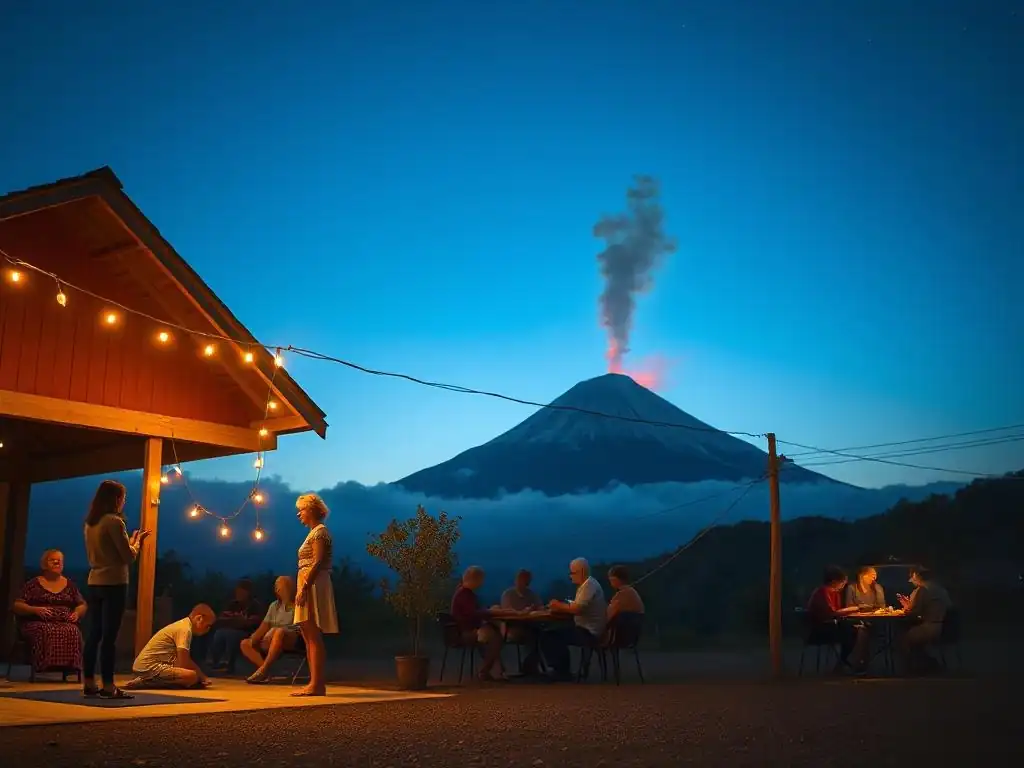
Developing a Personal Mental Health Preparedness Plan for Volcanic Emergencies
Developing a personal mental health preparedness plan is as important as having a physical emergency plan when living in a volcanic hazard zone. This plan should proactively address potential stressors and outline strategies for maintaining mental wellbeing before, during, and after a volcanic eruption. A mental health preparedness plan might include identifying personal triggers for stress and anxiety related to volcanic activity, such as news reports or volcanic alert level changes. It should also include strategies for managing these triggers, such as limiting exposure to overwhelming news or practicing relaxation techniques when anxiety arises.
The plan should also outline coping mechanisms that have been effective in managing stress in the past, such as exercise, spending time in nature, engaging in hobbies, or connecting with supportive friends and family. Including contact information for mental health resources, local support groups, and crisis hotlines is also crucial.
Practicing mindfulness and relaxation techniques regularly, even when not experiencing immediate stress, can build resilience and prepare individuals to cope more effectively during a volcanic crisis. Just as families practice evacuation drills for physical safety, discussing and rehearsing mental health coping strategies can empower individuals to take proactive steps in safeguarding their wellbeing during volcanic emergencies.
Building resilience is key to effectively coping with the chronic stress associated with living near volcanic hazards. Resilience is the ability to bounce back from adversity and adapt well in the face of stress. Developing coping mechanisms is an integral part of building resilience. These mechanisms can be broadly categorized into problem-focused coping and emotion-focused coping. Problem-focused coping involves actively addressing the source of stress, such as preparing an emergency kit, staying informed about volcanic activity through reliable sources like the USGS Volcano Hazards Program, and participating in community preparedness initiatives.
Emotion-focused coping mechanisms aim to manage the emotional distress caused by the stressor. These can include relaxation techniques like deep breathing exercises, meditation, and progressive muscle relaxation. Engaging in activities that promote positive emotions, such as spending time with loved ones, pursuing hobbies, and practicing gratitude, can also enhance resilience.
Maintaining a healthy lifestyle, including regular exercise, a balanced diet, and sufficient sleep, is fundamental for both physical and mental wellbeing and contributes to overall resilience. For instance, communities in Iceland, accustomed to living with volcanic activity, often exhibit high levels of resilience, partly due to their strong social support networks and proactive approach to preparedness and risk management.
Social support networks are vital for mental wellbeing in volcanic communities. Strong community bonds provide a buffer against stress and trauma, offering emotional, practical, and informational support. Knowing that you are not alone and that there are people you can rely on during difficult times can significantly reduce feelings of isolation and helplessness. Community support groups, neighborhood associations, and faith-based organizations can play a crucial role in fostering social connections and providing platforms for mutual support. These networks can facilitate the sharing of information, resources, and emotional support during volcanic crises.
During and after a volcanic eruption, social support networks can provide practical assistance, such as helping with evacuation, providing shelter, sharing resources, and assisting with recovery efforts. Emotional support from family, friends, and community members can help individuals process their experiences, cope with stress and grief, and build resilience.
Community-based mental health initiatives that strengthen social connections and promote mutual support are essential for fostering collective resilience in volcanic hazard zones. For example, in volcanic regions of Indonesia, traditional community practices of mutual aid and cooperation ("gotong royong") are vital in helping communities cope with volcanic eruptions and recover collectively.
Practical Tips for Managing Anxiety During Volcanic Crises
Mindfulness and relaxation techniques are powerful tools for managing anxiety and fear related to volcanic crises. Mindfulness involves paying attention to the present moment without judgment, which can help reduce rumination about future threats and ground individuals in the here and now. Simple mindfulness practices, such as focusing on the breath, observing bodily sensations, or engaging in mindful walking, can be practiced anywhere and anytime to calm the mind and reduce anxiety. For example, during periods of heightened volcanic alert, taking a few minutes each day to practice mindful breathing can help manage rising anxiety levels.
Relaxation techniques, such as deep breathing exercises, progressive muscle relaxation, and guided imagery, can also effectively reduce physical and emotional tension associated with fear and anxiety. Deep breathing exercises, like box breathing (inhaling for a count of four, holding for four, exhaling for four, holding for four, and repeating), can quickly calm the nervous system. Progressive muscle relaxation involves systematically tensing and releasing different muscle groups to reduce muscle tension and promote relaxation.
Guided imagery uses visualization to create calming mental images, which can help shift focus away from anxious thoughts and promote a sense of peace. These techniques can be incorporated into daily routines to build resilience and manage anxiety proactively, especially during periods of volcanic uncertainty.
Staying Informed Without Overwhelming Yourself: Managing Information Intake
Staying informed about volcanic activity is important for safety, but it's crucial to manage information intake to avoid feeling overwhelmed and increasing anxiety. Excessive exposure to news and social media coverage of volcanic events can be detrimental to mental wellbeing, especially for individuals already prone to anxiety. It's important to choose reliable sources of information, such as official volcano observatories like the USGS or local geological agencies, and limit exposure to sensationalized or unverified news. Setting specific times to check for updates, rather than constantly monitoring news feeds, can help control information intake.
Filtering information and focusing on actionable advice, such as evacuation guidelines or safety precautions, can be more helpful than dwelling on potentially alarming but less relevant details. Taking breaks from news consumption and engaging in activities that promote relaxation and distraction is also essential.
Communicating with trusted sources, such as local emergency management agencies or community leaders, can provide reassurance and clarity amidst conflicting information. For instance, communities in Hawaii, frequently affected by volcanic activity from Kilauea, often rely on the Hawaiian Volcano Observatory and local civil defense agencies for accurate and timely information, while also practicing media literacy to discern reliable news from sensationalism.
Creating a Safe and Secure Home Environment During Volcanic Activity
Creating a safe and secure home environment can provide a sense of control and reduce anxiety during volcanic activity. This involves both physical safety measures and creating a psychologically comforting space. Physically, ensuring the home is structurally sound and prepared for potential volcanic hazards, such as ashfall or gas emissions, is crucial. This might include sealing windows and doors to minimize ash entry, having an emergency kit readily accessible, and knowing evacuation routes. Psychologically, creating a calming and comfortable home environment can provide a refuge from external stressors.
This can involve decluttering the living space, ensuring adequate lighting and ventilation, and incorporating elements that promote relaxation, such as comfortable furniture, calming colors, and personal touches that bring joy and comfort. Establishing routines and maintaining a sense of normalcy within the home environment can also be helpful, especially for children.
Having designated safe spaces within the home, where family members can retreat to when feeling anxious or overwhelmed, can provide a sense of security. For example, families living in volcanic regions of Japan often practice meticulous home preparedness for earthquakes and volcanic eruptions, including securing furniture, storing emergency supplies, and creating designated family meeting points, which contributes to both physical and psychological safety.

When to Consult a Mental Health Professional After a Volcanic Event
Knowing when to seek professional help for volcanic-related mental health issues is essential. While experiencing stress and anxiety during volcanic crises is normal, there are times when professional intervention becomes necessary. If symptoms of stress, anxiety, or trauma are persistent, severe, and interfere with daily functioning, it's important to consult a mental health professional. This includes symptoms that last for more than a few weeks after a volcanic event, significantly impact work or relationships, or cause intense distress and impairment in daily life.
Signs that professional help may be needed include persistent nightmares or flashbacks, avoidance of reminders of the volcanic event, feelings of hopelessness or helplessness, significant changes in sleep or appetite, increased substance use, or thoughts of self-harm. If children or adolescents are exhibiting significant behavioral changes, emotional distress, or regression, seeking professional help is also recommended. Even if individuals are unsure whether their symptoms warrant professional attention, seeking an initial consultation with a mental health professional can provide guidance and support. Early intervention can prevent mental health issues from worsening and facilitate recovery and resilience.
Finding Therapists and Counselors Specializing in Disaster Mental Health
Finding therapists and counselors specializing in disaster mental health is crucial for receiving appropriate and effective support after a volcanic event. Disaster mental health professionals have specialized training and experience in helping individuals cope with the psychological impact of traumatic events and natural disasters. They understand the unique challenges faced by individuals and communities affected by volcanic eruptions and can provide evidence-based interventions to address trauma, anxiety, grief, and other mental health concerns.
Resources for finding mental health professionals specializing in disaster mental health include professional organizations like the American Psychological Association (APA) or the International Society for Traumatic Stress Studies (ISTSS). Local mental health agencies, community centers, and crisis helplines can also provide referrals to qualified therapists and counselors in the area. When seeking professional help, it's important to inquire about the therapist's experience in disaster mental health and their approach to trauma-informed care. Building a therapeutic relationship with a compassionate and knowledgeable professional can significantly aid in the recovery process.
Utilizing Telehealth Options for Mental Health Support in Remote Volcanic Regions
Utilizing telehealth options can be particularly beneficial for accessing mental health support in remote volcanic regions where access to in-person services may be limited. Telehealth, which includes therapy and counseling delivered via video conferencing or phone, can overcome geographical barriers and provide convenient and accessible mental health care. For individuals living in isolated volcanic communities, telehealth can connect them with specialists who may not be available locally. It can also be a valuable option during volcanic crises when travel may be disrupted or unsafe.
Many mental health organizations and therapists now offer telehealth services, and these options are becoming increasingly integrated into healthcare systems. Telehealth can provide a range of mental health services, including individual therapy, group counseling, medication management, and crisis intervention. When considering telehealth, it's important to ensure that the provider is licensed and qualified and that the platform used is secure and confidential. Telehealth can significantly enhance access to mental health support for individuals and communities in remote volcanic regions, ensuring that geographical location is not a barrier to receiving necessary care.
Long-Term Mental Health Considerations in Volcanic Hazard Zones
Building Community Resilience Through Mental Health Initiatives
Building community resilience through mental health initiatives is essential for the long-term wellbeing of volcanic hazard zones. Community resilience refers to the ability of a community to withstand, adapt to, and recover from adversity. Mental health initiatives that promote community resilience should be integrated into broader disaster preparedness and recovery plans. These initiatives can include community-based mental health education programs, peer support groups, and training for community leaders and first responders in psychological first aid.
Strengthening social connections within the community, promoting collective efficacy (the belief in the community's ability to solve problems), and fostering a sense of shared identity are also crucial components of building community resilience. Community-wide events and activities that celebrate local culture and traditions can help rebuild social cohesion after volcanic events and foster a sense of collective identity.
Long-term mental health support services should be accessible and culturally appropriate, addressing the specific needs of the volcanic community. For example, in volcanic regions with indigenous populations, integrating traditional healing practices with modern mental health approaches can be particularly effective in promoting community resilience.
Promoting Mental Health Awareness and Education in Volcanic Communities
Promoting mental health awareness and education is vital for reducing stigma and encouraging help-seeking behaviors in volcanic communities. Stigma surrounding mental health issues can prevent individuals from seeking the support they need, especially in close-knit communities where privacy concerns may be heightened. Mental health awareness campaigns can help normalize conversations about mental wellbeing and reduce negative attitudes towards mental health conditions. Educational programs can provide information about common mental health challenges related to volcanic hazards, symptoms to watch for, and available resources for support.
These programs can be delivered through schools, community centers, workplaces, and faith-based organizations. Training community members as mental health first responders can expand the reach of mental health support within the community. Incorporating mental health education into disaster preparedness training can also ensure that individuals are aware of the psychological impact of volcanic events and how to access support.
Public service announcements, community events, and partnerships with local media can be used to disseminate mental health information and promote help-seeking behaviors. By increasing mental health literacy and reducing stigma, volcanic communities can create a more supportive environment where individuals feel comfortable seeking help when needed.
Addressing Secondary Trauma in First Responders and Caregivers
Addressing secondary trauma in first responders and caregivers is a critical but often overlooked aspect of mental health support in volcanic hazard zones. First responders, including emergency personnel, healthcare workers, and volunteers, are often exposed to traumatic events and human suffering during volcanic eruptions and their aftermath. Caregivers, including family members and community volunteers, may also experience secondary trauma from witnessing the distress and trauma of those they are caring for. Secondary trauma, also known as vicarious trauma, refers to the emotional distress that results from indirect exposure to traumatic events.
Symptoms of secondary trauma can be similar to those of PTSD, including intrusive thoughts, emotional distress, avoidance, and hyperarousal. First responders and caregivers may also experience burnout, compassion fatigue, and moral distress. Providing mental health support specifically tailored to the needs of first responders and caregivers is essential for their wellbeing and their ability to continue providing effective assistance.
This support can include debriefing sessions after stressful events, peer support programs, access to counseling services, and training in self-care and stress management techniques. Organizations working in volcanic hazard zones should prioritize the mental health of their personnel and volunteers, recognizing the unique challenges and stressors they face.
Resources for Mental Health Support During Volcanic Eruptions
National and International Mental Health Organizations Providing Disaster Relief
Numerous national and international mental health organizations provide disaster relief and support during and after volcanic eruptions. Organizations like the American Red Cross, the World Health Organization (WHO), and Doctors Without Borders (Médecins Sans Frontières) often deploy mental health professionals to disaster-affected areas to provide psychological first aid, counseling, and long-term mental health support. These organizations also offer valuable resources and information on disaster mental health on their websites.
National mental health helplines and crisis hotlines, such as the Disaster Distress Helpline in the United States, provide immediate support and referrals to local resources. The Substance Abuse and Mental Health Services Administration (SAMHSA) in the US also offers resources and guidance on disaster behavioral health.
International organizations like the United Nations High Commissioner for Refugees (UNHCR) and the International Federation of Red Cross and Red Crescent Societies (IFRC) also address mental health and psychosocial support in disaster and displacement contexts. Accessing the websites and helplines of these organizations can provide valuable information, resources, and avenues for seeking help during volcanic crises.
Local Resources: Community Centers and Support Groups in Volcanic Regions
Local resources within volcanic regions are crucial for providing accessible and culturally relevant mental health support. Community centers, faith-based organizations, schools, and local health clinics often serve as important hubs for mental health services and support groups. Community centers can host workshops on stress management, coping skills, and disaster preparedness, and they may also provide space for support groups to meet. Faith-based organizations can offer spiritual and emotional support, as well as practical assistance to community members in need.
Schools can play a vital role in providing mental health support to children and adolescents affected by volcanic events, offering counseling services and implementing school-based mental health programs. Local health clinics and hospitals can provide access to mental health professionals and integrate mental health services into primary care. Local support groups, whether peer-led or facilitated by mental health professionals, can provide a sense of community and shared experience, reducing feelings of isolation and fostering mutual support. Identifying and utilizing these local resources is essential for building a strong network of mental health support within volcanic communities.
Online Resources: Websites and Apps for Mental Health and Wellbeing
Numerous online resources, including websites and mobile apps, offer valuable support for mental health and wellbeing, particularly during volcanic eruptions. Websites from reputable mental health organizations, universities, and government agencies provide information on stress management, coping with trauma, relaxation techniques, and resources for seeking professional help. Apps designed for mindfulness, meditation, anxiety management, and sleep improvement can be readily accessible and used at any time to promote mental wellbeing.
Online platforms may also offer telehealth services, connecting individuals with therapists and counselors remotely. Online support forums and communities can provide a space for individuals to connect with others who are experiencing similar challenges and share experiences and coping strategies. It's important to choose reputable and evidence-based online resources and apps, and to be mindful of privacy and security when using online platforms for mental health support. Utilizing these online resources can complement in-person support and provide accessible and convenient options for managing mental wellbeing during volcanic crises and beyond.
Frequently Asked Questions
How can a volcanic eruption impact mental health?
A volcanic eruption can cause significant stress and anxiety due to the threat of danger, displacement, and loss of property or loved ones. This can lead to mental health challenges.
What are some common mental health responses to a volcanic eruption?
Common responses include panic attacks, increased anxiety, depression, difficulty sleeping, and post-traumatic stress disorder (PTSD). Individual reactions can vary widely.
Where can I find support for my mental health after a volcanic eruption?
Seek help from local mental health services, disaster relief organizations, and support groups. Many offer counseling and resources tailored to eruption survivors.
What are some coping strategies for managing anxiety during a volcanic crisis?
Focus on basic needs like safety, food, and shelter. Practice relaxation techniques like deep breathing and mindfulness. Stay connected with supportive networks.
How can I help children cope with the stress of a volcanic eruption?
Provide reassurance and safety, answer their questions honestly, and allow them to express their feelings. Maintain a consistent routine when possible and seek professional help if needed.
Final Reflection: Embracing Resilience Amidst Volcanic Turmoil
The lessons explored within this article, detailing the profound impact of volcanic eruptions on mental wellbeing, resonate deeply in our increasingly volatile world. The ability to cultivate inner peace amidst external chaos is not just a survival skill, but a pathway to thriving. Understanding the psychological toll of natural disasters, and specifically volcanic crises, allows us to build stronger, more resilient communities capable of supporting each other through unimaginable hardship.
The journey from panic to peace, as outlined, is a continuous process of self-discovery and communal support. This exploration has personally reinforced the importance of empathy and proactive mental health strategies, not just during crises, but as a fundamental aspect of daily life. Peace is not merely the absence of war, but the presence of justice, of law, of order – in short, of government.
- Albert Einstein. This quote reminds us that true peace requires a foundation of stability and support, something we must actively build within ourselves and our communities.
Now, I invite you to consider the tools and insights shared within these pages. How can you integrate these practices into your own life, and how can you extend a hand to those around you who may be struggling? Let us all strive to become beacons of hope and resilience, transforming moments of volcanic turmoil into opportunities for growth, connection, and unwavering inner peace.
Reclaim Your Calm: Embrace Wellbeing After a Volcanic Eruption!
Thank you for reading "From Panic to Peace: Navigating Mental Wellbeing During Volcanic Crises." We hope you found the strategies helpful in safeguarding your mental health during challenging volcanic events. Now, it's time to put this knowledge into practice and cultivate inner peace.
Here's how you can continue your journey toward resilience:
- Prioritize your mental health by regularly practicing grounding techniques. Even 10 minutes a day can significantly reduce anxiety.
- Share this article with your friends, family, and community. Spreading awareness helps build support networks and combats the stigma surrounding mental health.
- Explore creative outlets like journaling or painting to process your emotions. This can be a powerful tool for self-discovery and stress relief.
What small step will you take today to strengthen your mental wellbeing? Share your thoughts in the comments below!