
From Fear to Fascination: Reconciling Mental Wellbeing with Volcanic Awe


Welcome to Volcano Explorers!
Ever felt a strange pull towards the raw power of a volcano, a mix of fear and fascination? This isn't just a feeling; it's a deep connection to the Earth's primal forces. Today, we're diving into the surprising link between volcanic awe and mental wellbeing. Prepare to explore how confronting these magnificent giants can actually reshape your perspective and foster a sense of peace. Intrigued? Let's unlock the secrets hidden within the fiery heart of the Earth...
- Understanding the Psychological Impact of Living Near Volcanoes
- Cultivating Volcanic Awe for Enhanced Wellbeing
- Practical Strategies for Mental Wellbeing in Volcanic Regions
- Case Studies: Finding Peace Amidst Volcanic Activity
- Fostering a Healthy Relationship with Volcanoes: A Path to Mental Resilience
- Conclusion: Embracing Volcanic Awe for a Balanced Mental State
-
Frequently Asked Questions
- How can experiencing volcanic awe actually improve mental wellbeing?
- What role does understanding the science of volcanoes play in reducing fear and enhancing appreciation?
- What are some practical ways to safely experience volcanic awe and minimize potential anxiety?
- How can VolcanoExplorers.org help individuals reconcile their fears about volcanoes with their potential for awe?
- Can the cultural significance of volcanoes contribute to a sense of awe and wonder?
- Final Reflection: Embracing the Fire Within
- Ignite Your Inner Explorer: Embrace the Power Within!
Understanding the Psychological Impact of Living Near Volcanoes
The Duality of Volcanoes: Beauty and Peril
Volcanoes are inherently dualistic in nature, embodying both breathtaking beauty and significant peril. This duality is not merely a physical characteristic but profoundly impacts the psychological landscape of those who live in their shadow. On one hand, volcanic landscapes are often strikingly beautiful, attracting tourists and inspiring awe with their majestic peaks, geothermal features, and unique ecosystems. Think of the vibrant blue lagoons of Iceland, heated by geothermal activity, or the lush volcanic slopes of Hawaii, teeming with life. This beauty can foster a deep connection to nature and a sense of wonder.
Conversely, volcanoes are powerful forces of nature capable of immense destruction. Eruptions can unleash lava flows, pyroclastic flows, ashfall, and lahars, posing direct threats to life and property. The unpredictability of volcanic activity further exacerbates anxiety. Even dormant volcanoes can instill a sense of unease, as residents are acutely aware of the potential for future eruptions. This constant awareness of potential danger creates a unique psychological environment characterized by a complex interplay of fear and fascination. This dichotomy is central to understanding the mental wellbeing of communities living in volcanic regions.
Anxiety and Stress in Volcanic Hazard Zones: Acknowledging the Mental Health Challenge
Living in volcanic hazard zones presents a unique set of stressors that significantly impact mental wellbeing. The primary source of anxiety is the inherent uncertainty associated with volcanic activity. Unlike predictable natural events such as seasonal storms, volcanic eruptions are often preceded by subtle and ambiguous signs, making it difficult to anticipate their timing and intensity.
This uncertainty can lead to chronic stress and a pervasive sense of unease among residents. For example, communities living near Mount Rainier in Washington State, USA, face the constant awareness of its potential for a major eruption, including the threat of lahars reaching densely populated areas. This latent threat contributes to heightened anxiety levels within the community.
Furthermore, the experience of past eruptions, or even the vicarious trauma of hearing about eruptions in other volcanic regions, can amplify anxiety. The disruption of daily life, potential for evacuation, and the economic impact on livelihoods add further layers of stress.
Studies conducted in areas affected by volcanic eruptions have shown increased rates of anxiety disorders, depression, and post-traumatic stress symptoms. It is crucial to acknowledge that living with the constant awareness of volcanic hazards is not a neutral experience; it presents a real and significant mental health challenge that needs to be addressed with specific and tailored support systems.
Post-Eruption Trauma and Mental Health Recovery
The aftermath of a volcanic eruption can be profoundly traumatic, leaving lasting scars on the mental wellbeing of affected communities. Beyond the immediate physical devastation – loss of homes, infrastructure, and livelihoods – eruptions can trigger a cascade of psychological traumas.
Witnessing the destructive power of nature, experiencing displacement and evacuation, and grieving the loss of loved ones can lead to post-traumatic stress disorder (PTSD), anxiety, and depression. The 1980 eruption of Mount St. Helens in Washington State, while causing significant ecological damage and loss of life, also resulted in long-term psychological effects on nearby communities, including feelings of vulnerability and loss of control.
Mental health recovery in post-eruption contexts requires a multifaceted approach. Immediate crisis intervention and psychological first aid are essential to address acute trauma. Longer-term strategies include providing access to mental health services, fostering community support networks, and promoting resilience-building activities. The recovery process is often protracted and requires sustained effort from mental health professionals, community leaders, and government agencies. Understanding the specific psychological challenges faced by eruption survivors is critical to developing effective and compassionate recovery programs that support long-term mental wellbeing.
Cultivating Volcanic Awe for Enhanced Wellbeing
Defining Volcanic Awe: Exploring the Positive Psychological Effects
While volcanoes are often associated with fear and destruction, they also possess an undeniable power to inspire awe. Volcanic awe, in this context, refers to the profound sense of wonder, respect, and even reverence that volcanoes can evoke. It is a complex emotion triggered by the immense scale and power of volcanic forces, coupled with the recognition of nature's grandeur and our place within it. This experience of awe is not merely passive admiration; it has demonstrable positive psychological effects. Research in positive psychology has shown that awe can reduce stress, enhance feelings of connectedness, and promote prosocial behavior.
Experiencing volcanic awe can shift our perspective, making everyday worries seem less significant in the face of such powerful natural phenomena. It can foster a sense of humility and appreciation for the forces that shape our planet. Consider witnessing a lava flow at night, the molten rock glowing against the darkness, or standing at the rim of a volcanic crater and contemplating the immense geological processes at work.
These experiences can be transformative, instilling a sense of wonder and a deeper understanding of our relationship with the natural world. By consciously cultivating volcanic awe, individuals living in volcanic regions can tap into these positive psychological benefits to enhance their overall wellbeing.
Shifting Perspectives: From Fear of Volcanoes to Fascination
A crucial step in reconciling mental wellbeing with living near volcanoes is to actively shift perspectives from a predominantly fear-based response to one of fascination and respect. Fear is a natural and valid reaction to potential danger, but when it becomes the dominant emotion, it can be detrimental to mental health. Conversely, fostering fascination with volcanoes can help reframe the experience of living in a volcanic region. This shift doesn't mean ignoring the risks, but rather acknowledging them within a broader context of understanding and appreciation.
This perspective shift can be facilitated through education and engagement with volcanic science. Learning about the geological processes behind volcanic activity, understanding monitoring techniques, and gaining knowledge about local volcanic history can empower individuals to feel more informed and less helpless. Visiting volcano observatories, attending public lectures by volcanologists, or even engaging with educational resources online can contribute to this process. By replacing fear with informed fascination, individuals can develop a more balanced and resilient mental approach to living in volcanic landscapes.
Harnessing Awe to Cope with Volcanic Anxiety
Volcanic awe is not just a pleasant emotion; it can be actively harnessed as a coping mechanism to manage volcanic anxiety. The positive psychological effects of awe, such as stress reduction and perspective shifting, can directly counteract the negative impacts of anxiety related to volcanic hazards. When anxiety arises, consciously focusing on the awe-inspiring aspects of volcanoes – their power, beauty, and geological significance – can help re-center oneself and reduce feelings of fear and helplessness.
For instance, during periods of heightened volcanic activity or increased alert levels, instead of solely focusing on the potential dangers, individuals can intentionally seek out experiences that evoke awe. This could involve visiting viewpoints that offer panoramic views of the volcano, engaging with art or photography that captures the beauty of volcanic landscapes, or even simply spending time in nature and reflecting on the powerful forces at play. By proactively integrating awe into their coping strategies, individuals can build mental resilience and navigate the challenges of living in volcanic regions with greater equilibrium and emotional wellbeing.
Practical Strategies for Mental Wellbeing in Volcanic Regions
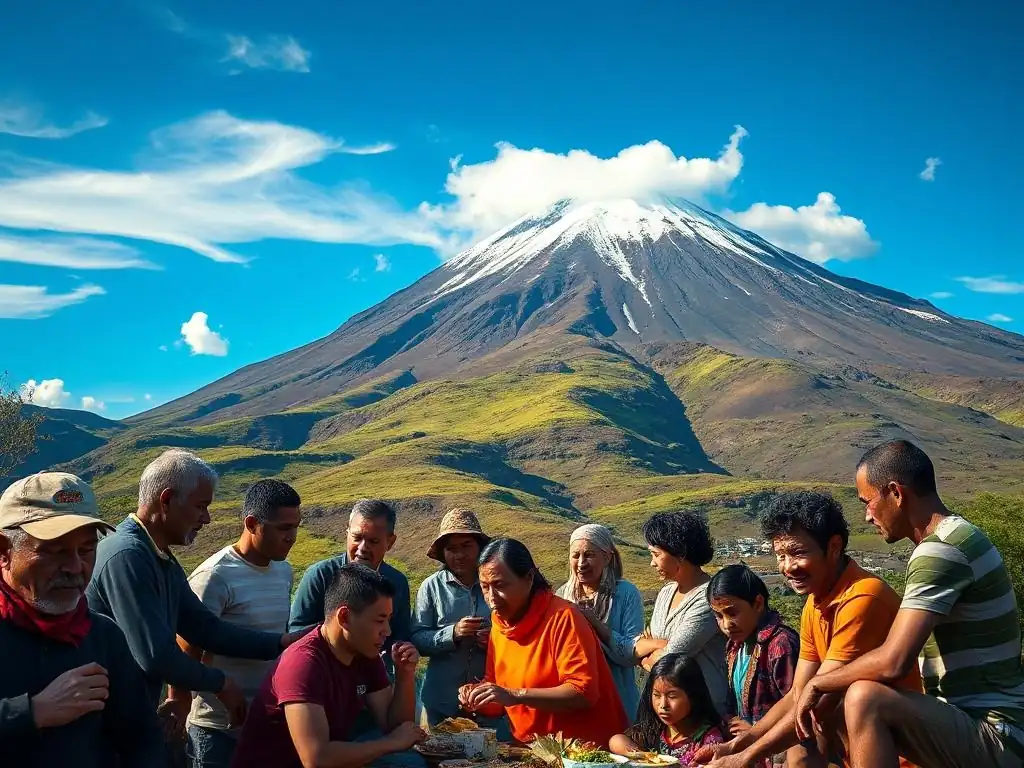
Mindfulness and Meditation Techniques for Volcanic Anxiety
Mindfulness and meditation techniques offer practical tools for managing anxiety specifically related to living in volcanic regions. Mindfulness practices encourage present moment awareness, helping individuals to focus on the here and now rather than dwelling on future uncertainties or past traumatic experiences. For those experiencing volcanic anxiety, mindfulness can be particularly helpful in grounding oneself during periods of heightened stress or volcanic activity.
Simple mindfulness exercises, such as focusing on the breath or engaging the senses to observe the surrounding environment, can help calm the nervous system and reduce anxiety symptoms. Meditation practices, including guided meditations focused on relaxation and stress reduction, can further cultivate inner peace and emotional regulation.
Specifically tailored meditations could incorporate imagery of volcanic landscapes, not to induce fear, but to foster a sense of connection to the natural environment in a mindful and accepting way. Regular practice of mindfulness and meditation can equip individuals with valuable coping skills to navigate the unique stressors of living in volcanic hazard zones.
Community Support and Mental Health Resources in Volcanic Areas
Strong community support networks and accessible mental health resources are crucial for fostering wellbeing in volcanic areas. Living with volcanic hazards is a shared experience, and community bonds can provide a vital buffer against stress and anxiety. Support groups, community centers, and local initiatives can create spaces for residents to connect, share their experiences, and offer mutual support. These networks are particularly important during times of volcanic unrest or after eruptions, providing a sense of solidarity and collective resilience.
Furthermore, access to professional mental health services is essential. This includes readily available therapists, counselors, and psychologists who are trained to address anxiety, trauma, and stress-related disorders. Mental health resources should be culturally sensitive and tailored to the specific needs of volcanic communities. Telehealth options can also expand access to mental health services, particularly in remote volcanic regions. Investing in community support and mental health infrastructure is a proactive step towards promoting the long-term wellbeing of populations living with volcanic risks.
Engaging with Volcanic Science to Reduce Fear: Knowledge is Power
Knowledge about volcanic processes and risk mitigation strategies is a powerful tool in reducing fear and enhancing mental wellbeing in volcanic regions. Fear often stems from the unknown and a perceived lack of control. By engaging with volcanic science, individuals can gain a better understanding of the natural phenomena they live alongside, fostering a sense of informed awareness rather than blind fear. Learning about volcano monitoring techniques, eruption forecasting, and emergency preparedness plans can empower residents and increase their sense of agency.
Volcano observatories and geological surveys often conduct outreach programs and provide public information sessions. These initiatives are invaluable in disseminating scientific knowledge to the public in accessible formats. Schools in volcanic areas can also integrate volcanology into their curriculum, educating children from a young age about the local volcanic environment. By promoting scientific literacy and fostering open communication between scientists and the community, fear can be replaced by a more rational and manageable understanding of volcanic risks, ultimately contributing to improved mental wellbeing.
Case Studies: Finding Peace Amidst Volcanic Activity
Case Study: The Icelandic Model: Community Support After the 2010 Eyjafjallajökull Eruption
Iceland offers a compelling case study in community resilience in the face of volcanic eruptions. The 2010 eruption of Eyjafjallajökull, while globally disruptive due to airspace closures, was managed effectively at the local level, in part due to Iceland's strong emphasis on community support. Following the eruption, Iceland activated well-established emergency response systems, but equally crucial was the informal network of community support that emerged. Neighbors helped neighbors, local organizations mobilized, and the national identity of resilience and resourcefulness came to the fore.
Mental health support was integrated into the broader recovery efforts. While the eruption caused significant disruption and anxiety, particularly in the immediate vicinity, the strong social fabric and proactive community response helped mitigate long-term psychological impacts. Iceland's experience highlights the importance of pre-existing community networks and the rapid mobilization of local resources in supporting mental wellbeing after a volcanic crisis. The Icelandic model underscores that social cohesion and community-led initiatives are vital components of post-eruption mental health recovery.
Case Study: Mount Unzen, Japan: Long-Term Community Resilience and Adaptation
Mount Unzen in Japan has a long history of volcanic activity, including a devastating eruption in the early 1990s that caused pyroclastic flows and lahars, resulting in fatalities and significant destruction. In the decades following this eruption, the communities around Mount Unzen have demonstrated remarkable long-term resilience and adaptation. Rather than abandoning the area, residents have actively engaged in rebuilding and developing strategies to coexist with the ongoing volcanic threat.
This resilience is underpinned by a combination of factors: robust infrastructure for monitoring and early warning systems, land-use planning that minimizes risk exposure, and a strong community spirit. Local authorities have worked closely with residents to develop evacuation plans and promote volcanic awareness. Furthermore, the community has found ways to integrate the volcanic landscape into their identity and economy, with tourism focused on the volcanic area becoming a source of livelihood. The Mount Unzen case study showcases how long-term adaptation, proactive risk management, and community engagement can foster resilience and mental wellbeing in areas facing persistent volcanic hazards.
Case Study: Stromboli, Italy: Fostering a Culture of Volcanic Awareness and Preparedness
Stromboli, an Italian island volcano, is in a state of near-constant activity, characterized by frequent, small explosions. Living with this persistent volcanic activity has shaped a unique culture of volcanic awareness and preparedness among Strombolians. Generations have grown up understanding the rhythms of the volcano, developing a nuanced relationship that balances respect for its power with the practicalities of daily life. Local communities are highly attuned to changes in volcanic activity and have well-ingrained safety practices.
This culture of awareness is fostered through intergenerational knowledge transfer, local emergency drills, and a strong sense of community responsibility. While the constant volcanic activity can be a source of background stress, the high level of preparedness and community cohesion likely contributes to a sense of control and reduces acute anxiety. Stromboli demonstrates that living alongside even persistently active volcanoes is possible when communities cultivate a deep understanding of the risks, prioritize preparedness, and foster a culture of shared responsibility for safety and wellbeing.
Fostering a Healthy Relationship with Volcanoes: A Path to Mental Resilience
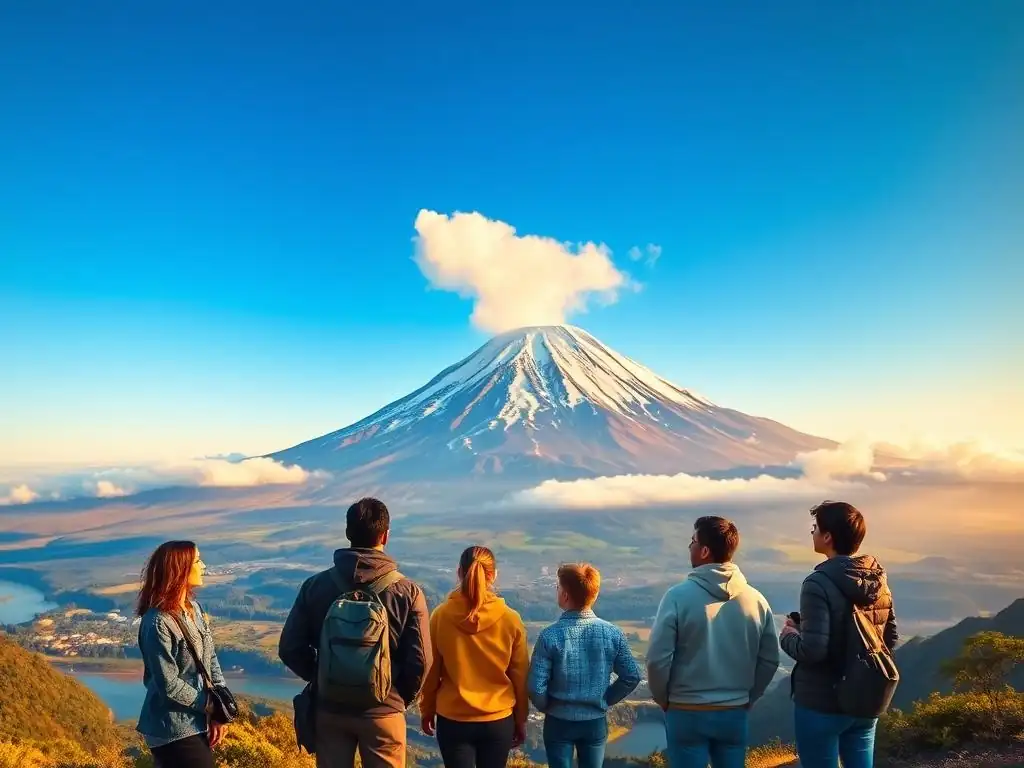
Balancing Risk Awareness with Appreciation for Volcanic Landscapes
Fostering a healthy relationship with volcanoes requires a delicate balance between risk awareness and appreciation for volcanic landscapes. It is crucial to acknowledge and understand the potential dangers associated with living near volcanoes, including the risks of eruptions and related hazards. Ignoring or downplaying these risks would be detrimental to safety and mental wellbeing. However, an exclusive focus on risk can lead to chronic anxiety and a diminished quality of life.
Therefore, it is equally important to cultivate an appreciation for the unique beauty and ecological value of volcanic environments. Volcanic landscapes are often areas of exceptional biodiversity, geological significance, and scenic beauty. Engaging with these positive aspects – through hiking, nature observation, photography, or simply spending time in volcanic areas – can foster a sense of connection and wonder, counteracting the negative effects of fear and anxiety. This balanced approach, acknowledging both the risks and the rewards of living with volcanoes, is key to fostering mental resilience.
Promoting Responsible Volcanic Tourism and Mental Wellbeing
Responsible volcanic tourism can play a positive role in both community wellbeing and fostering a healthy relationship with volcanoes, but it must be carefully managed to avoid negative impacts. Tourism can bring economic benefits to volcanic regions, supporting livelihoods and contributing to local economies. Furthermore, well-managed tourism can educate visitors about volcanic processes and promote appreciation for these natural wonders. Volcanic awe can be shared with a wider audience, potentially fostering global understanding and respect for natural forces.
However, irresponsible tourism can exacerbate existing stressors on local communities and environments. Overcrowding, disruption of local life, and disregard for safety guidelines can negatively impact resident wellbeing. Therefore, promoting responsible volcanic tourism is essential. This includes prioritizing sustainable practices, respecting local cultures and environments, ensuring visitor safety through proper guidance and infrastructure, and channeling tourism revenues back into community development and conservation efforts. When managed responsibly, volcanic tourism can be a force for good, contributing to both economic prosperity and mental wellbeing in volcanic regions.
Long-Term Strategies for Mental Health in Volcanic Communities: Education and Preparedness
Long-term strategies for mental health in volcanic communities must prioritize education and preparedness. Education is fundamental to building informed and resilient communities. This includes incorporating volcanology and risk education into school curricula, conducting public awareness campaigns, and providing accessible information resources about local volcanic hazards and safety procedures. Knowledge empowers individuals to make informed decisions and reduces fear based on misinformation or lack of understanding.
Preparedness is equally crucial. This involves developing and regularly practicing emergency plans, establishing early warning systems, and ensuring access to mental health support services. Preparedness not only enhances physical safety but also fosters a sense of control and reduces anxiety by creating a framework for responding effectively to volcanic events. Long-term mental health strategies should be integrated into broader community development plans, recognizing that mental wellbeing is intrinsically linked to physical safety, economic stability, and social cohesion in volcanic regions.
Conclusion: Embracing Volcanic Awe for a Balanced Mental State
Living near volcanoes presents a unique paradox: the source of potential danger is also a source of profound awe and beauty. Reconciling the inherent fear with the inherent fascination is key to achieving mental wellbeing in volcanic regions. By understanding the psychological impact of volcanic hazards, actively cultivating volcanic awe, and implementing practical strategies for mental health, individuals and communities can foster resilience and find peace amidst volcanic activity.
Embracing volcanic awe is not about denying the risks, but about expanding our perspective to encompass the full spectrum of human experience in these dynamic landscapes. It is about finding a balanced mental state, one that acknowledges both the peril and the wonder, allowing us to live respectfully and sustainably alongside these powerful forces of nature.
Frequently Asked Questions
How can experiencing volcanic awe actually improve mental wellbeing?
Volcanic awe can shift perspective, making everyday worries seem smaller. It fosters a sense of connection to something larger than oneself, promoting mindfulness and emotional resilience.
What role does understanding the science of volcanoes play in reducing fear and enhancing appreciation?
Learning about the science demystifies the complex processes behind volcanic activity. This knowledge replaces fear with understanding, fostering a sense of fascination and respect.
What are some practical ways to safely experience volcanic awe and minimize potential anxiety?
Visit established observation points with clear safety protocols and expert guidance. Focus on controlled experiences, and learn about evacuation procedures beforehand to alleviate anxiety.
How can VolcanoExplorers.org help individuals reconcile their fears about volcanoes with their potential for awe?
The website provides accurate, accessible information about volcanoes, including safety guides and real-time updates. It also showcases the beauty and cultural significance of volcanoes.
Can the cultural significance of volcanoes contribute to a sense of awe and wonder?
Yes, understanding how different cultures have viewed and interacted with volcanoes can deepen appreciation. This includes myths, legends, and artistic representations, adding another layer of meaning and respect to the experience.
Final Reflection: Embracing the Fire Within
The journey from fear to fascination, as explored throughout this article, highlights a profound truth: our relationship with the powerful forces of nature, like volcanoes, mirrors our relationship with our own inner landscapes. Understanding and reconciling the awe-inspiring, yet potentially destructive, power of volcanoes offers a unique lens through which to examine and nurture our mental wellbeing in a world often characterized by uncertainty and anxiety.
The enduring allure of volcanoes, despite their inherent dangers, speaks to a deeper human need to connect with something larger than ourselves. This connection, this acceptance of the raw, untamed energy that both creates and destroys, is crucial for fostering resilience and finding peace within. The volcano is a vital image for the unconscious. It represents the destructive and creative aspects of the unconscious, the source of both our greatest fears and our greatest potential.
- Carl Jung. This quote encapsulates the duality that we must embrace to truly reconcile our mental wellbeing with the awe-inspiring power of the natural world.
As you reflect on the journey from fear to fascination, consider how you can apply this understanding to your own life. Embrace the challenges, the uncertainties, and even the "eruptions" that life throws your way. Dare to find the beauty and the potential for growth within the chaos.
Just as a volcano can create fertile land after destruction, so too can you emerge stronger and more resilient from your own personal trials. Let the volcanic awe inspire you to cultivate a deeper understanding of yourself and the world around you, transforming fear into a profound and enduring fascination with the power of life itself.
Ignite Your Inner Explorer: Embrace the Power Within!
Thank you for joining us on this journey from fear to fascination! We hope you've discovered a new appreciation for the power and beauty of volcanoes, and more importantly, a deeper understanding of managing your anxieties. Now, let's turn that understanding into action.
Here's how you can continue your exploration:
- Schedule a mindful moment today and visualize the power of nature – not as a threat, but as a symbol of resilience and transformation. This will help you harness that energy to conquer your own challenges.
- Share this article with a friend or family member who might benefit from a new perspective on overcoming fears. Perhaps they, too, can find solace and strength in the wonders of the natural world.
- Explore a local natural wonder! Research nearby geological formations and plan a visit to connect with the earth's energy firsthand.
What challenge will you dare to face this week, armed with newfound understanding and awe?