
The Spirit of Survival: Documenting the Human Will in Volcanic Environments

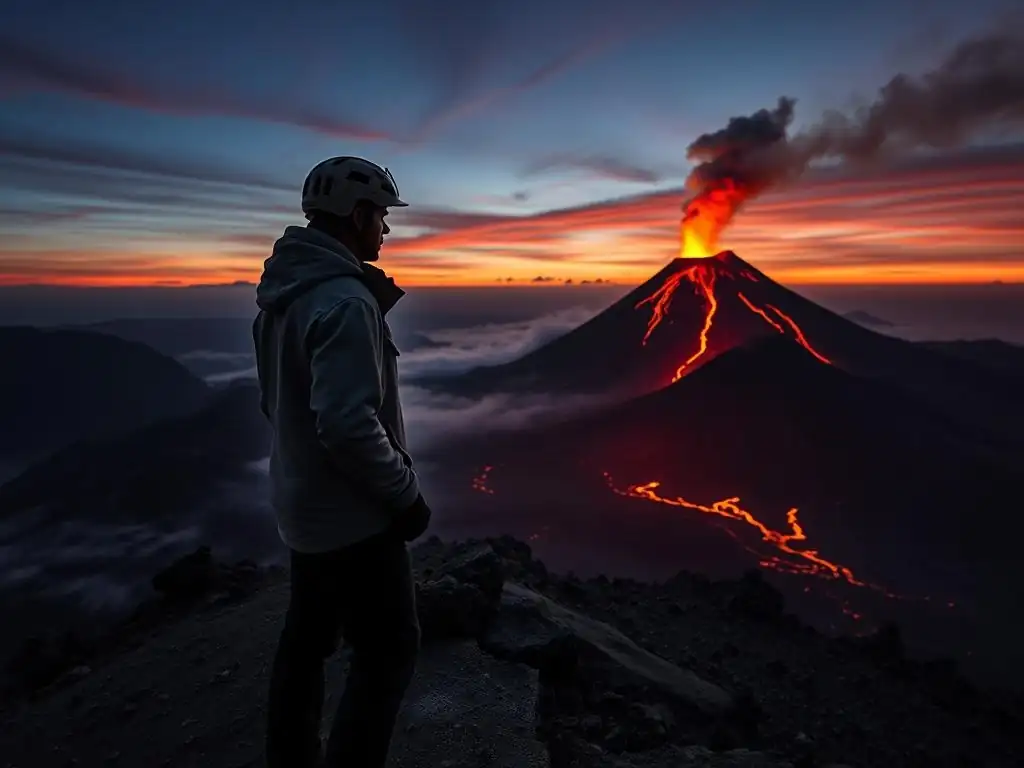
Welcome to Volcano Explorers!
Are you ready to confront the raw power of the Earth? Here, we don't just study volcanoes; we immerse ourselves in their fiery embrace. Today, we're diving deep into the realities of living alongside these geological giants. Ever wondered how communities not only endure but thrive in the shadow of towering infernos?
Our feature article, " The Spirit of Survival: Documenting the Human Will in Volcanic Environments,," under the "Living with Volcanoes" category, explores the resilience of humanity in the face of unimaginable odds. But before you delve into those stories, consider this: What if you were next? Uncover essential surviving volcanic eruptions tips and preparedness strategies that could save your life – or the lives of those you care about. Explore the article and prepare to be amazed... and prepared.
- Documenting Resilience: Human Adaptation in Volcanic Environments
- Introduction: Volcanoes, Resilience, and Human Adaptation
- Case Study Selection: Defining Community Resilience
- Documenting Human Adaptation: Key Factors for Survival
- Examples of Successful Adaptation
- Lessons Learned: Applications for Volcanic Communities
- Conclusion: Human Resilience in the Face of Volcanic Hazards
-
Frequently Asked Questions
- What are some essential safety guides and evacuation tips available on VolcanoExplorers.org?
- How does VolcanoExplorers.org help people living near active volcanoes stay informed?
- What kind of educational content does VolcanoExplorers.org provide about volcanoes?
- Besides safety information, what other aspects of volcanoes does VolcanoExplorers.org cover?
- What is the primary focus of the article "The Spirit of Survival: Documenting the Human Will in Volcanic Environments," and how does it relate to surviving volcanic eruptions tips?
- Final Reflection: The Enduring Flame of Resilience
- Unearth Your Own Story of Resilience!
Documenting Resilience: Human Adaptation in Volcanic Environments
Introduction: Volcanoes, Resilience, and Human Adaptation
Understanding Human Adaptation in Volcanic Regions
Human adaptation to volcanic regions is a compelling testament to our species' capacity to thrive even in the face of formidable natural hazards. For centuries, communities have chosen to reside near volcanoes, drawn by fertile soils, geothermal energy, and unique landscapes, despite the inherent risks of eruptions. This adaptation is not merely passive acceptance; it's a dynamic process involving proactive strategies to mitigate risks, respond effectively during crises, and recover sustainably afterward. Understanding this adaptation requires examining the interplay between human ingenuity, community structures, scientific advancements, and the unpredictable nature of volcanic activity.
The study of human adaptation in volcanic regions is crucial because it offers valuable insights into building resilient communities globally. As populations grow and encroach upon geologically active zones, the need to understand and implement effective adaptation strategies becomes increasingly urgent.
By examining historical and contemporary examples of communities living successfully with volcanoes, we can identify best practices in preparedness, response, and recovery that can be applied to other hazard-prone areas. This knowledge is not only vital for those living near volcanoes but also for broader disaster risk reduction efforts worldwide, highlighting the universal lessons learned from these unique human-environment interactions.
Case Studies in Volcanic Resilience: Survival Strategies
Case studies of volcanic eruptions provide invaluable real-world examples of how communities have faced and overcome the challenges posed by these powerful natural events. By analyzing specific instances of volcanic crises and their aftermath, we can identify effective survival strategies and understand the factors that contribute to community resilience. These case studies are not just historical accounts; they are living laboratories of human adaptation, offering concrete lessons that can inform contemporary risk management and community preparedness efforts. Examining both successful and less successful responses to volcanic eruptions allows for a nuanced understanding of what works, what doesn't, and why.
These case studies span diverse geographical locations, volcanic types, and societal contexts, showcasing a range of adaptive approaches. From the rapid evacuation and infrastructure rebuilding in Heimaey, Iceland, after the 1973 eruption, to the long-term coexistence strategies developed near Mount Etna in Italy, each example offers unique insights. By comparing and contrasting these cases, we can distill common threads of resilience, such as strong community leadership, effective early warning systems, and adaptive infrastructure. Furthermore, these studies underscore the importance of understanding local contexts, cultural values, and socio-economic factors in shaping successful adaptation strategies and improving surviving volcanic eruptions tips.
Case Study Selection: Defining Community Resilience
Criteria for Evaluating Resilience After Volcanic Events
Evaluating community resilience in the aftermath of volcanic events requires a multi-faceted approach, considering various indicators that reflect a community's capacity to withstand, adapt to, and recover from volcanic hazards. Key criteria include minimal loss of life and injury, rapid restoration of essential services, and the preservation of social cohesion and community well-being.
Economic recovery, measured by the speed at which livelihoods are restored and businesses can operate again, is also a crucial indicator. Furthermore, the degree to which a community learns from the event and implements measures to enhance future preparedness and reduce vulnerability is a vital aspect of resilience assessment.
Another essential criterion is the effectiveness of communication and information dissemination during and after the eruption. Resilient communities demonstrate robust communication networks that ensure timely and accurate information reaches all members, facilitating informed decision-making and coordinated responses. Psychological resilience, reflecting the community's ability to cope with trauma and maintain mental well-being, is equally important.
Finally, the extent to which pre-eruption planning and mitigation measures were in place and effectively implemented serves as a critical benchmark for evaluating resilience. These criteria, taken together, provide a comprehensive framework for assessing how well a community navigated the volcanic crisis and its capacity for future surviving volcanic eruptions tips.
Mount Unzen, Japan: Coexistence with Active Volcanism
Mount Unzen, located on the Shimabara Peninsula in Japan, is a stark example of a community living in close proximity to a highly active volcano. Following a period of dormancy, Unzen began erupting again in 1990, culminating in a major eruption and pyroclastic flows in 1991 that tragically killed 43 people, including volcanologists. Despite this devastating event and ongoing volcanic activity, the local communities have demonstrated remarkable resilience and continue to thrive. Their adaptation strategies are built on a foundation of advanced monitoring systems, robust evacuation plans, and community education programs.
The city of Shimabara, situated at the foot of Unzen, has implemented sophisticated early warning systems that constantly monitor volcanic activity, providing crucial time for evacuation when necessary. Extensive public education campaigns ensure residents are well-informed about volcanic hazards, evacuation procedures, and safety measures.
Furthermore, significant investments in infrastructure, including sediment control dams and diversion channels, have been made to mitigate the impact of lahars and pyroclastic flows. The ongoing presence of the volcano has not deterred the community; instead, it has fostered a culture of preparedness and coexistence, turning potential vulnerability into a testament to human adaptability and providing valuable insights for surviving volcanic eruptions tips.
Heimaey, Iceland: Adapting After the 1973 Eruption
The 1973 eruption on Heimaey, part of the Vestmannaeyjar archipelago in Iceland, presented a dramatic test of community resilience. The eruption, which began unexpectedly on the outskirts of the town of Vestmannaeyjar, lasted for five months and buried a significant portion of the town under lava and ash. Remarkably, due to a swift and well-organized evacuation, no lives were lost directly due to the eruption. This successful evacuation, involving the entire population of around 5,300 people, was a crucial first step in the community's adaptation.
Following the eruption, the residents of Heimaey demonstrated extraordinary determination in rebuilding their lives and community. With significant national and international support, they undertook a massive effort to clear ash, rebuild homes, and restore infrastructure. Ingeniously, they used seawater to solidify the advancing lava flow, diverting it away from the harbor, which was vital for the island's economy.
Within a few years, Heimaey was not only rebuilt but also enhanced, with a new geothermal heating system utilizing the heat from the still-hot lava field. The Heimaey case is a powerful illustration of rapid recovery, community solidarity, and innovative adaptation in the face of volcanic devastation, offering crucial lessons for surviving volcanic eruptions tips and post-disaster recovery.
Documenting Human Adaptation: Key Factors for Survival
Pre-Eruption Preparedness: Planning for Volcanic Eruptions
Pre-eruption preparedness is arguably the most critical factor in ensuring community survival and resilience in volcanic environments. Effective planning involves a comprehensive approach that encompasses hazard assessment, risk communication, evacuation planning, and the development of mitigation measures. Understanding the specific volcanic hazards a community faces – such as ashfall, pyroclastic flows, lahars, and lava flows – is the first step in developing targeted preparedness strategies. This knowledge informs the design of early warning systems, evacuation routes, and building codes that are tailored to the local volcanic risk profile.
Moreover, pre-eruption preparedness is not solely a technical exercise; it requires active community engagement and participation. Educating residents about volcanic hazards, evacuation procedures, and emergency preparedness measures is paramount. Regular drills and simulations help to familiarize the community with emergency protocols and identify areas for improvement. Building strong partnerships between scientific agencies, emergency responders, and local communities ensures that preparedness efforts are relevant, effective, and sustainable, significantly increasing the chances of surviving volcanic eruptions tips being successfully implemented during a crisis.
Community-Led Evacuation Drills: Preparedness and Coordination
Community-led evacuation drills are essential components of pre-eruption preparedness, transforming theoretical plans into practical skills and fostering community-wide coordination. These drills simulate evacuation scenarios, allowing residents to practice their roles, identify potential bottlenecks in evacuation routes, and become familiar with assembly points and emergency procedures. Participation in drills builds confidence and reduces panic during a real eruption, as individuals are better prepared and know what to expect. Furthermore, drills provide valuable feedback for emergency managers, highlighting areas where plans can be improved and communication strategies refined.
Effective evacuation drills are not just about practicing physical movements; they also serve as platforms for reinforcing risk communication messages and building community cohesion. By involving diverse segments of the population, including vulnerable groups and those with specific needs, drills ensure that evacuation plans are inclusive and equitable.
Post-drill debriefings and evaluations allow for lessons learned to be incorporated into future planning, creating a continuous cycle of improvement. The frequency and realism of these drills are crucial factors in their effectiveness, ensuring that communities are truly prepared to execute evacuation plans swiftly and efficiently when the need arises, maximizing the effectiveness of surviving volcanic eruptions tips.
Early Warning Systems: Timely Information and Response
Early warning systems (EWS) are indispensable tools for mitigating volcanic risk and enabling timely responses. These systems rely on a network of monitoring instruments – seismometers, GPS stations, gas sensors, and thermal cameras – to detect signs of volcanic unrest and impending eruptions. The data collected is analyzed by volcanologists to assess the level of volcanic activity and issue warnings to at-risk communities.
Effective EWS are characterized by their accuracy, reliability, and the speed at which warnings can be disseminated to the public. Timely warnings provide crucial lead time for communities to activate evacuation plans, secure property, and take necessary precautions.
However, the effectiveness of EWS extends beyond the technical capabilities of monitoring instruments. It also depends on the communication pathways used to deliver warnings to the public, ensuring that messages are clear, understandable, and reach all segments of the community, including those with limited access to technology. Community trust in the EWS and the issuing authorities is paramount for ensuring that warnings are heeded and acted upon promptly. Regular testing and public awareness campaigns are essential for maintaining the credibility and effectiveness of EWS, making them a cornerstone of surviving volcanic eruptions tips strategies.
Building Codes and Infrastructure: Hazard Mitigation
Building codes and infrastructure play a vital role in mitigating the impact of volcanic hazards and enhancing community resilience. In volcanic regions, building codes should be adapted to account for specific volcanic risks, such as ashfall loads, seismic activity, and potential for pyroclastic flows or lahars. Reinforced roofs, strong foundations, and appropriate building materials can significantly reduce structural damage from ash accumulation and ground shaking. Strategic infrastructure planning can also minimize vulnerability; for instance, locating critical facilities such as hospitals and emergency shelters in areas less exposed to volcanic hazards.
Furthermore, investing in infrastructure designed to mitigate specific volcanic hazards is crucial. Lahar channels, sediment retention basins, and ash removal systems can reduce the impact of these hazards on communities and infrastructure. Undergrounding utilities can protect them from ashfall and pyroclastic flows, ensuring continued service during and after an eruption. Regular maintenance and upgrades of infrastructure are essential to ensure their continued effectiveness. Integrating volcanic hazard considerations into urban planning and infrastructure development is a proactive approach to building resilient communities and implementing long-term surviving volcanic eruptions tips.
Immediate Response During an Eruption: Survival Actions
Immediate response during a volcanic eruption is a critical phase where pre-eruption preparedness plans are put to the test. Survival actions during an eruption are dictated by the specific volcanic hazards present and the real-time situation. Following evacuation orders promptly is paramount if an evacuation is deemed necessary by authorities. If evacuation is not possible or advised, seeking appropriate shelter and protection from volcanic hazards becomes the immediate priority. Staying informed through reliable communication channels is crucial for receiving updated information and instructions from emergency responders.
Effective immediate response relies on well-trained emergency responders, clear communication protocols, and community adherence to emergency plans. Coordinated efforts between emergency services, local authorities, and community volunteers are essential for managing the immediate impacts of an eruption, providing assistance to those in need, and ensuring public safety. The effectiveness of these immediate actions directly influences the number of casualties and the severity of the eruption's impact on the community, making it a crucial aspect of surviving volcanic eruptions tips implementation in real-time.
Shelter and Protection: Safe Havens During Volcanic Activity
Seeking appropriate shelter and protection is a vital survival action during volcanic activity, depending on the specific hazards present. During ashfall, sheltering indoors is crucial to avoid respiratory problems and eye irritation. Buildings with strong roofs are essential to withstand the weight of ash accumulation. Sealing windows and doors can minimize ash entry into buildings. For pyroclastic flows or lahars, evacuation to designated safe zones away from valleys and drainage channels is the primary protective measure. Pre-identified community shelters, designed to withstand volcanic hazards, can provide refuge for those who cannot evacuate.
Emergency kits, containing essential supplies such as food, water, first-aid, dust masks, and protective eyewear, are crucial for individuals sheltering in place. Understanding the types of volcanic hazards and the appropriate protective actions for each hazard is essential knowledge for residents of volcanic areas. Public education campaigns should emphasize the importance of knowing evacuation routes, shelter locations, and appropriate protective measures. Having readily accessible and well-equipped shelters is a cornerstone of community safety during volcanic eruptions and a key element of surviving volcanic eruptions tips.
Communication Networks: Information Dissemination in Crisis
Robust communication networks are indispensable during a volcanic crisis for disseminating timely and accurate information to the public and coordinating emergency response efforts. These networks must be resilient and redundant, capable of functioning even when some communication infrastructure is damaged or disrupted by the eruption. Multiple communication channels, including radio, television, internet, mobile phone networks, and community loudspeakers, should be utilized to ensure that information reaches all segments of the population. Clear, concise, and consistent messaging is crucial to avoid confusion and panic.
Social media platforms can also play a significant role in information dissemination during a crisis, but they must be used responsibly and verified information should be prioritized to prevent the spread of misinformation. Two-way communication channels, allowing for feedback from the community to emergency responders, are also valuable for understanding evolving needs and adapting response strategies. Regular drills and exercises should include communication protocols to test the effectiveness of communication networks and ensure that they function reliably during a volcanic emergency. Effective communication is central to surviving volcanic eruptions tips during the chaos of an eruption.
First Aid and Emergency Medical Care: Addressing Immediate Needs
First aid and emergency medical care are critical components of immediate response during a volcanic eruption, addressing injuries and health issues arising from volcanic hazards. Volcanic eruptions can cause a range of injuries, including burns, respiratory problems from ash inhalation, injuries from falling debris, and psychological trauma. Well-trained first responders, including paramedics, nurses, and doctors, are essential for providing on-site medical care and transporting seriously injured individuals to hospitals or medical facilities. Pre-positioned medical supplies, including first-aid kits, burn dressings, respiratory medications, and trauma supplies, are crucial for immediate medical response.
Community first-aid training programs empower residents to provide initial assistance to injured individuals before professional medical help arrives. Emergency medical facilities should be prepared to handle a surge in patients during and after an eruption. Public health measures, such as monitoring air quality and providing guidance on ash protection, are also vital to prevent and mitigate health impacts.
Psychological first aid is equally important to address the emotional distress and trauma experienced by affected individuals. A robust emergency medical response system is a crucial element in minimizing casualties and ensuring the well-being of the community during volcanic crises, and a key part of surviving volcanic eruptions tips.
Post-Eruption Recovery: Rebuilding Communities and Lives
Post-eruption recovery is a long-term process focused on rebuilding communities and restoring livelihoods after the immediate crisis has passed. This phase involves addressing a wide range of needs, from providing temporary and permanent housing to restoring essential infrastructure, revitalizing the economy, and providing psychological support to affected populations. Effective recovery requires a coordinated and collaborative approach, involving government agencies, non-governmental organizations, community groups, and international partners. A phased approach to recovery, starting with immediate relief and progressing towards long-term sustainable development, is essential.
Successful post-eruption recovery is not just about rebuilding what was lost; it's also an opportunity to build back better, enhancing community resilience and reducing vulnerability to future volcanic hazards. This may involve relocating settlements away from high-risk zones, implementing improved building codes, diversifying economic activities, and strengthening community preparedness mechanisms.
The recovery process should be community-led and participatory, ensuring that the needs and priorities of affected populations are at the center of recovery efforts. A focus on long-term sustainability and resilience is crucial for ensuring that communities not only recover but also thrive in the face of future volcanic challenges, and to further refine surviving volcanic eruptions tips.
Psychological Support: Trauma and Mental Health Services
Psychological support and mental health services are integral components of post-eruption recovery, addressing the emotional and psychological impacts of volcanic disasters. Volcanic eruptions can be traumatic events, leading to stress, anxiety, depression, post-traumatic stress disorder (PTSD), and other mental health challenges. Providing accessible and culturally appropriate mental health services is crucial for supporting the well-being of affected individuals and communities. This includes individual counseling, group therapy, community-based support programs, and psycho-social support activities.
Training local community members and healthcare workers in psychological first aid can expand the reach of mental health support services. Addressing the specific needs of vulnerable groups, such as children, the elderly, and those with pre-existing mental health conditions, is particularly important. Long-term mental health support is often necessary, as the psychological impacts of volcanic disasters can persist for years. Integrating mental health services into broader recovery programs ensures a holistic approach to community well-being and is a vital, often overlooked, aspect of surviving volcanic eruptions tips.
Economic Recovery: Restoring Livelihoods
Economic recovery is a cornerstone of post-eruption community rebuilding, focusing on restoring livelihoods and revitalizing the local economy. Volcanic eruptions can devastate local economies by destroying infrastructure, disrupting businesses, damaging agricultural lands, and impacting tourism. Economic recovery strategies must be tailored to the specific economic sectors affected and the long-term economic vision for the community. This may involve providing financial assistance to businesses, supporting agricultural recovery, diversifying economic activities, and promoting tourism recovery.
Job creation programs, skills training initiatives, and access to credit and microfinance can empower individuals to rebuild their livelihoods. Investing in infrastructure that supports economic activities, such as transportation networks and communication systems, is also essential. Sustainable economic development strategies that reduce reliance on hazard-vulnerable sectors and promote diversification can enhance long-term economic resilience. Community participation in economic recovery planning ensures that strategies are aligned with local needs and priorities, and contributes to the long-term success of surviving volcanic eruptions tips in fostering economic stability.
Long-Term Community Planning: Building Resilience
Long-term community planning is essential for building resilience to future volcanic hazards and ensuring the sustainable development of volcanic communities. This involves integrating volcanic risk reduction into all aspects of community planning, from land-use zoning and infrastructure development to economic diversification and social programs. Participatory planning processes that involve community members, scientists, emergency managers, and government agencies are crucial for developing effective and locally relevant resilience strategies. Regularly updating hazard assessments and risk maps ensures that planning decisions are based on the best available scientific information.
Investing in education and public awareness programs about volcanic hazards and risk reduction fosters a culture of safety and preparedness within the community. Strengthening community institutions and social networks enhances social capital and collective capacity to cope with future crises. Long-term community planning is not a one-time event but an ongoing process of adaptation and improvement, ensuring that volcanic communities are better prepared for future eruptions and can thrive in the long term, continuously refining surviving volcanic eruptions tips.
Examples of Successful Adaptation
Mount St. Helens Recovery: A Study in Resilience
The recovery of communities around Mount St. Helens in Washington State, USA, following the catastrophic 1980 eruption, provides a compelling case study in long-term resilience. While the eruption caused significant devastation, including loss of life and widespread environmental damage, the affected communities demonstrated remarkable adaptability and long-term recovery. The immediate response focused on search and rescue, evacuation, and providing emergency relief. The long-term recovery efforts prioritized environmental restoration, economic diversification, and the development of tourism centered around the volcano's unique landscape.
The creation of the Mount St. Helens National Volcanic Monument in 1982 played a pivotal role in the area's recovery, transforming the devastated landscape into a site for scientific research, education, and recreation. Tourism related to the volcano has become a significant economic driver for the region, providing jobs and revenue.
Environmental restoration efforts have focused on reforestation, habitat recovery, and managing the impacts of volcanic debris. The Mount St. Helens case illustrates how a community can transform a volcanic disaster into an opportunity for long-term sustainable development and build resilience through environmental stewardship and economic diversification, exemplifying effective surviving volcanic eruptions tips applied in recovery.
Soufrière Hills, Montserrat: Adaptation to Prolonged Volcanic Activity
The ongoing eruption of the Soufrière Hills volcano on the Caribbean island of Montserrat presents a unique example of adaptation to prolonged volcanic activity. Since 1995, the volcano has been in a state of continuous eruption, rendering the southern half of the island uninhabitable and displacing a significant portion of the population. Despite the immense challenges, the remaining communities in the northern safe zone have adapted to living with persistent volcanic risk. This adaptation has involved relocation, infrastructure development in the safe zone, and economic adjustments.
The government of Montserrat, with international support, has invested heavily in developing the northern part of the island, building new infrastructure, including a new capital city, airport, and port. Economic activities have shifted towards sectors less vulnerable to volcanic hazards, such as tourism and offshore financial services.
Community resilience in Montserrat is characterized by a strong sense of community spirit, adaptive governance, and a pragmatic approach to living with ongoing volcanic risk. The Montserrat case highlights the challenges and strategies involved in adapting to long-term volcanic crises and offers valuable lessons for surviving volcanic eruptions tips in protracted volcanic emergencies.
Mount Etna, Italy: Living with an Active Volcano
Mount Etna, in Sicily, Italy, is one of the world's most active volcanoes, and communities have lived on its flanks for millennia. The long history of coexistence with Etna has fostered a deep understanding of volcanic hazards and the development of sophisticated adaptation strategies. These strategies are a mix of traditional practices and modern technologies. Communities have learned to live with frequent ashfall, lava flows, and seismic activity, developing agricultural practices suited to volcanic soils and building techniques that account for volcanic hazards.
Modern adaptation strategies around Etna include sophisticated monitoring systems, well-defined evacuation plans, and infrastructure designed to mitigate volcanic risks. Lava diversion barriers have been constructed to protect towns and infrastructure from lava flows. Public education and awareness campaigns are ongoing, ensuring that residents are informed about volcanic risks and preparedness measures. The Etna case demonstrates a long-term, culturally embedded approach to living with an active volcano, showcasing the potential for sustainable coexistence through a combination of risk awareness, mitigation measures, and community adaptation, providing a historical perspective on surviving volcanic eruptions tips.
Lessons Learned: Applications for Volcanic Communities
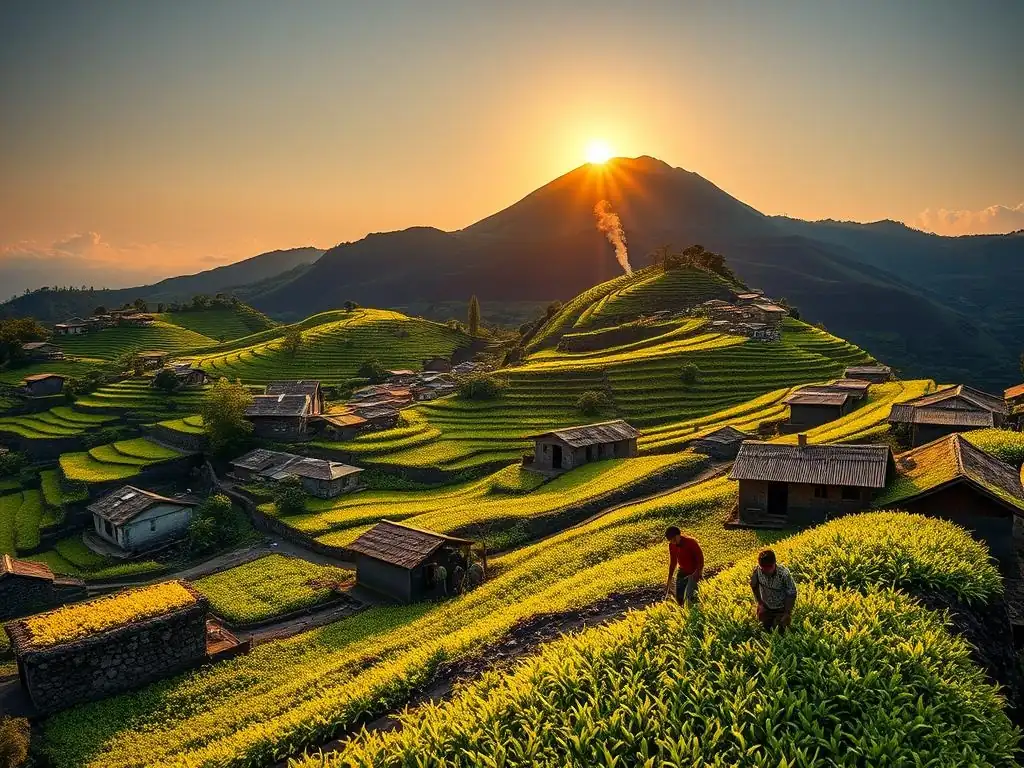
Implementing Effective Risk Reduction Strategies
Implementing effective risk reduction strategies is paramount for enhancing the safety and resilience of volcanic communities worldwide. Lessons learned from past volcanic eruptions and successful adaptation cases highlight the importance of a multi-faceted approach. This includes investing in robust volcanic monitoring systems to provide timely warnings, developing and regularly practicing evacuation plans, implementing land-use planning that restricts development in high-hazard zones, and enforcing building codes that account for volcanic hazards. Community-based risk assessments and participatory planning processes ensure that risk reduction strategies are tailored to local contexts and needs.
Effective risk reduction also requires strong institutional frameworks, clear lines of responsibility, and sustained political commitment. International collaboration and knowledge sharing among volcanic communities and scientific agencies can accelerate the adoption of best practices and innovative risk reduction technologies. Prioritizing investment in risk reduction is not only a humanitarian imperative but also an economically sound strategy, as it reduces the long-term costs associated with volcanic disasters and enhances community sustainability. By proactively implementing comprehensive risk reduction strategies, volcanic communities can significantly improve their safety and resilience, effectively utilizing surviving volcanic eruptions tips.
Fostering Community Engagement and Collaboration
Fostering community engagement and collaboration is crucial for building resilient volcanic communities. Volcanic risk reduction is not solely the responsibility of scientists or emergency managers; it requires the active participation and ownership of the community itself. Community engagement involves empowering residents to understand volcanic risks, participate in preparedness planning, and take ownership of their safety. This can be achieved through public education campaigns, community workshops, participatory risk mapping exercises, and the establishment of community-based disaster preparedness committees.
Collaboration among different stakeholders – scientists, emergency responders, local authorities, community leaders, and residents – is essential for effective volcanic risk management. Building trust and open communication channels among these stakeholders ensures that risk information is effectively communicated, preparedness plans are relevant and implementable, and response efforts are coordinated and efficient. Strengthening social networks and community cohesion enhances collective capacity to cope with volcanic crises. By fostering strong community engagement and collaborative partnerships, volcanic communities can build a more resilient and safer future, effectively applying surviving volcanic eruptions tips at the grassroots level.
Education's Role in Building a Culture of Safety
Education plays a fundamental role in building a culture of safety and preparedness in volcanic communities. Comprehensive education programs, targeting all age groups and segments of the population, are essential for raising awareness about volcanic hazards, promoting risk reduction behaviors, and fostering a sense of responsibility for personal and community safety. Education should start at an early age in schools, integrating volcanic hazard education into the curriculum. Public awareness campaigns, using various media channels, can disseminate risk information to the wider community.
Community-based education initiatives, such as workshops, training sessions, and drills, provide practical skills and knowledge for preparedness and response. Educating community leaders and decision-makers about volcanic risks and risk reduction strategies is also crucial for ensuring that preparedness is prioritized at all levels. By investing in education, volcanic communities can empower individuals to make informed decisions, take proactive measures to reduce their vulnerability, and contribute to a collective culture of safety and resilience, embedding surviving volcanic eruptions tips into the community consciousness.
Conclusion: Human Resilience in the Face of Volcanic Hazards
Further Research and Resources on Volcano Resilience
Further research and resources on volcano resilience are essential to continue improving our understanding of human adaptation in volcanic environments and enhancing community safety. Continued scientific research is needed to refine volcanic hazard assessments, improve eruption forecasting capabilities, and develop innovative risk reduction technologies. Social science research is crucial for understanding the socio-economic factors that influence community resilience, identifying best practices in community engagement, and evaluating the effectiveness of different adaptation strategies. Sharing research findings, case studies, and best practices through open-access publications, online platforms, and international conferences is vital for knowledge dissemination.
Developing readily accessible resources for volcanic communities, such as online toolkits, training materials, and guidelines for preparedness planning, can empower communities to implement effective risk reduction measures. Strengthening networks of researchers, practitioners, and community leaders working on volcano resilience can facilitate collaboration, knowledge exchange, and mutual support. Continued investment in research and resource development is crucial for building a safer and more resilient future for volcanic communities worldwide and further refining surviving volcanic eruptions tips and their application.
Inspiring Future Community Leaders
Inspiring future community leaders in volcanic regions is essential for ensuring long-term resilience and sustainable coexistence with these dynamic natural forces. Leadership at all levels – from local community leaders to national policymakers – plays a crucial role in championing volcanic risk reduction, promoting community preparedness, and fostering a culture of safety. Mentoring programs and leadership training initiatives can empower young people in volcanic communities to become future leaders in disaster risk reduction and community resilience. Highlighting success stories of community-led resilience and showcasing the contributions of dedicated individuals can inspire others to take action.
Educational institutions and community organizations can play a vital role in nurturing future leaders by providing opportunities for learning, skill development, and community engagement. Creating platforms for young people to participate in decision-making processes and contribute to community resilience initiatives can foster a sense of ownership and responsibility. By investing in the development of future community leaders, we can ensure that volcanic communities are well-equipped to face the challenges of living with volcanoes and build a more resilient and sustainable future, embodying the spirit of survival and effectively implementing surviving volcanic eruptions tips for generations to come.
Frequently Asked Questions
What are some essential safety guides and evacuation tips available on VolcanoExplorers.org?
The website offers practical advice on preparing for volcanic eruptions, including creating emergency kits and understanding evacuation routes. You can also find information on recognizing warning signs and following official instructions.
How does VolcanoExplorers.org help people living near active volcanoes stay informed?
VolcanoExplorers.org provides real-time updates on volcanic activity around the world. This includes monitoring seismic activity, gas emissions, and other indicators of potential eruptions.
What kind of educational content does VolcanoExplorers.org provide about volcanoes?
The site explores the science of volcanic activity, covering topics like magma formation, different types of volcanoes, and famous eruptions throughout history. It also details how volcanologists study these phenomena.
Besides safety information, what other aspects of volcanoes does VolcanoExplorers.org cover?
Beyond safety, the site celebrates the beauty and danger of volcanoes through photography, travel guides, and discussions of their cultural significance across the globe.
What is the primary focus of the article "The Spirit of Survival: Documenting the Human Will in Volcanic Environments," and how does it relate to surviving volcanic eruptions tips?
The article likely focuses on the human resilience and stories of survival in volcanic environments, which can indirectly provide valuable insights and lessons learned for survival strategies during future eruptions.
Final Reflection: The Enduring Flame of Resilience
The preceding exploration of survival amidst volcanic eruptions, while offering practical tips for navigating the immediate dangers, ultimately reveals something far more profound: the indomitable spirit of humanity. It's not just about knowing what to do; it's about the unwavering will to live, even when faced with the earth's most destructive forces.
This spirit, forged in the crucible of adversity, continues to shape our understanding of risk, community, and the delicate balance between humanity and nature. The stories of survival, both past and present, serve as powerful reminders of our capacity for courage and adaptation. The human spirit is like a rubber band. The more you stretch it, the more it will snap back.
This quote, while simple, encapsulates the inherent resilience that allows us to not only endure but to rebuild and thrive in the wake of devastation.
Now, consider your own life. Where do you see echoes of this spirit of survival? What challenges are you facing, and how can you draw strength from the lessons learned from those who have faced the fury of volcanoes? Let the stories of resilience inspire you to cultivate your own inner strength, to prepare for the unexpected, and to embrace the enduring flame of hope that burns within us all.
Unearth Your Own Story of Resilience!
Thank you for exploring the inspiring spirit of survival within volcanic landscapes. We hope this article has ignited a spark of appreciation for the human capacity to endure and adapt. Now, let's translate that inspiration into action!
Here are a few ways you can connect further:
- Document your own experiences overcoming challenges. What have you learned about your own resilience in the face of adversity? Share your stories to inspire others.
- Explore the Volcano Explorers community forum and connect with others passionate about resilience and human adaptation in extreme environments. Share your thoughts and learnings!
- Dive deeper into the scientific research on human adaptation to harsh climates. Consider volunteering or donating to organizations that support this crucial work.
What's one small step you'll take this week to document or cultivate your own spirit of survival? Let us know in the comments!