
From Crisis to Creation: Innovation Born from Volcanic Necessity in Iceland

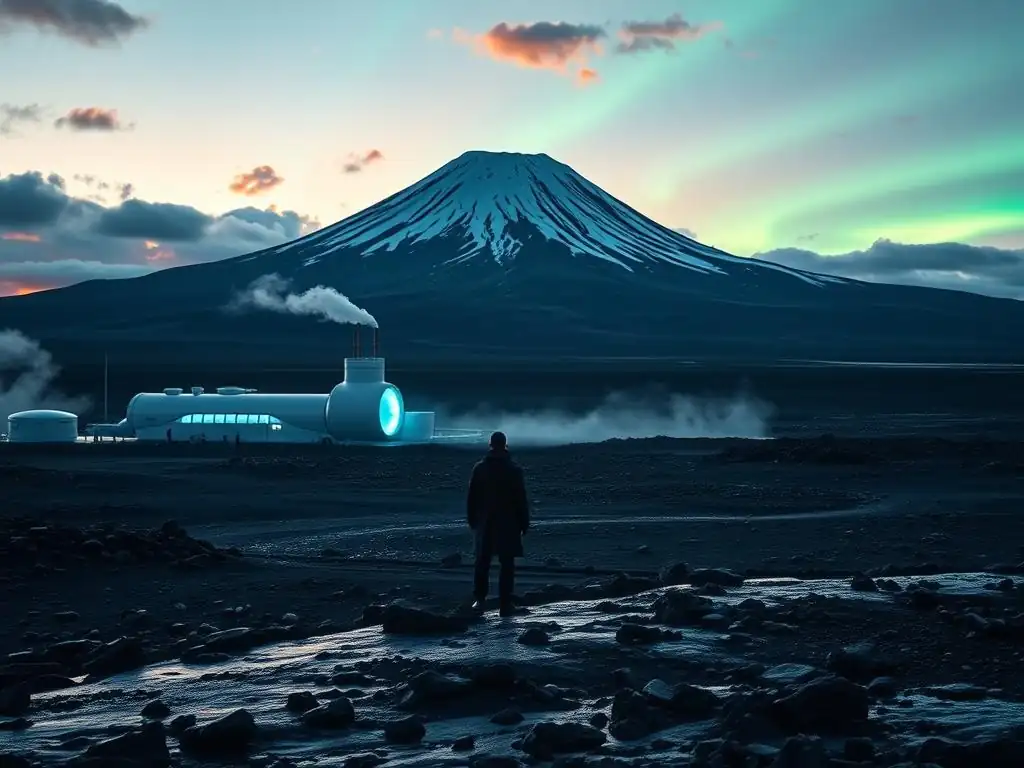
Welcome to Volcano Explorers, where the Earth's fiery heart comes to life. Ever wondered how a land forged in fire could birth such ingenuity? Prepare to be captivated by our latest exploration into volcanic innovation in Iceland. Discover how the raw power of these geological giants has not only shaped the landscape but also ignited a spirit of resilience and groundbreaking solutions. What secrets does Iceland's volcanic landscape hold, and how are they transforming the future? Dive in to uncover the answers...
Icelandic Meteorological Office: Monitoring and Researching Volcanic Activity
The Icelandic Meteorological Office (Veðurstofa Íslands), often referred to as IMO, plays a crucial role in ensuring the safety and well-being of Iceland's population in the face of constant volcanic threats. Established in 1920, the IMO is the primary institution responsible for monitoring Iceland's volatile geology, including volcanoes, earthquakes, and glacial activity. Their work is not limited to hazard monitoring; they also conduct extensive research to better understand the complex processes that drive volcanic eruptions, contributing significantly to global volcanology.
IMO’s monitoring network is sophisticated and comprehensive, utilizing a variety of instruments strategically placed across the island. This network includes seismometers to detect ground tremors associated with magma movement, GPS stations to measure ground deformation indicating volcanic inflation or deflation, and gas sensors to analyze volcanic emissions for changes in composition that might signal an impending eruption. Real-time data from these instruments are continuously analyzed by expert volcanologists at IMO, providing early warnings and crucial information to civil protection authorities and the public. This proactive approach to volcanic monitoring is a cornerstone of Iceland's resilience.
The Unique Volcanic Setting of Iceland and its Challenges
Iceland's location atop the Mid-Atlantic Ridge and the Iceland hotspot makes it one of the most volcanically active regions on Earth. This unique geological setting presents both opportunities and significant challenges for the Icelandic people. The island is essentially built from volcanic eruptions, with a landscape sculpted by lava flows, glaciers, and geothermal areas. This dynamic environment is characterized by frequent volcanic eruptions, earthquakes, and glacial outburst floods (jökulhlaups), posing constant threats to infrastructure, agriculture, and human settlements.
The challenges arising from this volcanic setting are multifaceted. Eruptions can disrupt air travel, as the Eyjafjallajökull eruption in 2010 demonstrated, causing widespread international travel chaos. Lava flows can directly threaten communities and infrastructure, while ashfall can contaminate water supplies, damage crops, and cause respiratory problems. Furthermore, glacial volcanoes like Grímsvötn and Katla pose the additional risk of jökulhlaups, sudden and powerful floods of meltwater that can devastate downstream areas. Despite these challenges, Icelanders have learned to adapt and innovate, transforming volcanic adversity into a source of progress and resilience.
Volcanic activity, while posing threats, has paradoxically become a major driver of technological and social advancements in Iceland. The necessity to live alongside active volcanoes has spurred innovation in various sectors, from energy production and construction to disaster preparedness and communication technologies. Icelanders have adopted a proactive approach, viewing volcanic activity not just as a hazard but also as a resource and a catalyst for ingenuity.
This proactive stance is evident in Iceland's world-leading utilization of geothermal energy. The abundance of geothermal resources, a direct consequence of volcanic activity, has driven the development of advanced drilling techniques, heat exchange systems, and energy distribution networks. Similarly, the need to build infrastructure resilient to volcanic hazards has fostered innovation in construction materials and engineering practices.
Furthermore, the constant threat of eruptions has led to the development of sophisticated monitoring systems and emergency response protocols, showcasing Iceland's commitment to technological and social preparedness in the face of natural disasters. This continuous cycle of challenge and innovation has shaped Icelandic society and its approach to living with volcanoes.
The Impact of Past Eruptions on Shaping Icelandic Society
Past volcanic eruptions have profoundly shaped Icelandic society, influencing everything from settlement patterns and economic activities to cultural narratives and collective identity. The history of Iceland is punctuated by significant eruptions that have tested the resilience of its people and forced societal adaptations. For instance, the Laki eruption of 1783-1784, one of the largest volcanic eruptions in recorded history, had devastating consequences, causing widespread famine and social upheaval that significantly reduced the Icelandic population.
Despite the hardships caused by such events, volcanic eruptions have also fostered a spirit of community and innovation. The need to rebuild and adapt after eruptions has spurred collective problem-solving and resourcefulness. Traditional Icelandic building techniques, for example, often incorporate volcanic materials, reflecting an adaptation to the readily available resources.
Moreover, the shared experience of living in a volcanically active environment has fostered a strong sense of national identity and resilience, where overcoming natural challenges is seen as a defining characteristic of Icelandic culture. The stories and lessons from past eruptions continue to inform Iceland's approach to living with volcanoes today, emphasizing preparedness, innovation, and community solidarity.
From Volcanic Heat to Sustainable Energy: Iceland's Geothermal Success Story
Iceland's geothermal success story is a remarkable example of turning a volcanic liability into a sustainable energy asset. Harnessing the Earth's internal heat, a direct result of its volcanic activity, Iceland has become a global leader in geothermal energy production. This transition to geothermal energy began in the early 20th century and accelerated after the 1973 oil crisis, driven by a desire for energy independence and sustainable alternatives to fossil fuels. Today, geothermal energy provides a significant portion of Iceland's electricity and heating needs, making it one of the most energy-independent and environmentally conscious nations in the world.
The success of geothermal energy in Iceland is not just about resource availability; it is also a testament to Icelandic innovation and engineering expertise. Early pioneers faced numerous challenges in developing geothermal technology suitable for Iceland's specific geological conditions. Through continuous research and development, Icelandic engineers and scientists have refined drilling techniques, optimized power plant designs, and created efficient heat distribution systems. This dedication to innovation, coupled with abundant geothermal resources, has transformed Iceland's energy landscape and positioned it as a model for other volcanically active regions seeking sustainable energy solutions.
Geothermal Innovation: Hellisheiði Power Station and Nesjavellir Geothermal Power Plant
Two prominent examples of geothermal innovation in Iceland are the Hellisheiði Power Station and the Nesjavellir Geothermal Power Plant. Hellisheiði, located in the Hengill volcanic area, is one of the largest geothermal power stations in the world. It exemplifies cutting-edge technology in geothermal energy production, generating both electricity and heat by utilizing high-temperature steam directly from the volcanic system. The plant also incorporates innovative carbon capture and storage technologies, aiming to reduce greenhouse gas emissions associated with geothermal energy production, demonstrating a commitment to environmental sustainability.
Nesjavellir Geothermal Power Plant, situated near Lake Þingvallavatn, is another key facility showcasing Icelandic geothermal expertise. It is notable for its advanced cogeneration system, efficiently producing both electricity and hot water for Reykjavik's district heating system. Nesjavellir utilizes sophisticated drilling and well management techniques to maximize energy extraction from the geothermal reservoir while minimizing environmental impact. Both Hellisheiði and Nesjavellir are not only vital components of Iceland's energy infrastructure but also serve as living laboratories for geothermal innovation, constantly pushing the boundaries of sustainable energy technology.
The Economic and Environmental Benefits of Geothermal Energy in Iceland
The economic and environmental benefits of geothermal energy in Iceland are substantial and far-reaching. Economically, geothermal energy has provided Iceland with energy independence, shielding it from the price volatility of global fossil fuel markets. This energy independence has been a key factor in Iceland's economic stability and prosperity, fostering the growth of energy-intensive industries such as aluminum smelting and data centers, which benefit from Iceland's affordable and reliable energy supply. Furthermore, the geothermal sector itself creates jobs and stimulates technological development, contributing to the Icelandic economy.
Environmentally, geothermal energy is a clean and sustainable alternative to fossil fuels, significantly reducing Iceland's carbon footprint. Compared to coal or natural gas power plants, geothermal plants produce minimal greenhouse gas emissions. Iceland’s reliance on geothermal energy has drastically reduced air pollution and contributed to cleaner air and a healthier environment for its citizens. The sustainable management of geothermal resources is also a priority, with ongoing research and monitoring to ensure the long-term viability of these resources and minimize any potential environmental impacts, solidifying geothermal energy as a cornerstone of Iceland's sustainable future.
Utilizing Volcanic Rock and Ash for Innovative Building Materials
Iceland's volcanic landscape, abundant in rock and ash, has inspired innovation in the construction industry. Icelanders have long utilized these readily available volcanic materials for building, adapting to their environment and creating unique architectural styles. From traditional turf houses incorporating volcanic rock for insulation and structural support to modern buildings utilizing volcanic ash in concrete and lava rock for decorative elements, volcanic materials are deeply integrated into Icelandic construction practices.
This utilization of local resources not only reduces reliance on imported materials but also promotes sustainable building practices. Volcanic rock and ash are naturally occurring and require less energy-intensive processing compared to conventional building materials like steel or cement. Furthermore, the thermal properties of volcanic materials, particularly lava rock, offer excellent insulation, contributing to energy efficiency in buildings, aligning with Iceland's commitment to sustainability and resourcefulness.
Lava Rock Insulation and its Role in Sustainable Construction
Lava rock insulation is a prime example of volcanic material innovation in sustainable construction in Iceland. Porous lava rock, formed during volcanic eruptions, possesses excellent thermal insulation properties due to its air-filled vesicles. This natural insulation material is lightweight, durable, and fire-resistant, making it an ideal choice for building insulation in Iceland's harsh climate. Traditional Icelandic turf houses often incorporated layers of lava rock for insulation, demonstrating a long-standing understanding of its benefits.
In modern construction, processed lava rock granules are used in insulation panels and loose-fill insulation, offering a sustainable and locally sourced alternative to synthetic insulation materials. The use of lava rock insulation reduces the energy demand for heating buildings, contributing to lower carbon emissions and promoting energy efficiency. Moreover, lava rock is a natural and recyclable material, further enhancing its environmental benefits and solidifying its role in sustainable construction practices in Iceland.
Utilization of Volcanic Ash in Cement Production and Road Construction
Volcanic ash, another abundant byproduct of Iceland's volcanic activity, is being increasingly utilized in cement production and road construction, showcasing further volcanic innovation. Volcanic ash, particularly pozzolanic ash, reacts with calcium hydroxide in cement to form cementitious compounds, enhancing the strength and durability of concrete. Incorporating volcanic ash as a partial replacement for Portland cement, the most common type of cement, reduces the environmental impact of cement production. Portland cement production is energy-intensive and a significant source of carbon dioxide emissions globally.
Using volcanic ash in cement production lowers the carbon footprint of concrete, making it a more sustainable building material. Furthermore, volcanic ash is also used in road construction in Iceland. Its granular nature and binding properties make it suitable for road base material, improving road stability and reducing the need for imported aggregates. This utilization of volcanic ash in both cement and road construction demonstrates a resourceful approach to waste management and sustainable infrastructure development in a volcanically active region.
Developing Advanced Monitoring Technologies for Volcanic Activity
Iceland's commitment to living safely with volcanoes is evident in its continuous development of advanced monitoring technologies for volcanic activity. The Icelandic Meteorological Office (IMO) and other research institutions are at the forefront of developing and implementing cutting-edge technologies to enhance volcanic monitoring capabilities. These technologies range from sophisticated seismic networks and GPS arrays to satellite-based remote sensing techniques and innovative gas monitoring systems.
Seismic monitoring has evolved to include denser networks of sensors, enabling more precise location and characterization of volcanic earthquakes, which are often precursors to eruptions. GPS technology provides highly accurate measurements of ground deformation, detecting subtle changes in volcano shape that indicate magma accumulation or movement. Satellite imagery and radar interferometry are used to monitor broader areas, detecting thermal anomalies and ground deformation patterns that might be missed by ground-based instruments.
Furthermore, advancements in gas geochemistry allow for real-time analysis of volcanic gas emissions, providing valuable insights into magma degassing and eruption potential. These technological advancements are crucial for improving eruption forecasting and providing timely warnings to affected communities.
Improving Communication and Evacuation Strategies for Volcanic Emergencies
Effective communication and well-defined evacuation strategies are essential components of volcanic emergency preparedness in Iceland. Icelandic authorities have developed comprehensive communication protocols to disseminate timely and accurate information to the public during volcanic crises. These protocols utilize a multi-channel approach, including public broadcasting, mobile alerts, social media, and dedicated websites, ensuring that information reaches all segments of the population. Emphasis is placed on clear and concise messaging, avoiding technical jargon and providing practical guidance on safety measures.
Evacuation strategies are meticulously planned and regularly exercised in communities located near active volcanoes. These strategies are tailored to the specific volcanic hazards and geographical characteristics of each area. Evacuation routes are clearly marked, and emergency shelters are pre-designated. Community drills and public awareness campaigns are conducted to familiarize residents with evacuation procedures and emergency protocols. The 2010 Eyjafjallajökull eruption, while causing international air travel disruption, demonstrated the effectiveness of Iceland's domestic communication and evacuation systems, ensuring the safety of local populations.
Community-Based Disaster Resilience Programs in Iceland
Community-based disaster resilience programs are integral to Iceland's proactive approach to living with volcanoes. Recognizing that effective disaster preparedness requires the active participation of local communities, Iceland has implemented programs that empower residents to be active agents in their own safety. These programs emphasize education, training, and community engagement, fostering a culture of preparedness and resilience at the grassroots level.
Local communities are actively involved in developing and implementing emergency plans, tailored to their specific needs and vulnerabilities. Volunteer networks are established and trained in first aid, search and rescue, and community support. Public awareness campaigns, often led by local volunteers, educate residents about volcanic hazards, evacuation procedures, and emergency preparedness measures.
Schools and community centers play a vital role in disseminating information and conducting drills. This community-based approach fosters a sense of collective responsibility and enhances the overall resilience of Icelandic society to volcanic hazards, ensuring that preparedness is not just a top-down government initiative but a shared community endeavor.
Lessons Learned from Iceland's Approach to Volcanic Challenges
Iceland's approach to volcanic challenges offers valuable lessons for other volcanically active regions around the world. One key lesson is the importance of proactive and continuous volcanic monitoring. Investing in robust monitoring networks and research institutions like the IMO is crucial for early warning systems and informed decision-making. Another lesson is the power of innovation and adaptation. Iceland's success in geothermal energy and sustainable construction demonstrates how volcanic challenges can be turned into opportunities for technological and economic advancement.
Furthermore, Iceland's emphasis on community engagement and public education is vital for building resilient societies. Empowering local communities to participate in disaster preparedness and fostering a culture of awareness enhances overall safety and resilience. Effective communication strategies and well-rehearsed evacuation plans are also essential components of a comprehensive volcanic risk management framework. Iceland's experience underscores that living safely with volcanoes requires a holistic approach encompassing scientific monitoring, technological innovation, community engagement, and robust emergency preparedness.
Applying Icelandic Innovations to Other Volcanically Active Areas Globally
Icelandic innovations in volcanic risk management and sustainable living have significant potential for application in other volcanically active areas globally. The geothermal energy technologies developed in Iceland can be adapted and implemented in other regions with geothermal resources, contributing to global efforts to transition to clean energy sources. Countries in the Pacific Ring of Fire, East Africa, and Latin America, many of which are volcanically active and have geothermal potential, could benefit from adopting Icelandic geothermal expertise.
Similarly, Iceland's approaches to volcanic monitoring and early warning systems can be adapted to enhance volcanic hazard mitigation in other regions. The principles of community-based disaster preparedness and public education can be applied in diverse cultural and socioeconomic contexts, empowering communities worldwide to build resilience to volcanic hazards. Sharing Icelandic expertise and technologies through international collaborations and knowledge transfer initiatives can significantly improve volcanic risk management and contribute to safer and more sustainable living in volcanically active regions globally.
The Future of Volcanic Innovation and Community Resilience
The future of volcanic innovation and community resilience in Iceland remains focused on continuous improvement and adaptation. Ongoing research and technological development are crucial for further enhancing volcanic monitoring capabilities, improving eruption forecasting accuracy, and developing even more sustainable ways to utilize volcanic resources. Areas of focus include advanced sensor technologies, improved modeling of volcanic processes, and the development of more resilient infrastructure.
Community resilience will continue to be strengthened through ongoing education, training, and community engagement programs. Adapting to the evolving challenges posed by climate change, which may influence volcanic activity and glacial melt, will be a key priority. Furthermore, Iceland's commitment to international collaboration and knowledge sharing will continue to play a vital role in advancing global volcanic risk management and fostering resilience in volcanically active communities worldwide. The future of living with volcanoes in Iceland is one of continuous learning, innovation, and a sustained commitment to safety and sustainability.
Volcanoes as Drivers of Creativity and Problem-Solving
Volcanoes, often perceived as purely destructive forces, have paradoxically acted as significant drivers of creativity and problem-solving in Iceland. The constant presence of volcanic activity has challenged Icelanders to develop innovative solutions across various aspects of life, from energy and construction to disaster preparedness and cultural expression. This necessity-driven innovation has fostered a culture of ingenuity and resourcefulness, shaping the Icelandic mindset and approach to challenges.
The need to harness geothermal energy has spurred technological creativity in drilling, power generation, and heat distribution. Adapting building techniques to utilize volcanic materials has led to architectural innovations and sustainable construction practices. Developing effective monitoring systems and emergency response protocols has driven technological advancements in sensor technology and communication systems. Even in the arts and literature, volcanoes have served as a powerful source of inspiration, shaping Icelandic cultural identity and narratives. This continuous interaction with a dynamic volcanic environment has fostered a unique blend of pragmatism and creativity, making volcanoes a catalyst for innovation in Icelandic society.
Preserving and Promoting Icelandic Volcanic Culture and Heritage
Preserving and promoting Icelandic volcanic culture and heritage is essential for maintaining a strong sense of identity and passing on valuable knowledge to future generations. Iceland's volcanic landscape and the history of living with volcanoes are deeply intertwined with its cultural heritage. Stories of past eruptions, folklore surrounding volcanic landscapes, and traditional practices related to utilizing volcanic resources are integral parts of Icelandic cultural identity.
Museums, cultural centers, and educational initiatives play a crucial role in preserving and promoting this volcanic heritage. Geoparks and volcanic tourism initiatives offer opportunities to experience and learn about Iceland's volcanic landscape and its cultural significance. Supporting traditional crafts that utilize volcanic materials and documenting oral histories related to volcanic events are also important aspects of heritage preservation. By actively preserving and promoting their volcanic culture and heritage, Icelanders ensure that the lessons learned from living with volcanoes, and the spirit of innovation born from necessity, continue to shape their identity and guide their future.
- Icelandic Meteorological Office: Monitoring and Researching Volcanic Activity
- The Unique Volcanic Setting of Iceland and its Challenges
- How Volcanic Activity Fuels Technological and Social Advancements
- The Impact of Past Eruptions on Shaping Icelandic Society
- From Volcanic Heat to Sustainable Energy: Iceland's Geothermal Success Story
- Geothermal Innovation: Hellisheiði Power Station and Nesjavellir Geothermal Power Plant
- The Economic and Environmental Benefits of Geothermal Energy in Iceland
- Utilizing Volcanic Rock and Ash for Innovative Building Materials
- Lava Rock Insulation and its Role in Sustainable Construction
- Utilization of Volcanic Ash in Cement Production and Road Construction
- Developing Advanced Monitoring Technologies for Volcanic Activity
- Improving Communication and Evacuation Strategies for Volcanic Emergencies
- Community-Based Disaster Resilience Programs in Iceland
- Lessons Learned from Iceland's Approach to Volcanic Challenges
- Applying Icelandic Innovations to Other Volcanically Active Areas Globally
- The Future of Volcanic Innovation and Community Resilience
- Volcanoes as Drivers of Creativity and Problem-Solving
- Preserving and Promoting Icelandic Volcanic Culture and Heritage
- What types of volcanic innovation has Iceland seen due to its volcanic activity?
- How has geothermal energy, a direct result of Iceland's volcanoes, impacted the country?
- What are some examples of volcanic eruptions in Iceland that have spurred innovation?
- How do volcanologists in Iceland monitor volcanic activity to help mitigate risk?
- How does VolcanoExplorers.org help people understand the innovations stemming from volcanic activity in Iceland?
Frequently Asked Questions
What types of volcanic innovation has Iceland seen due to its volcanic activity?
Iceland has seen innovations in geothermal energy, utilizing the heat from volcanoes to generate electricity and heating. They've also developed advanced monitoring systems to predict and mitigate volcanic hazards. Finally, there's been innovation in construction techniques to withstand volcanic eruptions.
How has geothermal energy, a direct result of Iceland's volcanoes, impacted the country?
Geothermal energy provides a sustainable and reliable energy source, significantly reducing Iceland's reliance on fossil fuels. This has led to lower energy costs for residents and businesses. Geothermal energy has also spurred economic growth in related industries.
What are some examples of volcanic eruptions in Iceland that have spurred innovation?
The 2010 Eyjafjallajökull eruption prompted advancements in air traffic management and ash plume forecasting. The eruption also accelerated research into the impact of volcanic ash on infrastructure. Past eruptions have driven innovation in lava flow diversion techniques.
How do volcanologists in Iceland monitor volcanic activity to help mitigate risk?
Icelandic volcanologists use a network of seismic sensors to detect underground movements related to magma. They also monitor ground deformation using GPS and satellite imagery. Finally, they analyze gas emissions from volcanoes to detect changes in activity.
How does VolcanoExplorers.org help people understand the innovations stemming from volcanic activity in Iceland?
VolcanoExplorers.org showcases the latest research and developments in volcanic monitoring and mitigation. It highlights the success stories of geothermal energy implementation in Iceland. The site also provides educational resources on the science behind these innovations.
Final Reflection: Embracing the Fire Within
The narrative woven throughout this article highlights how Iceland, a land forged in volcanic fire, has repeatedly transformed adversity into opportunity. The spirit of volcanic innovation in Iceland is not merely a response to hardship; it's a testament to human resilience and ingenuity, a potent reminder that even the most destructive forces can be harnessed for constructive purposes. This spirit resonates deeply today, as we face global challenges demanding creative solutions and a willingness to embrace unconventional approaches.
This constant cycle of destruction and rebirth has profoundly shaped Iceland's cultural identity and its approach to problem-solving. Witnessing this firsthand, even through research, underscores the power of adaptability and the importance of viewing challenges not as roadblocks, but as catalysts for growth. The best view comes after the hardest climb.
This Icelandic proverb perfectly encapsulates the nation's unwavering determination to not only survive but thrive in the face of seemingly insurmountable odds, a lesson applicable far beyond the shores of this volcanic island.
Now, consider the lessons learned from Iceland's fiery crucible. How can you, in your own life, transform challenges into opportunities? Embrace the "volcanic innovation" within you. Let the difficulties you face ignite your creativity and fuel your determination to build something new, something better, from the ashes of the old. The potential for creation lies dormant within every crisis; it is up to us to unearth it and shape a brighter future.
Okay, here's a draft CTA based on the article title "From Crisis to Creation: Innovation Born from Volcanic Necessity in Iceland" for the website "Volcano Explorers" (volcanoexplorers.org):
Ignite Your Own Innovation: Reimagine Possibility!
Thank you for delving into the incredible story of Icelandic innovation! You've seen how a nation transformed volcanic challenges into opportunities. Now it's your turn to find the spark within and turn obstacles into amazing creations! Ready to explore the potential within yourself and your community?
Here's how to start:
- Identify one challenge in your own life or community that, like Iceland's volcanic activity, feels overwhelming. What innovative solution can you envision? This is your primary action point.
- Share this article with someone facing a challenge. Perhaps the Icelandic story can inspire them to find their own "volcanic innovation."
- Unearth more examples of resilience and creative problem-solving on our site at VolcanoExplorers.org. Discover other ways people have transformed challenges into unique opportunities.
What surprising benefit do you think can emerge from facing your biggest challenge head-on? Share your thoughts below!