The Minoan Eruption: A Cataclysm that Shaped the Aegean
Uncover the Minoan eruption's devastating impact on the Aegean at VolcanoExplorers.org. Explore the cataclysmic event's geological aftermath and its lasting influence on…
Read article
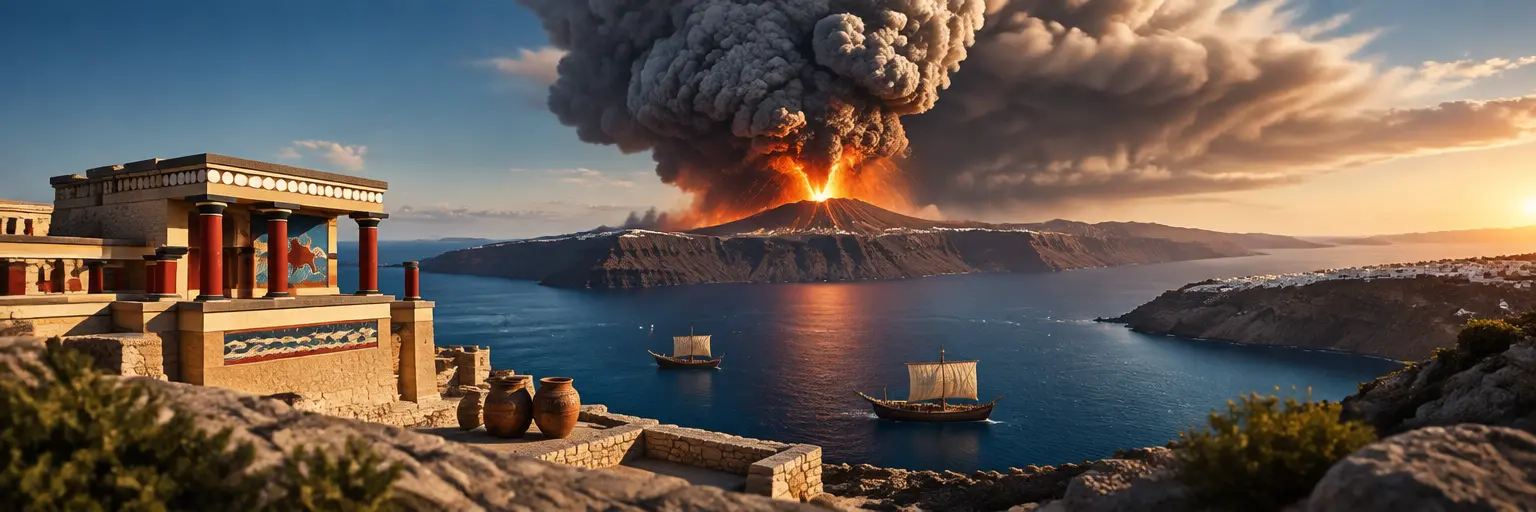
Step back in time to one of the most cataclysmic events in human history – the Minoan Eruption of Thera, the ancient name for modern-day Santorini. Occurring around 1600 BCE, this colossal volcanic explosion was among the largest in recorded antiquity, unleashing a tsunami that devastated the coasts of the Mediterranean and spewing ash that darkened skies for miles. This eruption not only reshaped the geography of the Aegean Sea, leaving behind the iconic caldera we see today, but it is also famously linked to the mysterious decline of the Minoan civilization and the legend of Atlantis. For any volcano enthusiast, understanding Thera is key to grasping how a single eruption can alter the course of ancient history, collapse empires, and inspire myths that endure for millennia. Explore the geological evidence, the archaeological treasures preserved beneath the ash, and the scientific discoveries that continue to reveal the true scope of this Bronze Age supervolcano – a defining moment in both volcanology and human culture. Whether you’re a history buff or a geology geek, this is the dramatic tale of nature’s power meeting ancient fate. 🌋
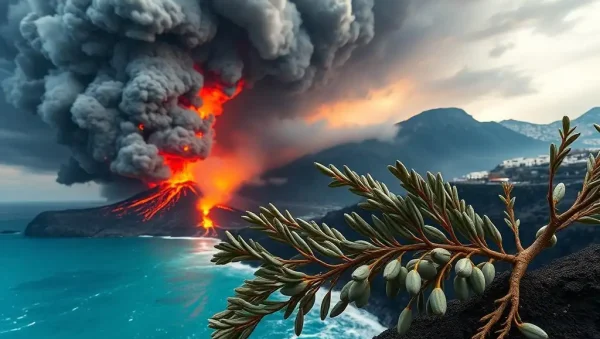
Uncover the Minoan eruption's devastating impact on the Aegean at VolcanoExplorers.org. Explore the cataclysmic event's geological aftermath and its lasting influence on…
Read article
Uncover the potential global climate impact of the Minoan eruption. Did Thera's ash cloud trigger significant climate shifts? VolcanoExplorers.org explores this pivotal…
Read article
Santorini's stunning caldera hides a restless heart. VolcanoExplorers.org examines the current Santorini volcanic risk assessment, exploring the potential for future eruptions and…
Read article
Uncover the devastating impact of the Minoan eruption on VolcanoExplorers.org. Explore how the combined force of tephra and tsunamis reshaped the landscape…
Read article
Unearth the Minoan eruption's historical significance at VolcanoExplorers.org. Discover the cataclysmic power of this volcanic event and its lasting impact on the…
Read article
Uncover the Minoan eruption's volcanic science! VolcanoExplorers.org reveals the cataclysmic power behind this historic event, exploring its geological causes and devastating impact.…
Read article
Unearth the secrets of Akrotiri, a Minoan city frozen in time by volcanic eruption. VolcanoExplorers.org reveals the astonishing Akrotiri Minoan culture artifacts,…
Read articleThe Minoan eruption of Thera, occurring around 1600 BCE on what is now Santorini, is one of the most significant volcanic events in human history. This catastrophic explosion not only reshaped the Aegean landscape but also potentially triggered the decline of the advanced Minoan civilization on Crete. For volcano enthusiasts and history buffs alike, understanding this eruption offers a unique window into ancient natural disasters, archaeological mysteries, and modern volcanic science. Explore how this prehistoric mega-event continues to influence our understanding of volcanic hazards, tsunamis, and cultural collapse.
The Thera eruption was a classic Plinian event, marked by multiple phases of explosive activity. It began with a series of phreatomagmatic explosions, where seawater interacted with rising magma, creating towering columns of ash and pumice. This was followed by the collapse of the island’s central caldera, producing massive pyroclastic flows that raced across the sea and buried nearby islands under dozens of meters of volcanic debris. The eruption’s intensity is estimated to have been a 7 on the Volcanic Explosivity Index (VEI), making it one of the largest eruptions of the Holocene.
For volcano explorers, the Thera eruption provides a case study in how caldera-forming events unfold. The distinct layers of ash, pumice, and ignimbrite on Santorini’s cliffs are a geological textbook, visible to visitors today. Studies of these deposits reveal the eruption’s timeline, from initial ashfall to the final caldera collapse. This knowledge helps scientists predict similar hazards at other active caldera systems, such as Campi Flegrei in Italy or Yellowstone, by comparing prehistoric deposits with modern seismic and deformation data.
The eruption struck at the height of Minoan dominance, a civilization renowned for its palatial complexes, vibrant frescoes, and maritime trade network. Ashfall and tsunamis devastated Crete’s northern coast, destroying harbors and agricultural lands. While the exact death toll remains debated, the eruption likely weakened Minoan economic and political structures, making them vulnerable to Mycenaean conquest from mainland Greece. The so-called “Lost Atlantis” myth is often linked to this event, as Plato’s description of a sunken island bears striking parallels to Santorini’s fate.
Historical eruption enthusiasts will appreciate how the Thera event blurred the line between natural disaster and cultural transformation. Archaeological evidence at Akrotiri, a Minoan settlement buried in ash, reveals remarkably well-preserved buildings and artifacts, suggesting inhabitants had early warning signs and evacuated before the final explosive phase. However, the eruption’s long-term consequences—crop failures, population displacement, and trade disruption—likely contributed to the Minoan civilization’s gradual decline. This intersection of archaeology and volcanology makes the Thera eruption a compelling subject for interdisciplinary study.
The Thera eruption generated powerful tsunamis that swept across the Aegean and eastern Mediterranean, with waves possibly reaching heights of 35 meters near the island. Deposits of marine sediment found inland on Crete and western Turkey confirm the tsunami’s reach, inundating coastal settlements and wiping out fleets. Simultaneously, the eruption injected vast amounts of sulfur dioxide and ash into the stratosphere, creating a volcanic winter that may have lowered global temperatures for several years. Ice core samples from Greenland and Antarctica show sulfate spikes matching this timeframe, evidencing a significant climate perturbation.
For those studying volcanic impacts, the Thera eruption offers a historic precedent for global cooling. Tree ring data from around the world indicate reduced growth in the years following the eruption, likely due to decreased sunlight. This environmental shock could have triggered crop failures and social unrest not only in the Mediterranean but also in distant regions like China and Egypt. Modern climate models use Thera’s eruption to calibrate predictions for future large-scale volcanic events, underscoring the interconnectedness of volcanic activity and planetary climate systems.
Excavations at Akrotiri, a Minoan town on Santorini’s southern coast, have uncovered an exceptionally well-preserved settlement buried under meters of volcanic ash. The site features multi-story buildings, advanced drainage systems, and exquisite frescoes depicting ships, animals, and ceremonial scenes. Unlike Pompeii, no human remains have been found at Akrotiri, suggesting residents evacuated before the most violent eruption phases. The absence of bodies provides a unique archaeological puzzle and highlights the importance of early warning systems based on earthquakes and minor precursor eruptions.
Visitors and researchers can explore Akrotiri’s covered walkways, viewing the ancient streets and structures that were sealed for millennia. The site’s preservation allows for detailed study of Minoan daily life, including pottery, weaving, and food storage. The lack of skeletons has led to theories about evacuation procedures, possibly organized by a central authority, which would have been remarkable for a Bronze Age society. This archaeological treasure trove not only deepens our understanding of the Minoans but also illustrates how volcanic disasters can freeze moments in time, offering invaluable insights into ancient civilizations.
Today, Santorini is a world-renowned tourist destination, famous for its white-washed villages, blue-domed churches, and spectacular caldera views. The island’s volcanic past is directly responsible for its dramatic geography—the steep cliffs, black sandy beaches, and fertile soils enriched with minerals from ancient ash. Visitors can hike the caldera rim, visit the Nea Kameni volcanic islet, and soak in hot springs warmed by ongoing geothermal activity. However, the volcano is not extinct; it remains active, with the last minor eruption occurring in 1950.
For volcano tourism enthusiasts, Santorini offers a safe yet awe-inspiring experience to witness volcanic landscapes up close. The island’s wineries produce unique Assyrtiko wines from vines grown in volcanic pumice, showcasing the land’s resilience and bounty. Educational tours and museums explain the eruption’s history, while monitoring systems track seismic activity and ground deformation. This blend of beauty, science, and history makes Santorini an ideal destination for those wishing to connect with a living volcanic landscape and understand how ancient catastrophes shape modern geography and culture.
It was a massive volcanic explosion on the island of Thera (modern Santorini) around 1600 BCE. The eruption had a VEI of 7, producing towering ash columns, pyroclastic flows, and caldera collapse. It buried settlements, generated tsunamis, and possibly triggered global climate cooling, significantly impacting the Minoan civilization.
Directly, the eruption did not destroy Crete, but it caused widespread destruction through tsunamis and ashfall. This weakened Minoan infrastructure, agriculture, and trade, likely contributing to their decline within 50–100 years after the event. The Mycenaeans from mainland Greece eventually conquered the weakened Minoans, accelerating their cultural assimilation.
Many scholars believe Plato’s story of Atlantis, a powerful island civilization that sank in a single day, was inspired by the Thera eruption. The description of a sunken island with advanced culture matches Minoan characteristics and Santorini’s catastrophic collapse, though the connection remains speculative.
Yes, Santorini is volcanically active. The Nea Kameni volcanic islet in the caldera has erupted several times historically, most recently in 1950. Currently, volcanic activity is monitored via seismometers and GPS, with only minor hydrothermal activity, such as hot springs, visible to tourists.
Evidence from Akrotiri shows no human remains, suggesting an organized evacuation. Prior to the major eruption, there were likely earthquakes, small precursor explosions, and ash emission days or weeks in advance. These warning signs probably prompted residents to flee by boat, leaving their belongings behind.