Volcanic Eruptions and Pandemics: Possible Connections
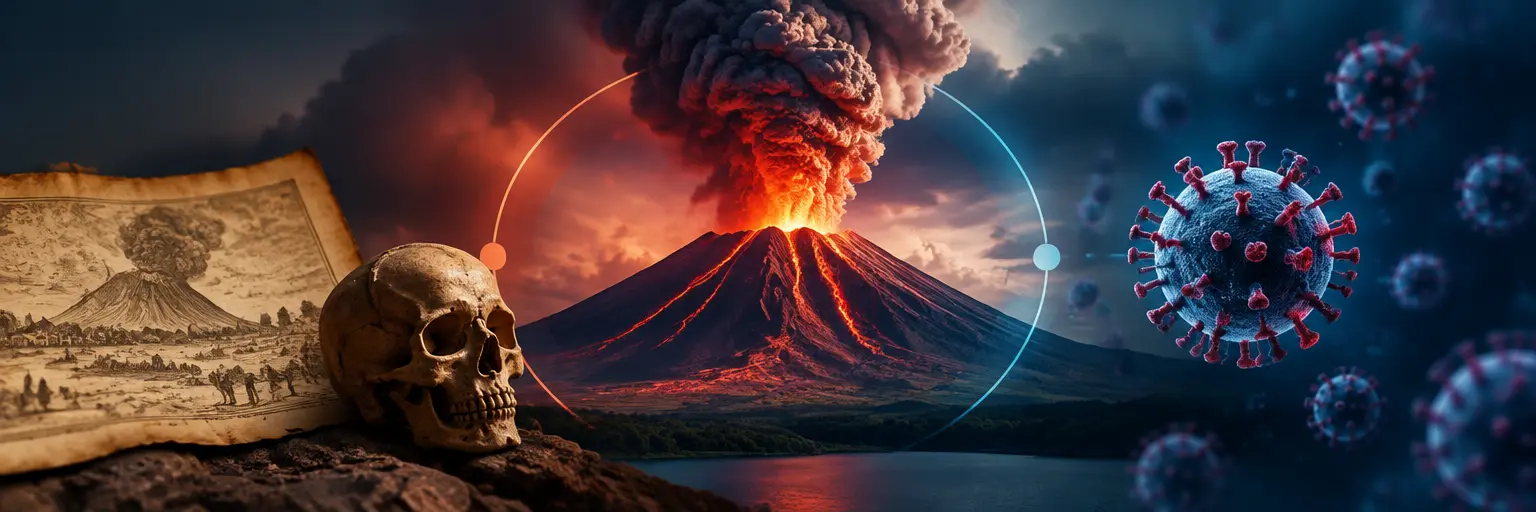
Explore the intriguing intersection of geology and epidemiology on this dedicated subcategory page. While the link between volcanic eruptions and disease outbreaks may seem far-fetched, historical records and modern science reveal surprising pathways. From ash clouds altering immune responses to the disruption of sanitation infrastructure, we uncover how massive eruptions can influence global health. This page synthesizes research, historical case studies, and expert analysis for a comprehensive understanding of a rarely discussed hazard.
🌋 How Volcanic Ash Impacts Respiratory Health and Immunity
Volcanic ash is not just inert rock dust; its fine particles can penetrate deep into human lungs, exacerbating asthma, bronchitis, and other chronic conditions. During a major eruption, exposure to silica-rich ash can trigger acute respiratory distress, making populations more susceptible to secondary bacterial or viral infections. Scientists have documented increased hospital admissions for respiratory issues following eruptions, suggesting a weakened pulmonary defense mechanism. This vulnerability can, in theory, facilitate the spread of airborne pathogens, creating a fertile ground for epidemic outbreaks.
Beyond direct irritation, ash particles can carry toxic metals and gases that suppress local immune responses in the respiratory tract. Studies on volcanic regions show altered lung microbiome compositions, potentially reducing the body’s first-line defense against pathogens. While a direct causal link to pandemics remains debated, the synergistic effect of air pollution and infectious agents is well-established. For vulnerable communities near active volcanoes, this means that eruption seasons may coincide with higher flu-like illness rates, a connection worth monitoring by public health officials.
🦠 Climate Disruption and Disease Vectors: The Hidden Link
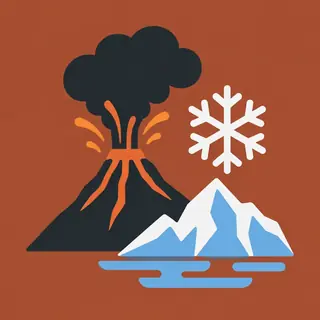
Large volcanic eruptions inject sulfur dioxide into the stratosphere, forming sulfate aerosols that reflect sunlight and cause global cooling. This volcanic winter can alter precipitation patterns and temperature gradients, directly impacting the habitats and breeding cycles of disease vectors like mosquitoes and ticks. For instance, the 1815 eruption of Mount Tambora triggered the “Year Without a Summer,” leading to unusual flooding in some regions and drought in others—conditions that can increase vector-borne disease transmission like malaria or dengue in new geographic areas.
Moreover, cooling can force animal populations, including rodents that carry hantavirus, to migrate into human settlements in search of warmth and food. Such ecological upheaval increases human-wildlife contact, a known precursor for zoonotic spillover events. Historical records suggest that post-eruption famines and disrupted agriculture also led to weakened nutritional status among populations, reducing their innate immunity. While not a direct cause of pandemics, these indirect effects create a perfect storm for infectious disease emergence, making volcanic events a potential amplifier of already circulating pathogens.
🏚️ Infrastructure Breakdown and Sanitation Crises After Eruptions
Major eruptions can bury water treatment plants, destroy sewage systems, and contaminate freshwater supplies with heavy metals and volcanic debris. The resulting sanitation crisis forces communities into overcrowded shelters, often with limited access to clean water and hygiene products. These conditions are classic breeding grounds for waterborne diseases like cholera, typhoid, and hepatitis A. In the aftermath of the 1985 Nevado del Ruiz eruption in Colombia, mudflows destroyed aqueducts, leading to a spike in gastrointestinal infections among survivors.
Displacement also disrupts vaccination programs and routine healthcare delivery, leaving populations more vulnerable to outbreaks of measles or influenza. The breakdown of cold-chain logistics—needed for vaccines and medicines—is a critical yet overlooked consequence. Furthermore, ashfall can contaminate crops and livestock feed, leading to malnutrition that compounds disease susceptibility. Public health responses to volcanic disasters must therefore prioritize rapid restoration of water, sanitation, and medical infrastructure to prevent secondary epidemics, a lesson underscored by recent eruption responses in Indonesia and Iceland.
🧬 Zoonotic Spillover: Animal Migration and Viral Evolution
Volcanic eruptions can devastate habitats, forcing wildlife to flee into human-populated areas. This sudden ecological disruption increases animal-human interfaces, raising the probability of zoonotic pathogen transmission. Rodents, bats, and primates displaced by lava flows or ashfall may carry novel viruses that jump species when humans encroach on their new territories. The 2010 eruption of Mount Merapi in Indonesia, for example, led to an influx of macaques into villages, some of which tested positive for pathogens not previously seen in local human populations.
Additionally, volcanic soils rich in heavy metals can create mutagenic environments for microorganisms, potentially accelerating viral evolution. Research on hot springs near volcanoes has revealed unique archaeal viruses, but the full picture of how eruption-altered ecosystems influence viral mutation rates remains nascent. Scientists are now using genomic epidemiology to track how landscape changes from eruptions correlate with novel disease emergence. While direct linkage to historical pandemics is speculative, the precautionary principle suggests that monitoring wildlife health post-eruption is a wise investment for pandemic preparedness.
📜 Historical Case Studies: Tambora, Laki, and the Plague
The 1783 Laki eruption in Iceland released vast clouds of sulfur dioxide and fluorine, causing a severe famine that killed 25% of Iceland’s population. The subsequent European heatwave and toxic haze were linked to elevated mortality rates from respiratory and diarrheal diseases, though pandemics did not emerge. Conversely, the 1815 Tambora eruption is often cited in connection with the first cholera pandemic (1817-1824), which began in the Ganges Delta, possibly influenced by climatic anomalies and water contamination from disrupted monsoon patterns. While no definitive proof exists, the temporal correlation is striking.
Older records, such as the 1257 Samalas eruption, coincide with the late medieval plague outbreaks, but historians debate causation due to complex socio-political factors. The Great Famine of 1315-1317 triggered by volcanic cooling in the tropics weakened European populations, potentially facilitating the Black Death’s later spread in 1347. These case studies show that volcanic events do not directly cause pandemics but can indirectly foster conditions—famine, displacement, and climate shifts—that lower societal resilience to infectious diseases. Understanding these historical links helps modern authorities prepare for multi-hazard scenarios involving both geological and epidemiological threats.
Frequently Asked Questions
Can a volcanic eruption directly cause a pandemic?
No, volcanic eruptions do not directly create new contagious diseases. However, they can indirectly facilitate pandemic conditions by weakening human immunity through respiratory damage, displacing communities, disrupting sanitation, and altering ecosystems to increase zoonotic spillover risks. The causal chain is complex and typically requires existing pathogens to exploit these vulnerabilities.
Which historical eruption is most closely linked to a pandemic?
The 1815 Mount Tambora eruption is often investigated in connection with the first cholera pandemic (1817) and a typhus outbreak in Europe, but evidence remains circumstantial. The "Year Without a Summer" caused famine and water contamination, which may have facilitated the spread of waterborne diseases. No definitive scientific proof establishes a direct causal pathway.
How does volcanic ash affect the spread of airborne viruses?
Volcanic ash particles can irritate lung tissues and suppress local immune defenses, making individuals more susceptible to airborne viruses like influenza. Additionally, ash can reduce outdoor activity and overcrowd indoor shelters, increasing person-to-person transmission. Studies show higher respiratory infection rates in communities following ashfall events, though this is a general health effect rather than a pandemic trigger.
Are there any current monitoring systems for post-eruption disease outbreaks?
Yes, agencies like the WHO and CDC collaborate with volcanological institutions to implement post-eruption disease surveillance. This includes tracking respiratory illnesses in ash-affected areas, monitoring water quality for cholera, and surveying wildlife for unusual pathogen activity. However, systematic global monitoring is inconsistent, and funding gaps exist, especially for remote volcanoes.
What can governments do to prevent post-eruption pandemics?
Governments should prioritize rapid restoration of clean water, sanitation, and medical infrastructure after eruptions. Stockpiling vaccines, antibiotics, and antiviral drugs for displaced populations is essential. Also, establishing early warning systems for animal migration and wildlife disease hotspots, along with public health education on hygiene during ashfall, can mitigate secondary outbreaks. Multi-agency coordination between geological and health services is critical for proactive response.