
Artifacts of Akrotiri: Whispers of Minoan Culture Before the Blast

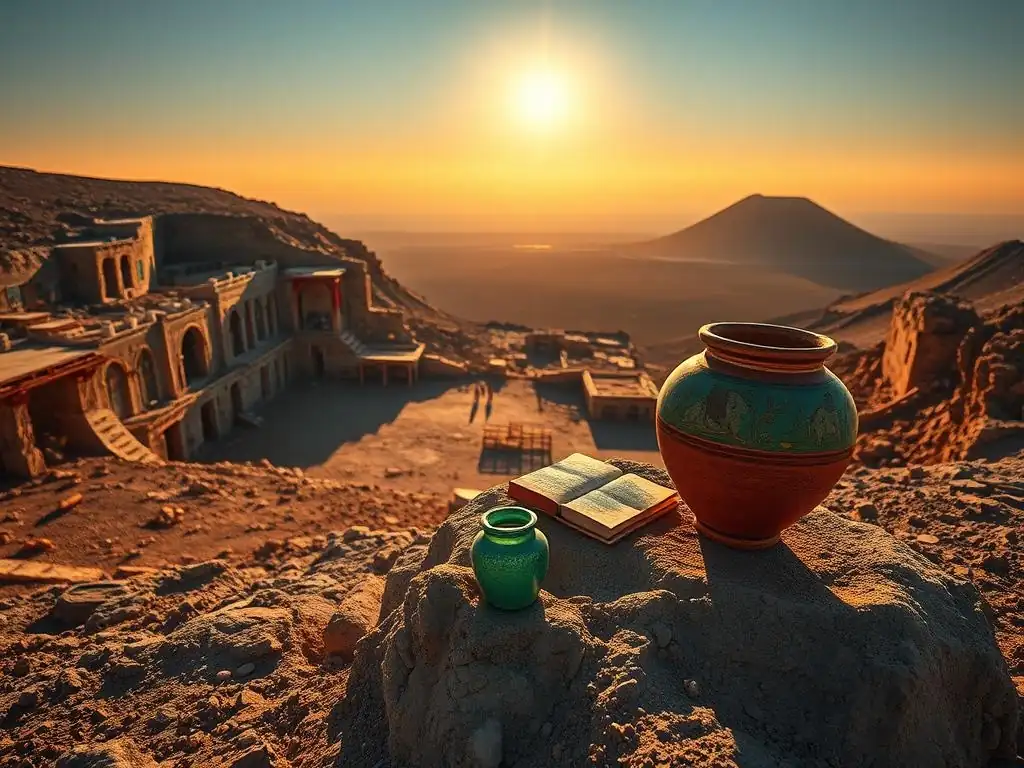
Welcome to Volcano Explorers, where the Earth's fiery secrets are brought to light. But what if the very ashes of a volcano could whisper tales of a lost civilization? In this article, we journey to Akrotiri, a Minoan city frozen in time by the Thera eruption. Unearth the fascinating story behind the Akrotiri Minoan culture artifacts and discover how these remnants offer a glimpse into a vibrant society tragically silenced by one of history's most devastating volcanic events. Intrigued? Read on to uncover the secrets buried beneath the ash...
- Introduction: Unveiling Akrotiri's Minoan Secrets
- Akrotiri: A Minoan City Preserved by Volcanic Ash
- Akrotiri Artifacts: A Window into Minoan Life
- The Minoan Eruption of Thera and its Impact on Akrotiri
- Akrotiri's Artifacts and the Broader Minoan Culture
- What Akrotiri's Artifacts Tell Us About Minoan Society
- The Legacy of Akrotiri: A Timeless Testimony of Minoan Civilization
- Conclusion: The Enduring Allure of Akrotiri's Minoan Artifacts
-
Frequently Asked Questions
- What is Akrotiri and why is it important?
- What kind of artifacts were discovered at Akrotiri?
- How does the eruption that buried Akrotiri relate to volcanic activity today?
- What can the frescoes found at Akrotiri tell us about Minoan culture?
- Where can I find more information about the artifacts and the Akrotiri excavation?
- Final Reflection: Echoes of a Lost World
- Unveil the Secrets of Akrotiri: Your Next Adventure Awaits!
Introduction: Unveiling Akrotiri's Minoan Secrets
Akrotiri, a Bronze Age settlement on the island of Santorini (Thera), offers an unparalleled glimpse into the Minoan civilization before its abrupt end due to a catastrophic volcanic eruption. Buried under layers of volcanic ash, the city remained remarkably preserved, yielding a treasure trove of artifacts that whisper tales of Minoan life, art, and society.
These remnants, from intricately painted pottery to vibrant frescoes and sophisticated architectural designs, provide invaluable insights into a culture that flourished in the Aegean Sea millennia ago, painting a vivid picture of daily existence just before the devastating Minoan eruption. Exploring the artifacts of Akrotiri is akin to stepping back in time, directly connecting with the ingenuity and artistry of the Minoan people, and understanding their sophisticated world on the cusp of unforeseen disaster.
The wealth of Akrotiri Minoan culture artifacts unearthed at the site has revolutionized our understanding of the Minoan civilization, often overshadowed by the more famous palace of Knossos on Crete. Unlike Knossos, which suffered later occupations and rebuilding, Akrotiri offers a snapshot frozen in time, providing a purer, less adulterated view of Minoan urban life in the Late Bronze Age.
The exceptional preservation of organic materials, alongside pottery, frescoes, and architectural remains, allows researchers to reconstruct aspects of Minoan society that would otherwise remain obscure. From the mundane to the magnificent, the artifacts of Akrotiri collectively illuminate the intricacies of Minoan culture, offering a profound and intimate connection to this ancient Aegean society.
Akrotiri: A Minoan City Preserved by Volcanic Ash
The ancient city of Akrotiri owes its extraordinary preservation to the very volcanic eruption that ultimately led to its demise. Similar to Pompeii and Herculaneum, Akrotiri was entombed under thick layers of volcanic ash and pumice from the Minoan eruption of Thera, estimated to have occurred in the 17th century BCE.
This blanket of volcanic material acted as a protective shield, preserving not only buildings and infrastructure but also a vast array of Akrotiri Minoan culture artifacts, from delicate ceramics and foodstuffs to wooden furniture and even footprints left in the ash. This unique form of preservation has made Akrotiri an archaeological site of global significance, offering an unparalleled window into a Bronze Age urban center.
The volcanic ash, while destructive in its initial impact, served as a remarkable preservative agent. It sealed the city, preventing the usual processes of decay and decomposition that typically plague archaeological sites. Organic materials, which rarely survive for millennia, were preserved within the airtight layers of ash, providing a wealth of information about Minoan diet, clothing, and daily practices.
The fine volcanic ash even captured the outlines of wooden furniture and other perishable items, allowing archaeologists to create plaster casts and reconstruct aspects of the city's interior spaces. This exceptional preservation is what distinguishes Akrotiri from many other archaeological sites and makes its artifacts so crucial for understanding Minoan civilization.
The Discovery of Akrotiri: A Pompeii of the Aegean
The rediscovery of Akrotiri began in 1867, when workers quarrying for pumice on Santorini stumbled upon ancient walls. However, systematic excavations did not commence until 1967, led by the Greek archaeologist Spyridon Marinatos. Marinatos recognized the immense potential of the site, quickly realizing that he had unearthed a Bronze Age city remarkably preserved under volcanic ash. The initial findings drew immediate comparisons to Pompeii, earning Akrotiri the moniker "the Pompeii of the Aegean." This comparison highlighted the site's exceptional state of preservation and the potential for uncovering a wealth of information about a lost civilization.
Marinatos's excavations, and those that followed under Christos Doumas, revealed a sophisticated urban center with multi-story buildings, paved streets, and an intricate drainage system. The unearthed Akrotiri Minoan culture artifacts were astonishing in their quantity and quality, including thousands of ceramic vessels, bronze tools and weapons, and, most famously, stunning frescoes that adorned the walls of houses and public buildings. The discovery of Akrotiri dramatically shifted perceptions of Minoan civilization, demonstrating its advanced urban planning, artistic prowess, and cultural sophistication beyond what was previously known primarily from palatial sites like Knossos.
Akrotiri's Strategic Location in the Minoan World
Akrotiri's location on the island of Thera, now Santorini, was strategically vital within the Minoan world. Situated in the southern Cyclades, Thera was a key node in the Minoan maritime trade network that spanned the Aegean and beyond. Its position facilitated connections between Crete, mainland Greece, Anatolia, and Egypt, making Akrotiri a significant center for commerce and cultural exchange. The Akrotiri Minoan culture artifacts unearthed reflect this cosmopolitan nature, showcasing influences from various regions and indicating a thriving economy based on trade and seafaring.
The volcanic island itself provided fertile land for agriculture and resources like obsidian, a valuable volcanic glass used for tools and blades. Akrotiri's harbor likely served as a major port of call for Minoan ships, facilitating the movement of goods and people throughout the Aegean.
The presence of imported materials among the artifacts, such as metals and precious stones, further underscores Akrotiri's role in long-distance trade networks. Its strategic location not only contributed to Akrotiri's prosperity but also exposed it to diverse cultural influences, contributing to the unique character of its Minoan culture, as evidenced by the rich array of artifacts discovered.
Akrotiri Artifacts: A Window into Minoan Life
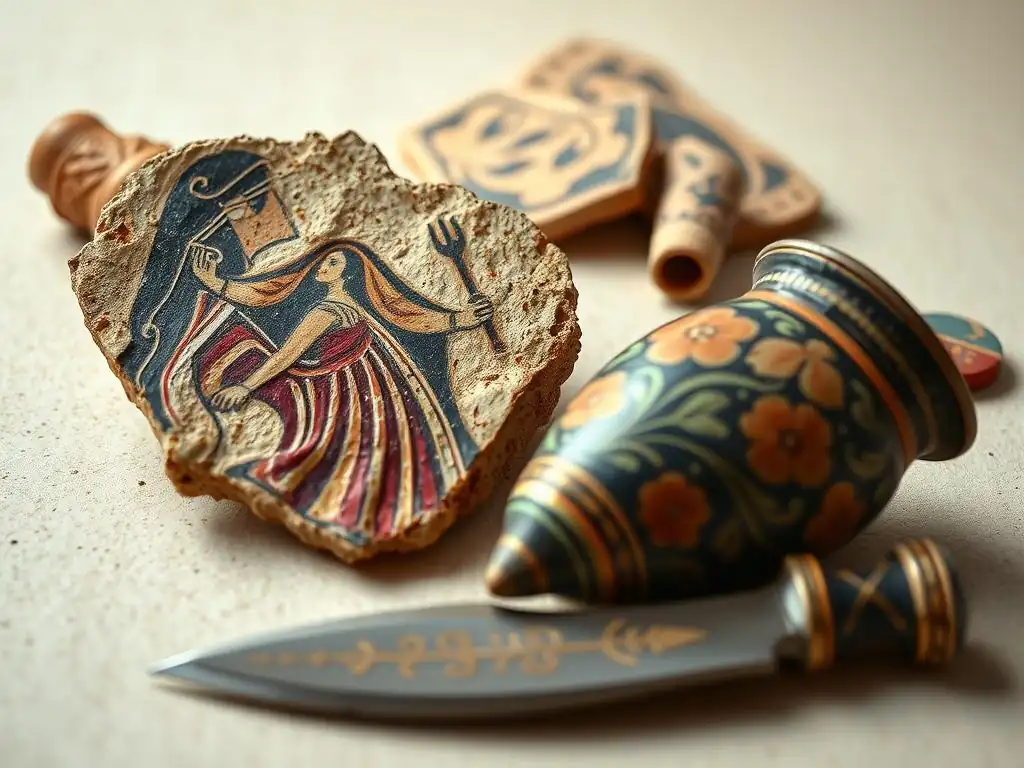
The sheer variety and exquisite craftsmanship of Akrotiri Minoan culture artifacts provide an unparalleled window into the daily lives, beliefs, and artistic sensibilities of the Minoan people. From utilitarian objects like pottery and tools to elaborate frescoes and architectural features, each artifact contributes to a more complete picture of this Bronze Age society. The objects recovered offer insights into their economy, social structure, religious practices, and aesthetic values, painting a vibrant tapestry of Minoan life just before the cataclysmic eruption.
The artifacts of Akrotiri are not merely objects of historical interest; they are tangible connections to the past, allowing us to hear the whispers of Minoan culture across millennia. They reveal a society that was highly skilled in various crafts, deeply connected to the natural world, and possessed a sophisticated artistic and cultural identity. By studying these artifacts – the pottery, the frescoes, the architectural remains – we gain a profound appreciation for the richness and complexity of Minoan civilization and its enduring legacy.
Pottery and Ceramics: Insights into Minoan Daily Life
Pottery and ceramics constitute a significant portion of the Akrotiri Minoan culture artifacts discovered, offering invaluable insights into Minoan daily life, economy, and artistic expression. Thousands of ceramic vessels, ranging from large storage jars (pithoi) to finely painted cups and bowls, have been unearthed, providing information about food storage, preparation, consumption, and trade. The stylistic evolution of Minoan pottery, known as Kamares ware and later Palace Style ware, is well represented at Akrotiri, allowing archaeologists to date different phases of the settlement and trace cultural changes over time.
The diverse shapes and decorations of Akrotiri pottery reveal aspects of Minoan society. Utilitarian wares, often undecorated or simply adorned, were likely used for everyday tasks like cooking and storage.
Finer, more elaborately decorated pottery, often featuring vibrant colors and intricate motifs of marine life, plants, and abstract designs, suggests a developed aesthetic sensibility and may have been used for more formal occasions or as status symbols. The presence of pottery workshops and unfinished ceramic pieces at Akrotiri indicates local production, while the discovery of pottery styles from other regions, such as Crete, highlights trade connections and cultural exchange within the Minoan world.
Frescoes of Akrotiri: Depicting Minoan Society and Rituals
The frescoes of Akrotiri are among the most spectacular and significant Akrotiri Minoan culture artifacts, renowned for their vibrant colors, dynamic compositions, and detailed depictions of Minoan life, society, and the natural world. These wall paintings, remarkably preserved by the volcanic ash, adorned the walls of houses, public buildings, and possibly religious structures, providing a unique visual record of Minoan culture. They offer invaluable insights into Minoan clothing, hairstyles, activities, beliefs, and the environment in which they lived.
The frescoes are not merely decorative; they are narrative and symbolic, offering glimpses into Minoan rituals, social customs, and worldview. Scenes of processions, religious ceremonies, seafaring, hunting, and natural landscapes populate the walls of Akrotiri, providing a rich tapestry of Minoan life. The sophisticated techniques and artistic conventions employed in these frescoes demonstrate a high level of artistic skill and cultural refinement. The Akrotiri frescoes stand as testaments to Minoan artistic achievement and offer an unparalleled visual window into their world.
The "Spring Fresco": A Celebration of Nature
The "Spring Fresco," also known as the "Lilies Fresco," is one of the most iconic and celebrated Akrotiri Minoan culture artifacts. This breathtaking fresco, discovered in Room Delta 2 of Building Delta, depicts a vibrant landscape teeming with lilies and swallows in flight. The fresco is interpreted as a celebration of nature, springtime, and the cyclical renewal of life, reflecting the Minoan reverence for the natural world and its beauty. The dynamic composition and vibrant colors of the "Spring Fresco" demonstrate the Minoan artists' keen observation of nature and their ability to capture its essence in art.
The lilies, depicted in various stages of bloom, are rendered with remarkable botanical accuracy, suggesting a close familiarity with the local flora. The swallows, shown swooping and diving among the lilies, add a sense of movement and vitality to the scene. The "Spring Fresco" is considered a masterpiece of Minoan art, showcasing the culture's aesthetic sensibilities and its deep connection to the natural environment. It stands as a powerful reminder of the Minoan appreciation for beauty and the life-affirming forces of nature.
The "Fisherman Fresco": A Glimpse into Minoan Economy
The "Fisherman Fresco" is another significant example of Akrotiri Minoan culture artifacts, providing a glimpse into the Minoan economy and their relationship with the sea. This fresco, also from Building Delta, depicts a nude fisherman holding strings of fish in each hand. While seemingly simple, the fresco offers insights into Minoan subsistence strategies and the importance of fishing in their economy. The depiction of a successful catch suggests the significance of marine resources for the community of Akrotiri.
The "Fisherman Fresco" is not just a depiction of a daily activity; it might also hold symbolic or ritualistic significance. Fish were likely an important part of the Minoan diet and possibly also played a role in religious or ceremonial practices. The fresco's presence in a residential building suggests that fishing was not just a marginal activity but an integral part of the Akrotiri economy and perhaps even their cultural identity. It highlights the Minoan dependence on the sea and their skills in exploiting its resources.
The "Boxers Fresco": Evidence of Minoan Sport and Culture
The "Boxers Fresco," found in Building Beta, is a fascinating Akrotiri Minoan culture artifact that provides evidence of Minoan sport and cultural practices. This fresco depicts two young boys boxing, engaging in a form of ritualistic combat. The scene suggests the existence of organized sporting events or initiation rituals in Minoan society. The "Boxers Fresco" is significant for its depiction of human activity and movement, showcasing the Minoan artists' ability to capture dynamic scenes.
The boys in the fresco are depicted with boxing gloves, indicating a formalized aspect to the sport. The presence of boxing in Minoan culture suggests a society that valued physical prowess and perhaps incorporated athletic contests into their social or religious life. The "Boxers Fresco" offers a rare glimpse into the Minoan world of sport and physical culture, providing insights into their social customs and values. It is a testament to the diverse range of activities and interests that characterized Minoan society as revealed through the artifacts of Akrotiri.
Akrotiri's Advanced Architecture and Engineering
Beyond the portable artifacts, the architectural remains of Akrotiri themselves stand as significant Akrotiri Minoan culture artifacts, showcasing the advanced urban planning, architectural skills, and engineering knowledge of the Minoan civilization. The multi-story buildings, paved streets, and sophisticated drainage and water management systems unearthed at Akrotiri demonstrate a level of urban sophistication unparalleled in Bronze Age Europe. These architectural features provide crucial insights into Minoan social organization, technological capabilities, and their approach to urban living.
The architectural design of Akrotiri reflects a sophisticated understanding of construction techniques and adaptation to the volcanic landscape. Buildings were constructed using local stone and mudbrick, often incorporating timber framing for earthquake resistance. The presence of paved streets and public spaces indicates a degree of urban planning and communal organization. The sophisticated drainage and water management systems, in particular, highlight the Minoan mastery of engineering and their focus on public health and sanitation.
Evidence of Multi-Story Buildings and Urban Planning
The excavated remains of Akrotiri reveal a well-planned urban center with multi-story buildings, indicating a high degree of urban planning and social organization. Buildings were constructed close together, often sharing walls, maximizing space within the settlement. The presence of staircases and remnants of upper floors demonstrates that many buildings were two or even three stories high, a remarkable achievement for the Bronze Age. This multi-story construction suggests a densely populated urban environment and sophisticated urban planning strategies.
The layout of Akrotiri, with its interconnected buildings and paved streets, indicates a degree of communal planning and organization. While not as rigidly planned as some later urban centers, Akrotiri exhibits features of urban design, suggesting a conscious effort to create a functional and organized living space. The multi-story buildings not only maximized space but also likely provided shade and ventilation, adapting to the Mediterranean climate. The urban planning evident at Akrotiri is a testament to the Minoan civilization's advanced social organization and engineering capabilities.
Sophisticated Drainage and Water Management Systems
Akrotiri is notable for its sophisticated drainage and water management systems, representing a remarkable feat of engineering for the Bronze Age. Archaeological evidence reveals a network of terracotta pipes and channels that effectively drained rainwater and wastewater from the city. This system demonstrates a clear understanding of hydraulic principles and a commitment to public health and sanitation. The drainage system is a particularly significant aspect of Akrotiri Minoan culture artifacts as it highlights their advanced technological capabilities and urban hygiene practices.
The drainage system at Akrotiri is considered one of the earliest and most sophisticated examples of urban sanitation in the ancient world. The terracotta pipes, carefully laid out beneath the streets and buildings, efficiently channeled water away from living areas, preventing flooding and minimizing the spread of disease. The presence of such a sophisticated system underscores the Minoan civilization's advanced engineering knowledge and their focus on creating a healthy and livable urban environment. This sophisticated infrastructure further distinguishes Akrotiri as an exceptional Bronze Age urban center.
The Minoan Eruption of Thera and its Impact on Akrotiri
The Minoan eruption of Thera was the cataclysmic event that both destroyed and preserved Akrotiri, leaving behind a unique archaeological site laden with Akrotiri Minoan culture artifacts. This massive volcanic eruption, one of the largest in human history, profoundly impacted the Aegean region and likely contributed to the decline of Minoan civilization. Understanding the timeline and effects of the eruption is crucial for interpreting the archaeological context of Akrotiri and the significance of its preserved artifacts.
The eruption’s impact on Akrotiri was immediate and devastating, burying the city under meters of volcanic ash and pumice. However, this volcanic blanket also acted as a protective layer, preserving the city and its contents for millennia.
The absence of human remains at Akrotiri suggests that the inhabitants had time to evacuate before the most destructive phases of the eruption, further highlighting the advanced warning signs likely preceding the major event. The eruption, while a tragedy, paradoxically became the agent of preservation that allows us today to study and appreciate the artifacts of Akrotiri and their insights into Minoan culture.
The Volcanic Cataclysm: A Timeline of the Thera Eruption
The Minoan eruption of Thera is estimated to have occurred in the 17th century BCE and is considered one of the most significant volcanic events of the Holocene epoch. While the precise timeline is still debated, geological and archaeological evidence suggests a multi-phase eruption process. It likely began with warning signs, such as earthquakes and minor ashfalls, which may have prompted the evacuation of Akrotiri. The main phase involved massive Plinian and Peléean eruptions, producing towering columns of ash and pyroclastic flows that devastated the island and surrounding regions.
The eruption deposited vast quantities of volcanic material across the Aegean, impacting not only Thera but also Crete and other islands. The atmospheric effects of the eruption, including ash clouds and sulfur dioxide release, likely had global climatic consequences. The precise dating of the eruption is still debated, with radiocarbon dating and ice core analysis providing different estimates. However, the eruption's impact on Minoan civilization and the preservation of Akrotiri Minoan culture artifacts are undeniable, regardless of the exact date.
Preserving Akrotiri: How Volcanic Ash Protected Minoan Artifacts
The volcanic ash from the Thera eruption played a crucial role in preserving the Akrotiri Minoan culture artifacts. The fine ash and pumice rapidly buried the city, creating an airtight seal that prevented decomposition and decay. This rapid burial environment is analogous to the conditions that preserved Pompeii and Herculaneum, although the nature of the volcanic material differed. The volcanic ash acted as a natural conservator, protecting organic materials like wood, textiles, and foodstuffs, in addition to pottery, frescoes, and architectural remains.
The absence of oxygen and moisture within the volcanic ash layers significantly slowed down or halted the processes of biological degradation. The ash also provided a stable, relatively temperature-controlled environment, further contributing to preservation. This exceptional preservation allows archaeologists to study not only durable materials like ceramics and stone but also perishable items that rarely survive in archaeological contexts, providing a much richer and more detailed understanding of Minoan life than would otherwise be possible. The volcanic ash, while a force of destruction, became the agent of preservation, making Akrotiri an archaeological treasure trove.
Akrotiri's Artifacts and the Broader Minoan Culture
The Akrotiri Minoan culture artifacts are not isolated finds; they are integral to understanding the broader Minoan civilization that flourished across Crete and the Aegean islands. Comparing and contrasting Akrotiri's artifacts with those from other Minoan sites, particularly palatial centers like Knossos, Phaistos, and Malia, reveals both commonalities and regional variations within Minoan culture. These comparisons help to illuminate the extent of cultural exchange, shared religious practices, and artistic traditions across the Minoan world.
The artifacts from Akrotiri contribute to a more nuanced understanding of Minoan civilization, moving beyond the Knossos-centric view that previously dominated Minoan archaeology. Akrotiri's urban character and the nature of its artifacts suggest a more egalitarian or at least differently structured society compared to the palatial centers of Crete. Studying Akrotiri in relation to other Minoan sites provides a more comprehensive and balanced perspective on Minoan culture, its diversity, and its interconnectedness across the Aegean.
Connections Between Akrotiri and Knossos: Cultural Exchange
Despite being located on different islands, Akrotiri and Knossos, the largest Minoan palatial center on Crete, were clearly connected through cultural exchange and trade. Akrotiri Minoan culture artifacts share many stylistic and iconographic similarities with those found at Knossos, particularly in pottery and frescoes. This suggests a shared Minoan artistic tradition and cultural sphere, indicating communication and exchange of ideas and goods between the two centers. However, there are also distinct regional variations, highlighting the diversity within Minoan culture.
The presence of Cretan pottery styles at Akrotiri and vice versa demonstrates direct trade and interaction between the two regions. The similarities in fresco styles, particularly the use of vibrant colors and naturalistic motifs, suggest a shared artistic vocabulary and possibly even the movement of artists or artistic workshops between Crete and Thera. While Knossos was undoubtedly a major political and economic center, Akrotiri's artifacts indicate that it was not merely a peripheral outpost but an active participant in the broader Minoan cultural and economic network.
Religious Practices Reflected in Akrotiri's Artifacts
While no dedicated temple or palace has been definitively identified at Akrotiri, Akrotiri Minoan culture artifacts provide clues about Minoan religious practices and beliefs. Frescoes depicting processions, altars, and possibly deities suggest the presence of religious rituals and ceremonies within the city. Certain artifacts, such as rhyta (ritual vessels) and figurines, may have had religious significance. The absence of a clearly defined palatial or temple complex, however, distinguishes Akrotiri from Cretan palatial sites and raises questions about the nature of Minoan religion in different settlements.
The "Saffron Gatherers" fresco, for example, is interpreted by some scholars as depicting a religious ritual, possibly related to the goddess of nature or fertility. The presence of horns of consecration motifs, a common Minoan religious symbol, in architectural decoration and on artifacts further suggests religious beliefs permeating daily life. While the specific nature of Akrotiri's religious practices remains debated, the artifacts clearly indicate that religion was an integral part of Minoan society in Akrotiri, albeit perhaps expressed in ways that differed from the palatial centers of Crete.
Comparison of Akrotiri Artifacts with Phaistos and Malia
Comparing Akrotiri Minoan culture artifacts with those from other Minoan sites like Phaistos and Malia on Crete reveals both shared Minoan cultural traits and regional variations. Phaistos and Malia, like Knossos, are palatial centers, and their artifacts reflect palatial administration, elite lifestyles, and religious practices centered around the palaces. While Akrotiri shares many artistic and cultural elements with these sites, its urban, non-palatial character is reflected in some differences in artifact assemblages.
For example, while elaborate palace-style pottery is found at all sites, the relative proportions and specific styles may vary. Akrotiri's frescoes, while sharing stylistic similarities with Cretan examples, also exhibit unique themes and compositions, reflecting local artistic preferences or regional variations in Minoan culture. Comparing artifacts across different Minoan sites, including Akrotiri, Phaistos, and Malia, allows for a more nuanced understanding of the diversity and regional expressions within the broader Minoan civilization, moving beyond a monolithic view of Minoan culture.
What Akrotiri's Artifacts Tell Us About Minoan Society
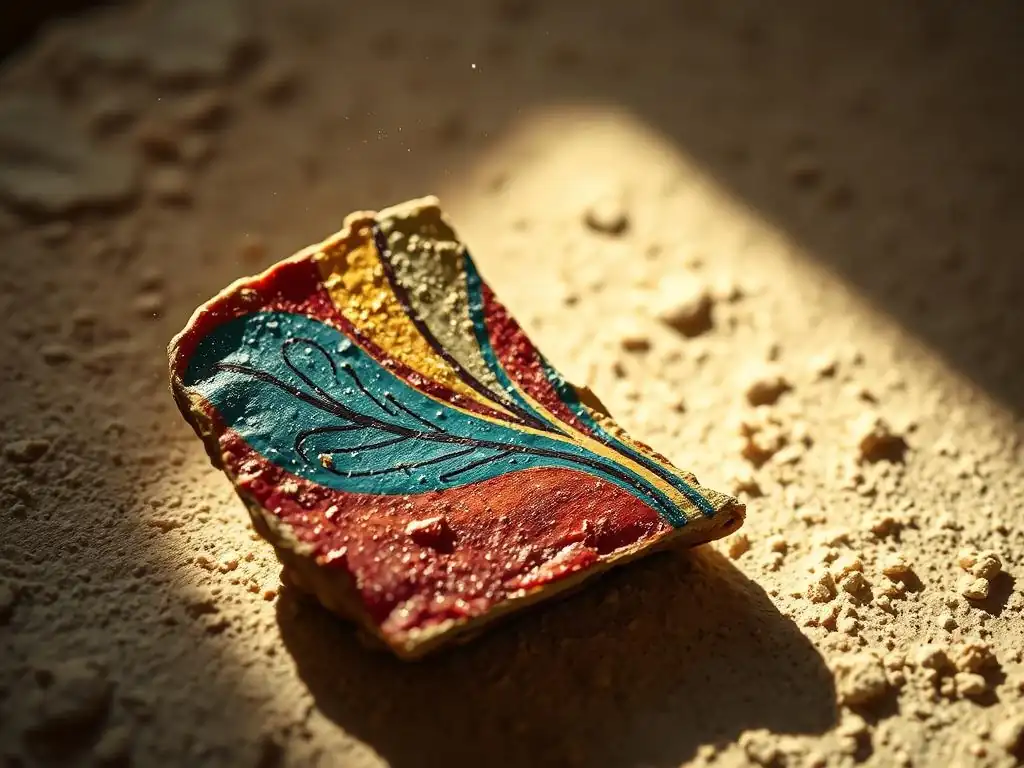
The collective body of Akrotiri Minoan culture artifacts provides a wealth of information about Minoan society, shedding light on its social structure, economic activities, and aesthetic values. By analyzing the artifacts in their archaeological context, researchers can reconstruct aspects of daily life, social hierarchies, economic systems, and cultural beliefs of the inhabitants of Akrotiri. These insights contribute significantly to our understanding of Minoan society as a whole, beyond what is known from palatial centers alone.
Akrotiri's artifacts reveal a society that was highly organized, technologically advanced for its time, and possessed a sophisticated artistic sensibility. The urban planning, drainage systems, and multi-story buildings indicate a complex social organization capable of undertaking large-scale projects. The variety and craftsmanship of the artifacts, from pottery and tools to frescoes and jewelry, demonstrate a skilled workforce and a thriving economy. The aesthetic qualities of Minoan art, as exemplified by Akrotiri's treasures, reflect a culture that valued beauty, naturalism, and artistic expression.
While Akrotiri lacks a clearly defined palace, the Akrotiri Minoan culture artifacts suggest a complex social structure, though perhaps less rigidly hierarchical than that of palatial Crete. The presence of elaborate houses adorned with frescoes indicates a degree of social differentiation and wealth accumulation. However, the absence of overwhelmingly dominant palatial architecture and the relatively widespread distribution of luxury goods suggest a more broadly prosperous urban society, possibly with a less centralized power structure compared to Knossos.
The types of houses and the artifacts found within them vary, suggesting social stratification. Some houses are larger and more elaborately decorated than others, indicating differences in wealth and status. However, even in smaller houses, artifacts of relatively high quality are found, suggesting a generally high standard of living across different social strata. The social structure of Akrotiri may have been more urban and mercantile-based, with a greater emphasis on trade and craft production, potentially leading to a different form of social hierarchy compared to the palatial, agrarian-based societies of Crete.
Economic Activities and Trade in Akrotiri
Akrotiri Minoan culture artifacts provide ample evidence of a thriving economy based on trade, agriculture, and craft production. The strategic location of Akrotiri facilitated maritime trade, and artifacts from various regions of the Aegean and beyond indicate extensive trade networks. Pottery, tools, raw materials, and finished goods likely flowed through Akrotiri, contributing to its prosperity. The presence of workshops and craft tools suggests local production of pottery, textiles, and metalwork, further diversifying the economy.
The "Fisherman Fresco" and other evidence highlight the importance of marine resources, while agricultural tools and storage jars suggest a reliance on agriculture. The fertile volcanic soil of Thera likely supported agriculture, and the sea provided abundant fish and other marine resources. Akrotiri's economy was likely a mix of agriculture, fishing, craft production, and, most importantly, trade, making it a significant economic center in the Minoan world. The artifacts reflect a dynamic and diversified economy that contributed to Akrotiri's urban prosperity.
Minoan Art and Aesthetics as Seen Through Akrotiri's Treasures
The Akrotiri Minoan culture artifacts, particularly the frescoes and pottery, are prime examples of Minoan art and aesthetics. Minoan art is characterized by its naturalism, dynamism, vibrant colors, and decorative exuberance. These qualities are abundantly evident in the frescoes of Akrotiri, which depict scenes from nature, daily life, and possibly religious rituals with remarkable realism and artistic flair. The pottery, with its flowing lines, marine motifs, and intricate designs, further exemplifies Minoan artistic sensibilities.
Minoan art, as seen through Akrotiri's treasures, is not merely decorative; it is expressive and communicative, reflecting Minoan values and worldview. The emphasis on naturalism suggests a close observation of and appreciation for the natural world. The dynamic compositions and vibrant colors convey a sense of vitality and energy. The decorative exuberance and intricate details reflect a sophisticated aesthetic sensibility and a high level of artistic skill. Akrotiri's artifacts offer a rich and compelling insight into the artistic achievements and aesthetic values of Minoan civilization.
The Legacy of Akrotiri: A Timeless Testimony of Minoan Civilization
Akrotiri stands as a timeless testament to Minoan civilization, its artifacts continuing to shape our understanding of this ancient Aegean culture. The exceptional preservation of Akrotiri and its Akrotiri Minoan culture artifacts has provided an unparalleled window into a Bronze Age urban center, revolutionizing Minoan archaeology and contributing significantly to our knowledge of European prehistory. The legacy of Akrotiri extends beyond archaeology, inspiring art, literature, and popular culture, and continuing to captivate the imagination of people worldwide.
The site of Akrotiri and its artifacts serve as a powerful reminder of the fragility of civilizations and the enduring power of nature. The volcanic eruption that destroyed Akrotiri also ensured its preservation for millennia, offering us a unique glimpse into a lost world. The artifacts whisper tales of Minoan ingenuity, artistry, and daily life, allowing us to connect with this ancient culture across the vast expanse of time. Akrotiri's legacy is one of discovery, preservation, and the enduring allure of a civilization frozen in time.
Akrotiri's Influence on Our Understanding of the Minoans
Akrotiri has profoundly influenced our understanding of the Minoans, challenging and expanding upon previous interpretations based primarily on palatial sites like Knossos. The Akrotiri Minoan culture artifacts have revealed a more complete picture of Minoan urban life, social structure, economy, and artistic achievements. Akrotiri has demonstrated that Minoan civilization was not solely centered around palaces but also flourished in urban centers with unique characteristics and societal structures.
The frescoes of Akrotiri, in particular, have transformed our understanding of Minoan art and iconography, providing a wealth of visual information about Minoan society and beliefs. The urban planning and engineering of Akrotiri have highlighted the advanced technological capabilities of the Minoans. The diversity of artifacts, from everyday objects to luxury goods, has provided a more nuanced understanding of Minoan material culture and daily life. Akrotiri has become a cornerstone of Minoan studies, offering a vital counterpoint and complement to the palatial narrative.
Current Excavation and Research at Akrotiri
Excavation and research at Akrotiri continue to this day, with ongoing efforts to uncover more of the city and further analyze the Akrotiri Minoan culture artifacts. While a significant portion of the site has been excavated, large areas remain unexplored, holding the potential for further discoveries. Current research focuses on various aspects of Akrotiri, including architectural conservation, artifact analysis, environmental reconstruction, and the dating of the Minoan eruption.
New technologies, such as digital imaging, 3D modeling, and scientific analysis of materials, are being applied to the study of Akrotiri, yielding new insights and interpretations. Ongoing excavations aim to uncover more of the unexcavated areas and to further investigate specific aspects of the site, such as the harbor area and potential religious structures. Research at Akrotiri is a dynamic and ongoing process, constantly adding to our understanding of Minoan civilization and the legacy of this remarkable archaeological site.
Visiting Akrotiri: Experiencing the Minoan World Firsthand
Visiting the archaeological site of Akrotiri offers a unique opportunity to experience the Minoan world firsthand. The site is open to the public and provides a remarkable glimpse into the preserved remains of a Bronze Age city. Walking through the covered walkways of Akrotiri, visitors can see the multi-story buildings, paved streets, and even some of the original frescoes in situ. The on-site museum displays a selection of Akrotiri Minoan culture artifacts, further enhancing the visitor experience.
Visiting Akrotiri is like stepping back in time, allowing one to imagine life in this bustling Minoan city before the volcanic eruption. The scale of the site and the state of preservation are truly impressive, offering a tangible connection to the past. For those interested in Minoan civilization, archaeology, or ancient history, a visit to Akrotiri is an unforgettable experience, providing a profound appreciation for the ingenuity and cultural achievements of the Minoan people.
Conclusion: The Enduring Allure of Akrotiri's Minoan Artifacts
The Akrotiri Minoan culture artifacts hold an enduring allure, captivating researchers and the public alike with their beauty, craftsmanship, and the stories they whisper from the depths of time. These artifacts are not just objects; they are tangible links to a lost civilization, offering profound insights into Minoan life, art, society, and the dramatic circumstances of their preservation. Akrotiri stands as a unique archaeological treasure, a testament to the power of both volcanic destruction and the enduring legacy of human culture.
The artifacts of Akrotiri continue to inspire awe and wonder, sparking curiosity about the Minoans and their world. They remind us of the richness and complexity of ancient civilizations and the importance of preserving our archaeological heritage. The enduring allure of Akrotiri lies in its ability to transport us back in time, allowing us to glimpse the vibrant world of the Minoans and appreciate the timeless beauty and significance of their cultural achievements.
Frequently Asked Questions
What is Akrotiri and why is it important?
Akrotiri is an ancient Minoan city on the island of Santorini (Thera) in Greece. Its importance lies in its remarkably preserved state due to being buried by a volcanic eruption, offering invaluable insights into Minoan culture before its destruction.
What kind of artifacts were discovered at Akrotiri?
The site has yielded a rich collection of artifacts, including pottery, frescoes, and household items. These objects provide a detailed glimpse into the daily life, art, and technology of the Minoan civilization.
How does the eruption that buried Akrotiri relate to volcanic activity today?
The eruption that buried Akrotiri was a massive event, similar in scale to other major volcanic eruptions throughout history. Studying its impact helps volcanologists understand the potential hazards of similar events today.
What can the frescoes found at Akrotiri tell us about Minoan culture?
The frescoes are particularly significant as they depict scenes of daily life, religious ceremonies, and natural landscapes. They offer a unique visual record of Minoan society and its values.
Where can I find more information about the artifacts and the Akrotiri excavation?
You can explore the Akrotiri Archaeological Site in Santorini. Websites like VolcanoExplorers.org and academic journals also provide detailed information and research findings.
Final Reflection: Echoes of a Lost World
The artifacts unearthed at Akrotiri are more than just relics of a bygone era; they are vibrant threads connecting us to the sophisticated Minoan civilization that thrived millennia ago. The meticulous preservation of these objects, frozen in time by the volcanic eruption, allows us to glimpse a world of artistry, innovation, and daily life that continues to captivate and inform our understanding of the ancient Mediterranean.
The enduring influence of Akrotiri lies in its ability to humanize the Minoans, moving beyond textbook descriptions to reveal their passions, skills, and societal structures. The intricate frescoes, the delicate pottery, and the tools of their trade speak volumes about their advanced culture and their deep connection to the natural world. Archaeology is the only discipline that can speak for the dead.
- Mortimer Wheeler. This quote resonates deeply when considering Akrotiri, as each artifact whispers stories that would otherwise be lost to the ages.
Let us not simply admire these artifacts from afar, but rather, allow them to ignite our curiosity and inspire a deeper appreciation for the ingenuity and resilience of humanity. Consider how the Minoans, despite facing unimaginable challenges, created a society rich in art and innovation. What lessons can we learn from their story, and how can we apply their spirit of creativity and community to build a brighter future for ourselves and generations to come?
Unveil the Secrets of Akrotiri: Your Next Adventure Awaits!
Thank you for exploring the captivating world of Akrotiri with us. You've journeyed through time to glimpse the vibrant Minoan culture preserved in ash, and now it's time to take the next step.
Here are a few ways you can continue your exploration:
- Dive Deeper: Plan a visit to Akrotiri! Experience the site firsthand and witness the Minoan marvels for yourself. Virtual tours are also available.
- Share the Wonder: Tell your friends and family about Akrotiri! Share the incredible story of the Minoan civilization and inspire others to learn more.
- Uncover Hidden History: Explore other fascinating volcanic sites! From Pompeii to Mount Vesuvius, and beyond, the world is filled with stories waiting to be discovered.
Which artifact from Akrotiri resonated most with you, and what aspect of our modern culture do you think would best represent us if preserved for millennia?