Explore the Extraordinary 2022 Hunga Tonga-Hunga Ha'apai Eruption
Welcome to Volcano Explorers' deep dive into the Hunga Tonga-Hunga Ha'apai 2022 eruption—a landmark event that generated the largest atmospheric waves ever recorded and a tsunami that circled the globe. This page unpacks the science, the cascading hazards, and the global impact of this submarine volcano's explosive awakening, giving you a comprehensive, SEO-rich resource.
🌋 The Submarine Blast: Power and Mechanics
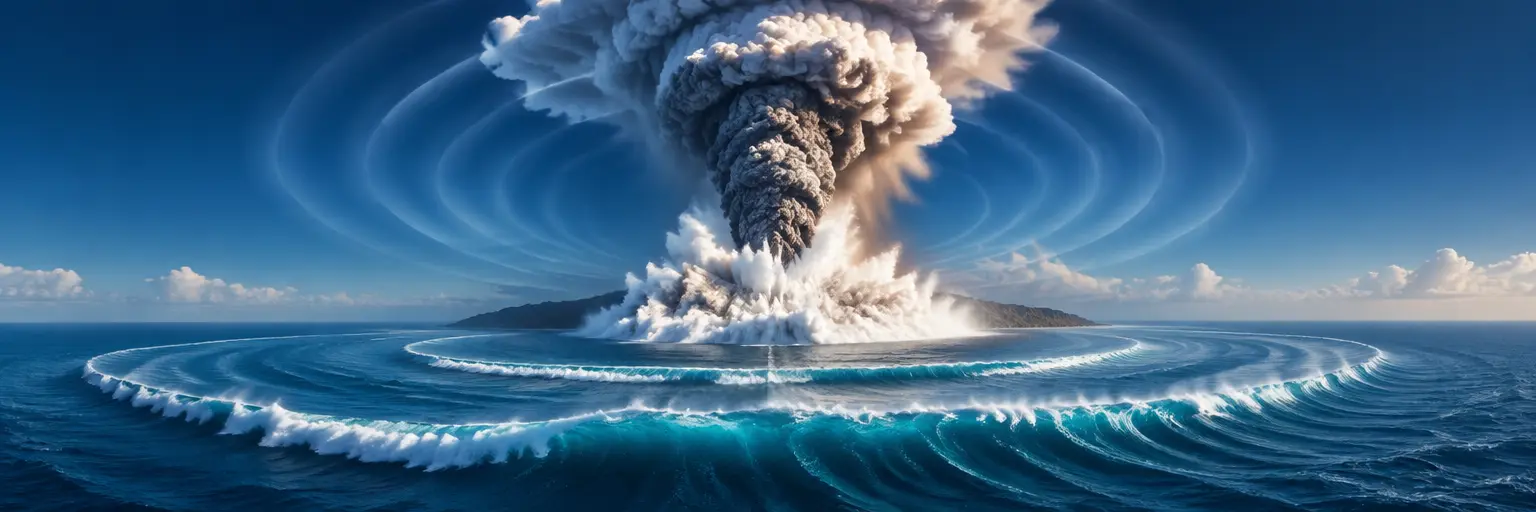
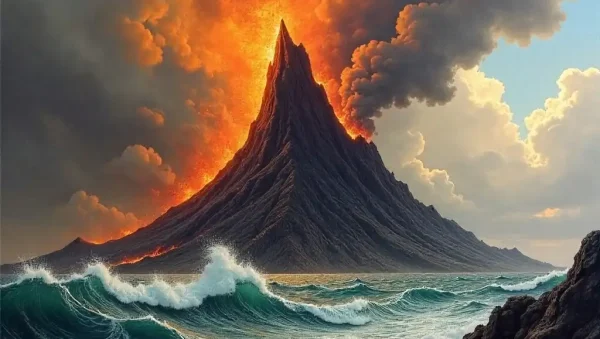
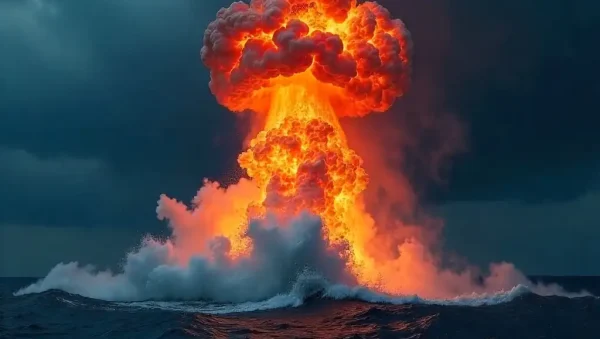
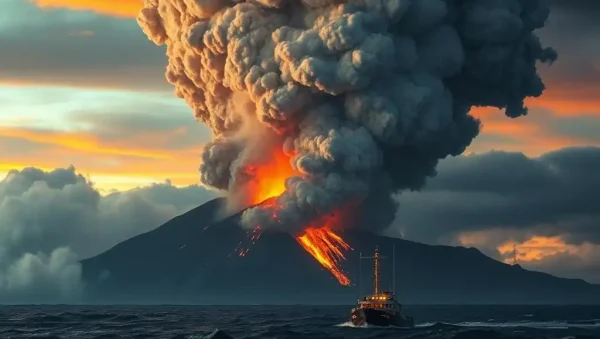
On January 15, 2022, Hunga Tonga-Hunga Ha'apai erupted with a force estimated at 15-30 megatons of TNT, ranking among the most powerful explosions in recorded history. Unlike typical stratovolcano eruptions, this one occurred ~150 meters below sea level, causing an unprecedented interaction between magma and seawater. The blast vaporized the water column, creating a volcanic plume that reached 58 km into the mesosphere—the highest ever observed by satellite.
Energy released was enough to generate global atmospheric Lamb waves that traveled around Earth multiple times. These pressure waves, traveling at ~1,100 km/h, were detected by barometers worldwide, providing a natural laboratory for studying atmospheric physics. Understanding this mechanics is critical for future hazard modeling, as submarine eruptions pose unique risks that surface volcanoes do not.
🌊 Tsunami Generation: Beyond Ordinary Waves
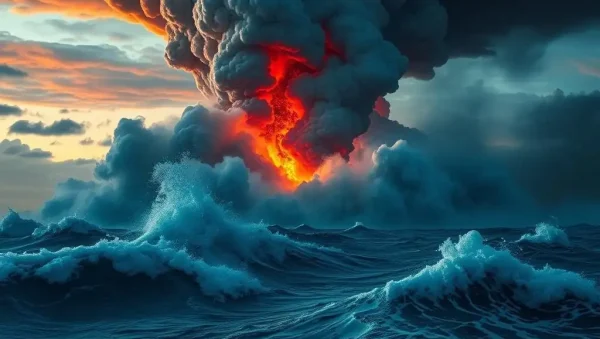
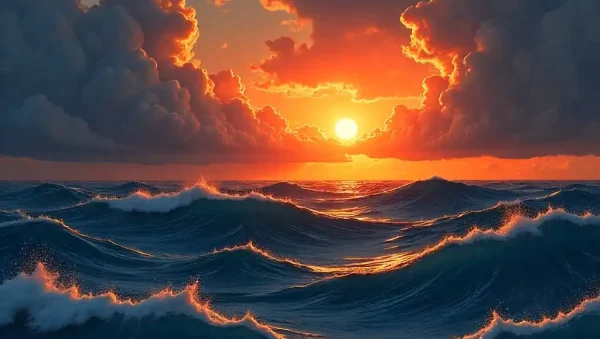
The eruption triggered a tsunami that affected coastlines across the Pacific, from Japan to the Americas, but its generation was atypical. Unlike earthquake-driven tsunamis, this one was caused by a combination of underwater pressure waves, pyroclastic flows entering the sea, and widespread seafloor displacement. Waves reached 15 m on Tongatapu, and 1.2 m in California, causing damage over 10,000 km away.
What made this tsunami scientifically puzzling was its speed and period. Some waves arrived hours earlier than seismic models predicted, attributed to atmospheric pressure waves coupling with the ocean. This "meteotsunami" effect demonstrated that volcano-generated tsunamis require multi-hazard warning systems, not just seismic triggers.
🛰️ Atmospheric Waves: Ringing Earth Like a Bell
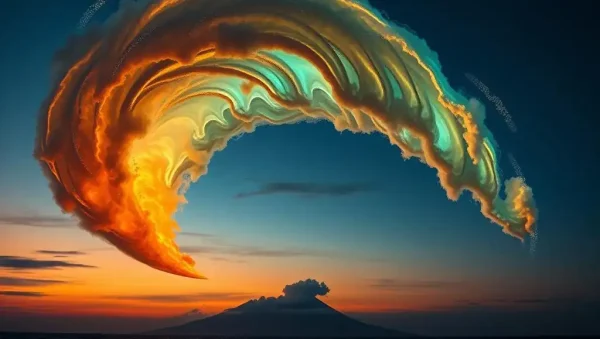
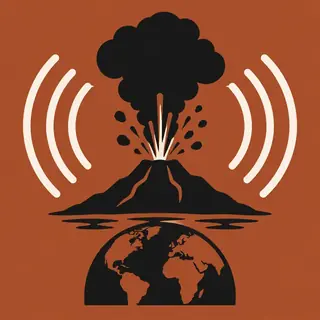
The eruption produced atmospheric oscillations with frequencies of ~3.7 mHz, creating concentric ripples visible in satellite imagery. These Lamb waves were so powerful that they oscillated the atmosphere for six days, with measurable effects on global weather patterns. The pressure pulse reached 2,000 km/h speeds, circling the planet four times, affecting GPS signals and even causing small fluctuations in sea level.
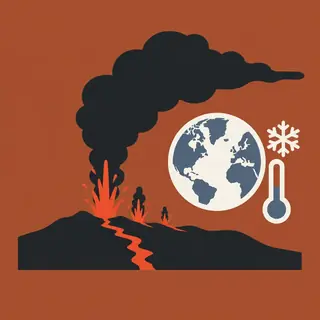
Researchers used this event to refine models of volcanic plume dynamics and upper-atmospheric coupling. The data has been instrumental in understanding how large eruptions can impact stratospheric aerosols**, which later contributed to a slight cooling effect on global temperatures. This eruption became a benchmark for measuring extreme atmospheric wave generation.
💥 Immediate Devastation on Tonga
On the islands of Hunga Tonga and Hunga Ha'apai, the eruption obliterated the existing landmass**, merging the two islands into a smaller remnant. On Tongatapu, the main island, ashfall reached 10 cm, contaminating water supplies and destroying crops. The tsunami claimed three lives directly and caused an oil spill from a grounded vessel, while the loss of connectivity (the undersea cable was severed) isolated the nation for weeks.
Over 80% of the population in Tonga was affected, with damage estimated at $90 million. The event highlighted the vulnerability of small island states to compounding hazards—tsunami, ash, and communication outages—and sparked global aid efforts. It also raised awareness about the need for resilient infrastructure in remote volcanic regions.
🔍 Scientific Legacy and Ongoing Research
The 2022 eruption became a scientific goldmine, with over 500 peer-reviewed papers published by 2024. Key findings include the first direct measurement of stratospheric water vapor injection, which increased global water vapor by ~10%, potentially impacting ozone chemistry. Researchers also refined machine learning models for rapid tsunami detection using infrasound and satellite altimetry.
For volcanologists, the event reinforced the importance of real-time monitoring of submarine volcanoes. Instruments like seafloor pressure sensors and lightning detection networks are now being deployed in the Tonga region. This legacy is shaping international protocols for volcano-tsunami early warning, saving future lives.
❓ Frequently Asked Questions
What caused the largest atmospheric waves from this eruption?
The eruption's explosive energy produced Lamb waves—horizontally propagating pressure waves that travel at the speed of sound. These waves circled Earth multiple times, with amplitudes detectable for days. They were generated by the rapid displacement of air above the vent, amplified by the submarine setting, creating a resonance effect unprecedented in modern records.
How did the tsunami differ from earthquake-generated tsunamis?
Earthquake tsunamis are driven by vertical seafloor movement, whereas this one resulted from atmospheric pressure coupling (meteotsunami) and pyroclastic flows. This means waves arrived faster and with different periods, making them harder to predict. It proved that volcano tsunamis require dedicated models that include both atmospheric and oceanographic data.
Is Hunga Tonga-Hunga Ha'apai likely to erupt again?
Yes, the volcano remains active, though the current caldera is deeper and more stable. Monitoring shows ongoing minor activity, but major eruptions similar to 2022 are expected to be decades apart. Scientists now use real-time satellite and seismic data to provide weeks of warning for renewed escalation, reducing risk to nearby communities.
What global environmental effects did the eruption have?
The eruption injected about 150 megatons of water vapor into the stratosphere, potentially thinning the ozone layer temporarily. It also released sulfur dioxide, which created a minor cooling effect of ~0.05°C for a few months. These short-term impacts were less severe than Pinatubo's, but they provided valuable data on volcanic climate forcing.
How can residents near submarine volcanoes prepare for tsunamis?
They should follow dual warnings: for seismic shaking and for unusual atmospheric pressure changes or a receding ocean. Local evacuation drills, community sirens, and access to satellite-based alerts are critical. Staying informed via agencies like PTWC and GNS Science, and having a pre-planned route to high ground, saves lives.