
Atmospheric Tsunamis? Understanding the Unique Waves from Hunga Tonga's Eruption.


Welcome to Volcano Explorers, where the Earth roars! Prepare to be captivated by the raw power and breathtaking beauty of volcanoes. Did you know that volcanic eruptions can trigger something akin to atmospheric tsunamis? Our latest exploration delves into the unique and often overlooked atmospheric waves from volcano eruptions, revealing the hidden forces unleashed by events like the recent Hunga Tonga catastrophe. Unearth the secrets and prepare to have your perception of volcanic power forever changed... ready to dive in?
- Introduction: The Unprecedented Atmospheric Waves from Hunga Tonga
- Hunga Tonga-Hunga Ha'apai: A Volcanic Eruption Heard Around the World
- What are Atmospheric Waves? Understanding the Basics
- Atmospheric Tsunamis: A Distinct Wave Phenomenon
- The Science Behind the Atmospheric Waves
- Impacts of the Atmospheric Waves
- Detecting and Studying Atmospheric Waves
- Hunga Tonga's Significance for Atmospheric Phenomena
- Conclusion: The Legacy of Hunga Tonga's Atmospheric Waves
-
Frequently Asked Questions
- What are atmospheric waves caused by volcanic eruptions?
- How did the Hunga Tonga-Hunga Ha'apai eruption generate these waves?
- What are the different types of atmospheric waves produced by volcanic eruptions?
- How do scientists study atmospheric waves from volcanic eruptions?
- Are atmospheric waves from volcanic eruptions dangerous?
- Final Reflection: Riding the Invisible Wave
- Unveil the Secrets of Atmospheric Tsunamis!
Introduction: The Unprecedented Atmospheric Waves from Hunga Tonga
The cataclysmic eruption of Hunga Tonga-Hunga Ha'apai volcano in January 2022 unleashed a myriad of geophysical phenomena that reverberated across the globe. While the devastating oceanic tsunami garnered immediate attention, the event also generated an equally remarkable, yet less understood, phenomenon: atmospheric waves of unprecedented scale and reach.
These weren't just ordinary atmospheric disturbances; they were powerful pressure waves that propagated through the atmosphere, circling the Earth multiple times and causing measurable effects thousands of kilometers away. The sheer magnitude and global extent of these atmospheric waves have led scientists to consider them as "atmospheric tsunamis," drawing a parallel to their oceanic counterparts in terms of energy and propagation characteristics.
This article delves into the fascinating world of these atmospheric waves, exploring their origins in the Hunga Tonga eruption, their fundamental nature, and their far-reaching impacts. We will unravel the science behind these "atmospheric tsunamis," examining how they differ from oceanic tsunamis, how they were detected globally, and what their implications are for our understanding of volcanic hazards and atmospheric dynamics. By understanding these unique atmospheric waves from volcano eruptions, we can better appreciate the interconnectedness of Earth's systems and the profound influence of volcanic events on our planet's atmosphere.
Hunga Tonga-Hunga Ha'apai: A Volcanic Eruption Heard Around the World
The Explosive 2022 Eruption: A Brief Overview
On January 15, 2022, the submarine volcano Hunga Tonga-Hunga Ha'apai, located in the South Pacific kingdom of Tonga, erupted with explosive force. The eruption, peaking around 17:00 local time (04:00 UTC), was one of the most powerful volcanic events in recent history. Estimates place its Volcanic Explosivity Index (VEI) at 6, classifying it as "cataclysmic."
The eruption sent a plume of ash and gas soaring to an unprecedented height, reaching altitudes exceeding 50 kilometers (approximately 31 miles) into the mesosphere. This colossal eruption triggered a devastating oceanic tsunami that impacted Tonga and coastlines across the Pacific, causing significant damage and loss of life. However, beyond the oceanic devastation, the eruption also unleashed a less visible but equally significant force – powerful atmospheric waves that rippled outwards from the volcano.
The Hunga Tonga eruption stands out not only for its explosive power but also for its global reach. The atmospheric pressure waves generated were detected by barometers and weather stations worldwide, even in locations as far away as Antarctica and Europe.
The sound of the eruption itself was reportedly heard thousands of kilometers away, a testament to the energy released. While volcanic eruptions are known to generate atmospheric disturbances, the scale and coherence of the atmospheric waves from Hunga Tonga were truly exceptional, prompting intense scientific investigation and highlighting the unique nature of this volcanic event in terms of atmospheric impacts.
Unique Characteristics of the Hunga Tonga Eruption
Several factors contributed to the unique atmospheric wave signature of the Hunga Tonga eruption. Firstly, the submarine nature of the volcano played a crucial role. The interaction of magma with seawater resulted in highly efficient energy transfer into the atmosphere. The rapid vaporization of vast quantities of water during the eruption amplified the explosive force and the generation of pressure waves. This "steam explosion" effect, combined with the direct injection of volcanic gases and ash into the stratosphere and mesosphere, created an exceptionally strong initial atmospheric disturbance.
Secondly, the eruption's duration and sustained energy release further contributed to the generation of coherent, large-scale atmospheric waves. Unlike some volcanic eruptions that are short-lived bursts, Hunga Tonga's eruption had a prolonged phase of intense activity. This sustained energy input into the atmosphere allowed for the formation and propagation of well-defined wave structures that could travel vast distances without dissipating rapidly. The combination of these factors – submarine setting, steam explosion enhancement, and sustained energy release – made the Hunga Tonga eruption a particularly potent generator of global atmospheric waves, distinguishing it from many other volcanic events.
What are Atmospheric Waves? Understanding the Basics
Defining Atmospheric Gravity Waves (AGWs)
Atmospheric Gravity Waves (AGWs) are disturbances in the atmosphere that occur when air is displaced vertically and gravity acts to restore it to its original position. Imagine dropping a pebble into a still pond; the ripples that spread outwards are analogous to AGWs in the atmosphere. These waves are characterized by oscillations in air pressure, temperature, and wind velocity as they propagate horizontally and vertically. The "gravity" part of the name stems from the restoring force – gravity – that pulls displaced air parcels back towards equilibrium, causing them to oscillate and generate waves.
AGWs are ubiquitous in the Earth's atmosphere, generated by a variety of sources, including wind flowing over mountains, thunderstorms, and jet streams. They play a crucial role in atmospheric dynamics, transporting energy and momentum throughout different atmospheric layers. Their wavelengths can range from a few kilometers to hundreds of kilometers, and their periods can vary from minutes to several hours. While often subtle and unnoticed, AGWs are a fundamental component of atmospheric circulation and weather patterns. Understanding them is key to comprehending the complex dynamics of our planet's atmosphere.
Atmospheric Pressure and Wave Formation
Atmospheric pressure, the weight of the air column above a given point, is a fundamental variable in understanding atmospheric wave formation. Waves in the atmosphere are essentially fluctuations in atmospheric pressure that propagate through the air. When a disturbance, such as a volcanic eruption, occurs, it creates localized changes in air pressure. For instance, an explosion rapidly compresses the surrounding air, increasing pressure. This area of high pressure then seeks to equilibrate with areas of lower pressure, initiating air movement and wave propagation.
Imagine squeezing a balloon – the pressure inside increases, and if you release it, the air rushes out, creating pressure waves. Similarly, in the atmosphere, pressure gradients drive air motion and wave formation. Atmospheric waves manifest as alternating bands of slightly higher and lower pressure moving through the atmosphere. These pressure variations are what instruments like barometers detect as atmospheric waves pass by. The stronger the initial disturbance and the larger the pressure differences created, the more pronounced and energetic the resulting atmospheric waves will be.
Volcanic Eruptions as Generators of Atmospheric Disturbances
Volcanic eruptions are potent natural sources of atmospheric disturbances and are capable of generating a wide range of atmospheric waves, including the powerful waves observed from Hunga Tonga. The mechanisms by which eruptions generate these disturbances are multifaceted. Firstly, the explosive release of energy from volcanic eruptions, often exceeding that of nuclear explosions, directly imparts kinetic energy into the atmosphere, creating a powerful shock wave. This shock wave rapidly expands outwards, compressing and displacing the surrounding air, initiating pressure waves.
Secondly, volcanic plumes, consisting of hot gases, ash, and water vapor, rise buoyantly into the atmosphere. This rapid ascent of hot, less dense material displaces the surrounding colder, denser air, creating vertical motion and generating atmospheric gravity waves. Furthermore, the heat released from volcanic eruptions warms the surrounding atmosphere, causing thermal expansion and pressure changes that can also contribute to wave generation. The combination of these explosive, buoyant, and thermal mechanisms makes volcanic eruptions significant generators of atmospheric disturbances and a key source of atmospheric waves, particularly those of large scale and high energy.
Atmospheric Tsunamis: A Distinct Wave Phenomenon
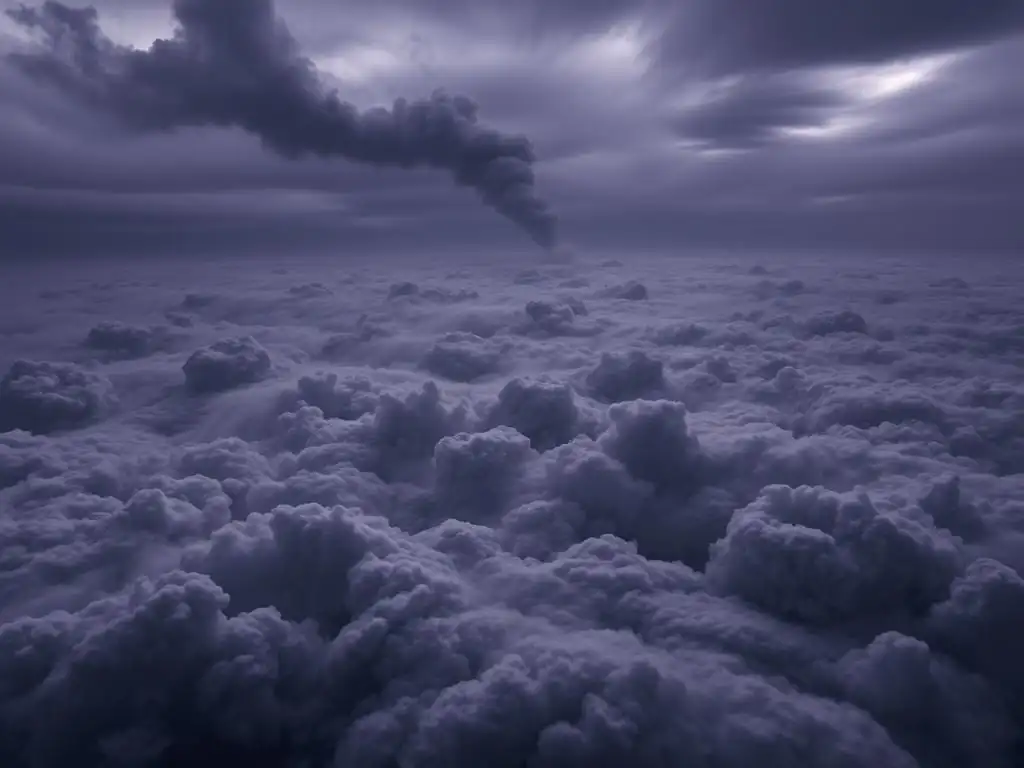
Differentiating Atmospheric Tsunamis from Oceanic Tsunamis
While the term "atmospheric tsunami" is evocative and helps to convey the scale and impact of the atmospheric waves from Hunga Tonga, it's crucial to differentiate them from their oceanic counterparts – tsunamis in water. Oceanic tsunamis are long-wavelength ocean waves generated primarily by underwater earthquakes or landslides, propagating through water. They are characterized by their immense size, long periods (tens of minutes to hours), and devastating coastal inundation.
Atmospheric tsunamis, on the other hand, are pressure waves propagating through the atmosphere, not water. They are generated by atmospheric disturbances, such as volcanic eruptions or large explosions, and are characterized by pressure fluctuations and air movement, not water displacement.
The key difference lies in the medium of propagation and the nature of the wave. Oceanic tsunamis are gravity waves in water, while atmospheric tsunamis are pressure waves in air. Although both are wave phenomena and can carry significant energy, they operate in entirely different environments and have distinct characteristics. The analogy is useful for highlighting the scale and global reach of the atmospheric waves from Hunga Tonga, but it's important to remember that they are fundamentally different phenomena from oceanic tsunamis.
Speed and Scale of Atmospheric Tsunamis
Atmospheric tsunamis, unlike oceanic tsunamis which travel relatively slowly across the ocean (hundreds of kilometers per hour), propagate at speeds closer to the speed of sound in air, which is approximately 1200 kilometers per hour (760 miles per hour) at sea level. This means atmospheric tsunamis can traverse the globe much faster than oceanic tsunamis. The atmospheric waves from Hunga Tonga, for example, circled the Earth multiple times within a few days, a testament to their rapid propagation speed.
In terms of scale, atmospheric tsunamis are characterized by pressure fluctuations, typically measured in Pascals (Pa) or hectopascals (hPa). The Hunga Tonga eruption generated pressure waves with amplitudes ranging from a few hectopascals to several hectopascals in some locations, representing significant atmospheric pressure changes. Horizontally, these waves can span thousands of kilometers, encompassing entire continents. Vertically, they can extend from the surface up into the upper atmosphere and even the ionosphere. While not visually dramatic like oceanic tsunamis, atmospheric tsunamis represent a large-scale and energetic disturbance of the Earth's atmosphere.
Hunga Tonga's Eruption and Atmospheric Tsunami Generation
The Hunga Tonga eruption stands as a prime example of how a volcanic event can generate atmospheric tsunamis. The explosive power of the eruption, combined with the rapid injection of energy into the atmosphere, acted as a massive atmospheric piston. The sudden expansion of volcanic gases and steam created a powerful pressure pulse that propagated outwards as a wave. This initial pressure pulse was so intense that it launched a global atmospheric wave, akin to dropping a colossal stone into the atmospheric pond.
The unique characteristics of the Hunga Tonga eruption, particularly its submarine setting and the resulting steam explosion, amplified the efficiency of atmospheric wave generation. The rapid vaporization of seawater and the subsequent explosive expansion contributed to a particularly strong initial pressure disturbance. This resulted in the generation of atmospheric waves that were not only globally propagating but also remarkably coherent and long-lasting, circling the Earth multiple times and registering on pressure sensors worldwide as distinct atmospheric tsunamis. Hunga Tonga serves as a compelling case study for understanding the mechanisms and characteristics of volcanically generated atmospheric tsunamis.
The Science Behind the Atmospheric Waves
Lamb Waves and Global Propagation
The primary type of atmospheric wave responsible for the global propagation of the Hunga Tonga eruption's atmospheric tsunami was the Lamb wave. Lamb waves are a specific type of acoustic-gravity wave that propagates horizontally near the Earth's surface. They are characterized by their non-dispersive nature, meaning their speed is largely independent of their wavelength, allowing them to travel long distances without significant distortion or attenuation. This characteristic is crucial for global propagation, as it allows the wave energy to be transported efficiently across vast distances.
Lamb waves are essentially trapped in the lower atmosphere, guided by the Earth's surface and the density stratification of the atmosphere. They propagate at a speed close to the speed of sound, which explains the rapid global transit of the atmospheric waves from Hunga Tonga. The eruption acted as a powerful source generating Lamb waves that radiated outwards in all directions. These waves then propagated around the globe, reflecting and refracting as they encountered different atmospheric conditions and geographical features, but maintaining their coherent structure and propagating power due to their Lamb wave nature.
Global Observation of the Atmospheric Waves
The atmospheric waves from the Hunga Tonga eruption were remarkably well-observed globally, thanks to the extensive network of meteorological stations and atmospheric monitoring instruments around the world. Barometers at weather stations, designed to measure atmospheric pressure for weather forecasting, registered distinct pressure pulses as the atmospheric waves passed by. These pressure signals were recorded in locations across the globe, from Japan and the United States to Europe and even Antarctica. The timing of these pressure detections confirmed the global propagation of the waves and their speed consistent with Lamb waves.
Beyond ground-based pressure sensors, satellites also played a crucial role in observing the atmospheric waves. Geostationary satellites captured images of the propagating pressure waves as ripples in cloud patterns, visually demonstrating the large-scale atmospheric disturbance. Furthermore, instruments on satellites measuring atmospheric temperature and density also detected the passage of the waves in the upper atmosphere and ionosphere. The wealth of data from both ground-based and space-based observations provided a comprehensive picture of the global propagation and characteristics of the atmospheric waves generated by the Hunga Tonga eruption, solidifying its status as a landmark event in atmospheric wave research.
Modeling the Atmospheric Response to the Eruption
To further understand the complex dynamics of the atmospheric waves from Hunga Tonga, scientists employed sophisticated atmospheric models. These models, ranging from global circulation models to specialized wave propagation models, simulate the atmospheric response to volcanic eruptions and other disturbances. By inputting the estimated energy release and characteristics of the Hunga Tonga eruption into these models, researchers could simulate the generation, propagation, and global distribution of the atmospheric waves.
These modeling efforts have been instrumental in confirming that Lamb waves were indeed the dominant mode of propagation. Models have successfully reproduced the observed global pressure signals and wave arrival times, validating our understanding of the wave physics involved.
Furthermore, models allowed scientists to investigate the wave energy distribution, the interaction of the waves with different atmospheric layers, and the potential impacts on various atmospheric processes. Atmospheric modeling, coupled with observational data, has provided a powerful tool for dissecting the complex atmospheric response to the Hunga Tonga eruption and advancing our understanding of atmospheric waves from volcano eruptions in general.
Impacts of the Atmospheric Waves
Measuring Atmospheric Pressure Changes
The most direct and readily measurable impact of the atmospheric waves from Hunga Tonga was the perturbation of atmospheric pressure. As these waves propagated across the globe, they induced measurable fluctuations in atmospheric pressure. Weather stations equipped with barometers around the world detected these pressure changes, registering them as distinct pressure pulses. The magnitude of these pressure changes varied depending on location and distance from the volcano, but significant pressure variations were recorded even thousands of kilometers away.
For instance, pressure sensors in Europe and North America recorded pressure jumps of 1 to 2 hectopascals (hPa) as the primary Lamb wave passed. In closer proximity to the volcano, these pressure variations were even larger. These pressure measurements provided direct evidence of the passage of the atmospheric waves and allowed scientists to track their propagation speed and estimate their amplitude. Analyzing these pressure records globally offered a detailed map of the atmospheric disturbance and its spatial and temporal evolution.
Effects on the Ionosphere and Space Weather
The atmospheric waves generated by Hunga Tonga did not remain confined to the lower atmosphere; they propagated upwards, reaching the ionosphere, the electrically charged layer of the upper atmosphere extending from about 60 kilometers to over 1000 kilometers altitude. As these waves entered the ionosphere, they interacted with the charged particles present there, causing disturbances in electron density and plasma dynamics. These ionospheric disturbances are linked to the broader concept of "space weather," which refers to the conditions in space that can affect technological systems on Earth and in space.
Studies using satellite data and ground-based ionospheric sounding techniques revealed significant ionospheric perturbations following the Hunga Tonga eruption. These included changes in electron density, vertical plasma drifts, and the generation of traveling ionospheric disturbances (TIDs). While the direct impacts of these ionospheric disturbances on ground-based technologies were not widely reported for this event, they highlight the potential for volcanic eruptions to influence space weather and potentially affect radio communications, satellite operations, and other space-based technologies. Further research is needed to fully understand the coupling between volcanic atmospheric waves and the ionosphere and the potential space weather implications.
Potential Impacts on Aviation
While the atmospheric waves from Hunga Tonga did not lead to widespread reports of aviation disruptions, they raise important considerations regarding potential impacts on aviation. Atmospheric waves, particularly those of large amplitude, can induce turbulence, wind shear, and pressure fluctuations that could affect aircraft performance and passenger comfort. Aircraft altimeters, which rely on atmospheric pressure readings to determine altitude, could also be influenced by significant pressure waves, potentially leading to inaccurate altitude indications.
In the case of Hunga Tonga, the primary atmospheric wave was relatively long-period, and while pressure fluctuations were measurable, they may not have been severe enough to cause significant turbulence for aircraft at cruising altitudes. However, for future volcanic eruptions generating strong atmospheric waves, particularly those with shorter periods or larger amplitudes, the potential for aviation impacts cannot be ignored. Further research is needed to better quantify the risks and develop strategies to mitigate potential aviation hazards associated with volcanic atmospheric waves, including improved detection and forecasting capabilities.
Detecting and Studying Atmospheric Waves
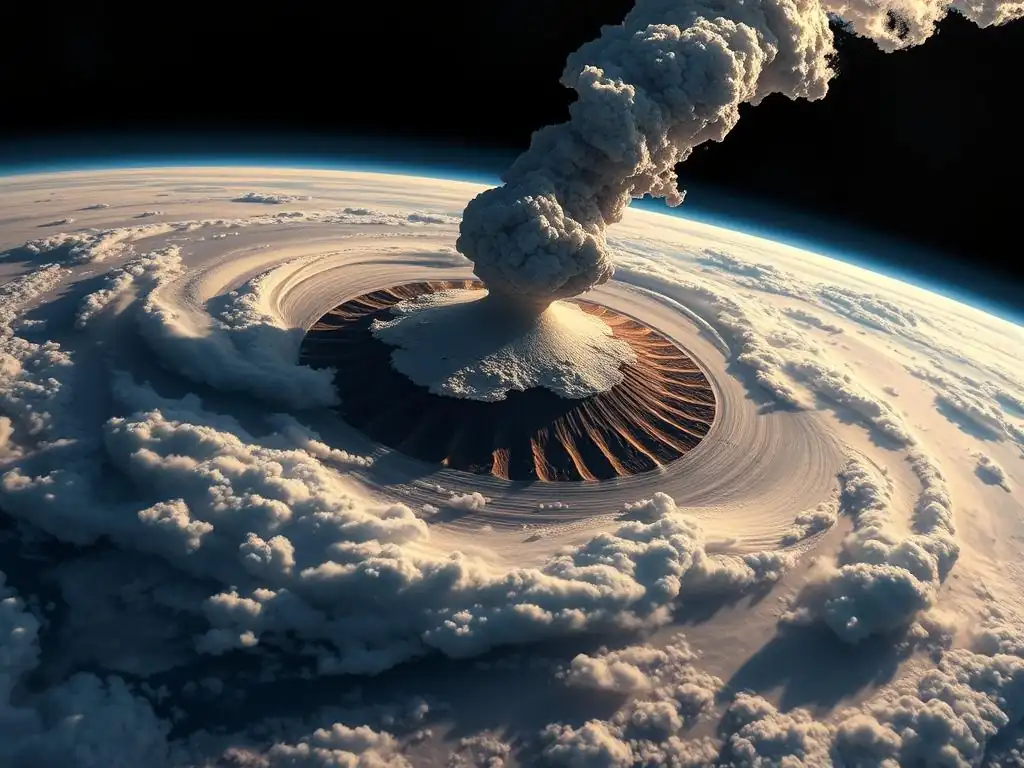
Satellite Data for Tracking Atmospheric Waves
Satellites provide a powerful vantage point for observing and tracking atmospheric waves, offering a global and synoptic view that is difficult to achieve with ground-based instruments alone. Various satellite instruments can detect atmospheric waves through different mechanisms. Infrared (IR) and water vapor imagery from geostationary meteorological satellites can reveal atmospheric waves as ripples or undulations in cloud patterns. These cloud patterns are often associated with temperature and humidity variations induced by the waves.
Furthermore, satellite instruments measuring atmospheric temperature profiles, such as those on polar-orbiting satellites, can directly detect temperature perturbations associated with atmospheric waves at different altitudes. Microwave sounders can also be used to detect temperature and humidity variations, particularly in cloud-penetrating conditions. Space-based GPS receivers can measure ionospheric disturbances caused by upward-propagating atmospheric waves. The combination of these satellite data sources provides a wealth of information for tracking the horizontal and vertical extent, propagation speed, and characteristics of atmospheric waves, complementing ground-based observations.
Ground-Based Monitoring Networks
Ground-based monitoring networks are essential for detecting and studying atmospheric waves, providing continuous and high-resolution measurements at specific locations. The most fundamental ground-based instrument for detecting atmospheric waves is the barometer, which measures atmospheric pressure. Dense networks of weather stations equipped with barometers, such as those operated by national meteorological agencies, provide valuable data for detecting pressure fluctuations associated with atmospheric waves.
Seismic networks, primarily designed to detect earthquakes, can also be sensitive to atmospheric pressure waves, particularly at infrasonic frequencies (below the range of human hearing). Seismographs can detect ground motion induced by atmospheric pressure variations, especially for large-amplitude waves. Furthermore, specialized infrasound arrays, consisting of multiple pressure sensors arranged in a specific configuration, are designed to detect and characterize infrasonic waves, including those generated by volcanic eruptions and other atmospheric disturbances. The combination of these ground-based monitoring networks provides crucial data for detecting, characterizing, and studying atmospheric waves across a range of scales and frequencies.
Future Research in Volcanic Atmospheric Wave Studies
The Hunga Tonga eruption has significantly boosted research interest in volcanic atmospheric waves, highlighting their importance and complexity. Future research in this field will likely focus on several key areas. Improving atmospheric models to better simulate the generation, propagation, and dissipation of volcanic atmospheric waves is crucial. This includes incorporating more realistic eruption source parameters and refining the representation of atmospheric physics in models.
Further research is needed to better understand the interaction of volcanic atmospheric waves with different atmospheric layers, particularly the ionosphere and mesosphere, and their potential impacts on space weather and aviation. Developing improved detection and early warning systems for volcanic atmospheric waves is also a priority. This could involve enhancing ground-based and space-based monitoring networks and developing algorithms to automatically detect and characterize volcanic atmospheric waves in real-time. Continued research in these areas will enhance our understanding of volcanic hazards and improve our ability to mitigate the potential impacts of atmospheric waves from volcano eruptions.
Hunga Tonga's Significance for Atmospheric Phenomena
Lessons Learned
The Hunga Tonga eruption has provided invaluable lessons about the generation, propagation, and global impact of atmospheric waves from volcano eruptions. Firstly, it demonstrated the remarkable efficiency with which submarine volcanic eruptions can transfer energy to the atmosphere, generating globally propagating waves. The scale and global reach of the atmospheric waves were unprecedented in modern instrumental records, highlighting the potential for volcanic eruptions to cause truly global atmospheric disturbances.
Secondly, the event underscored the importance of Lamb waves as a primary mechanism for long-range atmospheric wave propagation. The global observations and modeling studies confirmed the dominant role of Lamb waves in transporting the eruption's energy around the Earth. Thirdly, Hunga Tonga highlighted the interconnectedness of Earth's systems, demonstrating how a volcanic eruption can have cascading effects through the solid Earth, oceans, atmosphere, and even the ionosphere and space weather. These lessons learned from Hunga Tonga are crucial for advancing our understanding of atmospheric dynamics and volcanic hazards.
Improving Understanding of Volcanic Hazards
Studying atmospheric waves from volcano eruptions, particularly events like Hunga Tonga, significantly improves our understanding of volcanic hazards. Traditionally, volcanic hazard assessments have focused primarily on ground-based hazards such as lava flows, ashfall, pyroclastic flows, and lahars, as well as oceanic tsunamis. However, Hunga Tonga has demonstrated that atmospheric impacts can also be a significant component of volcanic hazards, potentially affecting vast areas far beyond the immediate vicinity of the volcano.
Understanding the generation and propagation of volcanic atmospheric waves allows us to expand the scope of volcanic hazard assessments to include atmospheric disturbances and their potential impacts. This includes considering potential effects on aviation, space weather, and even ground-level infrastructure due to pressure fluctuations. By incorporating atmospheric wave hazards into volcanic risk assessments, we can develop more comprehensive and robust strategies for mitigating the full spectrum of volcanic risks and enhancing community resilience to volcanic eruptions.
Future Research: Atmospheric Wave Propagation Prediction
A critical area for future research is improving our ability to predict the propagation and impacts of atmospheric waves from volcano eruptions. Accurate prediction of atmospheric wave propagation would be invaluable for early warning systems and hazard mitigation efforts. This requires advances in atmospheric modeling, particularly in simulating the complex processes of wave generation, propagation through a realistic atmosphere, and wave interaction with different atmospheric layers.
Developing real-time forecasting capabilities for volcanic atmospheric waves is a challenging but achievable goal. This would involve integrating real-time monitoring data from ground-based and space-based networks into atmospheric models to provide timely and accurate predictions of wave arrival times, amplitudes, and potential impacts. Such predictive capabilities would significantly enhance our ability to prepare for and respond to volcanic eruptions, minimizing the risks associated with both ground-based and atmospheric hazards.
Conclusion: The Legacy of Hunga Tonga's Atmospheric Waves
Importance of Studying Volcanic Atmospheric Impacts
The Hunga Tonga-Hunga Ha'apai eruption has left a lasting legacy in the field of atmospheric science, underscoring the profound importance of studying volcanic atmospheric impacts. This event served as a stark reminder that volcanic eruptions are not just localized geological phenomena but can trigger global-scale atmospheric disturbances with far-reaching consequences. Understanding these atmospheric impacts is crucial for a holistic understanding of volcanic hazards and for developing more effective strategies for risk mitigation and early warning.
Studying volcanic atmospheric waves also provides valuable insights into fundamental atmospheric dynamics, wave propagation, and the coupling between different atmospheric layers. The Hunga Tonga eruption has become a natural laboratory for atmospheric scientists, providing a wealth of data and a compelling case study for advancing our knowledge of atmospheric wave phenomena and their role in Earth's complex and interconnected systems.
The Future of Volcano Monitoring and Early Warning Systems
The lessons learned from Hunga Tonga are shaping the future of volcano monitoring and early warning systems. The event has highlighted the need to expand volcano monitoring beyond traditional ground-based techniques to include atmospheric monitoring capabilities. This could involve integrating atmospheric pressure sensors, infrasound arrays, and satellite-based atmospheric instruments into volcano monitoring networks.
Furthermore, early warning systems for volcanic eruptions need to incorporate the potential for atmospheric impacts, alongside ground-based and oceanic hazards. This requires developing real-time atmospheric wave detection and prediction capabilities and effectively communicating warnings about potential atmospheric disturbances to relevant stakeholders, including aviation authorities and communities potentially affected by pressure fluctuations or ionospheric disturbances. The legacy of Hunga Tonga is a call to action to enhance our volcano monitoring and early warning systems to better account for the full spectrum of volcanic hazards, including the often-overlooked but globally significant atmospheric impacts.
Frequently Asked Questions
What are atmospheric waves caused by volcanic eruptions?
Atmospheric waves, sometimes called atmospheric tsunamis, are disturbances in the atmosphere generated by powerful events like volcanic eruptions. These waves propagate outwards from the source, similar to ripples in a pond, and can travel vast distances.
How did the Hunga Tonga-Hunga Ha'apai eruption generate these waves?
The Hunga Tonga eruption released an immense amount of energy into the atmosphere. This energy created a massive pressure pulse, which then propagated outwards as a series of atmospheric gravity waves and other wave types.
What are the different types of atmospheric waves produced by volcanic eruptions?
Volcanic eruptions can generate various types of atmospheric waves, including gravity waves, Lamb waves, and acoustic waves. Each type has different properties and travels at different speeds, leading to complex patterns.
How do scientists study atmospheric waves from volcanic eruptions?
Scientists use a variety of instruments, including satellite observations, ground-based pressure sensors, and numerical models, to track and analyze these waves. These tools help understand the wave's properties and the eruption's characteristics.
Are atmospheric waves from volcanic eruptions dangerous?
While generally not directly dangerous to people on the ground, powerful atmospheric waves can affect weather patterns, disrupt radio communications, and potentially damage satellites. Careful monitoring is crucial for understanding their impact.
Final Reflection: Riding the Invisible Wave
The exploration of atmospheric tsunamis, particularly those generated by the Hunga Tonga-Hunga Ha'apai eruption, reveals a phenomenon that is both awe-inspiring and deeply relevant. Understanding these atmospheric waves is no longer a niche scientific pursuit, but a crucial step towards improving global monitoring systems and mitigating potential future impacts. The eruption served as a stark reminder that the atmosphere, like the ocean, can unleash powerful, far-reaching waves with consequences we are only beginning to fully grasp.
The sheer scale and speed of these atmospheric waves, rippling across the globe in a matter of hours, underscores the interconnectedness of our planet. This understanding challenges us to think beyond localized events and consider the global implications of even seemingly isolated natural disasters. The eruption's impact, felt thousands of miles away, serves as a powerful reminder of nature's capacity to surprise and its ability to transcend geographical boundaries. The atmosphere has no walls, and the ocean has no floor.
This quote, though simple, encapsulates the profound truth that we must approach environmental monitoring and disaster preparedness with a holistic, interconnected perspective.
As we continue to unravel the mysteries of atmospheric waves from volcano eruptions, let us not forget the lessons learned from Hunga Tonga. Consider how a deeper understanding of these phenomena can inform our strategies for disaster preparedness, improve our global monitoring networks, and ultimately, protect vulnerable communities. Embrace the challenge of understanding our planet's complex systems and strive to contribute to a future where we are better equipped to anticipate and respond to the invisible waves that shape our world.
Okay, I'm ready. Here's a Call to Action (CTA) designed for the end of a "Volcano Explorers" web article titled "Atmospheric Tsunamis? Understanding the Unique Waves from Hunga Tonga's Eruption. ":
Unveil the Secrets of Atmospheric Tsunamis!
Thanks for diving into the fascinating world of atmospheric tsunamis and the Hunga Tonga eruption! We hope you now have a clearer understanding of these unique waves and their global impact. Now it's time to take your exploration further:
- Share this article with your network! Help others understand the incredible power and reach of volcanic eruptions.
- Dive deeper into our database! Explore our extensive collection of articles and resources on other volcanic phenomena.
- Contribute to citizen science! Did you experience any unusual weather patterns around the time of the Hunga Tonga eruption? Share your observations in the comments below! Every piece of information helps us better understand these events.
What unanswered question about atmospheric tsunamis are you most curious to explore next?