Icelandic Eruptions: Laki Fissure and Climate Impact
Welcome to Volcano Explorers’ deep dive into one of history’s most consequential volcanic events: the Laki fissure eruption of 1783-1784. This Icelandic catastrophe wasn’t merely a local spectacle; it triggered a cascade of environmental, climatic, and societal upheaval across the Northern Hemisphere. Here, we unravel the science behind this massive lava flood, its toxic gas emissions, and the chilling “dry fog” that disrupted global weather. Expect to explore volcanic hazards, historical records, and modern implications for climate modeling.
🌋 The Fissure Eruption Mechanics: How Laki Shaped Iceland’s Landscape
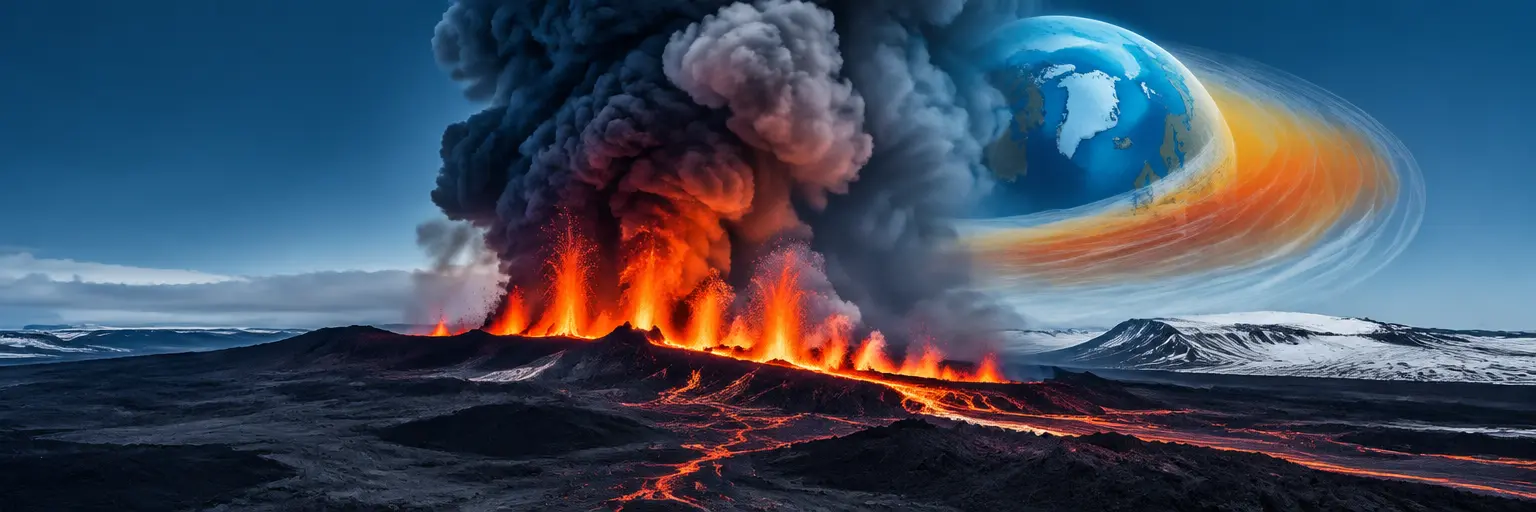
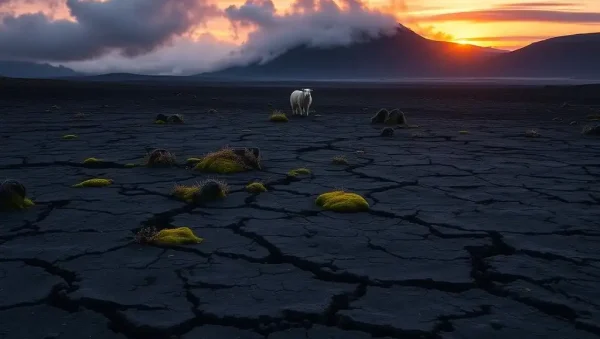
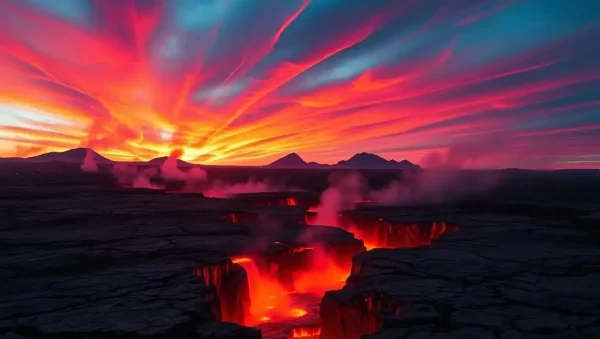
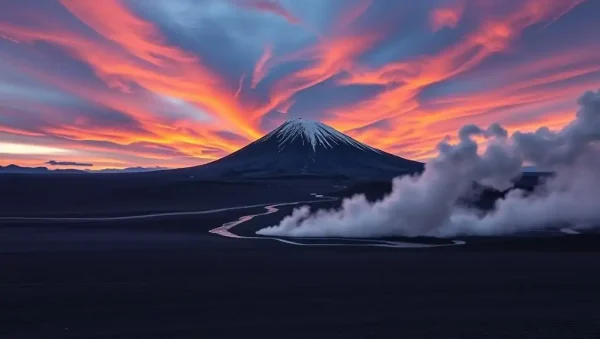
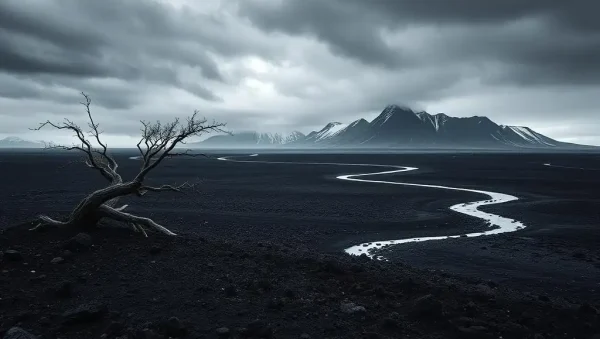
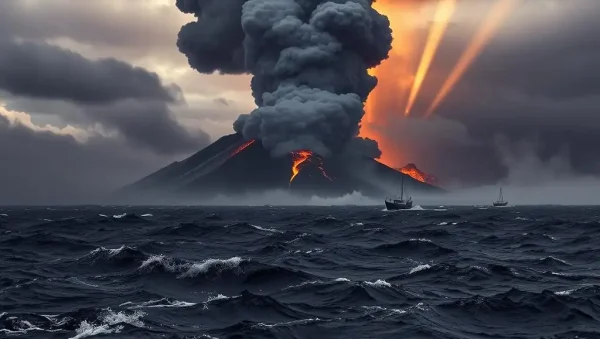
The Laki eruption originated from a 25-kilometer-long fissure system, part of the Grímsvötn volcanic complex. Over eight months, it ejected an estimated 14 cubic kilometers of lava—the largest basaltic flood since the Middle Ages. The eruption involved multiple craters, each spewing fountains of glowing magma, creating vast lava fields like the Eldhraun, now moss-covered but still scarred by thermal activity.
Understanding fissure dynamics is crucial for assessing future risks in Iceland. Unlike central-vent volcanoes, fissure eruptions spread molten rock over wide areas, often with little warning. Our detailed analysis covers magma conduit systems, effusion rates, and how lava tube formation accelerated flow—essential knowledge for volcanologists and emergency planners working within Iceland’s active rift zones.
☁️ Sulfur Dioxide Clouds and the “Laki Haze” Across Europe
Laki’s deadliest legacy wasn’t lava—it was sulfur dioxide (SO₂) gas. An estimated 120 million tons of SO₂ were released, forming an atmospheric aerosol veil that drifted across Europe, the Middle East, and Asia. This created the infamous “dry fog”—a bluish haze that blocked sunlight, irritated lungs, and caused acid rain that damaged crops and vegetation.
Contemporary diaries and church records from 1783 describe respiratory distress and crop failures, leading to famine in Iceland itself. Here, we compare these historical observations with modern satellite data to quantify how volcanic gases disperse. This section also explains the chemical reactions that transform SO₂ into sulfates, offering a template for predicting health hazards during future Icelandic fissure eruptions.
❄️ Climate Anomalies: The “Year Without a Summer” and Global Cooling
The Laki eruption injected aerosols into the stratosphere, reflecting incoming solar radiation and causing a temperature drop of 1-3°C in the Northern Hemisphere for up to two years. The winter of 1783-1784 was exceptionally harsh, with severe frosts recorded in North America and Europe. This phenomenon fueled the concept of “volcanic winter,” demonstrating how a single eruption can disrupt global weather patterns.
Our climate impact analysis employs proxy data—tree rings, ice cores from Greenland, and historical weather logs—to reconstruct the cooling timeline. We also draw parallels to the 1991 Mount Pinatubo eruption, which had a comparable SO₂ load but shorter duration. This comparison highlights how eruption latitude and seasonality influence climate response—knowledge vital for refining future climate models.
🕊️ Societal Consequences: Famine, Migration, and Historical Documents
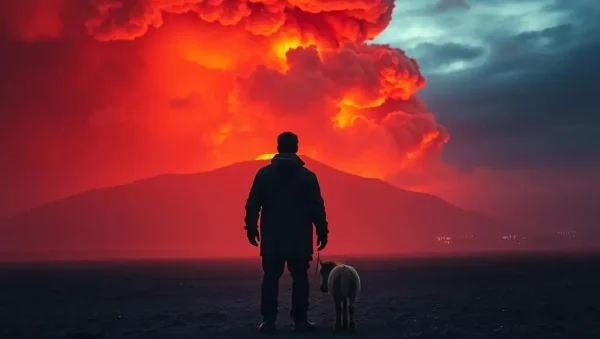
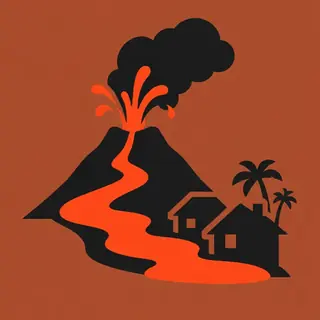
In Iceland, the Laki eruption was catastrophic—its lava covered farms, while toxic gases killed livestock through fluorosis. The resulting famine claimed roughly 25% of Iceland’s population (about 9,000 people), a demographic blow that reshaped the island’s society. In Europe, the haze and food shortages spurred unrest and migration, with some historians linking the chaos to political upheaval in France.
We examine primary sources—parish death records, farmers’ memoirs, and Danish colonial reports—to piece together the human toll. This section also explores how the eruption influenced early environmental philosophy, as writers began to question humanity’s vulnerability to nature’s power. For history buffs, we provide a timeline connecting Laki’s ash to cultural references in art and literature of the era.
🔬 Modern Monitoring and Lessons for Future Eruptions
Today, Iceland’s volcanic systems are monitored around the clock using seismic networks, GPS, and gas sensors. The Laki fissure remains active, and a repeat eruption is not just possible—it’s inevitable. Learn how volcanologists use historical data to forecast hazard zones, devise evacuation routes, and warn adjacent regions about gas plumes before they become lethal.
We also highlight recent advances in real-time aerosol modeling, which now allow authorities to predict SO₂ dispersion days ahead. Case studies from the 2010 Eyjafjallajökull and 2021 Fagradalsfjall eruptions illustrate how swift communication protocols have evolved. This section is essential for emergency managers, aviation planners, and anyone curious about Iceland’s living geological heartbeat.
Frequently Asked Questions
What caused the Laki fissure eruption in 1783?
The eruption resulted from magma rising along a rift zone connected to the Grímsvötn volcano, triggered by tectonic stress in Iceland’s mid-Atlantic boundary. This created a 25-km fissure, allowing fluid basaltic magma to erupt continuously for months.
How did the Laki eruption affect global temperatures?
Sulfur dioxide aerosols reflected sunlight, cooling the Northern Hemisphere by roughly 1-3°C for up to two years. Winters became harsher, and summer temperatures dropped, leading to widespread crop failures in Europe and North America.
Was the Laki eruption more dangerous than other famous eruptions?
In terms of human death toll, yes—Laki’s gas and famine killed over 9,000 Icelanders and indirectly impacted hundreds of thousands abroad. It was less explosive than Krakatoa but released far more gas, making it a unique hazard.
Is the Laki fissure likely to erupt again?
Yes, the fissure system remains geologically active, with recent activity at nearby Grímsvötn. While not imminent, a future eruption is statistically likely. Monitoring efforts continuously track magma movement and gas emissions.
What lessons from Laki are used in modern climate science?
Laki serves as a natural analog for how volcanic aerosols influence climate forcing. Researchers use its data to calibrate models on sulfur-based cooling, aiding predictions for both volcanic impacts and geoengineering proposals involving stratospheric aerosols.