
The Hunga Tonga Legacy: Remembering the Eruption, Understanding the Science.

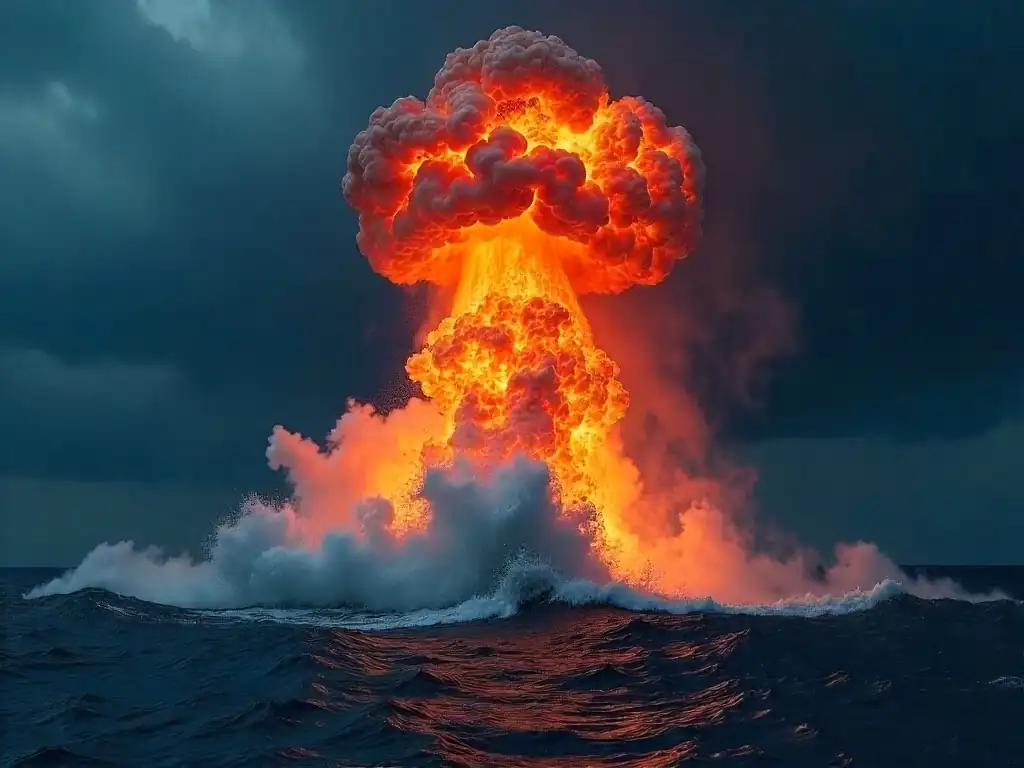
Welcome to Volcano Explorers!
Prepare to journey into the heart of Earth's fiery soul. Delve into the science behind these geological titans and uncover the secrets they hold. But first, let's revisit one of the most significant recent events. The Hunga Tonga eruption was more than just a spectacle; it was a pivotal moment for volcanology. What secrets did this cataclysmic event reveal about the power of our planet, and how are scientists using it to better understand future volcanic threats? Discover the answers and more in our featured article.
- Remembering the Cataclysm: The Day Hunga Tonga Erupted
-
Frequently Asked Questions
- What made the Hunga Tonga eruption so unique and powerful?
- How did scientists use data to understand the Hunga Tonga eruption's intensity?
- What were some of the immediate environmental impacts of the Hunga Tonga eruption?
- How did the Hunga Tonga eruption impact the Earth's atmosphere?
- What lessons have volcanologists learned from studying the Hunga Tonga eruption?
- Final Reflection: Echoes of Hunga Tonga
- Unearth More Volcanic Wonders!
Remembering the Cataclysm: The Day Hunga Tonga Erupted
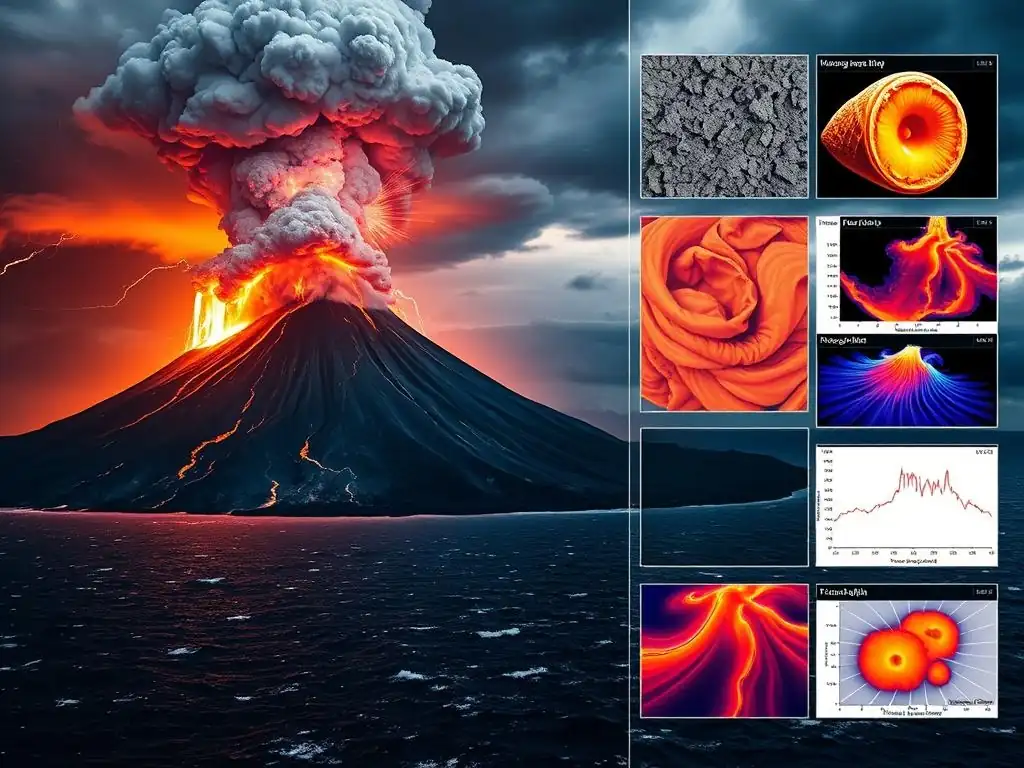
The Timeline of the Hunga Tonga Eruption: Key Events of January 15, 2022
The 15th of January, 2022, began as an ordinary Saturday for the inhabitants of Tonga and the wider Pacific region. However, by mid-morning local time, the submarine volcano Hunga Tonga-Hunga Ha'apai, located about 65 kilometers north of Nukuʻalofa, Tonga's capital, initiated a series of escalating eruptions that would culminate in one of the most powerful volcanic events of the 21st century. Seismic activity had been observed in the area for weeks, with smaller eruptions preceding the major event, but the scale of what was to unfold was largely unforeseen.
Around 5:00 PM local time (04:00 UTC), the volcano unleashed a colossal eruption. This was not a gradual escalation but a sudden, explosive event characterized by a massive plume of ash, gas, and steam that rapidly ascended into the stratosphere.
The eruption’s peak intensity occurred within a short timeframe, estimated to be around 10 minutes. During this period, the eruption column reached a staggering height of approximately 57 kilometers (35 miles), penetrating well into the mesosphere. The energy released was equivalent to tens of megatons of TNT, making it hundreds of times more powerful than the atomic bomb dropped on Hiroshima.
The rapid expansion of superheated gas and ash generated a devastating pressure wave that propagated outwards at supersonic speeds. This atmospheric shockwave was so potent it was detected by barometers and weather stations across the globe, circling the Earth multiple times in both directions. The immediate aftermath in Tonga included complete darkness due to the ash cloud, followed by a devastating tsunami that inundated coastal areas within minutes of the eruption.
Eyewitness Accounts: Stories from Tonga and Beyond
The Hunga Tonga eruption was not just a scientific event; it was a deeply human experience, profoundly impacting lives in Tonga and reverberating across the globe. In Tonga, eyewitness accounts paint a picture of sudden chaos and fear. Residents near the coast reported hearing a series of deafening booms, initially mistaken for thunder, before realizing the true nature of the event.
The sky turned dark as ash rained down, blanketing everything in a thick, grey layer. Communication lines were severed almost immediately, isolating Tonga from the world and making initial damage assessments extremely challenging. Many Tongans described the tsunami as arriving in multiple waves, each surging further inland than the last, destroying homes and infrastructure with terrifying force.
Beyond Tonga, the eruption was experienced in diverse ways. In Fiji, several hundred kilometers away, people reported hearing loud booms and experiencing atmospheric pressure waves that rattled windows. Coastal communities in New Zealand, Australia, Japan, and even the Americas, thousands of kilometers from Tonga, experienced unusual tsunami activity. While the wave heights were generally smaller at these distances, they were still significant enough to cause coastal flooding and disruption.
Fishermen in Peru, for example, were caught off guard by strong currents and unusual wave patterns. The sheer reach of the eruption’s effects underscored the interconnectedness of the planet and the power of natural events to transcend geographical boundaries. These diverse experiences highlighted the need for improved global awareness and preparedness for such far-reaching natural hazards, a key aspect of Hunga Tonga eruption science.
Global Impacts: How the Hunga Tonga Eruption Was Felt Worldwide
The Hunga Tonga eruption’s impact extended far beyond the immediate vicinity of the volcano and the Tongan archipelago. One of the most remarkable global effects was the detection of the atmospheric pressure wave. This wave, generated by the eruption's immense energy release, was recorded by pressure sensors worldwide.
Weather stations as far away as Europe and North America registered distinct pressure spikes, demonstrating the eruption’s atmospheric punch. Interestingly, the pressure wave was observed to circle the globe multiple times, a phenomenon rarely associated with volcanic eruptions and more commonly linked to extremely large atmospheric events like the Krakatoa eruption of 1883.
Another significant global impact was the tsunami. While seismic tsunamis are typically generated by earthquakes, the Hunga Tonga tsunami was volcanogenic, triggered by the explosive eruption itself and subsequent caldera collapse. This tsunami travelled across the Pacific Ocean and was detected on coastlines around the basin.
While the Pacific Tsunami Warning Center issued alerts, the rapid arrival of the tsunami, particularly in areas closer to the source, highlighted the challenges of warning systems for volcanically generated tsunamis, which can arrive much faster than earthquake-induced ones. Furthermore, the eruption injected a significant amount of water vapor into the stratosphere.
Initial estimates suggest that it may have increased stratospheric water vapor levels by as much as 10%, potentially having a temporary, albeit minor, effect on global average temperatures and ozone chemistry. This injection of water vapor is a focus of ongoing Hunga Tonga eruption science research to fully understand its long-term atmospheric implications.
Frequently Asked Questions
What made the Hunga Tonga eruption so unique and powerful?
The Hunga Tonga eruption was unique due to the interaction of magma and seawater, leading to an exceptionally violent explosion. This phreatomagmatic eruption generated a massive atmospheric pressure wave. The submarine location also significantly contributed to its impact.
How did scientists use data to understand the Hunga Tonga eruption's intensity?
Scientists analyzed data from various sources, including satellite imagery, pressure sensors, and seismic activity. This data helped them estimate the eruption's Volcanic Explosivity Index (VEI) and the height of the ash plume. Analyzing these data points enabled scientists to understand the scale of the blast.
What were some of the immediate environmental impacts of the Hunga Tonga eruption?
The immediate impacts included a tsunami that affected coastlines across the Pacific, significant ashfall covering nearby islands, and the release of large amounts of water vapor into the atmosphere. These events caused widespread damage and disruption.
How did the Hunga Tonga eruption impact the Earth's atmosphere?
The eruption injected an unprecedented amount of water vapor into the stratosphere, which could have long-term effects on global temperatures and ozone depletion. The atmospheric pressure wave circled the globe multiple times and was detected worldwide. These effects are still being studied by scientists.
What lessons have volcanologists learned from studying the Hunga Tonga eruption?
The Hunga Tonga eruption highlighted the need for improved monitoring of submarine volcanoes and a better understanding of phreatomagmatic eruptions. It also demonstrated the potential for global-scale impacts from even relatively small volcanic events. This eruption underscored the importance of international collaboration in volcanology.
Final Reflection: Echoes of Hunga Tonga
The science surrounding the Hunga Tonga-Hunga Ha'apai eruption, as explored in this article, is not merely a historical record; it is a vital blueprint for understanding future volcanic hazards and their global impact. The eruption's unprecedented scale and the wealth of data it generated have fundamentally reshaped our understanding of underwater volcanism and its far-reaching consequences, demanding continued research and preparedness.
The eruption's impact extends far beyond scientific circles. The devastation and the subsequent global ripples, both physical and societal, serve as a stark reminder of nature's power and our interconnectedness. The event has fostered a renewed appreciation for the fragility of our planet and the urgent need for improved monitoring and early warning systems. We cannot stop natural disasters but we can arm ourselves with knowledge: so many lives wouldn't have to be lost if there was enough disaster preparedness.
- Petra Nemcova
Let us not allow the Hunga Tonga eruption to fade into distant memory. Instead, let it serve as a catalyst for deeper engagement with the science, a stronger commitment to disaster preparedness, and a renewed respect for the forces that shape our world.
Consider how you can contribute to a more resilient future, whether through supporting scientific research, advocating for improved infrastructure, or simply educating yourself and others about the risks we face. The lessons of Hunga Tonga are a call to action, urging us all to become more informed, more prepared, and more connected in the face of a changing world.
Unearth More Volcanic Wonders!
Thank you for exploring the fascinating science and story behind the Hunga Tonga eruption. We hope you gained a deeper understanding of our planet's power and complexity. Let's build on that knowledge!
Here are a few ways to continue your exploration:
- Delve deeper into the seismic data from the Hunga Tonga eruption. Compare readings from various monitoring stations to see the eruption's global impact.
- Share this article with friends and family interested in volcanoes and natural disasters—spreading awareness is crucial!
- Consider a research question about the Hunga Tonga eruption that intrigues you, and share it in the comments. What unanswered questions spark your curiosity?
What unique perspective on volcanic activity will you share with the world?