Krakatoa 1883: The Sound Heard Around the World
Welcome to our deep dive into one of history’s most cataclysmic volcanic events—the 1883 eruption of Krakatoa. This subcategory within Famous Eruptions explores the science, history, and global aftermath of an explosion so powerful it was heard over 3,000 miles away and altered weather patterns for years. Here, you’ll uncover why Krakatoa remains the benchmark for volcanic violence and how it shaped modern vulcanology.
🌋 The Explosive Mechanics Behind Krakatoa’s Blast
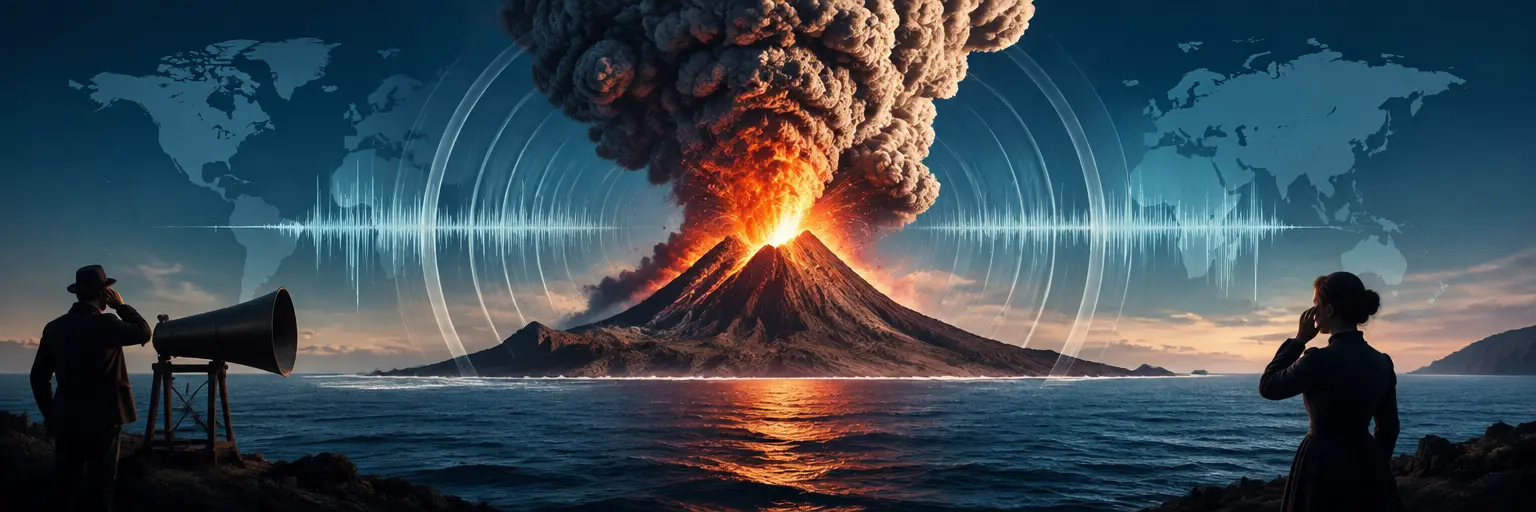
The eruption on August 27, 1883, was not a single event but a series of escalating explosions culminating in a cataclysm equivalent to 200 megatons of TNT. The island’s three overlapping volcanoes—Perboewatan, Danan, and Rakata—collapsed into a subterranean magma chamber, triggering a phreatomagmatic explosion when seawater met superheated rock. The resulting pressure wave circled the Earth seven times, and the sound, recorded on barographs worldwide, remains the loudest in recorded history.
For readers, expect a breakdown of the geological triggers, including the role of subduction zones along the Sunda Strait and the buildup of gas-rich rhyolitic magma. We’ll explain why Krakatoa’s eruption was so uniquely violent compared to other stratovolcano explosions, using diagrams and simplified analogies. Whether you’re a student or a seasoned enthusiast, you’ll understand the science without needing a degree in geology.
🌊 Tsunamis and Human Toll: The Forgotten Disaster
Beyond the blast itself, Krakatoa generated a series of tsunamis with waves reaching up to 46 meters (151 feet). These walls of water obliterated coastal villages on Java and Sumatra, claiming an estimated 36,000 lives—most victims were tsunami victims, not burn victims. The eruption also ejected volcanic ash that darkened skies for days, and floating pumice rafts choked shipping lanes for months. The human cost is often overshadowed by the blast, but it’s essential to grasp the true scale of this tragedy.
Here, we’ll guide you through survivor testimonies, colonial Dutch records, and archaeological findings from devastated towns like Anjer and Merak. You’ll also see how the disaster spurred the Dutch East Indies government to create the first modern volcano monitoring system. This section is a sobering reminder that volcanic risk extends far beyond lava flows.
🌍 Global Climate Effects and the “Year Without a Summer”
Krakatoa injected an estimated 20 million tons of sulfur dioxide into the stratosphere, creating a volcanic winter that cooled global temperatures by an average of 1.2°C (2.2°F) for the next three years. The fine ash and aerosols produced vivid red sunsets, famously painted by artists like Edvard Munch in “The Scream.” The eruption also caused a drop in sea surface temperatures and disrupted monsoon patterns, leading to crop failures in some regions.
Expect to learn how scientists use ice core samples and tree rings to reconstruct this atmospheric event. We’ll compare Krakatoa’s climatic impact to other eruptions like Tambora (1815) and Pinatubo (1991), giving you a clear perspective on how volcanic aerosols influence global weather systems. This is a must-read for climate enthusiasts curious about natural forcings.
📜 The Cultural Memory and Media of 1883
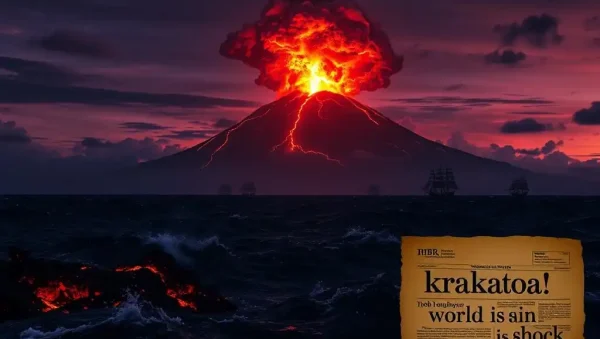
The eruption marked the first time a major disaster was communicated globally via transatlantic cable, making it a media phenomenon of its era. Newspapers worldwide published sensationalist reports, some claiming the entire island had vanished—which, in fact, it did, leaving only a caldera. The name “Krakatoa” itself entered popular culture, inspiring films, novels, and even a 1969 disaster movie. The event also became a case study in how rumors and misinformation spread before modern fact-checking.
Here, you’ll find a curated timeline of newspaper headlines, eyewitness lithographs, and contemporary letters. We’ll dissect how the Victorian world understood catastrophe and how this event shaped early seismology. This section bridges hard science with humanities, showing how a volcanic blast reverberated through history and art.
🌱 The Rebirth: Anak Krakatoa’s Rise and Modern Risk
Since 1927, a new island named Anak Krakatoa (“Child of Krakatoa”) has been growing from the caldera, erupting intermittently and reaching 300 meters in height. In December 2018, its collapse triggered a deadly tsunami that killed over 400 people—a stark reminder that the 1883 disaster is not a closed chapter. Monitoring teams now use seismic arrays and satellite interferometry to track Anak Krakatoa’s growth, but predicting sudden flank collapses remains a challenge.
Expect insights into current research on this restless volcano, including risk assessments for the densely populated Sunda Strait region. We’ll discuss evacuation plans, early warning systems, and the balance between scientific preparedness and economic development. This section is essential for anyone living in coastal areas of Indonesia or studying hazard mitigation.
Frequently Asked Questions
Was Krakatoa the loudest sound ever recorded?
Yes, the 1883 eruption produced the loudest sound in recorded history, heard over 3,000 miles away on Rodrigues Island in the Indian Ocean. Barographs recorded the pressure wave circling the globe multiple times. Modern comparisons to nuclear tests or asteroid impacts are approximate, but no human-caused event has matched it.
How many people died in the Krakatoa eruption?
The official death toll is 36,417, but some estimates exceed 40,000. The majority died from tsunamis, not direct volcanic effects. Additionally, hundreds died in the aftermath due to ash inhalation, starvation, and disease. These numbers remain conservative given incomplete colonial records.
Did Krakatoa cause global cooling?
Yes, the eruption lowered global temperatures by up to 1.2°C for about three years. Sulfur aerosols in the stratosphere reflected sunlight, reducing solar radiation reaching Earth’s surface. This led to unusual weather patterns, including vivid sunsets and colder winters in parts of North America and Europe.
Is Anak Krakatoa dangerous today?
Yes, Anak Krakatoa is one of Indonesia’s most active volcanoes, with frequent phreatic explosions. The 2018 collapse showed it can generate tsunamis without a major blast. Monitoring is constant, but the steep island and surrounding shipping lanes pose ongoing hazards. Local authorities maintain exclusion zones and sirens.
Where can I learn more about volcano safety near Krakatoa?
Start with Indonesia’s Center for Volcanology and Geological Hazard Mitigation (PVMBG), which publishes real-time alerts. Also, check international sources like the Smithsonian’s Global Volcanism Program and this site’s dedicated safety guides. Always follow local evacuation routes and heed official warnings when visiting the Sunda Strait region.