Eyjafjallajökull 2010: The Eruption That Grounded the World
Welcome to our deep dive into the Eyjafjallajökull 2010 eruption, a pivotal event in modern volcanology that transformed how we understand air travel and volcanic ash. This subcategory of Famous Eruptions explores the cascade of disruptions that began on 14 April 2010, when an Icelandic glacier-capped volcano erupted, ejecting a fine-grained ash plume that paralyzed European skies for over a week. Here, you will uncover the science behind the ash, the economic fallout exceeding €1.7 billion, and the policy changes that followed. Perfect for students, travelers, and curious readers, this content unpacks the human and technological responses to a natural phenomenon that proved even modern infrastructure is fragile against nature's forces.
🌋 The Sequence of Events: From Seismic Swarms to Catastrophic Ash
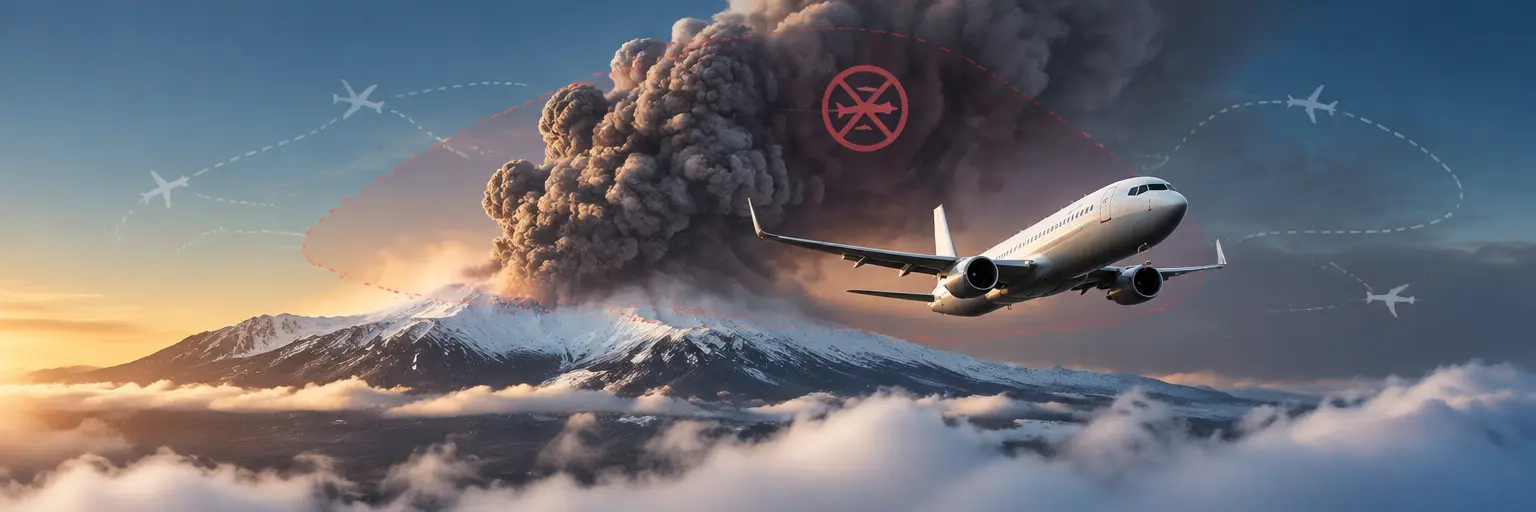
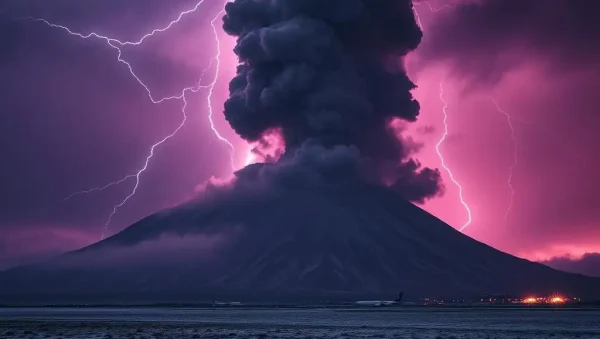
Our first section details the eruption's timeline, starting with a small fissure eruption on 20 March 2010 under the Fimmvörðuháls pass, which was more scenic than hazardous. However, the story changed dramatically on 14 April when the main vent beneath the Eyjafjallajökull ice cap erupted, melting ice and creating massive meltwater floods (jökulhlaup) that damaged roads and bridges. The interaction between magma and ice produced a highly explosive eruption, generating a plume of ash that reached 9 kilometers high, with fine particles (less than 10 micrometers) that posed severe risks to jet engines.
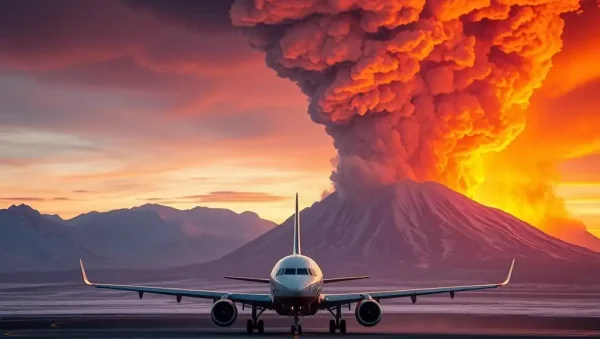
The ash cloud drifted southeast toward mainland Europe, leading to the largest airspace closure since World War II. Over 100,000 flights were canceled across 23 countries, stranding millions of passengers. Our narrative here uses official aviation data and eyewitness accounts to explain how wind patterns and ash particle properties dictated the chaos, emphasizing the role of atmospheric science in predicting ash dispersion. This section is essential for grasping the direct cause-and-effect chain that turned a remote Icelandic volcano into a global travel emergency.
✈️ The Aviation Chaos: Why Jet Engines Feared the Ash
Here, we focus on the technical reasons why volcanic ash became a nightmare for airlines. Ash particles are composed of sharp, abrasive glass and crystalline silica that can melt within jet engines, coating turbine blades and causing engine flameouts. We discuss the famous KLM Flight 867 incident from 1989 as a precursor, then examine how the 2010 event forced regulators to shift from “avoid all ash” to a risk-based model using safe ash concentration thresholds (2-4 mg/m³). You will learn about the London Volcanic Ash Advisory Centre (VAAC) and its critical role in mapping ash plumes in real-time.
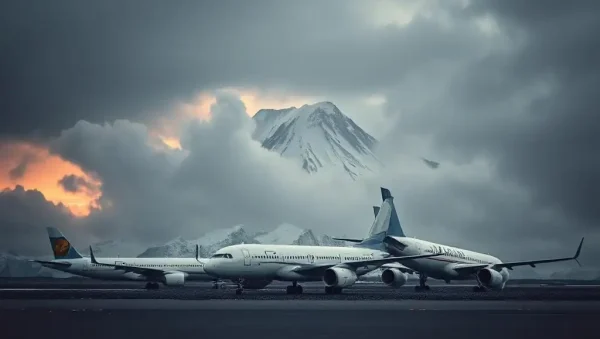
Real-world impacts included grounded aircraft in major hubs like Heathrow, Paris, and Frankfurt, with ripple effects on freight, medical supplies, and perishable goods. We also explore alternatives like rerouting flights around the plume, which increased fuel costs and flight times. This section provides a balanced view of aviation safety protocols, pilot training changes, and the eventual introduction of engine emissivity testing for ash encounters. It’s a must-read for aviation enthusiasts and professionals seeking practical lessons from this crisis.
💶 Economic and Social Fallout: A Globalized World Grounded
This H3 delves into the financial and human consequences of the six-day closure (15-21 April 2010). Airlines lost over US$1.7 billion in revenue, while ancillary industries like tourism, hospitality, and event management suffered cascading losses. We break down the costs for stranded passengers—hotel bills, missed weddings, and business conferences—using case studies from the UK, Spain, and the US. The European Union’s slow response and fragmented national air traffic controls are critiqued, leading to a push for unified crisis management.
Socially, the eruption created a phenomenon of “ash-flation” as food imports from Africa were delayed, affecting markets for Kenyan vegetables and Ethiopian flowers. We also highlight the psychological toll on travelers, with some enduring over a week of uncertainty. Through personal anecdotes and official reports, this section paints a vivid picture of how a natural event exposed the fragility of just-in-time economies. It’s invaluable for economists, sociologists, and policymakers who want to understand systemic vulnerabilities.
📡 Scientific Innovations and Monitoring Advances Post-2010
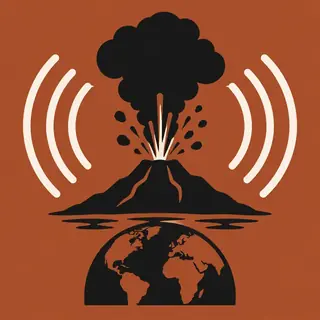
Following the eruption, scientists worldwide revamped volcano monitoring and ash detection. This H3 covers the development of lidar sensors, satellite-based ash tracking (using instruments like MODIS and IASI), and upgraded ground-based radar networks in Iceland. We explain how the eruption spurred the creation of the International Airways Volcano Watch, a global cooperative initiative that shares ash information across borders. You’ll also learn about the introduction of “ash-safe” engine certification tests, where manufacturers ingest synthetic ash mixtures to evaluate endurance.
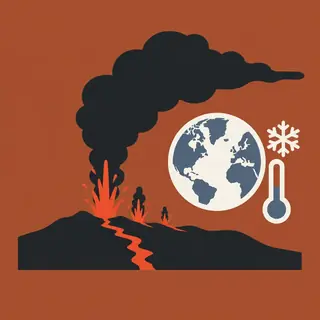
On the research side, we discuss improvements in modeling tephra dispersal using ensemble forecasts, which now predict ash concentrations with greater accuracy. The eruption also led to better public communication: Icelandic authorities now provide multilingual alerts, and the UK Met Office launched a dedicated Volcanic Ash Advisory website. For geology students and researchers, this section is a goldmine of technical details, including peer-reviewed studies that quantify sulfur dioxide emissions and their climate cooling effects. It underscores how a crisis can accelerate scientific progress.
🌍 Cultural and Environmental Legacy: Iceland’s Eruption in Memory
Beyond logistics, the Eyjafjallajökull eruption left a lasting cultural footprint. This H3 explores how the unpronounceable name became a global meme, and how media coverage shaped public perception of Icelandic geography. We touch on the surge in “volcano tourism” to Iceland, with visitor numbers rising by 20% in 2011 as travelers sought to see the aftermath. The eruption’s ash also fertilized surrounding soils, enriching farmland, though it caused temporary livestock losses from fluoride contamination.
Environmentally, the ash cloud created spectacular sunsets across Europe, as documented by artists and photographers. We include quotes from Icelandic sagas and modern poems that reference the eruption, linking it to a longer heritage of volcanic resilience. This section also addresses the debate on climate impacts—while short-term sulfate aerosols cooled parts of the Northern Hemisphere, the eruption’s overall effect was minor compared to human emissions. It’s a reflective piece for those interested in the intersection of nature, media, and human memory.
Frequently Asked Questions
How long did the Eyjafjallajökull 2010 travel disruption actually last?
The main airspace closures spanned from 15 to 21 April 2010, about six days, but some rerouting and residual restrictions continued until 23 April. In total, over 100,000 flights were canceled, with full recovery taking nearly a week longer for transatlantic routes. The eruption itself continued until October 2010, but ash emissions were intermittent and less disruptive after late April.
Was the ash from Eyjafjallajökull particularly dangerous compared to other eruptions?
Yes, the ash was unusually fine-grained (
What immediate changes did airlines make after 2010 regarding volcanic ash?
Airlines shifted from a zero-tolerance “no-fly” policy to a risk-based approach using ash concentration charts. They also installed enhanced filters in aircraft cabins and engines, and pilots now receive training on ash encounter procedures, including power reductions and faster descents. Engine makers introduced ash ingestion tests for new designs, and better satellite monitoring integration was adopted.
Did the 2010 eruption affect global temperatures or climate?
Yes, but minimally. The eruption injected about 0.3 teragrams of sulfur dioxide into the stratosphere, which formed sulfate aerosols that reflected sunlight, causing a slight cooling of about 0.003°C over the Northern Hemisphere for a few weeks. This is negligible compared to volcanic events like Pinatubo (1991), but it helped scientists refine climate models for small-to-mid eruptions.
Can an Eyjafjallajökull-style disruption happen again with another volcano?
Absolutely. Volcanoes like Grímsvötn (Iceland) and Katla have similar ice-capped, explosive potentials. However, lessons from 2010 have improved preparedness: better monitoring networks, international communication protocols, and risk-based airspace management mean disruptions would be shorter and more localized. Yet, a larger eruption could still ground flights for weeks, so ongoing vigilance is essential.