
A World Ablaze with Culture: Global Perspectives on Volcano Celebrations

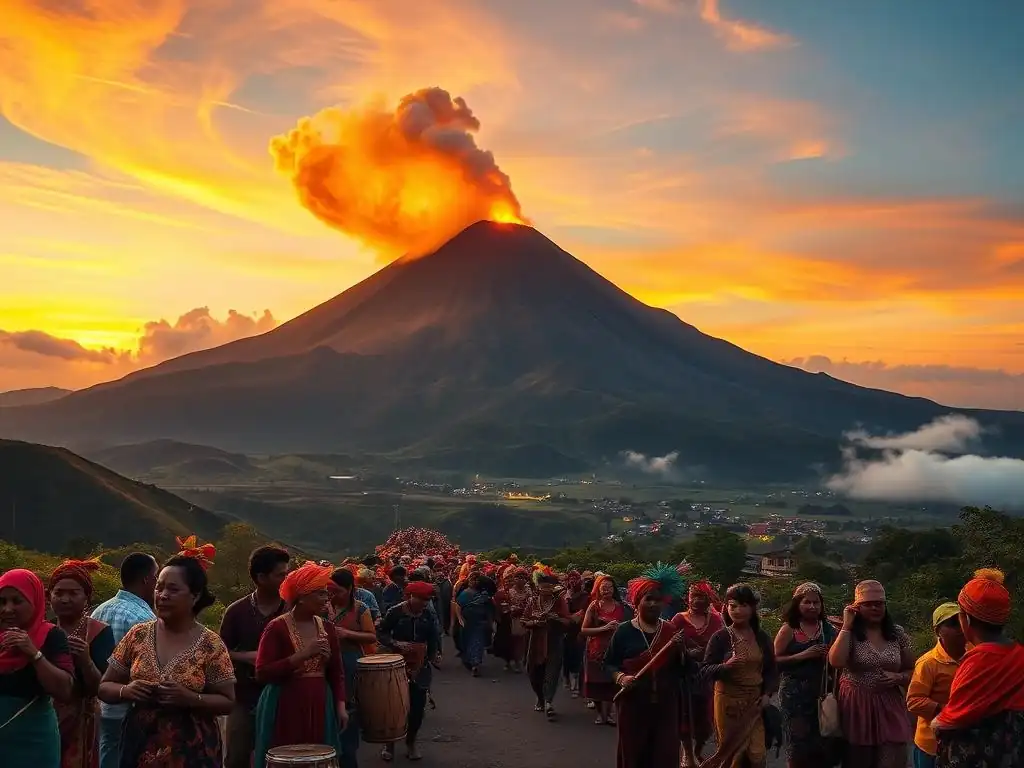
Welcome to Volcano Explorers!
Prepare to be captivated. Beyond the fiery eruptions and molten rock, volcanoes have shaped not just landscapes, but also cultures. Are you ready to uncover the profound impact these geological giants have on societies around the world? Dive into our exploration of the cultural significance of volcanoes, starting with "A World Ablaze with Culture: Global Perspectives on Volcano Celebrations" and discover how communities have revered, feared, and celebrated these powerful forces of nature for centuries. What secrets will the fiery heart of the Earth reveal about humanity? Let's find out!
- A World Shaped by Fire: Global Perspectives on Volcano Celebrations
- Understanding the Cultural Significance of Volcanoes Around the World
- Volcano-Related Festivals: A Celebration of Earth's Power
- Exploring Volcanic Deities and Spiritual Practices
- Volcanoes in Art and Literature: Reflecting Cultural Perceptions
- The Socioeconomic Impact of Volcano Celebrations
- Preserving Volcanic Cultural Heritage for Future Generations
- Conclusion: The Enduring Cultural Fascination with Volcanoes
-
Frequently Asked Questions
- What is the main focus of VolcanoExplorers.org?
- What kind of information can I find about the "cultural significance of volcanoes" on the website?
- Are there safety guides and evacuation tips available for those living near active volcanoes?
- Does the website provide real-time updates on volcanic activity?
- What can I learn about volcanologists and their work on VolcanoExplorers.org?
- Final Reflection: Embracing the Volcanic Spirit
- Ignite Your Own Volcanic Adventure!
A World Shaped by Fire: Global Perspectives on Volcano Celebrations
Understanding the Cultural Significance of Volcanoes Around the World
Volcanoes as Sacred Sites: A Global Overview
Volcanoes, with their awe-inspiring power and dramatic eruptions, have been revered as sacred sites across numerous cultures throughout history. From the fiery peaks of Japan to the volcanic islands of the Pacific, these geological formations are not merely mountains but are often perceived as dwelling places of deities, gateways to the underworld, or embodiments of primal forces. Mount Fuji in Japan, for example, has been a sacred mountain for centuries, inspiring Shinto and Buddhist practices.
Pilgrims ascend its slopes not just for physical challenge but for spiritual purification and connection to the divine. In Iceland, volcanoes like Hekla were historically considered entrances to hell, reflecting a perception rooted in the destructive power of eruptions.
Across the Americas, from the Andes to Mesoamerica, volcanic peaks held immense spiritual weight. Indigenous communities in the Andes, such as the Inca, venerated volcanoes as apus, mountain spirits that controlled weather and agricultural prosperity. Offerings and rituals were performed on volcanic summits to appease these powerful entities and ensure the well-being of the community.
Similarly, in Mesoamerica, volcanoes played a central role in cosmology and mythology, often linked to creation myths and the cycles of life and death. This global pattern of reverence underscores the profound impact volcanoes have had on human spirituality and the development of sacred landscapes.
The Role of Volcanoes in Mythology and Folklore
Volcanoes are not just geographical features; they are powerful symbols woven into the fabric of mythology and folklore across the globe. Their dramatic eruptions, the flow of lava, and the emission of ash and steam have fueled countless stories explaining the world, the cosmos, and the human condition. Volcanic activity, often unpredictable and devastating, has been interpreted through the lens of divine wrath, creative energy, or the actions of mythical beings. These narratives, passed down through generations, offer insights into how different cultures have understood and coped with the formidable presence of volcanoes in their lives.
Greek mythology provides a compelling example with the myth of Hephaestus, the god of fire, metalworking, and volcanoes, whose forge was said to be located beneath Mount Etna in Sicily. The rumbling of the volcano and the fiery eruptions were attributed to Hephaestus working at his anvil, creating weapons for the gods.
In Polynesian cultures, numerous myths and legends revolve around volcanic deities like Pele in Hawaii, whose fiery temper and creative power are directly linked to volcanic eruptions. These myths are not mere stories; they are cultural frameworks that provide meaning and context to the dramatic geological events shaping the landscapes and lives of communities living in volcanic regions, reflecting the deep cultural significance of volcanoes.
Italy's Festa di Sant'Agata: Honoring Etna's Protector
The Festa di Sant'Agata, held annually in Catania, Sicily, is one of the world's largest religious festivals, drawing hundreds of thousands of pilgrims and visitors. While primarily a celebration of Saint Agatha, the patron saint of Catania, the festival is inextricably linked to Mount Etna, Europe's largest active volcano, which looms over the city.
Saint Agatha is credited with protecting Catania from the volcano's eruptions, most famously in 252 AD when, according to legend, her veil miraculously stopped a lava flow threatening the city. This event cemented her role as a protector against Etna's destructive power, deeply intertwining the religious festival with volcanic anxieties and reverence.
During the Festa di Sant'Agata, which primarily takes place from February 3rd to 5th, the city transforms into a vibrant spectacle of religious devotion and cultural expression. Elaborate processions featuring the saint's relics, carried on ornate fercoli (biers), wind through the streets of Catania, often following routes historically affected by lava flows.
The festival is not only a religious observance but also a powerful display of communal resilience and faith in the face of a potentially dangerous natural force. The constant presence of Etna in the backdrop of the festivities serves as a potent reminder of the volcano's power and the enduring cultural significance of Sant'Agata as its protector.
The Awa Odori Dance in Kagoshima, Japan: Respecting Sakurajima's Spirit
In Kagoshima, Japan, the shadow of the active volcano Sakurajima looms large, shaping the city's landscape and cultural identity. While Kagoshima does not host a specific festival solely dedicated to Sakurajima, the Awa Odori dance, performed during summer festivals throughout Japan, takes on a unique significance in this volcanic city.
In Kagoshima, the Awa Odori is often interpreted as a gesture of respect and coexistence with Sakurajima, a way to appease the volcano's spirit and ensure harmony with nature's powerful forces. The rhythmic movements and chants of the dance are seen by some locals as a form of communication with the volcanic deity, acknowledging its presence and influence.
The Awa Odori, characterized by its distinctive two-beat rhythm and lively, often humorous choreography, is a communal dance that encourages participation from all ages and social groups. In Kagoshima, performing this dance near Sakurajima adds a layer of meaning beyond mere entertainment. It becomes a cultural ritual, a collective expression of living in proximity to a potentially volatile volcano. The dance, therefore, subtly incorporates the cultural significance of volcanoes into a broader Japanese festive tradition, demonstrating how volcanic presence permeates everyday life and cultural expressions.
Vanuatu's Toka Dance: A Ritual Connected to Yasur Volcano
The island nation of Vanuatu, located in the Pacific Ring of Fire, is home to several active volcanoes, including Mount Yasur on Tanna Island. For the communities living near Yasur, the volcano is not just a geological feature but a central figure in their cultural and spiritual life.
The Toka dance, a significant cultural ritual performed by various communities in Vanuatu, including those on Tanna, is deeply connected to volcanic beliefs and practices. While the Toka dance is not exclusively about volcanoes, in communities near Yasur, it incorporates elements of appeasement, respect, and communication with the volcanic forces they believe are embodied by Yasur.
The Toka dance is a complex and elaborate ceremony that can last for days, involving intricate choreography, music, and symbolic costumes. It is performed for various reasons, including celebrations of harvests, initiations, and important social events. However, in the shadow of Yasur, the Toka dance takes on an added dimension.
The rhythmic stomping of feet during the dance is sometimes interpreted as a way to communicate with the earth and the volcanic spirits dwelling within. The vibrant costumes and energetic movements reflect the dynamism and power of the volcanic environment that shapes their lives. Through the Toka dance, communities in Vanuatu actively engage with the cultural significance of volcanoes, maintaining a living connection to the powerful forces of nature.
Exploring Volcanic Deities and Spiritual Practices
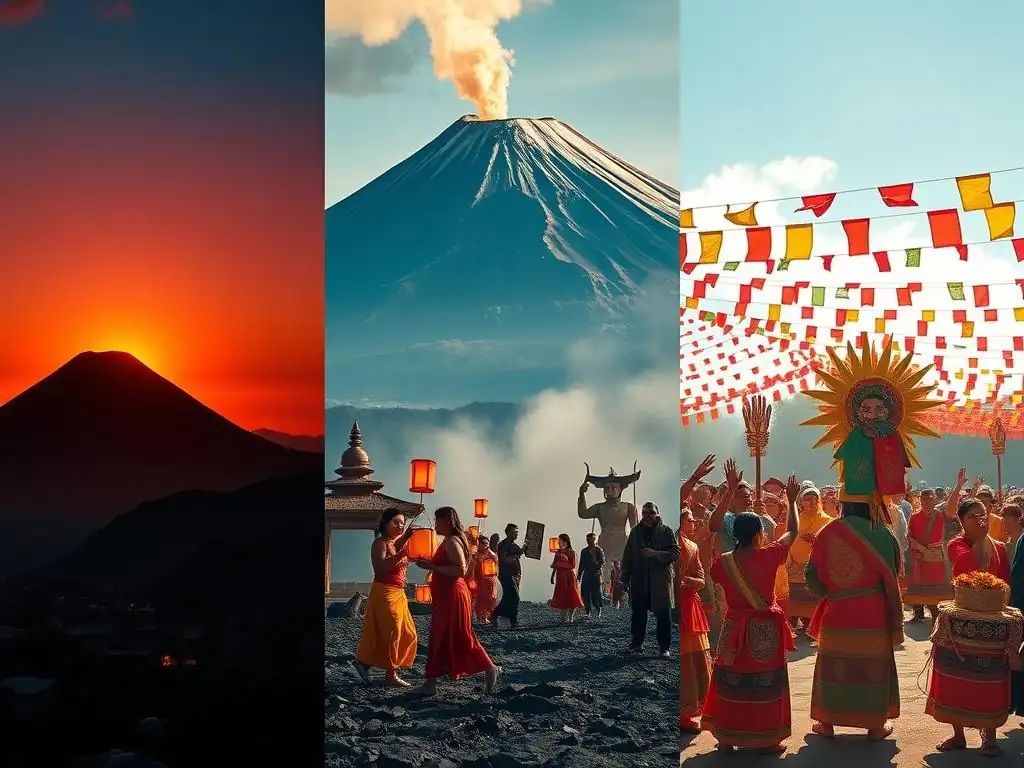
Pele: The Hawaiian Goddess of Volcanoes and Fire
Pele, the Hawaiian goddess of volcanoes, fire, lightning, and wind, is arguably one of the most well-known volcanic deities globally. Her mythology is deeply intertwined with the volcanic landscape of the Hawaiian Islands, which were believed to have been created by her. Pele is revered and respected as a powerful force of nature, capable of both creation and destruction.
Her fiery temper is said to be responsible for volcanic eruptions, and the lava flows are seen as manifestations of her physical presence on Earth. Traditional Hawaiian culture is rich with stories, chants, and rituals dedicated to Pele, reflecting her central role in their spiritual worldview.
Offerings to Pele, traditionally including ʻohelo berries, gin, and sometimes pigs, are still practiced today, especially at volcanic sites like Kīlauea. These offerings are a sign of respect and an attempt to maintain harmony with the goddess. The Halemaʻumaʻu Crater at Kīlauea, until recently filled with a lava lake, was considered Pele's sacred home.
The dynamic nature of Hawaiian volcanoes and the constant creation of new land are directly linked to Pele's creative and destructive powers, reinforcing her enduring cultural significance in Hawaii and beyond. Her stories and legends continue to shape how people understand and interact with the volcanic landscapes of the islands, highlighting the potent cultural significance of volcanoes through deity worship.
Mount Bromo's Yadnya Kasada Ceremony: Appeasing the Volcanic Spirits
Mount Bromo, an active volcano in East Java, Indonesia, is sacred to the Tenggerese people who reside in the surrounding highlands. The Yadnya Kasada ceremony, an annual Hindu festival, is held to appease the volcanic spirits and ensure the continued prosperity and well-being of the community. This ancient ritual, dating back centuries, demonstrates the deep cultural significance of volcanoes in Indonesian traditions and the ongoing practice of volcano-related spiritual observances. The ceremony reflects a belief in the power of volcanic deities to influence the lives of those living in their vicinity.
During Yadnya Kasada, which takes place around the full moon of the Javanese month of Kasada (typically June or July), Tenggerese pilgrims ascend Mount Bromo and throw offerings into the volcano's crater. These offerings traditionally include rice, fruits, vegetables, flowers, and sometimes livestock.
The ritual is accompanied by prayers, music, and traditional dances, creating a vibrant and deeply spiritual atmosphere. The Yadnya Kasada ceremony is not just a religious obligation; it is a cornerstone of Tenggerese cultural identity, reinforcing their relationship with Mount Bromo and acknowledging the volcano’s powerful presence in their lives and the cultural significance of volcanoes in their belief system.
The Guanches and Teide: Volcano Worship in the Canary Islands
Before the Spanish conquest of the Canary Islands in the 15th century, the indigenous Guanche people inhabited these volcanic islands. Mount Teide, a massive stratovolcano on Tenerife, the largest of the Canary Islands, held immense spiritual significance for the Guanches. They revered Teide as Achaman, their supreme deity, believing it to be the dwelling place of the god and a sacred mountain connecting the earthly and celestial realms. While detailed records of their practices are limited due to the impact of colonization, archaeological evidence and historical accounts suggest a sophisticated form of volcano worship.
The Guanches likely performed rituals and made offerings at Teide, though specific details remain fragmented. The volcanic landscape itself, with its dramatic caldera and towering peak, would have naturally inspired awe and reverence. Teide’s prominence and volcanic nature positioned it as a focal point of their spiritual beliefs.
The cultural significance of volcanoes for the Guanches is evident in the respect and sacred status they accorded to Teide, highlighting a pre-colonial example of volcano worship in a European context. Though their practices were disrupted, the legacy of Teide as a sacred site persists in the cultural memory of the Canary Islands.
Volcanoes in Art and Literature: Reflecting Cultural Perceptions
Volcanoes as Symbols of Destruction and Renewal in Art
Volcanoes, with their dual nature of destruction and creation, have long captivated artists across various mediums. In art, volcanoes are frequently portrayed as potent symbols, embodying both terrifying power and the potential for renewal. This duality reflects the real-world impact of volcanic eruptions, which can devastate landscapes and communities but also enrich soils and create new land. From classical paintings to contemporary installations, the artistic representation of volcanoes reveals evolving cultural perceptions and anxieties surrounding these natural phenomena.
In 18th and 19th-century Romantic paintings, volcanoes like Vesuvius and Etna were often depicted in dramatic, awe-inspiring scenes, emphasizing their sublime power and the insignificance of humanity in the face of nature. Artists captured the fiery eruptions, the smoke plumes, and the lava flows, often evoking a sense of fear and wonder.
More contemporary artists may explore the ecological impact of volcanoes, focusing on the regeneration of life after eruptions or using volcanic materials in their artwork. The artistic portrayal of volcanoes thus serves as a visual record of how societies have grappled with the cultural significance of volcanoes as both forces of destruction and agents of renewal.
Volcanic Landscapes in Literature: Inspiring Awe and Fear
Volcanic landscapes, with their stark beauty, otherworldly formations, and potential for dramatic eruptions, have served as powerful settings and motifs in literature across genres and cultures. From epic poems to contemporary novels, volcanoes and volcanic regions evoke a range of emotions, from awe and wonder to fear and dread. Literary depictions of volcanic landscapes reflect societal attitudes towards nature's power, human vulnerability, and the enduring cultural significance of volcanoes as potent symbols.
In classical literature, descriptions of volcanic eruptions and landscapes often served to emphasize the power of gods or the wrath of nature. In more modern literature, volcanic settings can be used to explore themes of isolation, transformation, or the fragility of human existence.
For example, in Jules Verne's Journey to the Center of the Earth, a volcano serves as the gateway to a subterranean world, reflecting the imaginative potential inspired by these geological formations. The use of volcanic landscapes in literature demonstrates how these dramatic environments continue to fascinate and inspire writers, shaping narratives and reflecting cultural perceptions of nature's power.
The Cultural Impact of Volcanic Eruptions on Artistic Expression
Volcanic eruptions, while often devastating, can also act as catalysts for artistic expression and cultural change. The immediate aftermath of an eruption, the dramatic landscapes created, and the societal responses to these events can all inspire artistic creation and shape cultural narratives. Volcanic eruptions, therefore, not only reshape physical landscapes but also influence artistic and cultural landscapes, highlighting the profound and multifaceted cultural significance of volcanoes.
The eruption of Mount Vesuvius in 79 AD, which buried Pompeii and Herculaneum, paradoxically preserved Roman art and architecture for centuries, providing invaluable insights into Roman life. More recently, volcanic eruptions have inspired contemporary artists to create works reflecting on the power of nature, environmental change, and human resilience. Photography, film, and digital art have captured the dramatic beauty and destructive force of eruptions, reaching global audiences and shaping contemporary perceptions of volcanoes. The cultural impact of volcanic eruptions on artistic expression underscores the enduring power of these events to stimulate creativity, provoke reflection, and shape cultural understanding.
The Socioeconomic Impact of Volcano Celebrations
Tourism and Volcano Festivals: A Boost to Local Economies
Volcano-related festivals and celebrations, while rooted in cultural and spiritual traditions, often have significant socioeconomic impacts, particularly through tourism. The unique spectacle of these events, combined with the allure of volcanic landscapes, attracts visitors from around the world, generating revenue for local economies. This tourism can provide crucial economic benefits, supporting local businesses, creating employment opportunities, and contributing to regional development. The intersection of cultural heritage and tourism demonstrates a practical aspect of the cultural significance of volcanoes, showcasing how traditions can drive economic activity.
Festivals like Italy's Festa di Sant'Agata and Indonesia's Yadnya Kasada draw substantial crowds, filling hotels, restaurants, and local markets. The influx of tourists injects money into the local economy, particularly benefiting small businesses and communities in volcanic regions that may otherwise face economic challenges. Volcano tourism, more broadly, which includes guided tours to volcanic sites, visits to volcano museums, and participation in volcano-themed events, has become a significant industry in many volcanic areas globally. The economic boost provided by tourism linked to volcano celebrations and attractions highlights the tangible socioeconomic impact of these cultural events.
Community Bonding Through Volcanic Rituals
Beyond their economic impact, volcano-related rituals and celebrations play a crucial role in fostering community bonding and social cohesion. These events often involve collective participation, bringing people together in shared experiences that reinforce social ties and strengthen community identity. Volcanic rituals, therefore, serve as important social glue, particularly in communities living in close proximity to volcanoes, where shared experiences of volcanic activity and related traditions create a strong sense of collective identity and resilience.
Preparing for and participating in festivals like Vanuatu's Toka dance or ceremonies at Mount Bromo requires community collaboration, from organizing logistics to crafting costumes and preparing offerings. These collective efforts foster cooperation and strengthen social bonds. The shared experience of performing rituals, witnessing processions, or participating in communal dances creates a sense of belonging and shared identity. In regions prone to volcanic hazards, these rituals can also serve as a way to collectively process anxieties and reinforce community resilience in the face of natural challenges, further emphasizing the cultural significance of volcanoes in social cohesion.
The Ambrym Volcano Festival: Revitalizing Culture and Economy in Vanuatu
The Ambrym Volcano Festival in Vanuatu provides a compelling example of how volcano celebrations can be intentionally leveraged to revitalize both culture and economy. Ambrym Island is known for its active volcanoes and rich cultural heritage, including intricate traditional dances and carvings. The annual Ambrym Volcano Festival was established to promote and preserve these cultural traditions while simultaneously attracting tourists to the island, boosting the local economy. This initiative demonstrates a conscious effort to harness the cultural significance of volcanoes for community development and economic empowerment.
The Ambrym Volcano Festival showcases traditional dances, music, crafts, and rituals, providing a platform for cultural expression and intergenerational knowledge transfer. By attracting tourists interested in authentic cultural experiences and volcanic landscapes, the festival generates income for local communities through tourism-related activities like accommodation, tours, and craft sales. The festival not only contributes to economic diversification but also empowers local communities to maintain and celebrate their cultural heritage, demonstrating a successful model for leveraging the cultural significance of volcanoes for sustainable development and cultural preservation.
Preserving Volcanic Cultural Heritage for Future Generations
The traditional practices and knowledge associated with volcanoes represent a valuable form of cultural heritage that is increasingly vulnerable in the face of globalization and modernization. Documenting and protecting these traditions is crucial for ensuring their survival for future generations and for understanding the long-term relationship between humanity and volcanoes. Preservation efforts are essential to safeguard the intangible cultural significance of volcanoes and the diverse ways communities have interacted with these powerful natural forces.
Efforts to document volcano-related practices can include recording oral histories, archiving traditional songs and dances, and documenting ritual practices. Museums, cultural centers, and community organizations play a vital role in preserving and promoting this heritage. Protecting sacred volcanic sites from development and ensuring the continuity of traditional rituals are also crucial aspects of preservation. Supporting local communities in maintaining their cultural practices and transmitting traditional knowledge is key to ensuring the long-term survival of this unique aspect of human cultural heritage and the cultural significance of volcanoes.
The Importance of Indigenous Knowledge in Volcano Management
Indigenous communities living in volcanic regions often possess invaluable traditional knowledge about volcano behavior, hazard preparedness, and sustainable land management. This indigenous knowledge, accumulated over generations of living in close proximity to volcanoes, can complement scientific understanding and contribute to more effective and culturally sensitive volcano risk management strategies. Recognizing and integrating indigenous knowledge is increasingly recognized as essential for holistic and sustainable approaches to living with volcanoes and appreciating the cultural significance of volcanoes in risk perception and adaptation.
Indigenous communities often have detailed knowledge of past eruptions, warning signs of volcanic activity, and traditional methods for mitigating volcanic hazards. This knowledge can inform early warning systems, evacuation plans, and land-use planning in volcanic areas. Collaborative approaches that involve scientists, policymakers, and indigenous communities can lead to more effective and culturally appropriate volcano risk management strategies. Respecting and valuing indigenous knowledge is not only ethically important but also contributes to more resilient and sustainable approaches to living in volcanic landscapes and understanding the cultural significance of volcanoes in hazard management.
UNESCO's Efforts in Safeguarding Volcanic Cultural Heritage
UNESCO, through its various programs and initiatives, plays a significant role in safeguarding volcanic cultural heritage around the world. UNESCO's recognition of World Heritage Sites, Biosphere Reserves, and Intangible Cultural Heritage helps to raise awareness and mobilize resources for the protection of both natural and cultural aspects of volcanic regions. UNESCO's efforts underscore the global recognition of the cultural significance of volcanoes and the importance of international cooperation in preserving this heritage for humanity.
Several volcanic sites with significant cultural heritage have been designated as UNESCO World Heritage Sites, including Mount Fuji in Japan and Teide National Park in Spain. These designations recognize the outstanding universal value of these sites, encompassing both their natural beauty and cultural importance.
UNESCO also supports projects aimed at documenting and preserving intangible cultural heritage related to volcanoes, such as traditional rituals, dances, and oral traditions. By promoting international cooperation and providing frameworks for conservation, UNESCO contributes significantly to safeguarding the diverse cultural heritage associated with volcanoes globally and reinforcing the cultural significance of volcanoes on a global scale.
Conclusion: The Enduring Cultural Fascination with Volcanoes
The Intertwined Relationship Between Humanity and Volcanoes
The exploration of global volcano celebrations reveals a profound and enduring relationship between humanity and volcanoes. From sacred sites and mythological narratives to vibrant festivals and artistic expressions, volcanoes have deeply shaped human cultures and societies across the globe. This intertwined relationship reflects the powerful and multifaceted cultural significance of volcanoes, extending beyond mere geological phenomena to encompass spiritual beliefs, artistic inspiration, and socioeconomic dynamics.
Volcanoes are not just destructive forces; they are also creators of land, enrichers of soils, and sources of geothermal energy. This duality is mirrored in cultural perceptions, where volcanoes are simultaneously revered and feared, seen as both divine and dangerous. The diverse range of volcano celebrations and cultural practices around the world underscores the enduring fascination and complex relationship between humans and these powerful natural wonders. Understanding this intertwined history is crucial for appreciating the full cultural significance of volcanoes in human experience.
Looking Ahead: The Future of Volcano Celebrations and Cultural Understanding
As we move forward, the cultural significance of volcanoes remains as relevant as ever. In a world facing increasing environmental challenges, understanding how different cultures have interacted with and adapted to volcanic environments offers valuable insights for sustainable living and disaster preparedness. The future of volcano celebrations and cultural understanding lies in continued research, preservation efforts, and cross-cultural dialogue, ensuring that the rich heritage associated with volcanoes continues to inspire and inform future generations.
Promoting cultural tourism related to volcano festivals can support local economies and encourage cultural preservation. Integrating indigenous knowledge into volcano risk management can lead to more effective and culturally sensitive strategies. Educating future generations about the cultural significance of volcanoes fosters a deeper appreciation for both natural and cultural heritage. By continuing to explore and celebrate the cultural dimensions of volcanoes, we can deepen our understanding of the complex relationship between humanity and the dynamic forces of our planet and further appreciate the enduring cultural significance of volcanoes.
Frequently Asked Questions
What is the main focus of VolcanoExplorers.org?
VolcanoExplorers.org focuses on exploring the science of volcanoes, their history, and providing safety information. It also celebrates the beauty and cultural significance of these geological wonders.
What kind of information can I find about the "cultural significance of volcanoes" on the website?
The website explores how volcanoes are viewed across different cultures, examining their role in myths, legends, and contemporary celebrations. This includes information about rituals, art, and traditions connected to volcanoes.
Are there safety guides and evacuation tips available for those living near active volcanoes?
Yes, VolcanoExplorers.org offers safety guides and evacuation tips for people living near active volcanoes. This resource aims to help people understand risk factors and prepare for potential eruptions.
Does the website provide real-time updates on volcanic activity?
Yes, the website provides real-time updates on volcanic activity around the world. This allows users to stay informed about the current status of volcanoes in various locations.
What can I learn about volcanologists and their work on VolcanoExplorers.org?
The site offers educational content on how volcanologists study volcanoes. This includes information about the tools and techniques they use to monitor volcanic activity and predict eruptions.
Final Reflection: Embracing the Volcanic Spirit
The diverse celebrations explored throughout this article underscore the enduring power of nature, specifically volcanoes, to shape human culture and belief. The cultural significance of volcanoes transcends mere geological phenomena; they are living entities woven into the fabric of societies worldwide. From offerings to Pele in Hawaii to the vibrant festivals surrounding Mount Yasur in Vanuatu, these traditions reveal a profound respect and understanding of the earth's raw energy. This understanding is more crucial now than ever, as we navigate a world increasingly shaped by environmental concerns.
The enduring impact of volcanoes on cultural identity is undeniable. These celebrations are not simply relics of the past; they are dynamic expressions of resilience, adaptation, and spiritual connection. They remind us that humanity's relationship with nature is complex and multifaceted, demanding both reverence and responsibility. We are part of the earth and it is part of us.
This ancient wisdom, echoed in countless volcano-centric cultures, serves as a powerful reminder of our interconnectedness and the importance of preserving these traditions for future generations.
As you reflect on the diverse perspectives presented in this article, consider the ways in which your own life is shaped by the natural world. What aspects of your culture reflect a deep connection to the environment? How can you contribute to preserving these vital traditions and fostering a greater understanding of the cultural significance of volcanoes? Let us all strive to embrace the volcanic spirit – a spirit of resilience, reverence, and unwavering connection to the earth that sustains us all.
Ignite Your Own Volcanic Adventure!
Thank you for exploring the vibrant cultural celebrations surrounding volcanoes worldwide! We hope this journey through diverse traditions has inspired you to connect with the power and beauty of these natural wonders. Now, let's turn that inspiration into action.
Here's how you can further explore the world of volcanoes and their captivating cultures:
- Plan a trip to a volcano region that sparks your interest! Research local festivals, cultural sites, and responsible tourism options for an authentic experience.
- Share your favorite volcanic celebration memory or a fascinating fact you learned on social media. Use the hashtag #VolcanoExplorersCulture to connect with fellow enthusiasts!
- Delve deeper into the mythology and folklore surrounding volcanoes—you might be surprised by the rich stories you uncover!
What unique tradition or celebration are you most excited to experience, and how will you share its story?