
Beneath the Boiling Surface: Uncovering Hidden Meanings in Volcano Festivals

Welcome to Volcano Explorers!
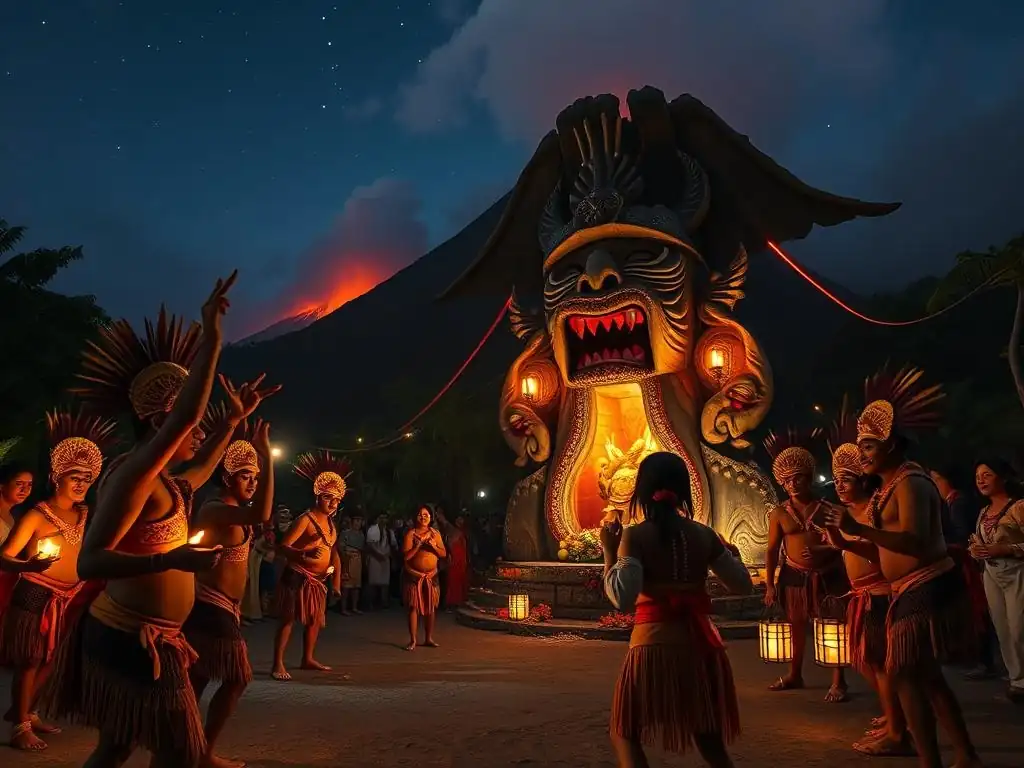
Prepare to journey into the heart of the Earth's fiery soul. Ever wondered what compels cultures across the globe to celebrate the very forces that threaten them? Today, we plunge into the fascinating and often surprising cultural significance behind volcano festivals, exploring how these explosive events have shaped traditions, beliefs, and the very fabric of societies living in the shadow of these magnificent giants. Uncover the secrets buried beneath the boiling surface... if you dare.
- Introduction: Exploring the Cultural Significance of Volcano Festivals
- A Global Tapestry of Volcano Celebrations: Diverse Traditions and Meanings
- Deciphering the Symbolism: Unveiling the Hidden Messages
- Adapting to the Fiery Landscape: Resilience and Respect in Volcano Cultures
- The Future of Volcano Festivals: Preservation and Evolution
- Conclusion: The Enduring Power of Volcano Festivals
- Frequently Asked Questions
- Final Reflection: Echoes of Fire, Whispers of Culture
- Ignite Your Curiosity: Embark on Your Volcanic Journey Today!
Introduction: Exploring the Cultural Significance of Volcano Festivals
Volcanoes: More Than Just Geological Wonders
Volcanoes, in their raw, untamed power, are often perceived solely through a scientific lens. We study their geological formations, the mechanics of eruptions, and the hazards they pose. However, to limit our understanding to these aspects is to miss a profound dimension of their existence: their deep integration into human culture and spirituality.
Across the globe, from the fiery peaks of Japan to the Andean heights of Peru, volcanoes are not merely geological features; they are living entities, deities, and powerful symbols woven into the fabric of human societies. They are forces that shape not just landscapes, but also beliefs, rituals, and communal identities.
For centuries, volcanic landscapes have inspired awe, fear, and reverence in communities living in their shadows. Consider the fertile volcanic soils that have supported agriculture for generations, or the dramatic eruptions that have both destroyed and renewed environments. This duality of creation and destruction has profoundly influenced human perception, leading to the development of complex mythologies and traditions around these natural phenomena. Volcanoes are therefore not just subjects of scientific inquiry, but also vital components of human heritage, deserving of exploration through a cultural and anthropological perspective.
The Allure of Volcano Festivals: A Cultural Exploration
The allure of volcano festivals stems from this intricate relationship between humanity and these formidable natural forces. These celebrations are not simply about acknowledging the power of volcanoes, but about actively engaging with them on a spiritual and communal level. They represent a human attempt to understand, appease, and even celebrate the forces that shape their world. Volcano festivals are cultural expressions that reveal deep-seated beliefs, historical experiences, and the ongoing dialogue between communities and their volcanic environments.
Exploring volcano festivals offers a unique window into the diverse ways cultures interpret and interact with the natural world. These festivals are vibrant displays of tradition, often blending ancient rituals with contemporary practices. They are moments of collective identity formation, where communities reaffirm their connection to their land and their shared history. From elaborate fire ceremonies to colorful processions and offerings, volcano festivals are rich tapestries of human expression, inviting us to delve into the symbolic meanings beneath the spectacle and understand the profound cultural significance of volcanoes.
A Global Tapestry of Volcano Celebrations: Diverse Traditions and Meanings
Honoring the Volcano Gods: Ancient Rituals and Modern Practices
Throughout history, numerous cultures have personified volcanoes, attributing their activity to deities or spirits. Ancient Romans believed Vulcan, the god of fire and metalworking, resided beneath volcanoes, his forge responsible for eruptions. Similarly, Polynesian cultures revered Pele, the Hawaiian goddess of volcanoes and fire, whose moods were reflected in the volcanic activity of the islands. These beliefs were not mere superstitions; they were sophisticated attempts to understand and explain the unpredictable power of nature within a spiritual framework.
Even in contemporary times, the echoes of these ancient beliefs resonate in volcano festivals around the world. While modern scientific understanding has advanced, the spiritual dimension remains deeply ingrained in cultural practices. Many festivals incorporate rituals that are direct descendants of ancient appeasement ceremonies, adapted and transformed over centuries.
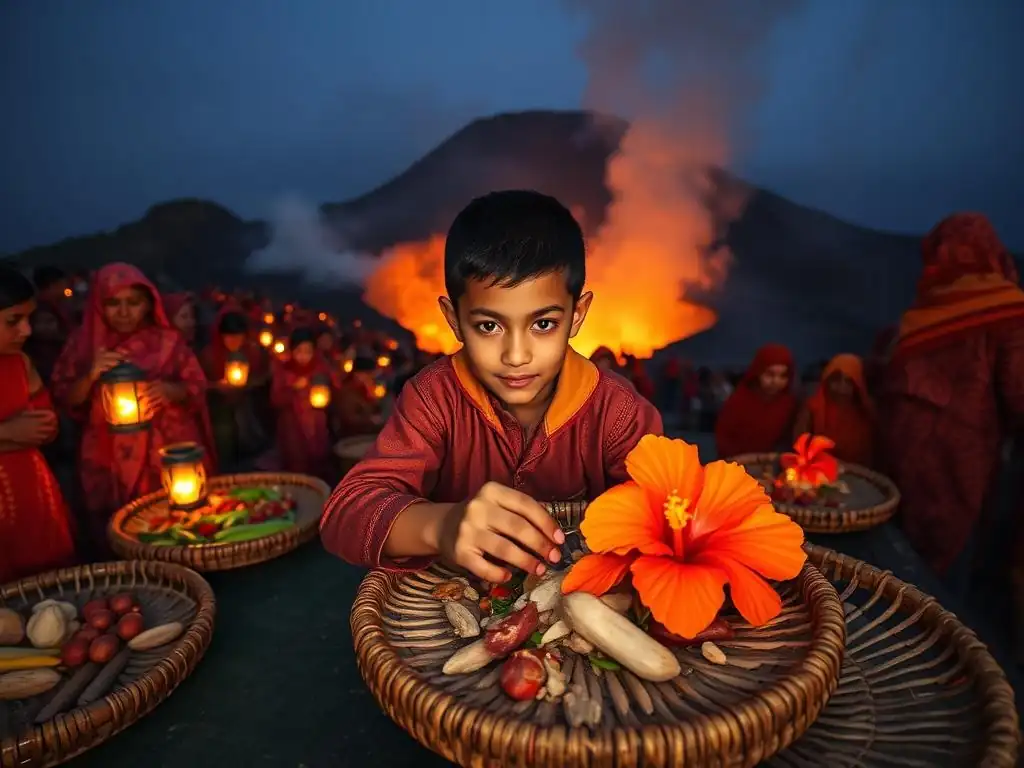
Offerings of food, flowers, and symbolic objects, along with dances and prayers, continue to be performed, reflecting a persistent desire to maintain harmony with the volcanic forces that shape their lives. These practices demonstrate the enduring power of cultural memory and the ongoing relevance of spiritual beliefs in the face of natural wonders.
Aso Fire Festival (Japan): Appeasing the Volcanic Deities
The Aso Fire Festival, or Aso Himatsuri, held annually in Kumamoto Prefecture, Japan, is a powerful example of a festival rooted in the desire to appease volcanic deities and pray for protection. Mount Aso, one of Japan's largest active volcanoes, has been a central figure in local mythology and spirituality for centuries. The festival is deeply connected to the Aso Shrine, one of the oldest and most important Shinto shrines in Japan, and is dedicated to the deities enshrined there, who are believed to control the volcanic activity.
The festival's highlight is the dramatic torchlight procession and the lighting of massive bonfires. These flames are symbolic offerings, intended to purify the land and appease the volcanic spirits. Participants, often dressed in traditional attire, carry flaming torches and parade through the night, creating a spectacular visual display against the backdrop of the volcanic landscape.
The rhythmic chanting and drumming that accompany the procession further enhance the ritualistic atmosphere, invoking a sense of collective purpose and spiritual connection to Mount Aso. The Aso Fire Festival is not just a performance; it is a living tradition that reinforces the community's relationship with the volcano and their shared cultural identity.
Fiesta de la Candelaria (Peru): Honoring Pachamama and Seeking Protection from Volcanic Activity
High in the Andes Mountains of Peru, the Fiesta de la Candelaria, celebrated in Puno near Lake Titicaca, is a vibrant example of a festival that blends Catholic traditions with indigenous Andean beliefs, particularly the reverence for Pachamama, the Earth Mother. While not exclusively a "volcano festival," it is deeply relevant in the context of volcanic cultural significance in the region, as many Andean communities live in proximity to volcanoes and incorporate their presence into their spiritual worldview.
Pachamama is seen as the source of life and fertility, and her favor is sought for agricultural prosperity and protection from natural disasters, including volcanic eruptions.
The festival, recognized by UNESCO as Intangible Cultural Heritage of Humanity, features elaborate parades with dancers in colorful costumes, intricate masks, and lively music. These performances are not merely entertainment; they are prayers and offerings to Pachamama and the Virgin of Candelaria, a syncretic figure who represents both Catholic and indigenous spiritual elements. The dances often mimic agricultural cycles and movements related to nature, reflecting a deep connection to the land and its forces.
By participating in the Fiesta de la Candelaria, communities reaffirm their bond with Pachamama and seek her continued blessings and protection in a volcanic landscape. The festival serves as a crucial cultural mechanism for navigating life in a region where volcanic activity is a constant presence, blending faith, tradition, and resilience.
Volcano Festivals as Expressions of Community Identity
Volcano festivals serve as powerful expressions of community identity, forging strong bonds among residents and reinforcing their shared heritage. Living near a volcano often necessitates a unique set of adaptations, fostering a collective understanding of the landscape, its dangers, and its blessings. Festivals become a crucial platform for articulating and celebrating this shared experience, strengthening social cohesion and reinforcing local identity in the face of a potentially volatile environment.
These festivals are not just isolated events; they are often deeply interwoven with the history and social fabric of the communities that celebrate them. They are passed down through generations, carrying with them accumulated knowledge, beliefs, and practices related to living with volcanoes. The act of participating in these communal celebrations, from preparing traditional foods to performing ancestral dances, reinforces a sense of belonging and continuity. Volcano festivals, therefore, play a vital role in maintaining cultural resilience and ensuring the transmission of valuable cultural knowledge within volcano-adjacent communities.
Volcanoes as Symbols of Creation and Destruction
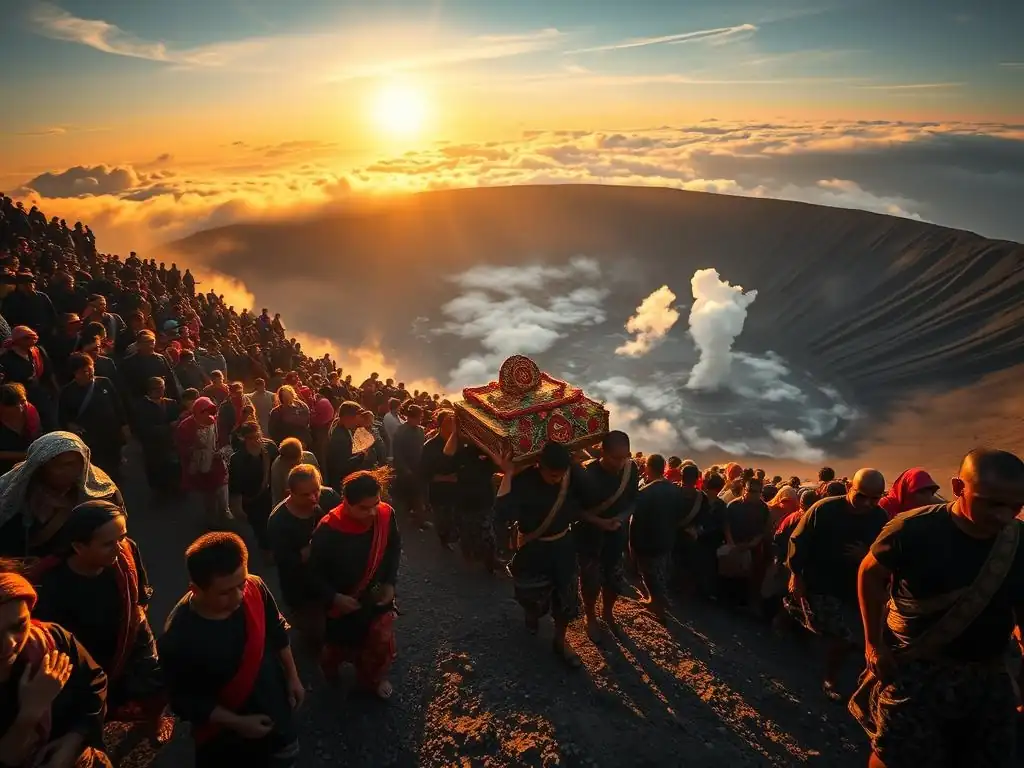
The symbolism of volcanoes in human cultures is inherently dualistic, reflecting their capacity for both creation and destruction. Volcanic eruptions, while devastating, are also responsible for forming fertile lands, enriching soils with minerals, and creating dramatic landscapes that attract life and inspire awe. This duality is often mirrored in the myths, legends, and rituals associated with volcanoes, where they are simultaneously revered as powerful destroyers and life-giving creators.
In many cultures, volcanic fire is seen as a purifying force, capable of cleansing the land and paving the way for renewal. The fertile volcanic soils, born from ash and lava, are a testament to this regenerative power. Conversely, the destructive force of eruptions serves as a reminder of nature's immense power and the fragility of human existence. Volcano festivals often grapple with this inherent duality, incorporating rituals and symbols that acknowledge both the destructive and creative aspects of volcanic activity, reflecting a nuanced understanding of their complex role in the environment and human life.
The Role of Myths and Legends in Volcano Festival Traditions
Myths and legends are integral to volcano festival traditions, providing narratives that explain the origins of volcanoes, interpret their behavior, and guide human interaction with these powerful forces. These stories, passed down through oral traditions and embodied in festival performances, offer cultural frameworks for understanding the often unpredictable nature of volcanic activity. They are not just fanciful tales; they are repositories of accumulated wisdom and cultural knowledge about living in volcanic regions.
For example, myths might explain eruptions as expressions of divine anger or displeasure, prompting rituals of appeasement and offerings to restore balance. Legends might recount heroic figures who battled volcanic spirits or negotiated with them for the well-being of the community. These narratives shape the symbolic language of volcano festivals, informing the rituals, dances, and costumes that are integral to the celebrations. By understanding the myths and legends associated with a particular volcano festival, we gain deeper insights into the cultural values, beliefs, and historical experiences of the community that celebrates it.
Understanding the Deeper Cultural Significance of Volcanic Activity in Rituals
Beyond the overt celebrations, the deeper cultural significance of volcanic activity in rituals lies in its ability to connect communities to profound existential themes. Volcanoes, as manifestations of immense natural power, evoke feelings of awe, humility, and respect. Rituals associated with volcanoes often tap into these primal emotions, providing a space for communities to confront their vulnerability in the face of nature's forces and to reaffirm their resilience and collective strength.
Volcanic rituals can be seen as a form of cultural negotiation with the unpredictable aspects of life. They are attempts to establish a symbolic order in the face of potential chaos, to find meaning in the face of destruction, and to celebrate life amidst the ever-present awareness of natural hazards. The act of participating in these rituals, often involving physical exertion, communal cooperation, and shared emotional experiences, can be deeply transformative. It strengthens social bonds, reinforces cultural values, and provides a sense of continuity and purpose in communities that live in dynamic and sometimes challenging volcanic environments.
Adapting to the Fiery Landscape: Resilience and Respect in Volcano Cultures
Volcano Festivals as a Means of Coping with Volcanic Hazards
Volcano festivals are not merely celebratory events; they also serve as important mechanisms for coping with the ongoing reality of living with volcanic hazards. These festivals can function as reminders of the potential dangers, reinforcing community preparedness and promoting a culture of resilience. Through ritualistic reenactments of past eruptions or symbolic representations of volcanic power, festivals keep the awareness of volcanic risk alive in the collective consciousness.
Furthermore, volcano festivals can be crucial in fostering community solidarity and mutual support networks, which are essential for effective disaster response and recovery. The shared experience of participating in these celebrations strengthens social cohesion and reinforces the sense of collective responsibility for managing volcanic risks. In this sense, volcano festivals are not just about appeasing deities or celebrating culture; they are also practical tools for community resilience building in volcanic regions.
In contemporary volcano festivals, we often observe a fascinating interplay between traditional spirituality and modern scientific understanding of volcanic phenomena. While ancient rituals and beliefs remain central to many celebrations, communities increasingly integrate scientific knowledge into their understanding of volcanoes and their festivals. This is not necessarily a conflict, but rather a dynamic process of cultural adaptation and integration.
For example, festivals might incorporate educational components that disseminate scientific information about volcanic monitoring and safety procedures alongside traditional prayers and offerings. Local volcanologists might participate in festival events, sharing their expertise and engaging with the community. This integration of science and spirituality reflects a nuanced approach to living with volcanoes, acknowledging both the power of nature and the importance of human knowledge and preparedness. It demonstrates the adaptability of cultural traditions in incorporating new knowledge while preserving their core values and spiritual significance.
Festa di Sant'Agata (Italy): Combining Religious Devotion with Volcanic Risk Awareness
The Festa di Sant'Agata in Catania, Italy, held on the slopes of Mount Etna, Europe's most active volcano, exemplifies this combination of religious devotion and volcanic risk awareness. Sant'Agata is the patron saint of Catania, and her intercession is traditionally invoked for protection from volcanic eruptions and earthquakes. The festival, one of the largest religious festivals in the world, is a spectacular display of faith and civic pride, deeply intertwined with the city's relationship with Mount Etna.
While the festival is primarily a religious celebration honoring Sant'Agata, the context of Mount Etna's presence is ever-present. Prayers for protection from volcanic eruptions are a common theme, reflecting the community's awareness of the ongoing volcanic risk. Interestingly, in recent years, the festival has also incorporated elements of volcanic risk education and awareness campaigns.
Local authorities and volcanological institutes often use the festival period to disseminate information about emergency preparedness and evacuation procedures, demonstrating a conscious effort to blend religious tradition with practical risk management strategies. The Festa di Sant'Agata highlights how volcano festivals can evolve to incorporate both spiritual and scientific dimensions in navigating life in a volcanic environment.
The Future of Volcano Festivals: Preservation and Evolution
Balancing Tradition with Modernity in Volcano Celebrations
The future of volcano festivals hinges on the delicate balance between preserving tradition and adapting to modernity. As societies change and evolve, so too must cultural expressions like volcano festivals. The challenge lies in maintaining the core spiritual and cultural values of these celebrations while incorporating contemporary elements and addressing the needs of modern communities.
This balance requires a conscious effort to ensure that festivals do not become mere tourist spectacles, but rather remain meaningful expressions of local culture and identity. It involves engaging younger generations in the traditions, transmitting cultural knowledge, and adapting festival practices to resonate with contemporary audiences. Modern technology and communication can also play a role in revitalizing and promoting volcano festivals, reaching wider audiences and fostering cross-cultural understanding. The key is to ensure that modernization enhances, rather than erodes, the authentic cultural significance of these celebrations.
The Role of Tourism in Sustaining Volcano Festival Cultures
Tourism can play a complex and multifaceted role in the future of volcano festival cultures. On one hand, tourism can provide economic support for festivals, generating revenue that can help sustain traditions, fund festival activities, and contribute to local economies. Increased tourist interest can also raise awareness of volcano festivals and their cultural significance on a global scale, promoting cross-cultural exchange and appreciation.
However, uncontrolled or insensitive tourism can also pose risks to the authenticity and sustainability of volcano festivals. Over-commercialization, commodification of cultural practices, and the displacement of local participation by tourist crowds can dilute the cultural meaning of festivals and undermine their value for local communities. Therefore, responsible and sustainable tourism practices are crucial to ensure that tourism benefits, rather than harms, volcano festival cultures.
Considerations for Responsible Tourism and Cultural Preservation
Responsible tourism in the context of volcano festivals requires careful planning and management to ensure cultural preservation and community benefit. This includes prioritizing community involvement in festival planning and management, respecting local customs and traditions, and minimizing the environmental impact of tourism activities. Tourism initiatives should be designed to support local economies and empower communities, rather than exploit their cultural heritage.
Educational initiatives for tourists are also essential, promoting cultural sensitivity and understanding of the deeper meanings and significance of volcano festivals. This can involve providing information about festival history, rituals, and cultural values, as well as guidelines for respectful behavior and participation. By promoting responsible tourism and prioritizing cultural preservation, we can ensure that volcano festivals continue to thrive as vibrant expressions of human culture and resilience for generations to come.
Conclusion: The Enduring Power of Volcano Festivals
Celebrating the Complex Relationship Between Humanity and Volcanoes
Volcano festivals, in their diverse forms and expressions across the globe, stand as powerful testaments to the complex and enduring relationship between humanity and volcanoes. They are not simply about celebrating volcanoes as geological phenomena, but about acknowledging their profound influence on human culture, spirituality, and community life. These festivals reveal the myriad ways in which humans have interpreted, interacted with, and adapted to volcanic landscapes, transforming potential threats into sources of cultural richness and resilience.
From ancient rituals of appeasement to contemporary celebrations that blend tradition with modernity, volcano festivals offer valuable insights into the human capacity for adaptation, creativity, and spiritual expression in the face of nature's powerful forces. They are vibrant manifestations of cultural heritage, reminding us of the deep connections between people and place, and the enduring power of shared beliefs and traditions in shaping human societies.
The Importance of Understanding the Cultural Significance of Volcanoes for Future Generations
Understanding the cultural significance of volcanoes is crucial for future generations, not only for appreciating the richness of human cultural diversity but also for fostering a more nuanced and respectful relationship with the natural world. By studying volcano festivals and the cultural traditions associated with them, we gain a deeper appreciation for the complex interplay between human societies and their environments. This understanding is increasingly relevant in a world facing growing environmental challenges and the need for sustainable and culturally sensitive approaches to living in harmony with nature.
Furthermore, preserving and promoting the cultural heritage of volcano festivals is essential for maintaining cultural resilience and transmitting valuable cultural knowledge to future generations. These traditions embody accumulated wisdom about living with natural hazards, fostering community solidarity, and celebrating the human spirit in the face of adversity. By recognizing and valuing the cultural significance of volcanoes, we contribute to a richer and more informed understanding of both human culture and the dynamic forces that shape our planet.
Frequently Asked Questions
What is the cultural significance of volcano festivals?
Volcano festivals often serve as a way to appease the spirits believed to reside in or control the volcano. They are also linked to ensuring good harvests and protection from future eruptions, reflecting a deep connection between the community and the natural world.
Why do communities living near volcanoes hold festivals?
These festivals are a form of cultural expression and a way to manage the fear and uncertainty associated with living near a powerful natural force. They're also a communal activity strengthening social bonds and promoting resilience.
How do these festivals honor the volcano?
Festivals may involve offerings of food, flowers, or other valuable items to the volcano, symbolizing respect and gratitude. Traditional dances and songs often recount myths and legends associated with the volcano's creation and power.
What are some examples of rituals performed during volcano festivals?
Rituals can range from animal sacrifices to symbolic cleansing ceremonies, all designed to maintain harmony with the volcano. These practices are deeply rooted in local beliefs and traditions.
Do volcano festivals have any practical benefits for communities today?
Besides cultural preservation, these festivals can also promote tourism and economic development in volcanic regions. They provide a unique opportunity to learn about and celebrate the natural and cultural heritage of these areas.
Final Reflection: Echoes of Fire, Whispers of Culture
The exploration of volcano festivals reveals more than just fiery spectacles; it illuminates the profound connection between humanity and the raw power of nature. The enduring cultural significance of these festivals, passed down through generations, underscores our inherent need to understand and respect the forces that shape our world. These traditions, often born from fear and reverence, have evolved into vibrant celebrations of resilience, community, and the enduring spirit of humankind.
The influence of these volcanic celebrations extends far beyond the immediate communities that host them. They serve as powerful reminders of our planet's dynamic nature and the delicate balance we must strive to maintain. Witnessing the dedication and artistry poured into these festivals underscores the importance of preserving cultural heritage in the face of globalization and environmental change. We do not inherit the earth from our ancestors; we borrow it from our children.
This ancient proverb resonates deeply when considering the long-term impact of our actions on the volcanic landscapes and the cultures intertwined with them.
As we conclude this journey beneath the boiling surface, let us carry with us a renewed appreciation for the cultural significance of volcano festivals. Consider how you can contribute to the preservation of these traditions, whether through supporting local communities, advocating for sustainable tourism, or simply sharing the stories of these remarkable celebrations. Let the echoes of fire and the whispers of culture inspire you to connect more deeply with the natural world and the diverse tapestry of human experience.
Ignite Your Curiosity: Embark on Your Volcanic Journey Today!
Thank you for joining us on this exploration of the fascinating cultural significance of volcano festivals. We hope you’ve gained a deeper appreciation for the rich traditions and powerful symbolism behind these celebrations. Now, let’s translate that knowledge into action!
Here’s how you can further connect with the world of volcanoes and the communities that revere them:
- Plan your visit: Research upcoming volcano festivals and immerse yourself in the local culture, experiencing the raw energy firsthand!
- Delve deeper: Explore our extensive archive of volcano-related myths and legends from around the world to understand cultural attitudes toward these magnificent forces of nature.
- Share the spark: Spread the word about the cultural significance of volcanoes by sharing this article with friends who appreciate travel, culture, or adventure!
Which volcano festival intrigues you the most, and what aspect of its cultural symbolism resonates with you? Share your thoughts in the comments below!