
Volcano Photography & Tourism
Step into the raw, breathtaking edge of our planet with volcano photography and tourism—where molten lava flows, towering ash plumes, and lunar-like landscapes await your lens. Whether you're chasing the perfect shot of an active crater or planning a once-in-a-lifetime trek up a volcanic peak, this niche blends adventure, science, and art like no other. From helicopter tours over glowing fissures to sustainable, responsible hikes through ancient calderas, we guide you to the world’s most photogenic volcanic destinations—across the Americas, Asia, and Oceania. Discover essential gear for extreme conditions, safety protocols for capturing ash plumes and lava rivers, and insider tips on permits, cultural encounters, and economic impacts of volcano tourism. Whether you're a seasoned photographer or an awe-struck traveler, unlock the secrets of Earth’s most powerful natural spectacles and turn fleeting moments of fiery beauty into lasting visual stories.
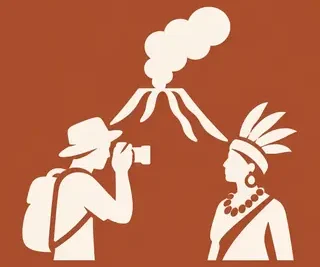 Volcano Tourism: Cultural Experiences near Volcanoes
 Volcano Tourism: Permits and Regulations for Visiting Volcanoes
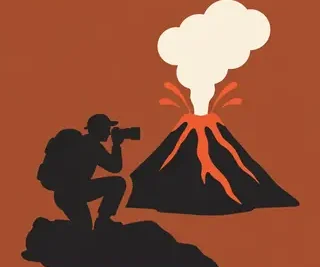 Best Volcano Destinations for Photography in the Americas
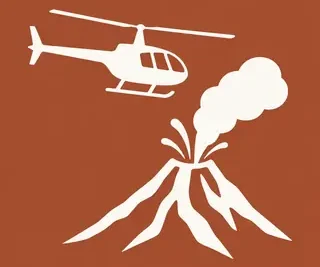 Volcano Tourism: Helicopter and Aerial Tours of Volcanoes
 Volcano Tourism: Sustainable and Responsible Volcano Tourism
 Volcano Photography: Capturing Lava Flows
 Volcano Photography: Photographing Ash Plumes
 Volcano Tourism: Hiking and Trekking on Volcanoes
 Volcano Photography: Equipment for Volcano Photography
 Volcano Photography: Safety Tips for Volcano Photographers
 Volcano Tourism: The Economic Impact of Volcano Tourism
 Best Volcano Destinations for Photography in Asia and Oceania
 Volcano Tourism: Volcano Museums and Educational Centers
Volcano Photography & Tourism
Welcome to VolcanoExplorers.org’s hub for volcano photography and volcano tourism, where we merge the thrill of adventure with the art of capturing Earth’s most fiery landscapes. Whether you’re a seasoned photographer seeking the perfect lava flow shot or a traveler planning a safe, unforgettable trek, this category delivers expert guidance, destination inspiration, and practical safety tips. Explore our subcategories below to master equipment, navigate permits, and discover sustainable travel practices for active volcanic regions worldwide.
🌋 Volcano Tourism: Volcano Museums and Educational Centers
Discover interactive museums and educational centers that bring volcanic science to life, from Iceland’s Lava Centre to Italy’s Vesuvius Observatory. These institutions offer hands-on exhibits, 3D simulations, and guided tours explaining magma dynamics, eruption history, and volcanic hazards. Expect family-friendly activities, real-time monitoring displays, and expert-led workshops that deepen your understanding before you venture into the field. Perfect for curious travelers and educators alike, these venues transform complex geology into accessible, awe-inspiring experiences.
📸 Best Volcano Destinations for Photography in Asia and Oceania
Asia and Oceania boast some of the planet’s most photogenic volcanoes, including Japan’s Mount Fuji, Indonesia’s Bromo, and New Zealand’s White Island. This subcategory guides you to prime viewpoints, optimal lighting times, and seasonal conditions for capturing dramatic landscapes, glowing craters, and unique cultural backdrops. Learn about accessibility, local photography etiquette, and lesser-known gems like Vanuatu’s Marum crater. Whether you crave sunrise silhouettes or star-filled night skies over ash plains, these destinations deliver unforgettable frames.
💰 Volcano Tourism: The Economic Impact of Volcano Tourism
Volcano tourism generates significant revenue for local communities, funding infrastructure, conservation, and disaster preparedness. This section explores economic benefits such as job creation in hospitality, guiding, and transport, alongside challenges like overtourism and environmental strain. Case studies from Iceland, Hawaii, and Indonesia reveal how destinations balance profit with preservation. Understand how your travel spending can support sustainable development and why volcanic regions increasingly rely on this thriving niche to bolster regional economies.
🛡️ Volcano Photography: Safety Tips for Volcano Photographers
Capturing volcanic beauty demands respect for volatile environments. This subcategory provides critical safety protocols, including reading gas emission alerts, maintaining safe distances from craters, and using respiratory protection against ash and sulfur dioxide. Learn to monitor wind direction, carry emergency communication devices, and heed local volcanologist warnings. We also cover how to assess terrain stability, avoid lava tubes, and prepare for sudden eruptions. Your safety is paramount—these tips ensure you return with stunning shots and a healthy, intact body.
🔧 Volcano Photography: Equipment for Volcano Photography
From heat-resistant camera housings to telephoto lenses that capture distant craters, the right gear is essential. This guide covers durable cameras, tripods for low-light conditions, and protective filters against ash and moisture. We discuss drone usage regulations, spare batteries for cold climates, and cleaning kits for volcanic dust. Whether you’re shooting glowing lava at night or vast calderas from above, our equipment recommendations help you achieve crisp, vibrant images while safeguarding your gear from extreme heat and corrosive gases.
🥾 Volcano Tourism: Hiking and Trekking on Volcanoes
Trekking to volcanic summits offers immersive, ground-level encounters with geothermal wonders. This subcategory details trail difficulty ratings, altitude considerations, and essential gear for hikes on active, dormant, and extinct volcanoes. From gentle slopes of Italy’s Stromboli to challenging ascents of Ecuador’s Cotopaxi, we provide route descriptions, water and food planning, and hiring local guides. Expect tips on navigation, weather unpredictability, and respecting closure zones. Lace up your boots for an adventure that combines physical endurance with raw geological spectacle.
🌫️ Volcano Photography: Photographing Ash Plumes
Ash plumes create dramatic, textured visuals but present unique challenges. Master exposure settings to capture billowing gray clouds against bright skies, and use fast shutter speeds to freeze turbulent motion. This section explores composition techniques, including foreground interest and scale-revealing human elements. Learn how to protect your lens from abrasive ash and safely position yourself downwind. We also share post-processing tips to enhance contrast and detail, transforming chaotic eruptions into powerful, museum-worthy prints.
🔥 Volcano Photography: Capturing Lava Flows
Glowing lava flows offer mesmerizing subjects, but require careful planning and specialized techniques. Discover how to shoot molten streams during blue hour for vivid contrast, adjusting ISO and white balance to preserve natural colors. We cover the use of neutral density filters for long exposures, tripod stability on uneven terrain, and heat tolerance for your camera body. Safety is crucial—maintain recommended distances and wear protective clothing. Learn to anticipate flow direction changes and capture both spectacular fountains and slow-moving rivers of fire.
🌱 Volcano Tourism: Sustainable and Responsible Volcano Tourism
Minimize your footprint while maximizing positive impact with our guide to eco-conscious travel. This subcategory emphasizes leaving no trace, avoiding fragile vegetation, and supporting local-owned businesses. We explore carbon offset programs, alternative transportation, and times to reduce crowding at popular sites like Hawaii Volcanoes National Park. Discover how to engage with indigenous communities respectfully and contribute to conservation efforts. Responsible volcano tourism ensures these landscapes remain pristine for future generations—and your choices make a tangible difference.
🚁 Volcano Tourism: Helicopter and Aerial Tours of Volcanoes
Aerial tours provide breathtaking perspectives on craters, lava fields, and volcanic coastlines. This section covers choosing reputable operators, understanding flight paths, and cost considerations. Learn about window-seat photography tips, turbulence safety, and environmental regulations limiting flyovers. From Iceland’s Eyjafjallajökull to Hawaii’s Kīlauea, aerial views reveal vast scales impossible from the ground. We also discuss drone alternatives for independent enthusiasts, ensuring you capture stunning panoramas legally and safely while minimizing disturbance to wildlife.
🌎 Best Volcano Destinations for Photography in the Americas
From Alaska’s Aleutian Islands to Costa Rica’s Arenal, the Americas offer diverse volcanic photography opportunities. This guide spotlights iconic sites like Yellowstone’s geysers, Ecuador’s Chimborazo, and Chile’s Villarrica, with tips on lighting, seasons, and access. Discover lesser-known spots like Guatemala’s Acatenango for fiery eruptions and Patagonia’s pristine cones. We cover altitude adjustments, local permit requirements, and cultural landmarks that add narrative depth. Whether you prefer snow-capped peaks or rainforest-clad slopes, this region delivers unmatched variety for your portfolio.
📜 Volcano Tourism: Permits and Regulations for Visiting Volcanoes
Navigating permits, park fees, and safety regulations is vital for legal and safe visits. This subcategory breaks down required documentation for countries like Indonesia, Japan, and the United States, including trekking licenses, drone approvals, and restricted zone access. Learn about seasonal closures, guide-to-visitor ratios, and vaccination requirements. We also explain how fees support conservation and local economies. Stay informed to avoid fines and ensure your adventure proceeds smoothly—each volcano has unique rules, and we help you comply with confidence.
🏺 Volcano Tourism: Cultural Experiences near Volcanoes
Volcanic regions host vibrant cultures shaped by volcanic soil, myths, and traditions. This section explores indigenous ceremonies, local festivals, and unique cuisines like Hawaiian imu cooking or Sicilian wines on Etna’s slopes. Visit sacred sites, museums, and artisan markets that celebrate volcanic heritage. Learn about the Pele goddess in Hawaii, Japan’s Mt. Fuji worship, and Iceland’s elf folklore. Immersive cultural experiences enrich your journey, offering deeper storytelling and authentic connections beyond mere sightseeing—truly memorable travel.
Frequently Asked Questions
What is the best time of year for volcano photography?
The ideal time depends on your destination, but generally, clear skies and stable weather are key. For tropical volcanoes, dry seasons (e.g., June–September in Indonesia) reduce cloud cover. For high-altitude sites like Cotopaxi, December–March offers clearer mornings. Avoid monsoon or hurricane seasons. Always check local volcanic activity and visibility forecasts, as ash clouds can obscure views year-round. Early mornings or late afternoons provide soft light and vibrant colors.
Do I need special permits to photograph volcanoes?
Yes, many volcanic areas require permits, especially for commercial photography or drone use. National parks in the U.S., Japan, and Costa Rica often need advance bookings or paid passes. Some active zones like Indonesia’s Merapi restrict access entirely. Always research specific volcano regulations on official park websites or via local guides. Carrying valid identification and proof of permits is essential to avoid fines or denied entry.
How close can I safely get to lava flows?
Safety distances vary by eruption intensity and terrain. For slow-moving flows, authorities often allow viewing from 100–300 meters away, but sudden explosions, gas plumes, or unstable ground can require greater distances. Never cross barriers or rely solely on posted signs. Hire local guides who monitor real-time data. Use binoculars or telephoto lenses to stay further back. Always wear heat-resistant boots and carry gas masks if advised by officials.
What camera settings work best for shooting glowing lava?
For nighttime lava, use a fast prime lens (f/1.8–2.8), ISO 800–3200, and shutter speeds between 1/15 and 1/2 second to capture motion blur without overexposure. Enable manual mode and shoot in RAW for editing flexibility. For daylight ash plumes, use ISO 100–200, fast shutter (1/1000+), and aperture f/8 for depth. Experiment with white balance to preserve true orange hues. Always pack extra batteries for cold conditions.
Are helicopter tours worth the cost for volcano viewing?
Helicopter tours offer unrivaled aerial perspectives that ground access cannot match, revealing crater depths and lava field extents clearly. Costs range from $200–$800 per person, but they can be worth it if you value dramatic imagery and time savings. However, some areas restrict flights, and eruption conditions may cancel tours. Compare fixed-wing flights or drone alternatives for budget-focused travelers. Always book reputable operators with safety certifications.