Volcano Tourism: Cultural Experiences near Volcanoes
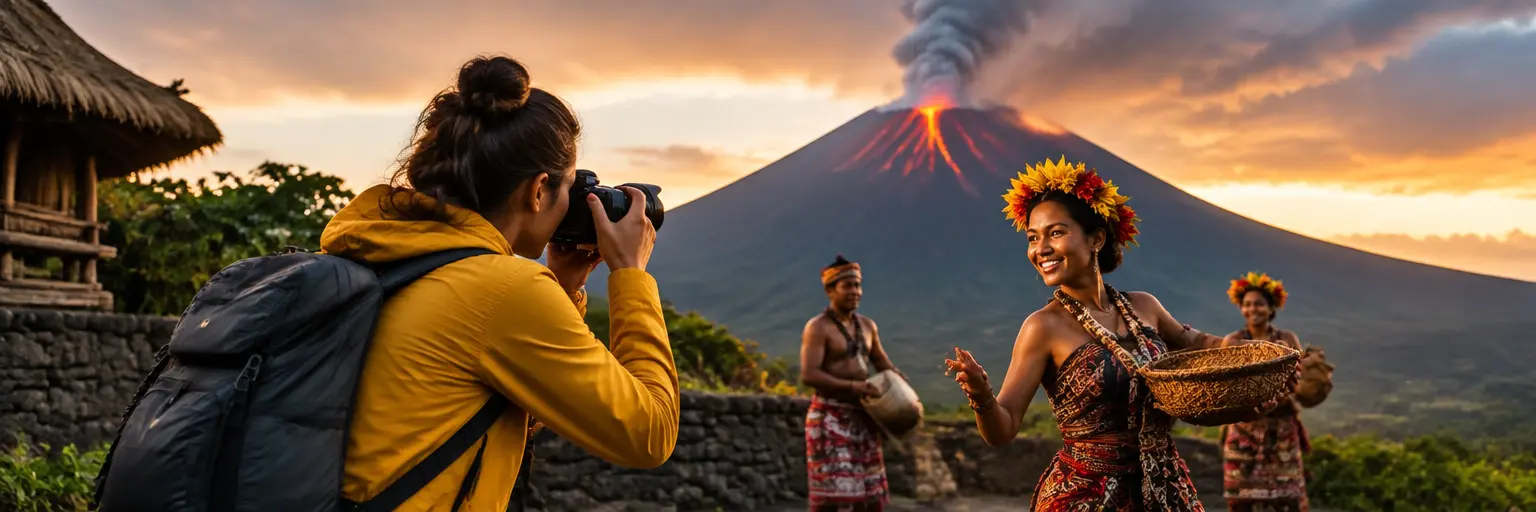
Volcano tourism extends far beyond observing lava flows and crater rims; it is a profound gateway into the living traditions, spiritual beliefs, and ancestral histories of communities living in the shadow of these giants. This subcategory of VolcanoExplorers.org focuses on the human dimension of volcanic landscapes. Here, you will discover how indigenous peoples revere volcanoes as deities, how local festivals harness geothermal energy for celebration, and how sustainable tourism can support resilient communities. Whether you are a cultural traveler, a student of anthropology, or simply curious, these experiences transform a geological visit into an immersive journey through myth, ritual, and everyday life alongside active Earth forces.
🌋 Sacred Mountains & Indigenous Beliefs
Many cultures view volcanoes not as mere landforms but as living entities—gods, ancestors, or guardians that demand respect and offerings. On the slopes of Mount Fuji in Japan, Shinto shrines honor the goddess Konohanasakuya-hime, with pilgrims climbing at dawn to greet the rising sun. In Hawaii, Pele is the fiery goddess of Kīlauea, and visitors are taught protocols like leaving red ʻōhelo berries as a gift before approaching her home. These beliefs shape everything from local laws to tourist etiquette, making cultural sensitivity essential.
For travelers, engaging with these perspectives enriches the experience beyond scenic views. Guides from indigenous communities often share oral histories that explain volcanic eruptions as expressions of anger, love, or renewal. You will learn why certain rocks are considered sacred, why some areas are off-limits, and how modern science coexists with ancient lore. This understanding helps foster mutual respect, ensuring that your visit supports cultural preservation rather than commodification. Always research local customs before you go, as demonstrating reverence can open doors to deeper, more authentic interactions.
🏮 Volcanic Festivals & Ritual Calendars
Volcanoes often anchor seasonal festivals that blend pagan traditions, Catholic saints, and modern celebrations. In Sicily, the Feast of Saint Agatha in Catania honors the patron saint whose veil is said to have stopped lava from Etna in 1669. Meanwhile, in Indonesia, the Kasada festival on Mount Bromo sees the Tenggerese people throw offerings of vegetables, livestock, and money into the crater to appease the gods for a bountiful harvest. These events are visually spectacular, with processions, music, and fire, yet they carry deep spiritual weight.
Timing your visit to coincide with these festivals offers a rare window into community identity and resilience. However, participation requires mindfulness—dress modestly, ask permission before photographing rituals, and never interrupt ceremonies. Local tourism boards often publish festival dates and etiquette guides, so plan ahead. By joining as a respectful observer, you contribute to the local economy and validate traditions that have survived centuries of eruptions. Moreover, you will leave with memories of human courage and faith that transcend any volcanic spectacle.
🍲 Geothermal Cuisine & Hot Spring Traditions
Volcanic heat is not just for the geologist—it is a culinary and therapeutic treasure. Iceland’s famous rye bread is baked underground in geothermal hot pots for 24 hours, yielding a dense, sweet loaf served with smoked butter. In Japan’s Beppu, "jigoku-mushi" or hell-steamed cuisine uses natural steam vents to cook seafood, vegetables, and even eggs, creating a unique taste of place. Hot springs, or onsen, are steeped in ritual, from washing before entering to soaking in mineral-rich waters believed to heal skin, arthritis, and stress.
Exploring these traditions introduces you to a slower, sensory form of tourism. Many volcanic regions offer cooking classes that begin with harvesting ingredients and end with a geothermal feast. You might also visit a traditional bathhouse where locals have gathered for generations, learning the nuanced etiquette of nudity, towel placement, and bathing order. These experiences not only relax the body but also deepen your appreciation for how communities harness volatile landscapes for nourishment and well-being. Always check safety guidelines on food handling and spring temperatures, as geothermal areas can be unpredictable.
🏗️ Volcanic Architecture & Living with Risk
Human settlements near volcanoes have developed ingenious architectural responses to periodic eruptions. In Pompeii, Roman villas featured atriums designed to collect cooling water, while modern Neapolitans build flat roofs to shed volcanic ash. In the Philippines, the Ifugao rice terraces on the slopes of Mount Mayon incorporate stone retaining walls that double as lava barriers. These structures reflect centuries of adaptive knowledge, blending aesthetics with survival. Visiting these sites—often UNESCO World Heritage—offers a tangible link to how people thrive alongside constant danger.
Beyond admiring buildings, you can meet locals who share their evacuation drills, emergency kits, and community early-warning systems. Some towns offer guided "risk walks" that map safe zones, shelters, and historic lava flow paths. This genre of tourism is both humbling and practical, showing that resilience is built through daily habits, not just crisis response. By understanding this architectural ingenuity, you gain respect for the fine line between human endeavor and natural power. Always follow local safety instructions, as infrastructure is designed for worst-case scenarios you may not anticipate.
🎨 Volcanic Art, Crafts & Souvenir Culture
Volcanic materials have inspired artisans for millennia, producing everything from obsidian arrowheads to lava stone jewelry. In Hawaii, artisans carve kiʻi (tiki) statues from hardened lava, while in Iceland, jewelry makers set black basalt and ash glass in silver. The Canary Islands boast ceramics fired with volcanic clay that exhibit unique, speckled textures. Buying such items not only gives you a tangible memory but also supports local craftspeople who rely on these materials as a cultural and economic cornerstone.
For a deeper engagement, consider a workshop where you can shape a piece of lava stone or paint with volcanic ash pigments. These hands-on sessions are offered in many volcano towns and often include stories about the symbolism behind patterns and colors. You will learn that red ochre represents Pele’s blood, while smooth black stones signify protection. Be wary of mass-produced trinkets imported from elsewhere; authentic pieces tell you about place and people. As you shop, ask about the artist’s process—most are proud to explain how they turn a disaster’s residue into lasting beauty.
Frequently Asked Questions
Is volcano tourism culturally safe for all travelers?
Yes, but respect is key. Research local taboos, dress codes, and photography restrictions beforehand. For instance, in Hawaii, it is considered rude to take lava rocks home, as they are said to bring bad luck. Always hire local guides, follow their instructions, and avoid touching sacred objects or entering restricted zones. When in doubt, ask a guide—they will appreciate your awareness and help you navigate cultural nuances.
What is the best time of year to experience volcanic festivals?
This varies by region. Mount Bromo’s Kasada festival occurs on the 14th day of the Tenggerese lunar month, usually in July or August. Sicily’s Saint Agatha feast is in early February, while Iceland’s Þorrablót midwinter festival includes geothermal dishes in January. Check regional tourism calendars for exact dates, as they shift annually. Booking months in advance is wise, as these events attract global crowds.
Can I try geothermal cooking if I have dietary restrictions?
Yes, but communicate clearly with your host. Most geothermal menus include seafood, vegetables, and eggs, but vegetarian and vegan options are often available upon request. For gluten-free needs, Icelandic rye bread is unsuitable, but hot spring eggs and root vegetables are safe. Always ask about cooking methods, as some coals may touch meat. With advance notice, most culinary hosts accommodate allergies or preferences.
Are hot springs near volcanoes safe for everyone?
Generally yes, but precautions apply. Avoid entering pools hotter than 40°C (104°F) if you have heart conditions, high blood pressure, or are pregnant. Do not submerge your head, and limit sessions to 10-15 minutes to prevent overheating. Always shower before entering to maintain hygiene, and never drink the water unless clearly marked safe. Children should be supervised, as some pools have strong currents or shallow scalding edges.
How can I support local communities through volcano tourism?
Prioritize locally owned lodges, restaurants, and tour operators. Purchase crafts directly from artisans by visiting their workshops or cooperative stores. Attend cultural performances and demonstrations, and tip guides generously. Also, volunteer with conservation or community projects if available. Most importantly, share your experience on social media with hashtags honoring the locale, which boosts visibility and encourages others to travel responsibly.