Volcano Tourism: Permits and Regulations for Visiting Volcanoes
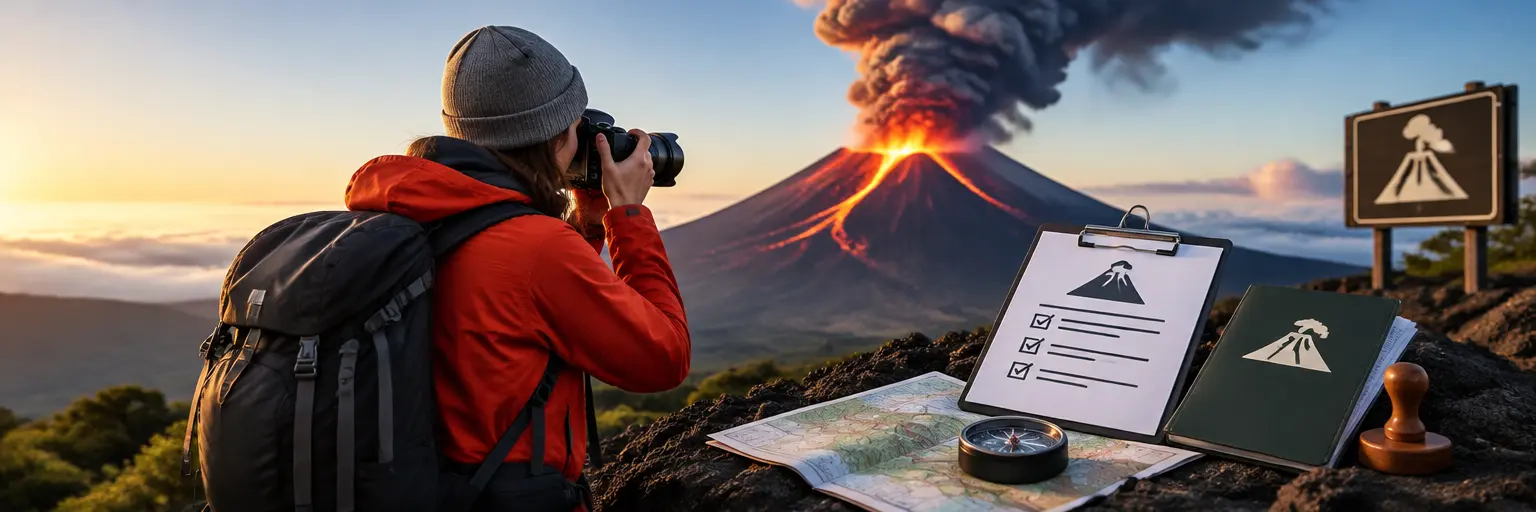
Exploring an active volcano is a bucket-list adventure, but it requires more than just sturdy boots and a camera. Navigating permits, park rules, and safety regulations is essential for a legal and safe visit. This guide breaks down the key aspects of volcano tourism, helping you plan responsibly while respecting both nature and local authorities.
🌋 Why Permits Are Mandatory for Volcano Access
Volcanoes are dynamic, hazardous environments where conditions can change in hours. Permits serve multiple purposes: they limit visitor numbers to protect fragile ecosystems, ensure that only prepared individuals enter dangerous zones, and provide authorities with a way to track who is on the mountain in case of an eruption. Without a permit, you may face fines, deportation, or be placed in life-threatening situations unknowingly.
Many national parks and volcanic reserves use permits to fund trail maintenance, ranger patrols, and early warning systems. For example, Mount Fuji and Hawaiʻi Volcanoes National Park require daily or seasonal passes. Always check the official park website before arrival, as permit quotas often sell out weeks in advance. Some volcanoes, like Villarrica in Chile, also require certified guides to accompany you, making permits part of a broader safety framework.
📝 Types of Permits: Day Hikes, Overnight Stays, and Crater Access
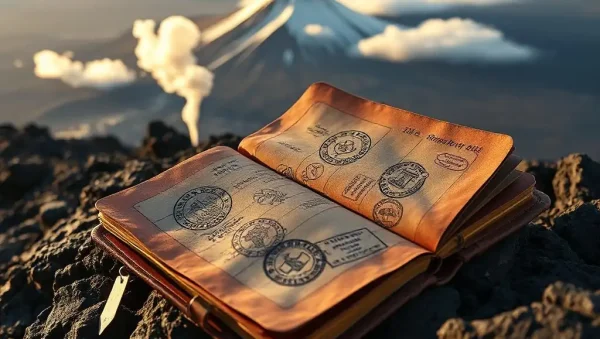
Not all volcano visits are equal. A simple viewpoint might need no permit, but hiking to the summit or descending into a crater usually requires specific authorization. Day hike permits are the most common, restricting entry to daylight hours and marked trails. Overnight permits allow camping near the base, but often require advance booking and proof of mountaineering experience.
Crater access permits are the strictest, typically reserved for scientists and experienced climbers with special gear. Some volcanoes, such as Mount Nyiragongo in the DRC, allow overnight crater rim camping but not descent. Be clear about your planned activities when applying—overstating your abilities or false declarations can lead to permit revocation and even legal action. Always read the fine print regarding weather cancellations, group size limits, and required equipment.
🛡️ Safety Regulations: What You Must Know Before You Go
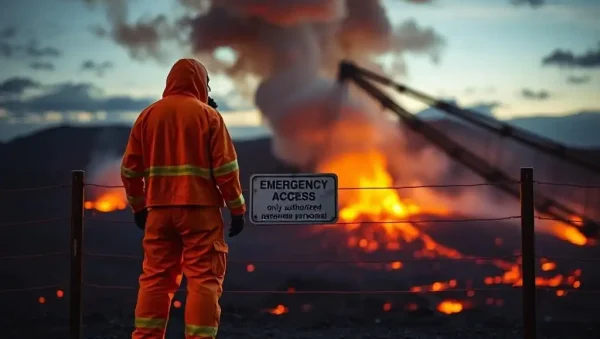
Regulations are designed to protect you from volcanic gases, falling rocks, and sudden eruptions. Stay on designated paths—off-trail areas may have thin crusts, toxic gas pockets, or hidden lava tubes. Many parks enforce mandatory gas masks for areas with high sulfur dioxide levels, such as the crater rim of Aso in Japan. Rangers also monitor evacuation routes and will close trails abruptly if seismic activity increases.
You must carry proper safety gear including helmet, sturdy boots, and extra water. Some parks require GPS trackers or have check-in systems where you must report at designated times. Regulations also prohibit flying drones near active craters due to interference with monitoring equipment. Ignoring these rules not only endangers you but also risks the lives of search-and-rescue teams who may need to retrieve you.
🌍 International Examples: Popular Volcanoes and Their Rules
Different countries have unique regulatory frameworks. In Indonesia, Mount Bromo allows easy access but requires a local guide for sunrise tours. In Italy, Mount Etna has varying enforcement—you can hike low trails freely, but high-altitude zones need a professional guide. Iceland’s Fagradalsfjall initially had no permits, but after overcrowding, authorities implemented daily quotas and mandatory online registration.
In the Andes, Peru’s Misti and Chile’s Villarrica demand certified companies for summit attempts, while New Zealand’s Tongariro Crossing limits daily hikers via a booking system. Always research local laws, as some remote volcanoes are on indigenous lands requiring separate permissions. Contact the nearest tourism office or volcanology institute for official, up-to-date bulletins before planning your route.
💰 Costs, Timelines, and How to Apply for Permits
Permit fees vary widely: from free to over $100 per person. Budget for additional costs such as guide fees, insurance, and transport to trailheads. Application timelines range from instant online purchase to months-long approvals for restricted zones. For example, permits for Victorians to climb Mount St. Helens cost $22 and are released in batches, while North Korea’s Mount Paektu requires months of government approval.
Most permits are non-transferable and non-refundable, so purchase insurance that covers itinerary changes. Use only official websites or licensed tour operators—fraudulent permits are common near popular volcanoes. When applying, have your ID, emergency contacts, and a basic medical questionnaire ready. Keep physical and digital copies of your permit, as rangers may check at multiple points along the trail.
❌ Common Mistakes and How to Avoid Permit Violations
The most frequent offense is entering without a permit, either by ignorance or deliberate circumvention. This results in heavy fines and permanent bans. Another mistake is overstaying the permitted time—many trails close at sunset, and rangers conduct sweeps. Not having necessary gear, like a headlamp or rain jacket, can also lead to denial at the trailhead, even with a valid permit.
Underreporting your experience level is dangerous—some treks require technical climbing skills, and authorities will turn you away if you can’t demonstrate competence. Respect wildlife and vegetation; collecting rocks or lava is illegal in many parks. Finally, don’t rely on outdated information from blogs—volcano closures change seasonally. Always verify with the park’s official social media channels just before departure.
Frequently Asked Questions
Do I always need a permit to visit a volcano?
No—many viewpoints and low-altitude trails require no permit. However, summit hikes, crater access, and restricted zones almost always mandate a permit. Check with local ranger stations or official websites, as rules vary by volcano and season. If you’re unsure, err on the side of purchasing a permit—it’s safer and legally compliant.
Can I get a permit on the same day at the volcano?
Sometimes yes, but it’s risky. Popular volcanoes like Mount Fuji or Bromo often sell out daily quotas, especially during peak season. Some parks reserve walk-in spots, but these go early. For high-risk volcanoes like Nyiragongo, same-day permits are rarely issued due to security checks. Always pre-book online when possible.
What happens if I’m caught without a permit?
Penalties vary: you may receive a fine, be escorted off the volcano, or face legal charges. In severe cases, you could be banned from national parks for years. Rangers also report unpermitted visitors to immigration authorities if you’re a foreign tourist, which can complicate your travel record. Always carry your permit visibly.
Are permits refundable if the volcano erupts or the weather is bad?
Most permits are non-refundable, but some parks offer rain checks or rescheduling if officials close the volcano due to safety. For example, Hawaiʻi Volcanoes National Park allows date changes if an eruption begins. Check the specific park’s cancellation policy before purchase—travel insurance may cover permit losses.
Can I hire a guide instead of getting a permit?
Not automatically. Many legally certified guides will obtain your permit as part of their service, but you are still required to hold an individual permit in most jurisdictions. Some volcanoes require a licensed guide by law, but the permit is separate. Always confirm with your tour operator that permits are included and valid.