Volcano Tourism: Hiking and Trekking on Volcanoes
Welcome to the fiery edge of adventure! At VolcanoExplorers.org, our Volcano Tourism: Hiking and Trekking on Volcanoes subcategory is your ultimate guide to conquering the world’s most breathtaking volcanic landscapes. Whether you are a seasoned mountaineer or a curious traveler, this resource covers everything from choosing the right volcano for your skill level to understanding safety protocols, packing essentials, and capturing those unforgettable summit moments. Discover how to tread carefully on ancient lava flows, witness glowing craters up close, and immerse yourself in the raw power of Earth’s geological heartbeat. Start planning your next expedition with expert tips, trail breakdowns, and real traveler insights designed to make your volcanic trek both safe and spectacular.
🌋 Choosing the Right Volcano for Your Trekking Level
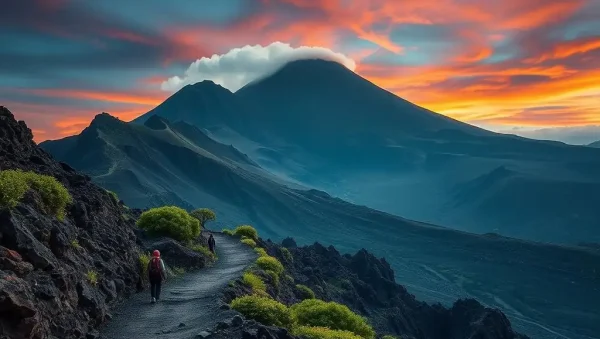
Not all volcanoes are created equal, and neither are their hiking trails. From gentle slopes like Hawaii’s Kilauea Iki to challenging ascents like Indonesia’s Mount Rinjani, this section helps you match your fitness and experience with the perfect destination. We break down difficulty ratings, altitude considerations, and typical duration for each trek, so you can confidently pick a route that aligns with your abilities. Key factors include trail conditions, weather variability, and the presence of active volcanic gases, all of which influence the overall experience.
Expect detailed comparisons of beginner-friendly volcanoes, such as Iceland’s Þríhnúkagígur (a magma chamber descent), alongside expert-level ascents like Mount Nyiragongo in the DRC, famous for its lava lake. You’ll learn how to assess your own physical limits and what training might be necessary before tackling high-altitude or steep terrains. We also highlight lesser-known volcanic hikes that offer solitude without sacrificing dramatic scenery, ensuring your choice fits both your bucket list and your safety comfort zone.
🥾 Essential Gear and Packing Checklist for Volcano Hikes
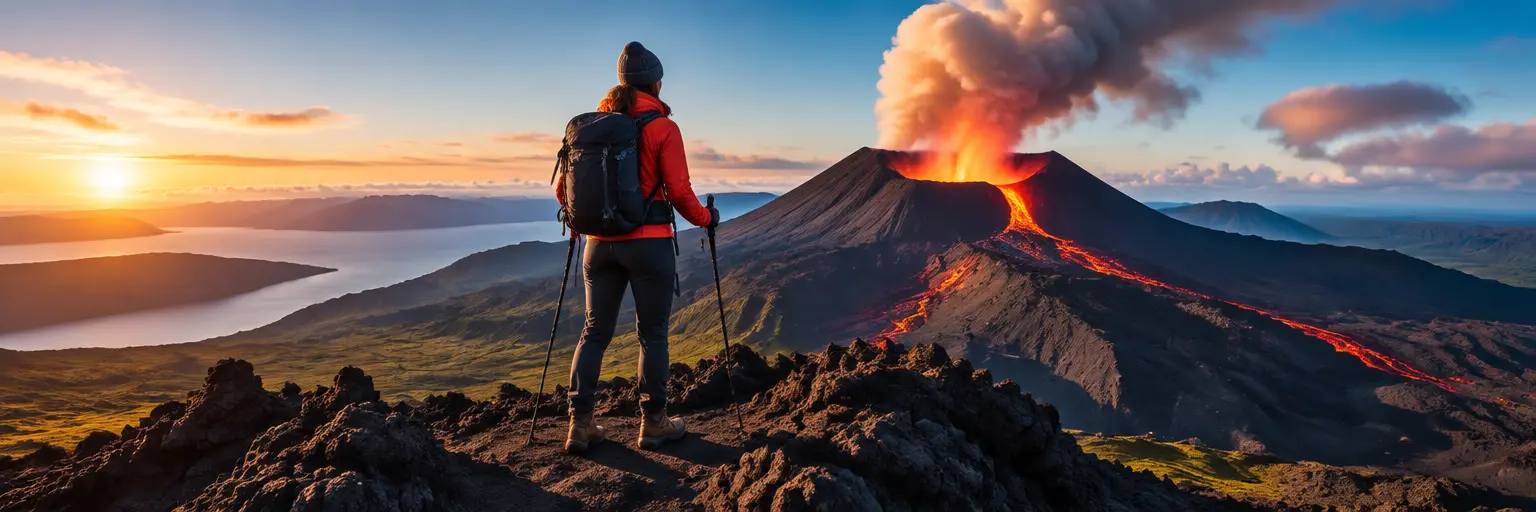
Volcanic terrain is unforgiving—sharp basalt, loose scree, and sudden temperature shifts demand specialized equipment. In this section, we provide a comprehensive packing list that goes beyond standard hiking gear. Critical items include heat-resistant soles, gas masks for sulfurous areas, and layered clothing for rapid weather changes. You’ll also find advice on hydration systems, UV protection, and emergency supplies specifically tailored for volcanic environments where water sources may be contaminated or scarce.
We break down each gear category with practical examples, like using trekking poles with carbide tips for lava fields and choosing backpacks with ventilation systems for tropical climates. Learn how to pack light while staying prepared, and discover top-rated products tested by our community of volcano trekkers. Additionally, we cover the importance of carrying a personal locator beacon and map reading skills, because many volcanic trails are unmarked or prone to shifting. This guide ensures you never leave base camp without the essentials that could save your expedition.
🗺️ Top Volcanic Trekking Destinations Worldwide
From the steaming craters of Costa Rica’s Arenal to the snow-capped peaks of Japan’s Mount Fuji, our curated list of destinations will fuel your wanderlust. This section profiles each location with insider knowledge on the best seasons, permit requirements, and nearby accommodation options. Highlighted routes include the rim trek of Santorini’s caldera, the multi-day ascent of Mount Etna in Sicily, and the surreal landscape of Indonesia’s Bromo Tengger Semeru National Park, where you can watch sunrise from an active vent.
Expect practical advice on transportation logistics, entry fees, and local guides who can enhance your safety and cultural understanding. We also include trail maps (where available) and user reviews from past trekkers, giving you a realistic picture of each hike’s physical demands and visual rewards. Whether you dream of standing atop a smoking cone in Vanuatu’s Mount Yasur or exploring the otherworldly craters of New Zealand’s Tongariro Alpine Crossing, this destination guide is your passport to volcanic adventure across every continent.
⚠️ Safety First: Navigating Active Volcano Risks
Volcano hiking is exhilarating, but it carries inherent risks from toxic gases, flying rocks, and volcanic earthquakes. This section provides a non-negotiable safety framework that every trekker must understand before setting foot on an active slope. Core protocols include checking real-time volcano alert levels, maintaining a safe distance from crater edges, and knowing evacuation routes in case of sudden eruptions. We also explain how to recognize signs of unstable ground, such as steam vents or cracking ash.
We share expert guidance on reading monitoring reports from organizations like the USGS and local volcano observatories, plus tips for communicating with park rangers and volcanologists on site. Learn about the dangers of acid rain in plume zones and how to protect your eyes and lungs. Additionally, we address emergency scenarios—like getting caught in a pyroclastic surge —and offer clear, actionable steps to increase your survival odds. This crucial knowledge transforms your adrenaline-fueled hike into a well-managed, risk-aware expedition without diminishing the awe of standing before Earth’s open furnace.
📸 Capturing Epic Volcano Photography on the Trail
Your trekking adventure deserves stunning visual documentation, and this section blends photography techniques with trail-specific challenges. From golden-hour lighting on crater rims to long exposures of glowing lava, we cover camera settings, lens choices, and composition tricks that make your shots stand out. Pro tips include using polarizing filters to cut through ash haze and protecting your gear from volcanic dust with waterproof covers and regular sensor cleaning.
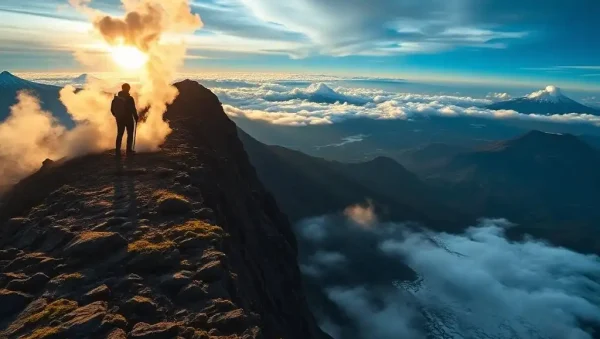
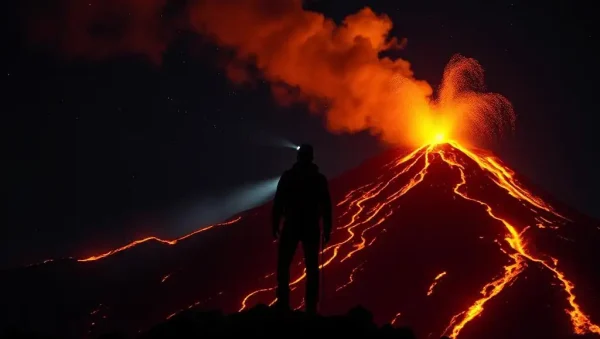
We also discuss drone photography regulations in volcanic national parks, where flying is often restricted for safety and environmental reasons. Learn how to capture scale by including hikers in your frame, and experiment with silhouettes against eruptive backgrounds. Our community shares their best post-processing workflows for enhancing the color contrast between dark basalt and vivid orange lava. Whether you carry a DSLR or a smartphone, you’ll leave with practical methods to produce album-worthy images that convey the immense power and ethereal beauty of volcanic landscapes.
Frequently Asked Questions
Is it safe to hike on an active volcano?
Hiking on active volcanoes can be safe if you follow strict guidelines, including checking current alert levels, hiring experienced guides, and staying on marked trails. However, risks like sudden gas emissions or rockfalls exist. Always heed official warnings and avoid restricted zones. For beginners, choose volcanoes with low activity levels, like Mount Etna in calm phases, and never hike alone. Remember, safety is your responsibility—respect the volcano’s power.
What is the best time of year for volcano trekking?
The best time depends on the volcano’s location and climate. For tropical volcanoes like those in Indonesia, avoid rainy season (November to March) to prevent slippery trails and poor visibility. In Iceland, summer months (June to August) offer longer daylight and milder weather. For high-altitude peaks, aim for dry seasons with clear skies. Always check local weather forecasts and volcanic activity reports before booking, as conditions can change rapidly.
Do I need special permits to hike volcanoes?
Many volcanic parks require permits, especially for active craters or restricted zones. For example, climbing Mount Nyiragongo requires a permit through the Virunga National Park, while Mount Fuji remains open without one but has seasonal entry points. Research your destination’s regulations months in advance, as some permits are limited and sell out. Hiring local guides often includes permit handling, simplifying the process.
What physical fitness level is required for volcano trekking?
Volcano treks vary dramatically, from easy 1-hour strolls to multi-day technical ascents. For moderate hikes like being a beginner, you should be comfortable walking 5-10 miles with some elevation gain. Advanced treks (e.g., Mount Rinjani) demand strong cardiovascular endurance and prior hiking experience. Start training with stair climbing, weighted packs, and stamina workouts three months prior. Always consult a doctor if you have health concerns like asthma or heart conditions.
Can I visit volcanoes with children or elderly participants?
Yes, but choose family-friendly volcanoes with gentle slopes and short distances, such as Sunset Crater in Arizona or Volcán Pacaya in Guatemala. Ensure everyone wears proper footwear, carries water, and understands basic safety rules. Avoid active craters or areas with gas emissions for young children. For elderly hikers, opt for scenic viewpoints accessible by car, then short walks. Always adapt the pace to the group’s needs and turn back if anyone feels unwell.