Volcano Tourism: Sustainable and Responsible Volcano Tourism
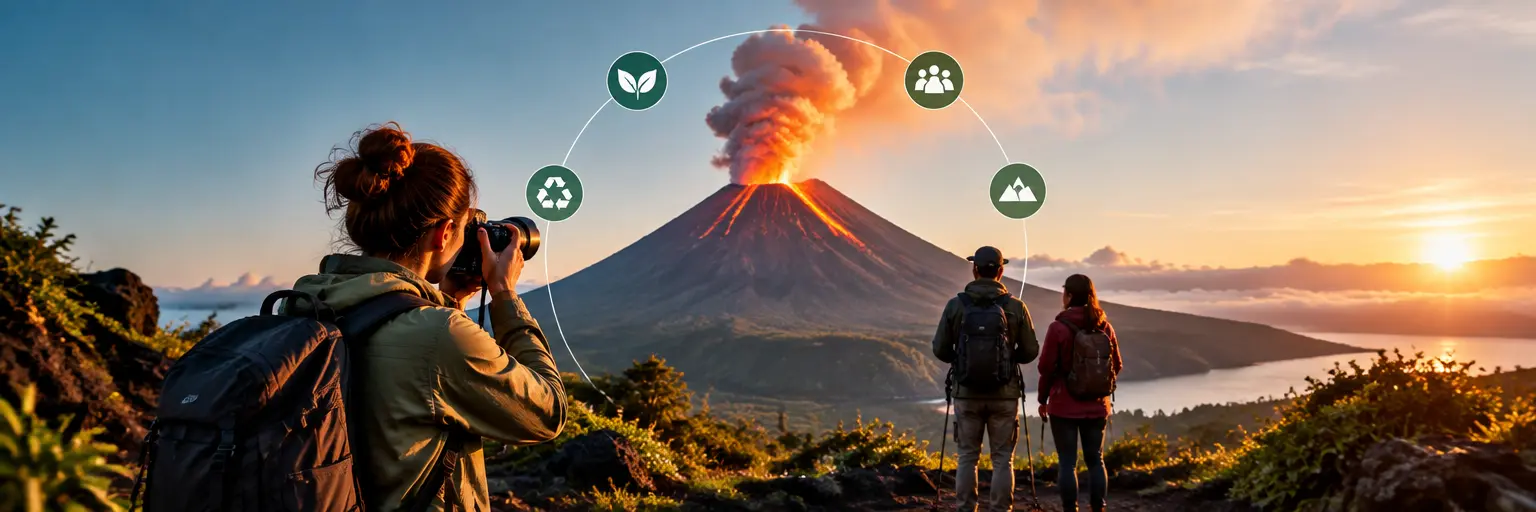
Volcano tourism is one of the most thrilling travel experiences on Earth, but it carries a serious responsibility to protect fragile ecosystems and local communities. At VolcanoExplorers.org, our sustainable and responsible volcano tourism subcategory guides you through ethical travel practices, minimizing environmental impact, supporting indigenous populations, and ensuring safety without compromising the raw wonder of volcanic landscapes. Whether you are planning a trek to an active crater or visiting a dormant giant, this section helps you become a conscientious explorer.
🌋 Choosing Eco-Friendly Volcano Tour Operators
Selecting the right tour operator is the first step toward responsible volcano tourism. Look for operators certified by recognized sustainability bodies, those who cap group sizes to reduce trail erosion, and companies that reinvest a portion of profits into local conservation projects. Avoid operators that encourage off-trail walking or feeding wildlife near volcanic zones, as these practices destabilize unique habitats.
Our guides recommend asking direct questions about waste management, carbon offset programs, and staff training in environmental stewardship. A responsible operator will openly share their carbon footprint and partnerships with volcanology research institutions. By choosing eco-certified companies, you directly contribute to preserving volcanic parks for future generations while enjoying a more intimate, less crowded experience.
♻️ Minimizing Your Environmental Footprint on Volcanic Trips
Volcanic terrains are extremely fragile, with slow-growing flora and delicate geological formations that can take centuries to recover from a single footprint. Always stick to marked trails, pack out every piece of trash including biodegradable items, and avoid collecting rocks or volcanic glass as souvenirs. Use refillable water bottles and solar-powered chargers to reduce plastic and battery waste during your expedition.
Consider choosing destinations that employ visitor quotas or seasonal closures, such as Mount Fuji’s restricted climbing periods. Travel during off-peak times to spread out impact, and opt for public transportation or shared shuttles to reach trailheads. These small adjustments dramatically reduce erosion, air pollution, and disturbance to volcanic soil microbiomes, ensuring your adventure leaves no trace beyond memories.
🤝 Supporting Local Communities Around Volcanoes
Responsible volcano tourism directly benefits local populations who often live in the shadow of these giants. Prioritize locally owned guesthouses, family-run restaurants, and community-guided tours instead of international chains. Purchase handicrafts made from volcanic stone or lava rock, but ensure they come from certified artisans who use sustainable harvesting methods. This economic support helps communities resist destructive mining or quarrying near volcanic slopes.
Engage with cultural protocols, such as asking permission before photographing indigenous ceremonies or sacred sites. Many volcano regions have traditions of reverence toward the mountain, so learning a few local phrases and respecting taboos enhances mutual understanding. Your spending can fund schools, disaster preparedness training, and reforestation projects, transforming tourism into a powerful ally for both people and the planet.
🛡️ Safety and Risk Management in Active Volcanic Zones
Responsible tourism does not mean recklessness. Always check real-time volcanic activity alerts from official geological agencies before booking. Familiarize yourself with exclusion zones, gas emission risks, and evacuation routes outlined on VolcanoExplorers.org. Carry a helmet, gas mask, and first-aid kit when approaching approved viewpoints, and never venture beyond barriers for a selfie—thermal burns and toxic gases kill every year.
Book with guides trained in volcano monitoring protocols who carry portable gas detectors and satellite communication devices. Understand the difference between phreatic eruptions (steam-driven) and magmatic explosions, as both can occur without warning. By respecting safety regulations, you protect yourself, rescue workers, and the fragile balance of the volcano itself, proving that prudence and awe can coexist.
📸 Ethical Photography and Cultural Respect
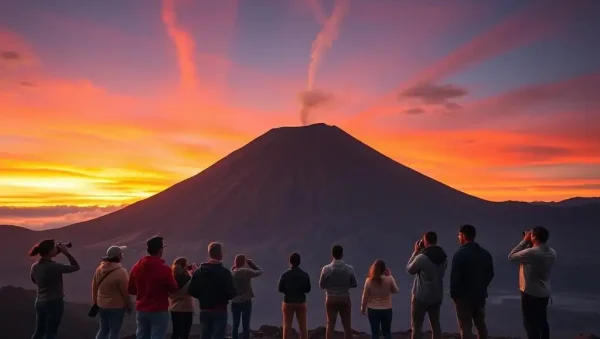
Photography in volcano tourism should never exploit local people or sacred landscapes. Ask explicit permission before photographing individuals, especially during religious rituals or daily life, and offer to share copies of images via email or social media. Avoid staging or manipulating images of volcanic damage, as this sensationalism can harm local economies and misrepresent actual risks.
Respect cultural bans on photographing certain craters or shrines, as these have deep spiritual meaning for indigenous groups. Use a telephoto lens to capture volcanic details without disturbing wildlife or venturing off-trail. Post photos that highlight conservation efforts and local stories rather than just dramatic imagery, turning your feed into a tool for education and appreciation. Ethical photography amplifies the voices of volcano communities rather than exploiting them.
🌍 Long-Term Conservation and Research Partnerships
True sustainability goes beyond individual trips. Consider participating in volunteer programs that monitor volcanic gas emissions, collect GPS data, or restore native vegetation after eruptions. Many observatories, such as the USGS Hawaiian Volcano Observatory, offer citizen science opportunities where tourists can contribute to real research without specialized degrees. Your travel becomes a contribution to science.
Support conservation NGOs that work on volcanic parkland preservation, such as UNESCO Global Geoparks. Donate to local rescue teams or equipment funds, and share your experiences with policymakers to advocate for stronger environmental protections. By aligning your tourism with research and conservation, you transform from a passive visitor into an active guardian of these planetary wonders, ensuring they remain eruptive and vital for centuries to come.
Frequently Asked Questions
Is volcano tourism safe for beginners?
Yes, if you join certified tours and stick to designated viewpoints. Beginners should choose dormant or mildly active volcanoes with well-maintained trails, like Mount St. Helens or Vesuvius. Always follow guide instructions, check weather forecasts, and avoid trips during gas advisory warnings. Safety gear is provided by reputable operators, but bring sturdy boots and water.
Can I visit an active volcano without harming it?
Absolutely, by following strict trail rules, carrying all waste out, and using eco-friendly products. Avoid touching lava rock or dug-out vents, as oils from your skin can alter delicate chemical formations. Stay on hardened lava paths and use established lookouts. Single-file hiking minimizes erosion, and refraining from drone use reduces wildlife stress.
How can I ensure my money helps local volcano communities?
Book directly with local guides, eat at family-owned restaurants, and stay in community-run ecolodges. Ask operators how much revenue stays in the area. Purchase official souvenirs with fair-trade labels and donate to village schools or rescue teams. Avoid international all-inclusive packages that siphon profits away.
What should I pack for responsible volcano travel?
Carry reusable items like water bottles, utensils, and bags. Pack solar chargers, biodegradable sunscreen, and a portable ash mask. Wear high-traction boots, long sleeves, and a hat. Bring a small trash pouch for any litter, and include digital maps offline to prevent GPS signal reliance in remote areas.
Are there any volcano sites that are off-limits for conservation?
Yes, many active craters and fumarole fields are permanently closed to protect fragile ecosystems and visitor safety. Examples include certain areas of Kilauea’s caldera and parts of Mount Etna’s summit. Always check current regulations from local volcano observatories, as closures change with gas levels and thermal activity.