Best Volcano Destinations for Photography in the Americas
Capture the raw power and breathtaking beauty of the planet’s most dramatic landscapes with our curated guide to the best volcano destinations for photography in the Americas. From the glowing lava flows of Hawaii to the snow-capped peaks of the Andes, this subcategory is your passport to epic shots, practical tips, and insider knowledge. Whether you’re a seasoned pro or an enthusiastic hobbyist, these locations offer unmatched opportunities for landscape, astro, and adventure photography—each with its own unique challenges and rewards.
🌋 Iconic Active Volcanoes: Hawaii’s Kīlauea & Mauna Loa
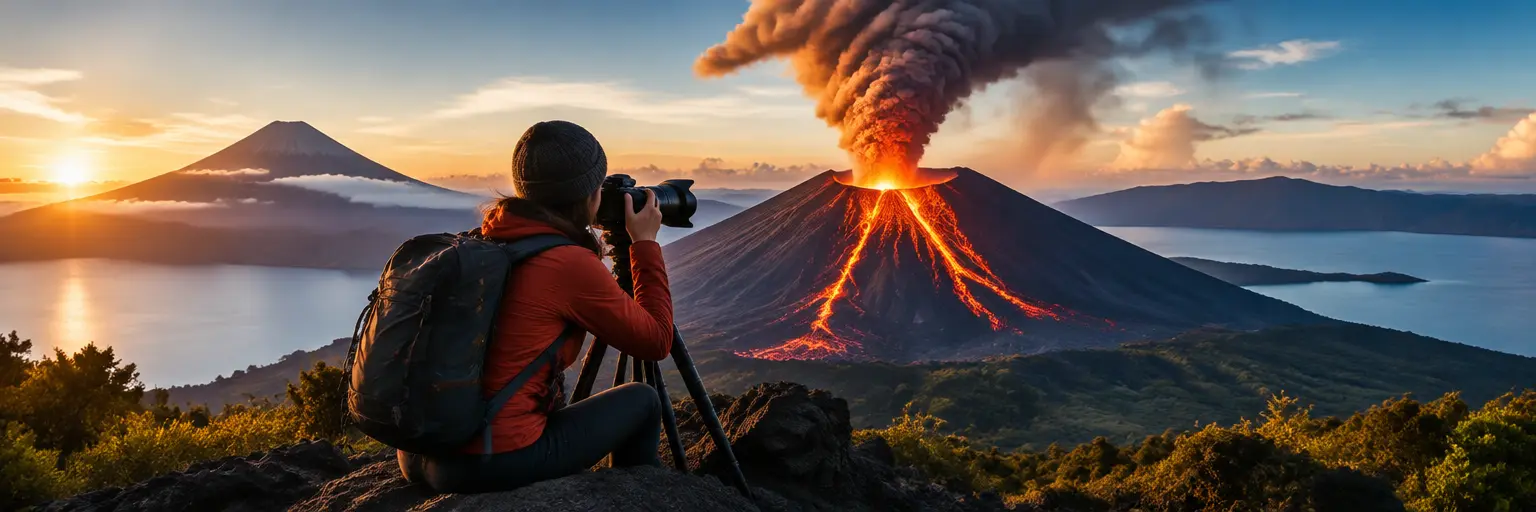
Hawaii Volcanoes National Park is a dream for any photographer seeking molten lava, steam vents, and otherworldly basalt fields. Kīlauea frequently offers visible lava lakes and surface flows, especially during heightened activity, while Mauna Loa provides vast, dramatic panoramas from its massive shield shape. Expect to photograph glowing red rivers at dusk, silhouetted against starry skies. Always check the USGS hazard alerts before heading out, as access points can close suddenly due to volcanic gas or eruptions.
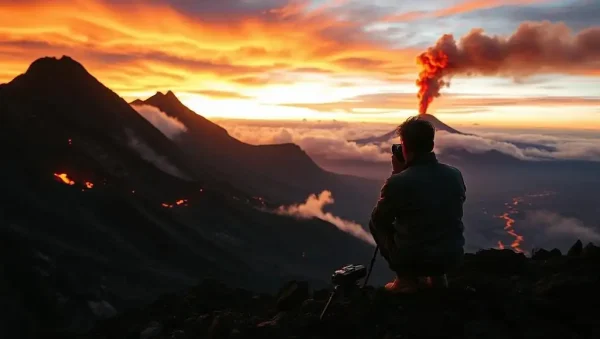
For the best shots, plan for sunrise or sunset when the contrast between the dark lava and fiery glow is most striking. A telephoto lens allows you to capture lava spatter details safely from designated viewpoints, while a wide-angle lens is essential for the immersive scale of the caldera. Don’t forget a sturdy tripod for long-exposure night photography—the combination of stars and glowing magma is a once-in-a-lifetime image. Bring a respirator mask and plenty of water, as sulfur dioxide levels can be high.
🏔️ Stratovolcano Giants: Mexico’s Popocatépetl & Iztaccíhuatl
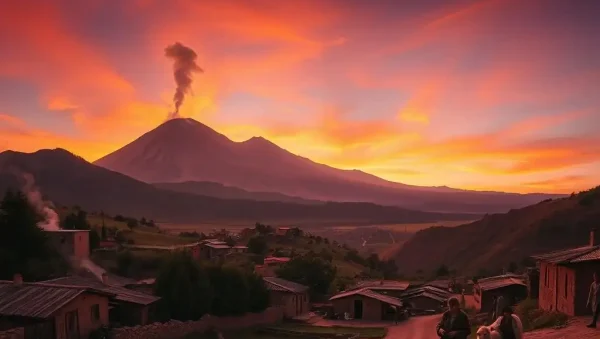
Just a few hours from Mexico City, these twin volcanoes offer dramatic, snow-capped peaks that are perfect for landscape and cultural photography. Popocatépetl is currently active, with frequent ash emissions that add a moody, atmospheric quality to images, while Iztaccíhuatl (the “Sleeping Woman”) provides a quieter, more stable subject for sunrise and sunset shots. The surrounding pine forests and indigenous villages add a human dimension to your frames, making for compelling storytelling.
Photograph the volcanoes from the Paso de Cortés pass, where you can frame both peaks in a single shot, especially during the golden hour when the snow glows pink. For a more rugged perspective, consider a guided hike to higher altitudes (over 4,000 meters) where the vegetation thins and the volcanic landscape becomes stark and monumental. Always respect the exclusion zones around Popocatépetl—never attempt to summit without official permission, and monitor the CENAPRED alerts for real-time safety updates.
🌄 Andean Wonders: Cotopaxi & Villarrica in South America
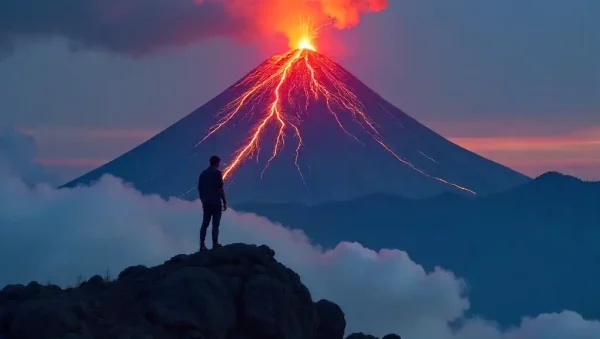
Ecuador’s Cotopaxi is one of the highest active volcanoes on Earth, and its perfectly symmetrical snow cone is a photographer’s classic. Chile’s Villarrica, with its glowing lava lake, offers a different thrill—you can hike to near the crater rim (with a certified guide) and capture the molten interior on a clear day. Both locations sit within national parks that provide diverse backdrops, from paramo grasslands to glacial lagoons. The thin, high-altitude air yields crisp, sharp images and magnificent star trails.
For Cotopaxi, head to the refuge at 4,800 meters for the iconic frontal view, but also drive the bumpy road to the parking lot for a lower-angle perspective that includes the llama-dotted plains. For Villarrica, book a sunrise tour to avoid midday winds and capture the crater glow in the cool morning light. Bring extra batteries—cold and altitude drain them quickly—and a polarizing filter to cut glare from snow and ice. Acclimatize for 24 hours before any high-altitude hike to avoid altitude sickness.
🌋 Central American Gems: Arenal & Pacaya
Costa Rica’s Arenal is a dormant stratovolcano surrounded by lush rainforest, offering a striking contrast between the dark cone and vibrant green vegetation. Its perfectly shaped peak reflects beautifully in the nearby Lake Arenal at dawn, making for mirror-smooth reflections. Guatemala’s Pacaya is an active volcano where you can safely hike over recent lava flows and photograph glowing rocks as the sun sets. Both destinations are accessible, making them ideal for photographers who want dramatic volcanic imagery without extreme technical climbing.
At Arenal, head to the hanging bridges in the Mistico Park for elevated viewpoints that frame the volcano against the forest canopy. For Pacaya, late afternoon hikes are best, as you’ll capture the crater’s fiery eye during twilight and descend by headlamp. Use a fast prime lens (f/1.8 or faster) for low-light shots of the molten rock, and keep a microfiber cloth handy for lens cleaning—volcanic ash is abrasive. Always hire a local guide for Pacaya, as the terrain is unmarked in places.
🌌 High-Altitude Desert Volcanos: Chile’s Ojos del Salado & Lascar
In the Atacama Desert, the world’s driest region, you’ll find Ojos del Salado (the highest active volcano on Earth) and Lascar, which erupts frequently with small ash columns. The extreme aridity and altitude (over 6,000 meters) create an exceptional clarity for astrophotography—the Milky Way appears strikingly vivid. The surrounding salt flats, flamingos, and rock formations provide endless compositional variety. However, the harsh environment demands careful planning and high-quality gear.
Photograph Lascar from the Laguna Verde viewpoint, where the volcano’s reflection in the emerald lake creates a surreal contrast. For Ojos del Salado, the climb requires a 4x4 to the base camp at 5,800 meters, then a technical scramble—only experienced mountaineers should attempt the summit. Use a wide-angle lens with a fast aperture (f/2.8) for star trails, and bring multiple camera bodies to avoid changing lenses in the dusty wind. Always carry supplemental oxygen for any activity above 5,500 meters.
🌲 Pacific Northwest Icons: Mount Rainier & Mount St. Helens
The United States’ Pacific Northwest offers two photogenic giants: Mount Rainier, a massive stratovolcano with 26 glaciers, and Mount St. Helens, whose 1980 eruption left a horseshoe-shaped crater visible from miles away. Rainier is perfect for wildflower meadow foregrounds (July-August), while St. Helens provides a stark, moon-like landscape that is both haunting and beautiful. These are accessible day-trip destinations from Seattle and Portland, ideal for weekend photo expeditions.
At Rainier, visit the Paradise area at dawn to capture the mountain reflecting in the small alpine lakes, or hike to the Skyline Trail for elevated ridge shots. For St. Helens, the Johnston Ridge Observatory offers a front-row view of the crater, and the nearby Windy Ridge viewpoint frames the mountain against the Spirit Lake blast zone. Use a circular polarizer to enhance the blue hour tones on the snow and to cut glare from volcanic dust. Fall brings golden larches (October), adding vibrant color to your compositions.
Frequently Asked Questions
Is it safe to photograph active volcanoes in the Americas?
Safety depends entirely on current volcanic activity and your distance from the crater. Always check official alerts (USGS for the US, CENAPRED for Mexico, Sernageomin for Chile) and stay within designated viewing areas. Bring a respirator for ash and sulfur dioxide, wear sturdy boots, and never hike alone in remote areas. Guided tours are highly recommended for active craters like Villarrica or Pacaya.
What camera gear is essential for volcano photography?
A wide-angle zoom (16-35mm) and a telephoto (70-200mm) cover most scenes. A tripod is crucial for long exposures at dawn or night. Use a polarizing filter for snow and ash glare, and a fast prime lens (35mm f/1.4) for low-light lava shots. Protect your camera with a dust-proof housing or a UV filter, and carry extra batteries—cold reduces battery life quickly.
When is the best time of year for volcano photography in the Americas?
For Hawaiian volcanoes, any dry season (April-October) works; for Andean volcanoes (Cotopaxi, Villarrica), aim for their dry winter (June-September). The Pacific Northwest peaks are clearest from July-September, while Mexico’s volcanoes are visible year-round but crispest in the cool, dry months (November-March). Always check local weather forecasts for cloud cover.
Do I need a permit or guide for any of these volcano destinations?
Yes for some: Villarrica requires a certified guide, Pacaya requires a local guide, and summiting Cotopaxi or Ojos del Salado needs a mountaineering permit (and often a guide). Hawaii, Rainier, and St. Helens do not require permits for standard viewpoints, but backcountry access may. Always verify current regulations on the official park websites before you go.
Can I get sharp photos of lava without risking my safety?
Absolutely. Use a telephoto lens (200mm or more) to safely capture lava details from designated viewpoints—never approach molten rock. For night shots, set your camera on a tripod, use ISO 800-1600, and expose for 2-10 seconds to capture glowing flows without motion blur. A remote shutter release minimizes camera shake, and shooting in raw preserves the dynamic range.